Cosmoderus femoralis “Dragonhead Cricket”
29,00 € incl. VAT, plus shipping
In stock

Medium

Cameroon

< 50 mm

25°C – 27°C
Cosmoderus femoralis – the fascinating dragon-headed cricket from Africa
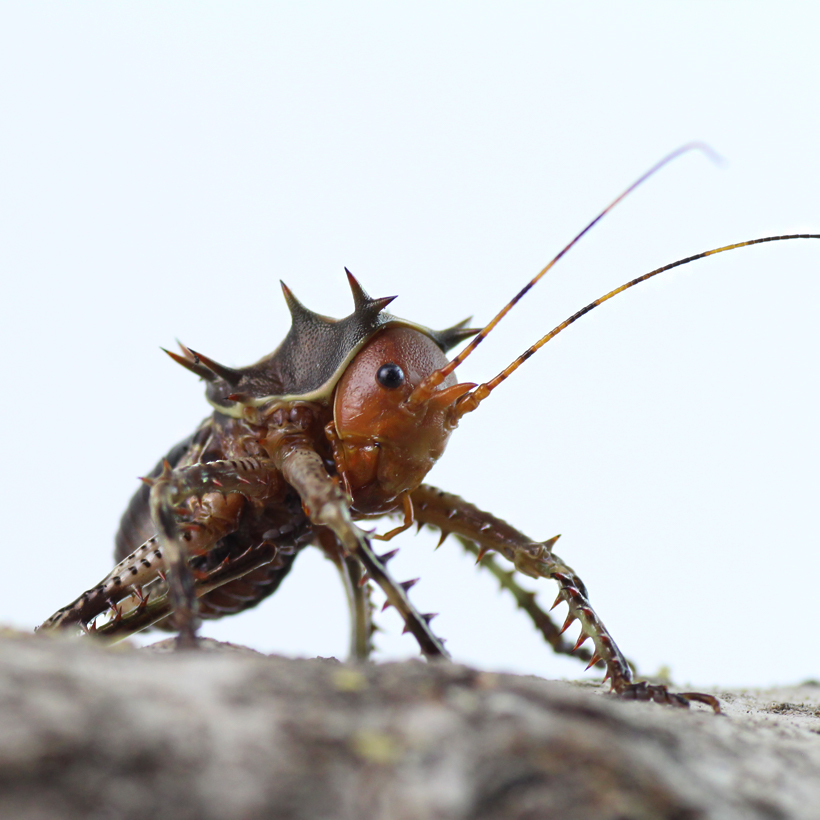
Cosmoderus femoralis, also known as the dragonhead cricket, spiny cricket, or fighting cricket, is one of the most extraordinary insects you can observe in a terrarium. Its sturdy body, numerous spines, and almost prehistoric appearance do indeed resemble a small dragon.
Particularly striking are its broad head, sturdy legs, and numerous pointed projections. These features clearly distinguish Cosmoderus femoralis from ordinary crickets and grasshoppers.
Incidentally, despite its German name, this species does not belong to the true crickets. Scientifically, it belongs to the family Tettigoniidae, that is, the leaf-crickets. Within this family, it belongs to the subfamily Hetrodinae, whose members are often distinguished by a particularly robust and spiny body shape.
The species was first scientifically described by Sjöstedt as early as 1902. Nevertheless, it remains a true rarity in the terrarium hobby to this day.
Cosmoderus femoralis – an extraordinary discovery from Cameroon
The dragonhead cricket is native to tropical Central Africa.
Its occurrence in Cameroon is particularly well documented. The scientific type specimen was also found there.
A recent scientific study also confirmed its presence in the Republic of the Congo. This means that the species is not limited exclusively to Cameroon.
In its natural habitat, Cosmoderus femoralis finds numerous hiding places among vegetation and soil structures.
For keeping these animals, this means above all that a terrarium with plenty of structural elements and various hiding spots is particularly beneficial.
A small dragon with impressive spines
The most striking feature of *Cosmoderus femoralis* is undoubtedly its unusual body shape.
Numerous sturdy spines are distributed across its head, neck shield, and other parts of its body. Together with its stocky build, this gives it its characteristic dragon-like appearance.
The base color ranges primarily from brown to reddish-brown and darker shades. Some of the animals also exhibit a slight metallic sheen.
It’s especially when you take a closer look that the many small details really stand out.
That is why this species is also of interest to keepers who are fascinated by the unusual body shapes and natural adaptations of insects.
Females can grow up to 6 cm
In Cosmoderus femoralis, males and females differ in body size.
According to documented breeding data, males reach a body length of approximately 4–5 cm. Females, on the other hand, are slightly larger, at about 5–6 cm.
In addition, females often appear more robust and have a wider abdomen.
However, because of their numerous spines, both sexes appear significantly bulkier than their body length alone would suggest.
Unusual Behavior in the Terrarium
The dragonhead cricket isn’t just visually interesting.
Her behavior also makes her a fascinating animal to observe.
The animals move among the substrate, branches, and hiding places. As they do so, they explore their surroundings and search for suitable food sources.
Their reaction to different types of food is particularly interesting. This is because Cosmoderus femoralis does not feed exclusively on plant matter.
Animal-based ingredients are also part of their diet.
This makes it distinctly different from many classic herbivorous grasshopper species.
25–28 °C for warm conditions
We recommend a temperature of approximately 25–28 °C during the day.
This area is consistent with the documented experiences of successful keepers. At the same time, it is well suited to the species’ warm habitats.
At night, the temperature can drop a little.
Lighting or a heat source from above can create a warmer area. At the same time, there should be cooler places for animals to retreat to.
This allows the animals to seek out different temperature zones on their own.
It is also important to ensure that the terrarium does not overheat.
The Right Humidity Level for Cosmoderus femoralis
The dragonhead cricket requires a warm climate with a certain level of humidity.
As a practical guideline, a relative humidity of approximately 60–75% has proven effective.
However, you shouldn’t try to keep the entire terrarium constantly wet.
It’s better to have a slightly moist substrate with a few damper hiding spots.
At the same time, there must be a sufficient supply of fresh air. This is because stagnant, humid air and surfaces that remain wet can cause problems.
That’s why you should always make sure there’s good ventilation.
A terrarium measuring at least 30 × 30 × 30 cm
For a small group of Cosmoderus femoralis, we recommend a terrarium measuring at least approximately 30 × 30 × 30 cm.
Of course, the rule is: The more animals you want to keep, the more space you should plan for.
The decor can be varied.
Cork bark, roots, and branches create various hiding spots. At the same time, they allow the animals to explore their surroundings.
It is especially important to have several separate hiding places.
Although it is possible to keep them in a group, the animals should be able to avoid each other at all times.
Forest humus as a natural substrate
A loose substrate made of forest humus is suitable for Cosmoderus femoralis.
It retains moisture while allowing for a natural terrarium design.
You can also add a thin layer of fallen leaves. This creates additional hiding spots and adds variety to the ground cover.
Some owners also use soil-sand mixtures.
Above all, it is important that the substrate is not constantly saturated and is deep enough to allow for natural behavior.
The substrate also plays an important role, especially during breeding, since the females lay their eggs in it.
Fruits and vegetables are on the menu
When it comes to diet, Cosmoderus femoralis is pleasingly versatile.
The animals eat a variety of plant-based foods.
For example, the following are particularly well-suited:
- Zucchini and Cucumber
- Carrots
- Apples and Pears
- Various suitable leaves
- Beetle Jelly as a supplemental food
Offer a variety of foods whenever possible.
Be sure to wash fruits and vegetables thoroughly and look for untreated produce.
Uneaten food must be removed regularly so that it doesn’t go moldy.
Animal protein is also part of a balanced diet
A distinctive feature of *Cosmoderus femoralis* is its omnivorous diet.
This means that the animals eat both plant-based and animal-based foods.
In addition to fruits and vegetables, suitable protein-rich foods can therefore be offered occasionally.
Experienced keepers use, for example, fish food flakes or other suitable insect feed. Dead insects are also accepted.
You should use only fresh food that meets all hygiene standards.
Animal-based foods should complement a plant-based diet, not completely replace it.
A sufficient and varied diet is especially important when keeping animals in groups.
Keeping animals in groups is possible—but not without risk
Cosmoderus femoralis can generally be kept in small groups.
However, you shouldn’t assume that these animals are completely peaceful.
Documented breeding experience has shown that cannibalism can occur, particularly when stocking densities are too high.
Weakened or sick animals are particularly at risk.
That’s why we recommend plenty of space, several hiding spots, and a reliable food supply.
You should also check in with the group regularly.
If problems arise, individual animals can be separated at any time.
Breeding the scorpion cricket is especially exciting
Breeding Cosmoderus femoralis is possible, but it is considered more challenging than simply keeping them as pets.
The females lay their eggs in the substrate.
A sufficiently deep, appropriately moist soil-sand mixture, for example, is suitable for this purpose.
The long development process of the eggs is particularly interesting.
Documented breeding experiences indicate an incubation period of approximately 10 months. Alternating between drier and wetter phases may play an important role in this process.
However, this information has not yet been verified as thoroughly as it has for commonly bred species.
That’s why you shouldn’t take breeding for granted.
A true rarity for invertebrate enthusiasts
While common crickets and many species of grasshoppers are regularly available in stores, Cosmoderus femoralis remains a relatively rare sight.
This species offers an extraordinary combination of a striking body shape, an interesting diet, and fascinating behavior.
Its many thorns and sturdy build, in particular, make it unmistakable.
Anyone who has already gained experience with various invertebrates and is looking for an unusual species will find the dragonhead cricket to be a fascinating terrarium pet.
Advantages at a glance
- Cosmoderus femoralis (Sjöstedt, 1902)
- German name: Dragonhead Cricket
- Other names: Thorn Cricket and Fighting Cricket
- Family Tettigoniidae
- Subfamily Hetrodinae
- Origin: Cameroon and the Republic of the Congo
- Male, approximately 4–5 cm
- Females approximately 5–6 cm
- Prominent thorns on the body
- A powerful, dragon-like appearance
- Daytime temperature approximately 25–28 °C
- Humidity approximately 60–75%
- Terrarium measuring approximately 30 × 30 × 30 cm
- Loose, slightly moist substrate
- Omnivorous Diet
- Fruits, vegetables, and animal protein as a supplement
- Group housing with sufficient space is possible
- Cannibalism may occur when stocking density is too high
- Egg-laying in the substrate
- A long incubation period of approximately 10 months is possible
- Difficulty Level: Medium
Suitable accessories for your setup
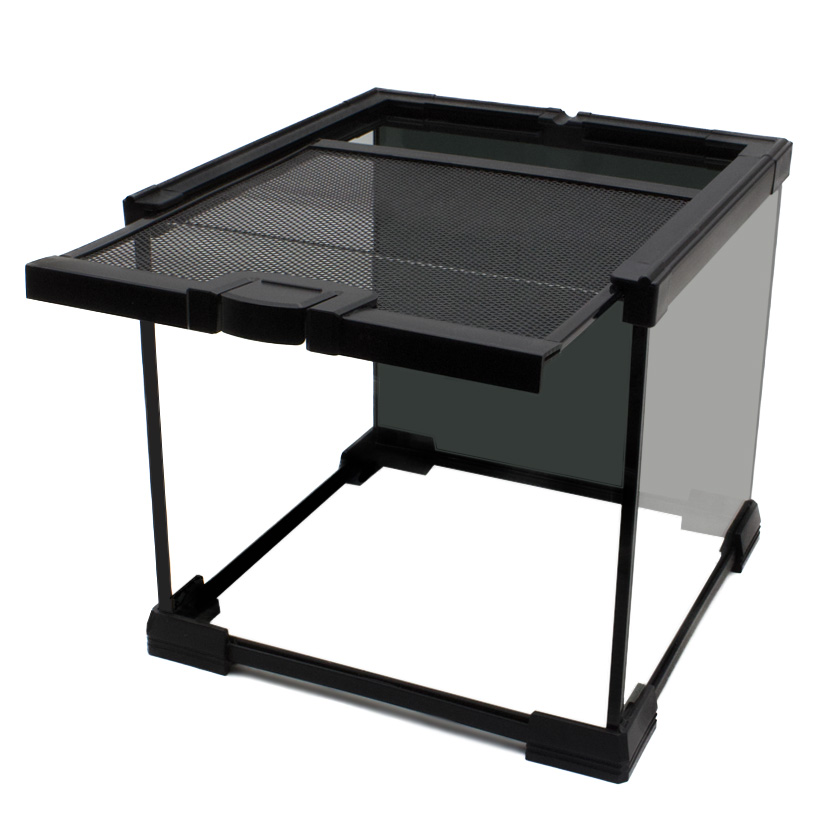
Insektenliebe Terrarium – offers plenty of space for a structurally rich setup with various hiding spots and safe havens.
Forest humus —creates a natural substrate, retains moisture, and allows for varied soil composition.
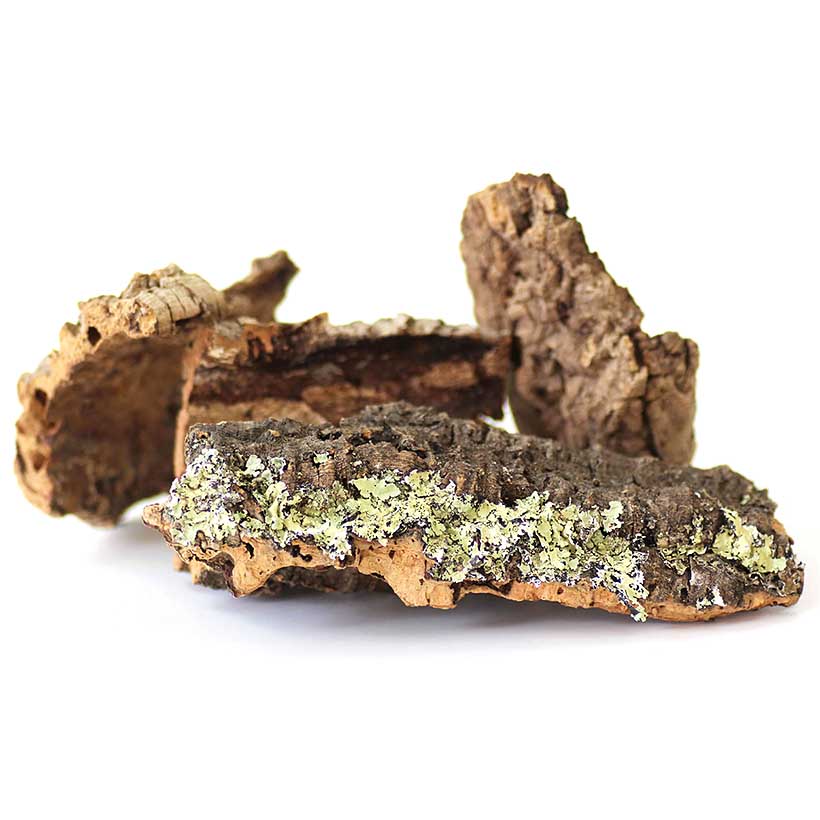
Cork bark —provides sheltered hiding spots and additional structures where the animals can retreat.
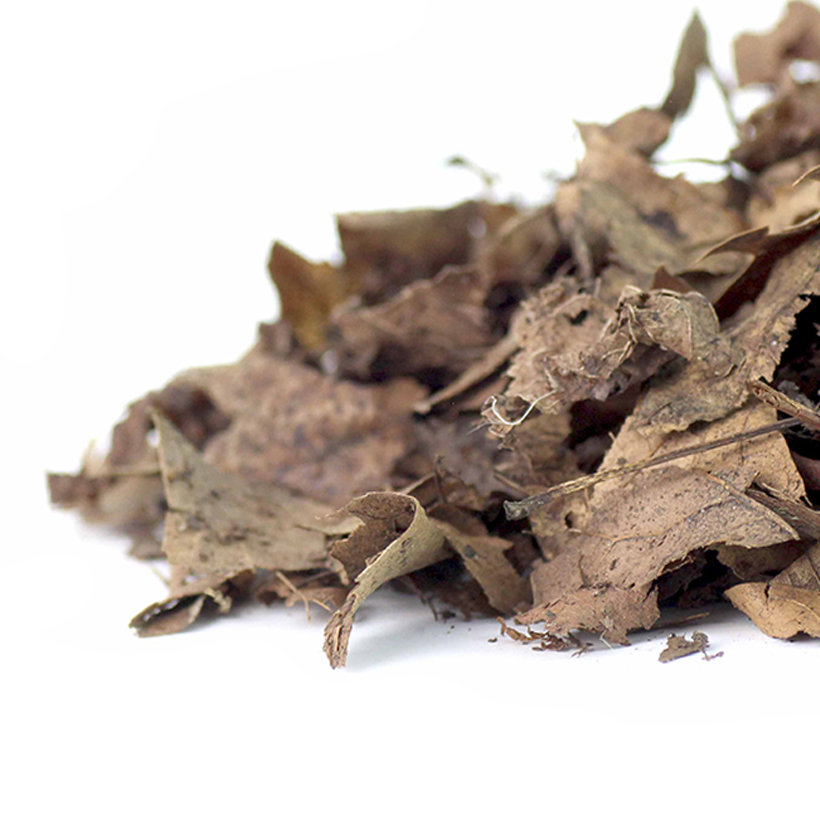
Leaves for food —complement the substrate and provide additional hiding places for the dragonhead crickets.
Beetle Jelly – provides a convenient addition to a varied diet of fruits, vegetables, and protein-rich foods.
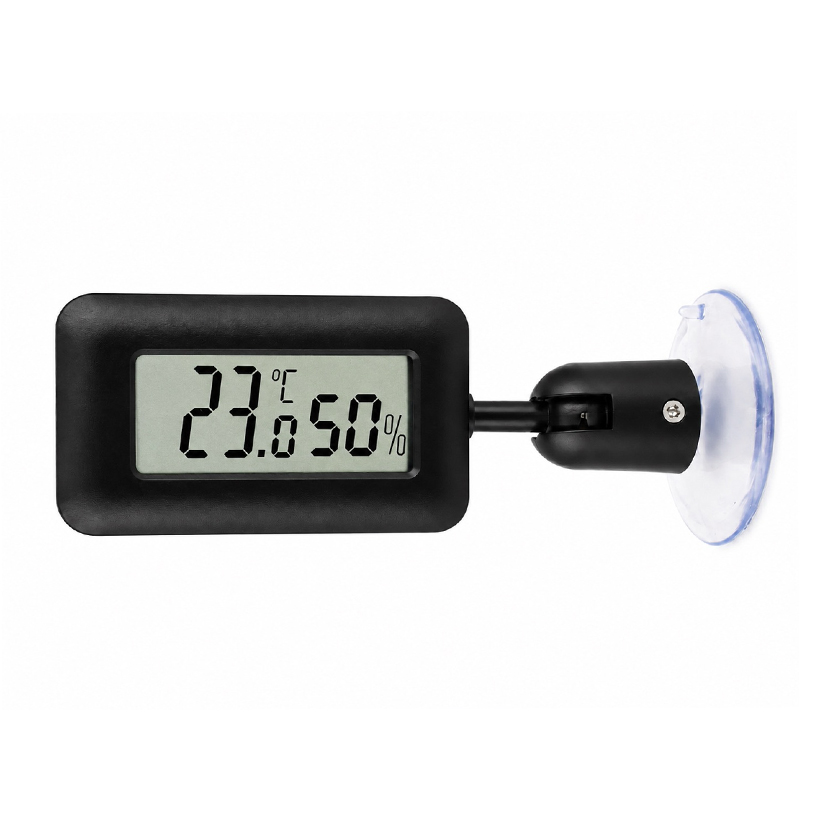
Insektenliebe Hygro-Therm – lets you control the temperature and humidity in your terrarium.
Conclusion
Cosmoderus femoralis is an extraordinary species of grasshopper that truly lives up to its name, the “dragon-headed cricket.”
Its robust body, numerous thorns, and striking coloration make it a real eye-catcher. At the same time, its varied diet and behavior offer exciting opportunities for observation.
For keeping these animals, we recommend a terrarium measuring at least 30 × 30 × 30 cm, temperatures of 25–28 °C, and a humidity level of about 60–75%. A loose substrate made of forest humus and various hiding spots will provide suitable conditions.
Variety is especially important in its diet. In addition to fruits and vegetables, Cosmoderus femoralis also consumes animal protein.
Keeping them in a group is possible, but you should provide enough space and food. If the group is too crowded, cannibalism may occur.
Breeding also remains particularly fascinating. The females lay their eggs in the substrate, and the development process can take several months.
This makes Cosmoderus femoralis a fascinating choice for invertebrate enthusiasts looking for a rare, unusual-looking species with interesting behavior.
Perfect combined with
-
Insektenliebe Terrarium
Price range: 34,99 € through 54,98 € incl. VAT, plus shipping