Winter packaging
-
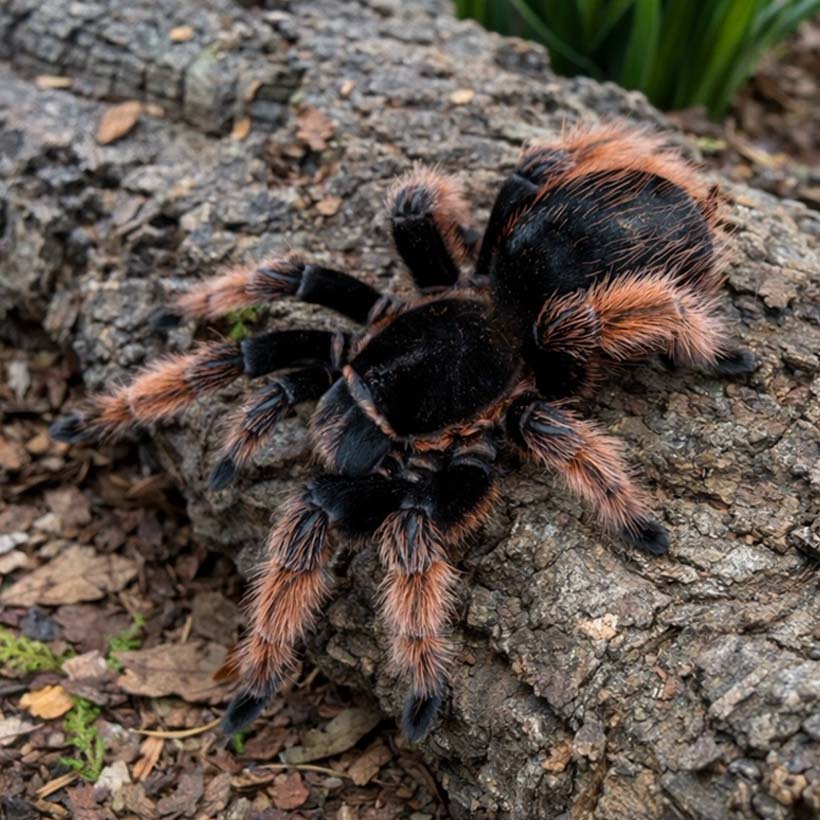
Brachypelma klaasi
Brachypelma klaasi – Quiet tarantula with impressive colors Brachypelma klaasi is one of the particularly colorful tarantulas from Central America.…
-
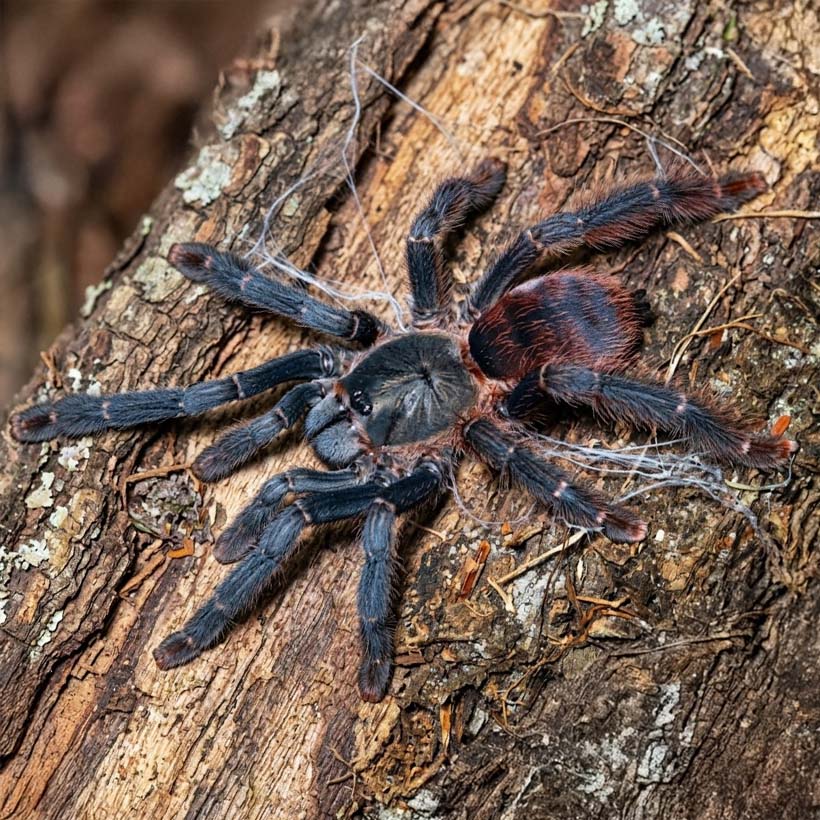
Amazonius burgessi
Amazonius burgessi – Small species with great observation value Amazonius burgessi is a rather rarely kept dwarf tarantula from South…
-
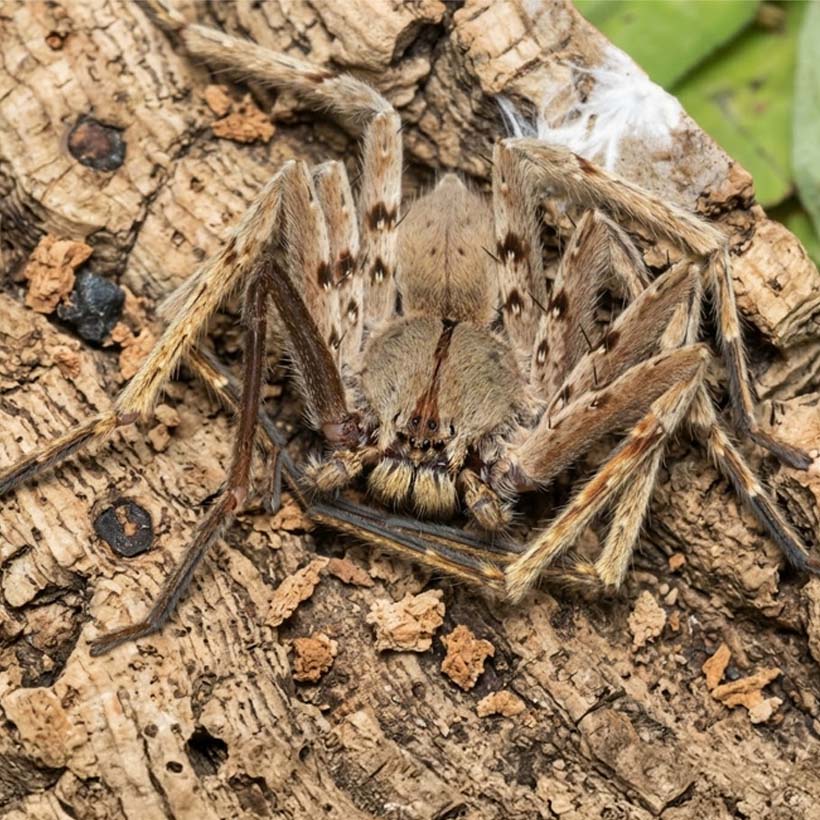
Heteropoda javana
Heteropoda javana – Observable alternative to the tarantula Heteropoda javana belongs to the giant crab spiders (Sparassidae) and brings a…
-
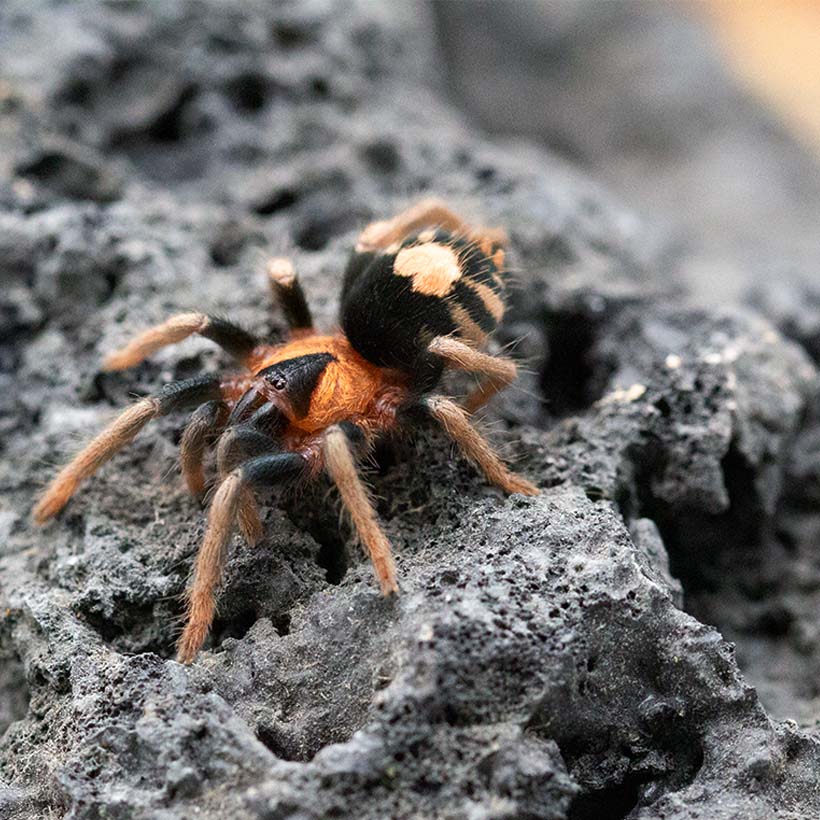
Cyriocosmus elegans
Cyriocosmus elegans – Dwarf tarantula with heart pattern on the abdomen Cyriocosmus elegans is one of the best known dwarf…
-
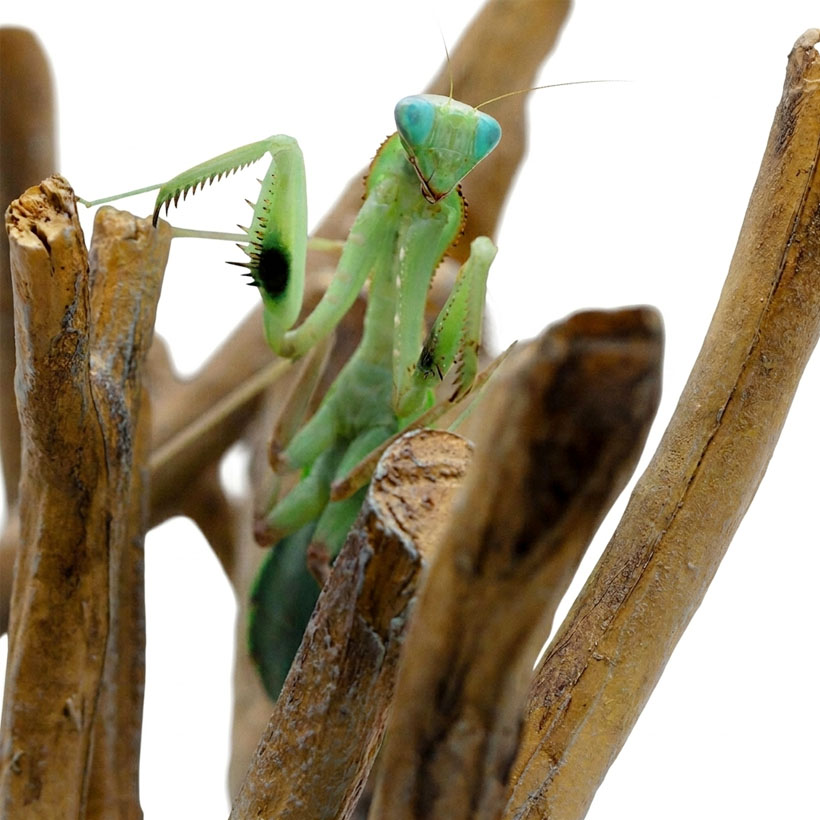
Sphodromantis aurea
Sphodromantis aurea – Easy-care mantid with a strong appetite Sphodromantis aurea is a particularly robust and at the same time…
-
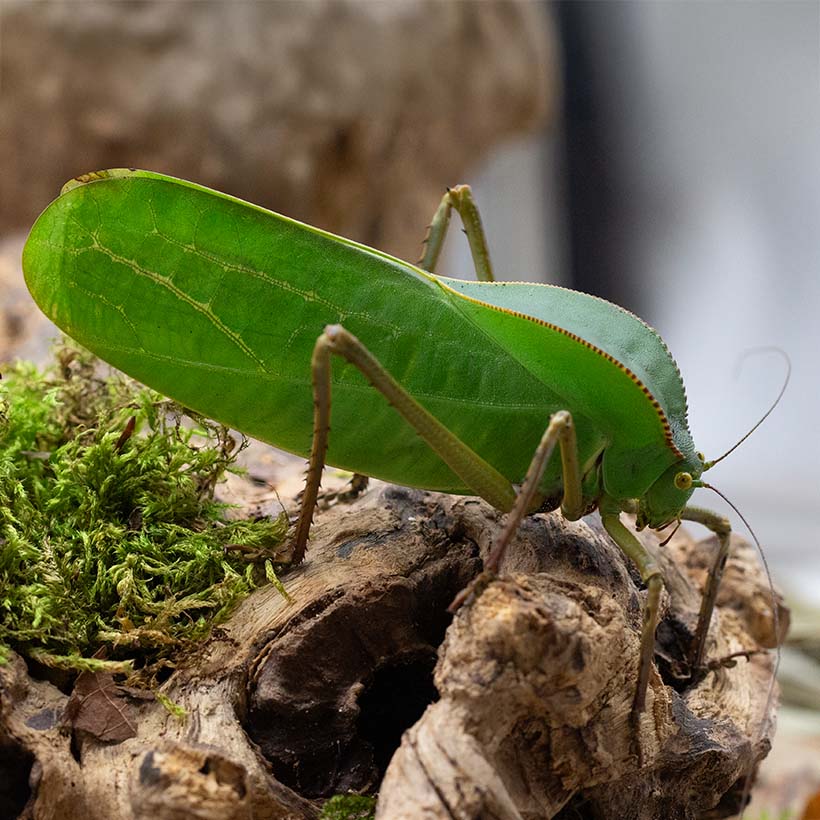
Siliquofera grandis
Large, calm and fascinating – Siliquofera grandis Siliquofera grandis is one of the largest giant leaf insects in existence, which…
-
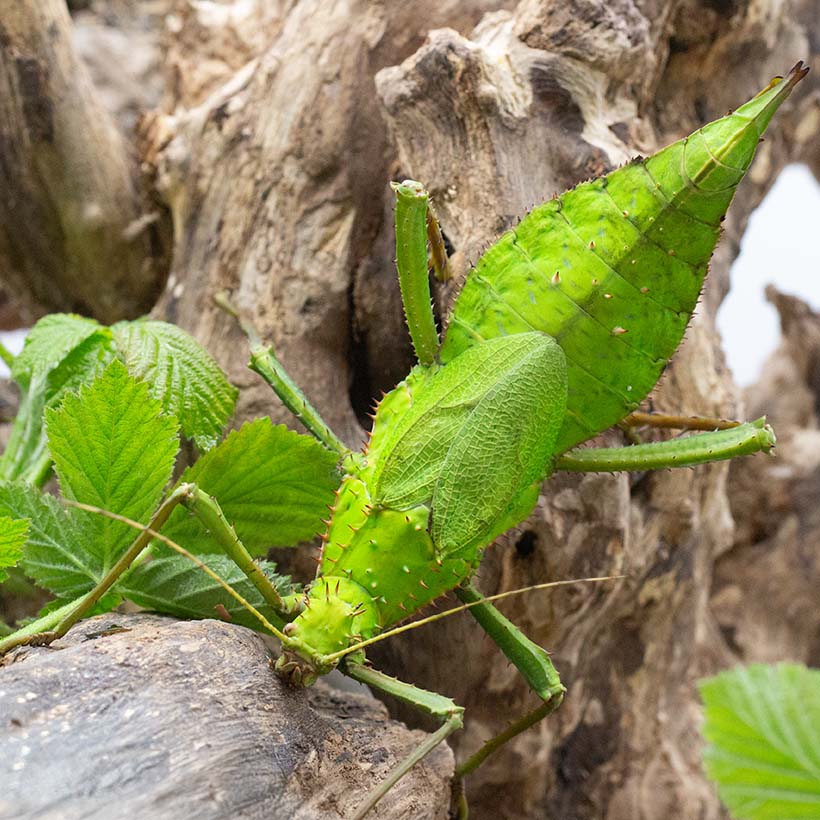
Heteropteryx dilatata
Heteropteryx dilatata – The impressive giant ghost insect Heteropteryx dilatata also known as the jungle nymph, is one of the…
-
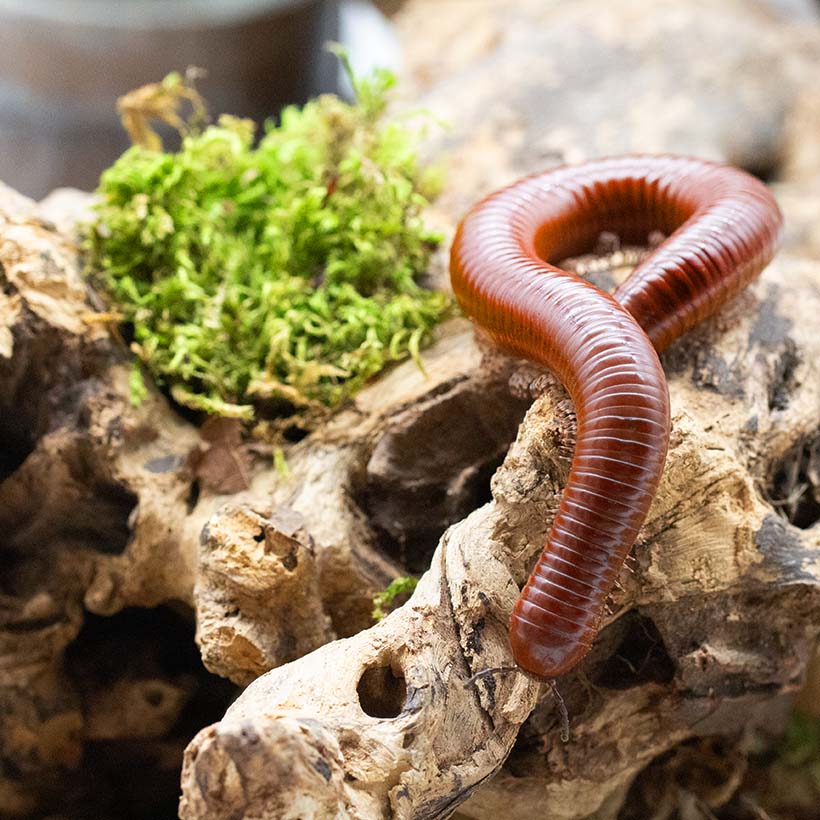
Thyropygus spec.
Thyropygus spec. – The large brown millipede Thyropygus spec. originates from the tropical regions of Malaysiawhere it lives in humid…
-
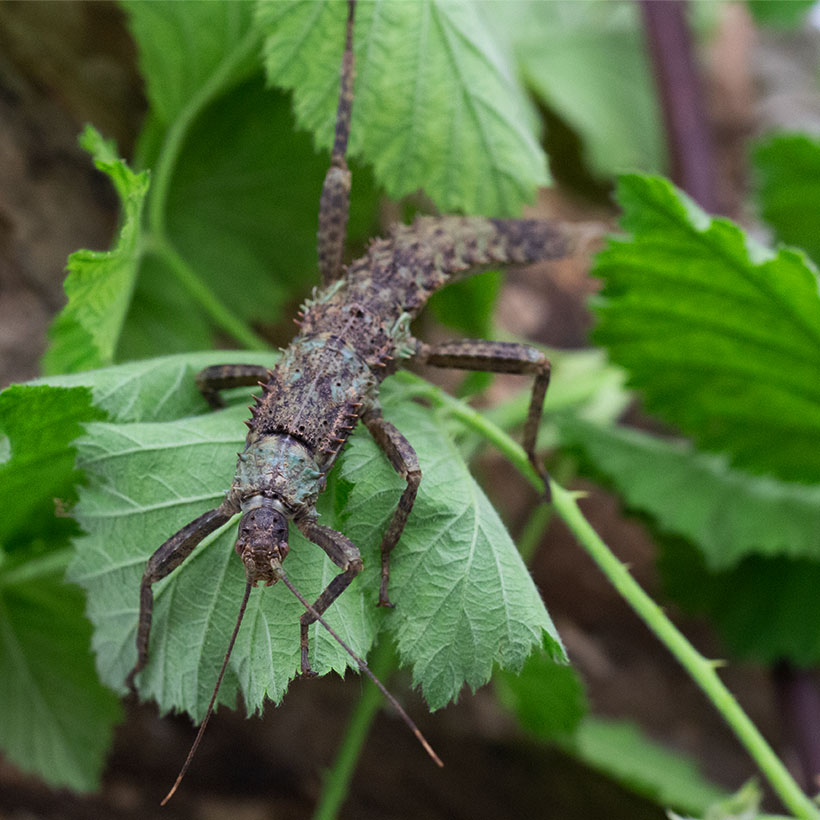
Eurycantha calcarata
Eurycantha calcarata – The powerful giant spider mantis Eurycantha calcarata originates from Australia and belongs to the particularly particularly strong-built…
-
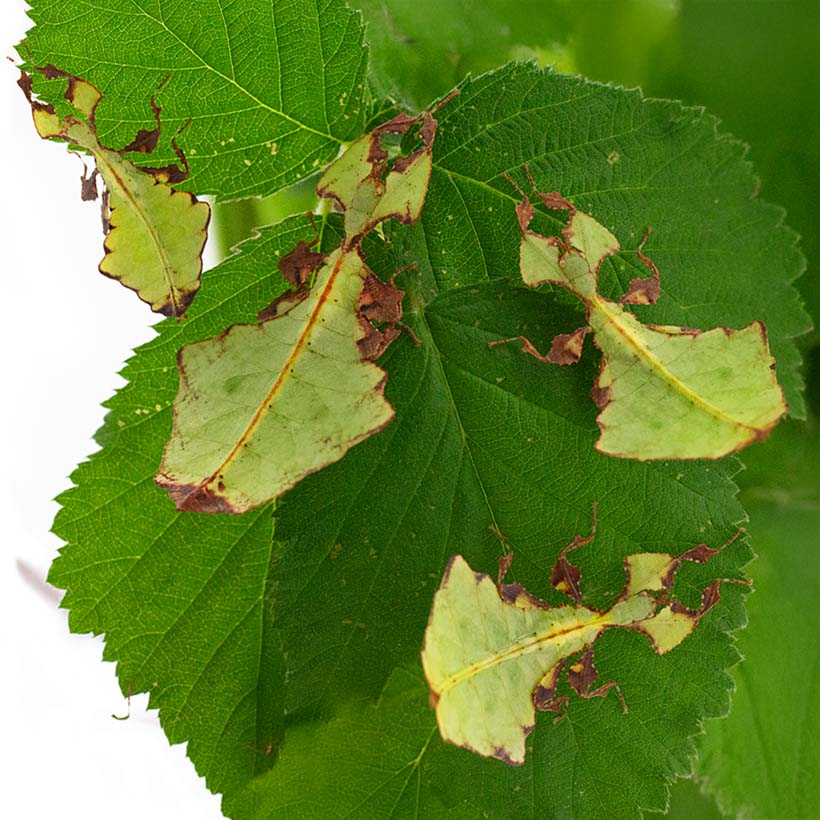
Phyllium giganteum “Gold”
Golden color form – Rare and impressive Phyllium giganteum “Gold” is one of the most impressive changing leaves in terraristics.…
-
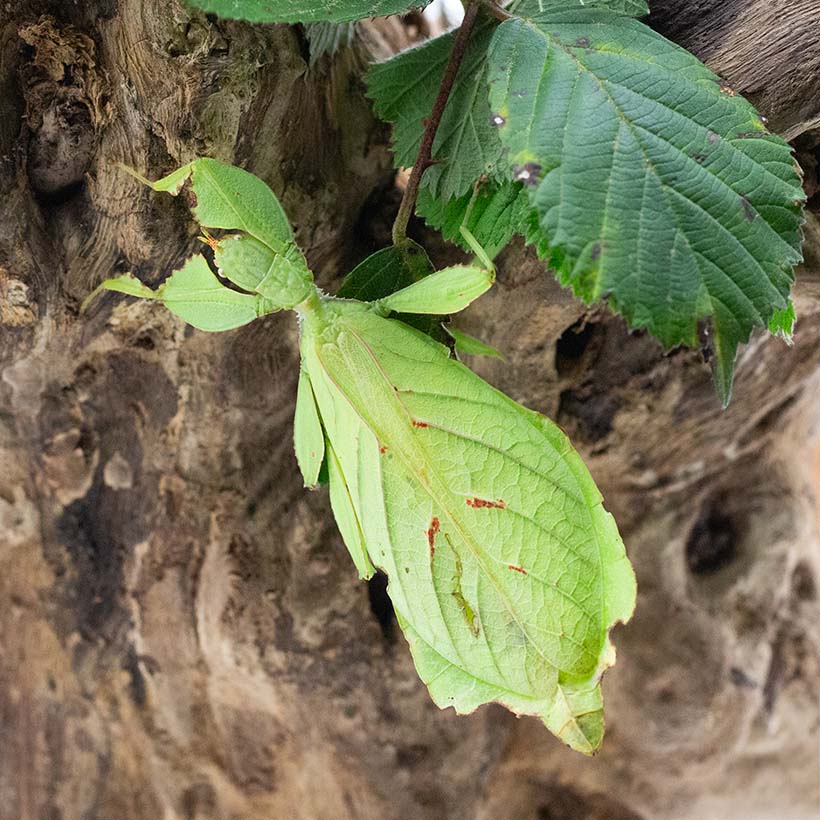
Phyllium gantungense “Rizal”
Phyllium “Rizal” – Perfect for lovers of special species Phyllium gantungense “Rizal” originates from the Philippines and is one of…
-
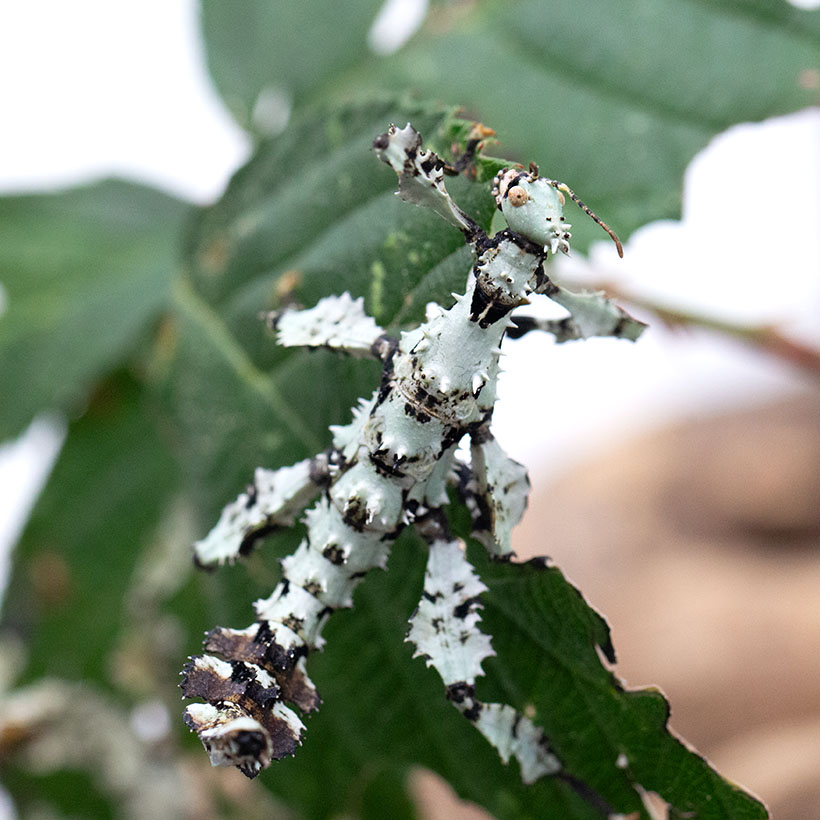
Extatosoma tiaratum “Lichen”
Extatosoma tiaratum “Lichen” – camouflage in perfection Extatosoma tiaratum “Lichen” is a special color and pattern form of the well-known…
-
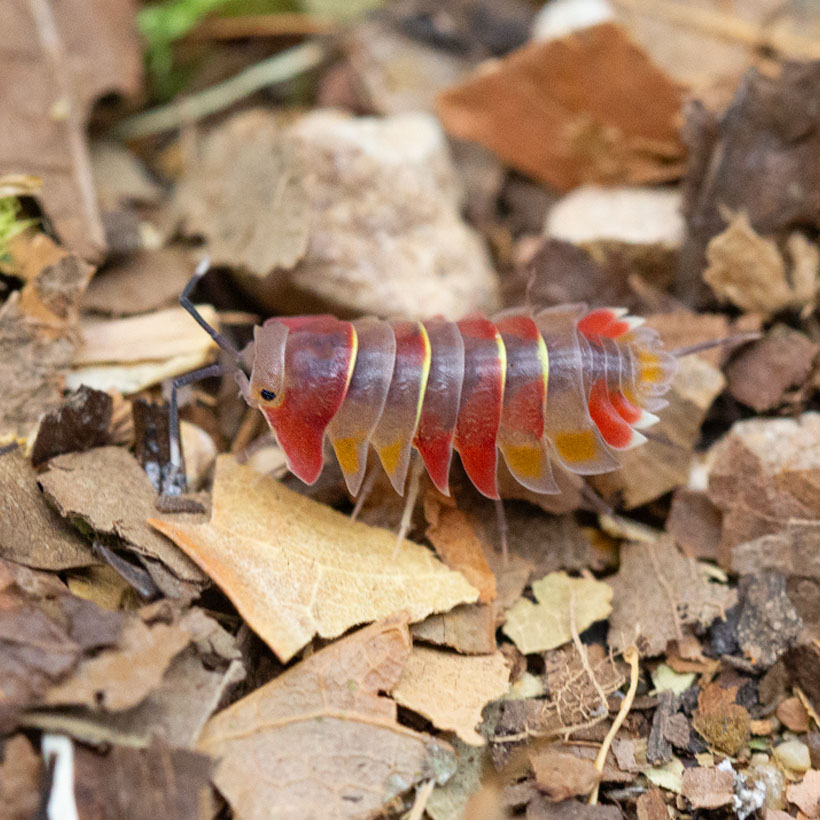
Ardentiella spec. “Aurora”
Ardentiella spec. “Aurora” – Colors like a sunrise Ardentiella spec. “Aurora” is one of the most striking Isopods in terraristics,…
-
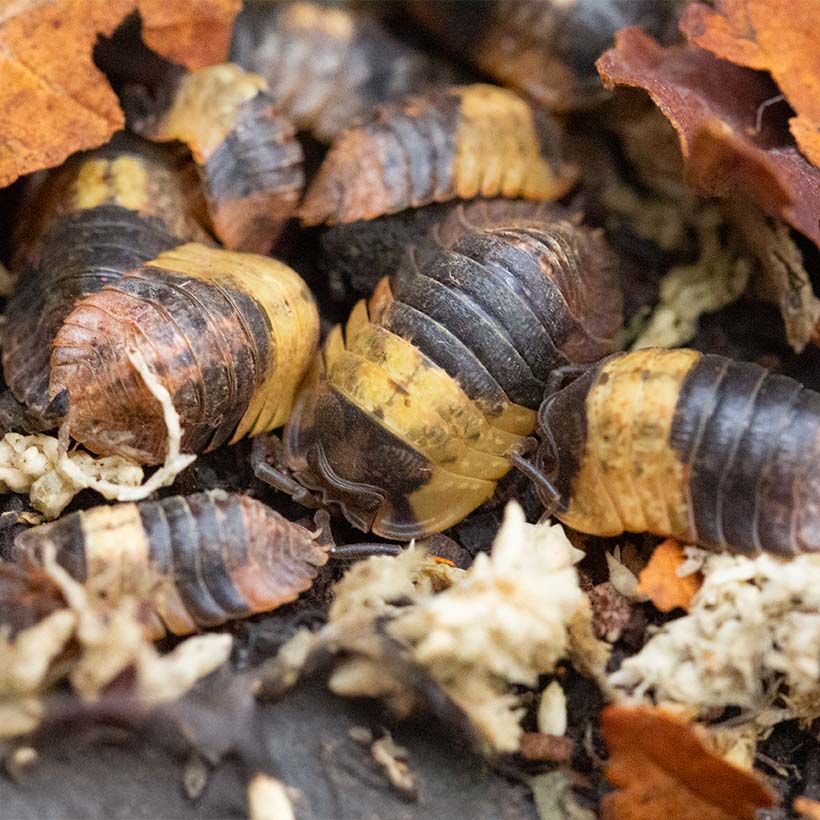
Adinda spec. “Grizzly Bear”
Adinda spec. “Grizzly Bear” – Small golden nuggets in the terrarium Adinda spec. “Grizzly Bear” does not look like a…
-
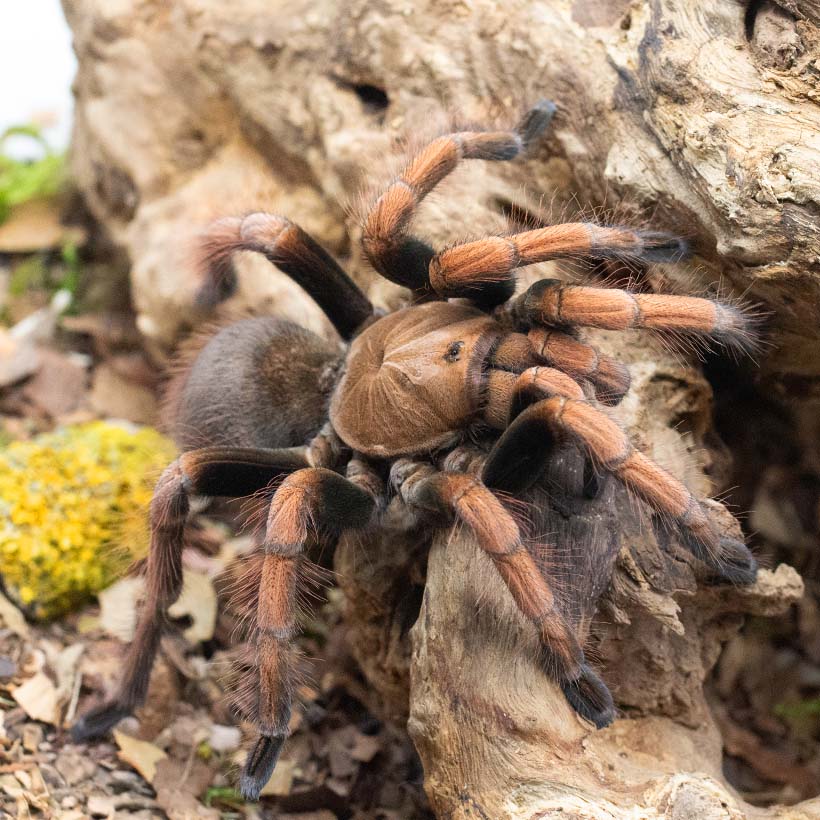
Pamphobeteus spec. “Mascara”
Pamphobeteus spec. “Mascara” – Large, massive and fascinating Pamphobeteus spec. “Mascara” is one of the tarantulas that make an impression…
-
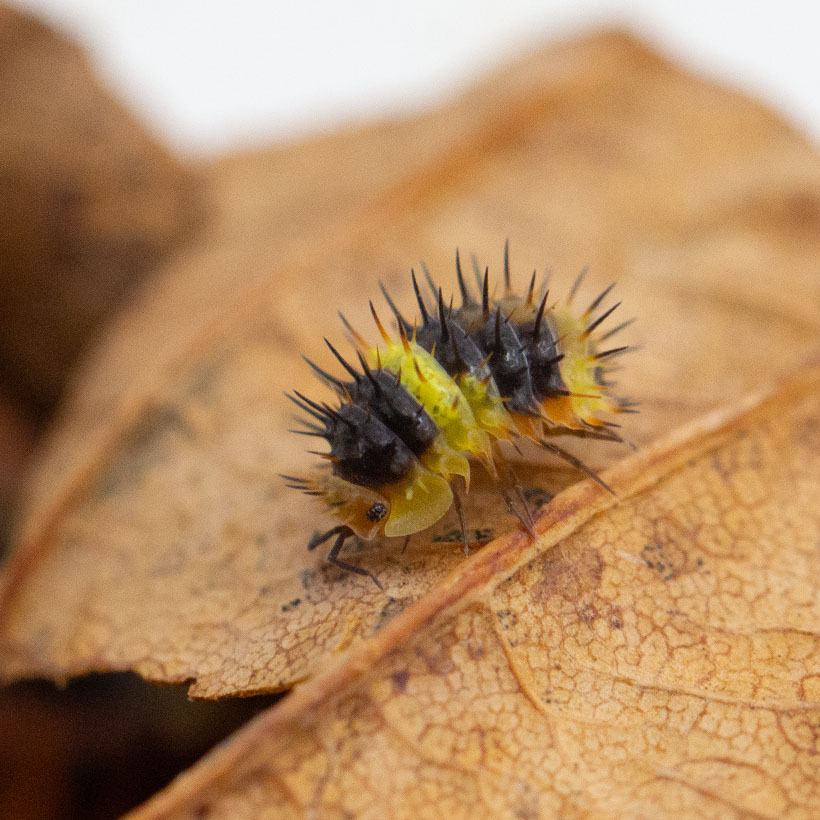
Laureola spec. “Gloworm Spiky”
Laureola spec. “Gloworm Spiky” – Like a glowing forest dweller Laureola spec. “Gloworm Spiky” is definitely one of the most…
-
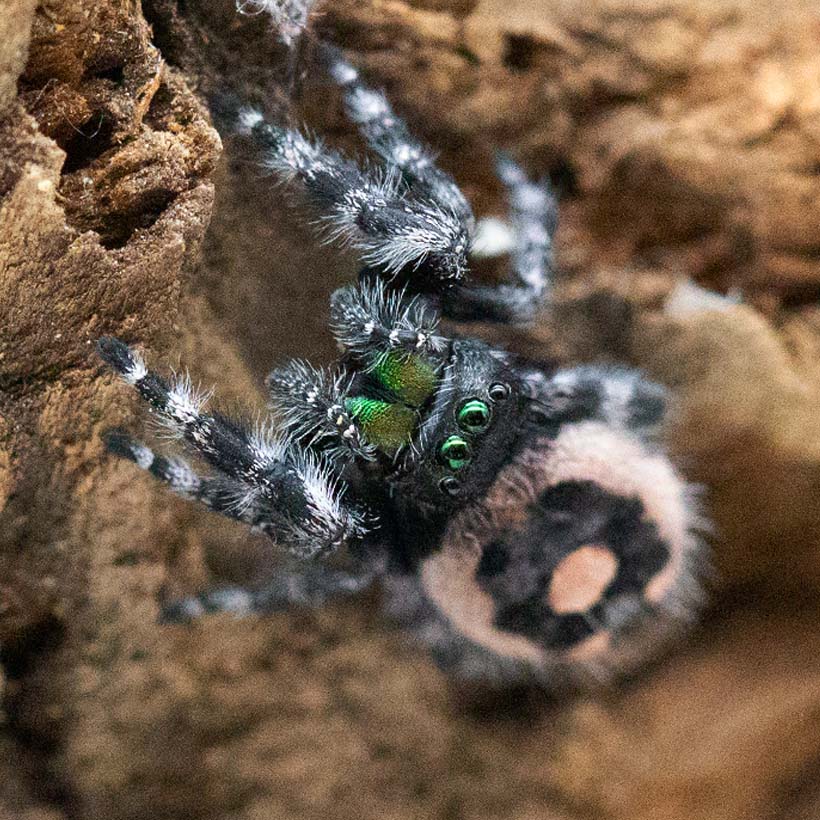
Phidippus audax bryantae “Oregon”
Phidippus audax bryantae “Oregon” – Like a small work of art Phidippus audax bryantae “Oregon” is one of the most…
-
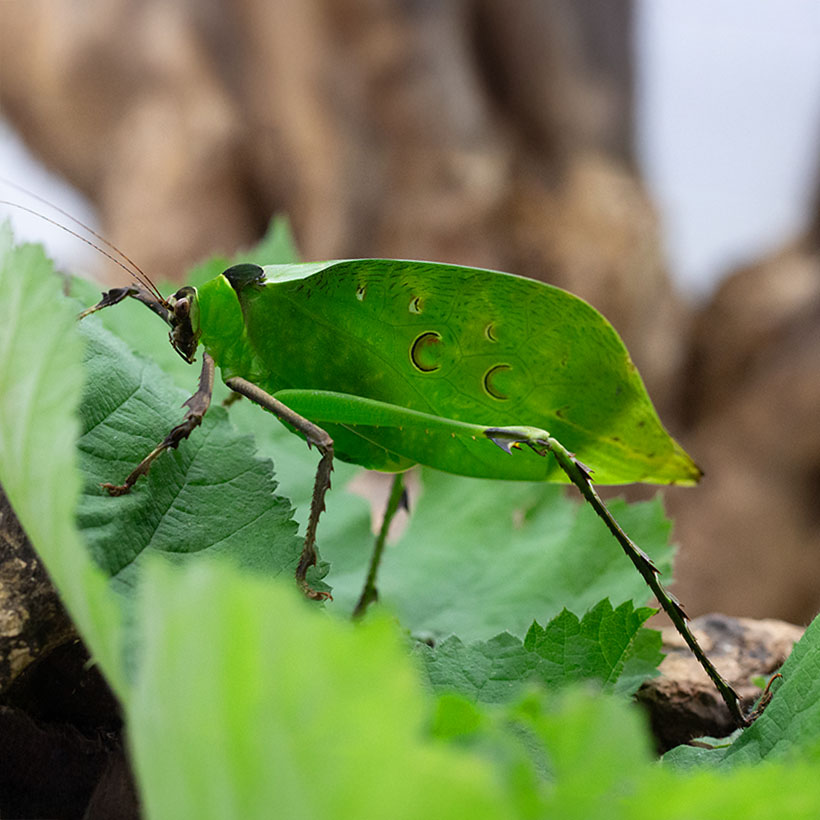
Ancylecha fenestrata
Ancylecha fenestrata – Camouflage on another level Ancylecha fenestrata is one of the most fascinating leafhoppers of all. Even at…
-
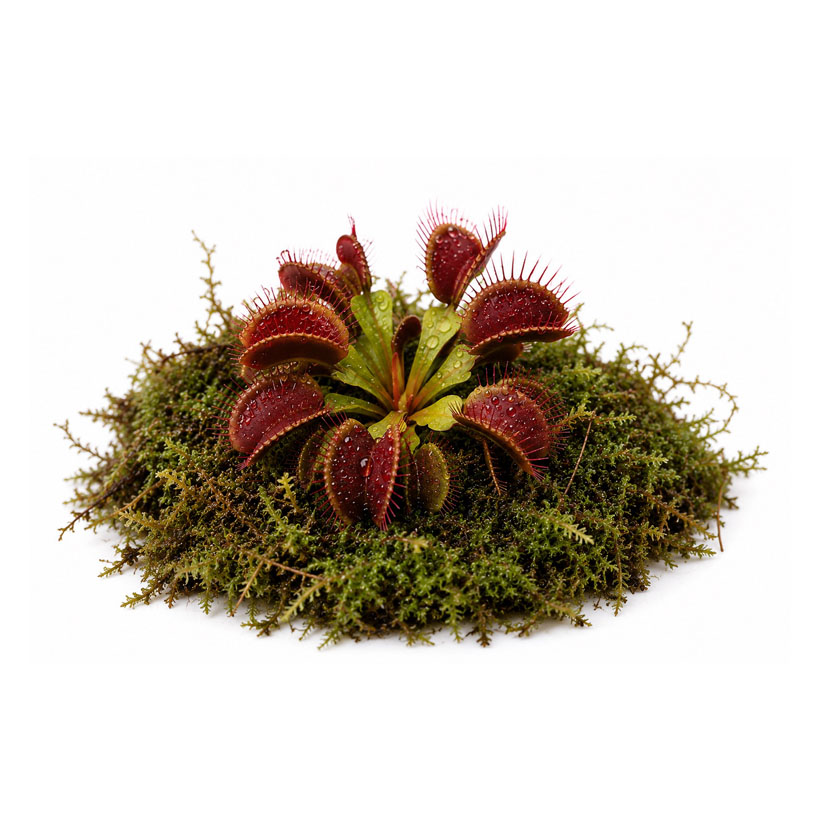
Dionaea muscipula “Ring”
Dionaea muscipula “Ring” – When traps suddenly look different Dionaea muscipula “Ring” is one of the most unusual forms of…
-
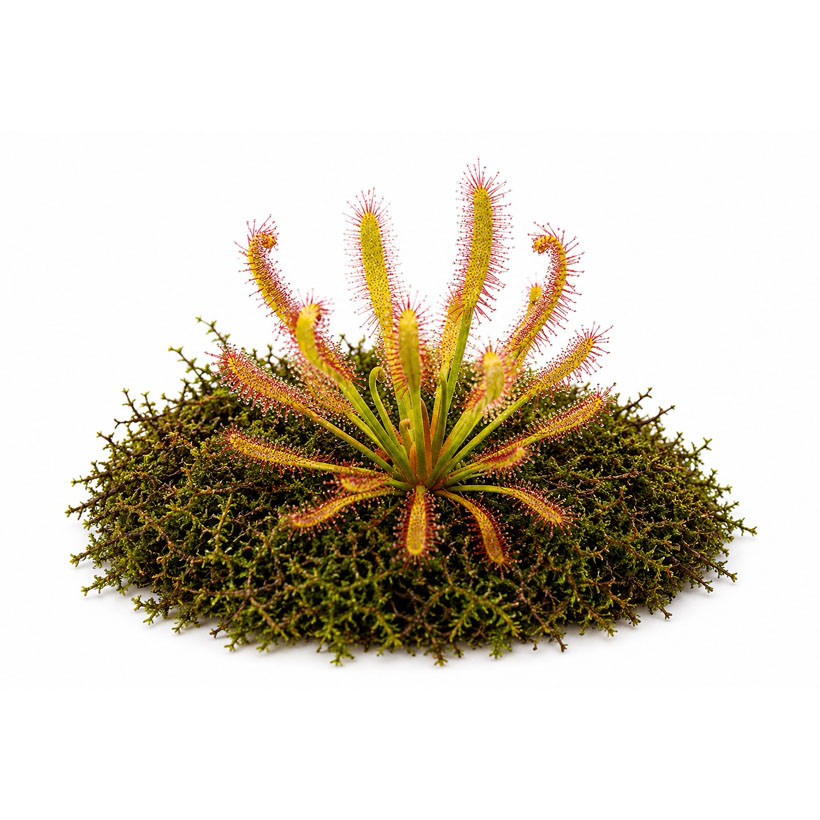
Drosera capensis
Drosera capensis – Glittering tentacles and exciting fishing technique Drosera capensis is one of the most popular carnivorous plants of…
-
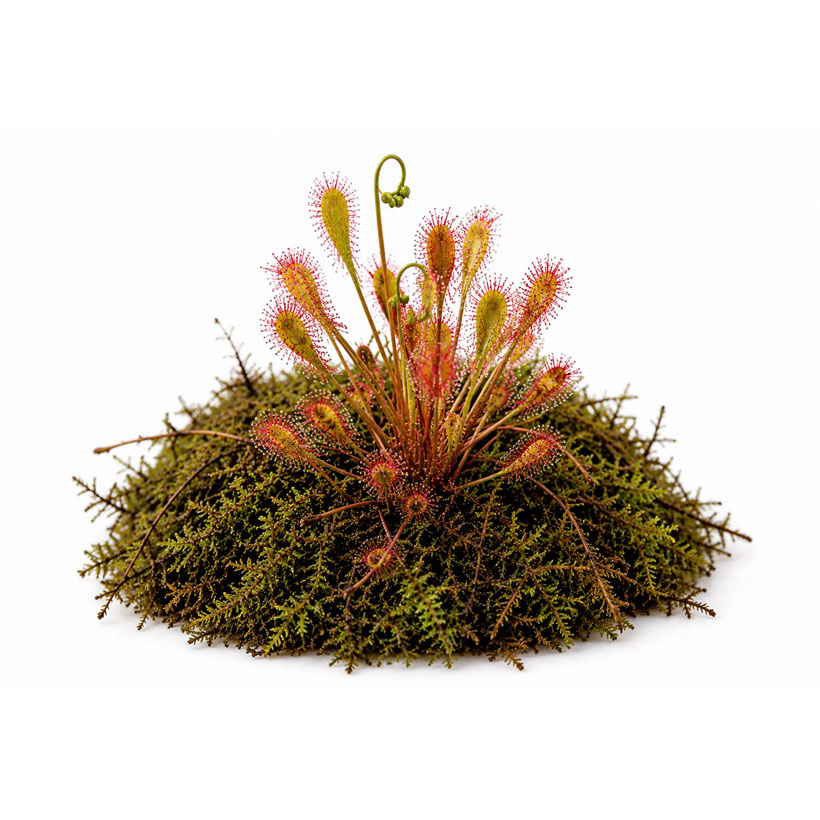
Drosera prolifera
Drosera prolifera – A small tropical rainforest inhabitant Drosera prolifera is one of the most beautiful tropical sundew species, as…
-
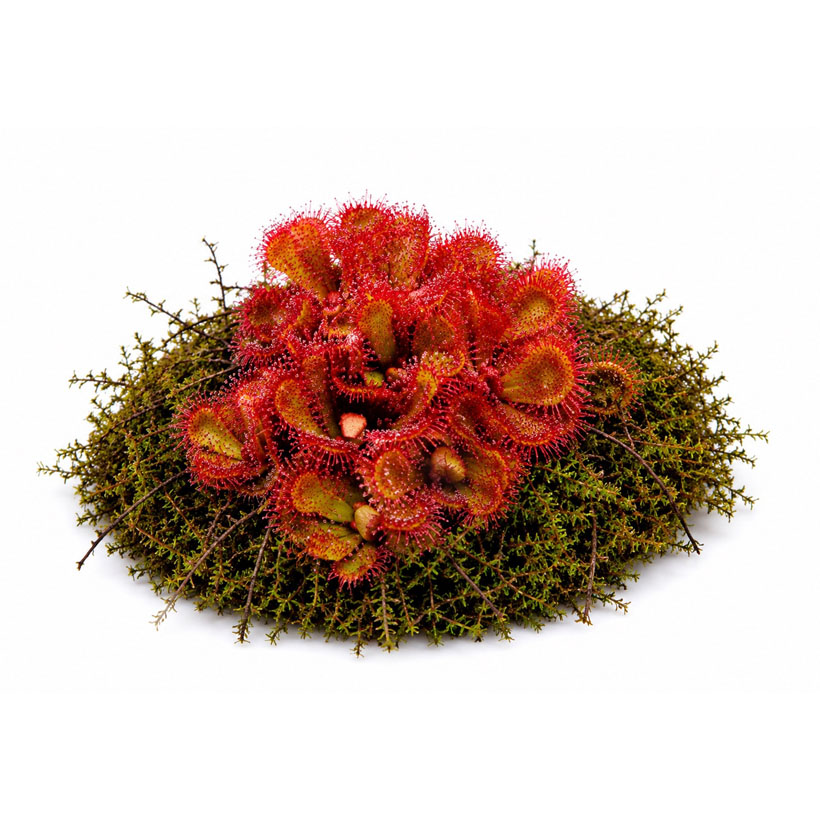
Drosera slackii
Drosera slackii – Sundew with bright red tentacles Drosera slackii is one of the most beautiful compact sundew species, as…
-
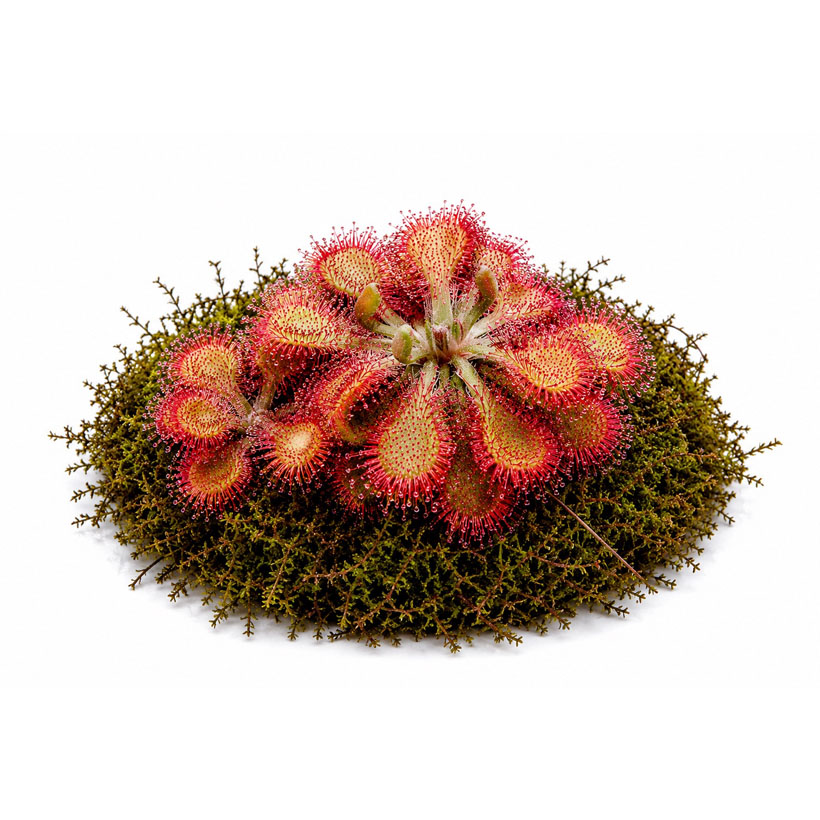
Drosera spatulata
Drosera spatulata – Small, robust and full of sticky drops Drosera spatulata is one of the most popular sundew species…
-
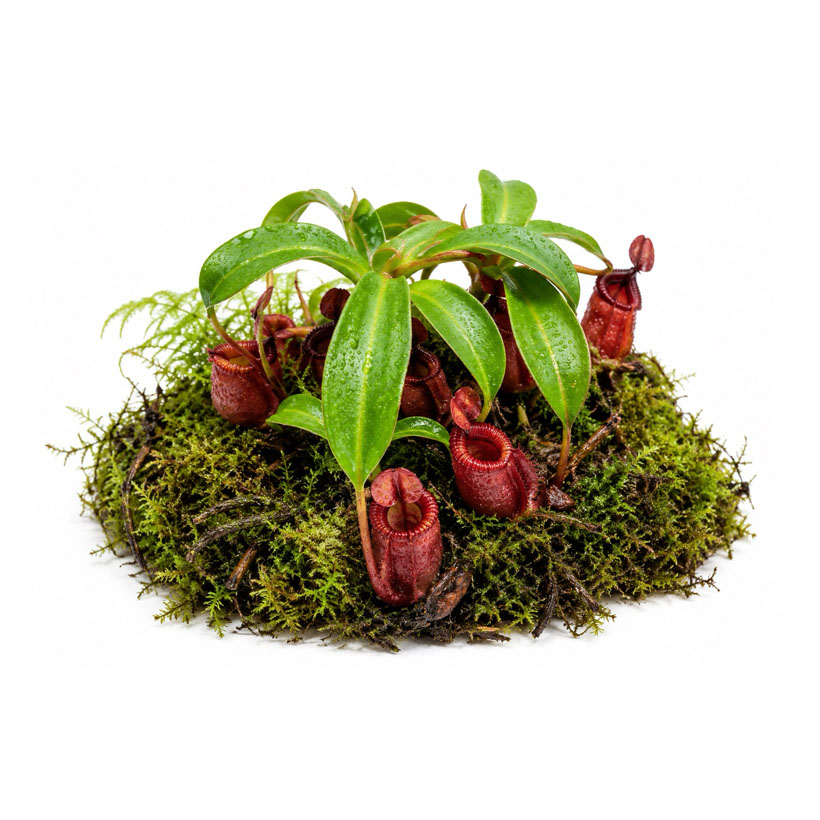
Nepenthes ampullaria “Red”
Nepenthes ampullaria “Red” – Like little red rainforest cans Nepenthes ampullaria “Red” is one of the most unusual pitcher plants…
-
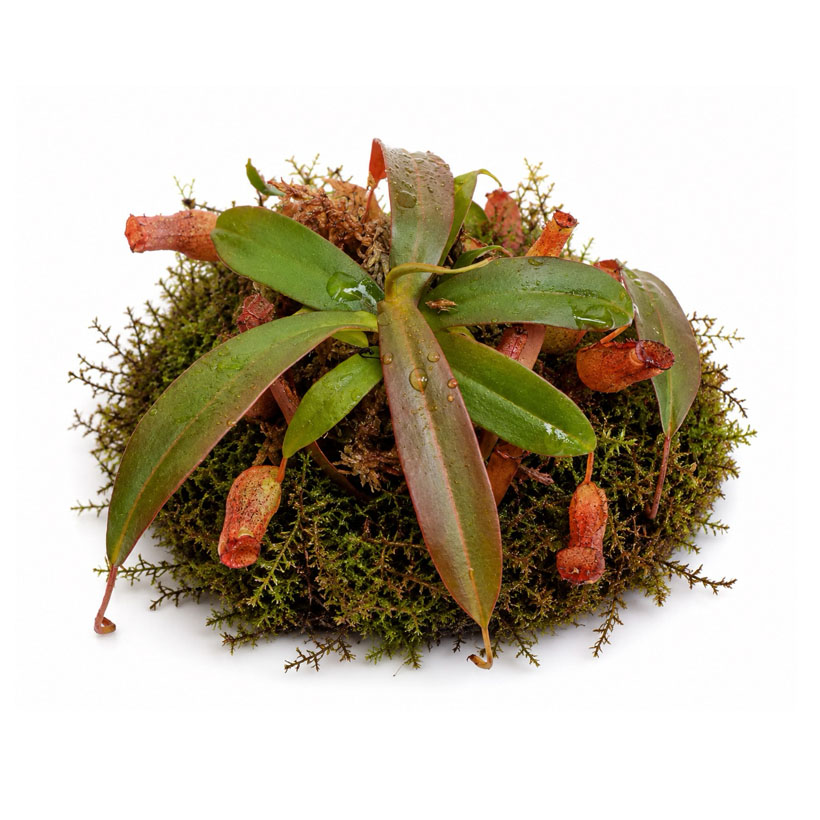
Nepenthes macfarlanei
Nepenthes macfarlanei – Wild highland pitcher plant Nepenthes macfarlanei is one of the most elegant highland pitcher plants of all,…
-
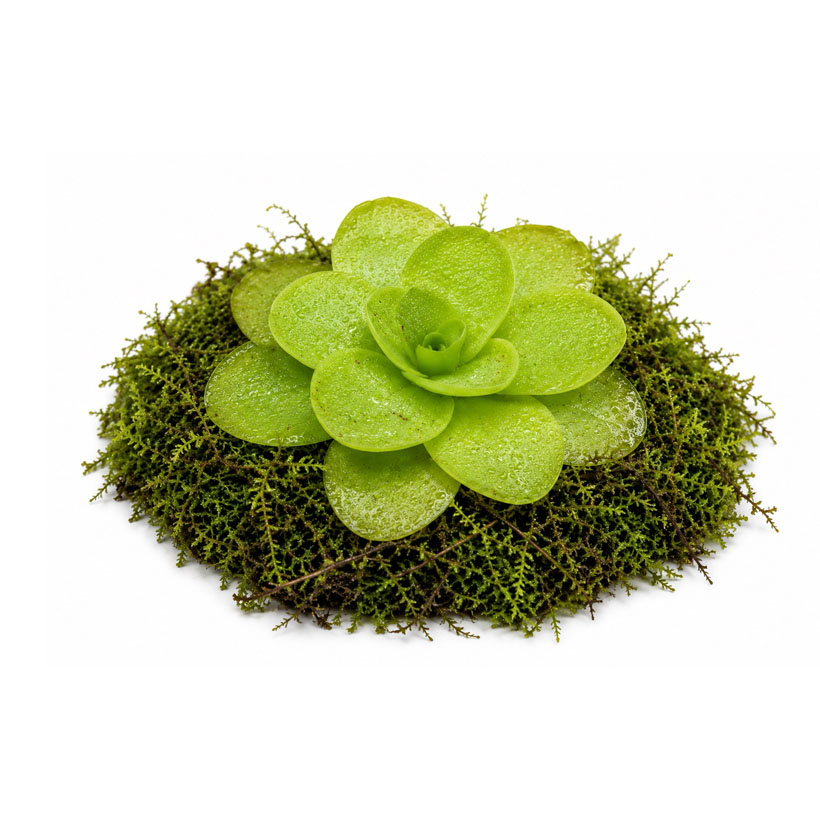
Pinguicula “Gina”
Pinguicula “Gina” – Elegant carnivore with pink flowers Pinguicula “Gina” is one of the most popular butterwort hybrids of all,…
-
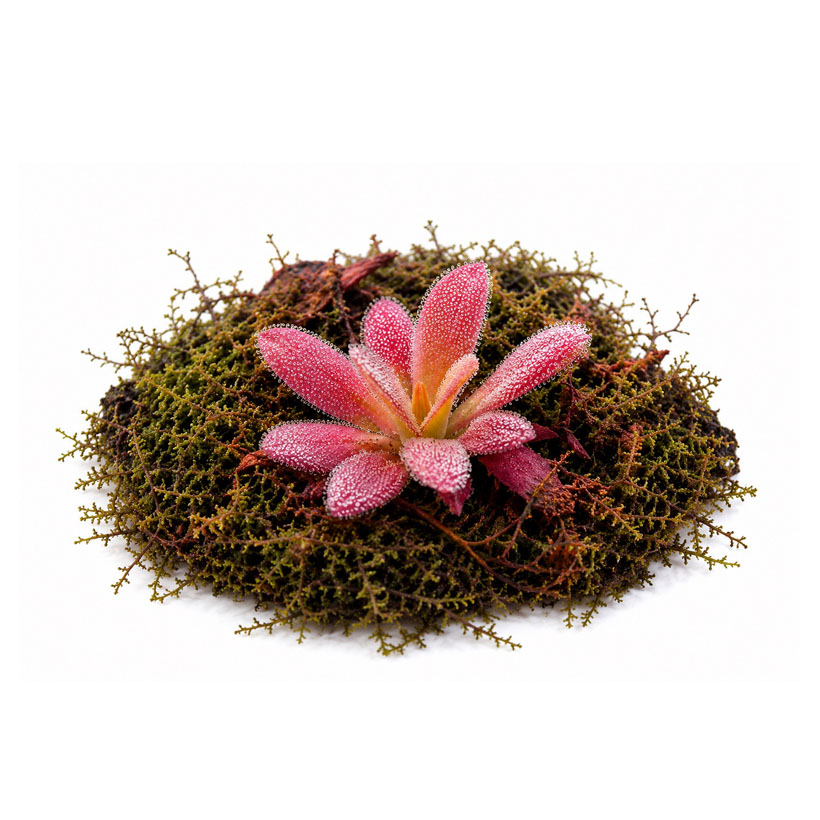
Pinguicula “Aphrodite clone mini”
Pinguicula “Aphrodite clone mini” – Compact, elegant and full of color Pinguicula “Aphrodite clone mini” is one of the most…
-
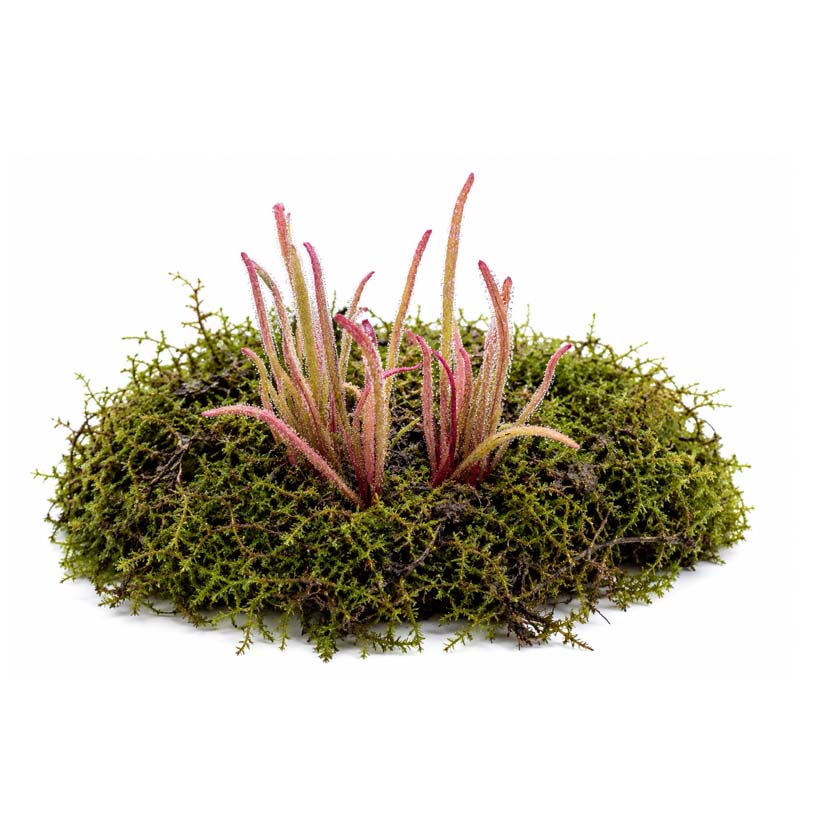
Pinguicula “Calderoniae – Llano del Conejo”
Pinguicula “Calderoniae – Llano del Conejo” – A botanical specialty from Mexico Pinguicula “Calderoniae – Llano del Conejo” is one…
-
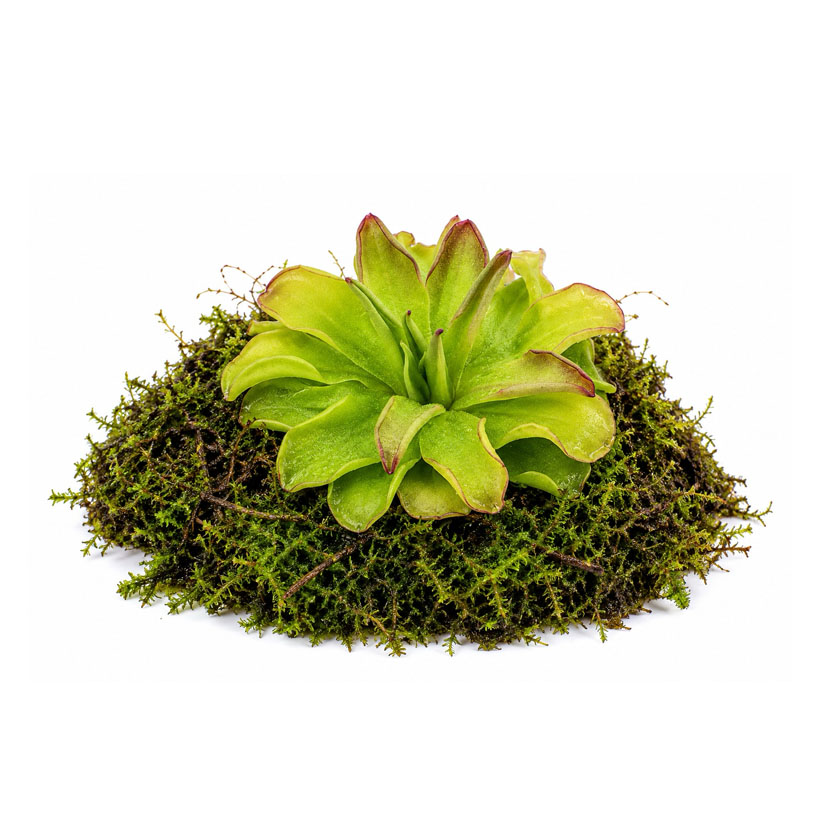
Pinguicula “Niklas”
Pinguicula “Niklas” – Ideal for small natural setups Pinguicula “Niklas” is one of the fatty herbs that impress at first…
-
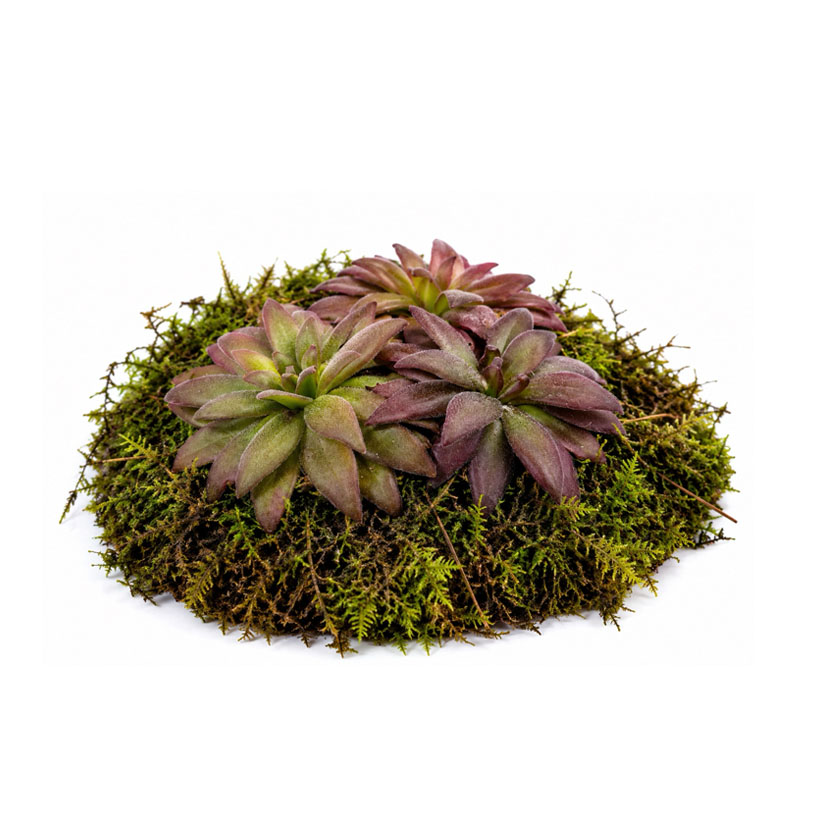
Pinguicula “Red Starfish”
Pinguicula “Red Starfish” – A live starfish from the world of carnivores Pinguicula “Red Starfish” is immediately noticeable because the…
-
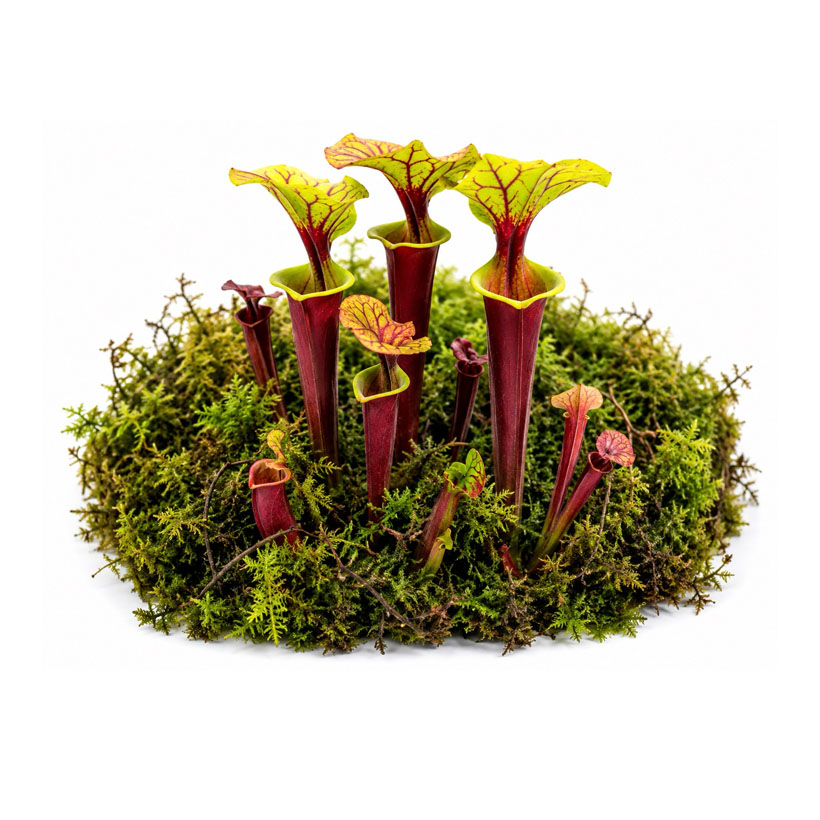
Sarracenia flava var. atropurpurea
Sarracenia flava var. atropurpurea – A legend among tubular plants Sarracenia flava var. atropurpurea is one of the most spectacular…
-
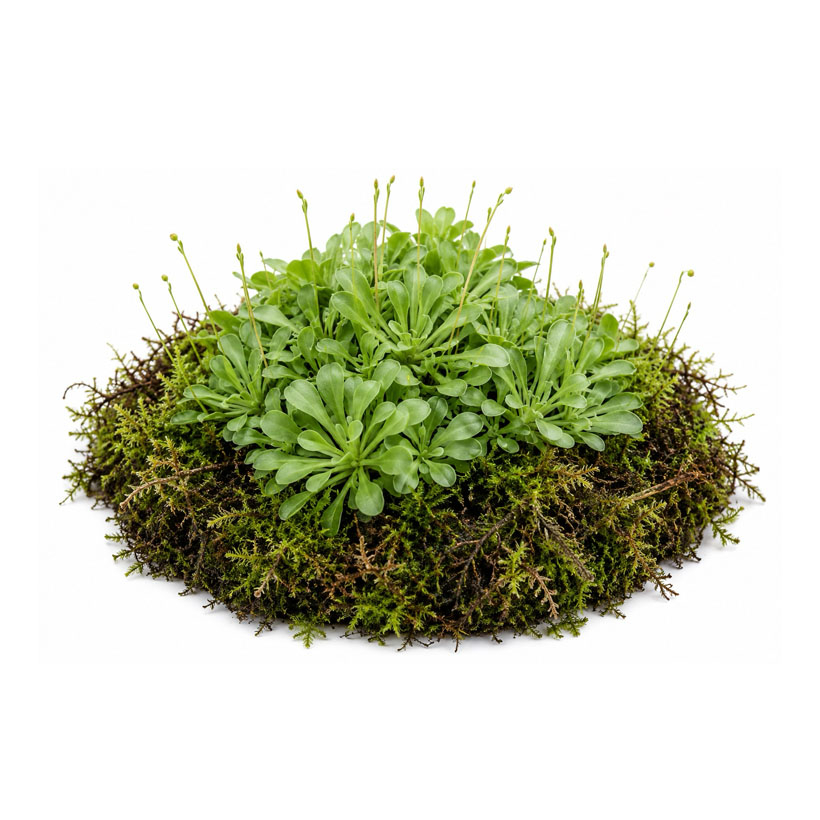
Stylidium debile
Stylidium debile – The fascinating trigger plant Stylidium debile originally comes from Australia and belongs to the so-called trigger plants.…
-

Vesicularia spec.
Vesicularia spec. – Perfect for back walls and hardscape Vesicularia spec. is one of the most popular terrarium mosses because…
-
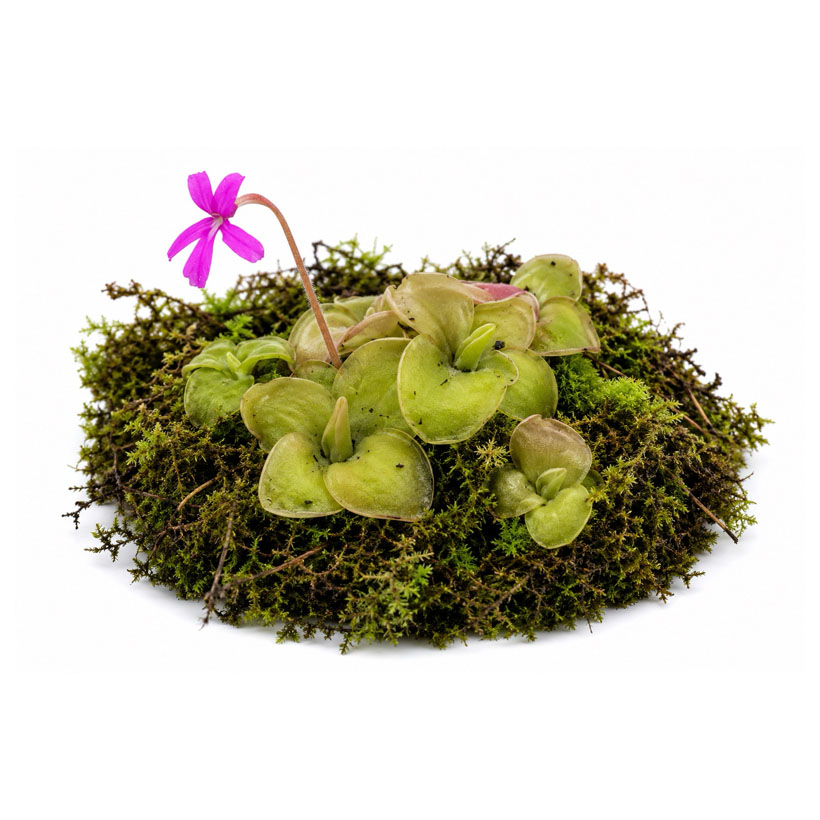
Pinguicula moranensis “Carow”
Butterwort with large flowers and compact rosette Pinguicula moranensis “Carow” is one of the most popular butterworts of all, as…
-
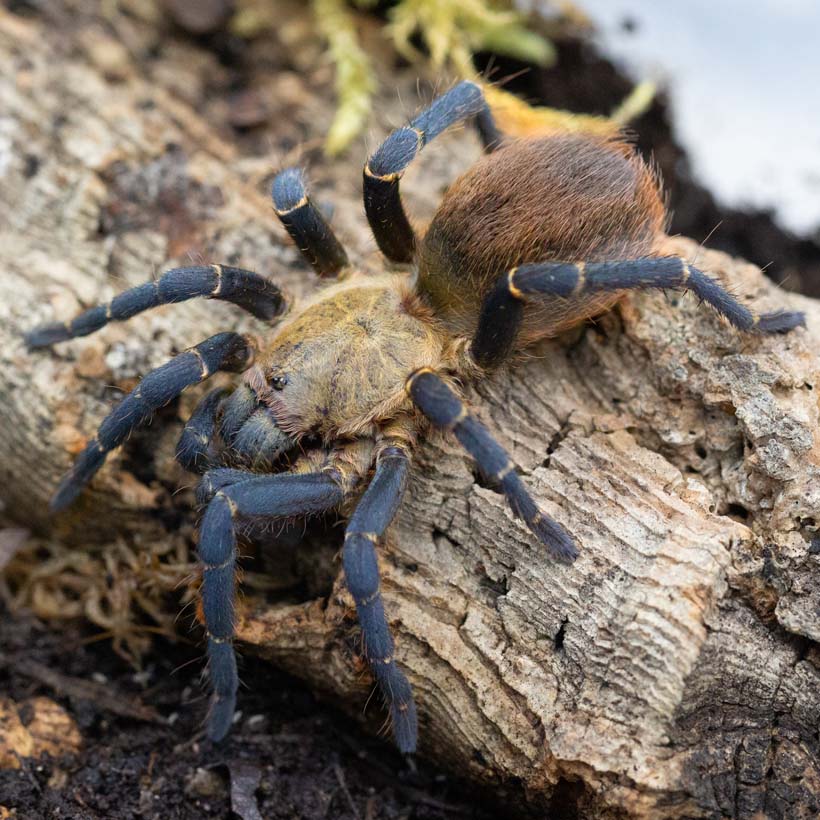
Cyclosternum spec. “Aureum”
Golden wonders: insights into a rare species of tarantula The Cyclosternum spec. “Aureum” is one of the rarest tarantulas available…
-
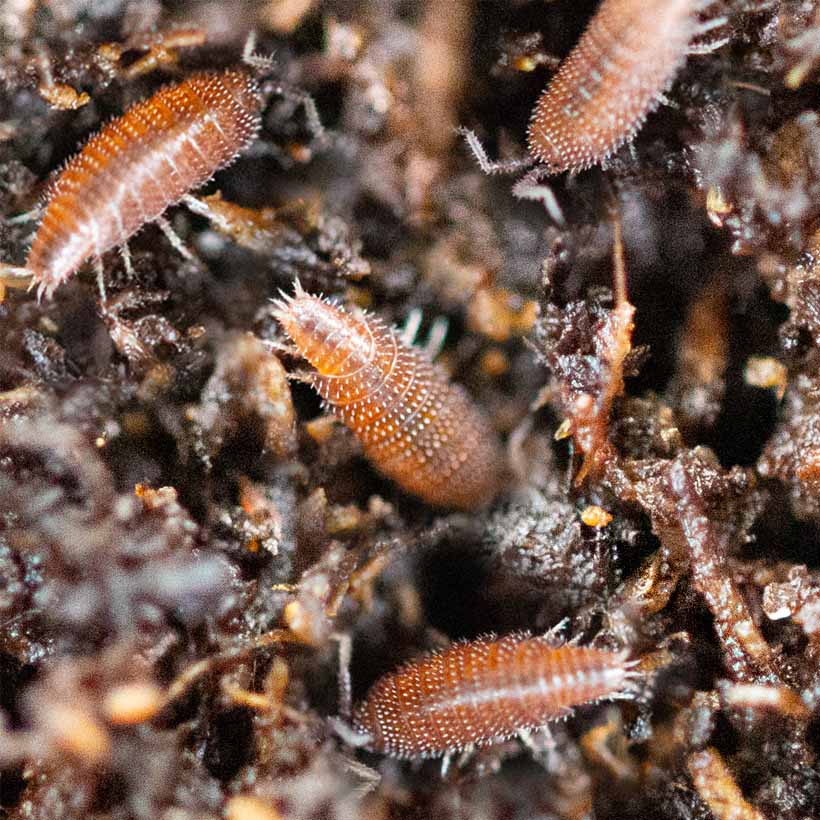
Common Pygmy Woodlouse
Common Pygmy Woodlouse: perfect helpers for wet terrariums Discover the small, agile ground dwellers for your terrarium: the Common Pygmy…
-
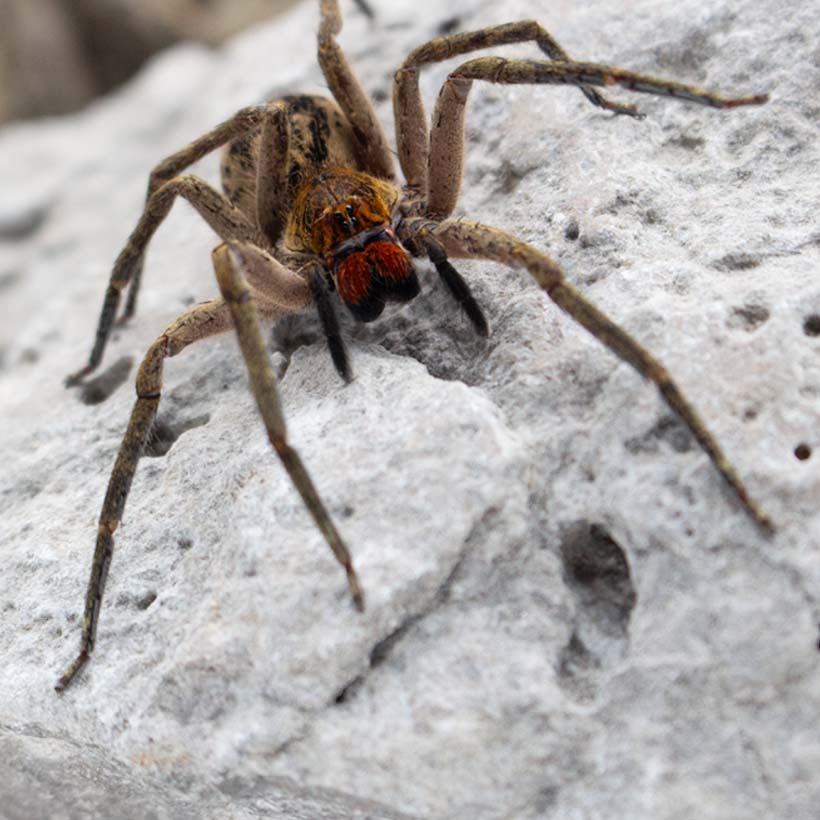
Piloctenus haematostoma
Medium West Africa 5 CM 23-27 °C Piloctenus haematostoma- The territorial spiders with the red fangs Piloctenus haematostoma, also known…
-
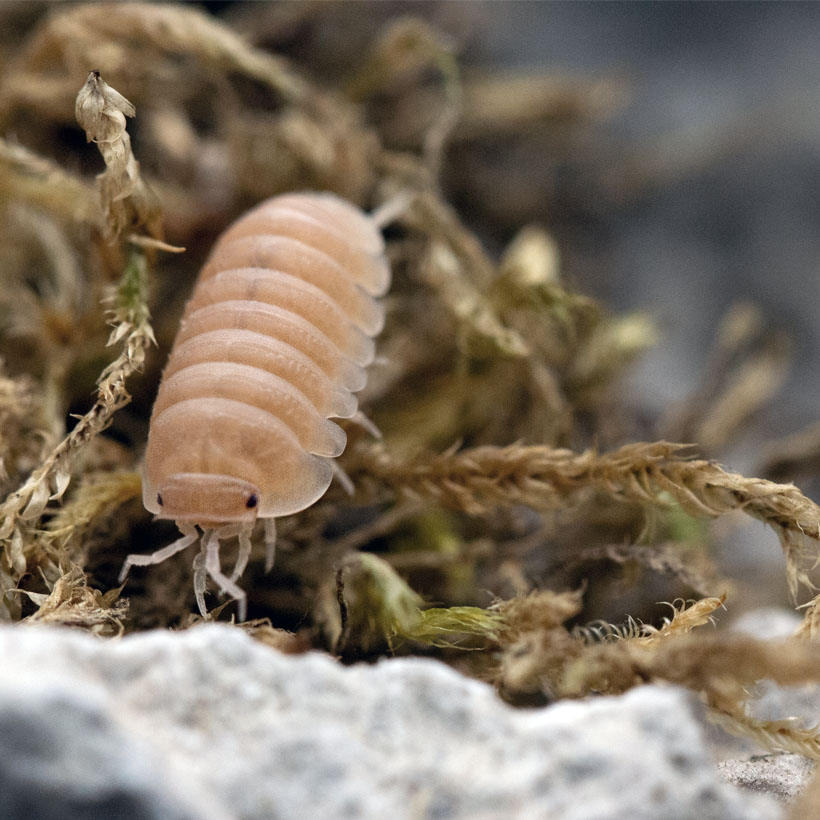
Cubaris murina “Papaya”
Cubaris murina “Papaya” – Exotic Isopods for a near-natural terrarium This unique color variant is characterized by its pale orange-yellow…
-
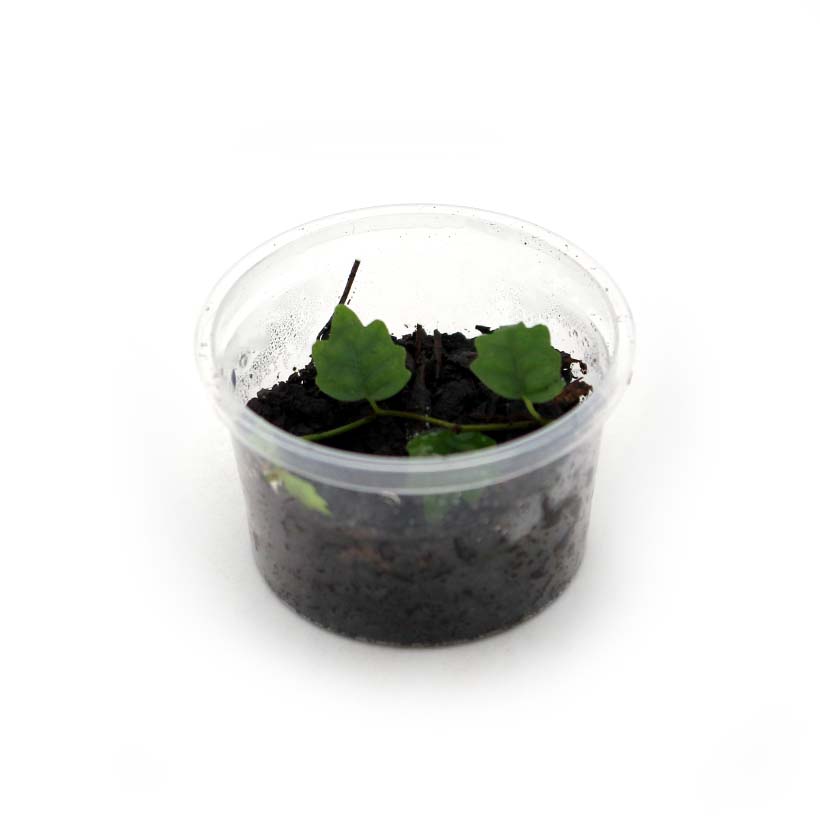
Ficus scandens quercifolia
Brief description: This plant species, which originates from Colombia, is ideal as a ground cover in the terrarium. Ficus scandens…
-
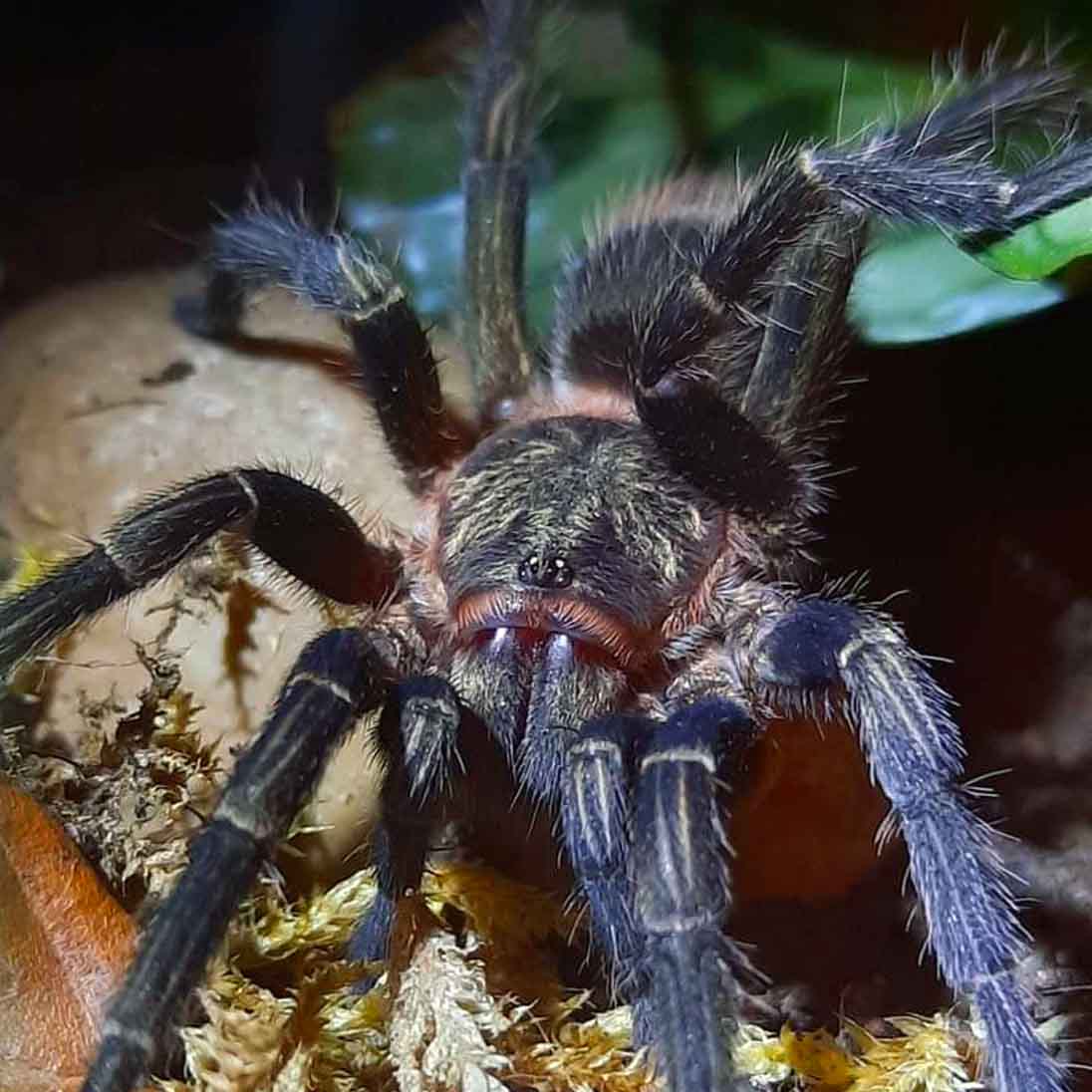
Thrixopelma pruriens
Light Peru 7 CM 24-27 °C Brief description of Thrixopelma pruriens: Thrixopelma pruriens is a very visually appealing tarantula. The…
-
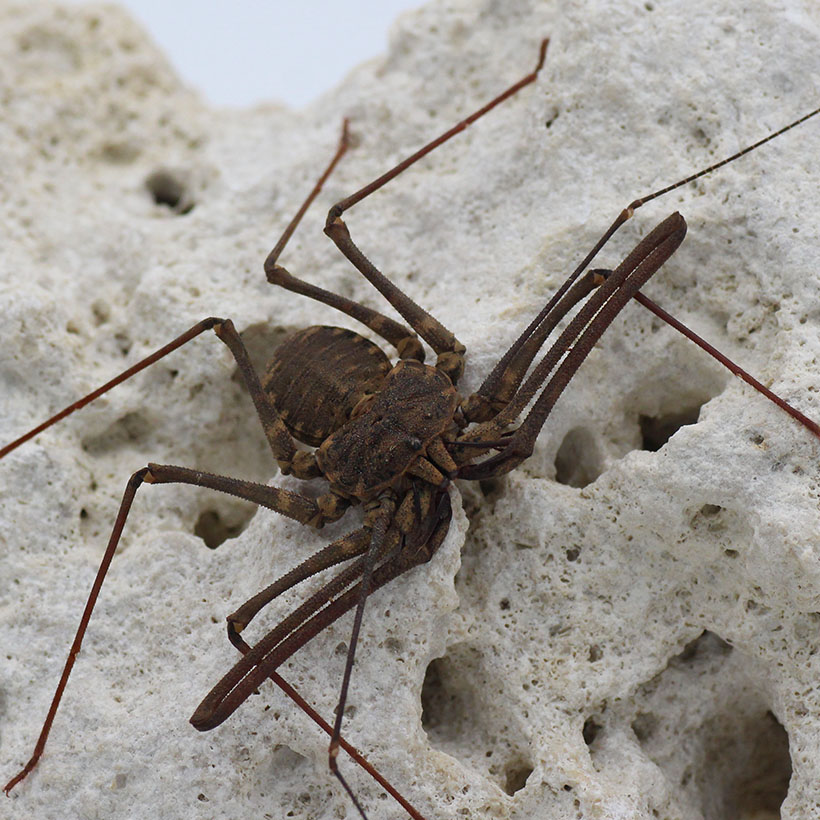
Damon diadema “scourge spider”
Light Tanzania, Kenya 4-5 CM 25-30 °C Brief description Damon diadema “scourge spider”: Damon diadema “scourge spider” is social and…
-
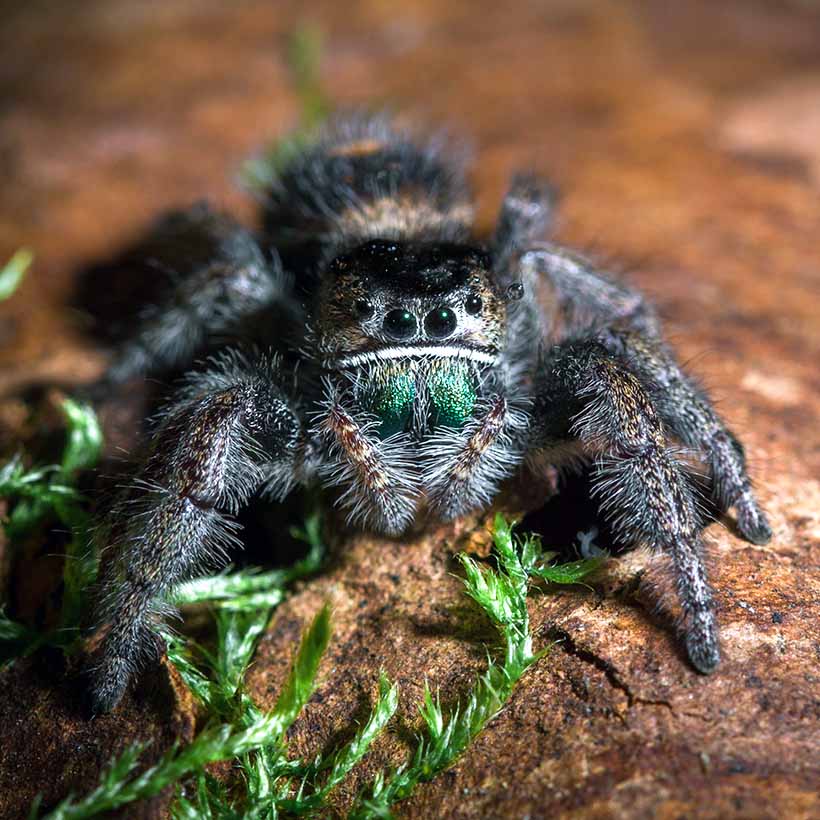
Phidippus spec. “Ometepe”
Discover the Phidippus spec. “Ometepe”: The unique jumping spider of Nicaragua Phidippus spec. “Ometepe” is a jumping spider that is…