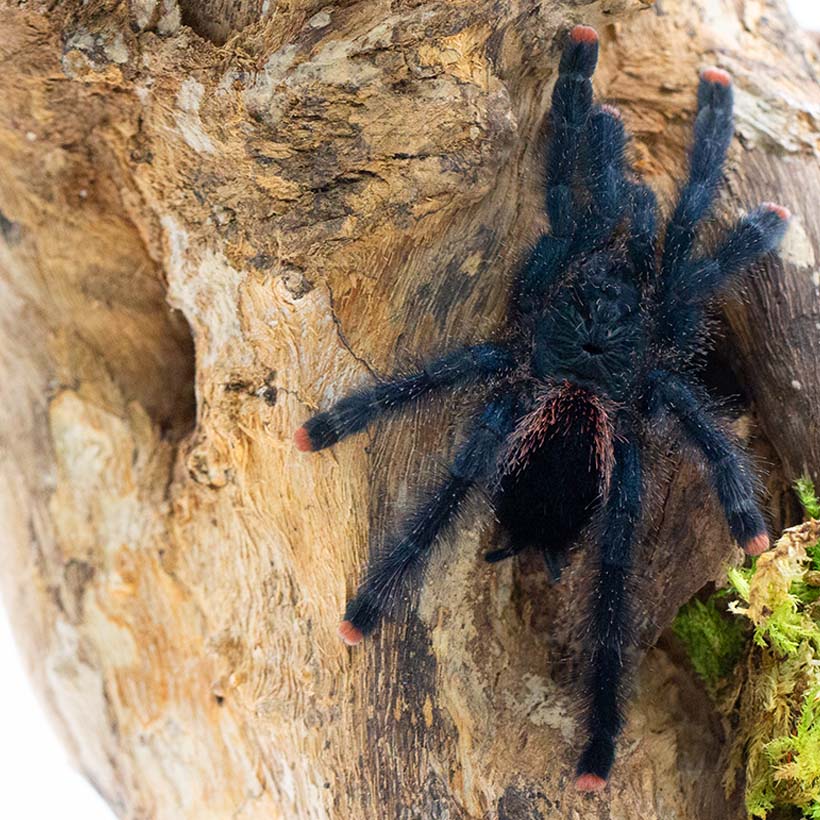
The Cyclosternum spec. “Aureum” is a tarantula about which relatively little is known to this day. That is precisely what makes it so fascinating. The species, which is native to South America, has not yet been scientifically described and is therefore still referred to by the provisional name Cyclosternum sp. “Aureum” conducted.
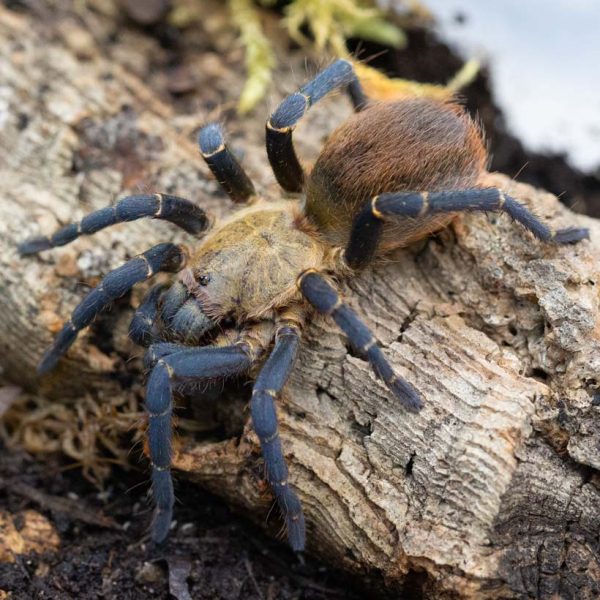
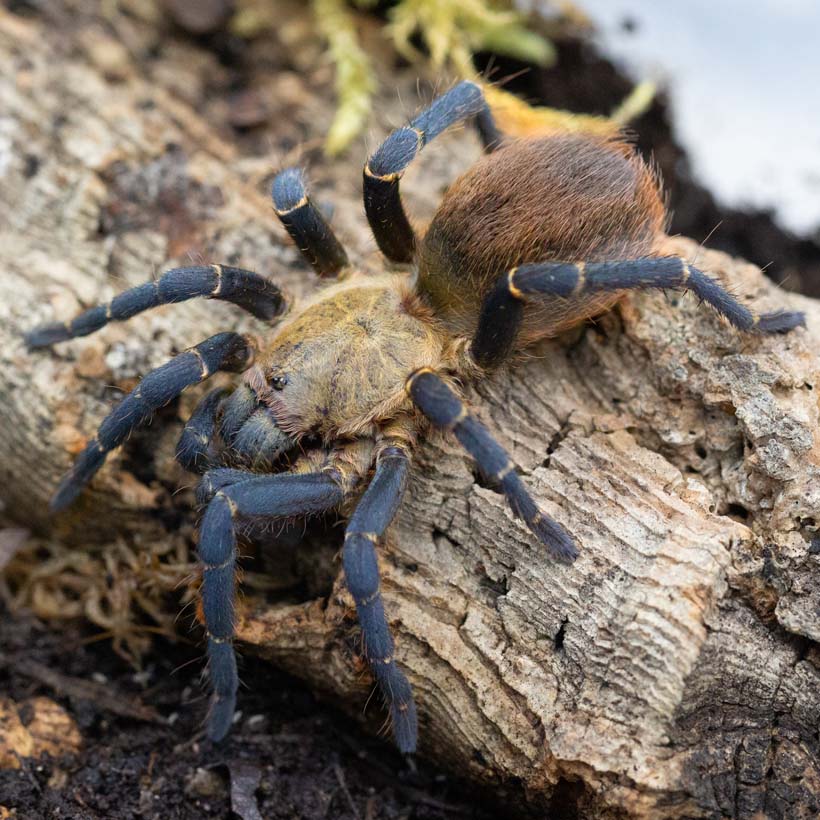
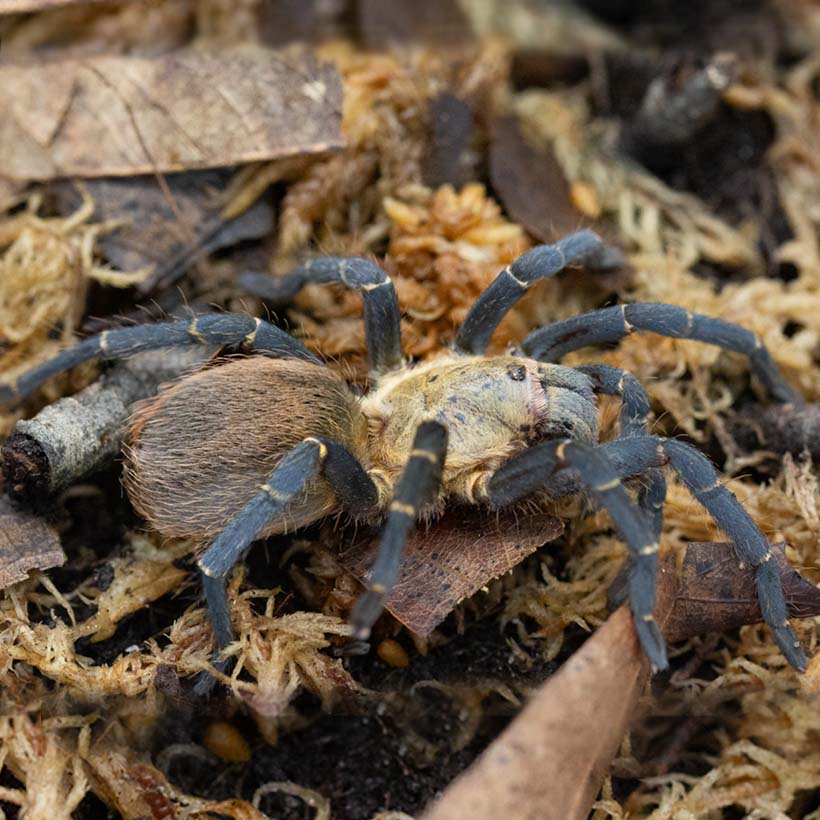
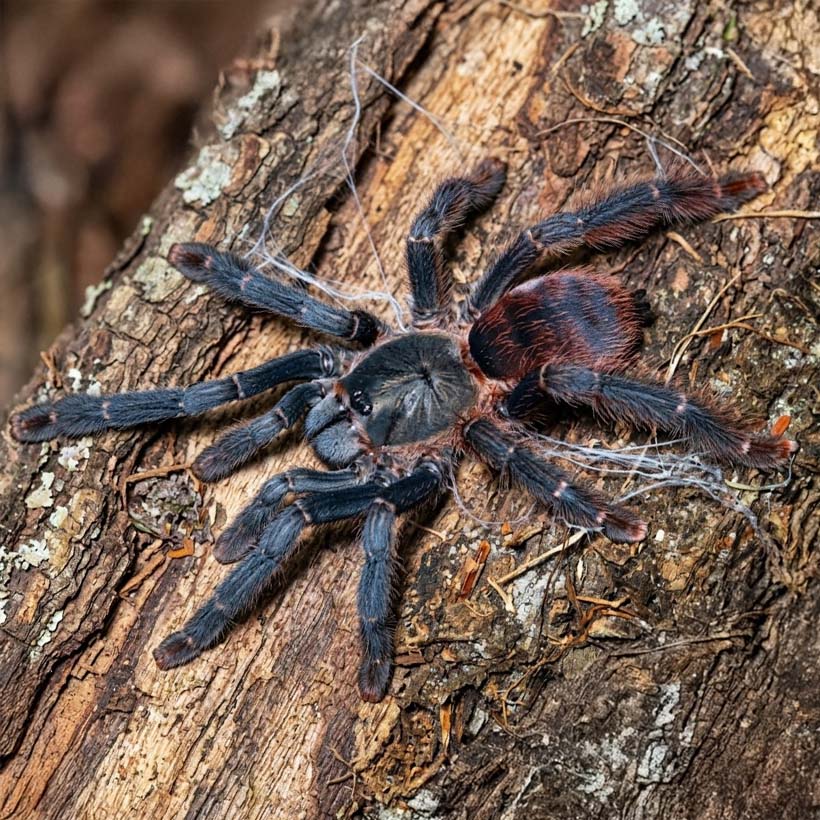
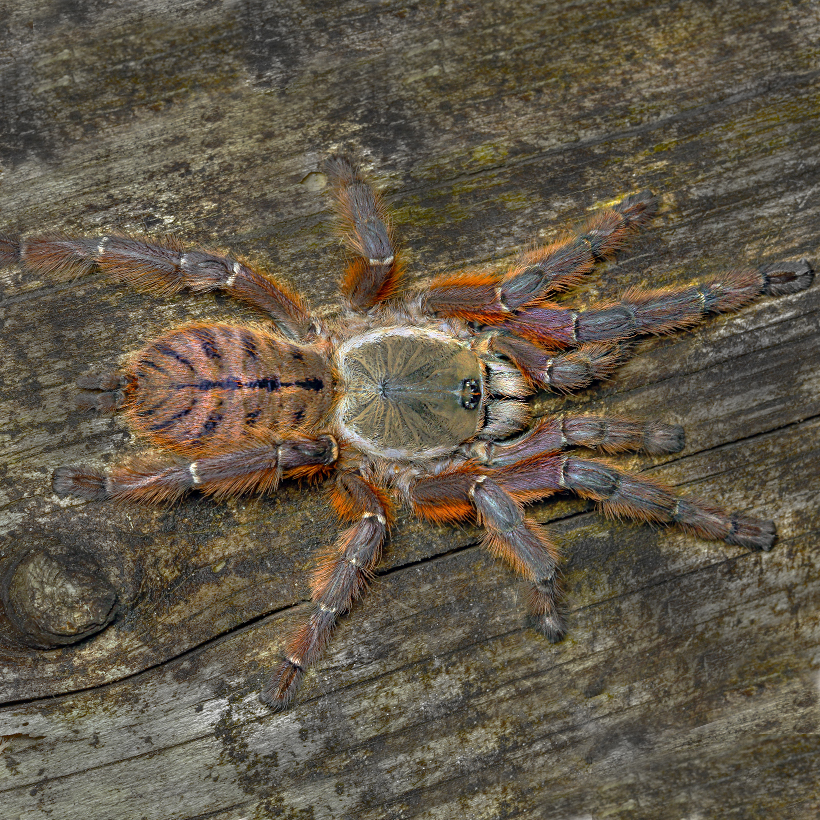
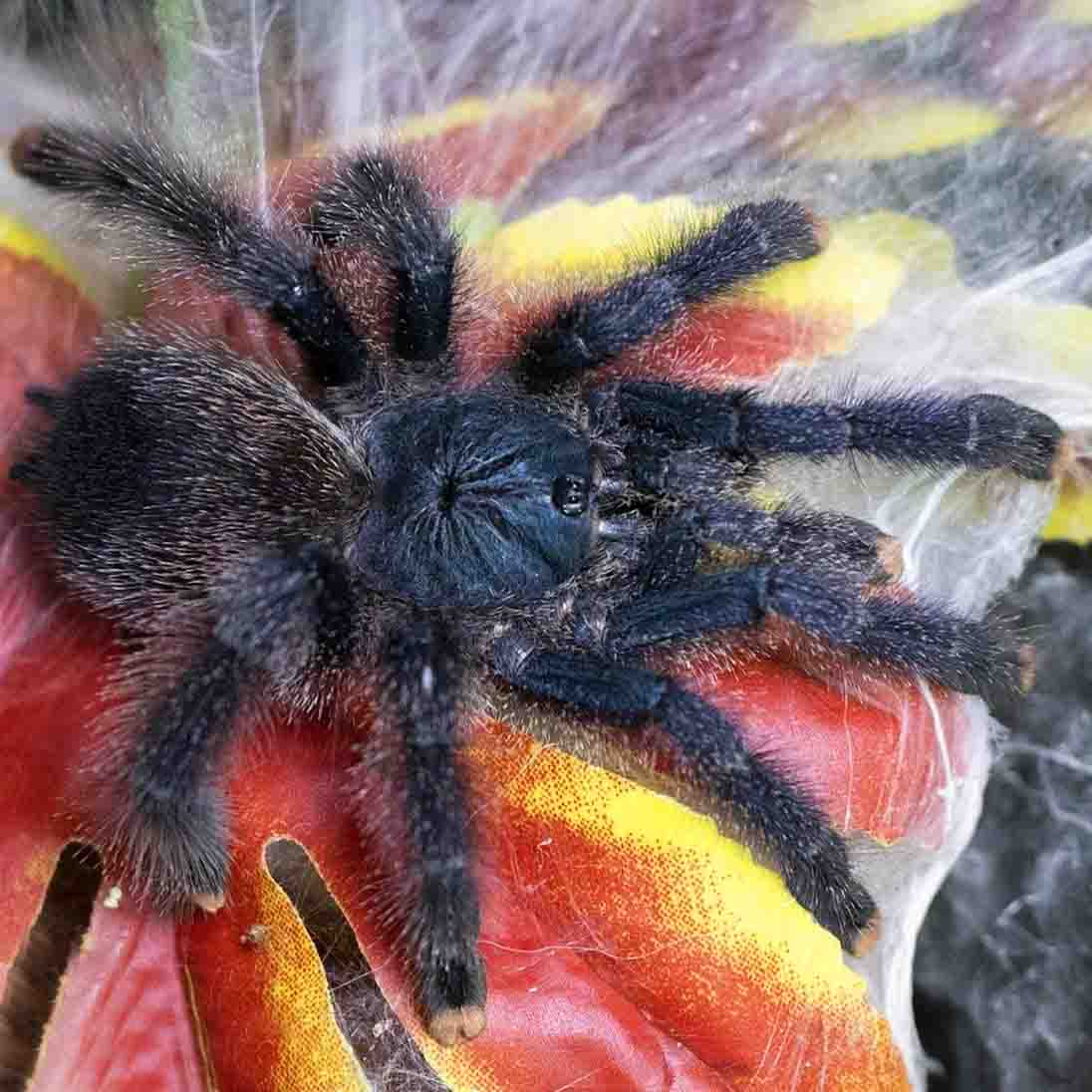
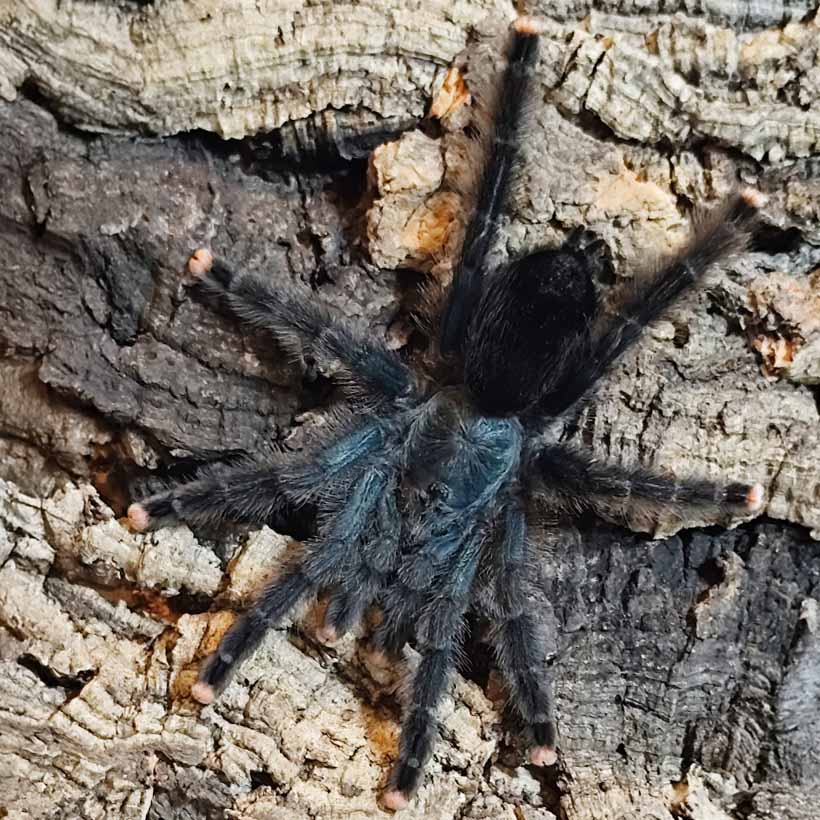
With a body length of about 4 cm, it remains relatively small. However, it impresses with its extraordinary coloration: The carapace has a golden hue, while the legs appear bluish. At the same time, the golden leg joints stand out clearly, and the reddish-brown abdomen rounds out the vivid coloration.
It is no coincidence that the name “Aureum” means “golden.”
A true rarity in the world of terrariums
Cyclosternum sp. “Aureum” It is one of those species that aren’t always available in stores. There are also still unanswered questions about its origin, lifestyle, and exact taxonomic classification.
Our breeding line is particularly interesting. The offspring we offer are descended from parents that were among the first specimens available in Germany.
This makes this species particularly appealing to keepers who not only want to care for the well-known classics but also enjoy rare and still little-studied tarantulas.
Not yet scientifically described
The term Cyclosternum spec. “Aureum” There is currently no definitive scientific name for this species. The species has not yet been formally described, which is why its exact position within the taxonomic system has not yet been conclusively determined.
It therefore remains to be seen whether it will indeed remain in the genus Cyclosternum in the future or be reclassified.
It is precisely these kinds of changes that make keeping tarantulas so exciting, because sometimes animals have already been successfully bred for years before their scientific classification has been fully established.
Small, but extremely eager to dig
Despite their striking colors, you shouldn’t expect that Cyclosternum spec. “Aureum” is constantly left open in the terrarium. These animals are very ground-dwelling and like to dig.
This can result in the formation of underground tunnels with multiple openings. Therefore, a substrate that is sufficiently deep and easy for the animal to dig in is more important than a large terrarium.
It is precisely this behavior that makes this species so interesting. With a little luck, you can watch as the animal expands its tunnel system, moves soil, and shapes the entrances according to its own preferences.
The Right Terrarium
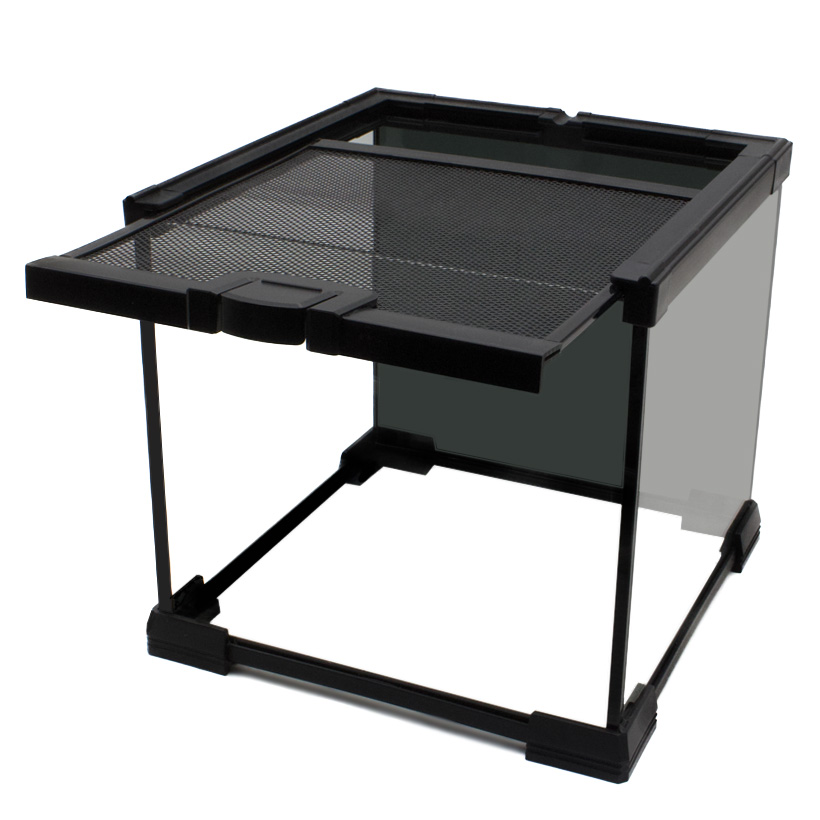
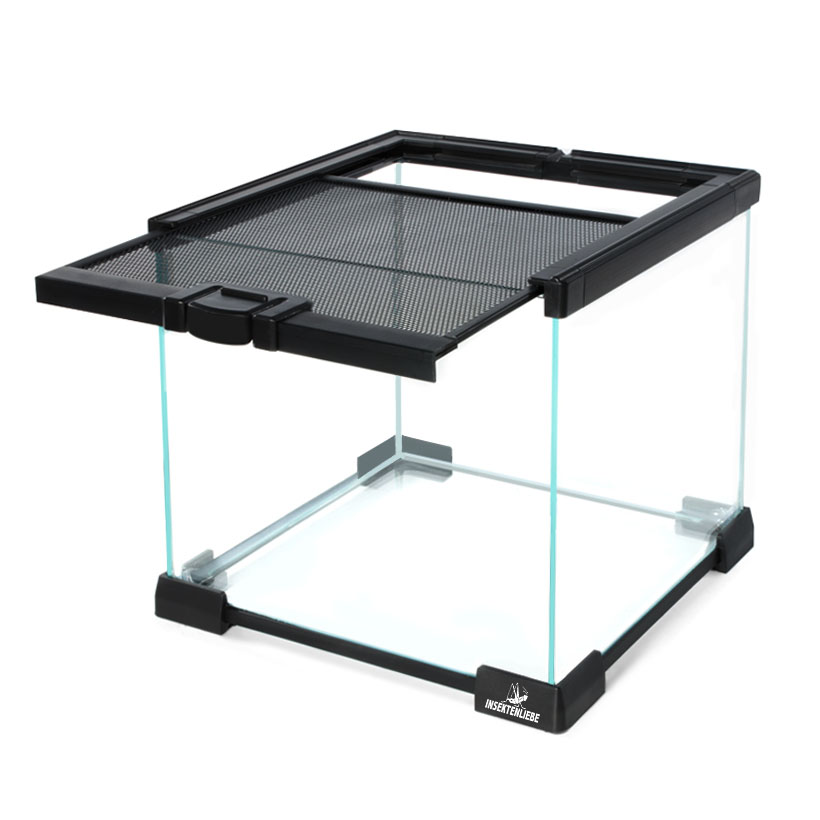
For an adult animal, we recommend a terrarium measuring at least 20 × 20 × 20 cm. Since this species remains relatively small, it does not require a large floor area. However, making proper use of the available space is much more important.
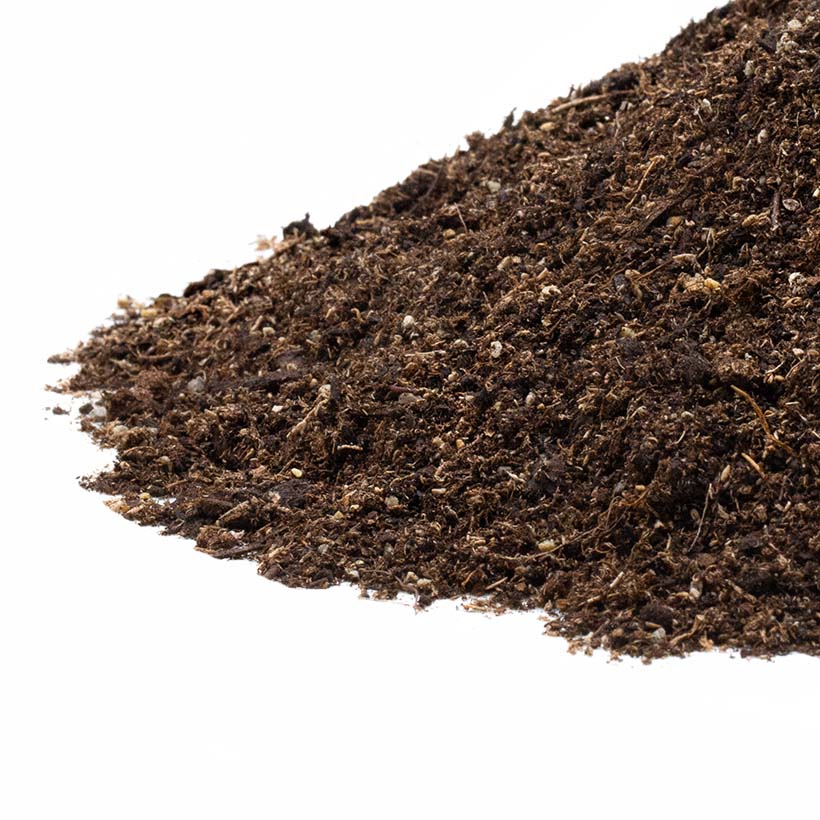
The substrate should be laid to a depth of about 10–15 cm. This gives the spider enough space to build its characteristic burrows.
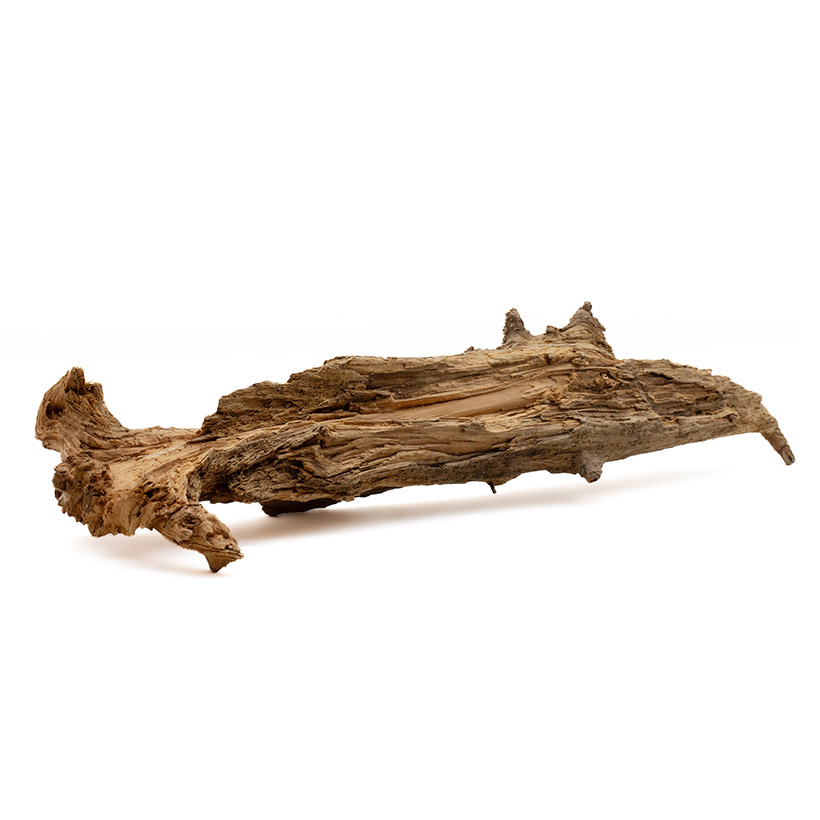
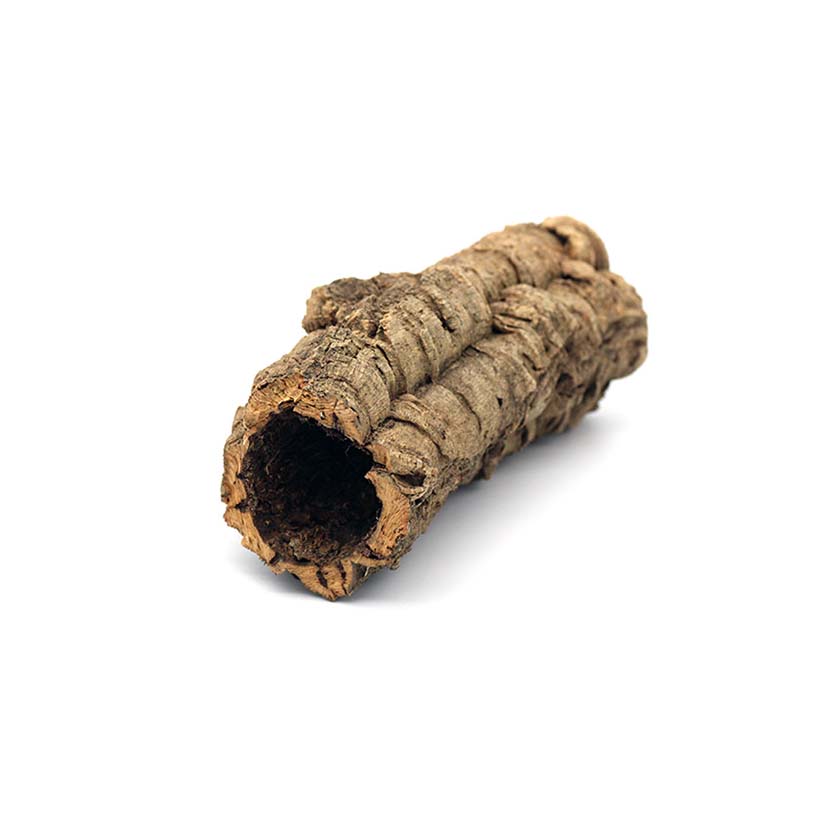
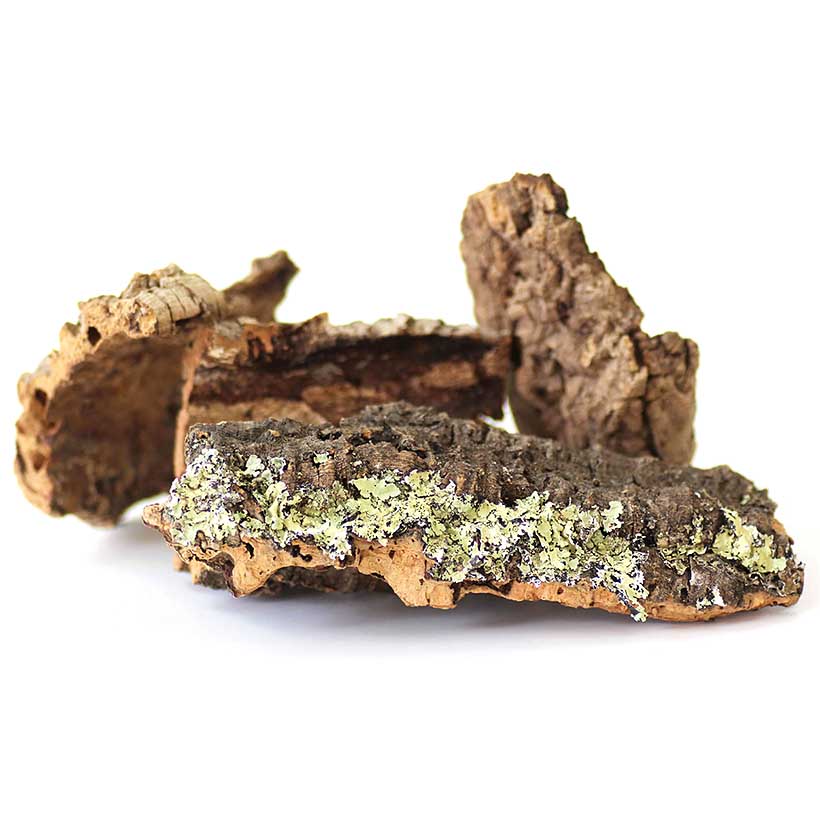
A piece of cork bark that is slightly buried can also serve as a starting point for a hiding place. After that, the spider takes over and often continues to shape its retreat.
Keep it moist, but don’t overwater it
Cyclosternum spec. “Aureum” prefers a humid climate. As a general guideline, temperatures of about 20–25 °C and high humidity are suitable.
The substrate should therefore have a certain level of moisture. However, high humidity does not mean that the substrate should be constantly wet. You should avoid waterlogging, while ensuring good aeration remains important.
Especially with a deep substrate, you can also create different moisture zones. This way, the substrate in the deeper areas stays moist longer, while the surface can dry out somewhat.
Natural decor instead of excessive decoration
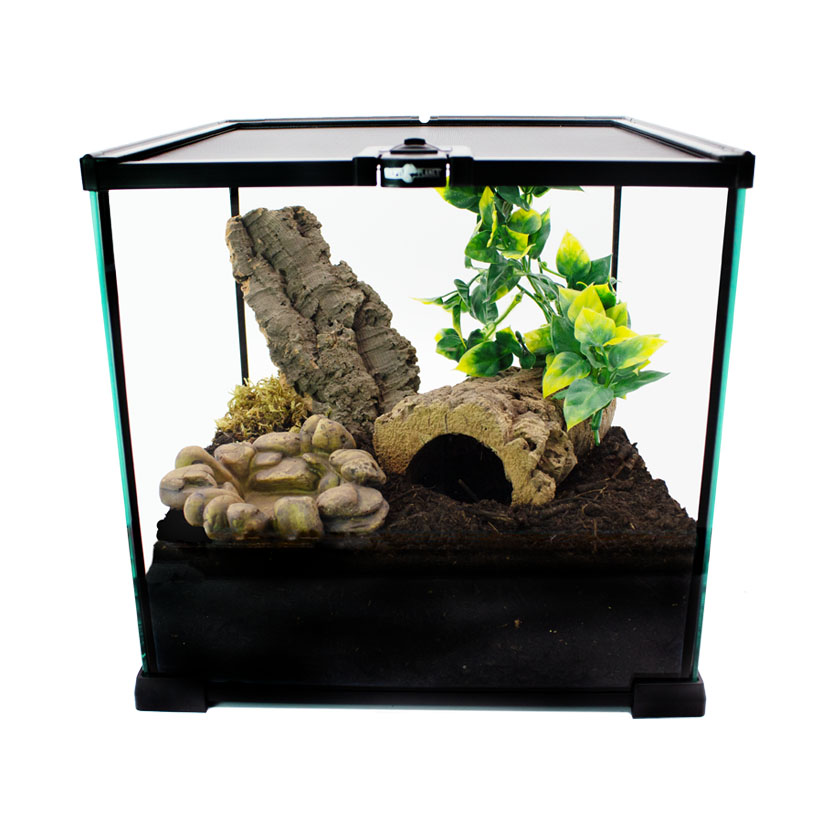
When it comes to a burrowing tarantula, less is sometimes more. After all, there should be enough space left for the animal to build its own burrow.
A piece of cork bark, some moss, and a few natural elements are all you need. Plants can also be used, as long as there is enough space left for digging.
This creates a terrarium that closely resembles nature, while at the same time allowing you to watch as the spider gradually reshapes the environment on its own.
Feeding
When choosing food, you can base your decision on the size of your Cyclosternum spec. “Aureum” Use as a guide. Suitable examples include small house crickets, field crickets, or cockroaches.
Young animals are given smaller prey animals and are fed more frequently. For larger animals, however, the intervals between feedings can be longer.
Since the animals often sit in their burrows, prey sometimes disappears right at the entrance. That’s exactly where you can offer it to them.
For lovers of unique tarantulas
Cyclosternum sp. “Aureum” We would not consider them a typical starter species for those new to keeping tarantulas. This is simply because less is known about this as-yet-undescribed species than about species that have been kept for decades.
However, for those who already have experience and are looking for a rare tarantula that stays small and has unusual coloring, this is a particularly exciting species.
Above all, the combination of its golden carapace, bluish legs, and reddish-brown abdomen makes it visually distinctive.
Advantages at a glance
- Rare tarantula from South America
- A species not yet scientifically described
- Body length about 4 cm
- Striking golden carapace
- Legs with a bluish tint
- Gold-colored leg joints
- Reddish-brown abdomen
- Pronounced burrowing behavior
- Builds underground tunnel systems
- Requires only a relatively small terrarium
- An exciting option for more experienced owners and collectors
- Offspring from an early German breeding line
Suitable accessories for your setup
Insektenliebe Terrarium – provides ample space for this small species and allows for easy observation.
Tarantula Substrate – creates a substrate suitable for burrowing while maintaining the necessary moisture levels.
Spruce Root – provides a natural starting point for building a sheltered hiding spot.
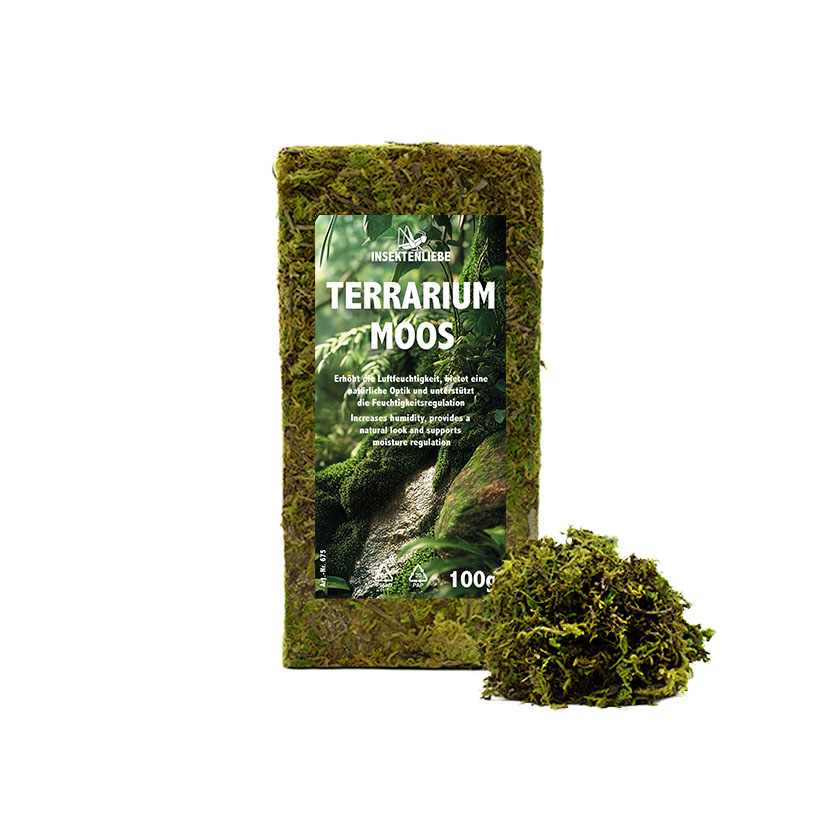
Insektenliebe Terrarium Moss – keeps certain areas moist longer while providing a natural look.
Insektenliebe Hygro-Therm – helps you keep track of temperature and humidity.
Suitable live food – provides juveniles and adults with live food in the right size.
Conclusion
The Cyclosternum spec. “Aureum” is the perfect tarantula for anyone looking for something out of the ordinary. With a body length of about 4 cm, it remains pleasantly small, yet displays an impressive mix of golden, bluish, and reddish-brown hues.
Added to this is its pronounced burrowing behavior; rather than simply moving into an existing hiding place, it can construct its own underground tunnel system. At the same time, its still-unresolved scientific classification ensures that the species remains fascinating from a biological perspective as well. A rare tarantula with much still to be discovered.