Sarracenia flava var. atropurpurea
14,95 € incl. VAT, plus shipping
Out of stock

USA

15°C – 30°C
Sarracenia flava var. atropurpurea – A legend among tubular plants
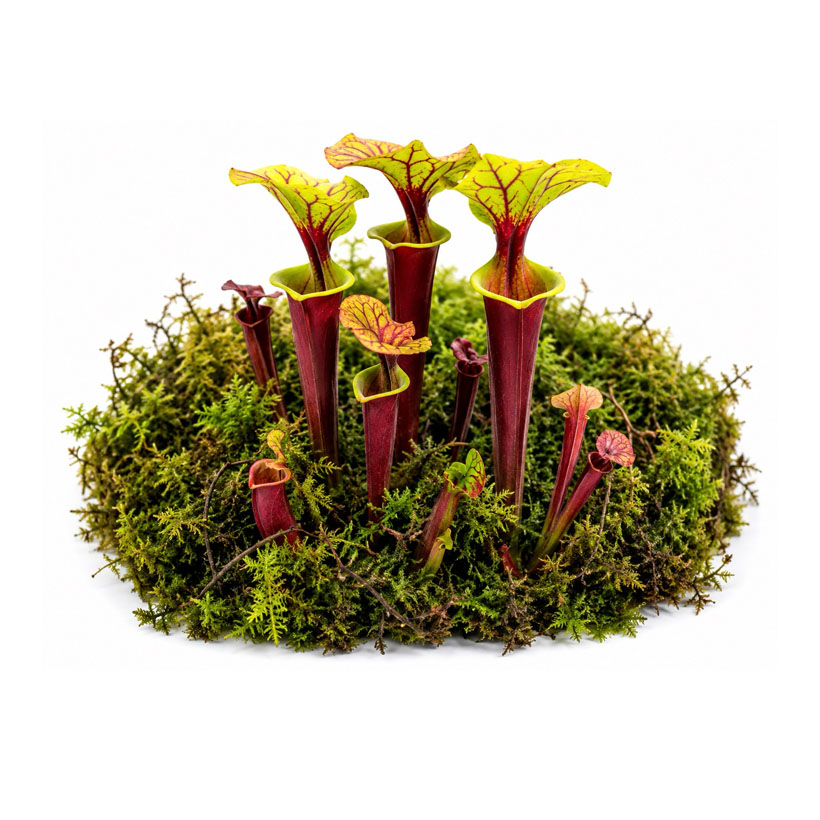
Sarracenia flava var. atropurpurea is one of the most spectacular tubular plants of all, as hardly any other Sarracenia develops such an intense red coloration. While many tubular plants only turn partially red, this variety often turns almost the entire tubing deep red to dark wine red.
This makes the plant look impressive even from a distance. At the same time, the elegantly towering stems are retained, giving it a majestic appearance.
The red coloration intensifies even further, especially in direct sunlight. This creates colors that appear almost unreal and enhance any carnivore collection.
Large tubes as ingenious insect traps
The long tubes are not just for visual appeal, but also catch insects. Attracted by color, scent and nectar, prey land on the tube entrance.
They then slide inside the trap, while fine hairs make it difficult for them to return. This allows the plant to absorb additional nutrients, which it often only finds to a limited extent in its natural environment.
Larger specimens in particular develop impressive tubes, making the plant look even more impressive.
Location and husbandry
For an intensive red coloration you need Sarracenia flava var. atropurpurea a lot of light. The sunnier the location, the stronger the colors develop.
Ideal are:
- Sunny window sills
- Greenhouses
- Bog beds
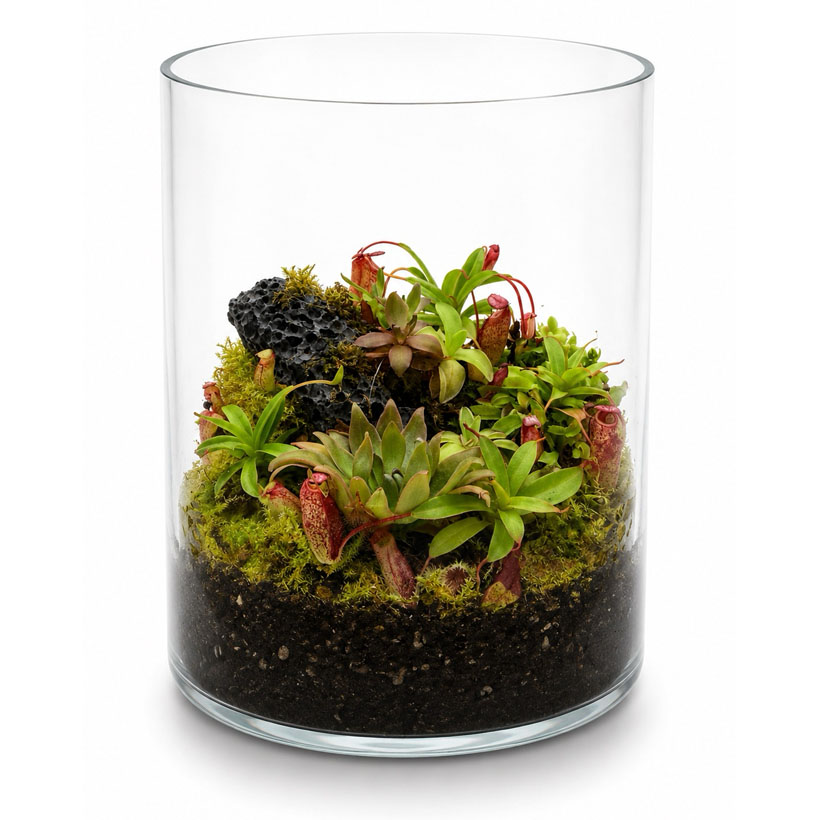
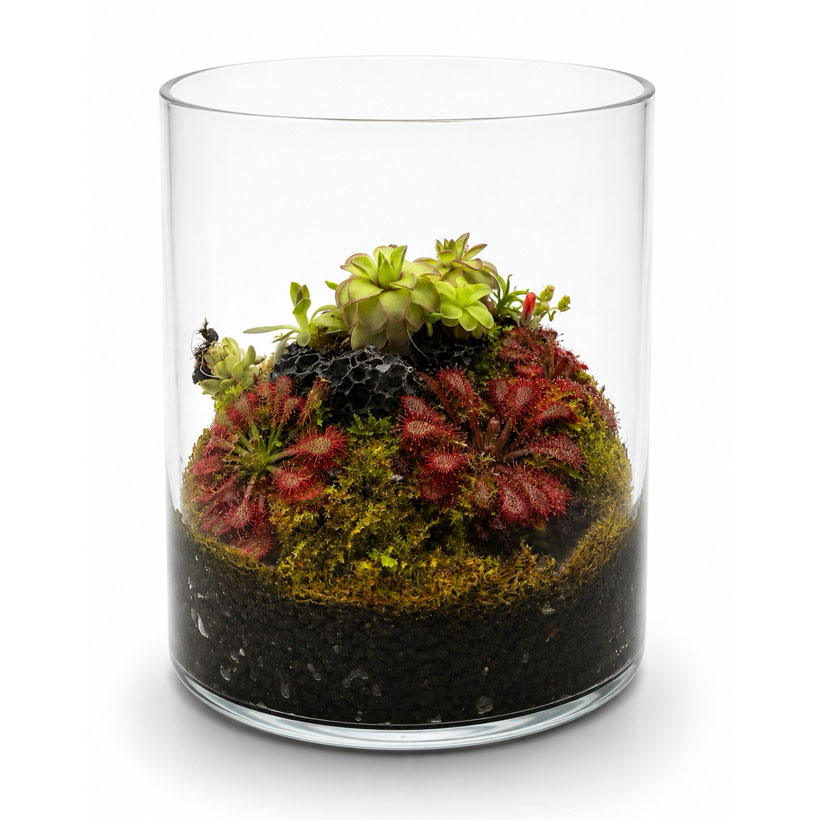
- Light-colored carnivore terrariums
The plant benefits from direct sunlight, especially in summer, as this makes the tubes stronger and the colors much more intense.
Substrate and irrigation
Like all Sarracenia, this variety also requires a nutrient-poor and permanently moist substrate.
Particularly suitable:
- Sphagnum moss
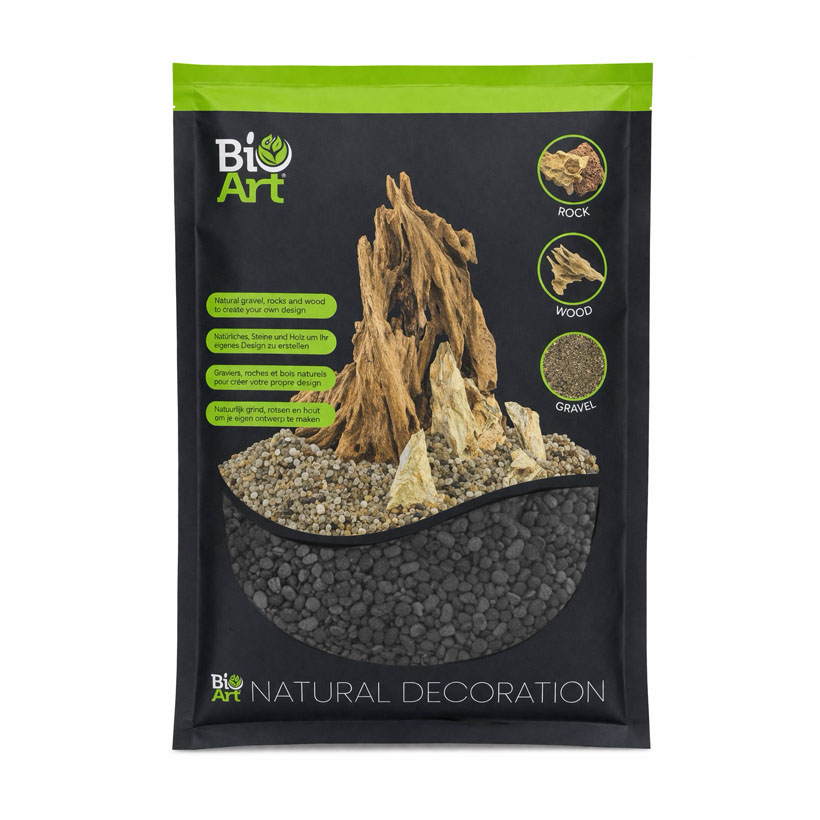
- BioArt gravel as a drainage layer
- Peat-based substrates for carnivores
Normal potting soil should never be used, as the nutrients it contains can damage the sensitive roots.
You should only use water for watering:
- Rainwater
- Distilled water
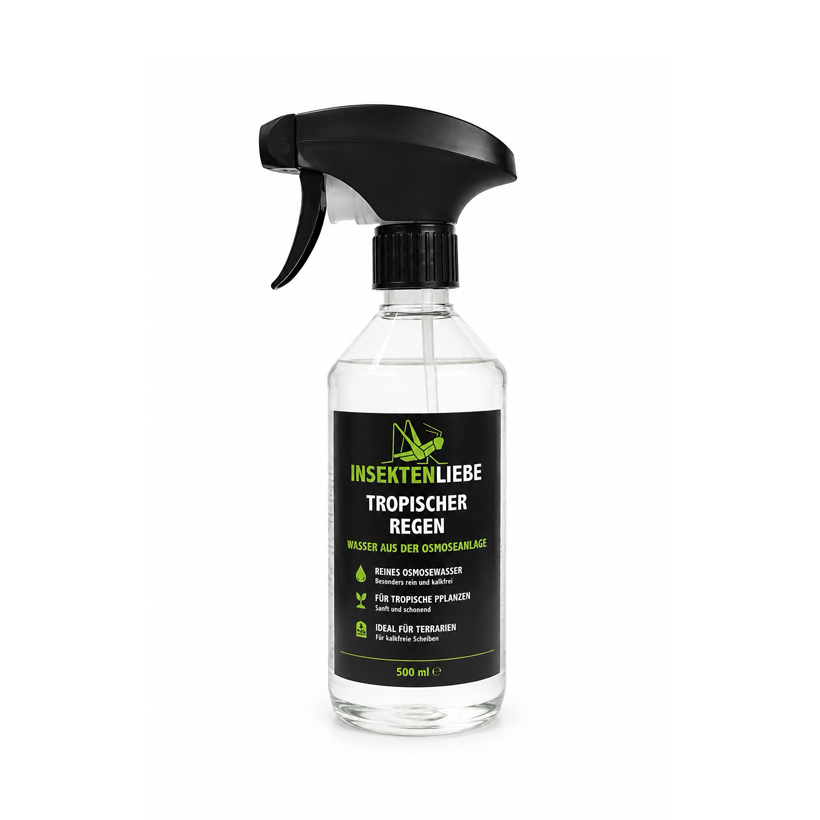
- Osmosis water
The substrate may remain permanently moist, which is why the waterlogging method has proven to be particularly effective.
Winter rest is important
So that Sarracenia flava var. atropurpurea to remain healthy in the long term, it needs a pronounced winter rest.
During this time, growth slows down considerably, while older tubes partially shrink. This is perfectly normal and is part of the plant’s natural annual rhythm.
Ideal temperatures are between 0 and 10 °Cso that the plant can sprout vigorously again in spring.
A plant with a strong presence
With increasing age Sarracenia flava var. atropurpurea ever larger clusters. This creates impressive groups of deep red tubes that immediately catch the eye.
The plant looks particularly beautiful between light-colored sphagnum moss, natural stones or in near-natural moor landscapes. This creates a picture reminiscent of the carnivorous areas of North America.
Important points on posture
- Very sunny location important
- Permanently moist substrate required
- Only use limescale-free water
- Winter rest required
- Intense red coloration with plenty of light
- Ideal for bog beds and carnivore collections
Suitable accessories for your setup
We recommend a healthy and impressive presentation:
- Sphagnum moss – stores moisture and creates a natural bog appearance
- BioArt Gravel – ideal drainage layer for carnivores
- GLORIA fine sprayer – Even watering of sensitive plants
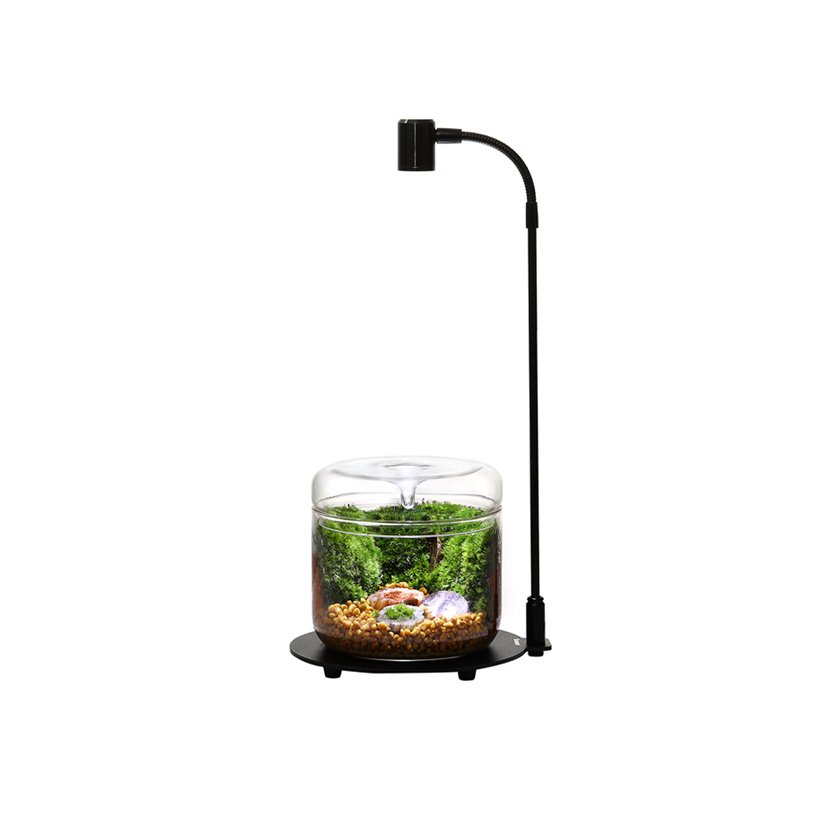
- Bioloark – for smaller carnivore arrangements
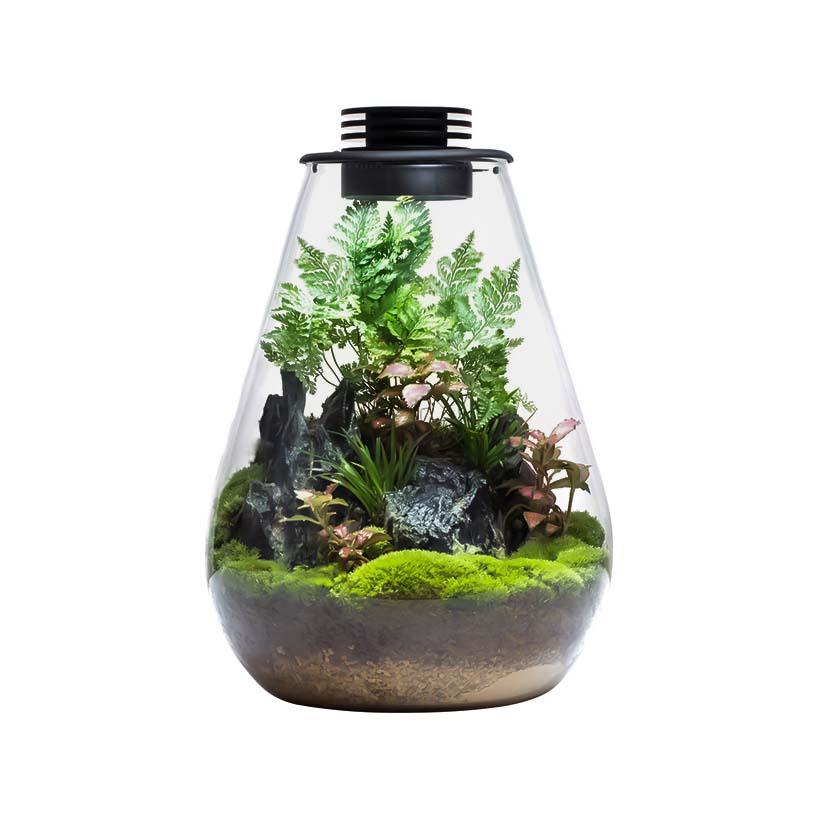
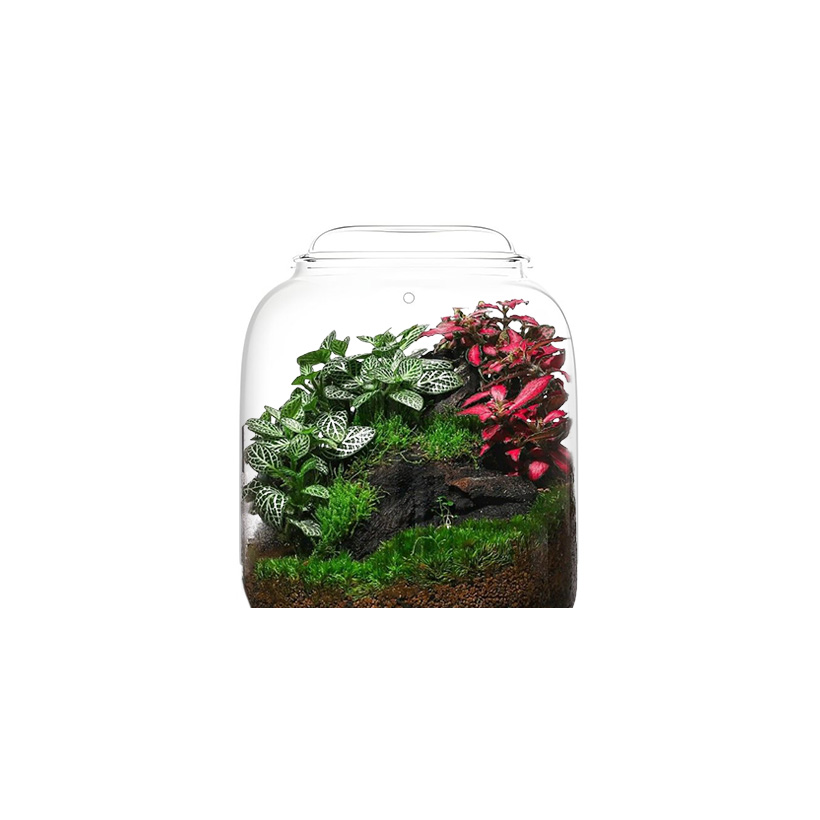
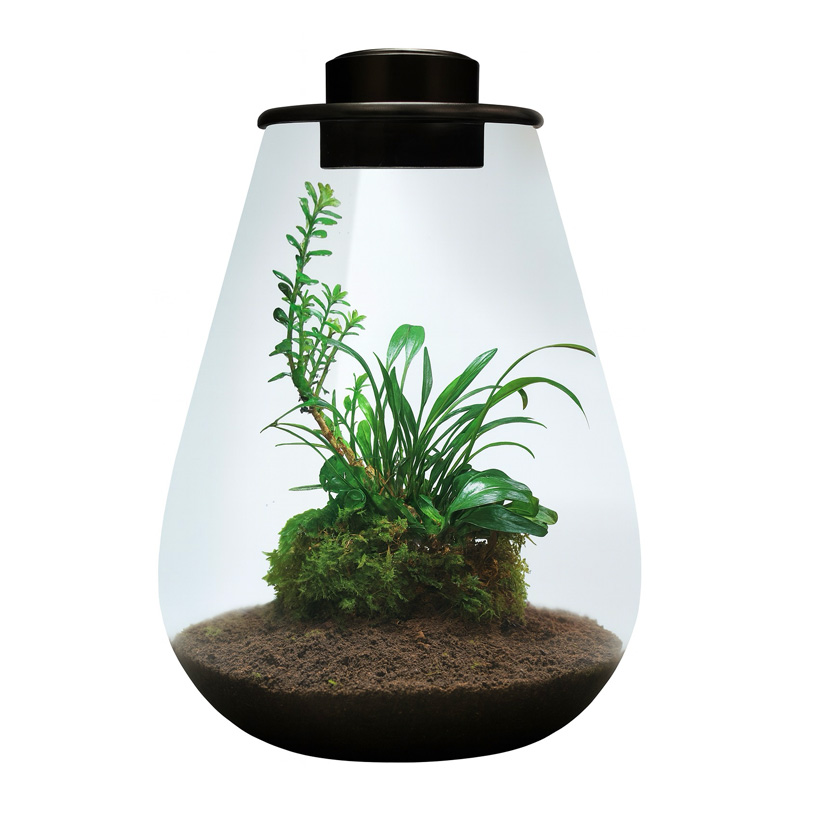
- BioArt Drop / Bowl / Cylinder – Stylish presentation of your plants
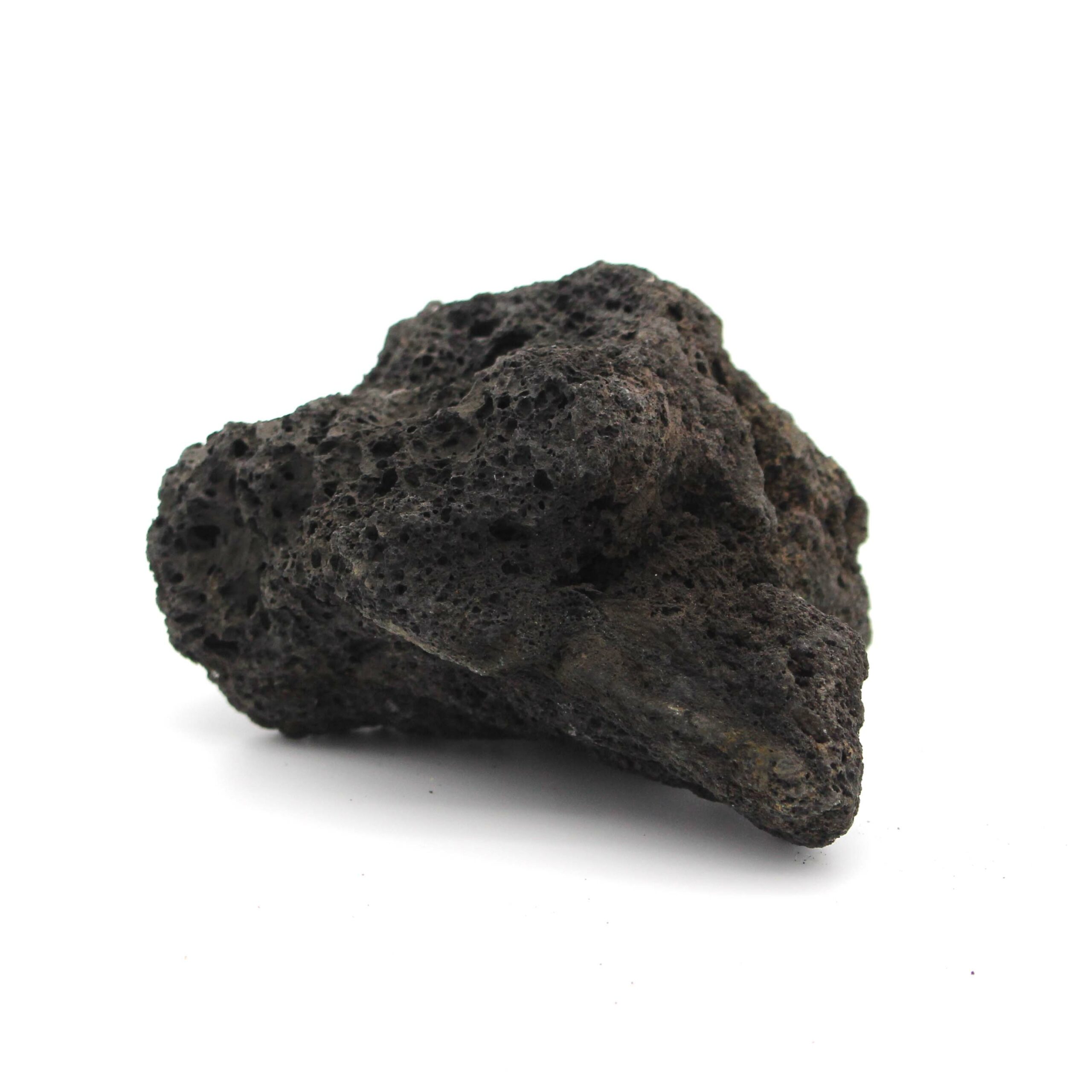
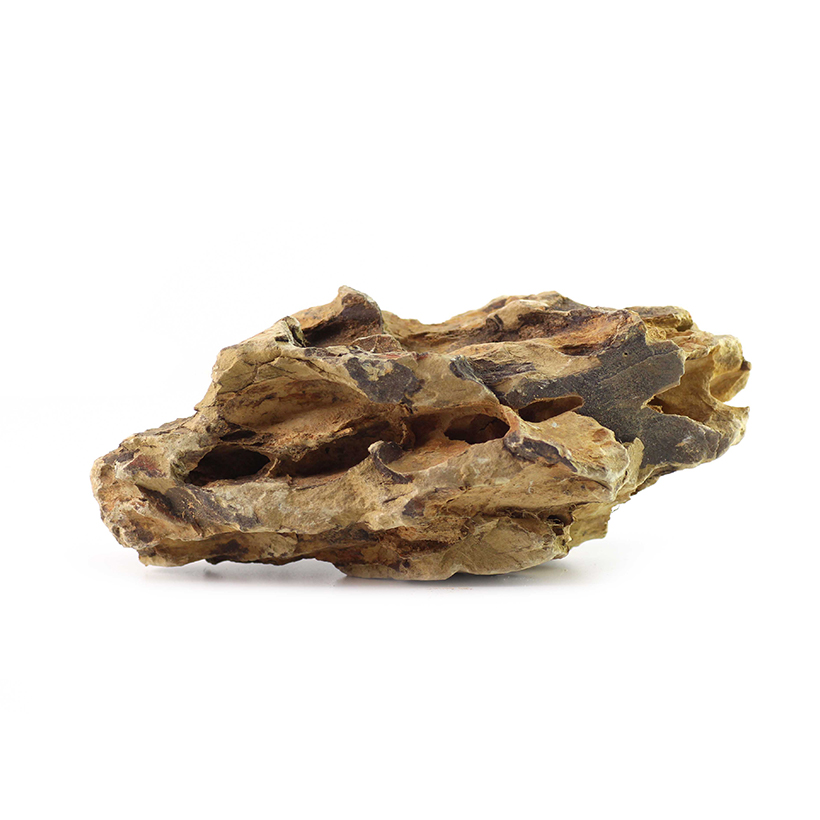
- Premium lava stone or dragon stone – natural accents in the setup
This creates a stable yet natural setup, while the deep red tubes are particularly impressive.
Conclusion
Sarracenia flava var. atropurpurea is one of the most beautiful tubular plants for many carnivore fans. The deep red coloration, the tall tubes and the impressive appearance make this plant a real eye-catcher.
Anyone looking for an unusual, robust and at the same time spectacular carnivore will be interested in Sarracenia flava var. atropurpurea many years of pleasure.