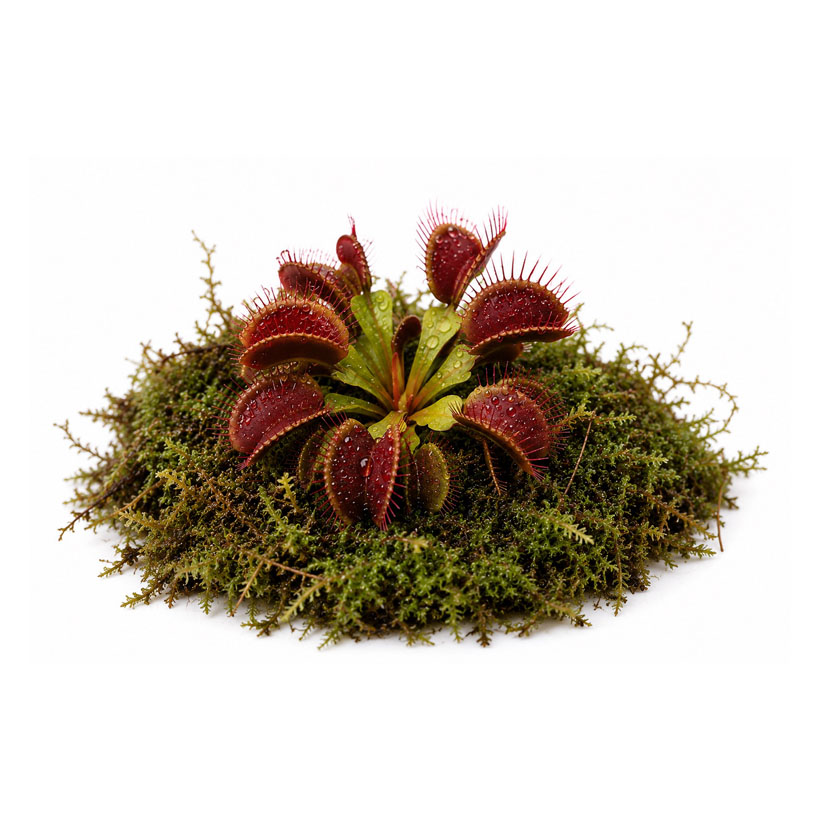
Dionaea muscipula “Ring”
11,95 € incl. VAT, plus shipping
Out of stock

USA

20°C – 30°C
Dionaea muscipula “Ring” – When traps suddenly look different
Dionaea muscipula “Ring” is one of the most unusual forms of Venus flytrap. While classic Dionaea species form symmetrical traps, this form sometimes develops strikingly altered or ring-like trap structures, making the plant immediately eye-catching.
It is precisely this unusual growth habit that makes the plant particularly interesting for many carnivore fans. Some of the traps appear twisted, circular or irregularly intergrown, giving each plant its very own character.
This creates a very unusual and almost “alien-like” look that clearly stands out from classic Venus flytraps.
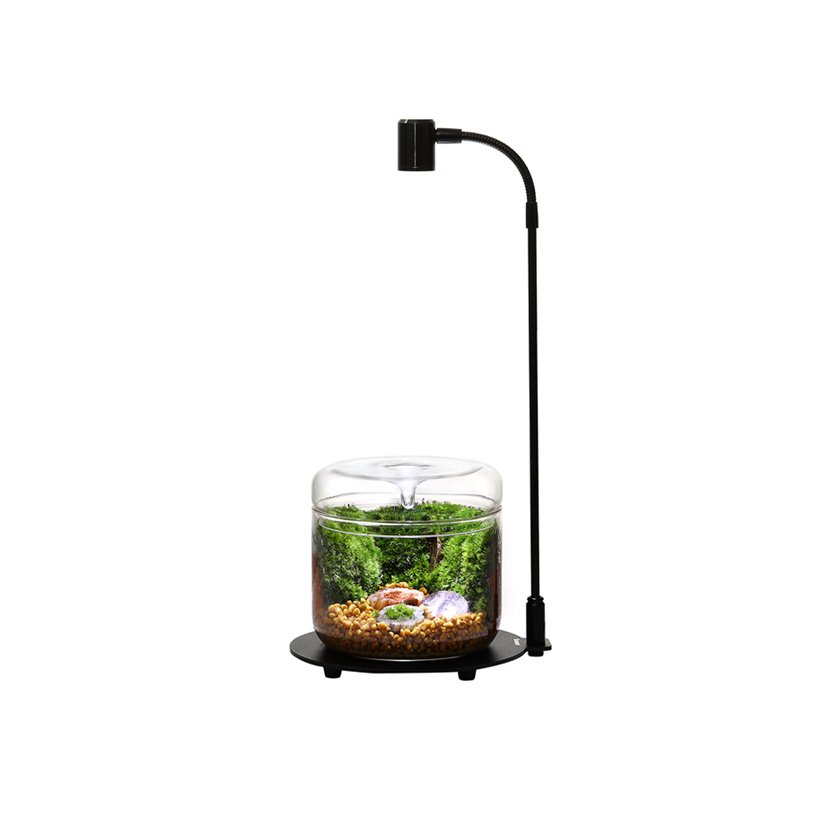
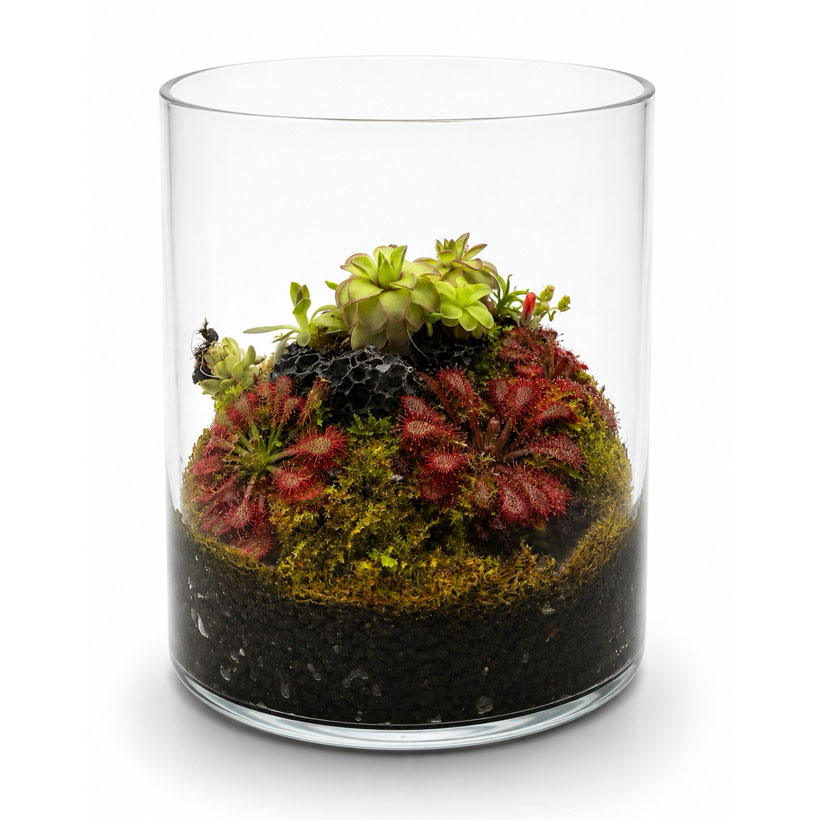
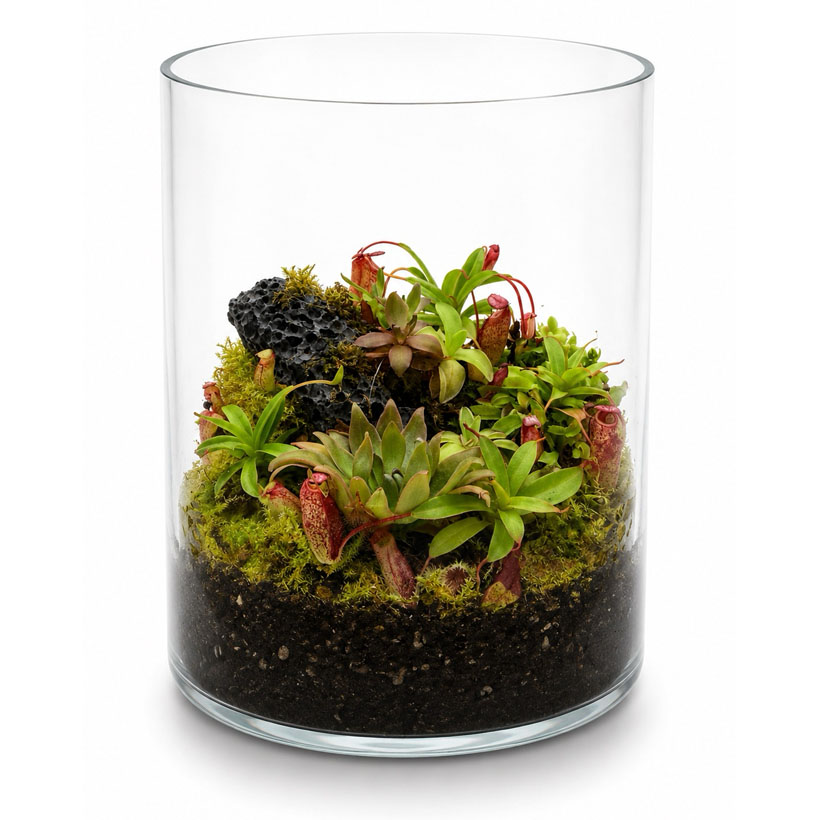
Especially in planted BioArt setups or between sphagnum moss and lava stones, the plant looks extremely exciting and almost surreal.
Fascinating catching technique remains intact
Despite the unusual trap shape, the typical catching mechanism of the Venus flytrap is retained. The traps continue to react to the touch of the fine feeler hairs and snap shut at lightning speed.
This allows the plant to catch small insects and absorb additional nutrients. The combination of unusual shape and active trapping technique makes this variant particularly fascinating.
Another particularly exciting feature is that the traps reopen after digestion and can be used again. This keeps the plant permanently active and interesting to observe.
Location and husbandry
Required for healthy growth and strong traps Dionaea muscipula “Ring” a lot of light. A sunny location also ensures that the plant grows compactly and develops intense colors.
Ideal are:
- bright terrariums
- Sunny window sills
- Greenhouses
- Outdoor keeping in summer
The unusual trap shape is particularly impressive in open moss landscapes or near-natural carnivore set-ups.
Substrate and irrigation
Like all Venus flytraps, this form also requires a nutrient-poor and permanently moist substrate. Particularly suitable:
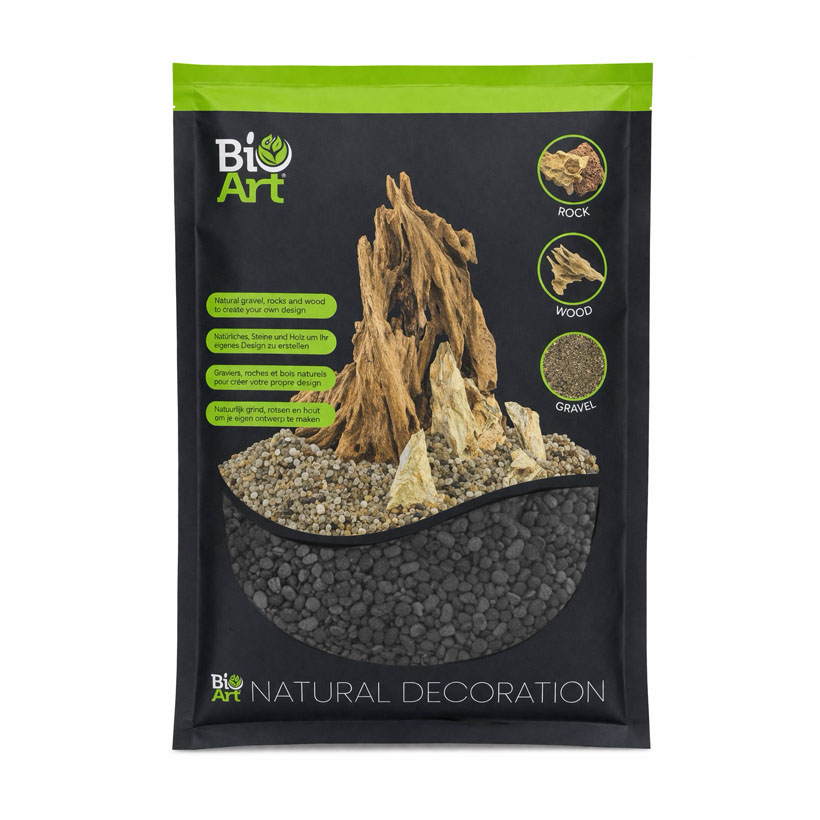
- BioArt gravel
- Sphagnum moss
This keeps the roots healthy while retaining sufficient moisture.
Normal potting soil should never be used, as the nutrients it contains can damage the sensitive roots.
Only suitable for watering:
- Rainwater
- Distilled water
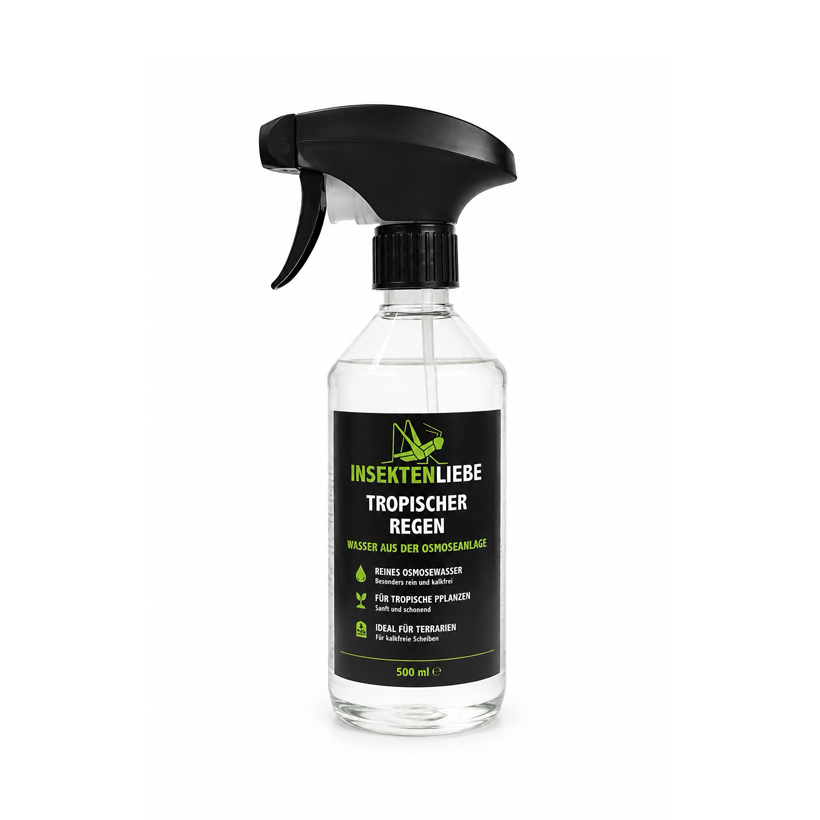
- Osmosis water
The plant should be kept slightly moist at all times and can easily be kept in a waterlogged state. This keeps the substrate evenly moist without the plant drying out.
Winter rest important
Also Dionaea muscipula “Ring” requires winter dormancy to keep the plant healthy in the long term. During this time, growth slows down considerably and some of the older traps die off. This is part of the plant’s natural rhythm.
After the dormant phase, the plant sprouts vigorously again and forms new traps with its typical unusual structure.
Ideal temperatures are between 5-12 °C during the winter months.
Important points on posture
- Very bright location important
- Only use nutrient-poor substrate
- Only use limescale-free water
- Keep permanently slightly moist
- Winter rest necessary
- Particularly interesting growth habit
Suitable accessories for your setup
For a healthy and unusual presentation, we recommend you:
- Sphagnum moss – stores moisture optimally
- BioArt Gravel – perfect basis for healthy growth
- GLORIA fine sprayer – Fine and controlled watering
- Bioloark – Ideal for planted carnivore setups
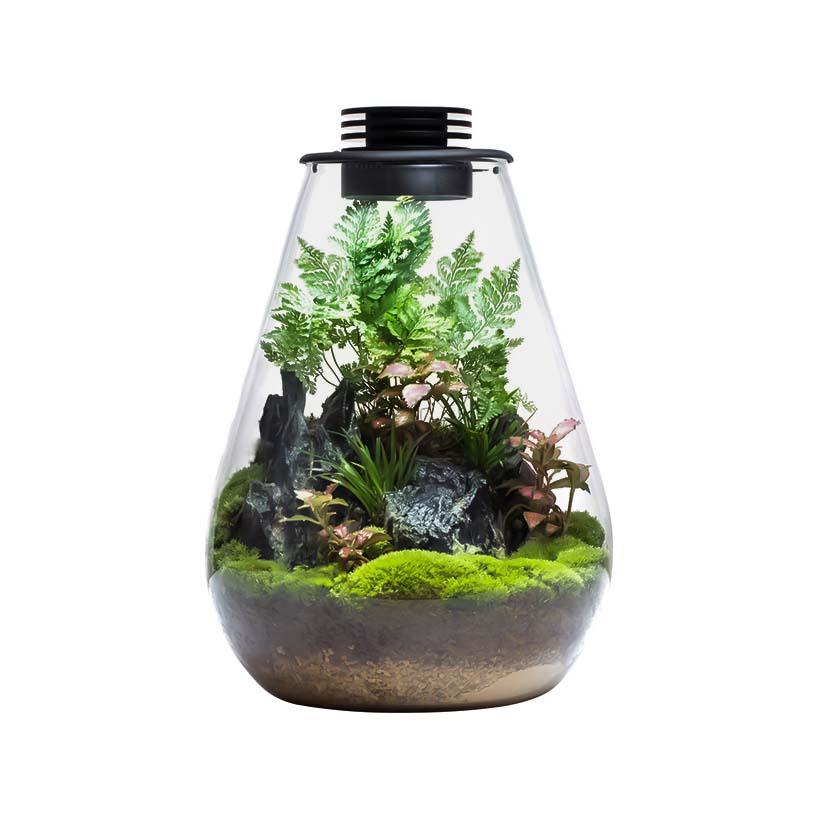
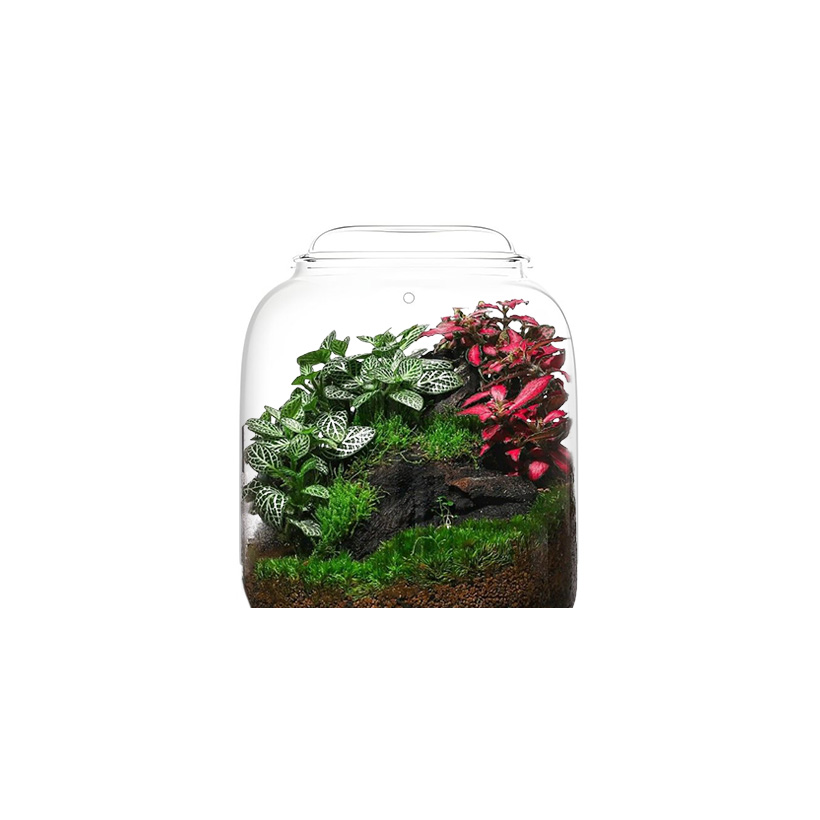
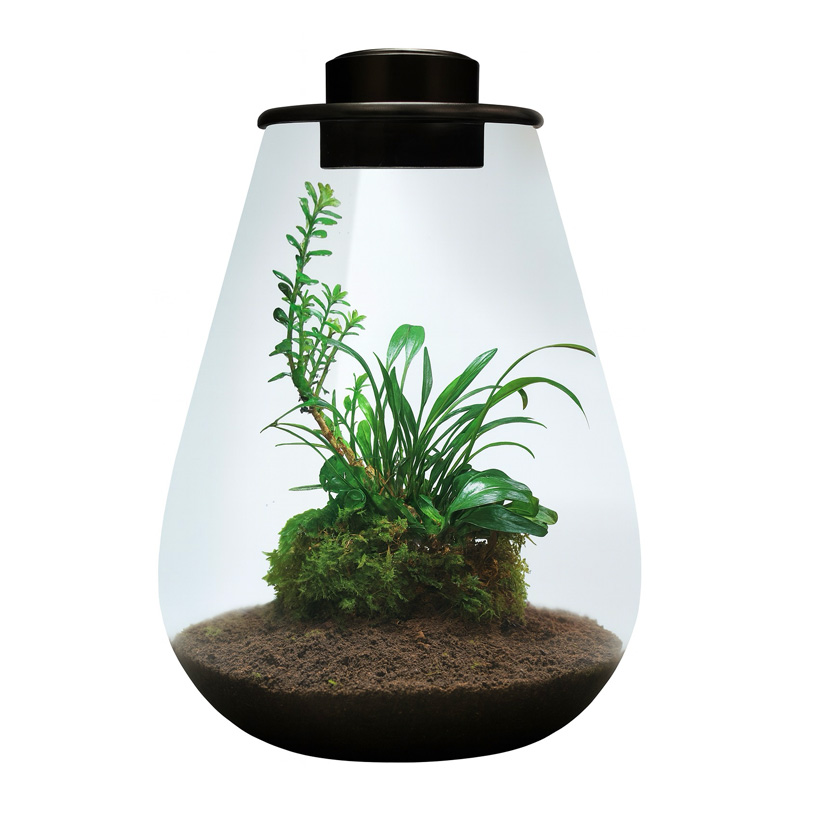
- BioArt Drop / Cylinder / Bowl – Terrariums with integrated lighting
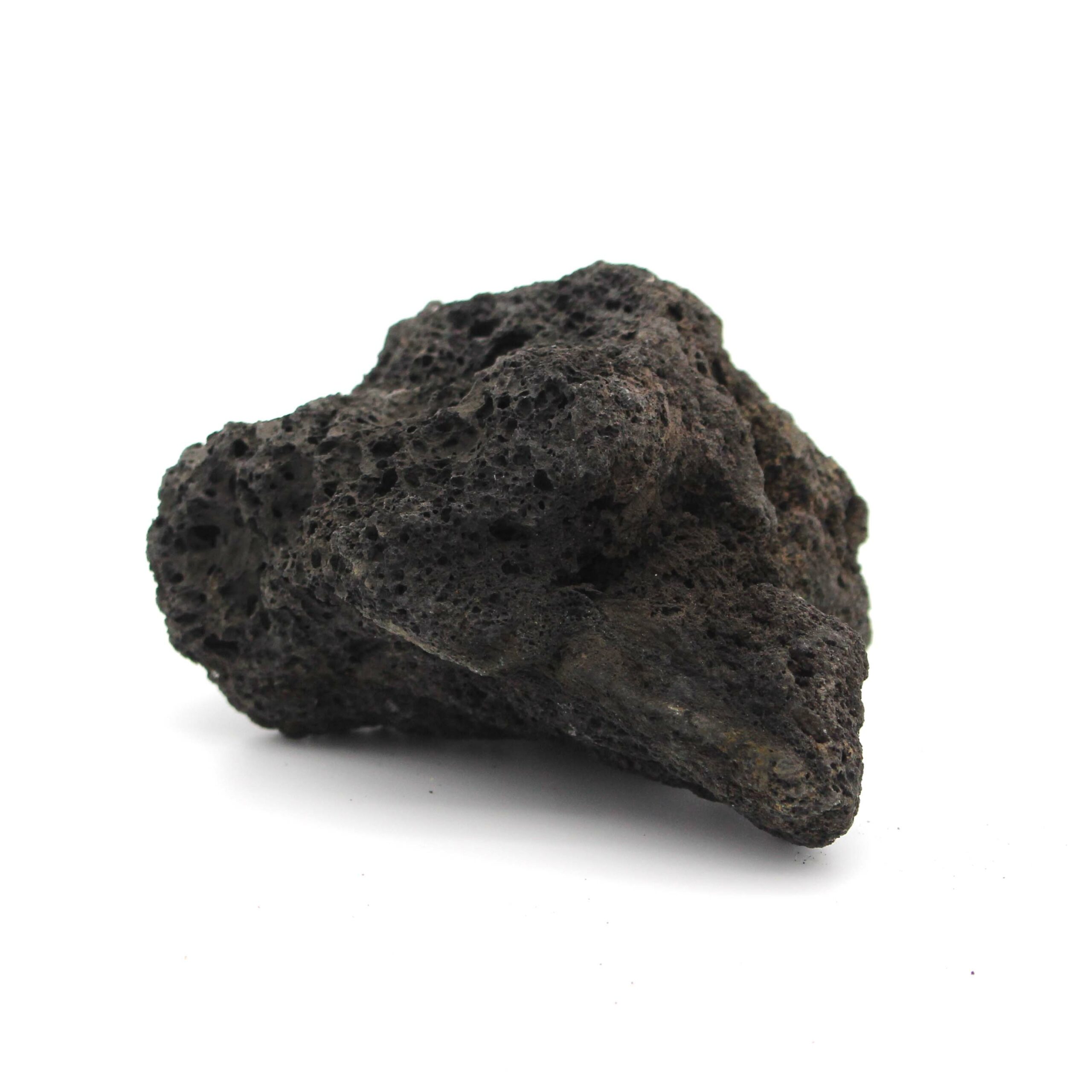
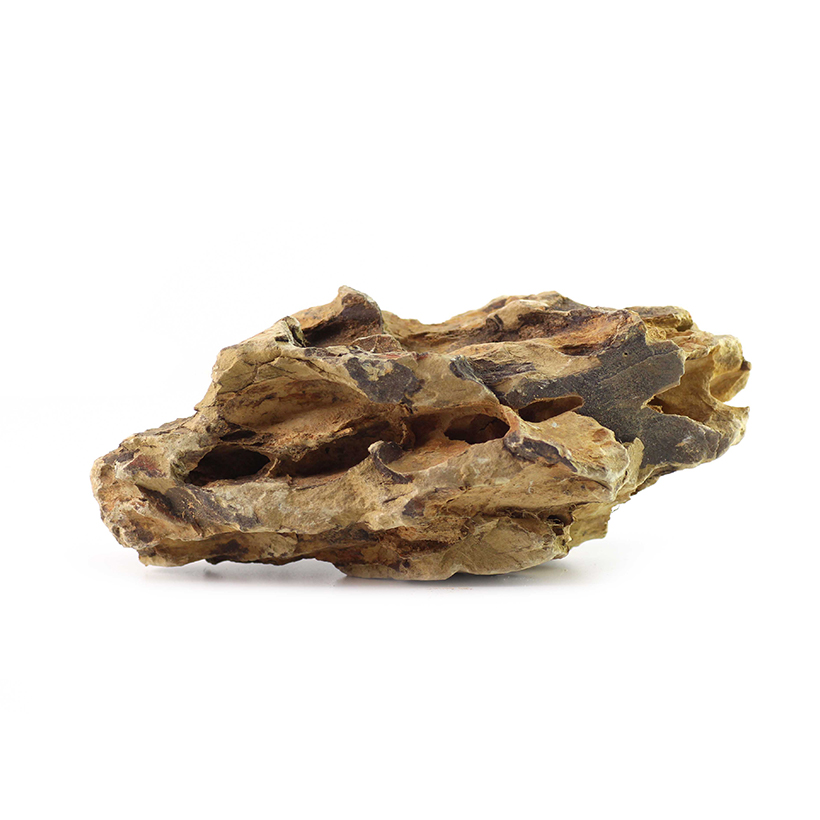
- Premium lava stone or dragon stone – for natural swamp layouts
This creates a stable and at the same time very natural-looking setup in which the plant can perfectly show off its unusual trap structure.
Conclusion
Dionaea muscipula “Ring” is one of the most exciting and unusual forms of Venus flytrap ever. The ring-like and partially twisted traps create a unique look, while the typical trapping mechanism remains completely intact.
If you are looking for unusual carnivores with character and want to experience classic Venus flytraps in a completely different way, you will really enjoy this shape.