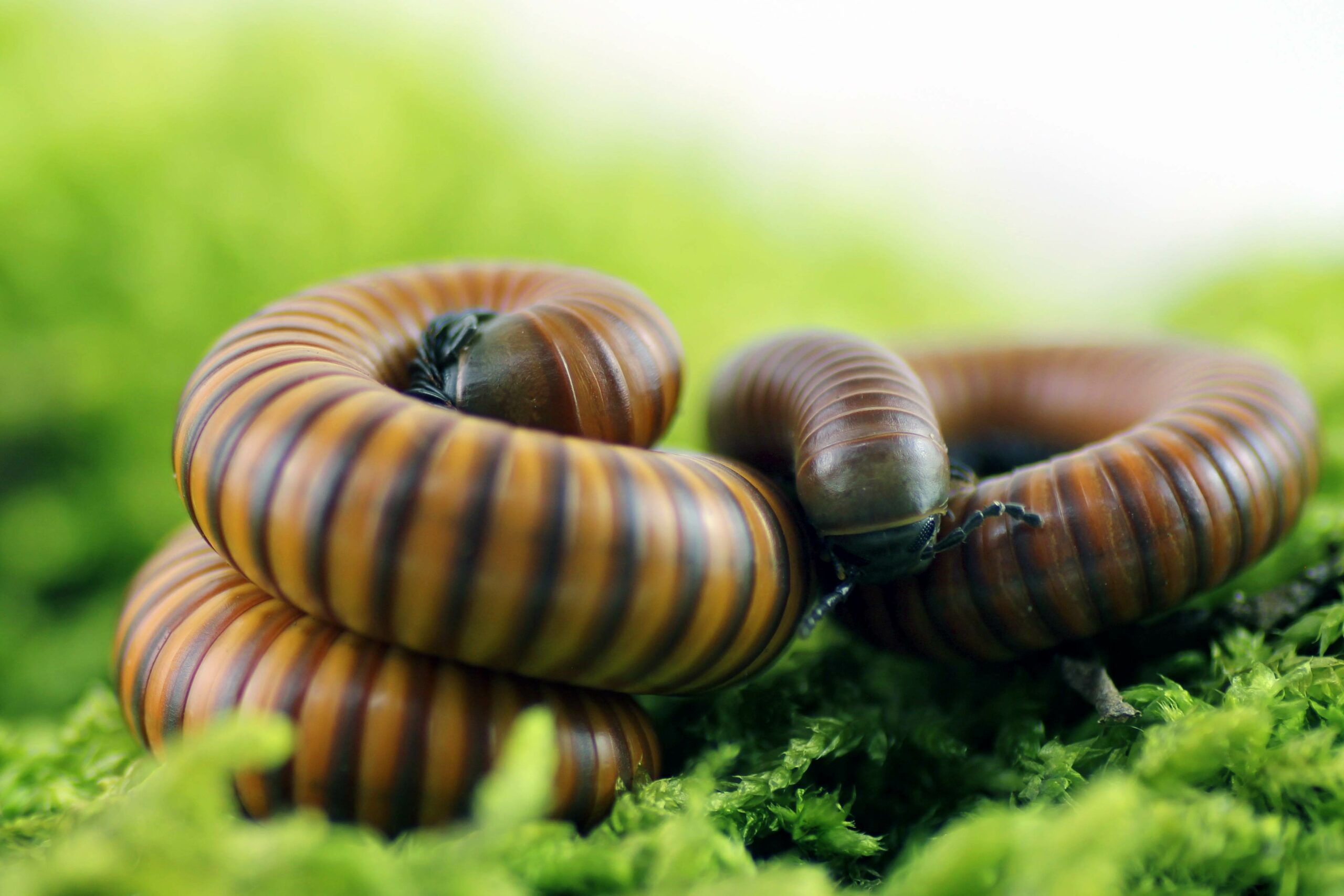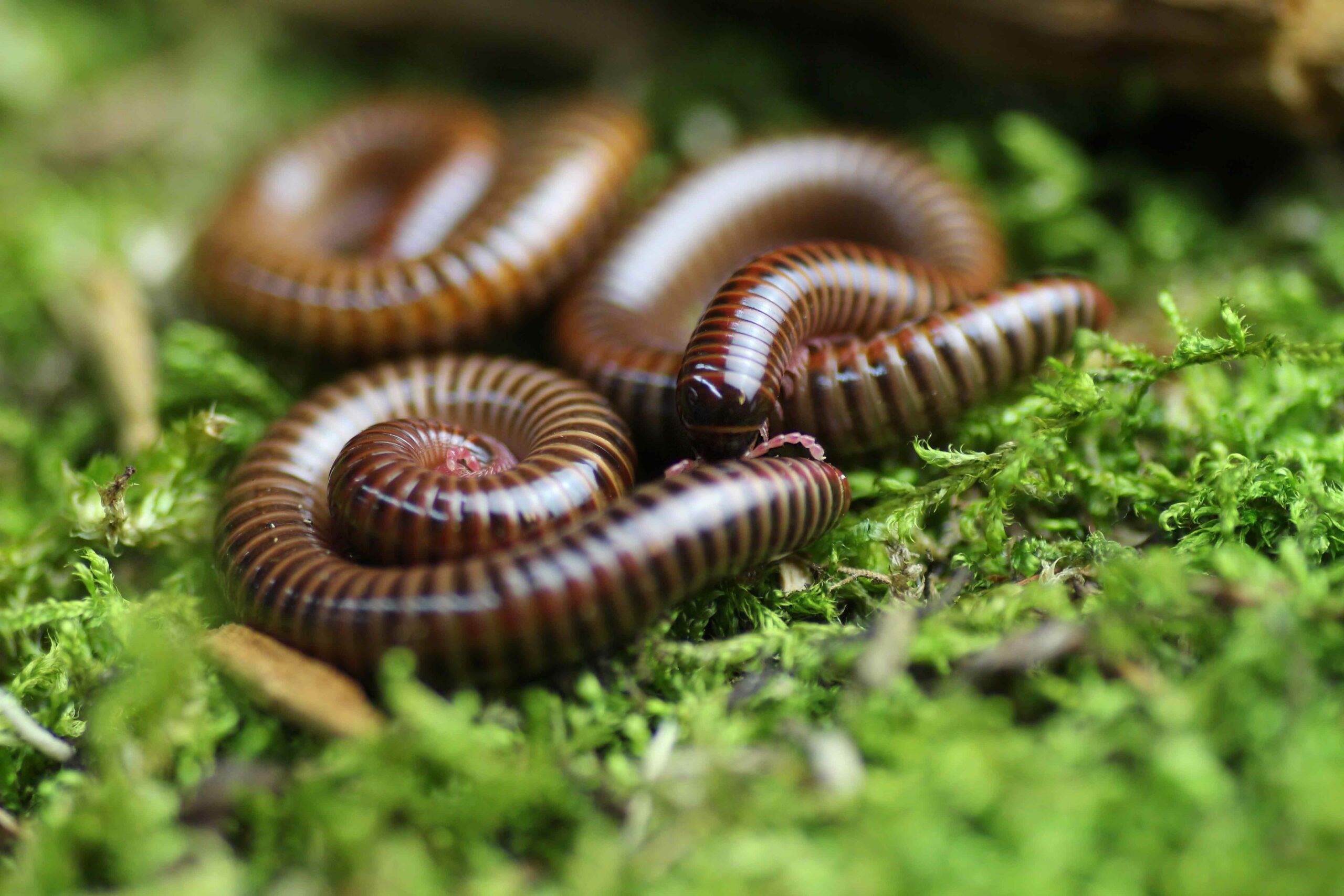





Unident. spec. ex. Cameroon “Shining Red” – Shining exotic from the heart of Africa
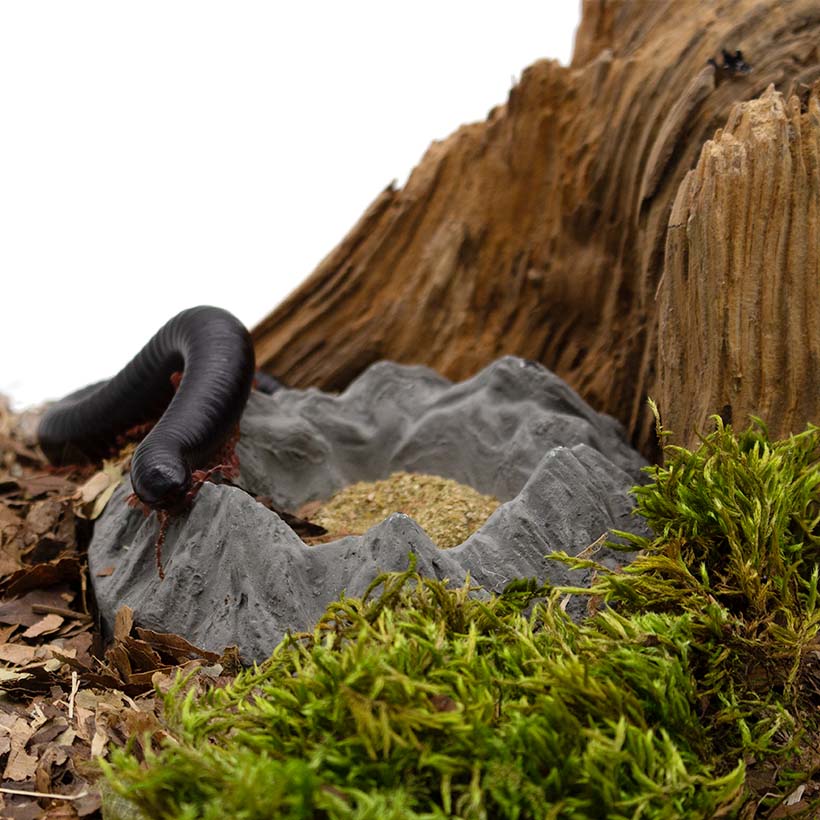
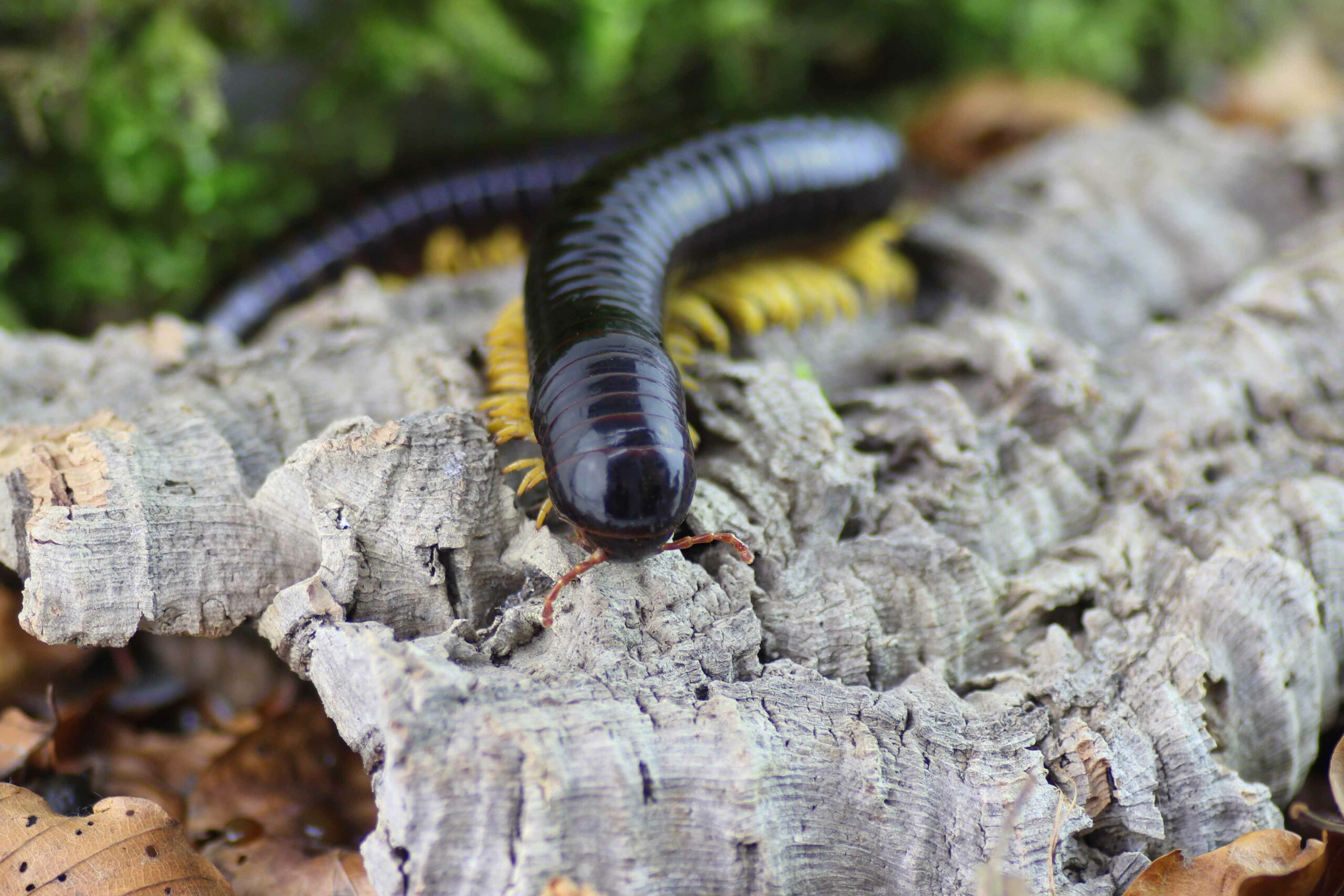
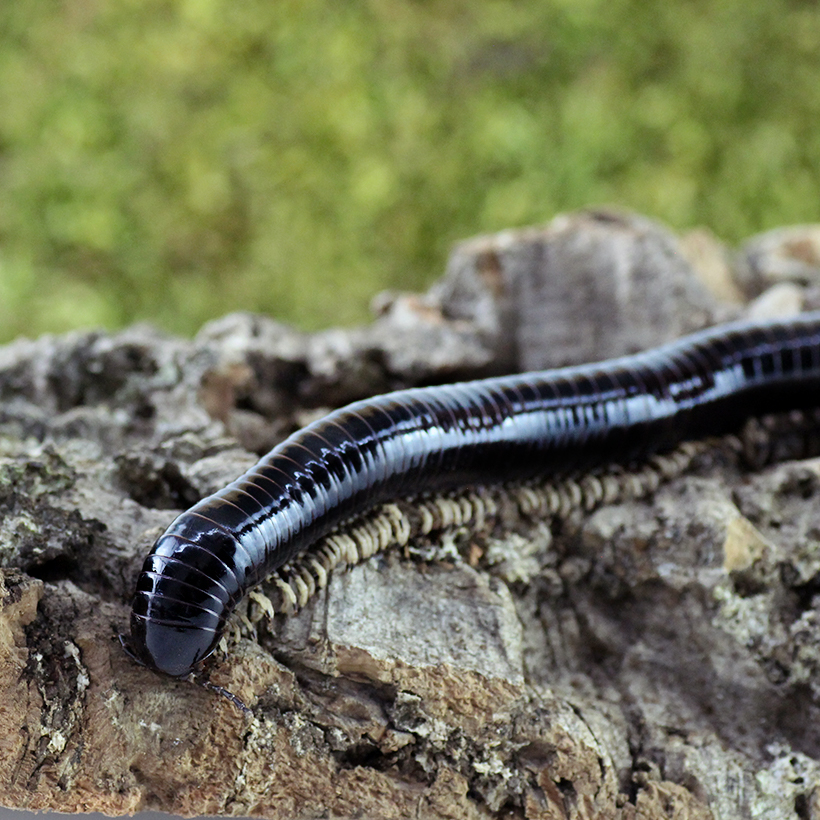
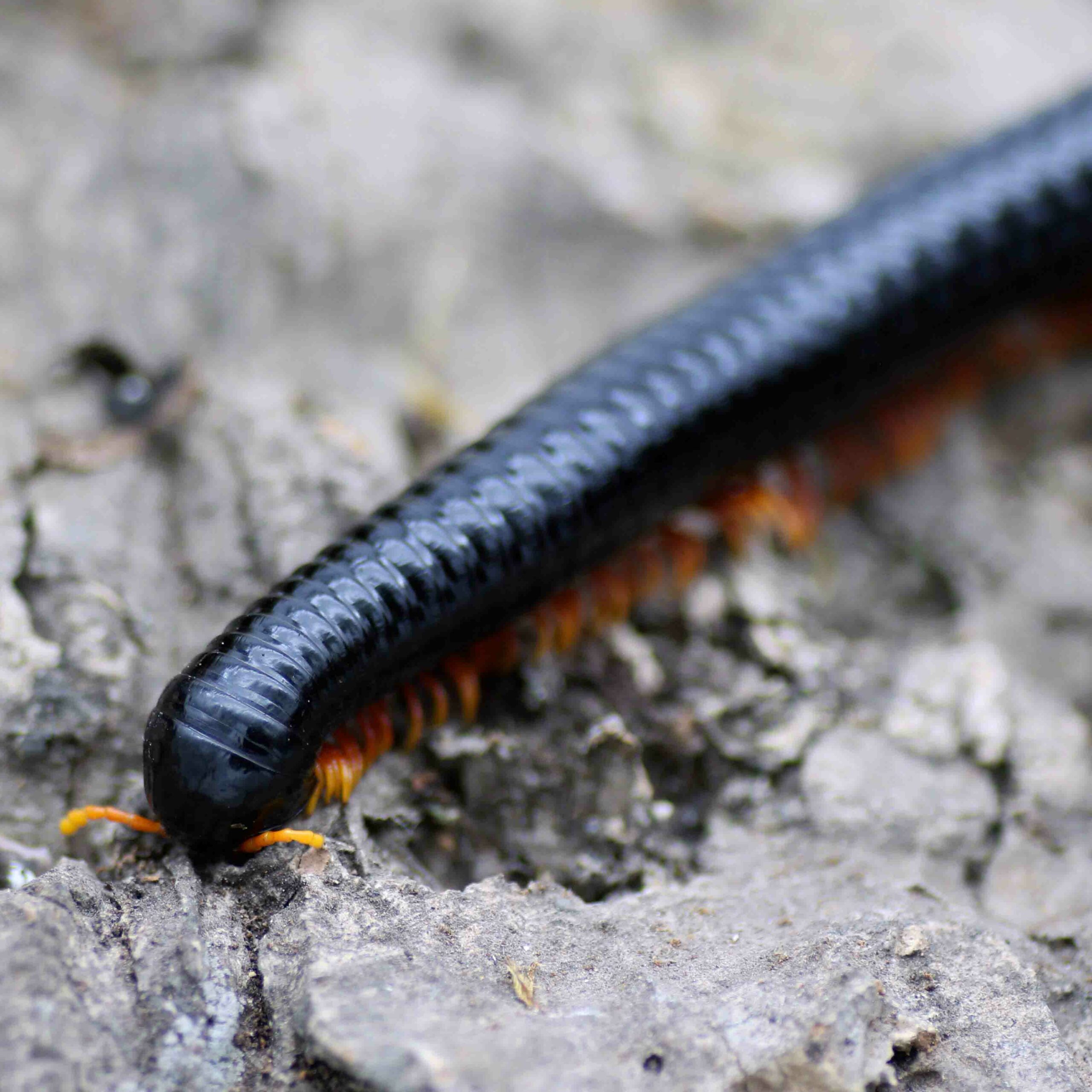
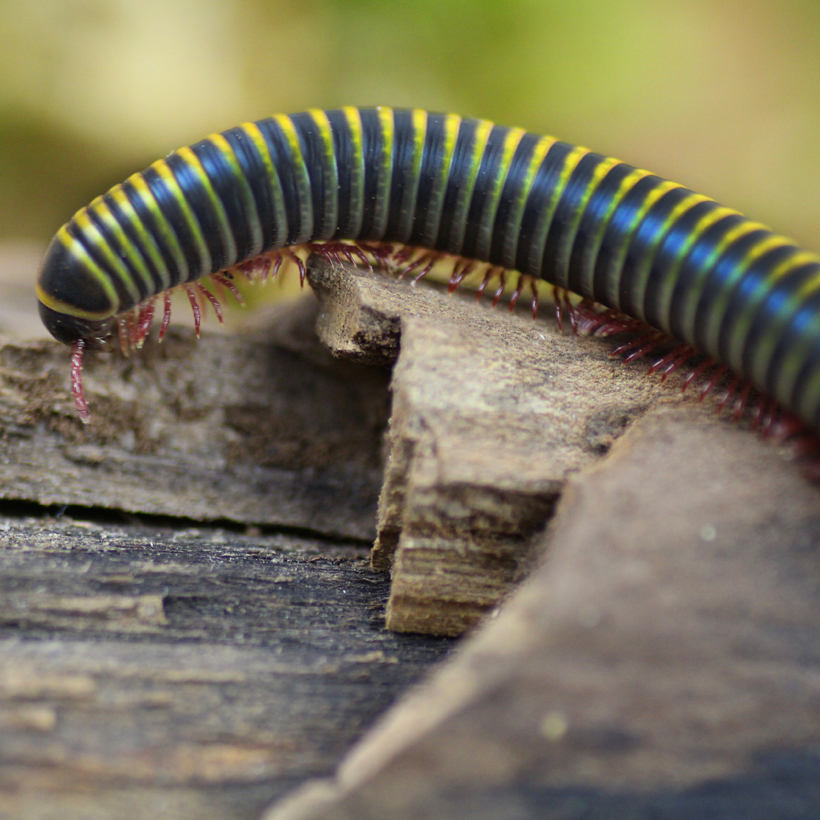
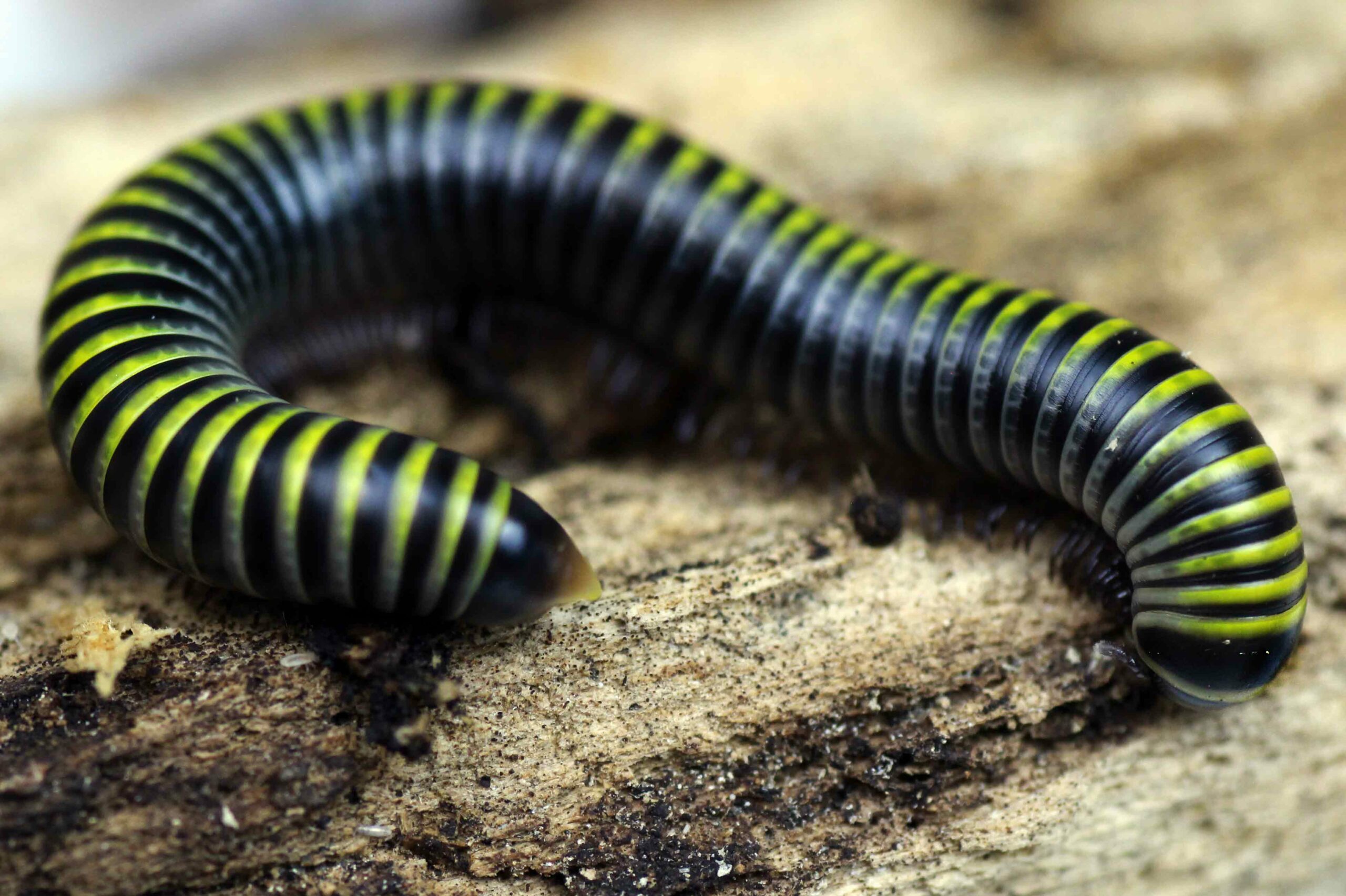
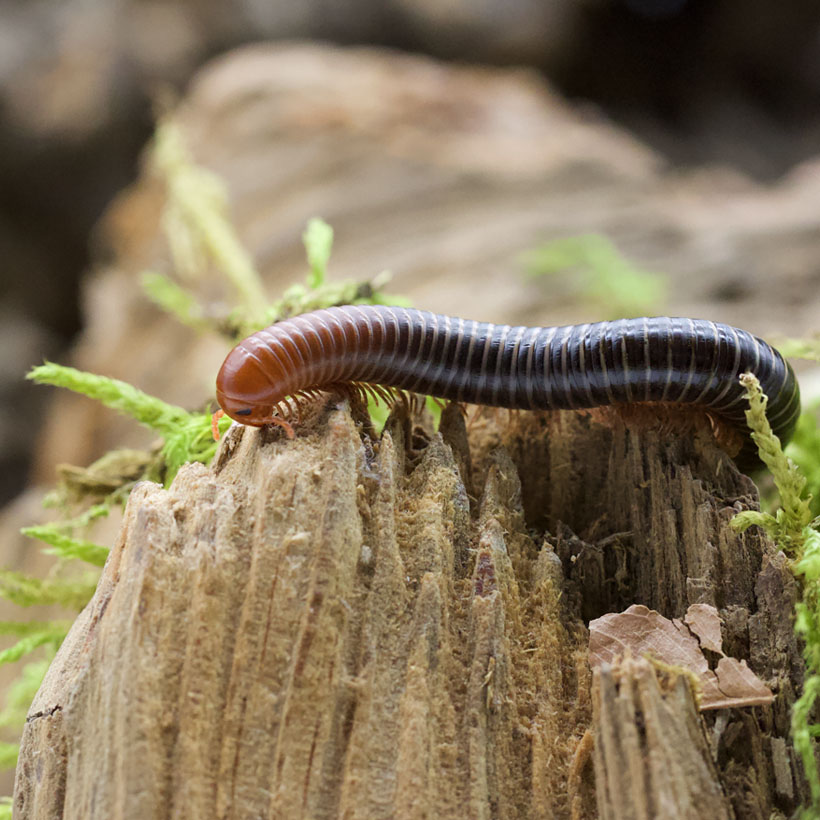
With its intensely shimmering, wine-red carapace coloration, the Unident. spec. ex. Cameroon “Shining Red” is one of the most impressive millipedes in the hobby. This previously undescribed species originates from the tropical rainforests of Cameroon and is not only an eye-catcher, but also an exciting species for lovers of African diplopods.
The animals reach a body length of about 7 cm and are particularly impressive due to their shine, which fades slightly into a copper color depending on the incidence of light. This effect makes them a highlight in any natural terrarium. Their behavior is mainly crepuscular to nocturnal, but they can be seen digging or wandering around during the day if the conditions are right.
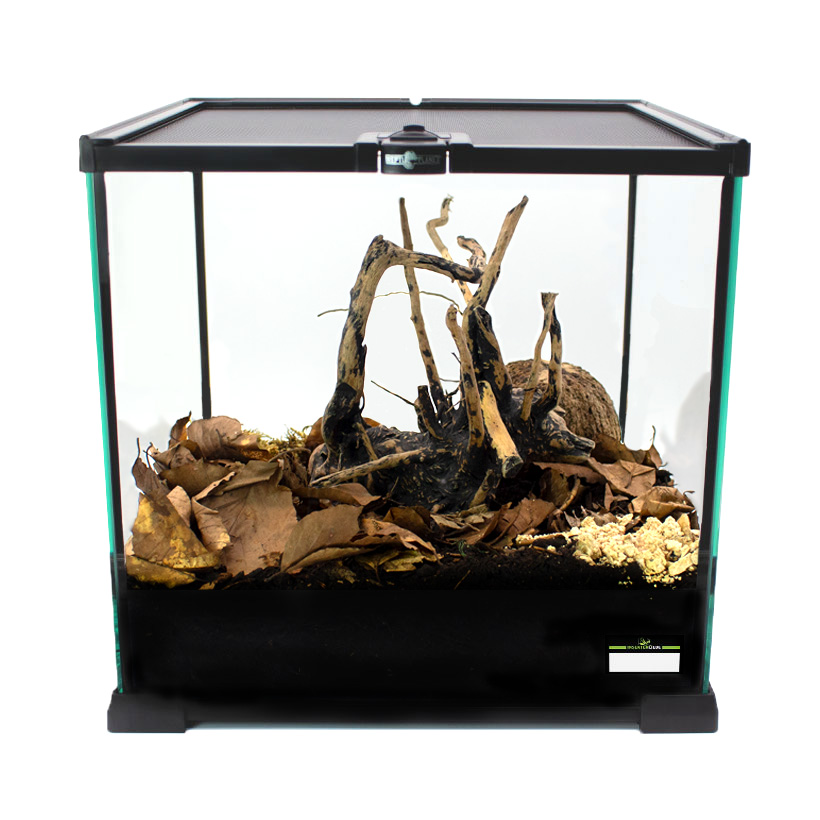
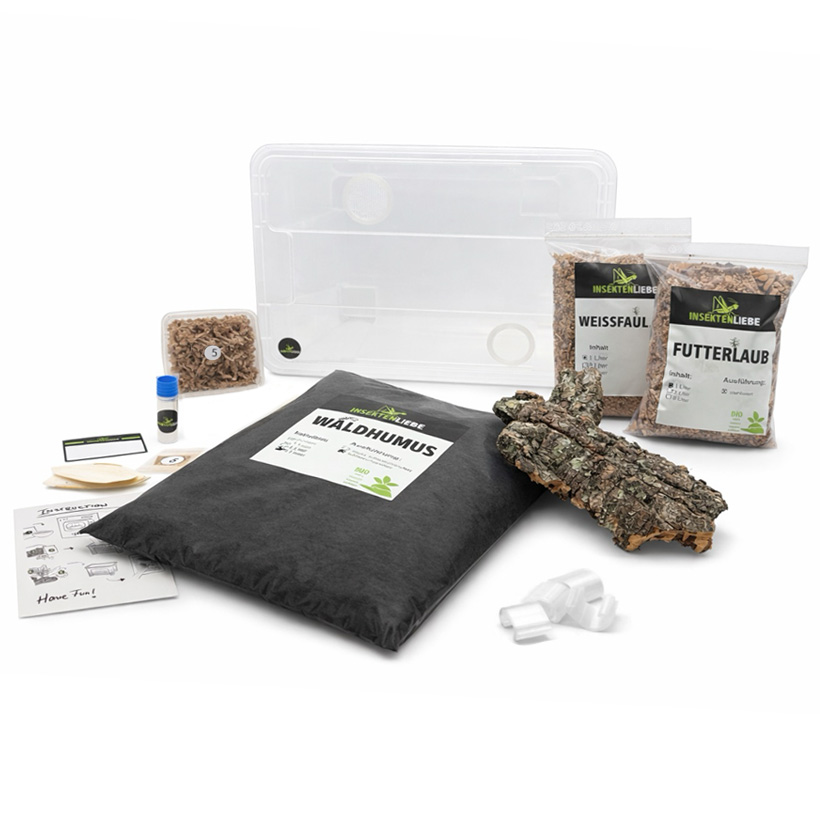
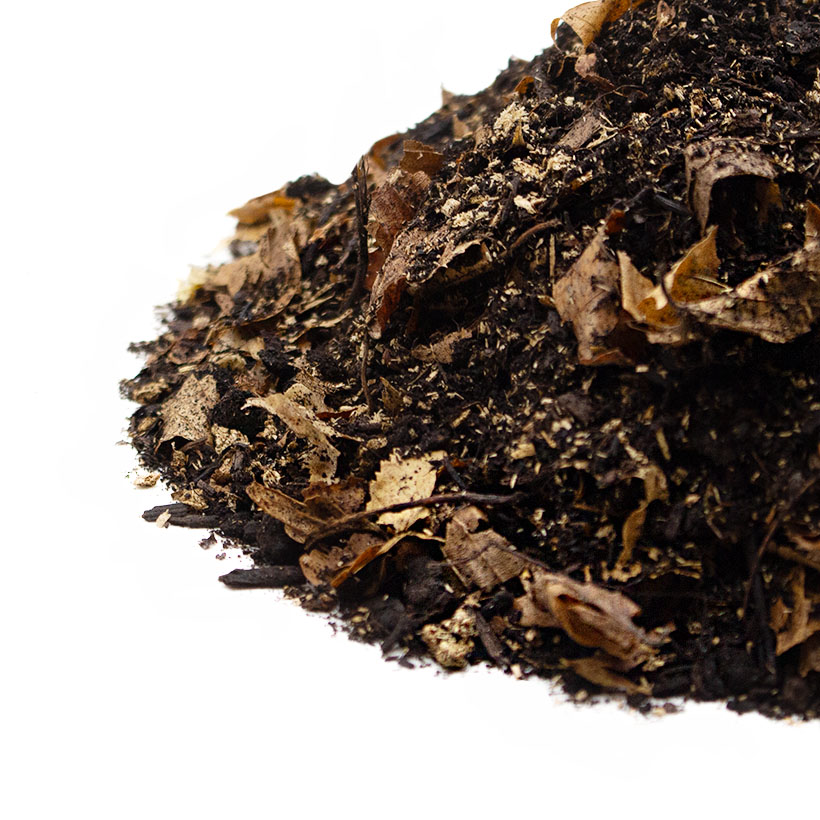
The posture shows Unident. spec. “Shining Red” robust if certain basic requirements are met. The terrarium should at least 30 × 30 × 30 cm be large, and correspondingly larger if kept in groups. A substrate depth of 10-15 cm is advisable, as this species likes to dig. The ideal substrate is a well-aerated, moist substrate based on leaf humus, white rotten wood, fodder leaves and some cork granules. A layer of foliage on top keeps the moisture stable and serves as a natural cover.
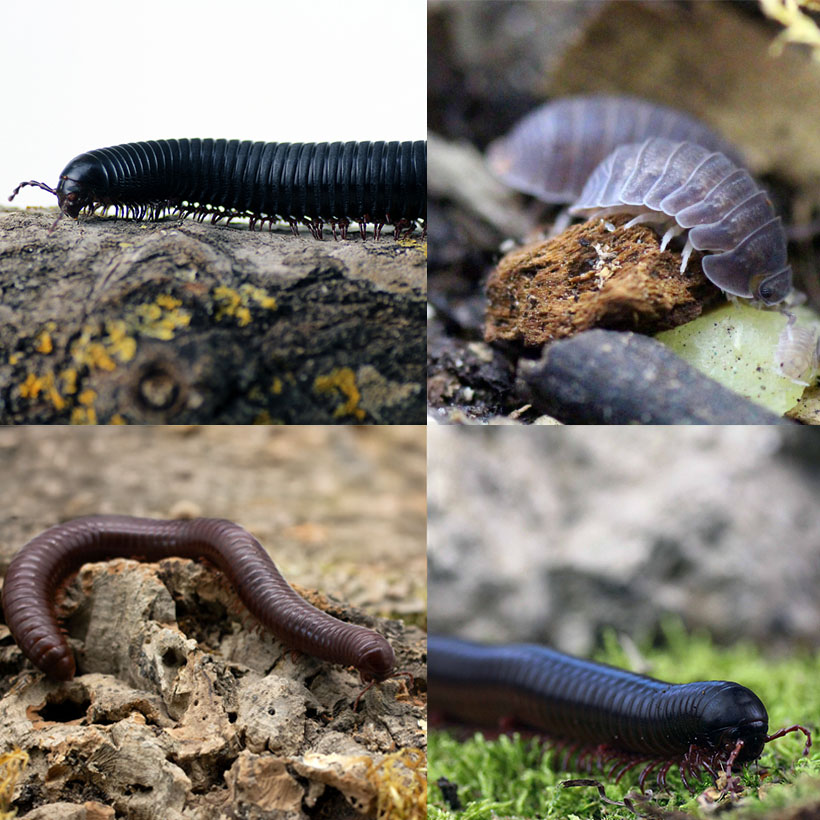
The temperature should be between 22 and 26 °C with a humidity of 75-85 %. It is important to moisturize regularly, but not excessively – it is best to spray 2-3 times a week. Microfauna in the substrate (e.g. springtails) helps with hygiene.
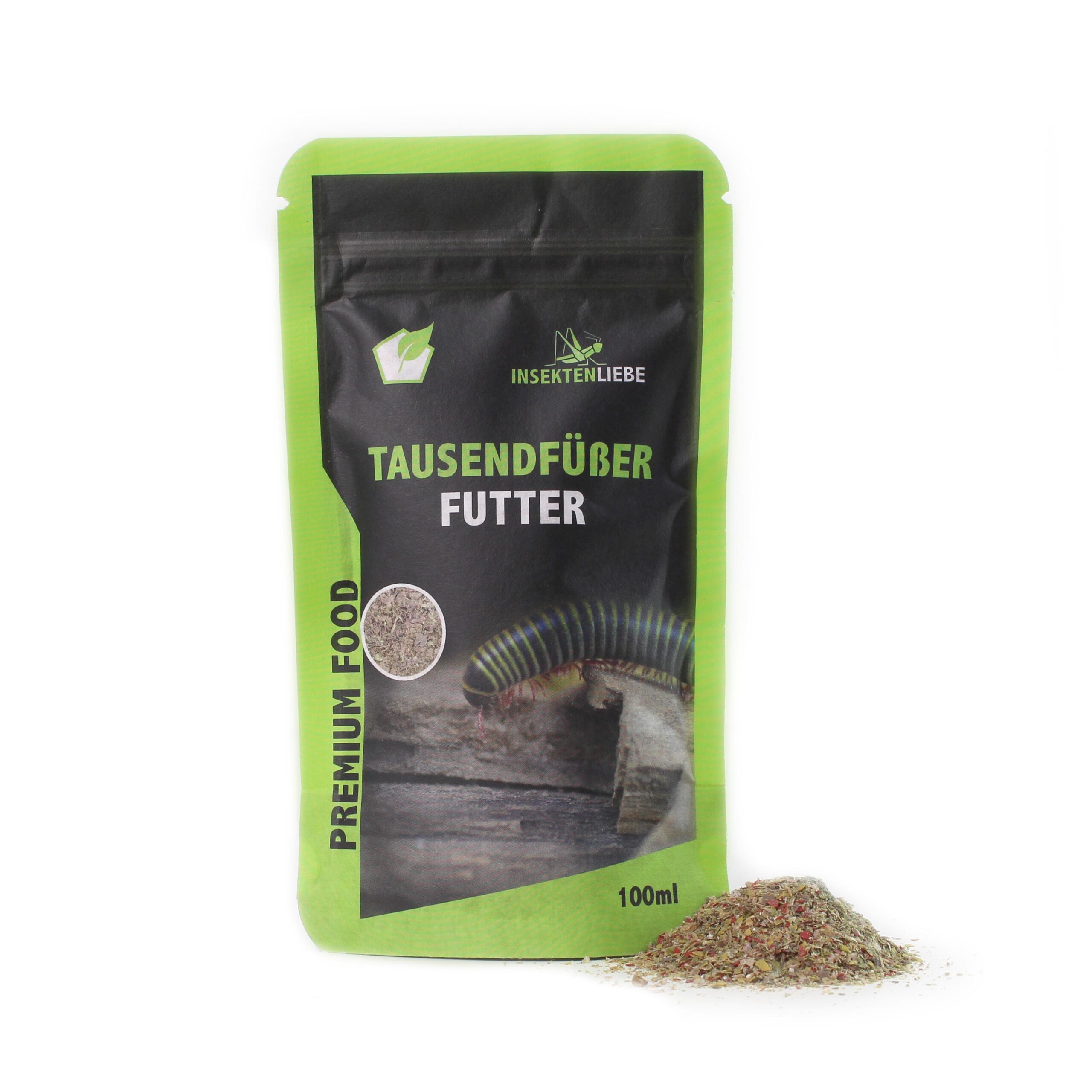
As with many tropical species, they feed mainly on organic material in the substrate. In addition, soft vegetables, mushrooms, leaves and occasionally fish flakes or protein-rich supplements are accepted.
As this is a species that has not yet been scientifically described, the exact classification is still open. What is clear, however, is that anyone who is enthusiastic about striking color forms and rare species will be thrilled by this shiny red diplopod.