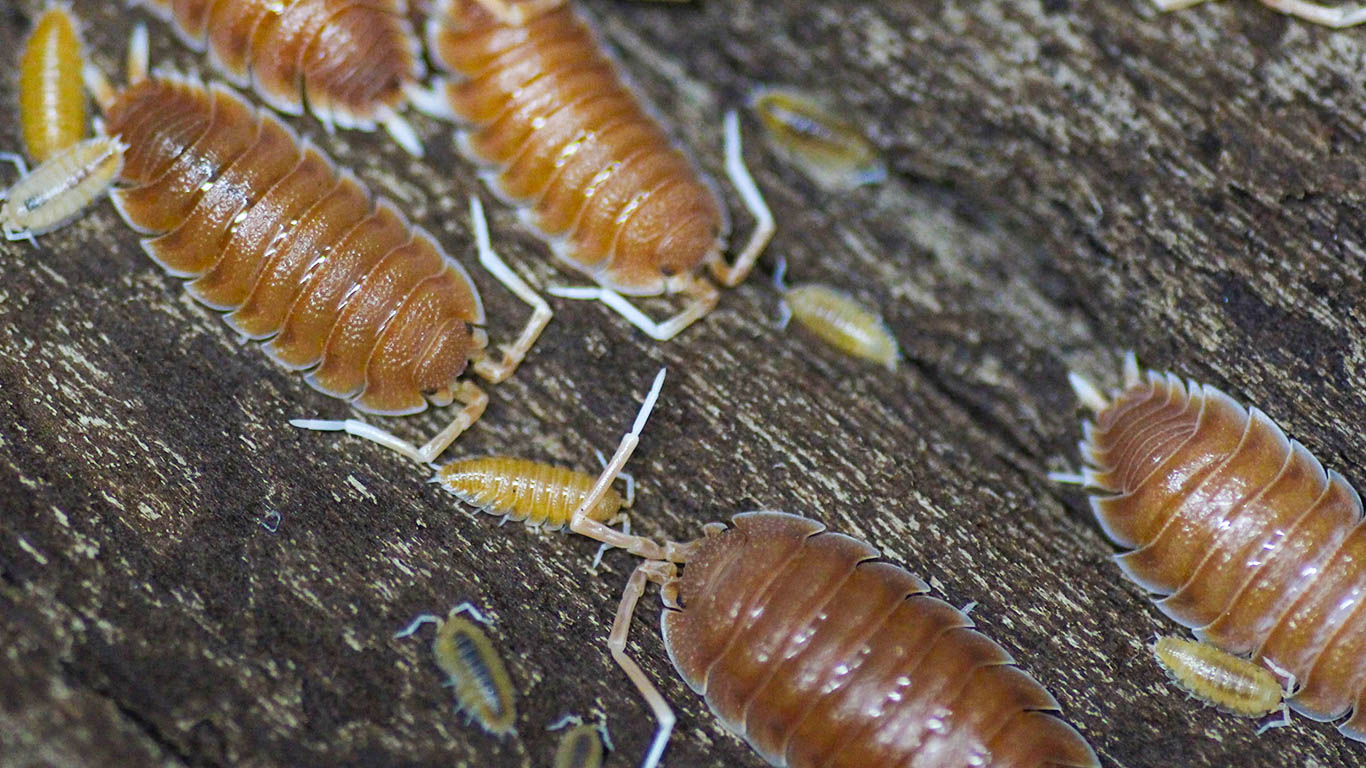


What can be done to ensure that tiny baby isopods do well in the terrarium? This is exactly the question we will address below. I will focus exclusively on the offspring of Isopods. I will first look at how a baby isopod develops and then go into how to create a good environment for them in the terrarium.
Development – from fertilized egg to adult animal
It is particularly fascinating that the isopod keeper can usually observe the reproduction of his animals very well. The female isopods should be the main focus of attention. Isopods do not lay their clutch of eggs anywhere in a thicket of plants, but always have them with them. It is interesting to observe the abdominal area of female Isopods.
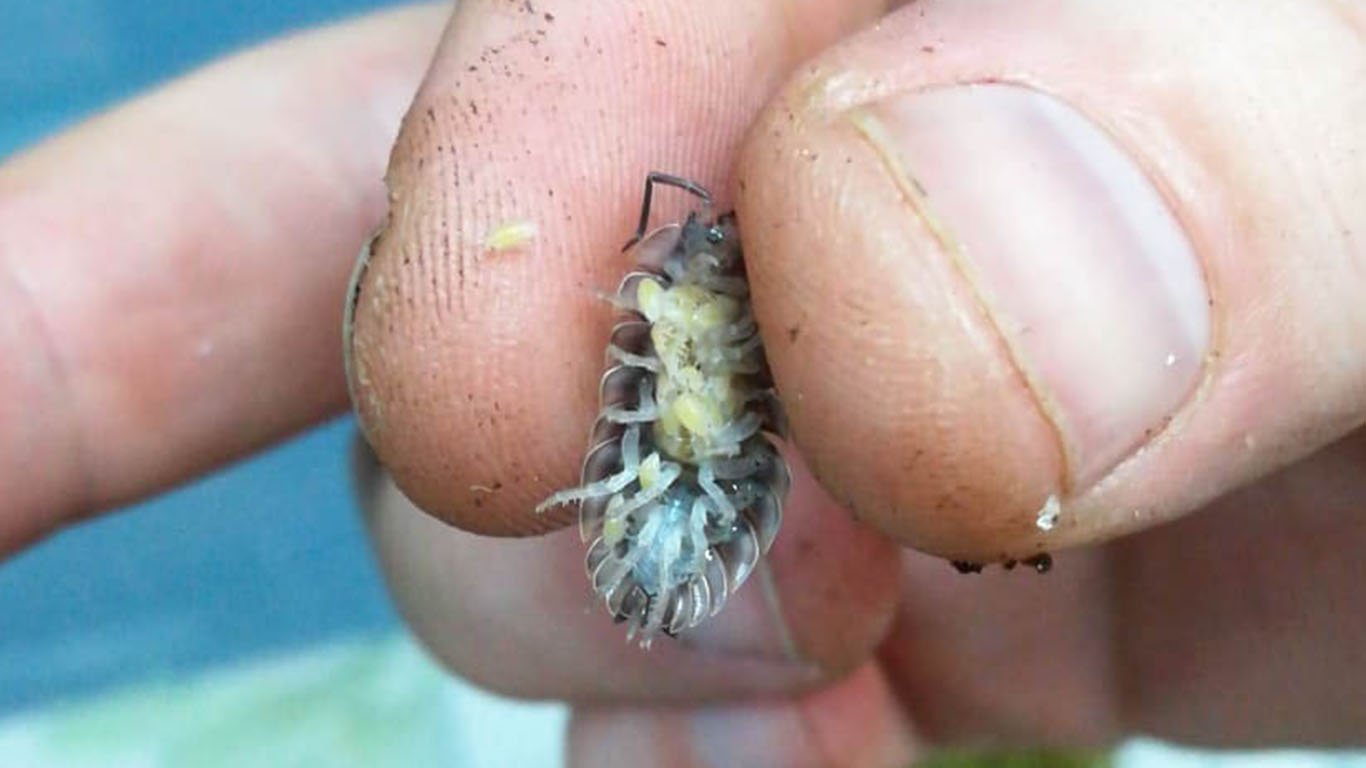
If you keep a close eye on your Isopods, you may be lucky enough to spot a pregnant Isopod and prepare for its imminent offspring. Pay attention to the front abdominal area of female Isopods: The brood pouch (marsupium) can be easily recognized here.
The eggs remain in the abdominal region for around 40-50 days until the baby isopods hatch. Sometimes it happens a little faster, sometimes it takes a little longer. After leaving the brood pouch, they are still significantly smaller and lighter in color than the adult Isopods. Their shell is still relatively soft, which makes them particularly sensitive to dryness and moisture at this stage.
Tip: Due to the small size of a baby isopod, the keeper must keep a close eye on what is happening in the terrarium to be able to see the offspring at all. A magnifying glass could be helpful here. This should be used to search the substrate in the isopod tank for young animals. In the first few days, the young animals often move very little.
Incidentally, a baby isopod is not usually born alone: depending on the species, it may have up to one hundred and sixty siblings. The young isopods grow steadily in the following period, whereby their coloration and markings usually also slowly intensify. After around 12 weeks, the young animals may be sexually mature themselves, depending on the species. However, they may not have reached their final size and coloration at this point. However, whether a baby isopod can grow into an adult and healthy animal in a terrarium depends on many factors. I will discuss these in the following chapters.
Sources of danger for baby woodlice
Depending on the species, a baby isopod is really very small to begin with at around two millimeters. It is therefore logical that many things can quickly become a danger for them in a terrarium. Ideally, the following sources of danger should therefore be avoided in every terrarium right from the start:
- Predators: Animals that eat Isopods have no business in an Isopod tank. However, there are also terrarium inhabitants that are not able to harm adult Isopods, but do like to eat the much smaller baby Isopods. For this reason, ideally no other animals should be kept in the terrarium if the Isopods are to reproduce unhindered.
- Not quite ideal husbandry parameters: Baby isopods are more sensitive to less than ideal temperature and humidity values than an adult specimen. If something is wrong with the husbandry parameters, it is generally questionable whether they will breed at all. Nevertheless, the humidity values should be carefully monitored and adjusted if necessary, especially during the phase in which baby isopods are in the tank.
- Heavy stones or pieces of wood: Hiding places can quickly become a death trap for Isopods in a terrarium – especially if they are still small and not very strong. There is a risk of crushing if you curiously lift a stone or a heavy piece of wood and place it back on the floor. If you want your isopod offspring to survive, you should therefore reconsider the choice of hiding places and use light and curved pieces of bark or egg cartons.
But even if all sources of danger for young Isopods have been eliminated, this unfortunately does not mean that every baby Isopod will develop into a sexually mature Isopod. Nature also provides for a certain degree of selection in these animals. Nevertheless, there is still a lot that can be done to ensure that Isopods are not only protected from danger, but also feel particularly comfortable – more on this below.
A good environment for baby woodlice
Once the real sources of danger in an isopod tank have been eliminated, it is important to think about how to make a baby isopod as comfortable as possible. After all, the offspring should not only be safe, but also comfortable. The following two aspects are very important here:
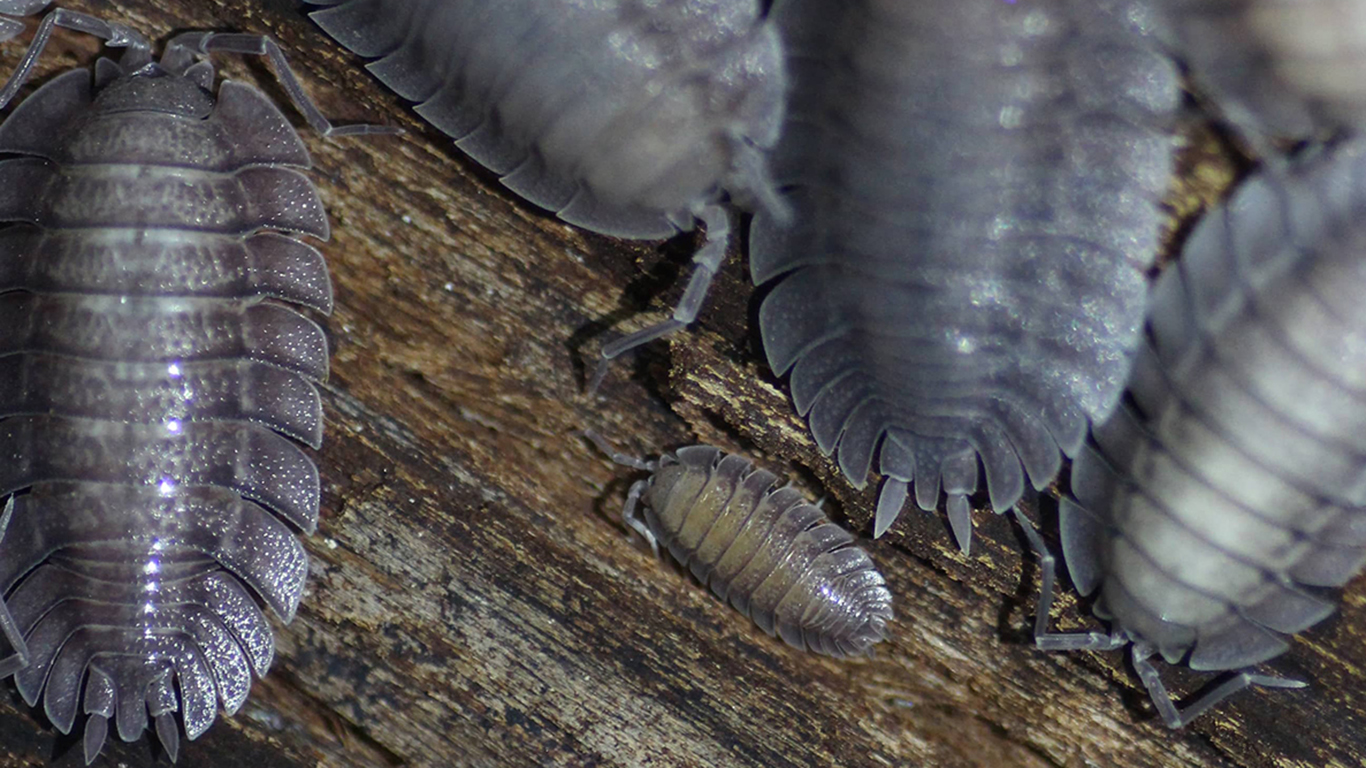
- Hiding places in the terrarium: Moss fulfills two functions at once – as a hiding place and as a grazing ground. Different types of moss are particularly appreciated by young Isopods, but also by older specimens. They can often be seen grazing there as if they were in a meadow. The higher the substrate in the isopod container, the more hiding places there are.
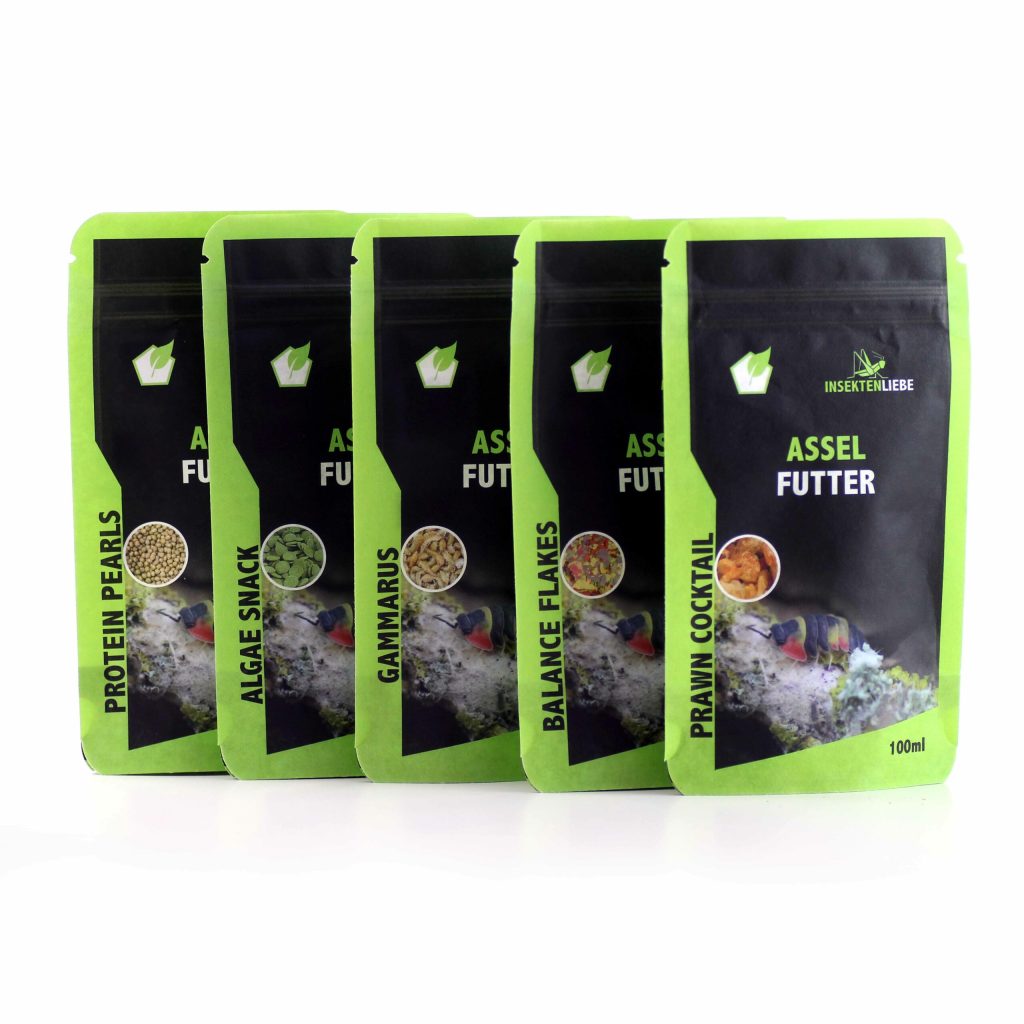
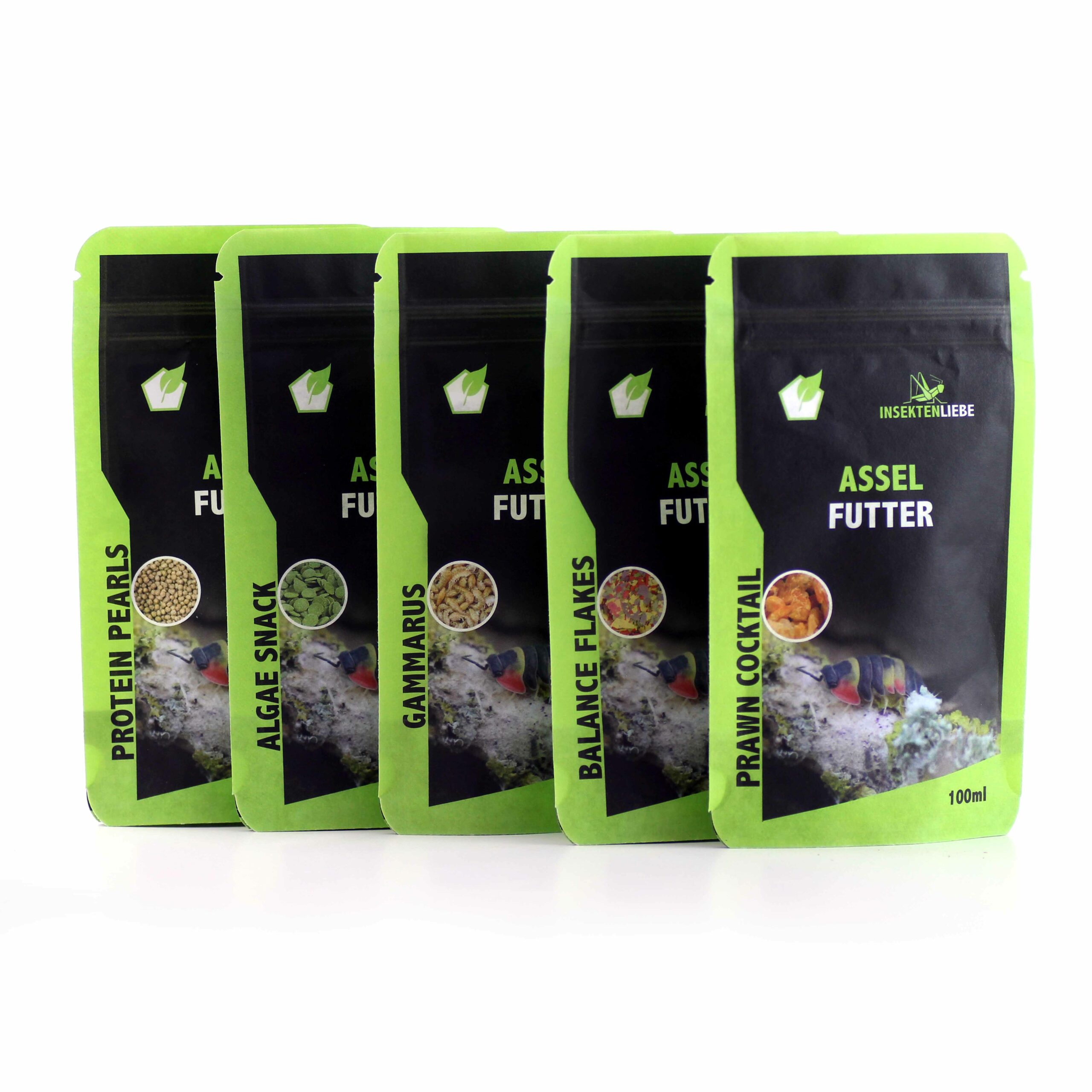
- Food for the baby isopods: If it seems sensible to feed the baby isopods, it is important to provide them with a suitably small food. Dust food, for example, is much better suited to small Isopods than some other coarser foods that may not be absorbed. Isopod food BALANCE FLAKES are particularly suitable for this. Some soft-leaved foliage such as lime leaves, on the other hand, seem to be suitable for providing both older and younger Isopods with another food option.
Leave a Reply
You must be logged in to post a comment.