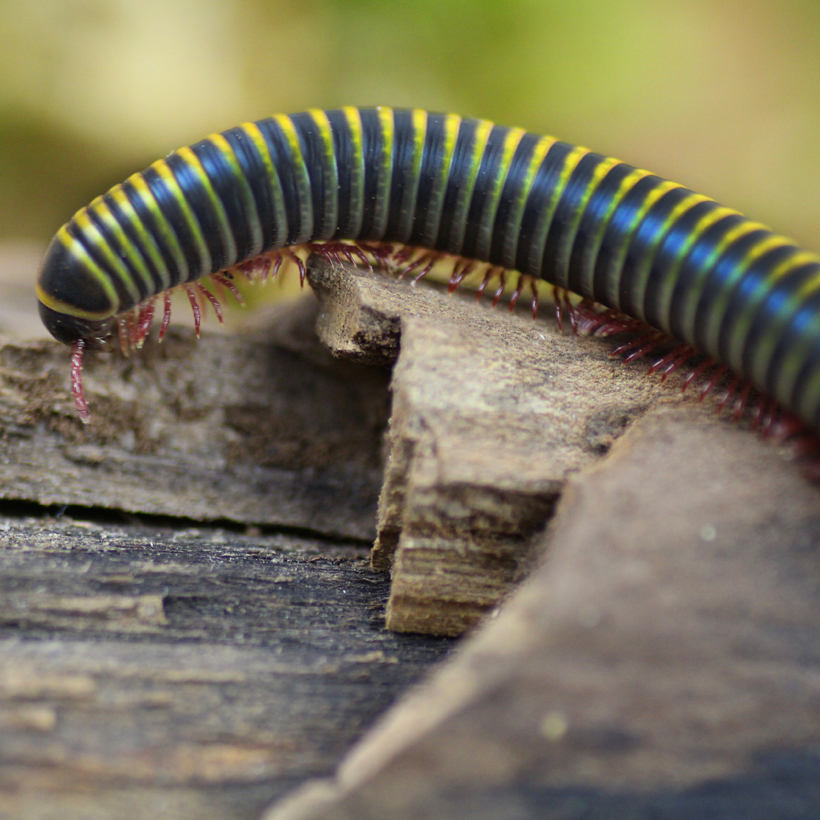
Anadenobolus monilicornis “Bumble-Bee millipede”
6,99 € incl. VAT, plus shipping
(from 5 SU = 10% Discount, from 10 SU = 15% Discount)
(from 5 SU = 10% Discount, from 10 SU = 15% Discount)

Simple

Florida

< 50 mm

20°C – 24°C
Brief description of Anadenobolus monilicornis:
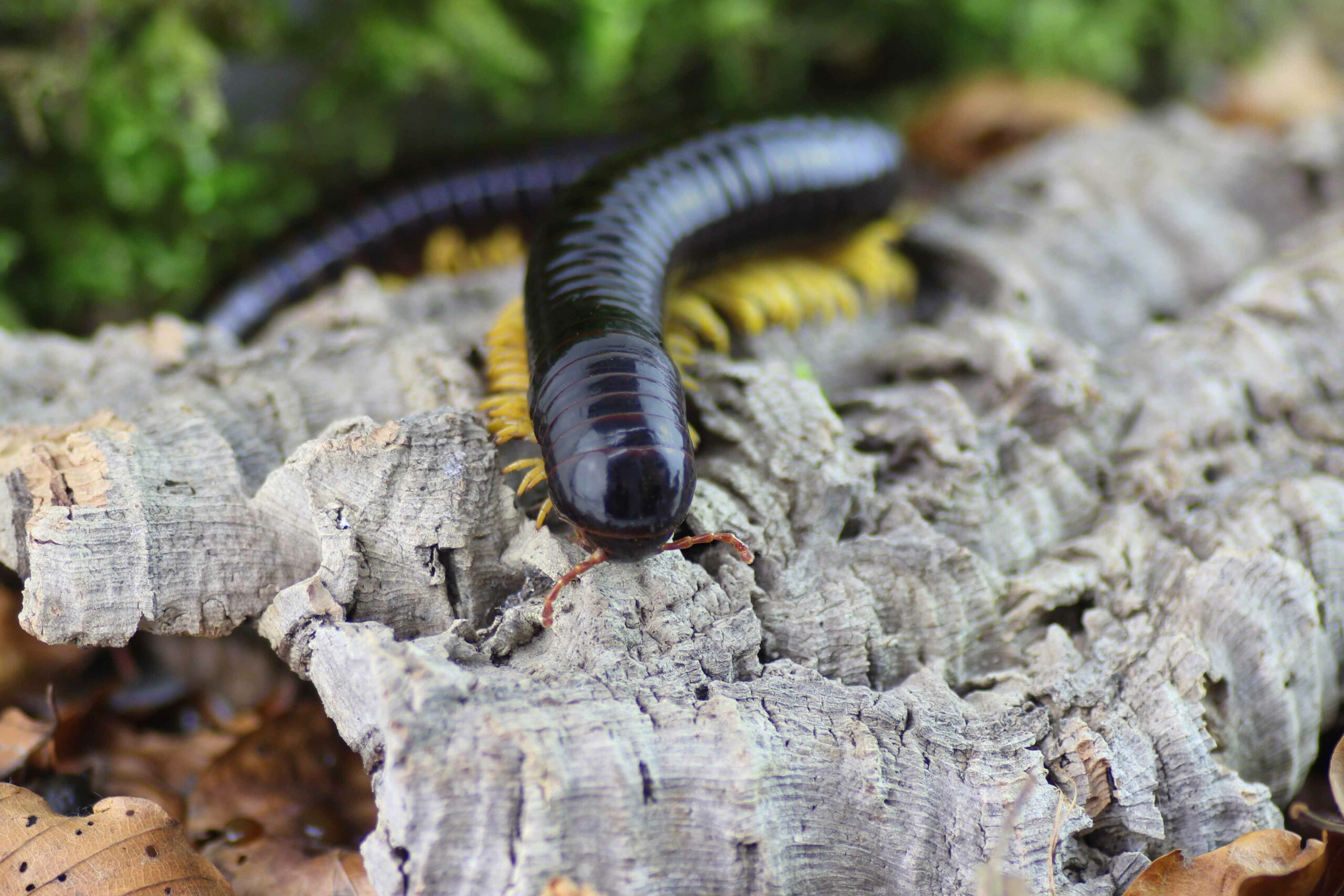
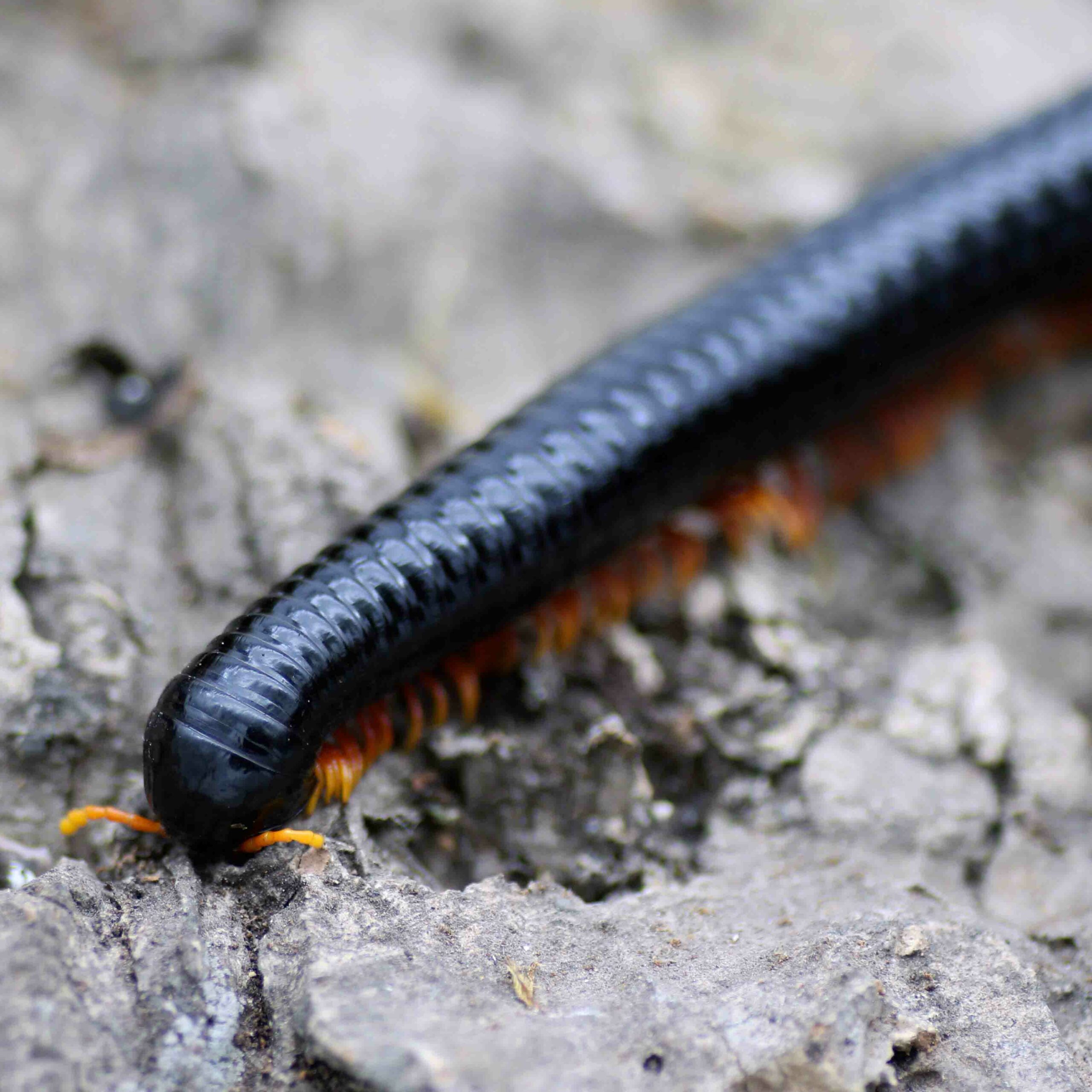
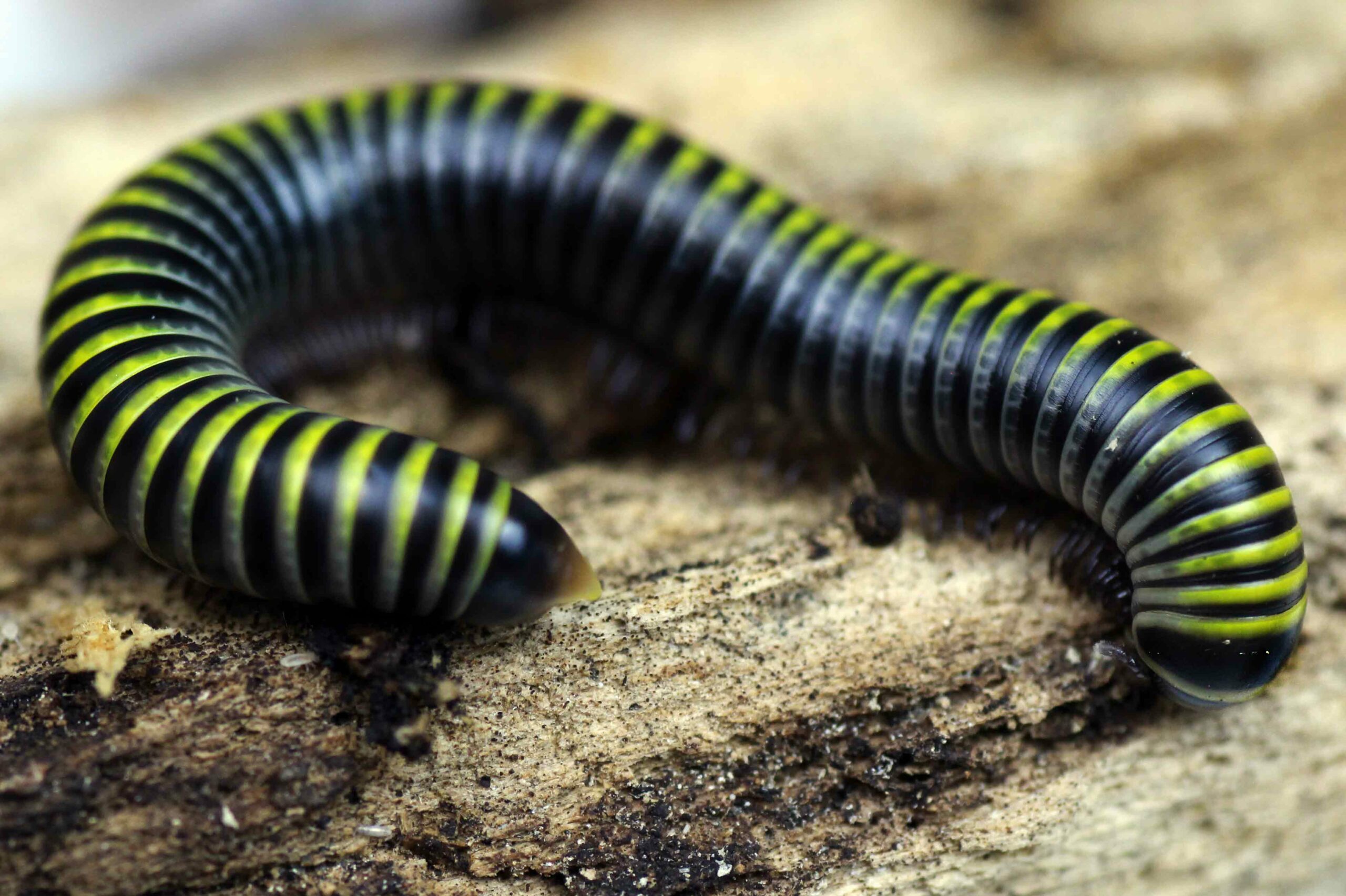
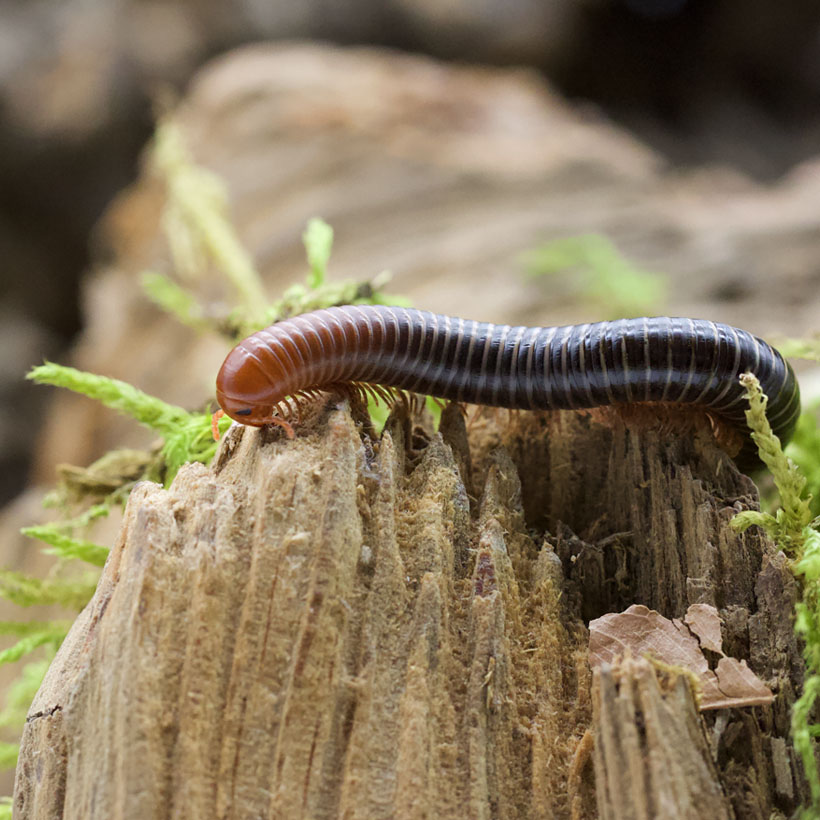
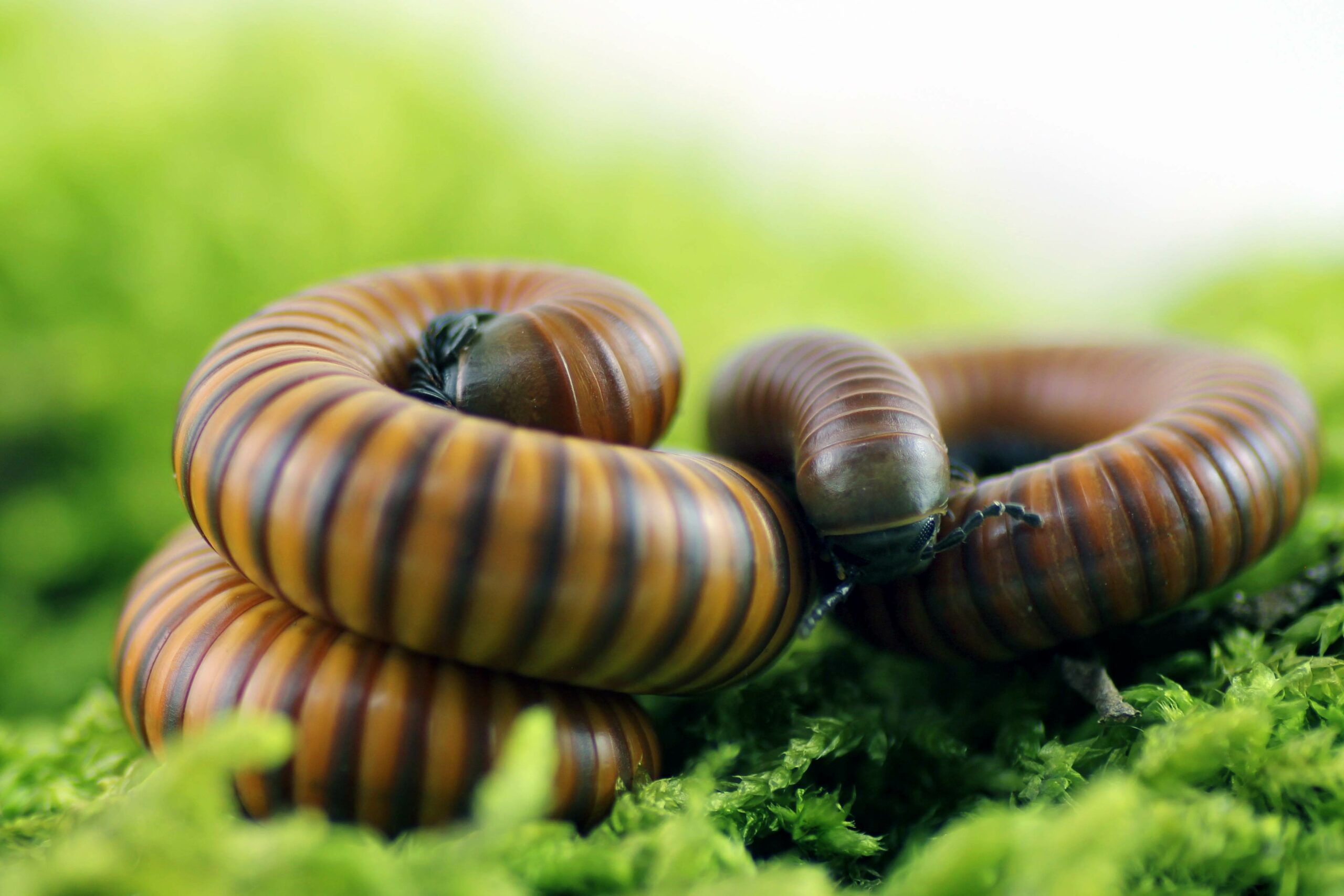
The antennae and legs of Anadenobolus monilicornis are colored red. The body is silver when viewed laterally (laterally) and the back is yellow when viewed dorsally. The entire body is also streaked with black horizontal stripes. Anadenobolus monilicornis is one of the most colorful species of millipedes. As with many other millipedes, the sex can be recognized by the fact that one or two pairs of legs on the seventh segment of the males have been transformed into the mating organ (gonopod). Viewed from the side, it looks as if pairs of legs are missing at this point.
The species is quite easy to keep and is considered a good starter species. Sometimes they are also offered under the synonyms “Bumble-Bee millipede” or “Diplopoda sp. Barbados neon yellow”. They are considered to be relatively easy to breed. The attainable age is usually given as 2-2.5 years, whereby the adults die relatively quickly after mating. Anadenobolus monilicornis are sexually mature at around 1.5-2 years of age.
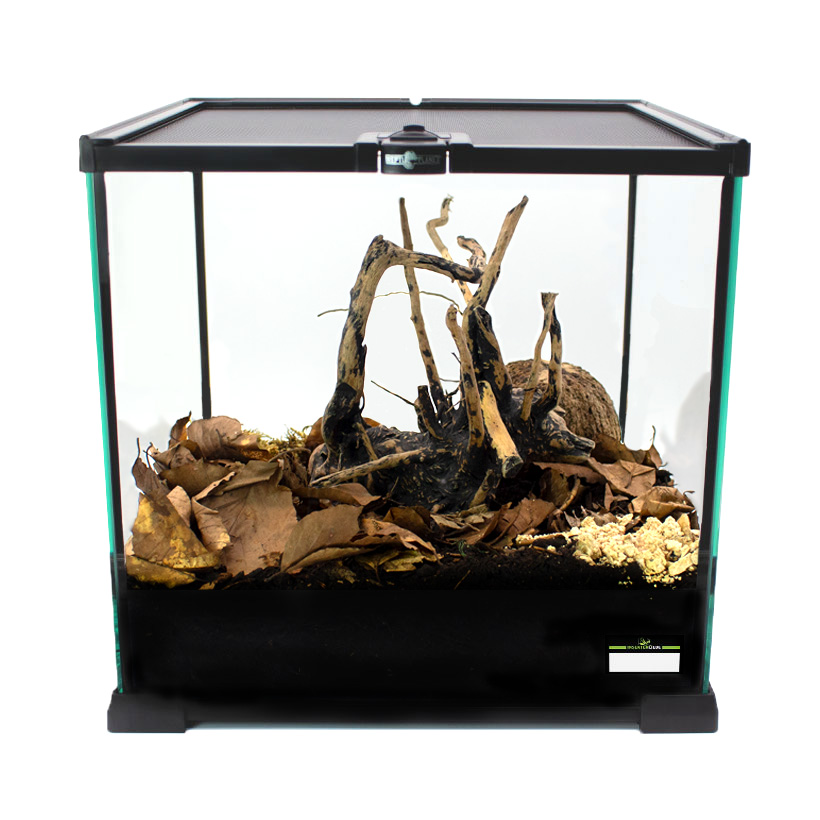
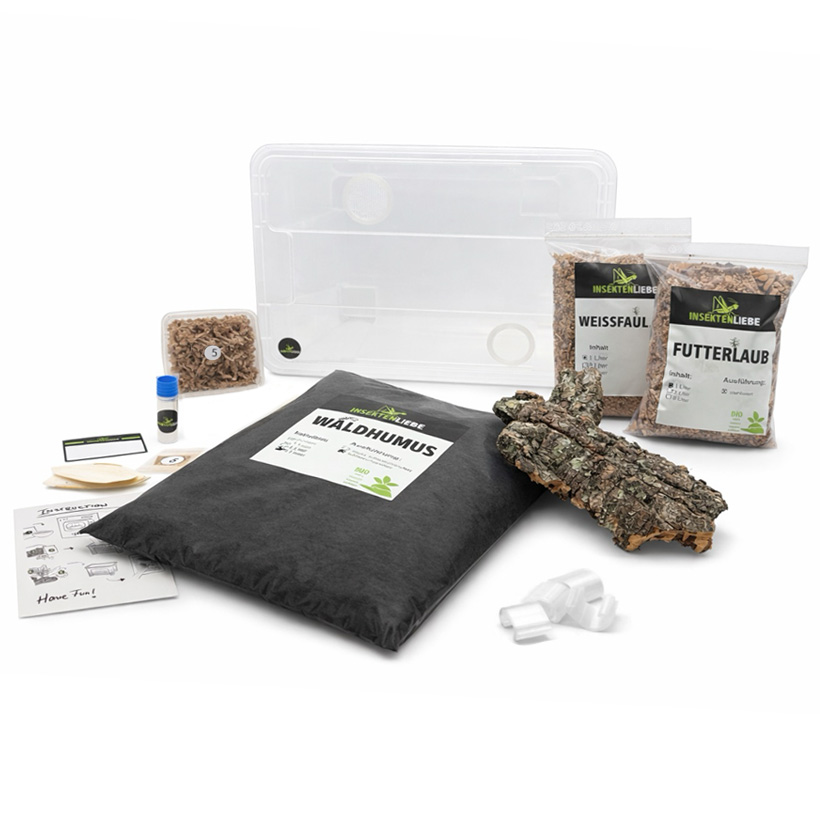
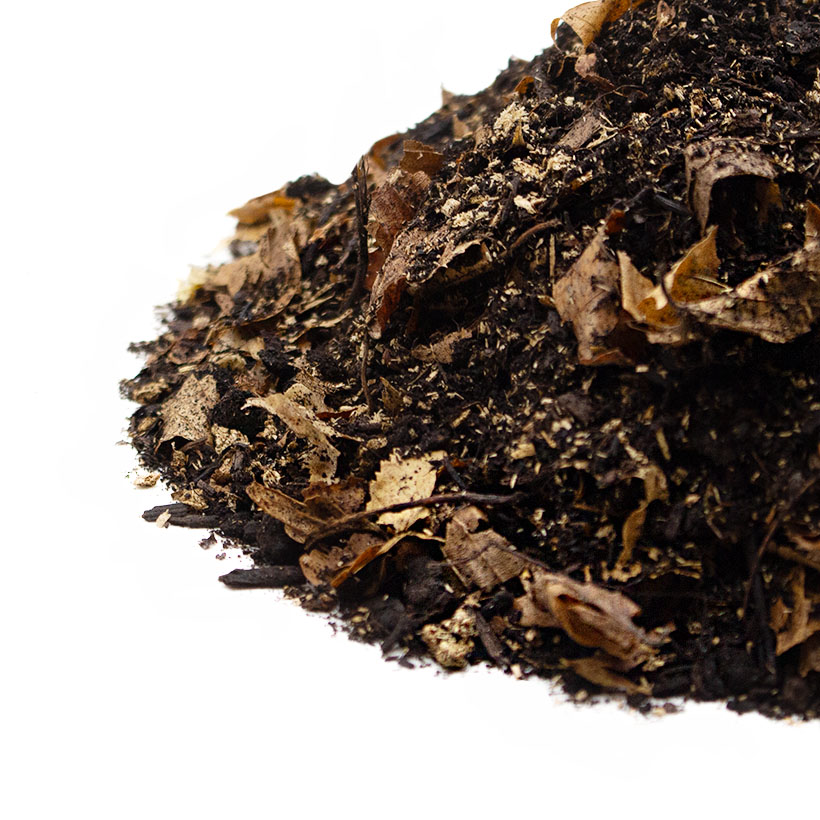
Due to the relatively small adult size of this species, it can be kept in terrariums with an edge length of 30 cm or more. However, care should be taken to ensure that there is enough space for a sufficiently high substrate. The substrate height for this species should not be less than 5 cm! The substrate serves as both habitat and food for the animals and should therefore be selected carefully. The animals are mainly nocturnal, which is why you can do without an additional light source. The substrate should always be kept semi-moist, a humidity of 70-80% has proved successful for us. The substrate can also be covered with pieces of bark or moss. This helps to protect it from drying out.