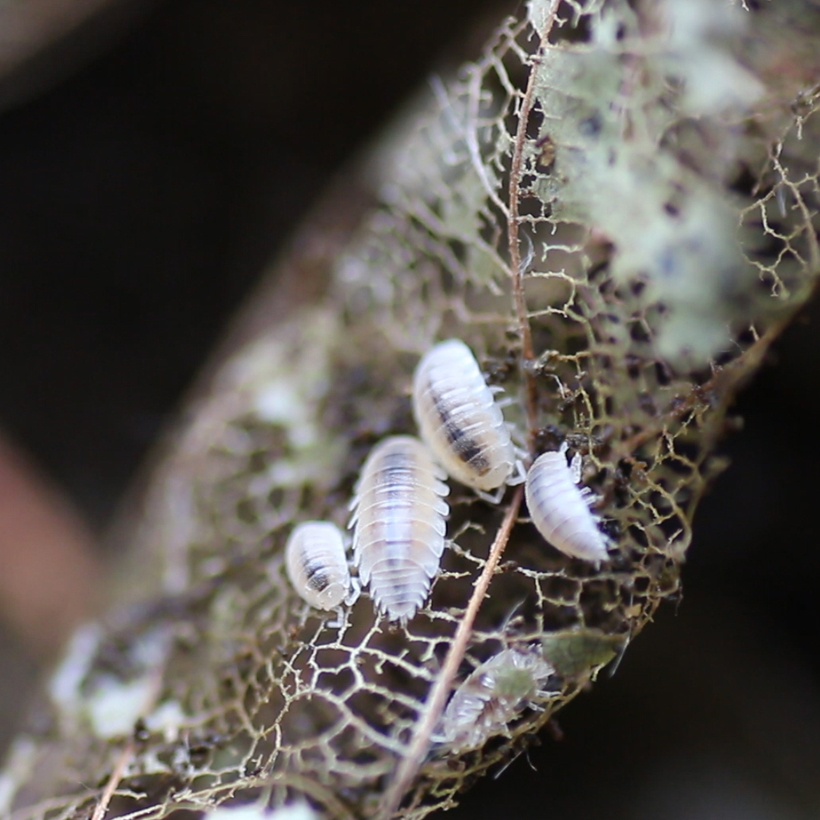
White Isopods
4,25 € incl. VAT, plus shipping
Sales Unit: 30 animals
Sales Unit: 30 animals

Simple

Cosmopolitan

< 5 mm

18°C – 25°C
White Isopods – The Invisible Soil Police for Your Terrarium
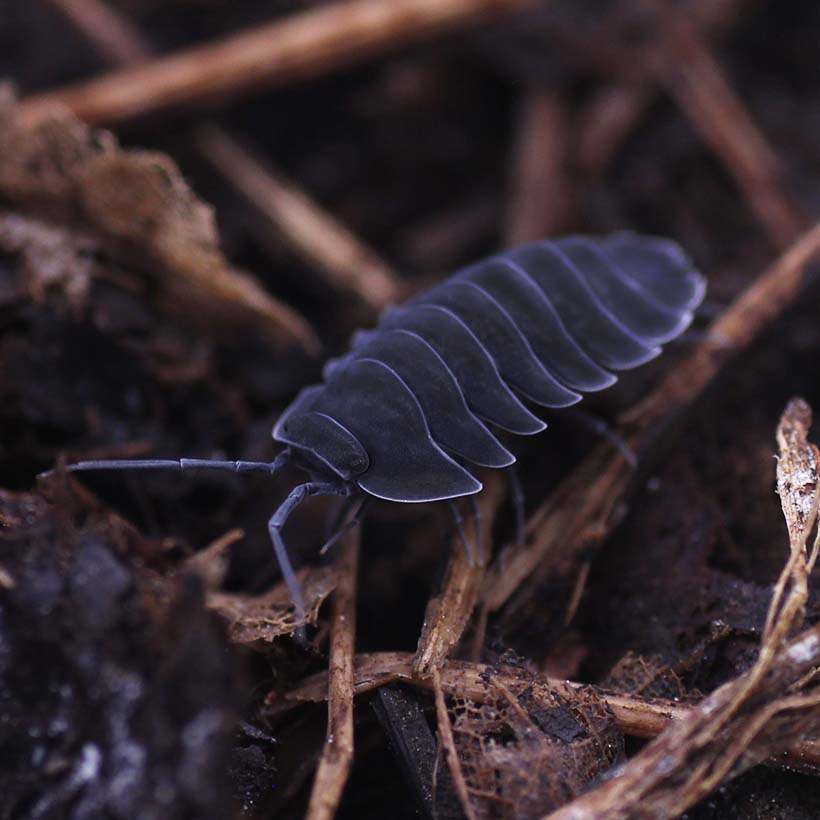
Small, unassuming, and incredibly useful: White Isopods are among our most important helpers in a tropical terrarium. These tiny Isopods live mainly in the substrate, where they break down organic material. That’s why they’ve more than earned their reputation as the “substrate police.”
But they’re not just useful. Thanks to their small size and relatively soft shells, they also make good small feed animals for various terrarium inhabitants.
White isopods thrive especially in tropical and consistently humid terrariums. Under the right conditions, they can reproduce on their own there and establish a permanent population in the substrate.
Small Helpers with a Big Job
White isopods spend a large part of their lives hidden in the substrate. There, they break down dead plant material and other organic debris.
In this way, they support the natural decomposition process in the terrarium. At the same time, they help return organic material to the soil’s nutrient cycle.
That’s exactly why white Isopods are an excellent addition to a bioactive terrarium. While you often hardly ever see the animals themselves, they keep working away in the background.
Perfect for tropical terrariums
White isopods prefer warm, humid conditions. That is why they are particularly well-suited for tropical terrariums, where the substrate remains consistently moist.
However, it is important that the substrate is not completely submerged. A thicker layer of forest humus, leaves, and white-rotted wood, on the other hand, creates ideal hiding places.
Small isopods especially like to gather under leaves, wood, and moss. There they find shelter, moisture, and food all at once.
Ideal for bioactive setups
In a bioactive terrarium, natural processes should function as continuously as possible. This is exactly where white Isopods come into play.
Together with copepods, they form a strong team. Both feed on organic matter, but they utilize different habitats and food sources.
That is why, in many tropical terrariums, we do not keep just one species, but instead combine white Isopods and springtails.
This results in a small group of cleaner fish that live permanently in the substrate.
Also of interest as a feed animal
Compared to many larger species of isopods, white isopods have a relatively soft chitinous exoskeleton. As a result, they are readily accepted as food by various smaller terrarium animals.
They can therefore be an interesting addition to the diet, especially for smaller amphibians and reptiles.
They also have another advantage: Animals that escape don’t simply disappear into the terrarium, serving no purpose. If they find suitable conditions, they continue to live in the substrate, where they carry out their role as “substrate police.”
Start Your Own Breeding Program
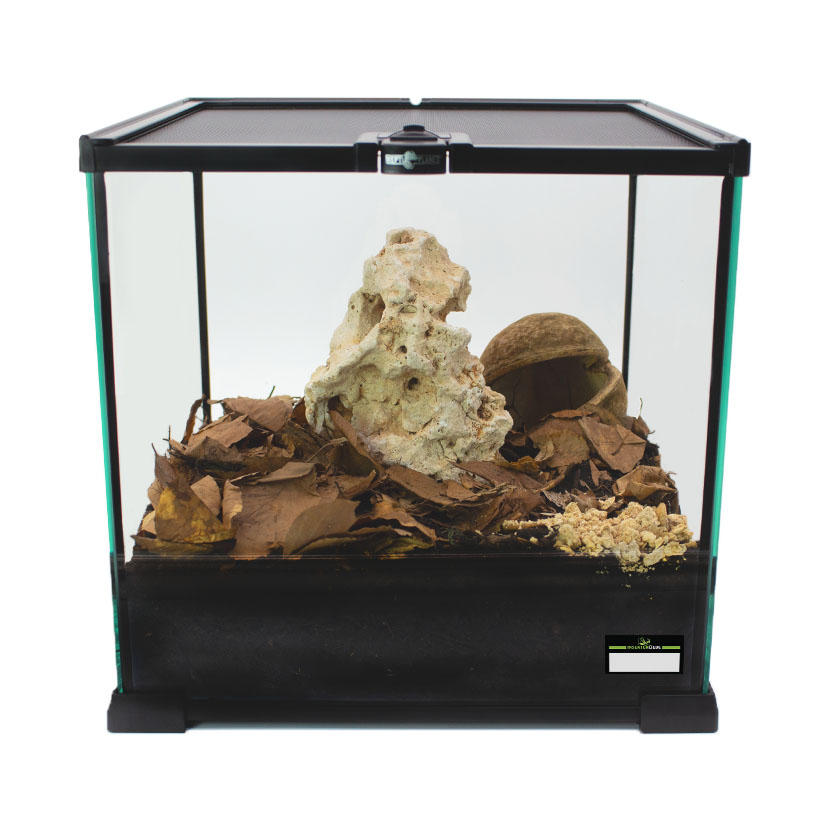
If you need white Isopods on a regular basis, you can easily set up a separate colony. All you need is a well-ventilated plastic box with a moist substrate, leaves, and rotten wood.
Keep part of the substrate consistently moist and provide the animals with plenty of food. In addition, a source of calcium should always be available.
With a little patience, the isopods will reproduce, and you can remove some of them regularly without reducing your terrarium population too much.
Fallen leaves are an essential part of it
A thick layer of leaves is especially valuable to white isopods. It not only provides cover but also serves as a long-term food source.
That’s why you shouldn’t think of the leaves as just decoration. As they gradually break down, you can simply add new ones.
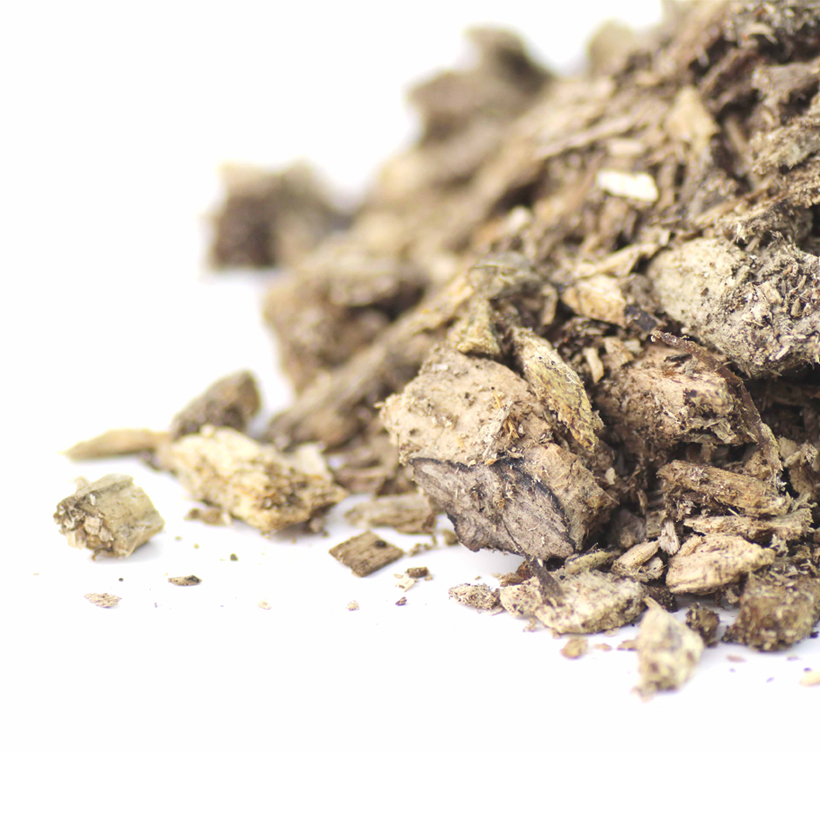
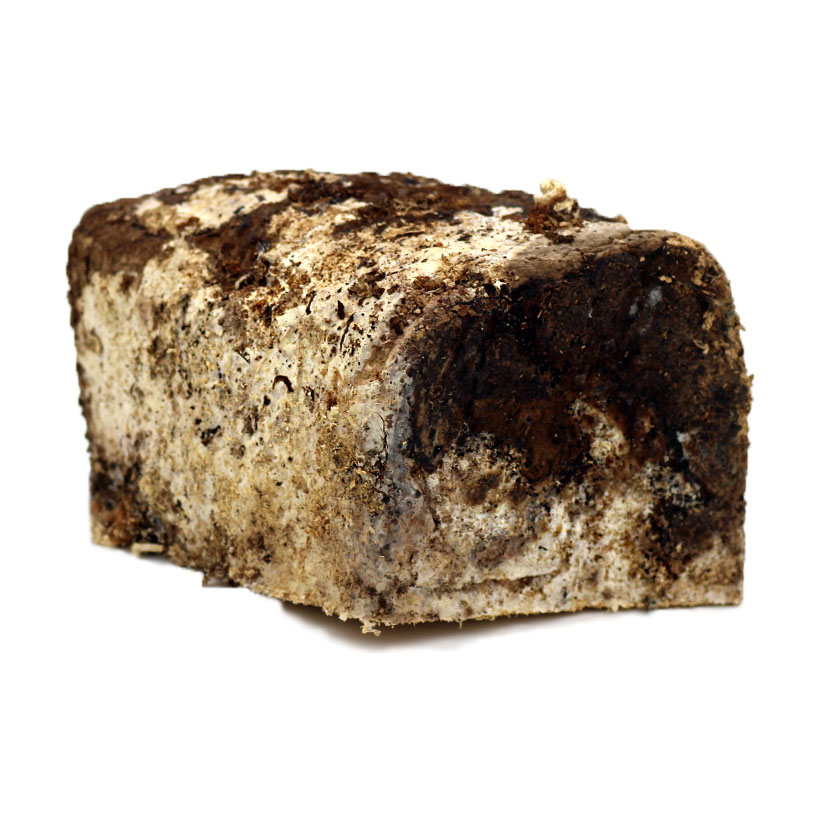
White-rotted wood is also part of a nature-oriented environment. Together with good forest soil, it creates a habitat where these little helpers can thrive over the long term.
Advantages at a glance
- Tried-and-True Ground Police
- Ideal for tropical terrariums
- Recycles organic material
- Supports bioactive soil systems
- Lives mostly hidden in the substrate
- Reproduces under suitable conditions
- Goes very well with springtails
- A relatively soft chitinous exoskeleton
- Also suitable as a small feed animal
- Easy to breed on your own
Suitable accessories for your setup
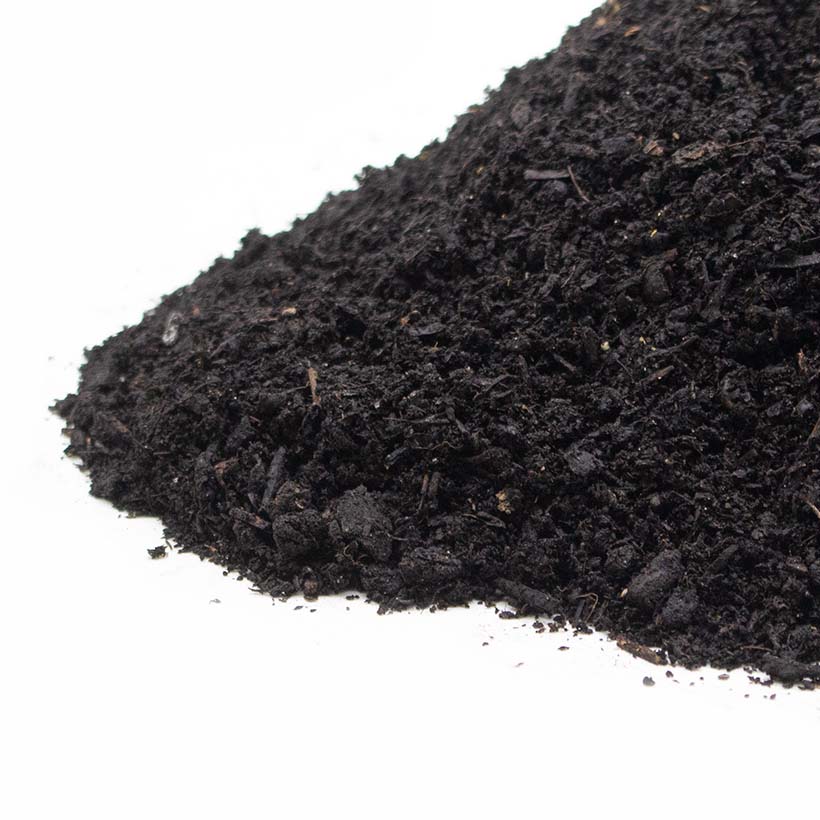
Forest humus – creates a natural, moist habitat and forms the basis for a stable population of isopods.
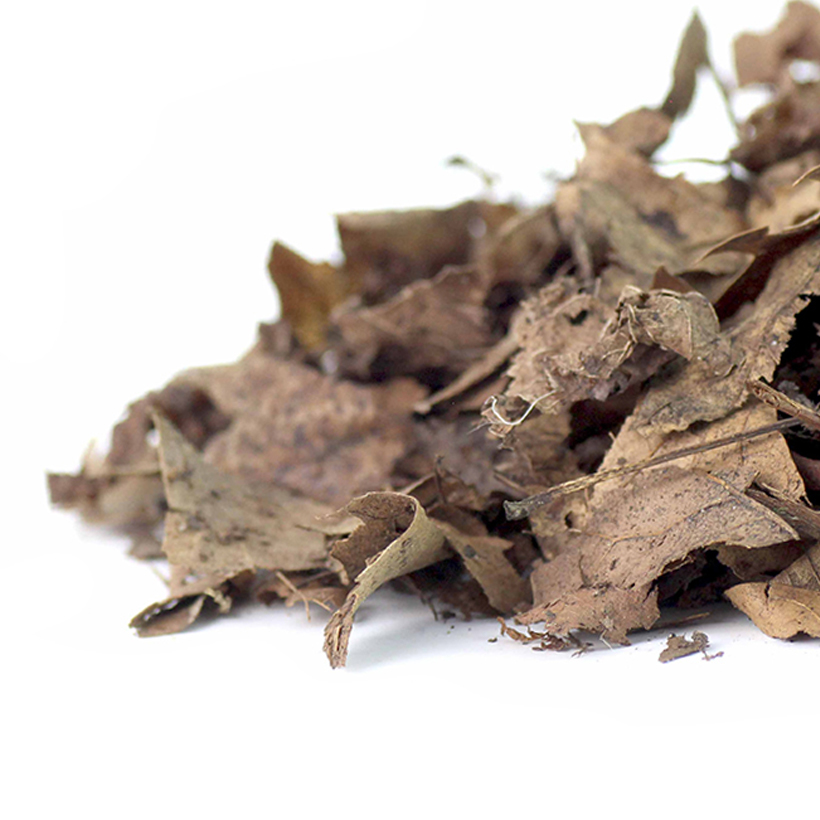
Feeding leaves – serve as an important food source and, at the same time, provide white isopods with numerous hiding places.
White-rotted wood – provides a long-term food source and creates additional hiding places in the substrate.
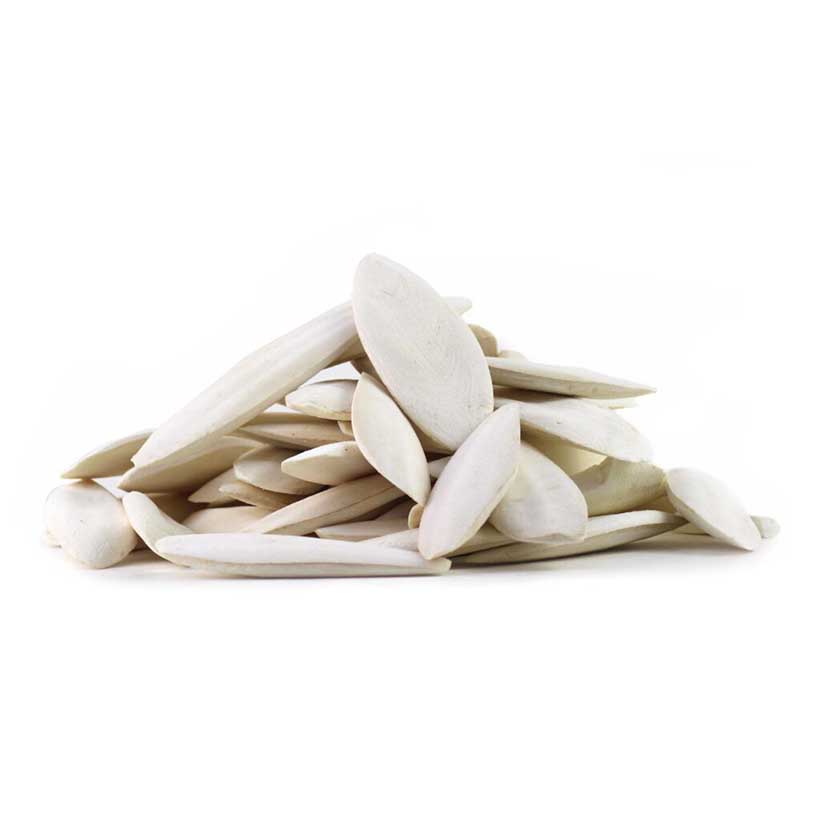
Cuttlefish shells – provide Isopods with natural calcium for a strong exoskeleton.
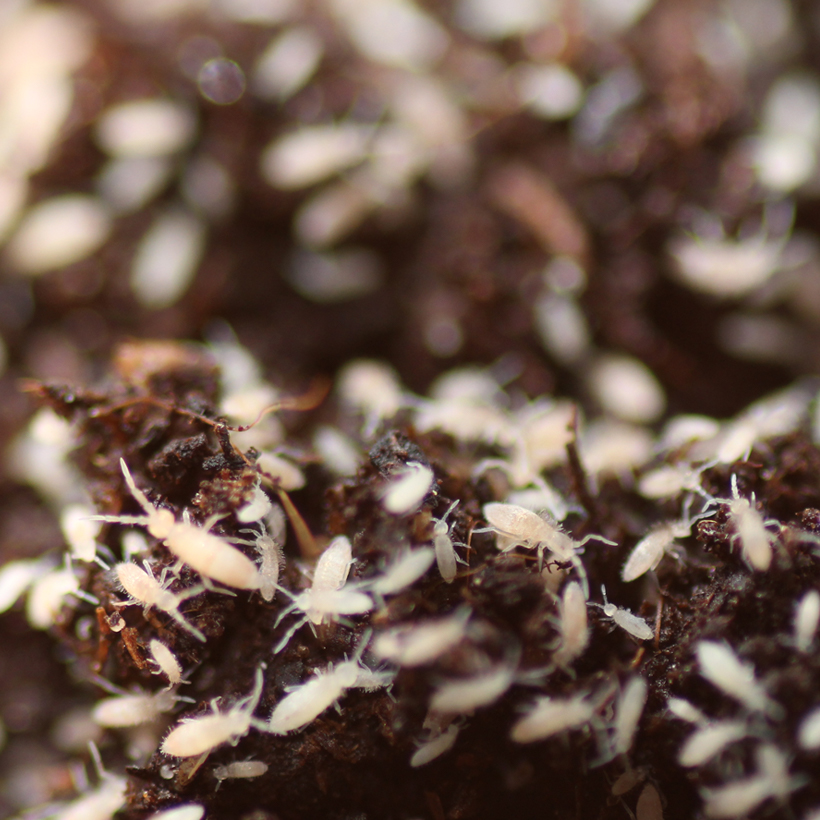
Springtails – are an ideal complement to white Isopods and together form an effective “substrate police.”
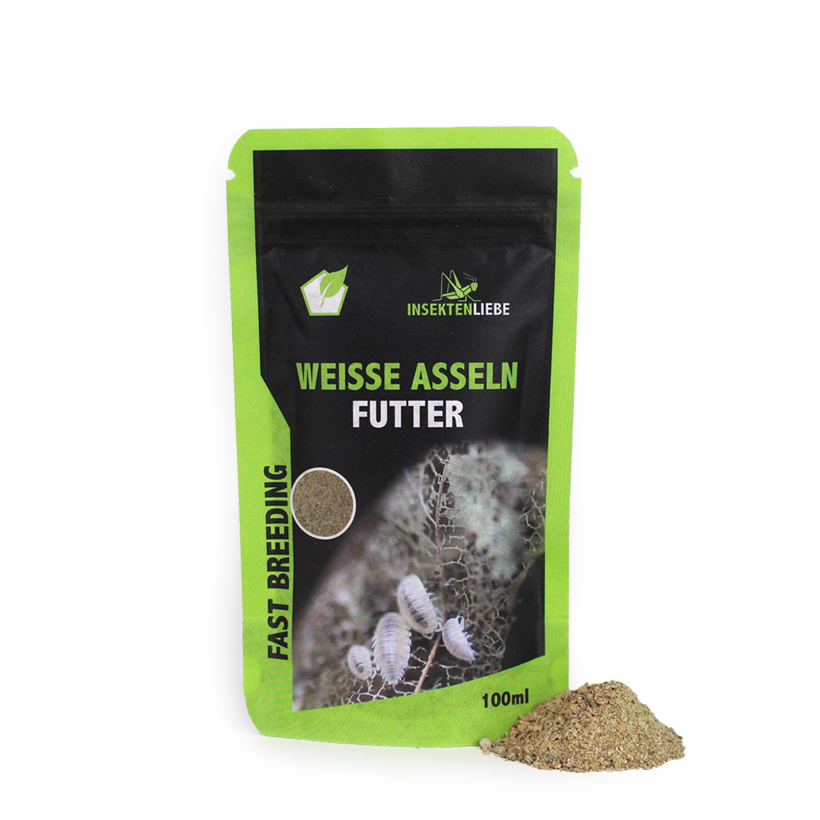
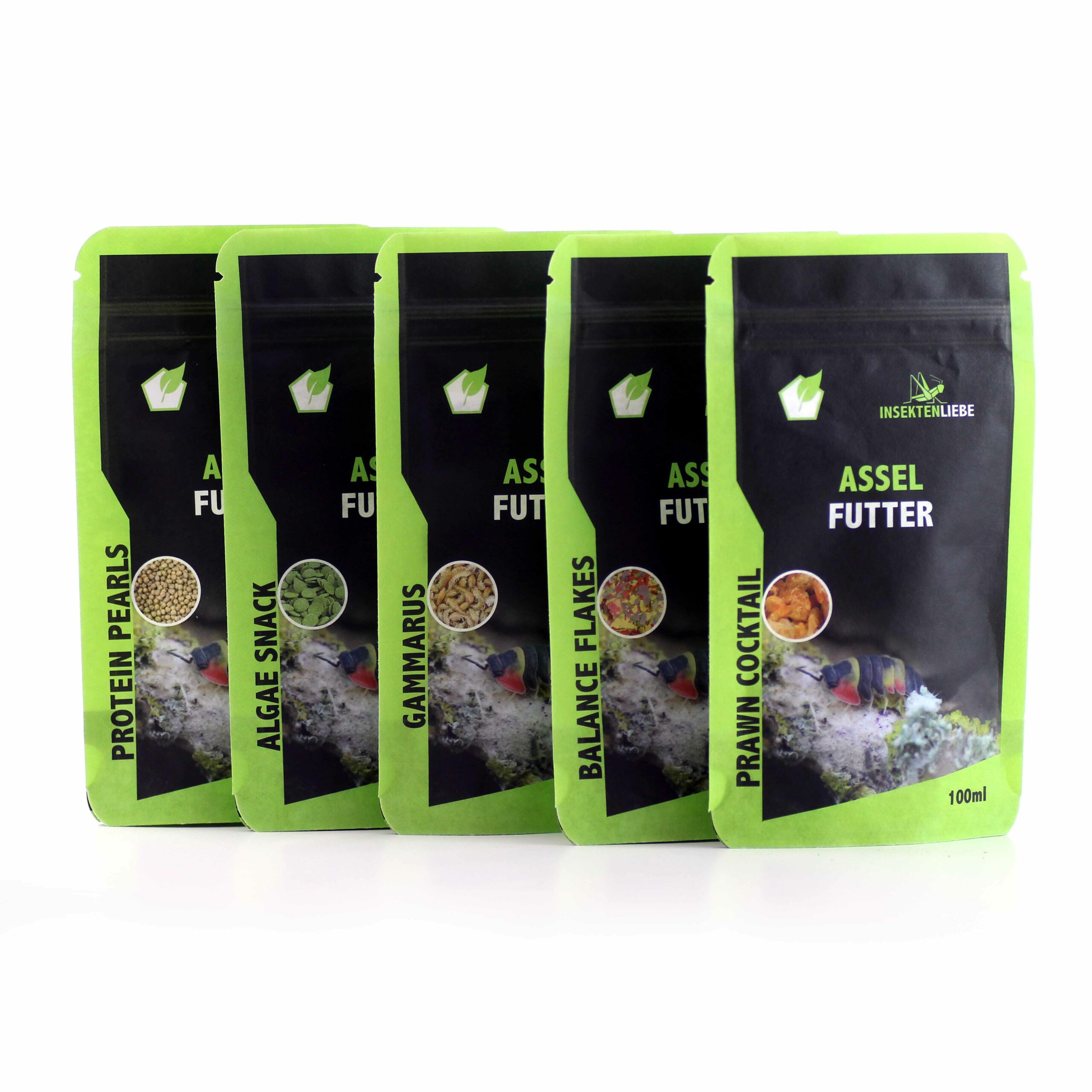
White Isopods food – supplements their natural diet and provides the colony with targeted additional nutrition.
Conclusion
White isopods are small enough to go almost unnoticed in a terrarium, but they do valuable work behind the scenes. They break down organic debris, live in the substrate, and help establish a natural, bioactive ecosystem.
At the same time , their relatively soft chitinous exoskeleton makes them suitable as feed animals. This makes them true all-rounders, especially in humid tropical terrariums.
Whether as floor clean-up crew, part of a bioactive setup, or an additional food source—white Isopods are, in our view, among the little helpers that have become indispensable in a tropical terrarium.