Rose of Jericho
4,99 € incl. VAT, plus shipping
Rose of Jericho – Selaginella lepidophylla: The Plant That Comes Back to Life
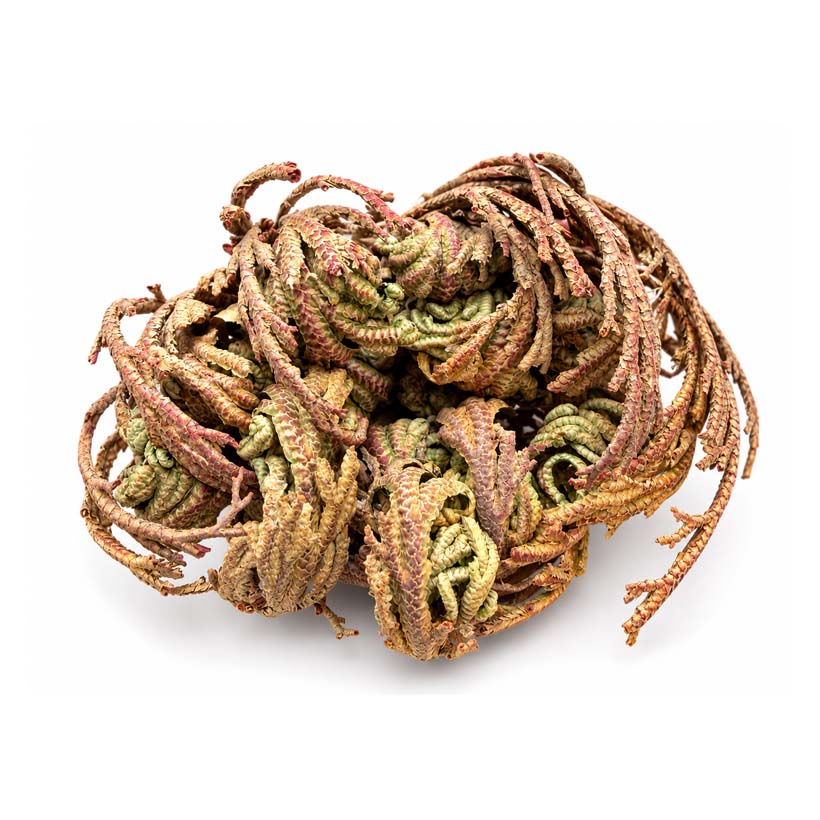
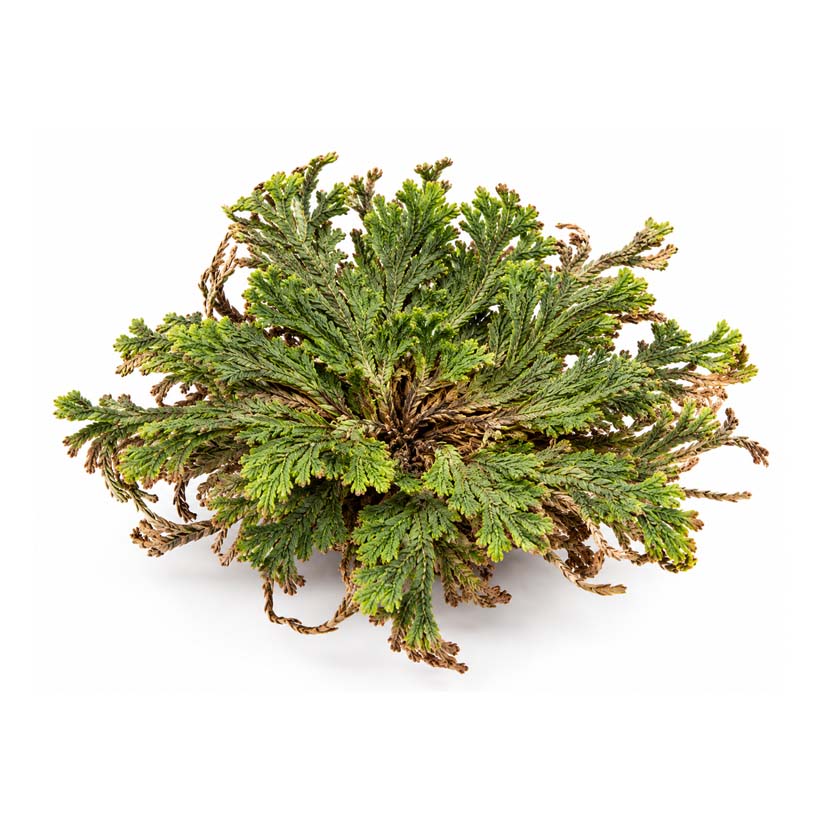
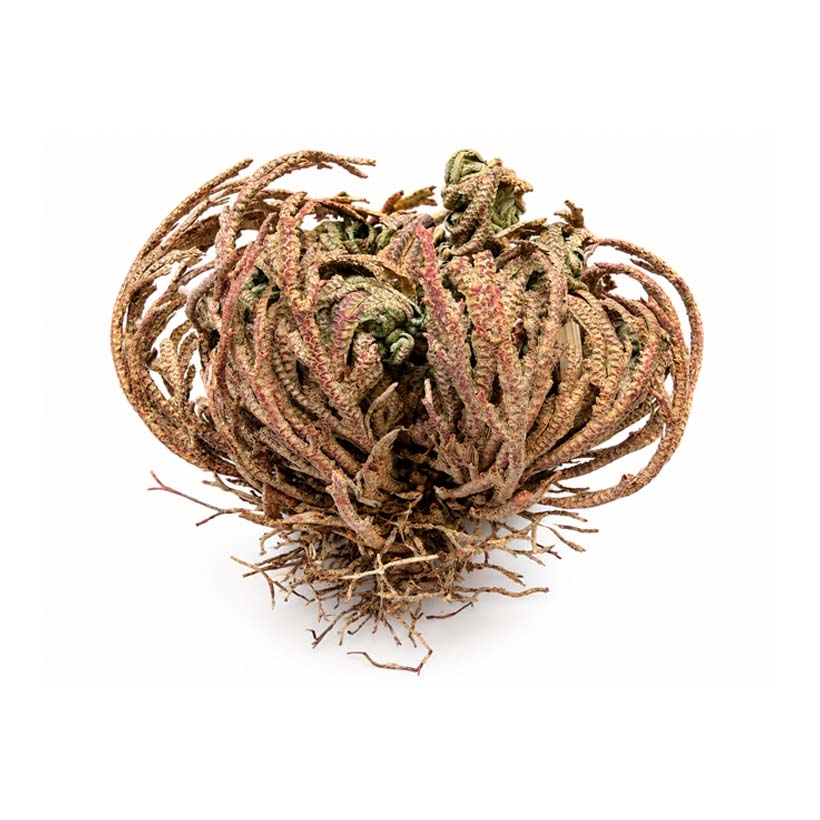
Imagine a plant that appears completely dried out for months and unfurls again within a few hours upon contact with water. The Rose of Jericho (Selaginella lepidophylla) offers precisely this natural spectacle. When dry, it resembles a brown, curled-up ball. But as soon as it absorbs water, its branches open up, revealing its greenish interior.
That is why this extraordinary plant is also known as the ” resurrection plant.”
What makes it special is that, unlike many other plants, Selaginella lepidophylla can survive extreme drought. Under suitable conditions, it resumes its vital functions once it has absorbed water.
This makes the Rose of Jericho more than just an extraordinary natural decoration. It also impressively demonstrates how plants can adapt to extreme habitats.
A Desert Survivor
The Rose of Jericho is native to the arid regions of North America. It finds suitable habitats particularly in the desert regions of Mexico and the southwestern United States.
There, long dry spells alternate with short rainy periods. That is why the plant has developed a remarkable strategy.
As soon as the environment dries out, it loses a large portion of its water. At the same time, its branches curl inward, forming a compact ball.
In this state, the plant reduces its metabolic activity to a minimum.
When water is added again, their tissues absorb moisture. The branches then unfurl, and the plant can resume its vital functions.
This ability makes Selaginella lepidophylla a fascinating example of adaptation to extreme drought.
Why does the Rose of Jericho turn green again?
When dry, the Rose of Jericho is mostly brown, beige, and slightly reddish in color.
Particularly striking are the tightly curled twigs with their small, scale-like leaves.
As soon as the plant absorbs water, its appearance changes.
First, the outer branches open up. Then the inner parts unfold as well, revealing the greenish parts of the plant.
However, the actual green color depends on the condition of the plant.
Not every Rose of Jericho turns completely green after being moistened. Older specimens or those that have already died may still open up, but they no longer resume normal metabolic activity.
That is precisely why every plant is a unique natural product.
How to Revive Your Rose of Jericho
You don’t need soil or a flowerpot to watch this fascinating transformation.
All you need is a shallow bowl and a little water.
First, place the dry Rose of Jericho in the bowl. Then add enough room-temperature water so that the lower parts of the plant are in contact with it.
After just a short time, the first branches begin to unfurl.
After a few hours, the plant usually appears to have spread out considerably.
This process is especially easy to observe against a light background, because that’s where you can see every change in the branches.
Use water with as little calcium as possible to prevent unsightly calcium deposits from forming on the plant.
How long can the Rose of Jericho stay in water?
Although the Rose of Jericho needs water, you shouldn’t leave it standing in a bowl of water all the time.
This is because prolonged moisture can lead to mold and rot.
For occasional care, it is therefore sufficient to water the plant for a few hours.
Afterward, you can drain the water and let the plant dry out again in a well-ventilated spot.
As this happens, the branches gradually curl up again.
This way, you can experience that special opening effect over and over again.
If you want to grow the Rose of Jericho for a longer period of time, however, it requires different conditions than those needed for a short-term display. These include adequate moisture, sufficient light, and good ventilation.
True and False Rose of Jericho—What’s the Difference?
In stores, you’ll find two different plants sold under the name “Rose of Jericho.”
The True Rose of Jericho (Anastatica hierochuntica) belongs to the cruciferous family. It is native to the arid regions of North Africa and the Middle East.
At the end of its life cycle, it dries out completely. Although its branches may open again when they come into contact with water, this does not bring the plant back to life.
Our Rose of Jericho (Selaginella lepidophylla), on the other hand, belongs to the moss fern family.
It has small, scale-like leaves and can survive periods of extreme drought.
That is why it is considered a true survivor among plants.
However, this special ability only works as long as the plant is still alive.
An extraordinary decoration for your home
The Rose of Jericho isn’t just impressive because of its unique properties—it’s also a visually striking piece that catches the eye.
When dry, it looks like a delicate sphere made up of numerous curled twigs.
Its texture really stands out in a shallow glass bowl.
You can also combine them with natural stones, roots, or other dried decorative elements.
The result is a unique arrangement that can be changed at any time.
Because as soon as you add water, the plant opens up and reveals a completely different shape.
It is precisely this change that makes it a special gift idea for plant lovers and nature enthusiasts.
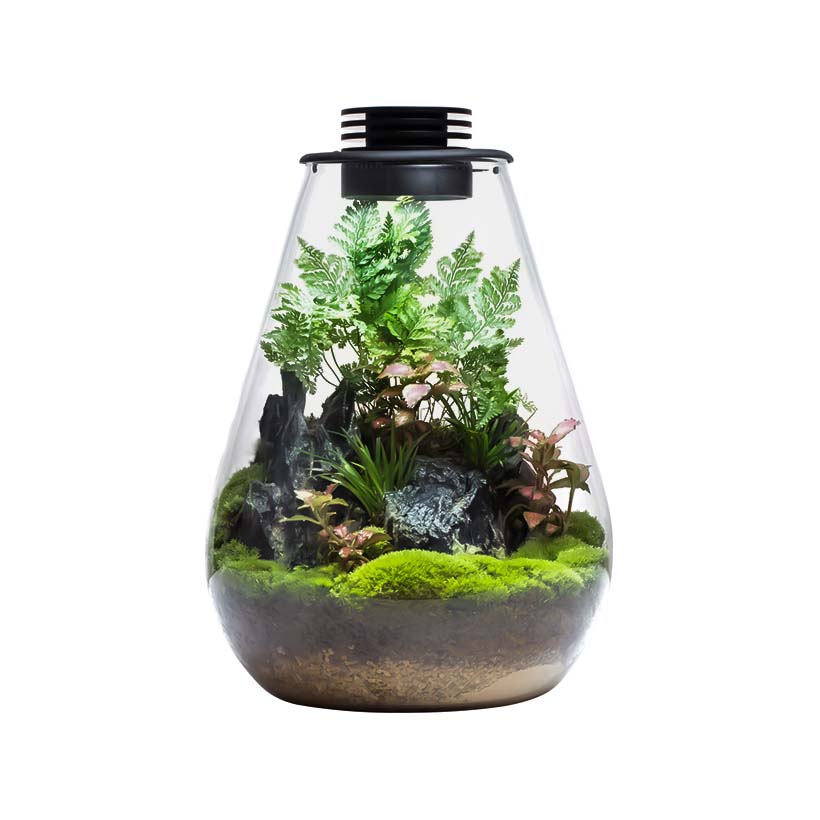
Can I use the Rose of Jericho in a terrarium?
Selaginella lepidophylla is also of interest to terrarium enthusiasts.
However, you should take their natural needs into account.
The plant is native to dry habitats and therefore does not require consistently high humidity.
It is particularly well-suited as a natural decoration that is occasionally moistened in dry terrariums.
There, for example, you can place them among roots, rocks, or other natural decorative elements.
However, you should make sure it doesn’t stay damp all the time.
In tropical terrariums with consistently high humidity, however, there is an increased risk of mold and rot.
Also, the Rose of Jericho isn’t your typical terrarium plant that you can just plant in moist substrate.
To grow it long-term, you’ll need the right conditions and some experience.
A fascinating experiment for nature lovers
Hardly any other plant shows its reaction to water as clearly as the Rose of Jericho.
That is why it is ideal for observing natural processes.
It’s especially fascinating to compare the plant’s dry and open states.
While the plant initially looks like a compact ball, it continues to expand after absorbing water.
You can then watch as it returns to its original shape as it dries.
This process makes the Rose of Jericho interesting even for children.
However, you should keep in mind that this is a natural product and the plant is not suitable for consumption.
Benefits at a Glance
- Botanical name: Selaginella lepidophylla
- Also known as the False Rose of Jericho
- Fascinating “resurrection plant” from North America
- Curls up into a ball when dry
- Unfurls its branches upon contact with water
- Can survive extreme periods of drought
- Displays greenish parts when moist
- Can open and close multiple times
- Does not require soil for the opening effect
- Ideal as a unique natural decoration
- An interesting subject for nature lovers to observe
- Also suitable as decoration for dry terrariums
- Each plant has its own unique shape and color
Suitable accessories for your setup
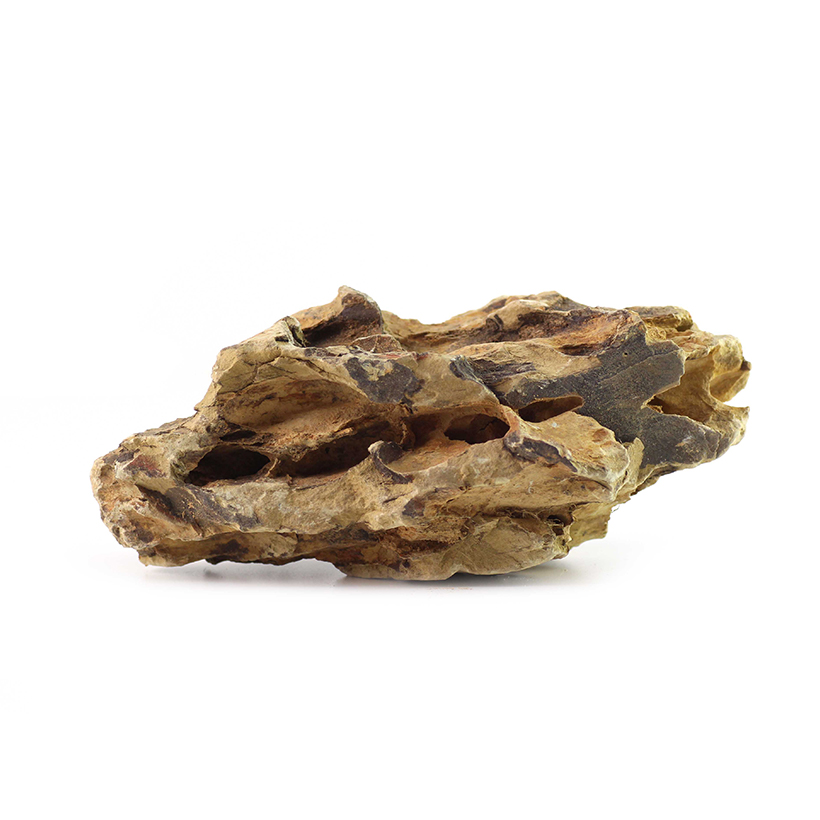
Dragonstone —provides a natural base for decorative arrangements featuring the Rose of Jericho.
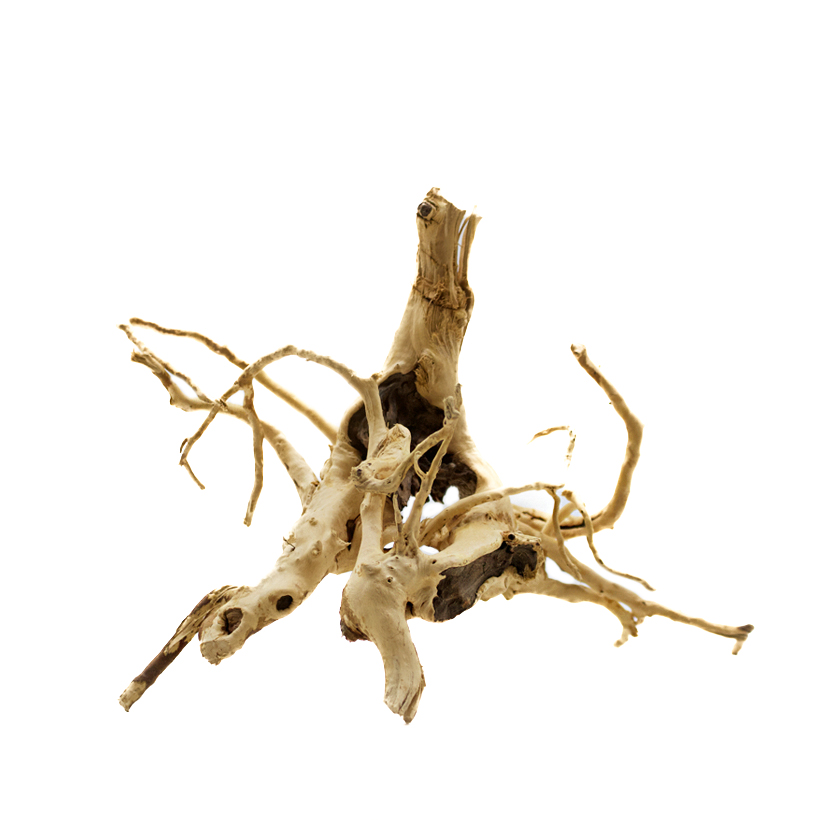
Spiderwood – adds delicate roots to the plant and creates an extraordinary desert landscape.
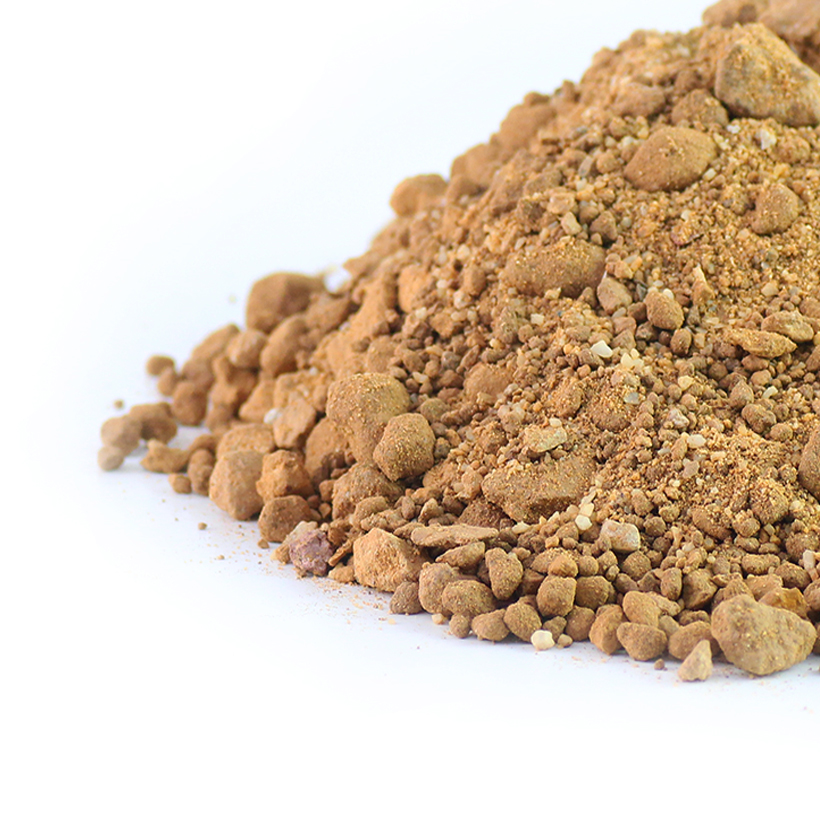
Desert Sand – serves as a natural substrate for dry arrangements and terrariums.
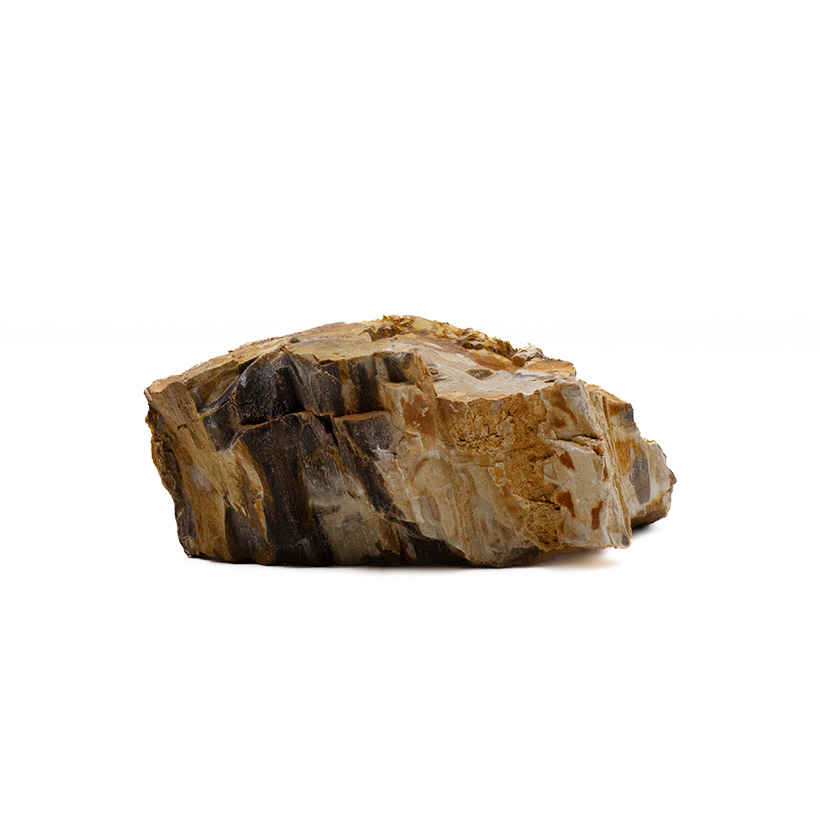
Petrified wood —with its fossilized wood structure, it creates an intriguing contrast to the plant.
Fingerwood XS – features delicate branches and pairs beautifully with the Rose of Jericho.
Repto Flat LED – highlights the plant’s unique structure with even lighting.
Conclusion: A plant that never ceases to amaze
The Rose of Jericho (Selaginella lepidophylla) is one of the most extraordinary plants in the world.
Their ability to survive extreme drought and regain their shape upon contact with water makes them a fascinating natural wonder.
The visible transformation is particularly impressive. Within just a few hours, a dry, curled-up ball turns into a plant with its leaves fully open.
In addition, the Rose of Jericho can be decorated in many different ways and requires very few supplies for occasional observation.
Whether as a gift, a unique natural decoration, or a fascinating subject for observation—this plant is sure to turn heads.
Discover the Rose of Jericho and see for yourself just how fascinating nature’s adaptability can be.
Perfect combined with
-
Repto Flat LED
Original price was: 29,99 €.26,99 €Current price is: 26,99 €. incl. VAT, plus shipping