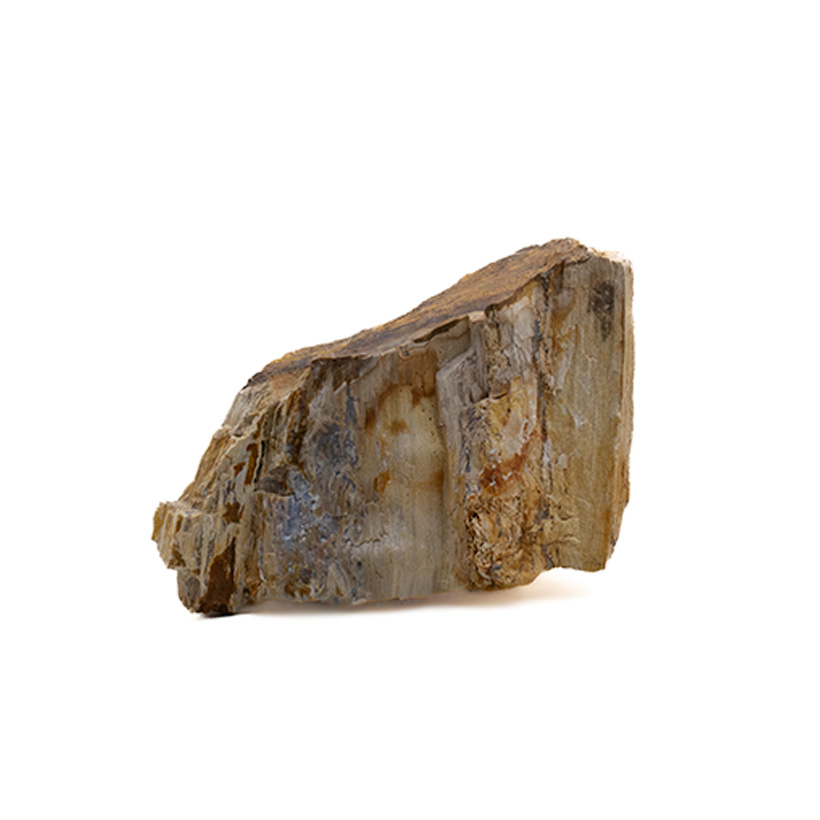
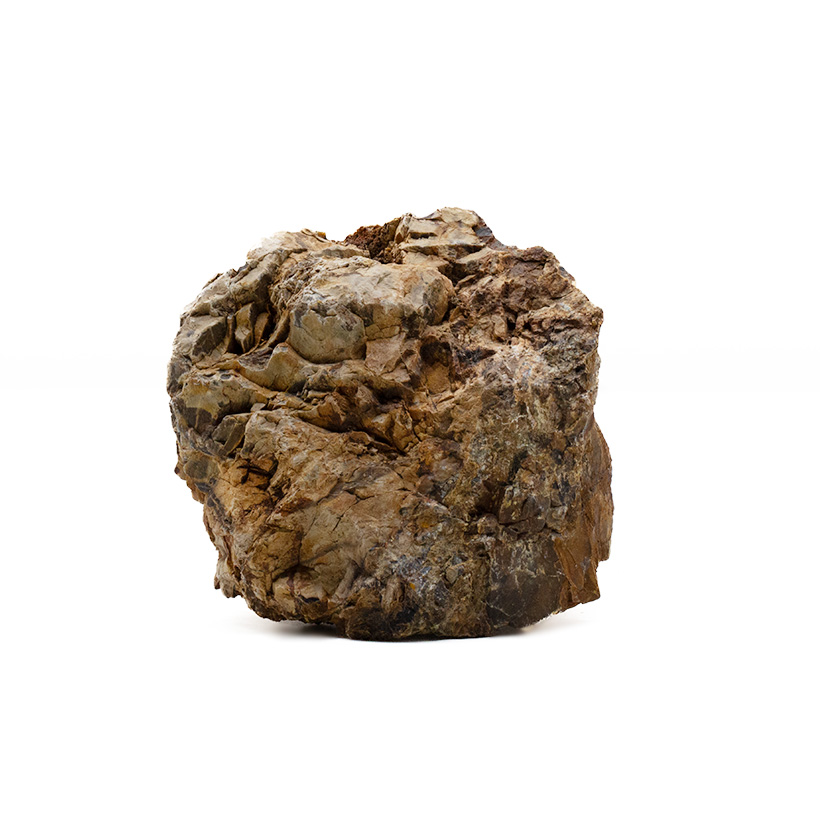
Stone wood
8,99 € incl. VAT, plus shipping
In stock
Petrified Wood – Millions of Years of Natural History in Your Terrarium
Petrified wood is much more than just an ordinary decorative stone. What is now as hard as rock was originally real wood. Over a very long period of time, the organic material was gradually replaced by minerals. In the process, the wood’s original structure was partially preserved, resulting in a fascinating natural product.
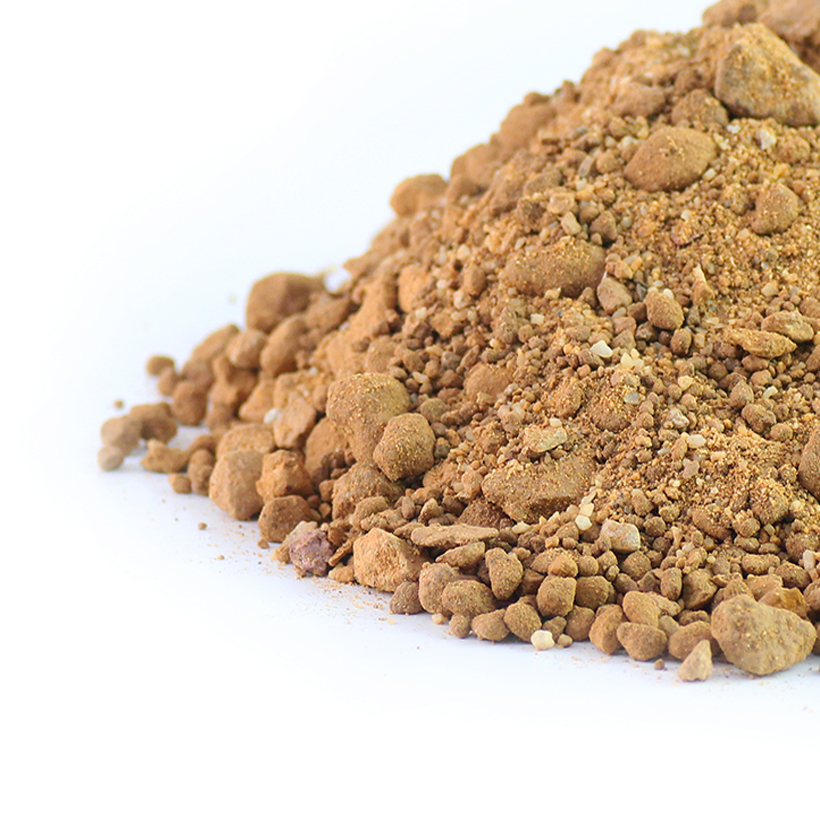
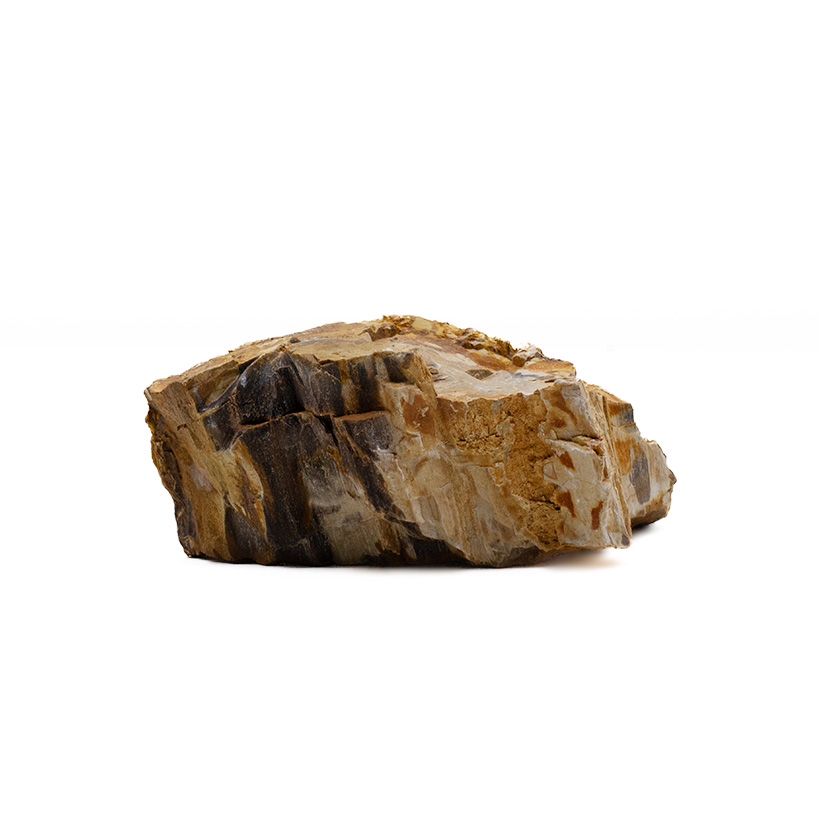
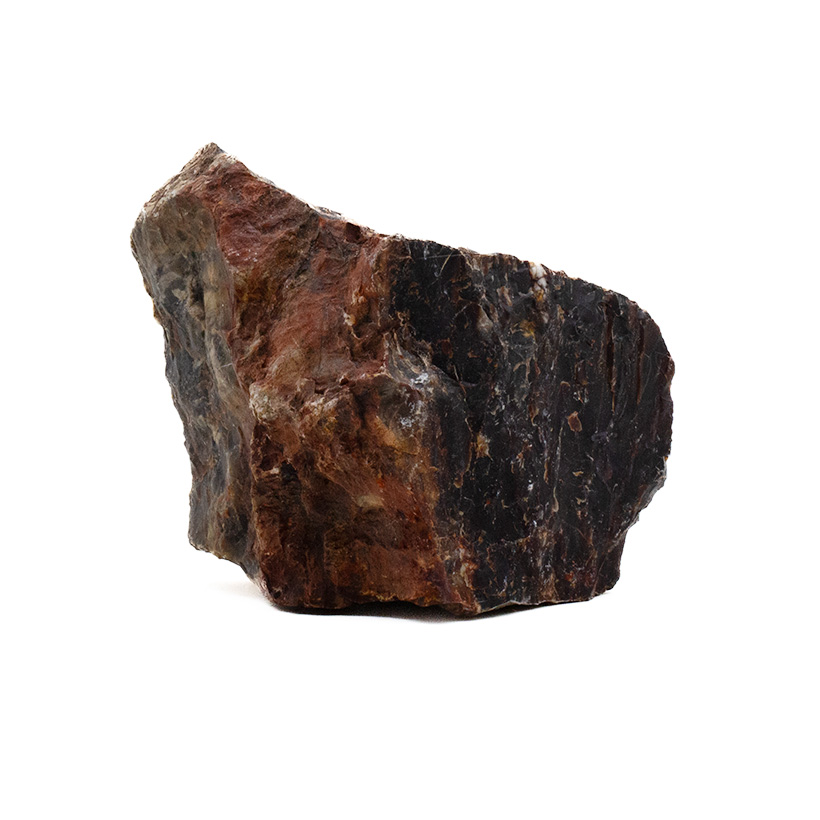
It is precisely this combination of wood texture and stone that makes Steinholz such a striking feature. Warm shades of red, brown, and yellow blend with natural lines and grain patterns, while each piece has its own unique shape.
With stonewood, you’re not just adding decoration to your terrarium—you’re also bringing a little piece of Earth’s history into it.
How does a tree turn into a rock?
The formation of petrified wood begins when dead wood is quickly covered by sediment under the right conditions. This greatly reduces contact with oxygen, preventing the wood from rotting as it normally would.
When mineral-rich water is applied, dissolved minerals are then absorbed into the wood. Over a very long period of time, the original components are replaced or voids are filled with minerals.
In the end, the shape of the wood remains intact, while the material itself has turned to stone. This process takes an enormous amount of time and makes each piece of petrified wood a small testament to landscapes of the past.
Warm colors and unique textures
The different shades are particularly beautiful. Depending on the minerals it contains, stonewood displays various shades of black, brown, red, and yellow.
This makes it a perfect match for dark substrate, light-colored sand, or vibrant green plants. At the same time, the natural lines and irregular surfaces ensure that even individual pieces immediately catch the eye.
If you combine several pieces, however, you can create entire rock formations and small landscapes.
For Forests, Deserts, and the Tropics
Stonewood is extremely versatile. In a dry terrarium, its warm hues blend beautifully with desert sand and succulents. This creates small rock and steppe landscapes with a natural look.
In forest and tropical terrariums, on the other hand, you can combine driftwood with forest humus, moss, and plants. The contrast between the old rock and the fresh greenery looks especially beautiful.
This means that the same natural material is suitable for both dry and more humid landscapes.
Ideal for landscaping
The natural surface offers many possibilities for further design. For example, you can attach moss to suitable spots to create a overgrown look.
Depending on their shape, even small plants that sit on top of the substrate can be placed in depressions or among several stones. This blurs the lines between the stones and the plants, making the terrarium look even more natural over time.
Create new levels and structures
In addition to its unique history, Steinholz also serves a practical purpose. Individual pieces create variations in elevation within the substrate, while several stones can be combined to form small rock formations.
This makes the setup look less flat. At the same time, it creates small gaps and sheltered areas between the individual pieces that the terrarium’s inhabitants can use.
It looks especially natural if you bury part of the driftwood in the substrate. That way, it looks as if the rock is jutting out directly from the landscape.
Advantages at a glance
- Genuine petrified wood
- Formed over millions of years
- Each piece is one-of-a-kind
- Natural shades of red, brown, and yellow
- Partially visible wood grain
- Suitable for dry and humid terrariums
- Ideal for forest, tropical, and desert landscapes
- Goes very well with moss and plants
- Creates natural elevations and rock formations
- Sturdy and durable
Suitable accessories for your setup
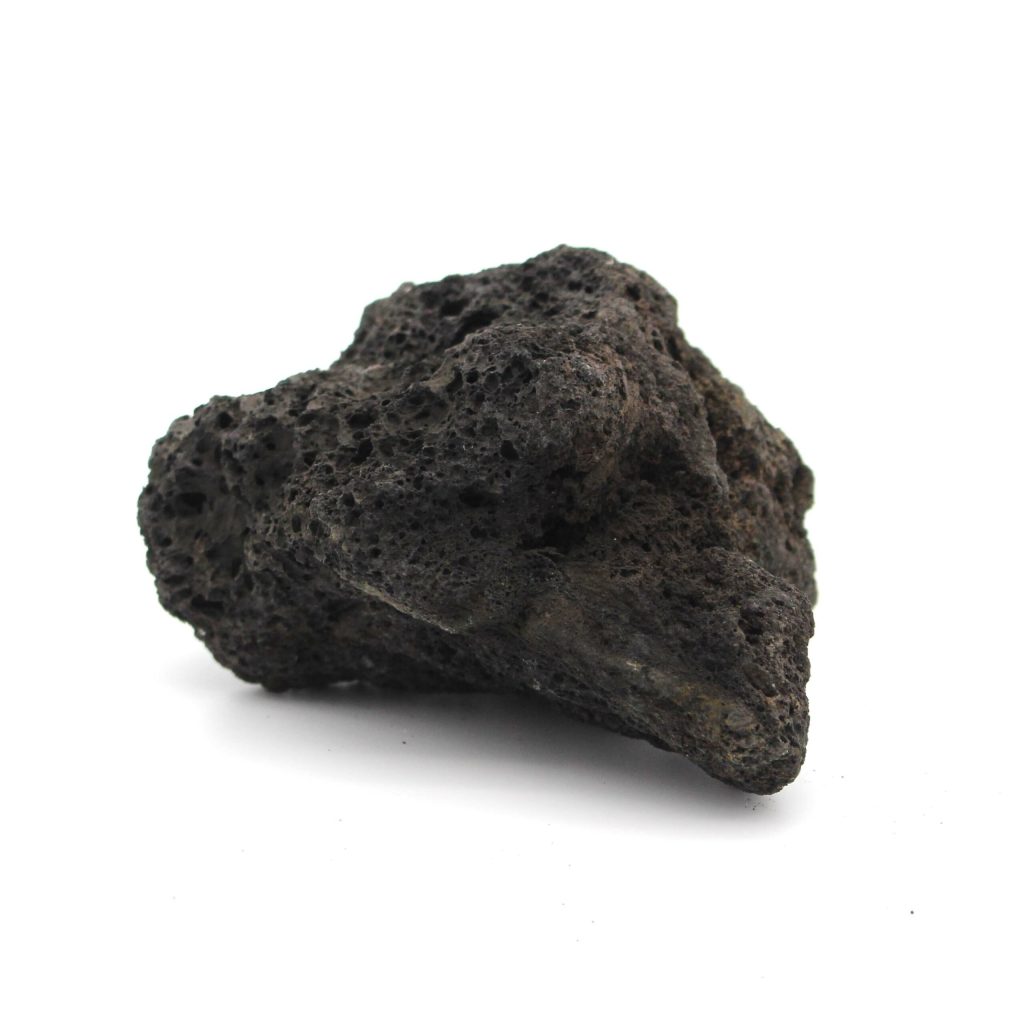
Premium Lava Rock – complements the stonewood with dark rock textures and creates striking contrasts.
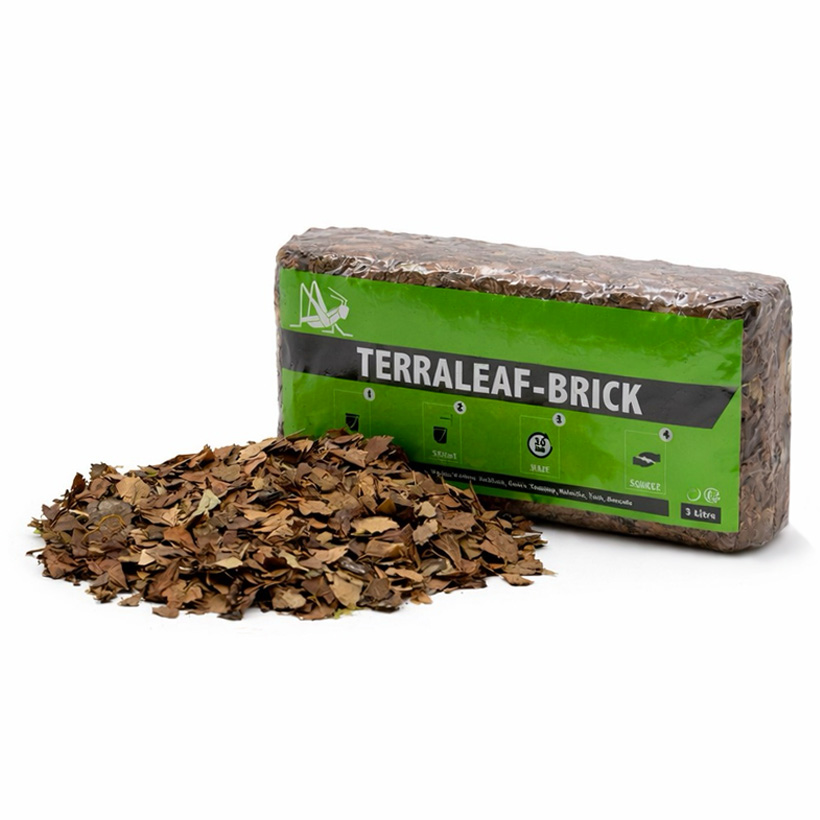
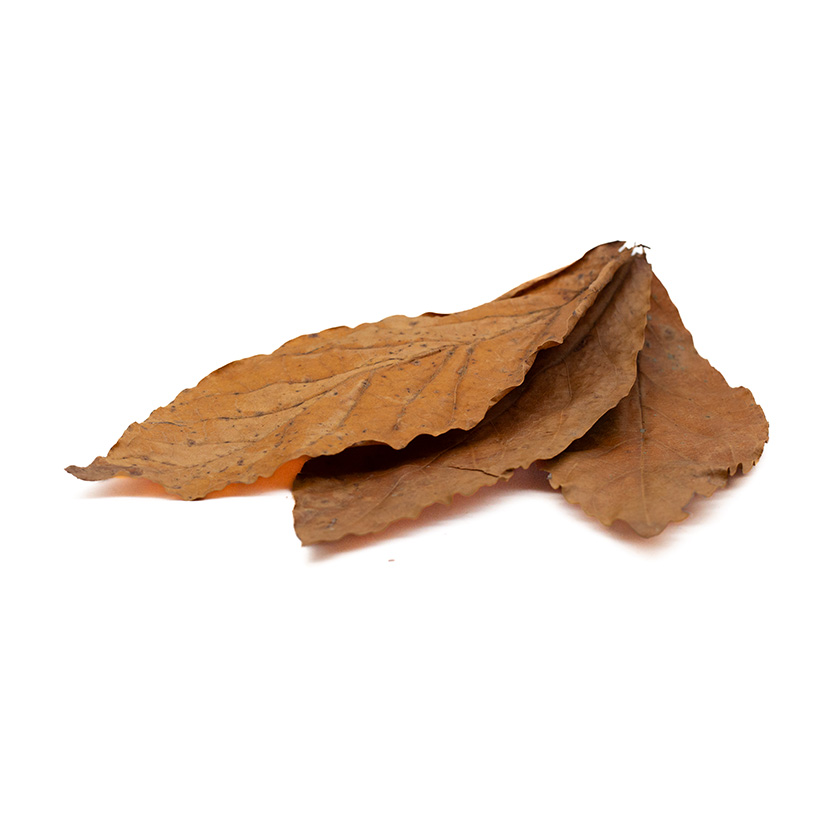
Insektenliebe Terraleaf-Brick – creates a natural forest floor around the stonewood.
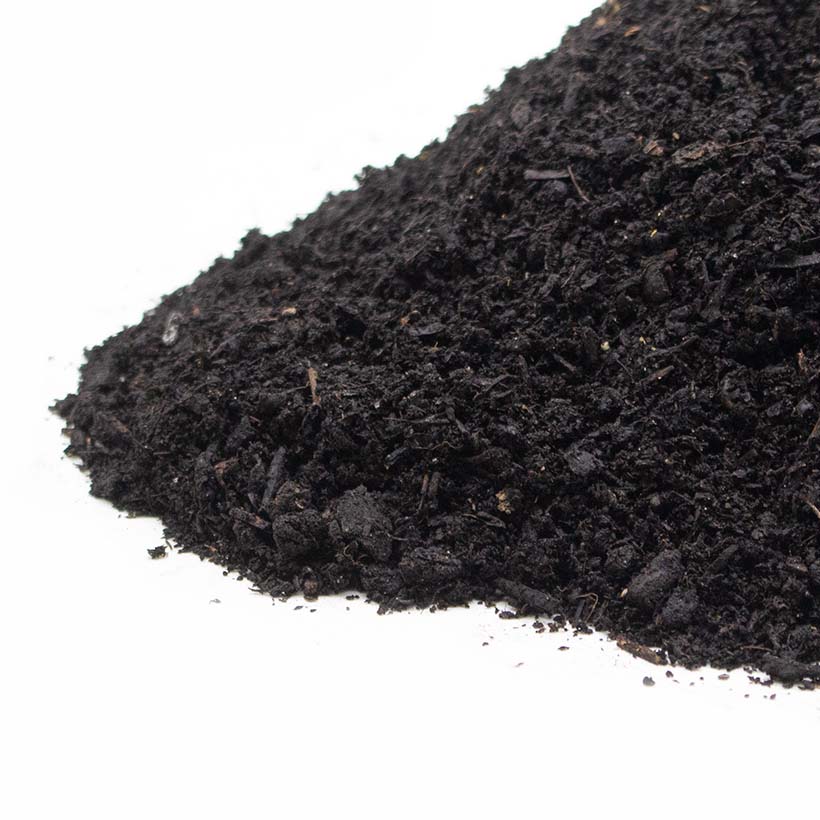
Forest Humus – forms a natural substrate and combines perfectly with stone and plants.
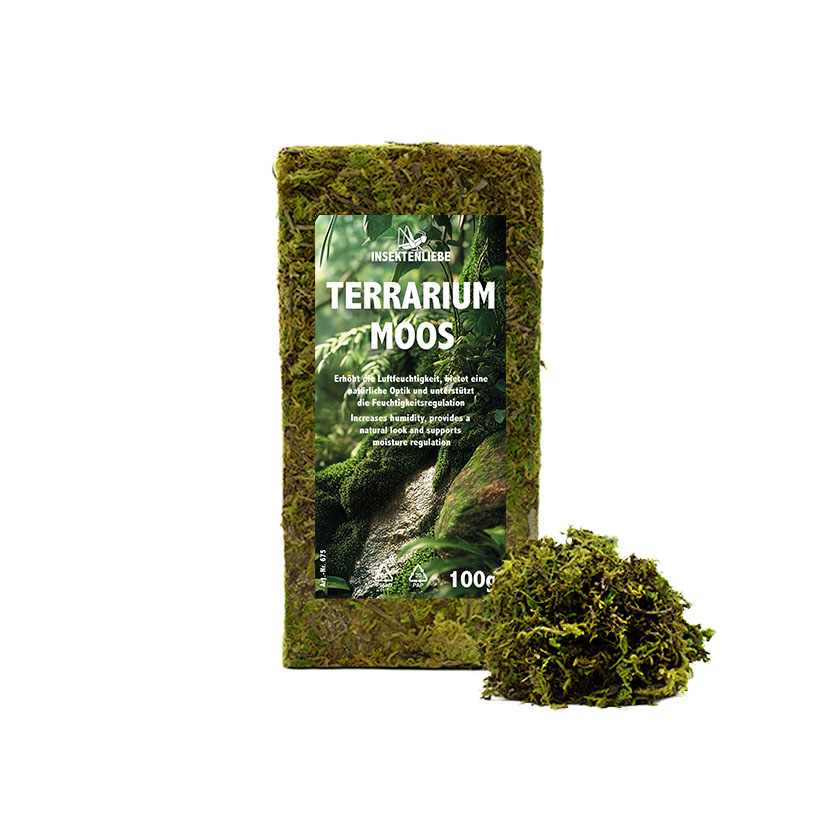
Insektenliebe Terrarium Moss – adds greenery to individual areas and makes the stonewood look like it’s grown naturally into the surroundings.
Desert Sand – beautifully highlights the warm colors of the stonewood in dry terrariums.
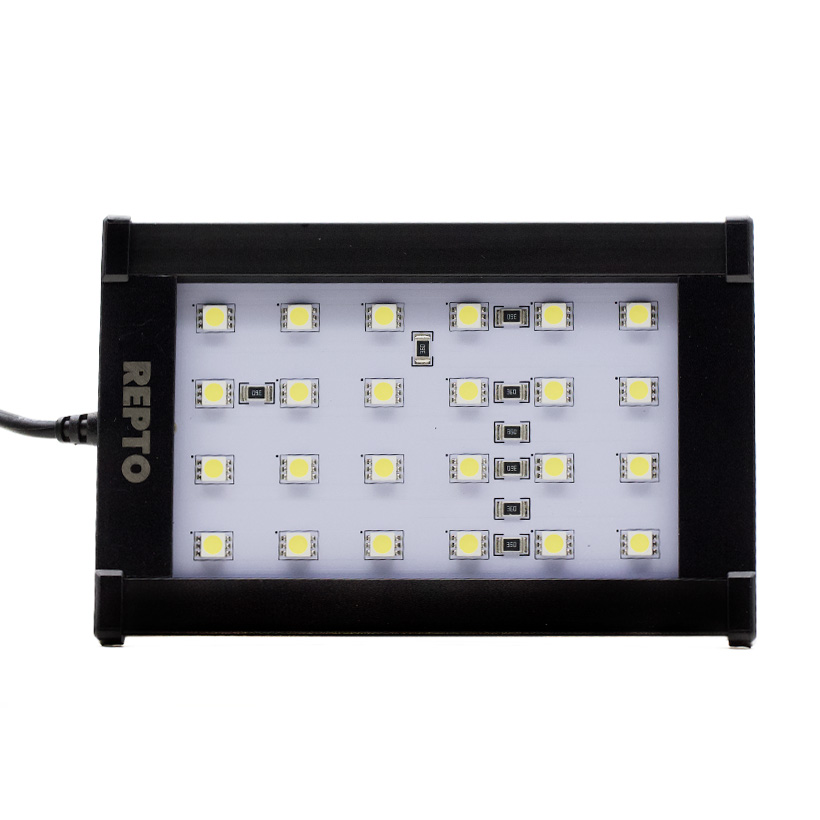
Repto Flat LED – provides bright illumination and accentuates the colors, grain, and textures of the stonewood.
Conclusion
Steinholz combines terrarium decor with millions of years of natural history. Through a long process, real wood transformed into hard rock, while parts of the original structures remained intact.
It’s the warm colors and varied shapes in particular that make each piece truly one-of-a-kind. Whether nestled among moss and forest humus or as a striking rock in a dry landscape—with stonewood, you can give your terrarium an eye-catching feature created by nature itself.
Perfect combined with
-
Insektenliebe Terrarium Moss
Price range: 4,99 € through 16,99 € incl. VAT, plus shipping -
Insektenliebe Terraleaf Brick
Original price was: 8,99 €.6,99 €Current price is: 6,99 €. incl. VAT, plus shipping -
Repto Flat LED
Original price was: 29,99 €.26,99 €Current price is: 26,99 €. incl. VAT, plus shipping