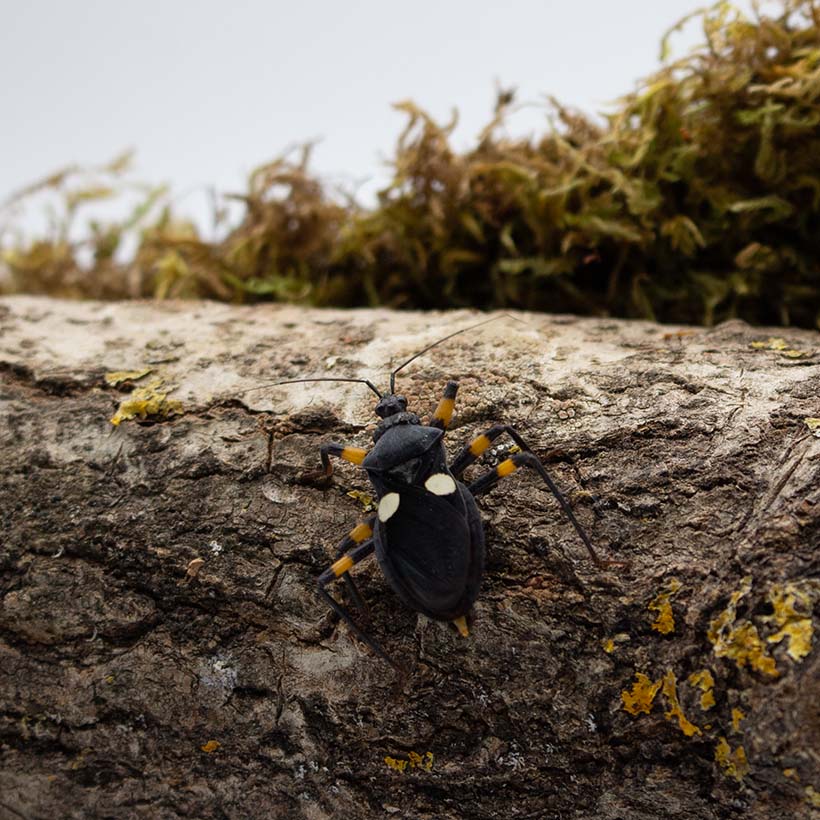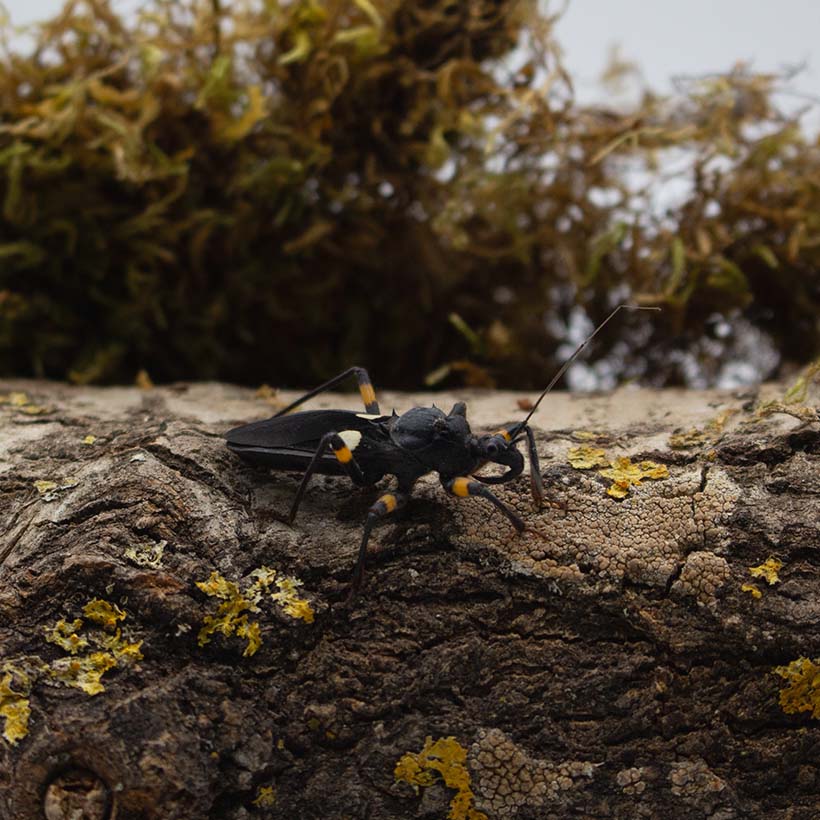
Platymeris biguttatus
6,95 € incl. VAT, plus shipping
Out of stock

Simple

< 40 mm

25°C – 30°C
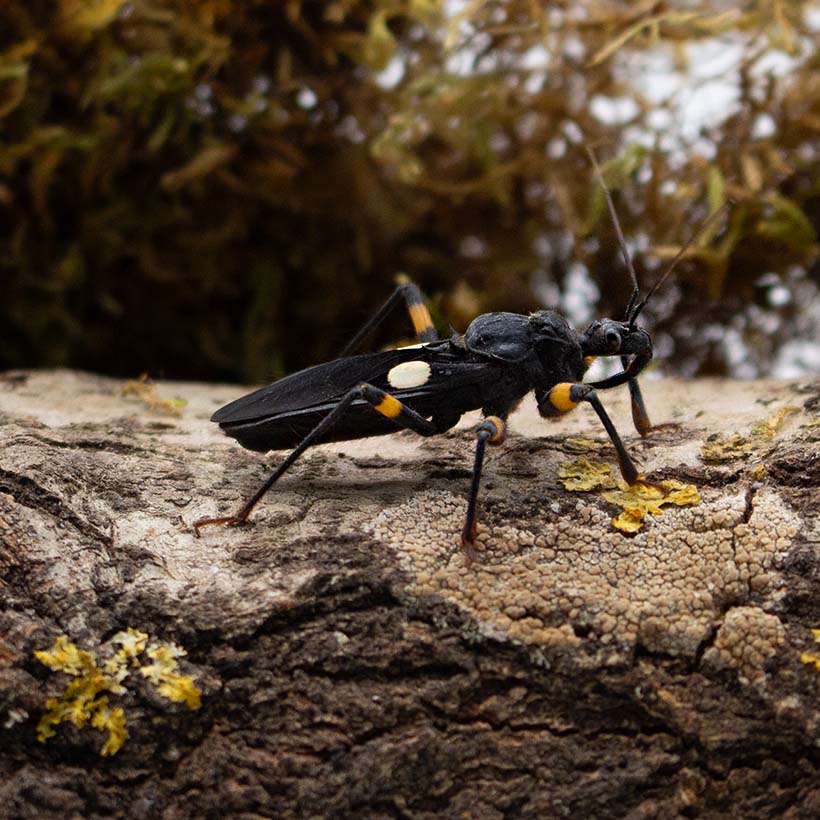
Experience the fascination of the two-spotted predatory bug – Platymeris biguttatus up close!
The mysterious and exciting two-spotted predatory bug, Platymeris biguttatus, takes us on a journey into the untouched nature of South and Southwest Africa. This predatory bug, with its paralyzing venom, is an extraordinary and fascinating experience for all lovers of exotic insects
If you decide to keep Platymeris biguttatus, you are embarking on an exciting journey of discovery. A 30×30×30 cm terrarium, equipped with a mixture of desert sand and forest humus in a 1:1 ratio, creates the ideal substrate. A humidity of 60-70% is essential to create a favorable climate in which the two-spotted predatory bug can thrive and reproduce.
The feeding frequency can vary depending on the age, size and individual needs of the animal. For Platymeris biguttatus, i.e. the two-spotted predatory bug, it would be advisable to feed every 3-4 days, especially when the animals are young and growing. It is important to observe the animals and watch for signs of hunger, such as increased activity and searching for food. When the animals are full, they often retreat to their hiding places. Also note that an oversupply of food can lead to problems, for example if uneaten prey remains in the terrarium. It is therefore important to adjust the food supply to the animals’ needs and to check and clean the terrarium regularly.
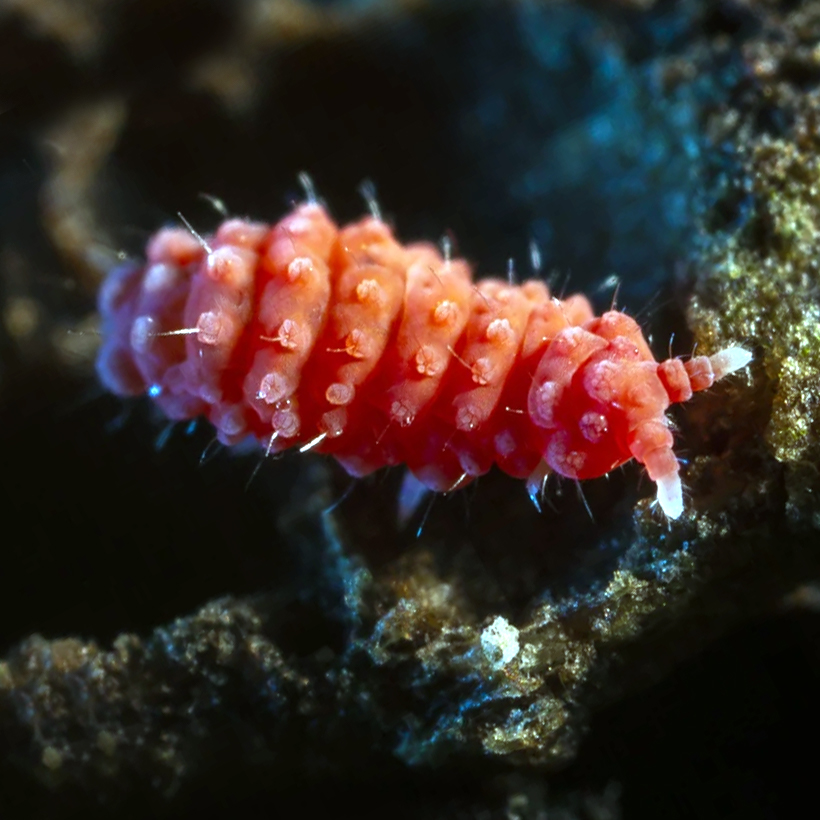
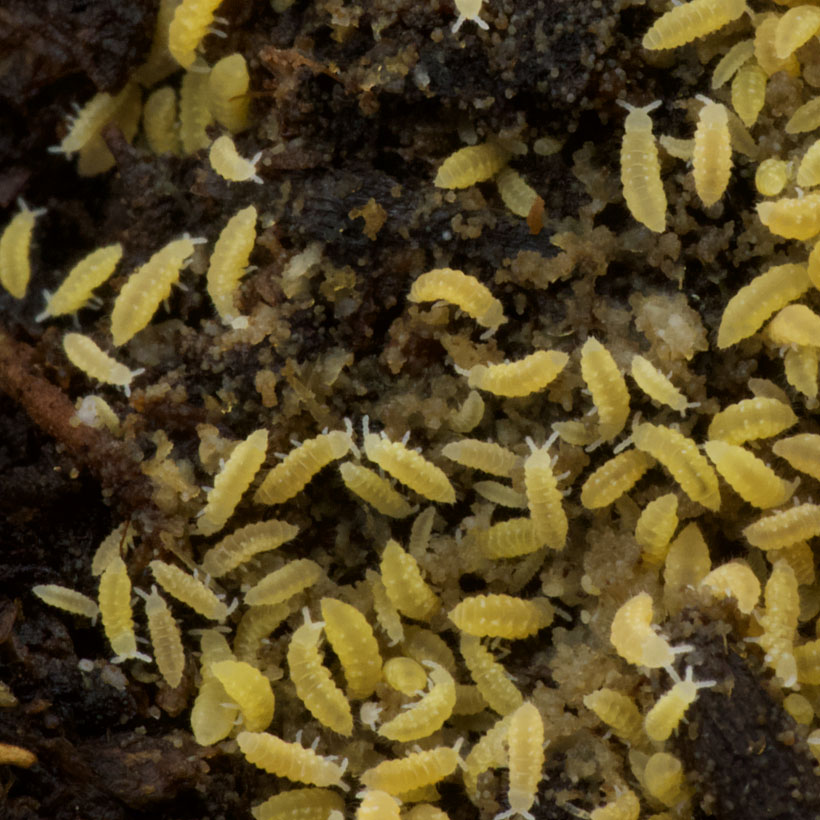
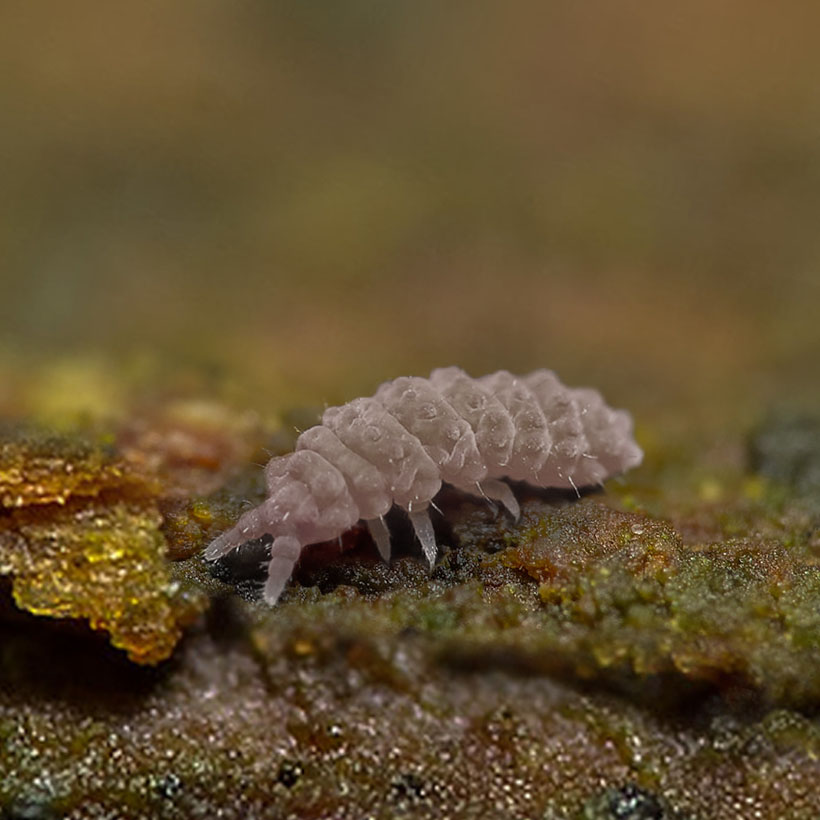
Springtails prove to be excellent “soil police” as they actively contribute to maintaining a healthy microclimate. They feed on dead plant matter, food scraps and other organic material, helping to keep the substrate clean and free from mold and rot.
Cork tubes and artificial plants can not only enhance the appearance of your terrarium, but also provide much-needed hiding places. A permanently available water bowl is essential.
It is a very touching and rewarding endeavor to engage in the breeding of Platymeris biguttatus. Watching the larvae hatch from the eggs laid in the substrate after an incubation period of around 4 weeks is enough to warm the heart of any animal lover.
When keeping Platymeris biguttatus in groups, make sure to provide sufficient food and plenty of hiding places to ensure harmonious coexistence. Although the venom of the predatory bug is generally not dangerous to humans, care should be taken. The sting is comparable to the pain of a wasp sting.
Your loving commitment and care in the care and breeding of your Platymeris biguttatus will be richly rewarded by the fascinating lifestyles and breathtaking aesthetics of these predatory bugs. With your responsible commitment to sustainable breeding, you will experience countless unforgettable and educational moments with this amazing species.