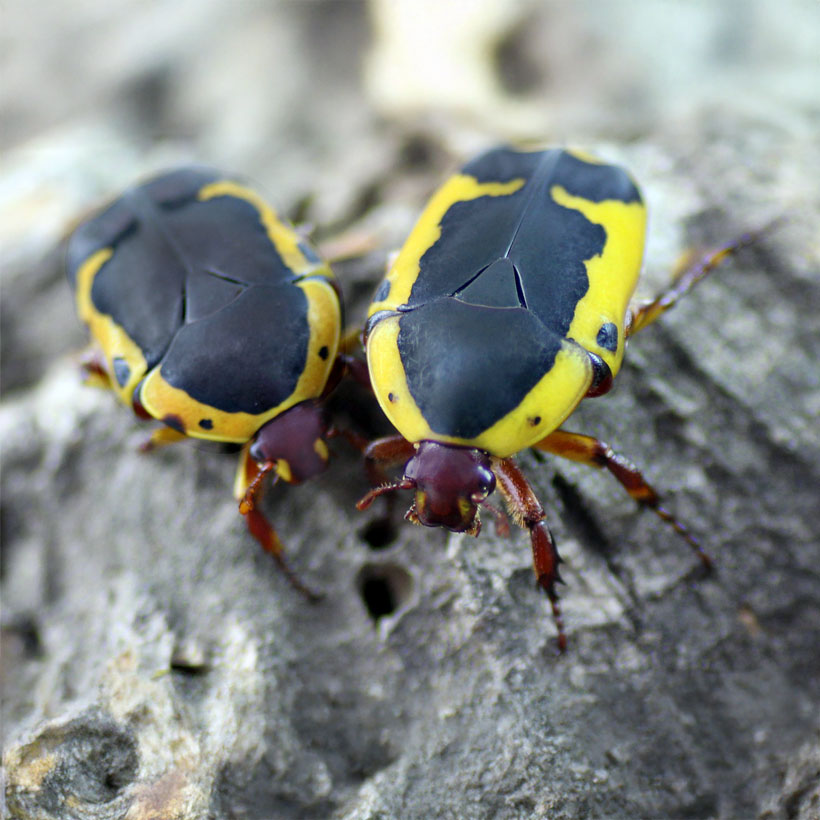
Pachnoda flaviventris (South African fruit beetle)
Price range: 7,99 € through 11,99 € incl. VAT, plus shipping
Sales Unit: 1 pair
Sales Unit: 1 pair

Simple

South Africa

< 25 mm

18°C – 25°C
Rose chafer keeping made easy – with Pachnoda flaviventris
Pachnoda flaviventris, also known as the yellow-bellied rose beetle, belongs to the rose beetle family (Cetoniidae) and brings life and color to your terrarium with its attractive coloration. This beetle species, which originates from South Africa, is known for its robust and uncomplicated keeping, making it ideal for terrarium beginners and experienced insect enthusiasts alike.
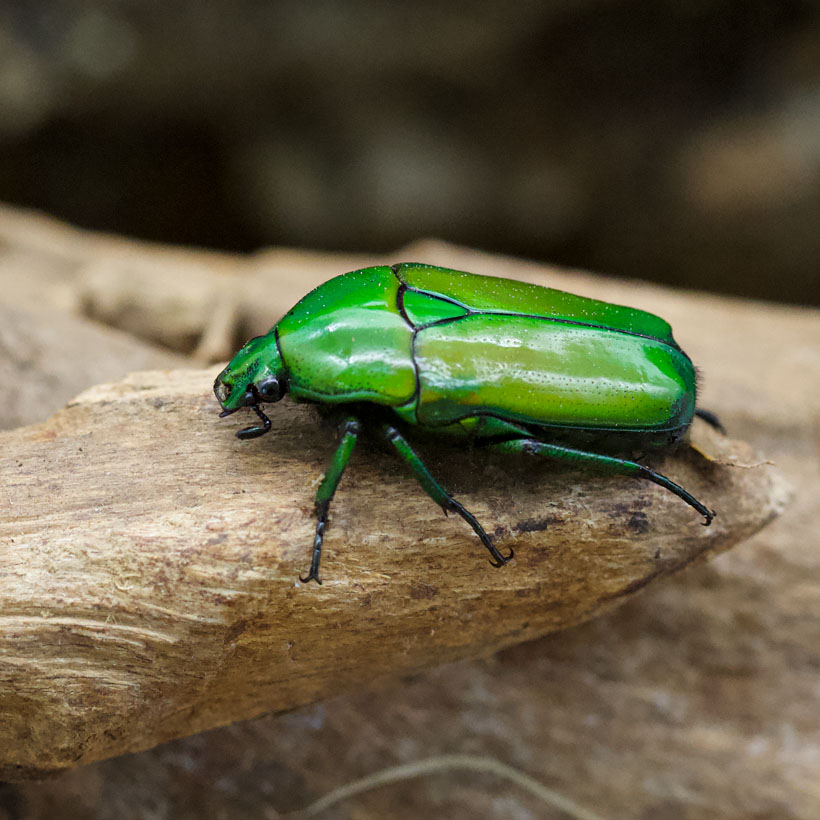
The Pachnoda flaviventris impresses visually with its beautiful coloration: the back is a warm, intense brown, which is harmoniously complemented by contrasting yellow sides and a striking yellow belly.
This color combination makes them a real eye-catcher that quickly attracts attention in the terrarium. The adult animals reach a body length of around 20 to 25 mm, which makes them impressive yet manageable inhabitants.
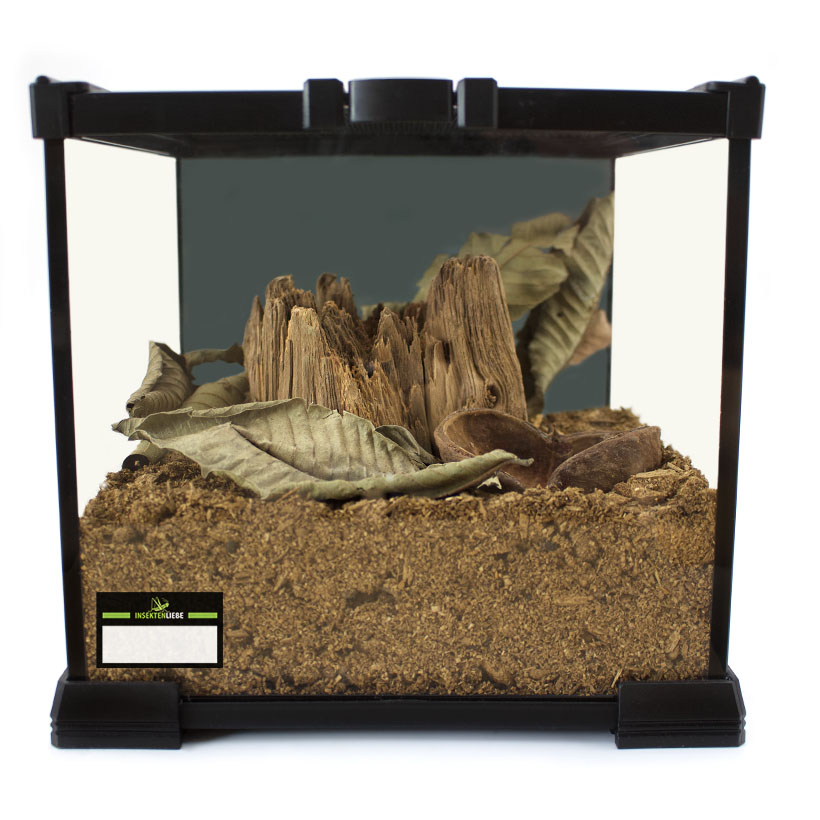
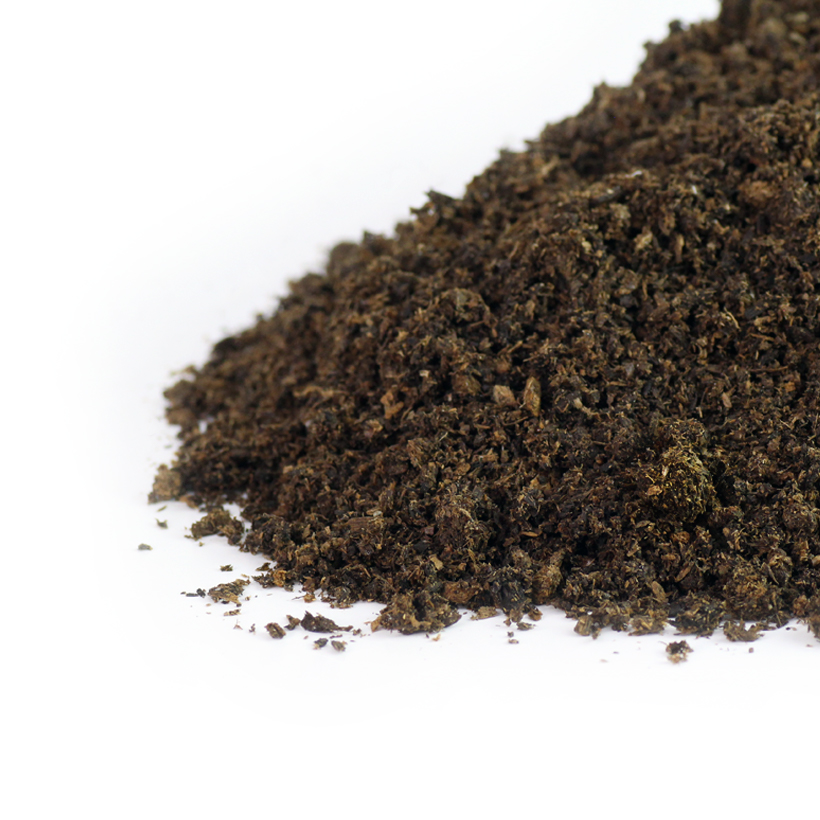
Keeping these attractive beetles is uncomplicated if you pay attention to a few basic things. The terrarium should have a minimum size of 30 × 30 × 30 cm and be equipped with a nutrient-rich, humus-like substrate. Flake soil has proven particularly effective here, as its high nutrient content and loose structure create ideal conditions for the healthy growth and optimal development of beetle larvae. A loose covering layer of dry leaves is also ideal, as the adult beetles like to hide and conceal themselves in this.
The temperature in the terrarium should be between 18 and 25 °C and kept constant. A humidity level of around 60 to 80 % provides ideal conditions and promotes the animals’ well-being. It is particularly important to ensure sufficient ventilation to prevent waterlogging and mold growth.
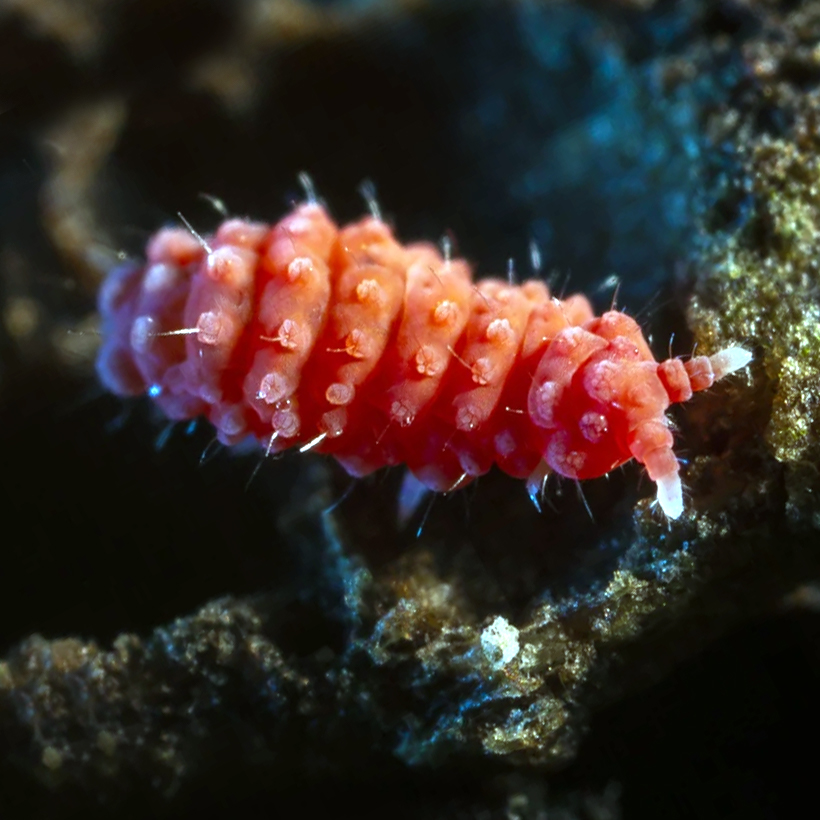
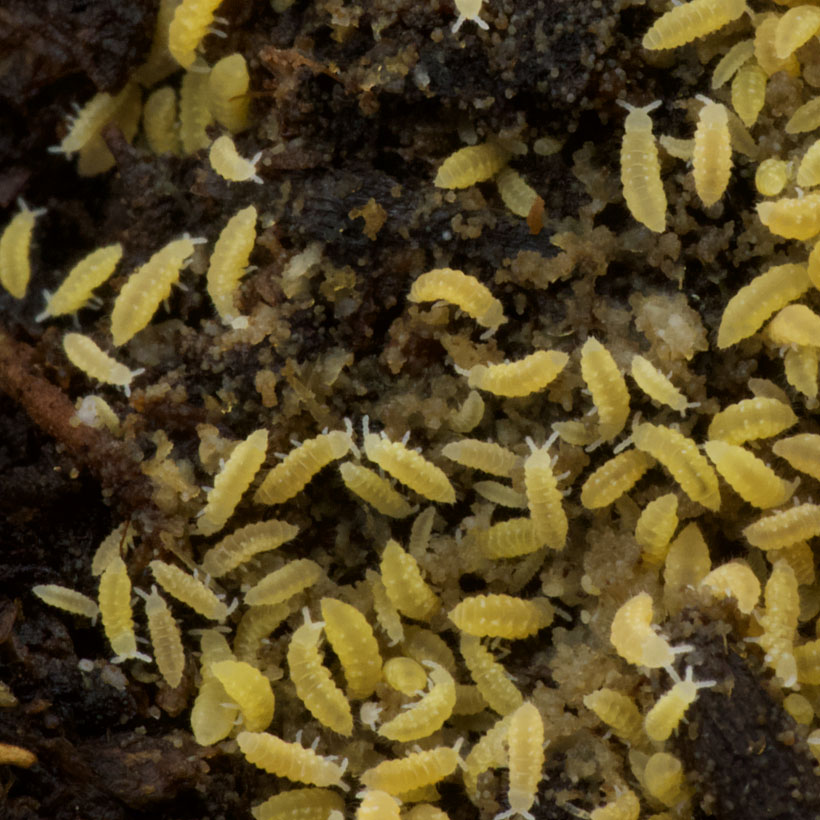
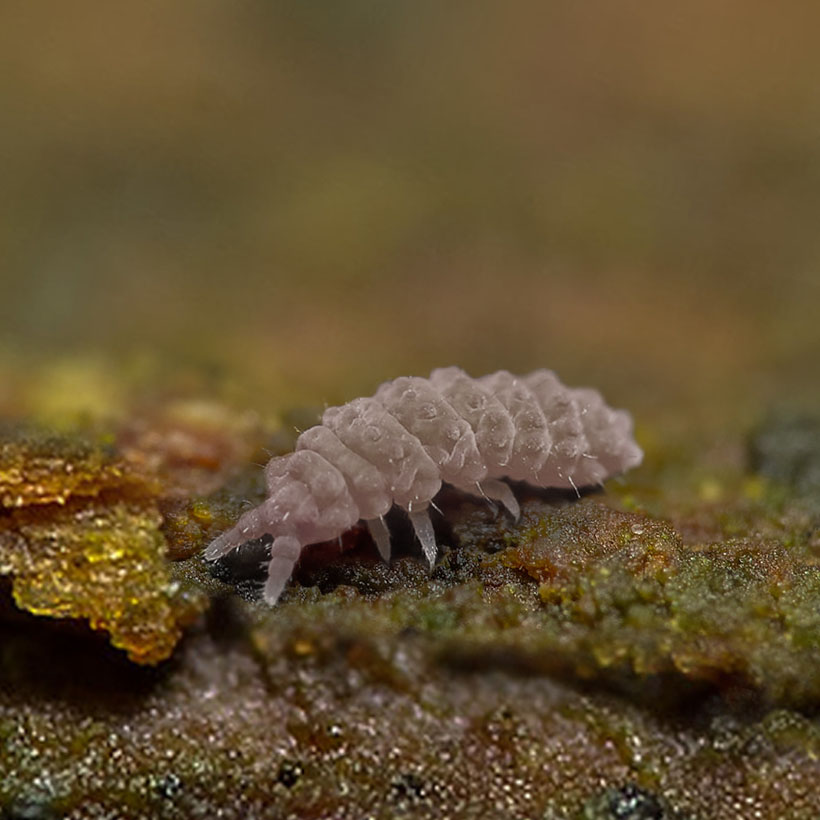
You should regularly check the breeding substrate for the formation of mites, as they can easily multiply in moist and nutrient-rich environments. Springtails are an excellent support here: they utilize organic residues and thus help to maintain the biological balance in the substrate. This keeps the terrarium clean and the conditions for your beetle larvae optimal.
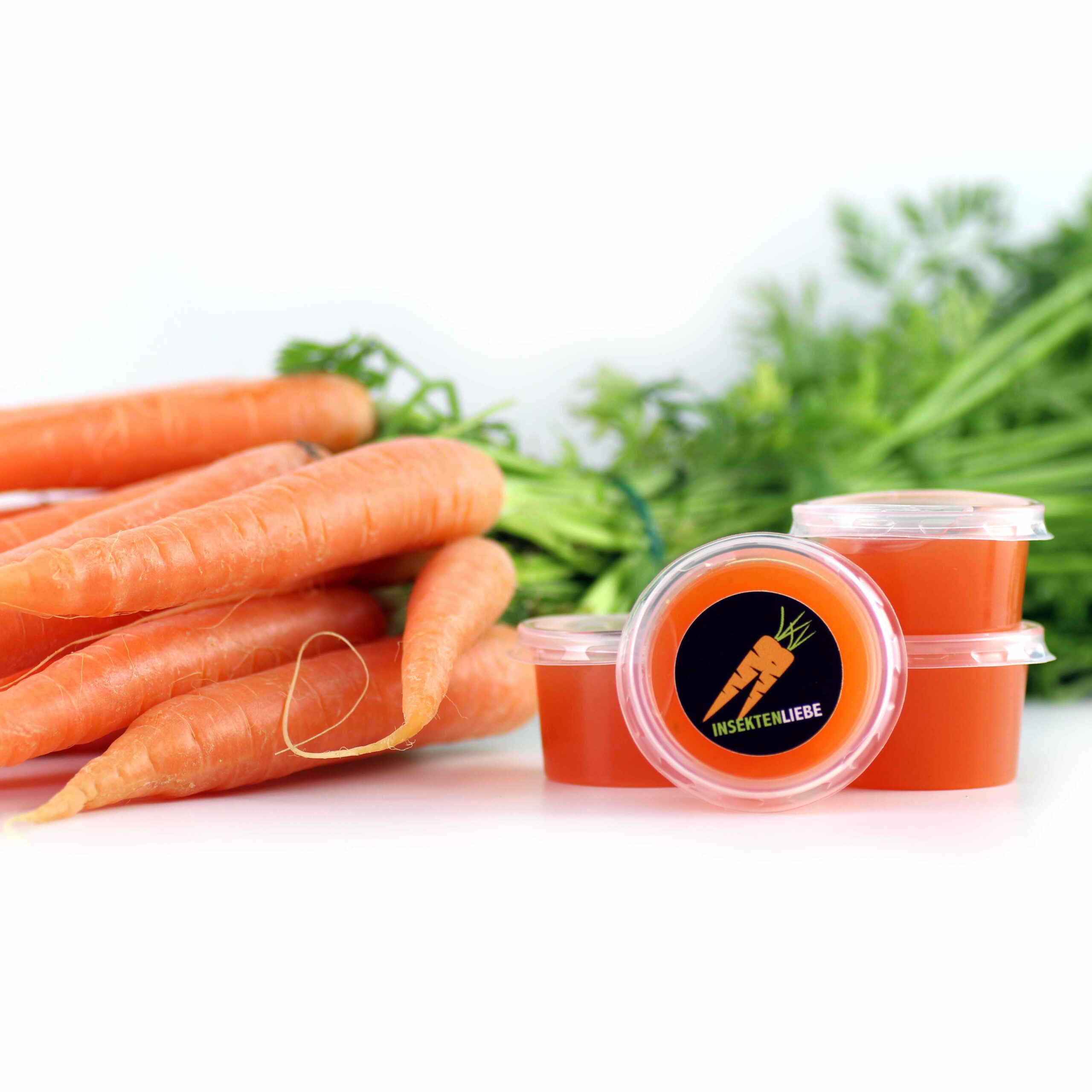
The diet of Pachnoda flaviventris is very simple: adult beetles feed mainly on sweet, ripe fruit, beetle jelly, honey water and gammarus, while the larvae live mainly in the substrate and feed on flake soil. This uncomplicated diet makes them easy to keep terrarium inhabitants that require little effort.
Pachnoda flaviventris are peaceful beetles that can easily be kept in groups. They exhibit active behavior and enrich your terrarium with their presence and interesting social behavior. Their activity during the day also makes them ideal objects for observation.
Breeding these rose chafer beetles is also quite easy and is usually reliable, which guarantees additional pleasure in keeping them.
Bring the colorful Pachnoda flaviventris into your terrarium and enjoy the sight of these impressive beetles, which offer you a fascinating insight into the world of rose chafer beetles.