Sale!

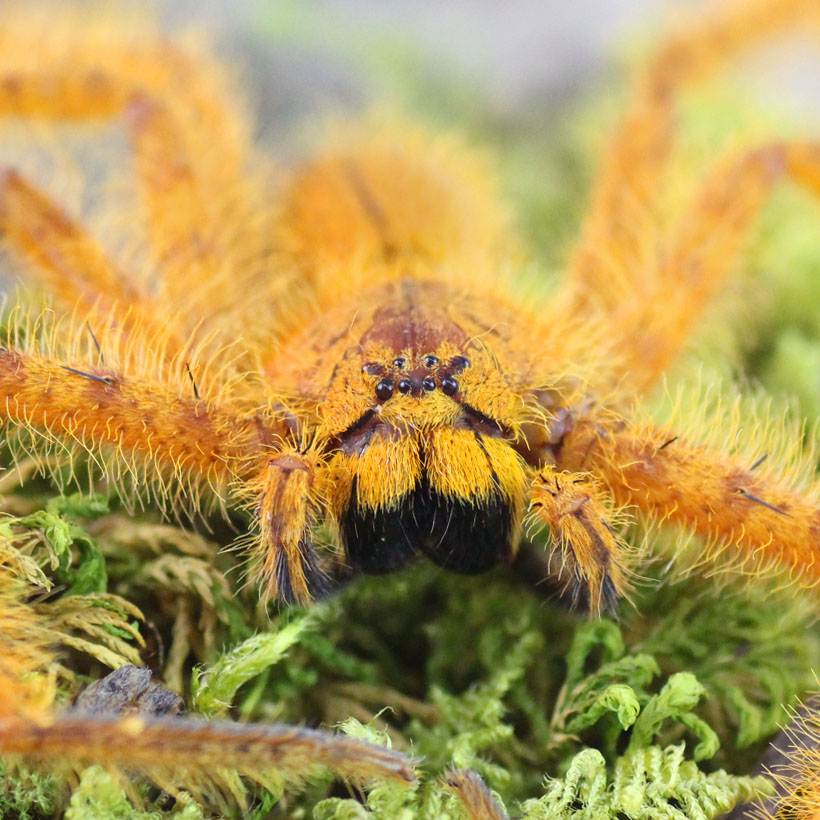
Heteropoda davidbowie
Price range: 10,00 € through 34,00 € incl. VAT, plus shipping

Medium

Malaysia

< 40 mm

24°C – 28°C
Heteropoda davidbowie – the extraordinary David Bowie spider
Heteropoda davidbowie is one of the most striking giant crab spiders in the Sparassidae family. The species was scientifically described by Peter Jäger in 2008 and named after the British musician David Bowie. However, there is more to this unusual name than just a tribute to an artist. Jäger deliberately chose prominent species names to draw additional attention to spiders, their habitats, and the loss of biodiversity.
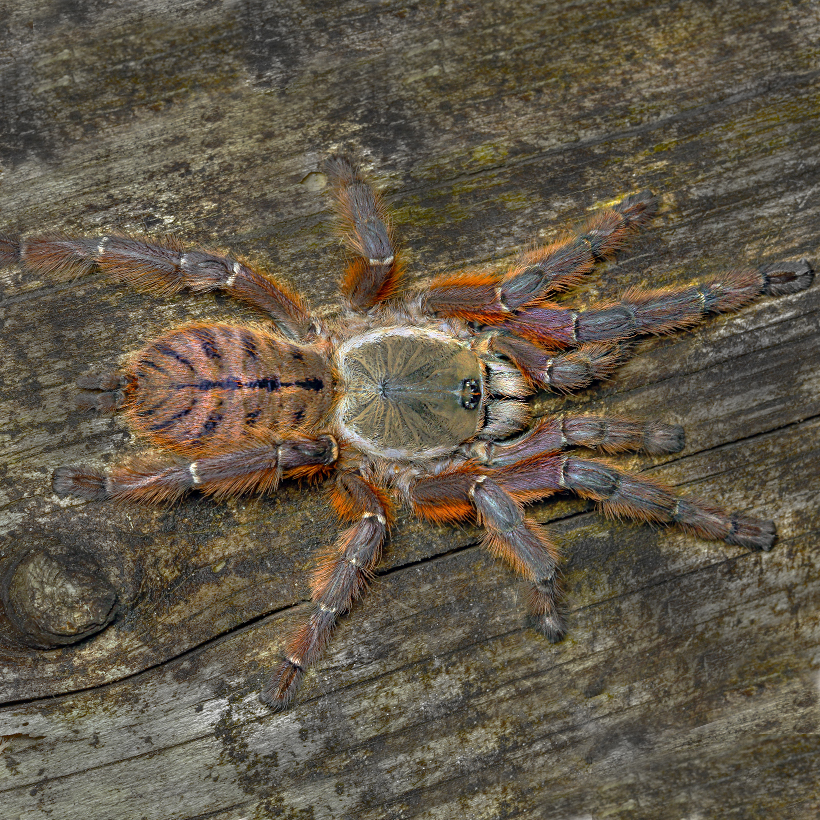
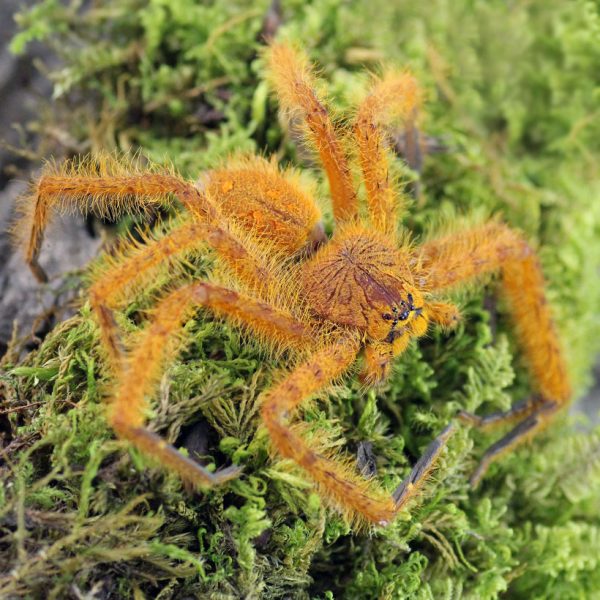
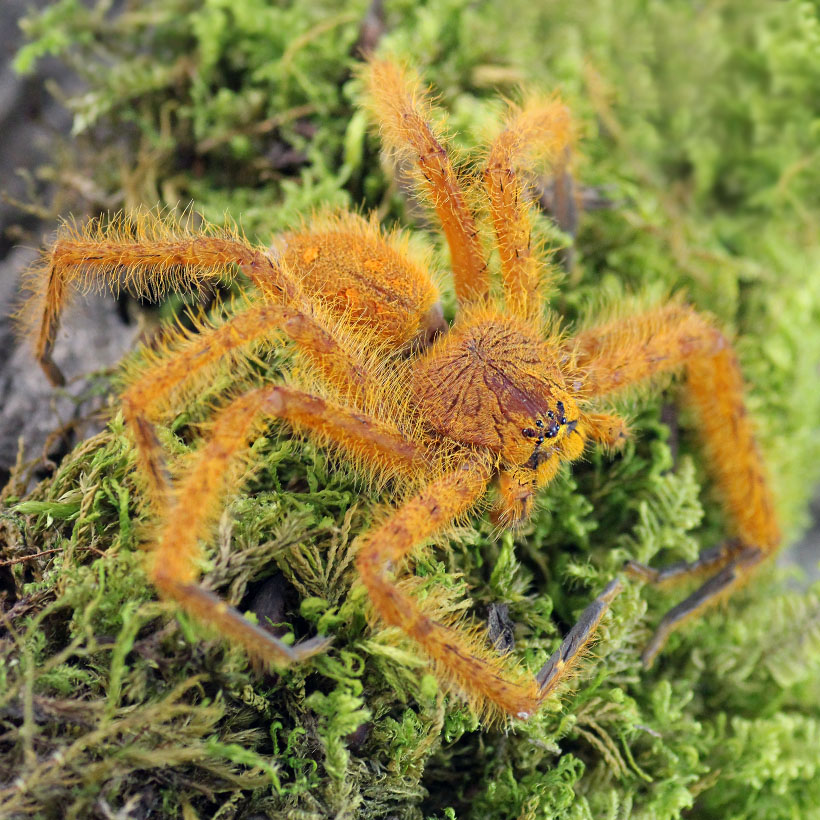
Visually, too, the name is a perfect fit. Its long orange hairs and bold markings, in particular, give Heteropoda davidbowie a striking appearance.
Then there’s their behavior. Giant crab spiders don’t just sit in a hiding spot and wait. They can react extremely quickly and actively hunt for prey. This makes this species quite a sight to watch in a terrarium.
Heteropoda davidbowie is native to Southeast Asia
The type locality of Heteropoda davidbowie is in the Cameron Highlands in Malaysia.
The World Spider Catalog currently lists this species as occurring in Malaysia, Singapore, and Sumatra in Indonesia. Other regional sources mention additional locations, but for an accurate product description, I would rely on the scientifically verified distribution provided by the World Spider Catalog.
These animals live in tropical habitats. Adult specimens are found on tree bark, among other places, while juveniles are more likely to be found closer to the ground, among leaves and low vegetation.
This difference can also be taken into account when setting up a terrarium.
Females reach a body length of 21–25 mm
Body size is well documented in the original scientific description.
Females reach a body length of approximately 21.3–25.3 mm. Males remain significantly smaller and slimmer, measuring about 15.3–18.2 mm.
However, the animal’s body length alone should not obscure just how large it actually appears. Giant crab spiders have long, laterally oriented legs. As a result, adult specimens occupy a significantly larger area.
That is precisely why the terrarium should not be chosen based solely on body length.
Her orange hair makes her stand out
The coloration of Heteropoda davidbowie is one of its most striking characteristics.
Males have an upper body that is predominantly reddish-brown. They also have light-colored patches and long, striking orange hairs.
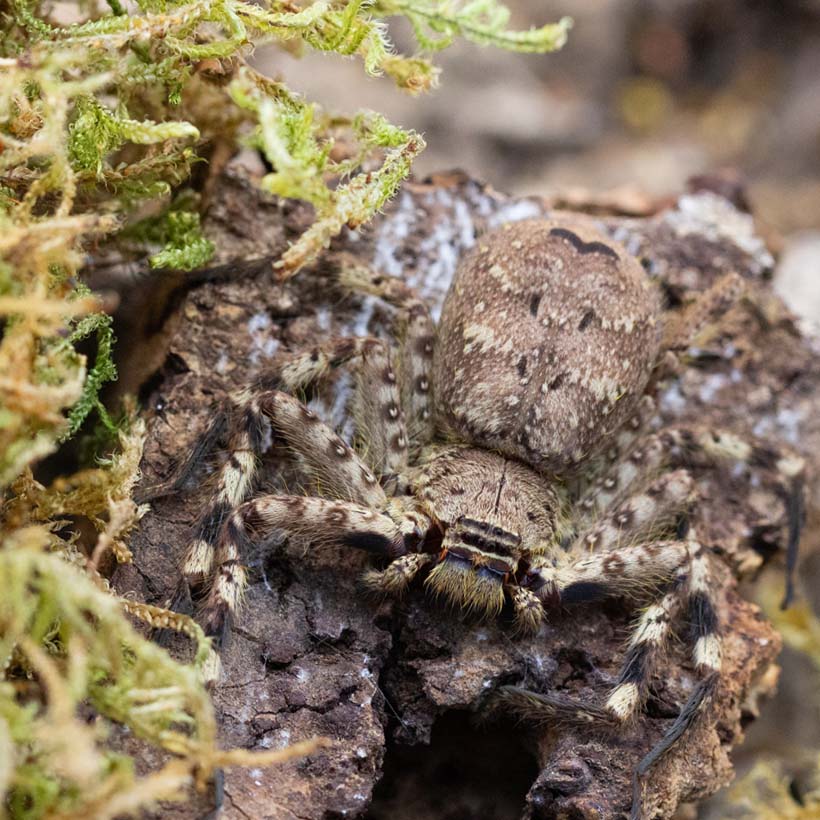
Females, on the other hand, can range in color from grayish-brown to reddish-brown. Their legs have a more distinct pattern, with darker areas on a lighter background.
As a result, males and females can look quite different.
At the same time, with this species, one should not expect every individual to develop exactly the same color intensity. Age, sex, and individual characteristics all influence the animal’s appearance.
Why is the spider actually named David Bowie?
The name wasn’t chosen at random.
German arachnologist Peter Jäger described the species in 2008 and named it after David Bowie. Both Bowie’s connection to spiders and his striking appearance played a role in the decision.
Of course, Bowie’s album *The Rise and Fall of Ziggy Stardust and the Spiders from Mars* is a particularly obvious choice.
Jäger also stated on several occasions that distinctive species names can help draw public attention to little-known species and their habitats.
So there is actually a small message about species conservation behind the name ” Heteropoda davidbowie.”
Young animals tend to stay hidden at first
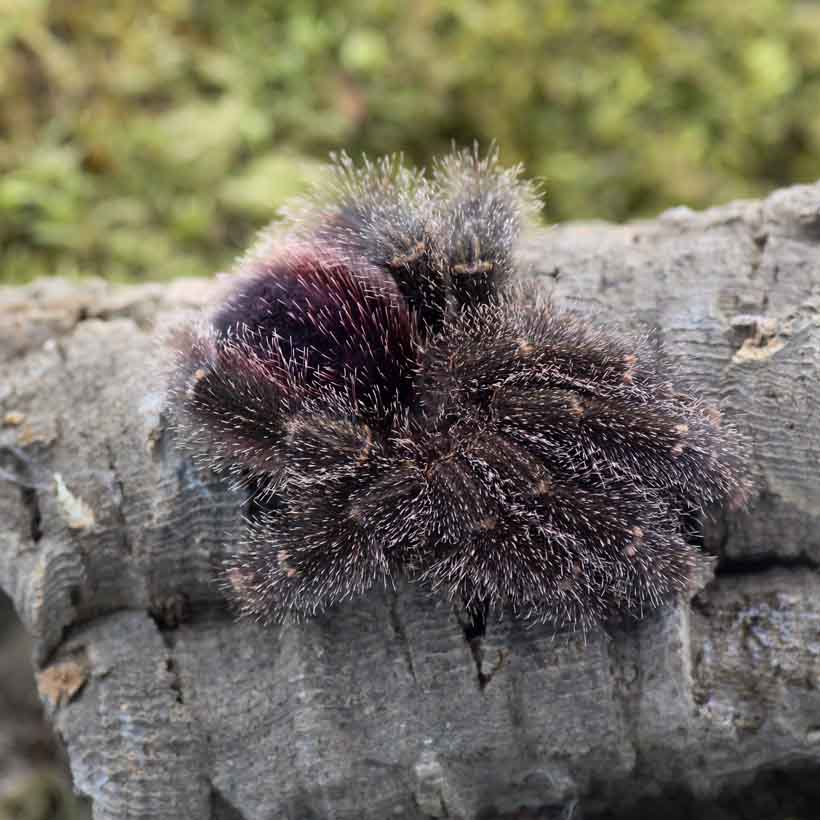
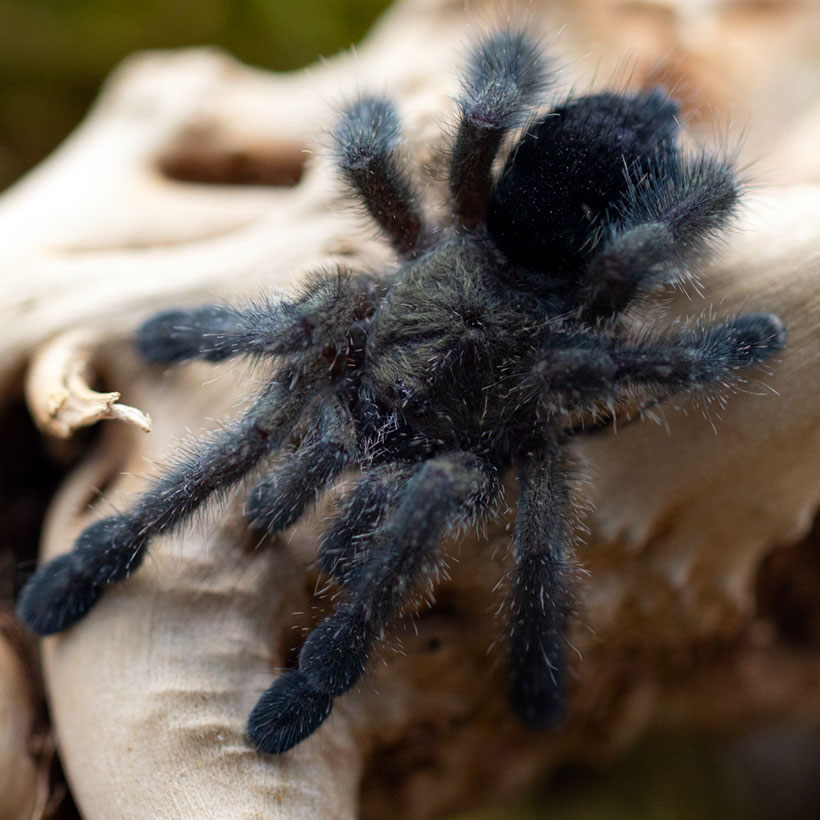
With our young animals, we initially observe behavior that tends to be close to the ground and reclusive.
They use leaves, cork, and small crevices for cover. This makes them feel protected and allows them to react to food from a safe position.
As they grow larger, their behavior changes significantly.
Starting around FH4, the animals can be observed in the open more frequently. At that stage, they like to perch on pieces of bark and other elevated structures.
Therefore, the enclosure should provide both hiding places near the ground and vertical surfaces.
A fast and confident huntress
Heteropoda davidbowie is one of the active hunters.
She doesn’t build a traditional trap, but relies on speed and a quick grab of her prey.
Suitable prey insects are often devoured with great determination. Even relatively strong prey can be overpowered.
It is precisely this behavior that makes the species interesting, but it requires attention when working in the terrarium.
Giant crab spiders can accelerate very quickly. That’s why you should open doors carefully and always know where the spider is at any given moment.
Better to watch than to touch
Heteropoda davidbowie is an animal that is observed.
Removing or handling the spider does not benefit either the spider or its owner. At the same time, it increases the risk that the fast-moving animal will escape or be injured during a sudden movement.
When working in the terrarium, we therefore recommend using tweezers that are long enough.
This allows you to move food scraps, shed skins, or small items of decor without having to reach unnecessarily close to the spider.
Terrarium measuring approximately 20 × 20 × 30 cm
For an adult animal, we recommend a terrarium measuring at least approximately 20 × 20 × 30 cm.
However, the furnishings should not be oriented exclusively toward the floor.
Cork bark, vertical pieces of bark, and other natural structures create elevated perches. At the same time, there should be leaves or other cover on the ground.
This creates different areas that the spider can use depending on its stage of development and the situation.
In addition, the terrarium must close securely. With a fast giant crab spider, you don’t want any unnecessary gaps or poorly secured openings.
Forest humus and sphagnum moss in a 3:1 ratio
For our setup, a substrate made of forest humus and sphagnum moss in a 3:1 ratio has proven effective.
Forest humus creates a loose and natural growing medium. Sphagnum moss can absorb moisture and slowly release it again.
This creates a slightly moist microclimate without having to keep the entire substrate constantly wet.
In addition, a layer of food leaves or dry leaves can provide further cover. Young animals, in particular, like to use such structures.
Water regularly, but avoid waterlogging
We lightly mist the terrarium about every two days.
This causes water droplets to form while maintaining a certain level of humidity. However, how often you actually need to mist the room also depends on ventilation, room temperature, and furnishings.
Therefore, “every two days” should not mean that a terrarium that is already wet is watered again.
The substrate may contain moisture, but it should never become waterlogged.
Good ventilation also ensures that excess moisture can escape.
Feed once a week
For our larger Heteropoda davidbowie, feeding them about once a week has proven effective.
Of course, the size of the prey is adjusted to match the size of the spider.
Young animals are fed smaller insects, while larger animals can handle correspondingly larger prey.
Nutritional status is also a key factor. An animal that is very well-nourished does not necessarily need to be fed again according to the schedule.
You should remove any uneaten live food. Especially when a molt is imminent, we don’t want any unnecessary disturbances in the terrarium.
Molting requires rest
Behavior can change significantly before a molt.
The spider may become even more reclusive and stop eating. In that case, you should not offer any additional food.
After molting, the new exoskeleton is soft at first.
The legs and mouthparts must also harden completely. Therefore, you should wait until the animal has fully hardened and is active again before feeding it again.
Calm and adequate moisture are especially important during this phase.
A cocoon can produce 100–150 young
The breeding of Heteropoda davidbowie is also impressive.
Based on our breeding experience, approximately 100–150 young insects can emerge from a single cocoon.
As a result, a successful breeding attempt quickly yields a large number of baby giant crab spiders.
The young animals can be raised together at first. However, we separate them by about FH3 at the latest, because as they grow larger, the risk of cannibalism also increases.
When raising chicks together from an early age, it is also important to provide sufficient space and appropriate feed.
Individual housing for larger animals
At the very latest, you should keep larger juveniles and adult Heteropoda davidbowie separately.
Even though several of these animals may tolerate each other’s presence for a time, they are predatory spiders.
Long-term socialization therefore carries an avoidable risk of cannibalism.
Keeping them individually also makes it easier to monitor their food intake, molting, and overall condition.
Advantages at a glance
- Heteropoda davidbowie Jäger, 2008
- Family Sparassidae
- Giant crab spider from Southeast Asia
- Scientifically confirmed distribution in Malaysia, Singapore, and Sumatra
- Type locality: Cameron Highlands, Malaysia
- Females are about 21.3–25.3 mm in body length
- Males: approximately 15.3–18.2 mm in body length
- Distinctive orange-colored hair
- A Fast and Active Huntress
- Young animals tend to stay closer to the ground at first
- Can be observed more frequently in an open state starting around FH4
- Terrarium measuring approximately 20 × 20 × 30 cm
- Substrate made of forest humus and sphagnum moss in a 3:1 ratio
- Lightly spray about every two days
- Avoid waterlogging
- Feed larger animals about once a week
- Based on our breeding experience, cocoons contain about 100–150 young
- Joint rearing is possible at first
- Separation starting around FH3
- Keep larger animals separately
Suitable accessories for your setup
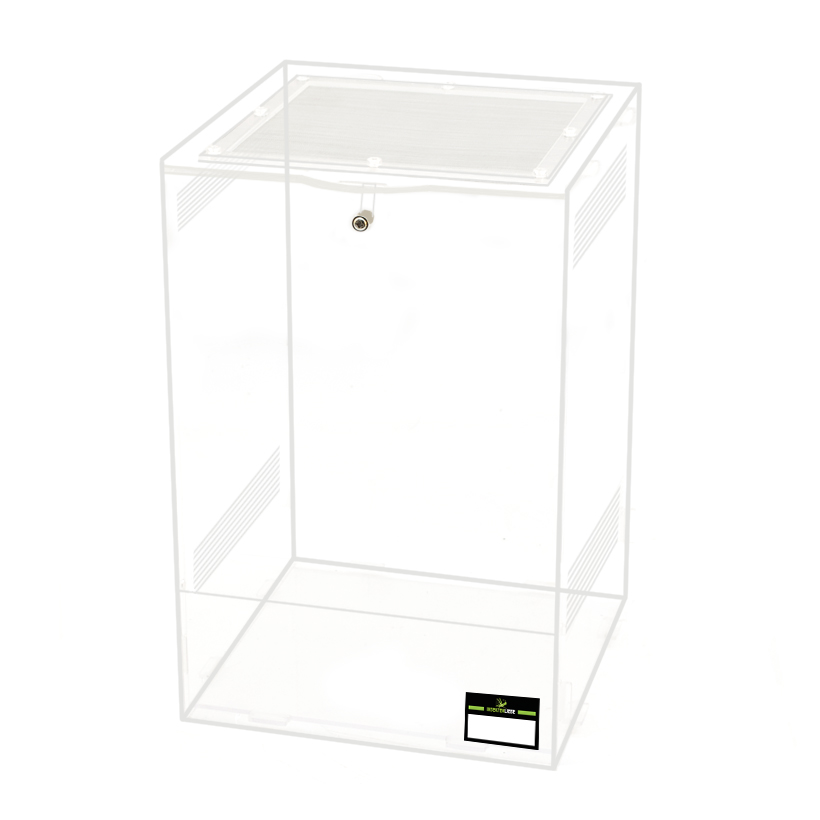
Insektenliebe Acrylic Terrarium – provides ample space for an adult Heteropoda davidbowie and allows for a structurally rich setup with vertical climbing surfaces.
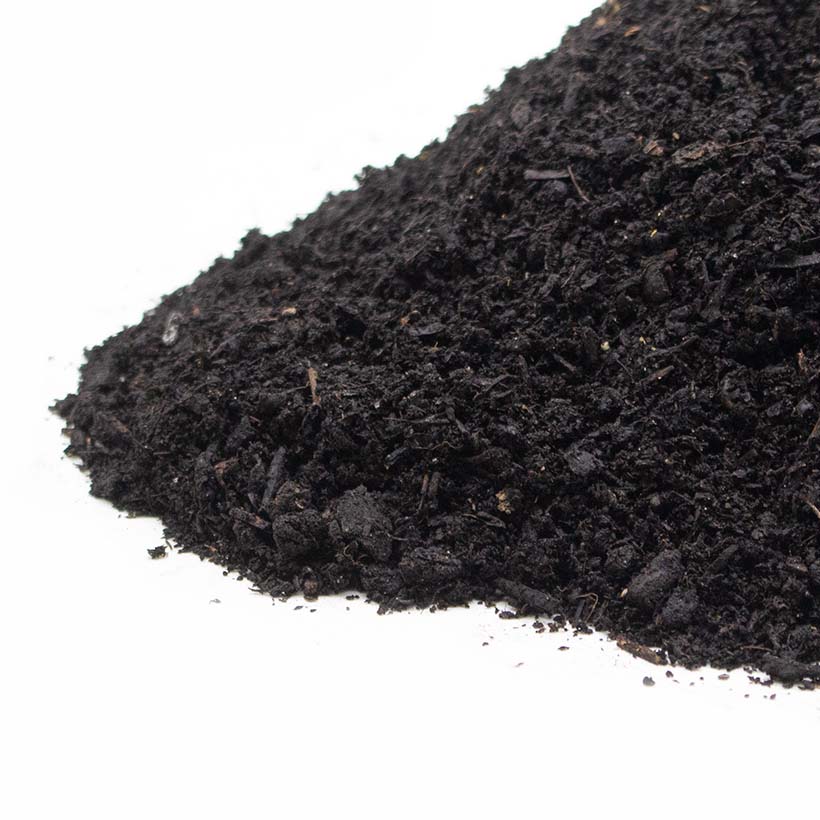
Forest humus —forms the basis of the substrate and can be combined with sphagnum moss to create our tried-and-true mixture.
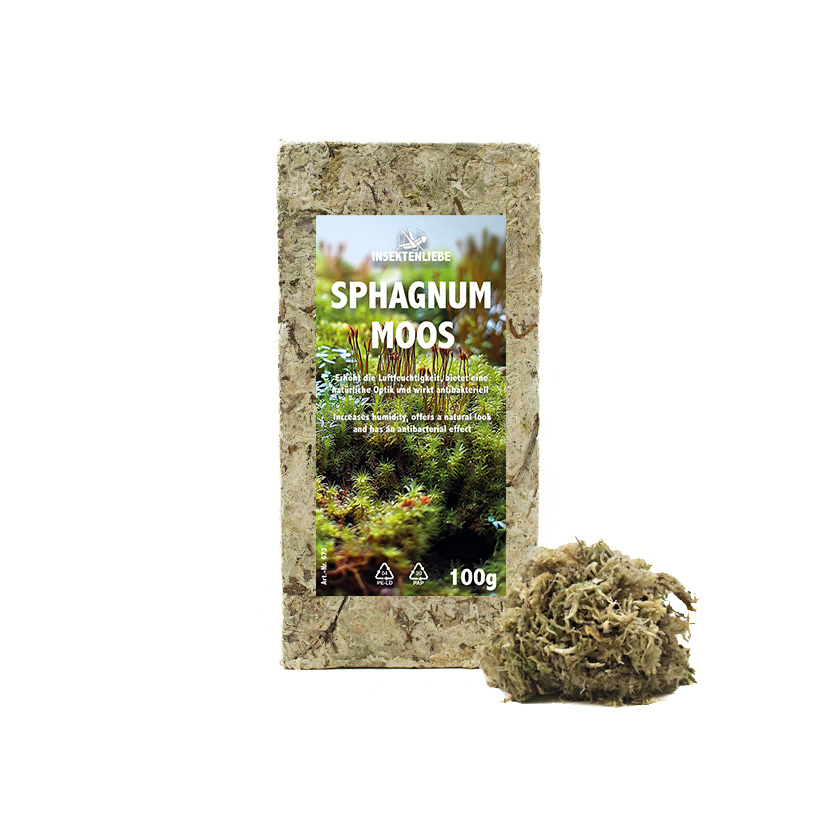
Insektenliebe Sphagnum Moss —is mixed with forest humus in a 3:1 ratio and helps retain moisture in the substrate.
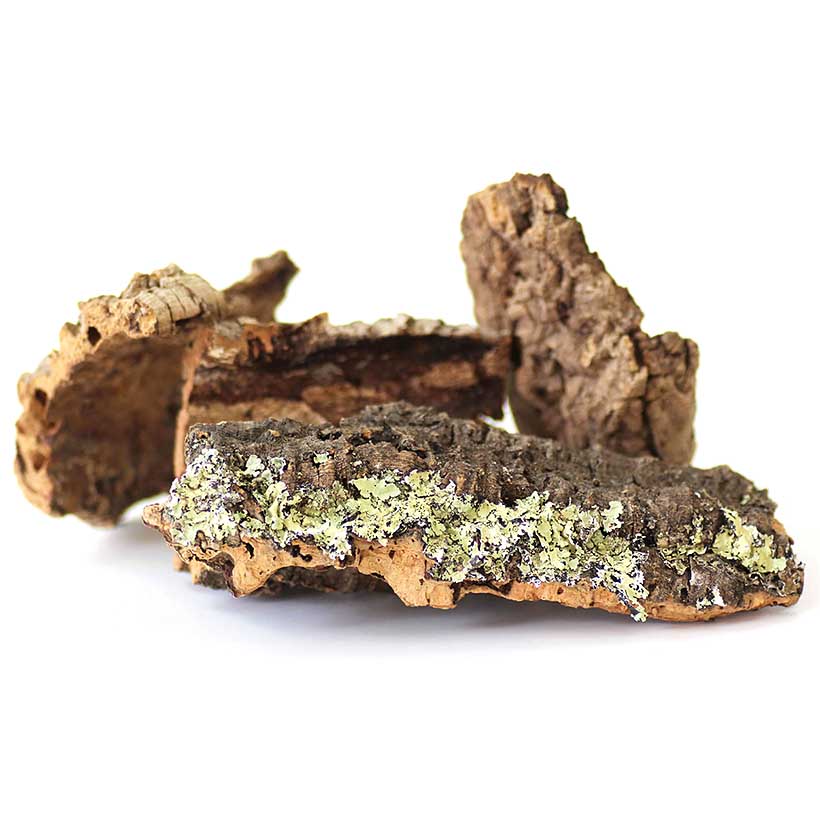
Cork bark —creates natural hiding spots as well as vertical perches and hunting platforms that are particularly popular with larger animals.
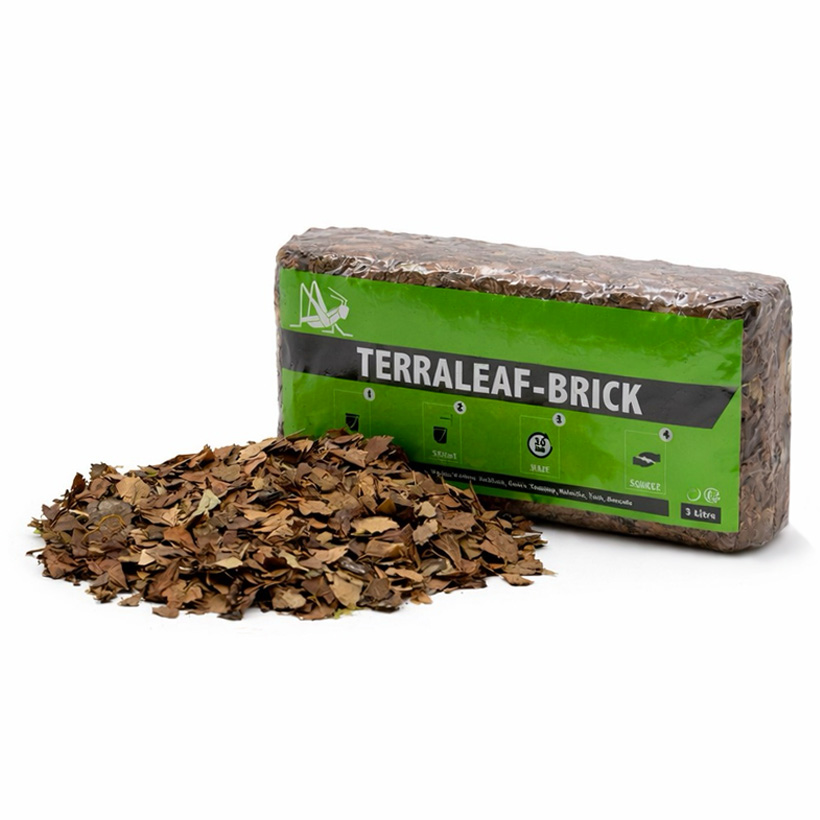
Insektenliebe Terraleaf-Brick —provides additional ground-level cover, especially for young animals, while also promoting a more natural soil structure.
Insektenliebe Tropical Rain —ideal for regularly lightly misting the terrarium and reducing lime scale buildup on the glass and interior decorations.
Conclusion
Heteropoda davidbowie combines an extraordinary appearance with active behavior. Its orange-colored body hair, long legs, and tremendous speed, in particular, make this giant crab spider a fascinating creature to observe.
At the same time, there is an interesting story behind its name. Peter Jäger named the species after David Bowie in 2008 and also used the famous name to raise awareness about biodiversity and the loss of natural habitats.
For keeping these animals, we recommend a terrarium measuring at least approximately 20 × 20 × 30 cm, a varied environment, and a substrate made of forest humus and sphagnum moss in a 3:1 ratio. Cork bark and leaves provide additional hiding spots and hunting areas.
If you’re looking for a quiet spider that stays in its hiding place for weeks on end, Heteropoda davidbowie isn’t the right choice. On the other hand, if you want to observe quick hunting reflexes, a striking appearance, and an extraordinary Southeast Asian giant crab spider, this species makes for a truly exciting terrarium pet.
Perfect combined with
-
Insektenliebe acrylic terrarium
Price range: 13,99 € through 25,69 € incl. VAT, plus shipping -
Insektenliebe Terraleaf Brick
Original price was: 8,99 €.6,99 €Current price is: 6,99 €. incl. VAT, plus shipping -
Insektenliebe Sphagnum Moss
Price range: 4,99 € through 16,99 € incl. VAT, plus shipping