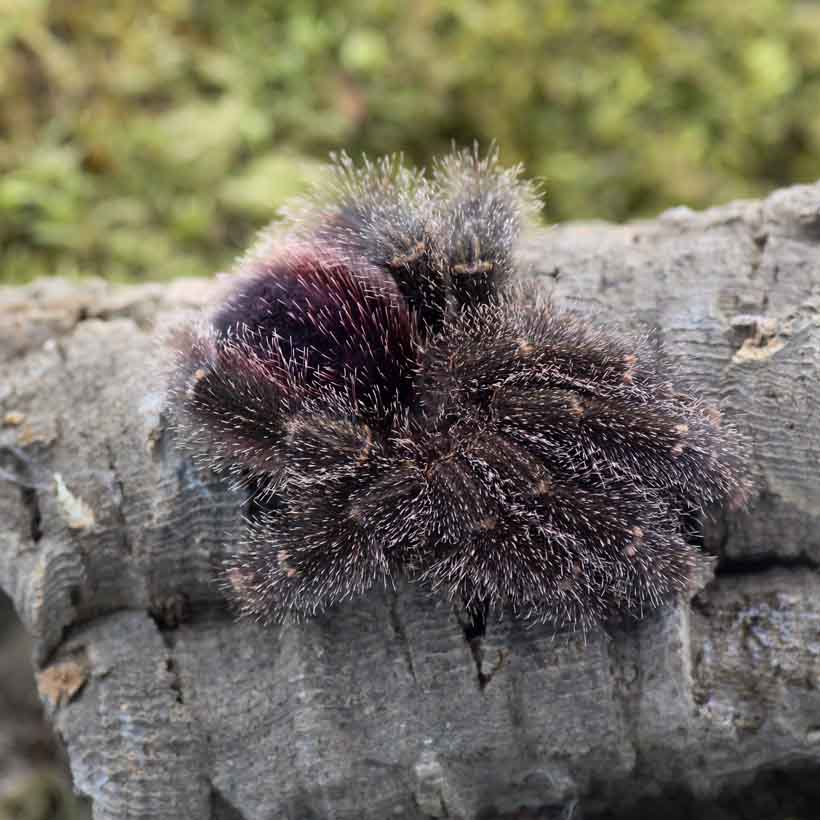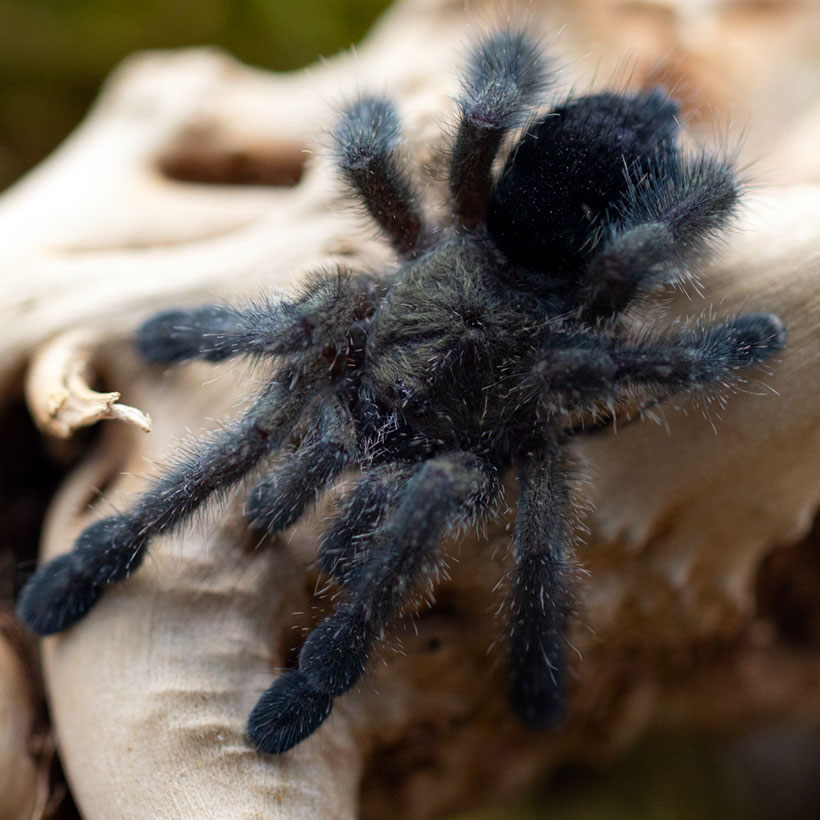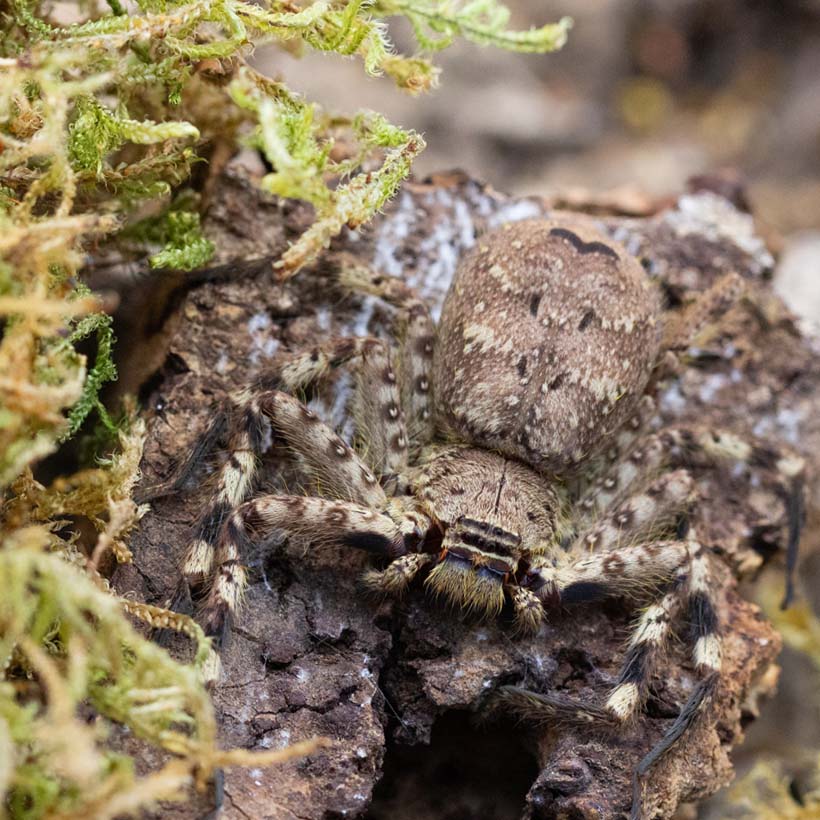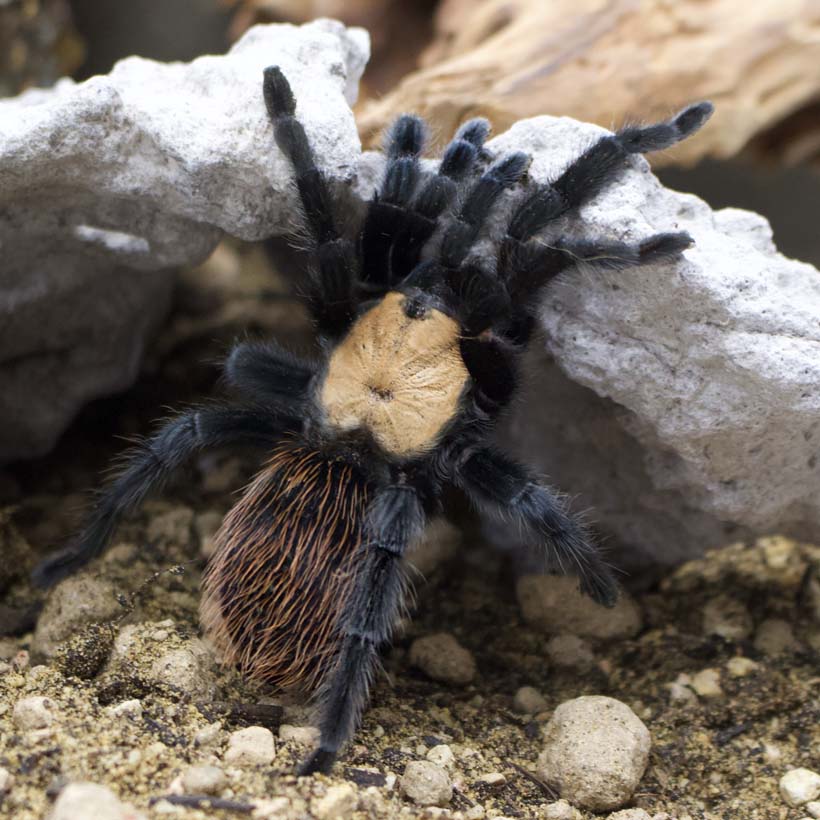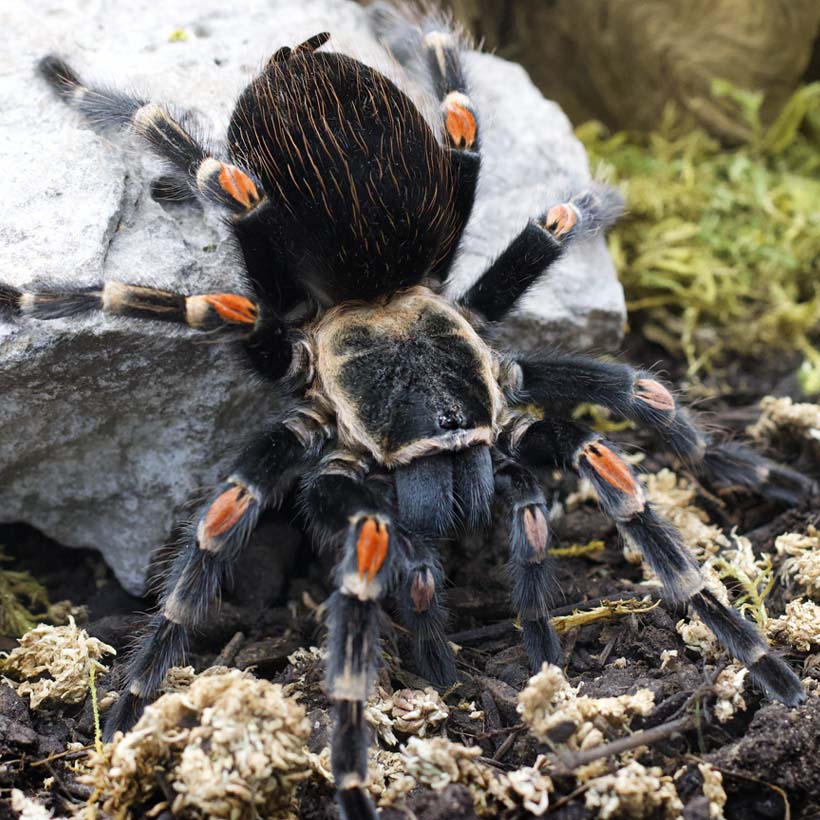
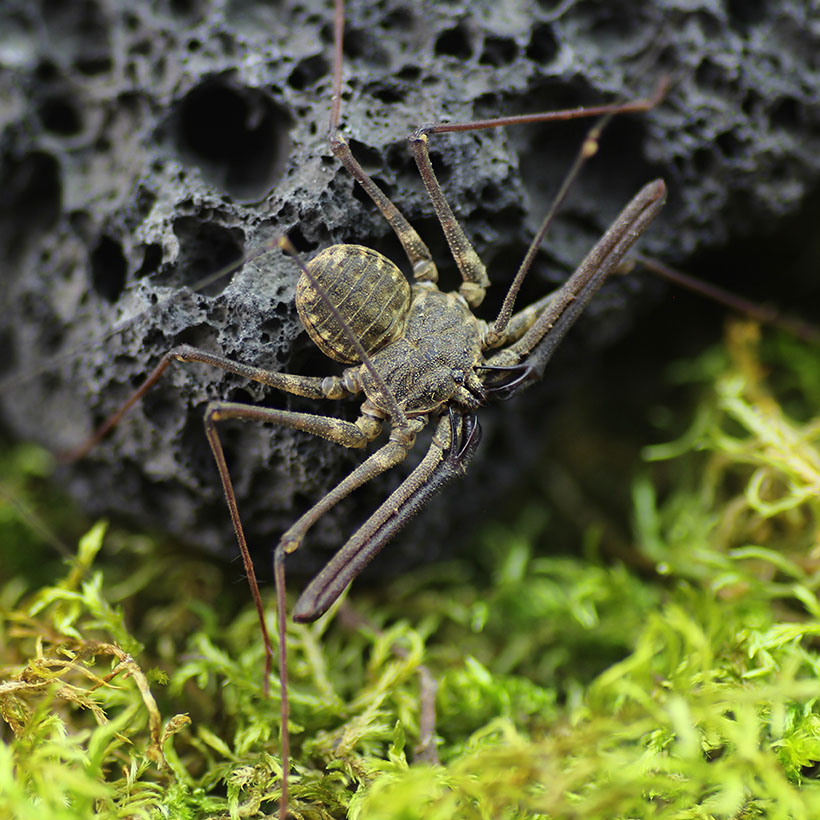
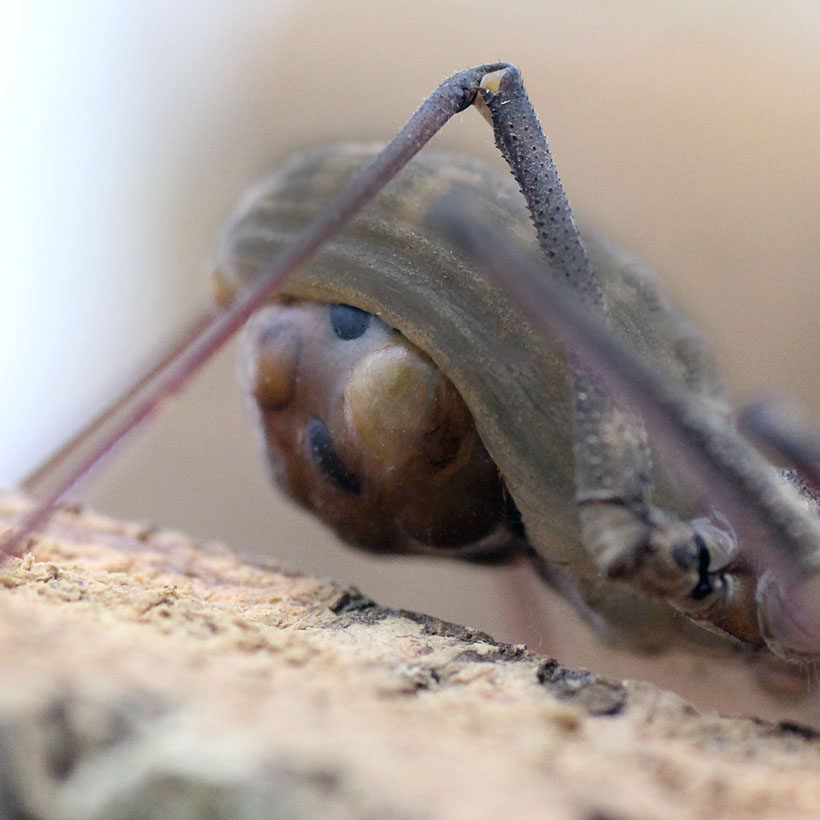

Euphrynichus bacillifer “scourge spider”
32,00 € incl. VAT, plus shipping

Simple

South Africa

< 50 mm

28°C – 30°C
Euphrynichus bacillifer from Africa – Social and exceptional
Euphrynichus bacilliferalso known as flagellate spidercomes from a large distribution area between Central and South Africa. Due to this wide distribution, the animals are comparatively adaptable in keeping, which means that minor fluctuations in climate or humidity are usually well tolerated.
Nevertheless, the species needs a constantly warm and humid climate to remain active and healthy in the long term.
Appearance and behavior
Typical for flagellate spiders Euphrynichus bacillifer a flat body. This allows it to fit easily into narrow crevices and tight hiding places, which it prefers to use during the day.
Their behavior at night is particularly fascinating. Then the animals move sideways through the terrarium while actively scanning their surroundings with their long flagella.
It is precisely this behavior that makes flagellate spiders one of the most exciting groups in the terrarium hobby.
Terrarium size and set-up
Suitable for keeping is a well ventilated and structured terrarium with as much climbing and hiding space as possible.
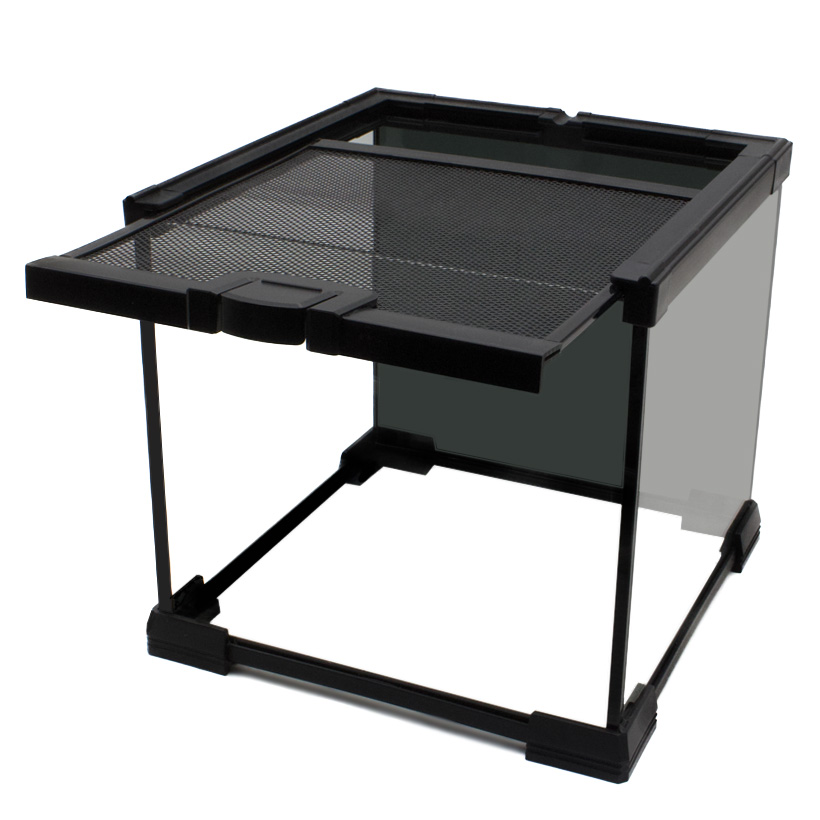
For smaller groups, a Repto Terra Sky Terrariumas it offers good air circulation and at the same time sufficient structural possibilities.
As the animals like to sit in crevices, you should provide plenty of hiding places. These have proved particularly effective:
- layered cork barks
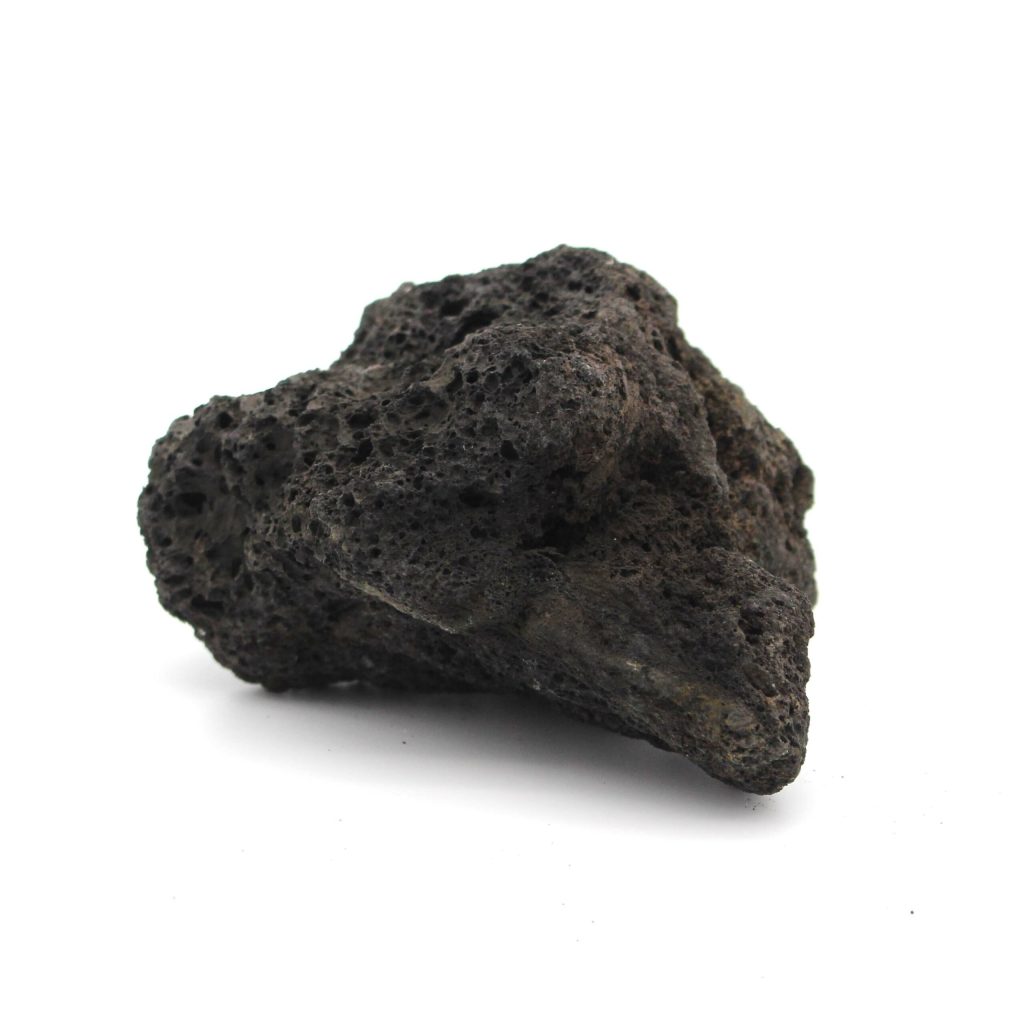
- heaped lava stones
- Cork bark and cork tubes
- Structured back panels
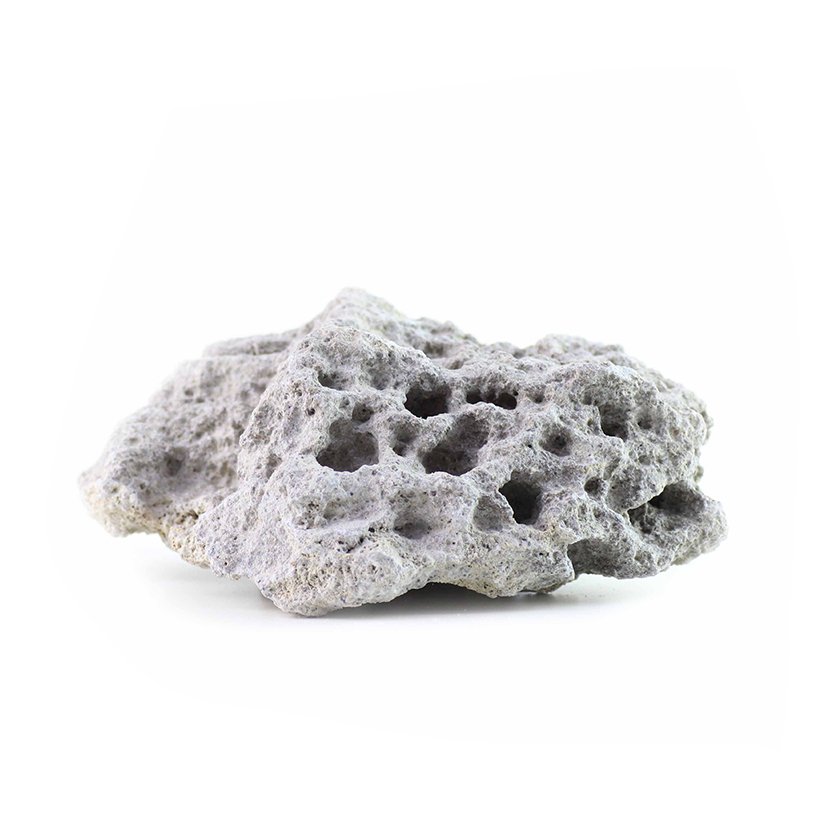
Straight lava stones are very practical as they store moisture and slowly release it back into the environment.
Substrate and bioactive setup
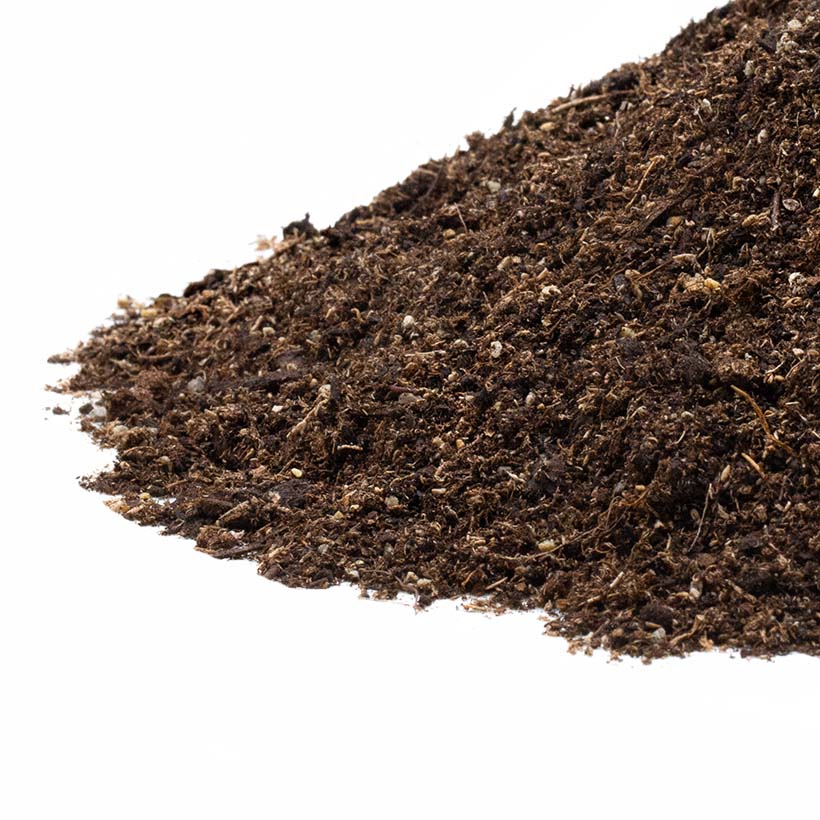
A mixture of is particularly suitable as a substrate:
- Tarantula substrate
- Insektenliebe Terraleaf Brick
This creates a natural and permanently stable soil environment.
We also recommend the use of springtails as soil police. They help to reduce food residues and mold.
Of particular interest is the association with Porcellio scaber. This soft-shelled isopod species is regularly accepted as food by the flagellate spiders, creating an almost self-sufficient food source in the terrarium.
Climate and care
Euphrynichus bacillifer requires a warm and humid climate:
- Temperature: 28-30 °C
- Humidity: 80-95 %
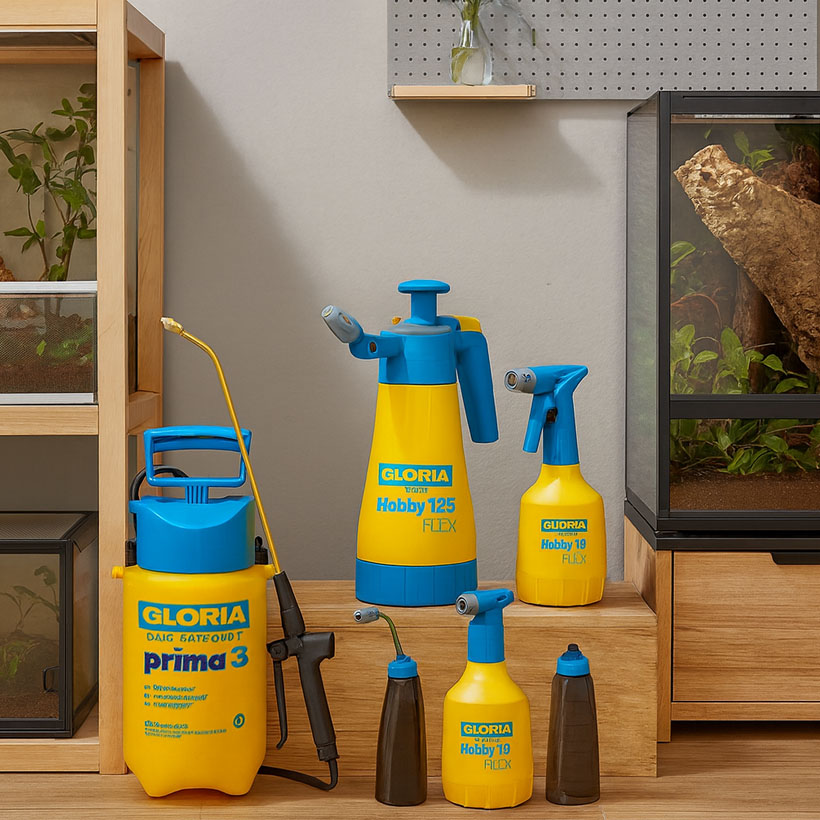
Regular spraying is important to ensure that the high humidity remains stable. With a GLORIA fine sprayer can be used to distribute the moisture particularly finely.
A shallow water dish with stones should also be offered, as the animals will actively drink from it.
Group housing and social behavior
In contrast to many other predatory species Euphrynichus bacillifer is surprisingly social.
We have not observed any cannibalism so far, which is why the animals are ideal for keeping in groups.
This is exactly what makes the species particularly exciting for larger and structurally rich terrariums.
Offspring
As soon as both sexes are kept together, breeding often occurs automatically.
The juveniles initially remain on the back of the female until their first moult. They should then be separated and raised together in a juvenile group.
Important points on posture
- High humidity required
- Lots of hiding places and crevices important
- Very suitable for group housing
- Nocturnal and exciting to watch
- Bioactive setups work excellently
Suitable accessories for your setup
We recommend a stable and natural setup:
- Insektenliebe terrarium – Ideal ventilation and structure options
- Tarantula substrate – natural substrate
- Insektenliebe Terraleaf-Brick – supports the microclimate
- Premium lava stone – Structure and moisture retention
- springtails – natural soil police
- Porcellio scaber – ideal food source in the setup
- Gray lava stone – store moisture and create hiding places
- GLORIA fine sprayer – for constant humidity
This combination ensures a stable, moist and long-term functioning terrarium.
Conclusion
Euphrynichus bacillifer is an extraordinary and fascinating flagellate spider that inspires with its behavior and social attitude.
The combination of exciting nocturnal activity, group keeping and impressive appearance makes this species a real highlight for all lovers of special terrarium animals.
Perfect combined with
-
Insektenliebe Terrarium
Price range: 34,99 € through 54,98 € incl. VAT, plus shipping