Cubaris spec. “Blind Saturn”
8,00 € incl. VAT, plus shipping
Sales Unit: 1 animal
Sales Unit: 1 animal
In stock

Medium

Thailand

< 12 mm

22°C – 26°C
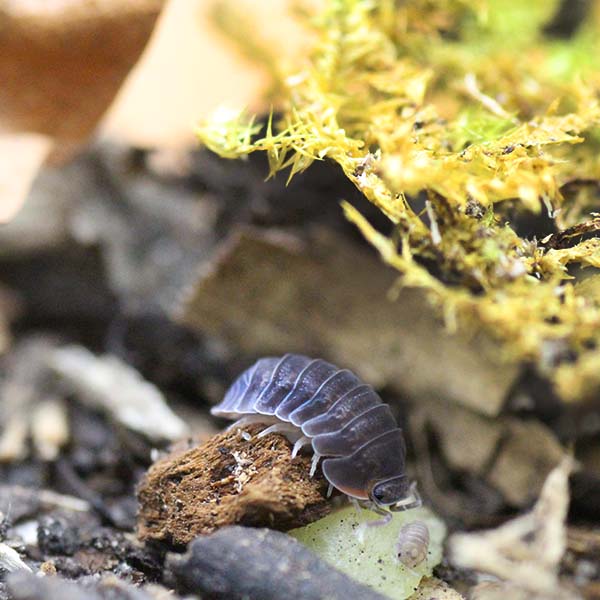
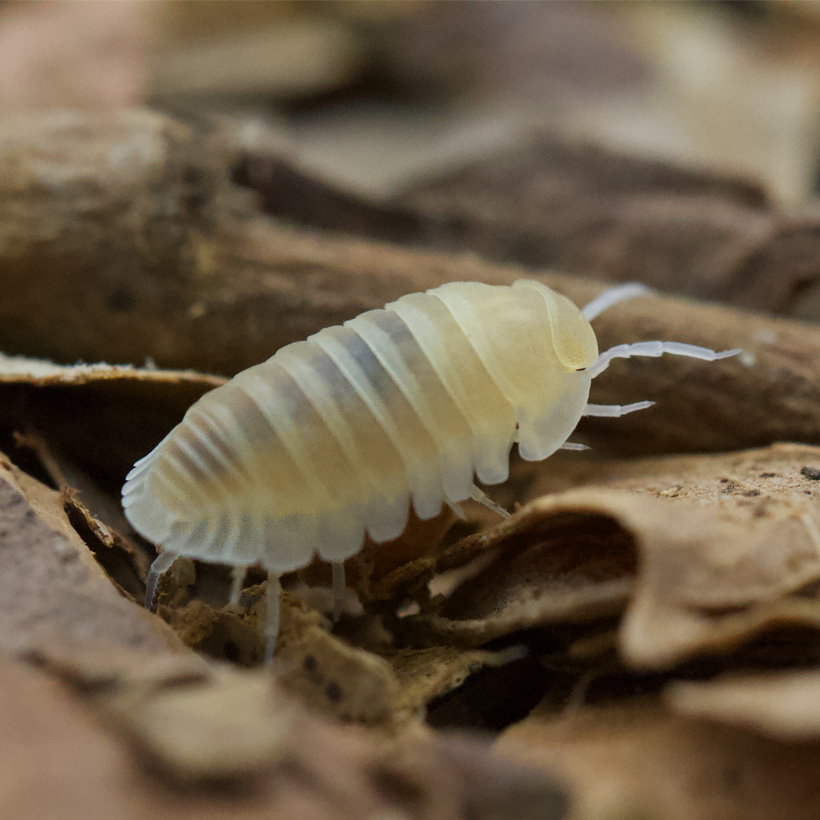
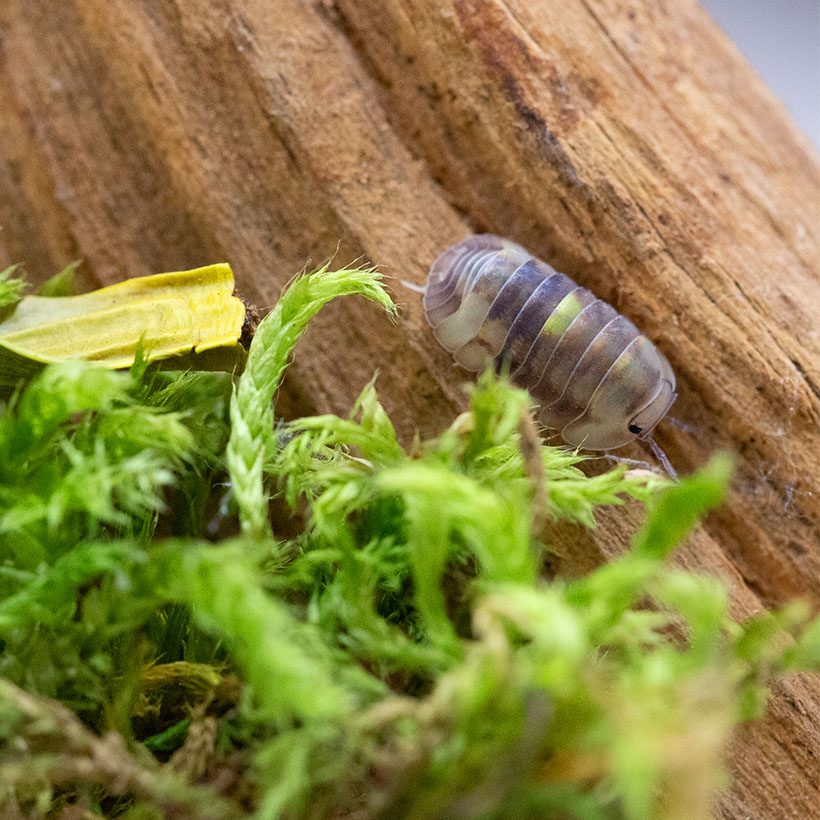
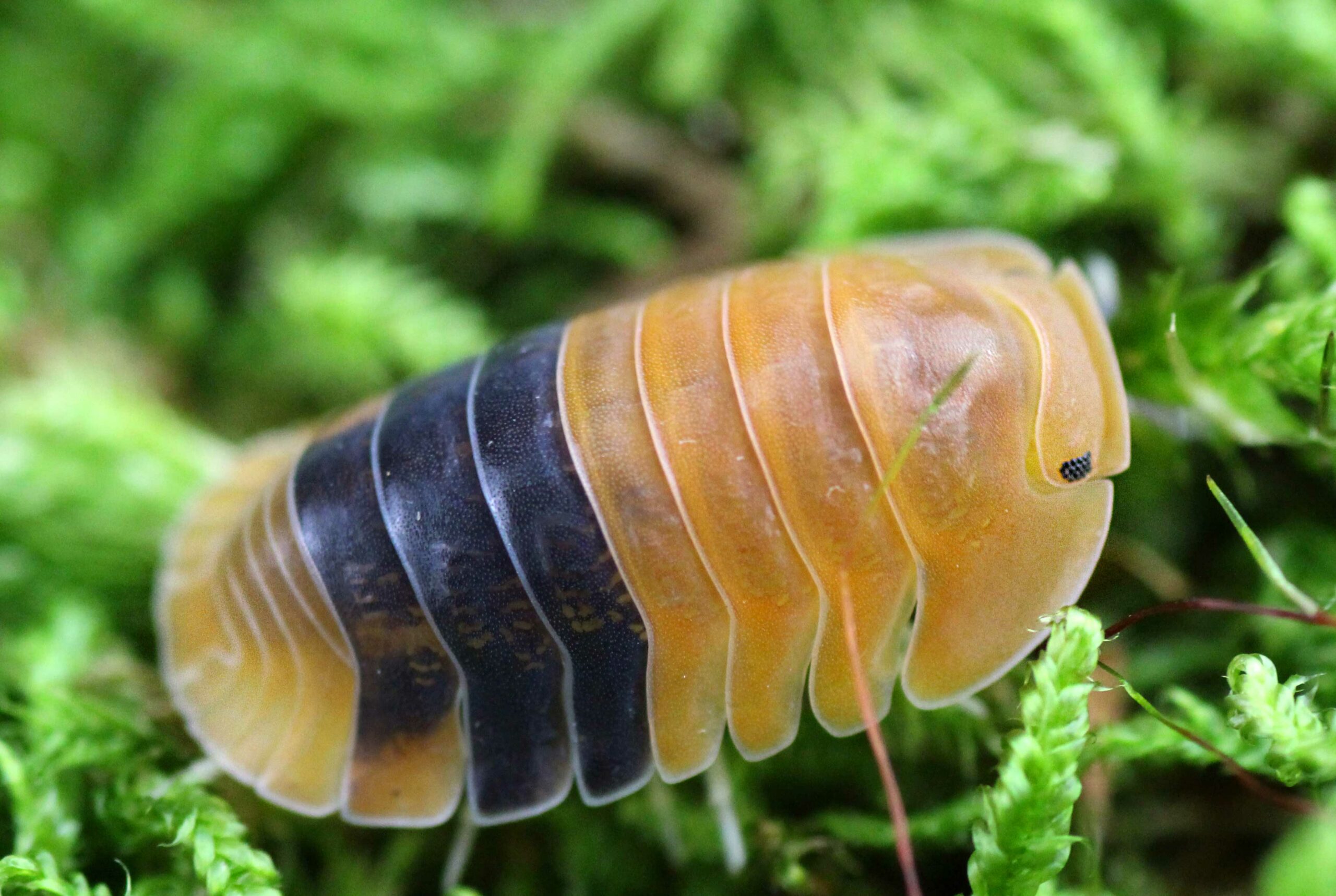
Cubaris spec. “Blind Saturn” – a light-colored roly-poly with delicate details
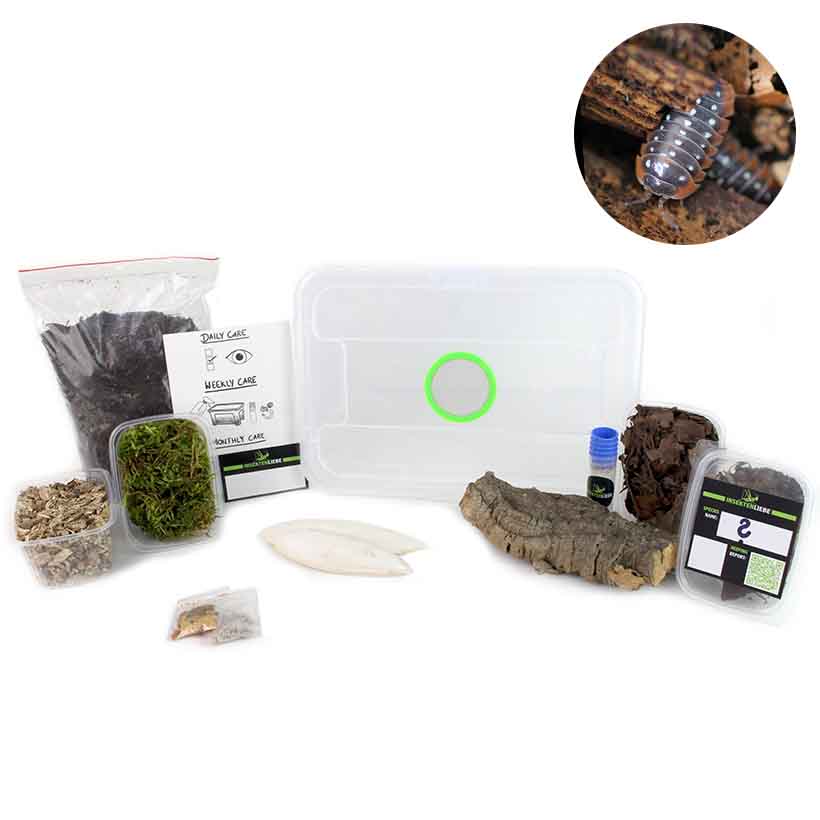
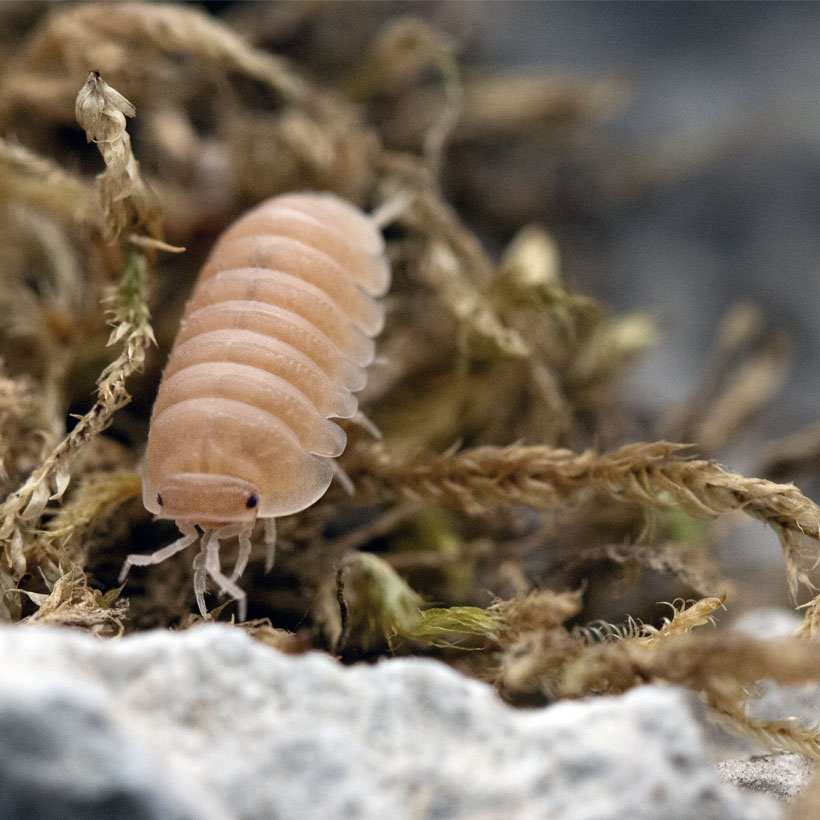
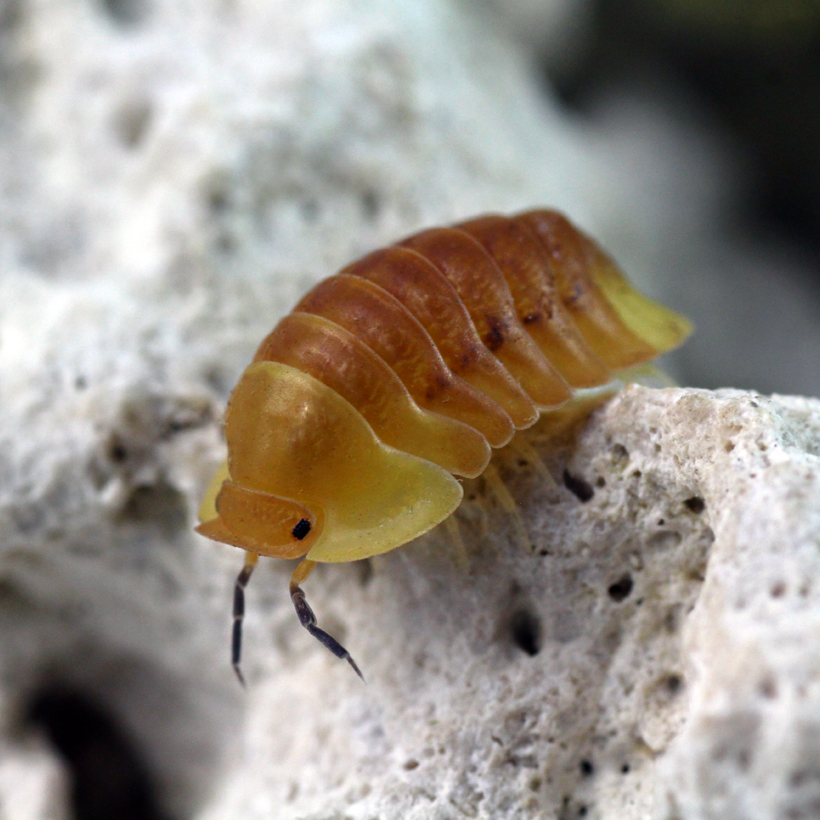
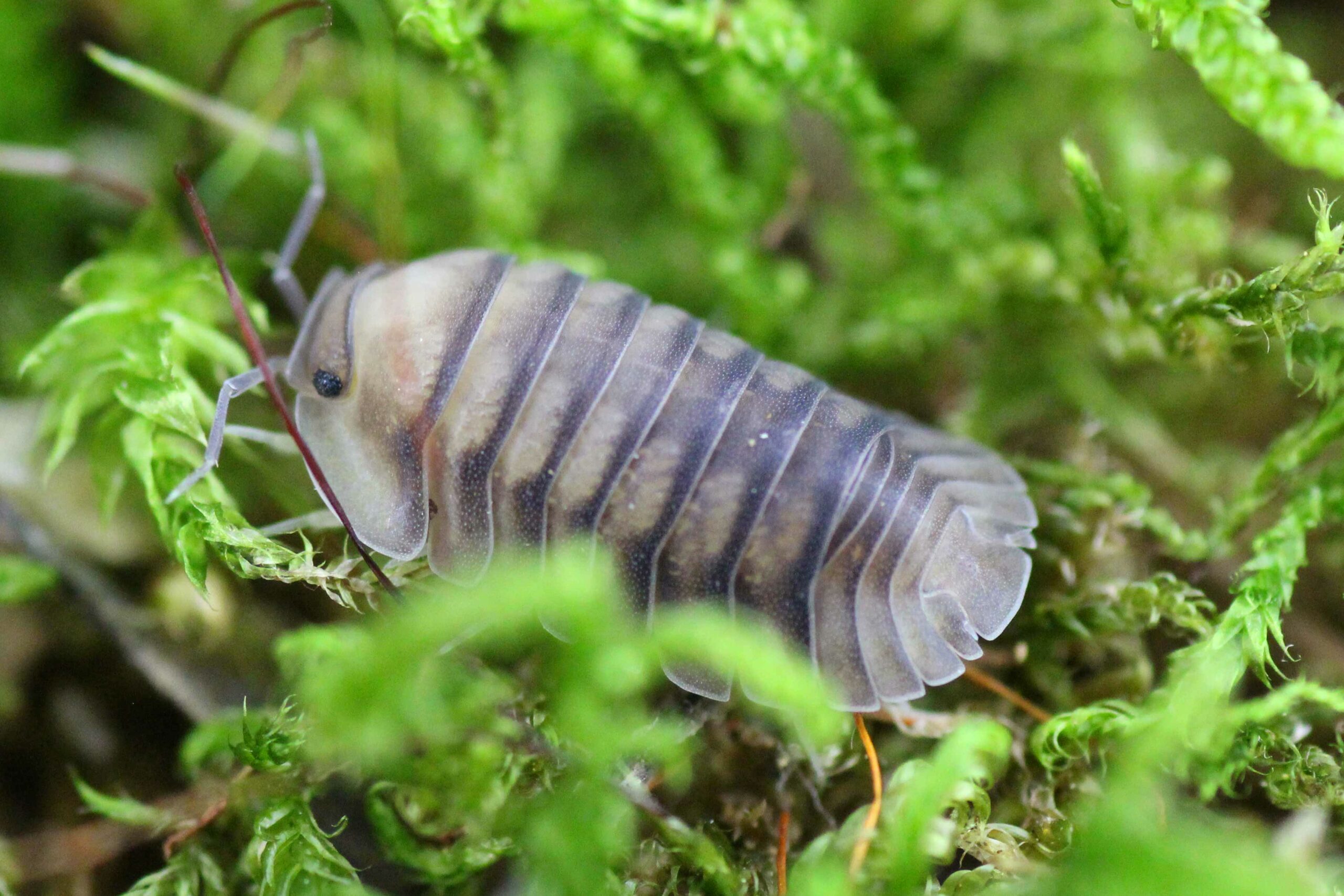
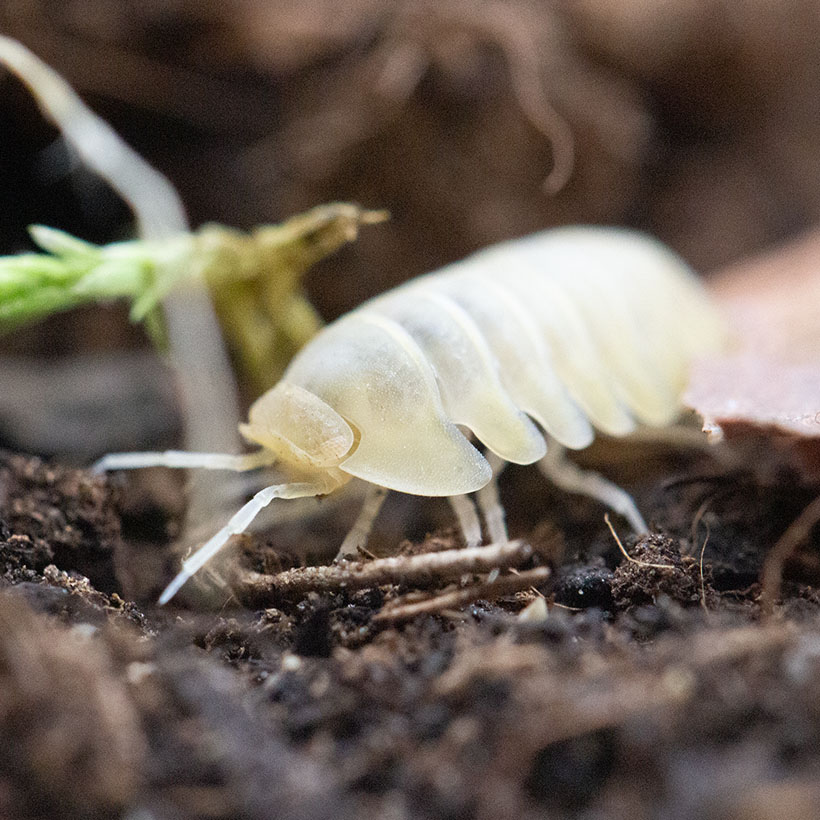
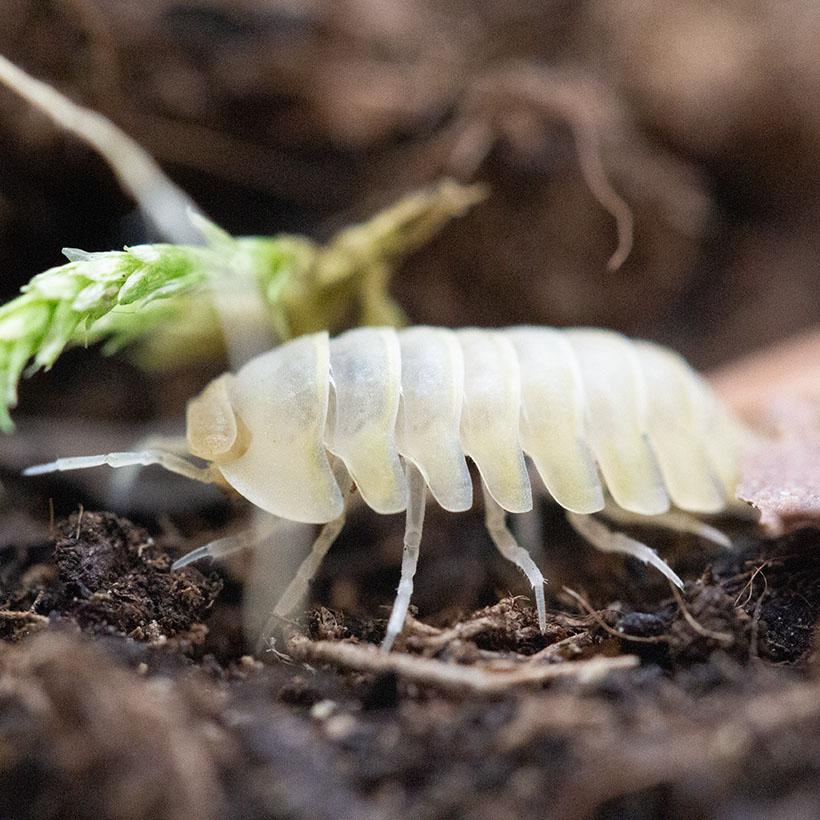
Almost ivory-white and slightly translucent at the edges. The first thing you notice about Cubaris spec. “Blind Saturn” is its light-colored dorsal plates. But in our close-up, it’s worth taking a look at the head. There’s a small cluster of light-colored, rounded structures that look like pale eye facets. As inconspicuous as they are, it’s precisely this detail that makes the isopod particularly fascinating under a magnifying glass.
Is “Blind Saturn” really blind?
“Blind Saturn” is the name by which this woodlouse is known commercially. The light-colored structures in our photo could be eye facets. Whether they actually are eye facets and whether the animals use them to perceive light remains unclear. Nor has its natural habitat been reliably documented to date. Therefore, the question remains whether these Isopods are found inside or outside caves.
How to Set Up the Woodlouse Box
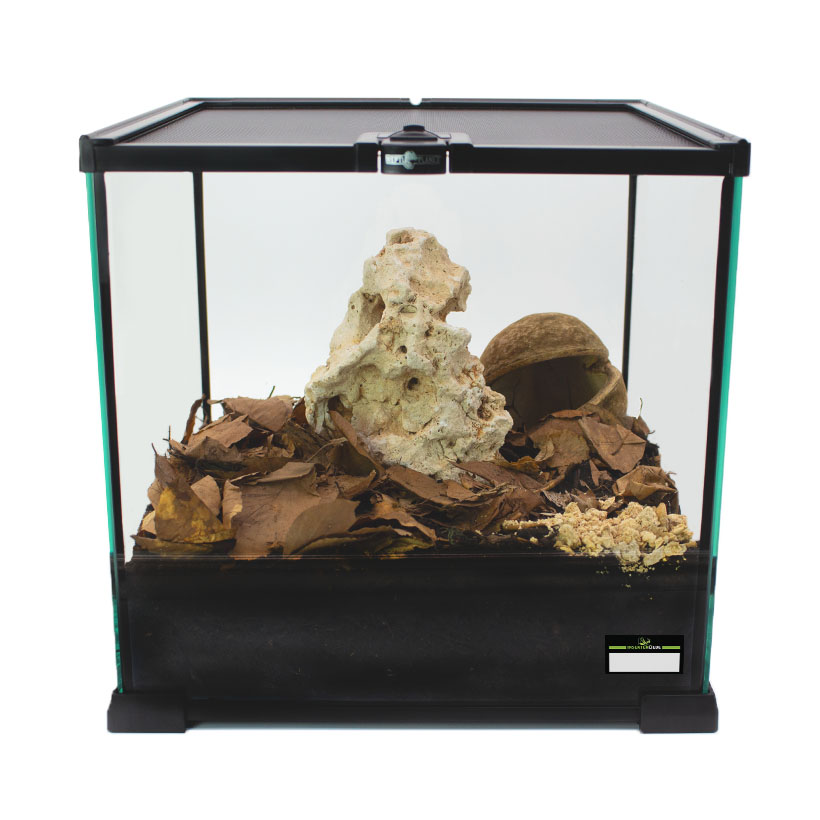
For a small starter colony, you can use a ventilated 5-liter box measuring approximately 28 × 19 × 14 cm (W × D × H). The floor space is key. It should accommodate a moist refuge, a slightly drier area, and several hiding spots. As the colony grows, you can provide it with a larger box that offers more floor space.
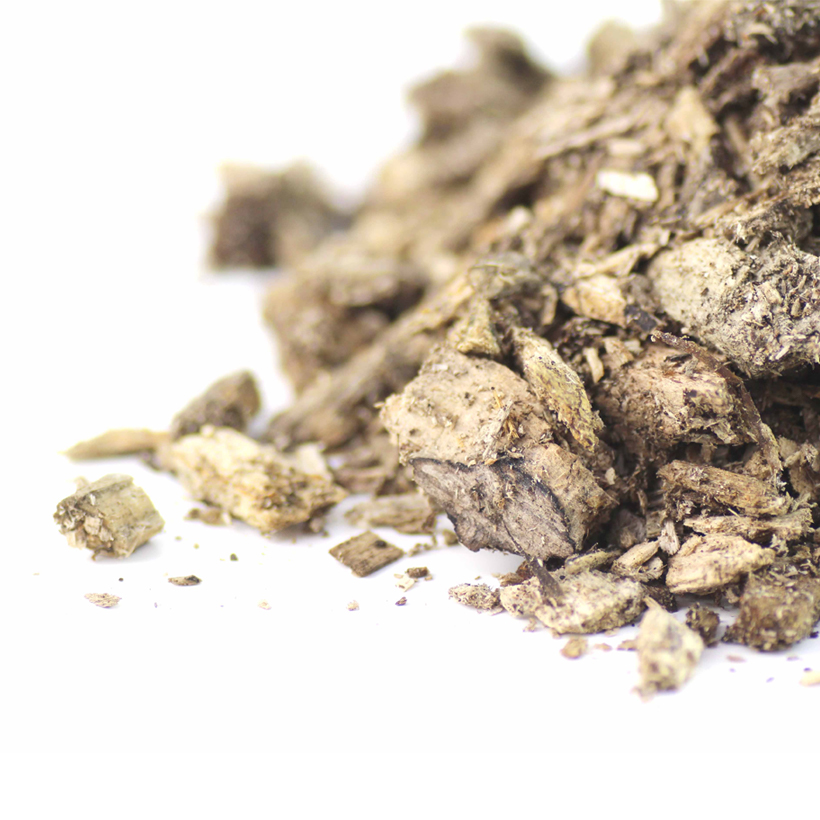
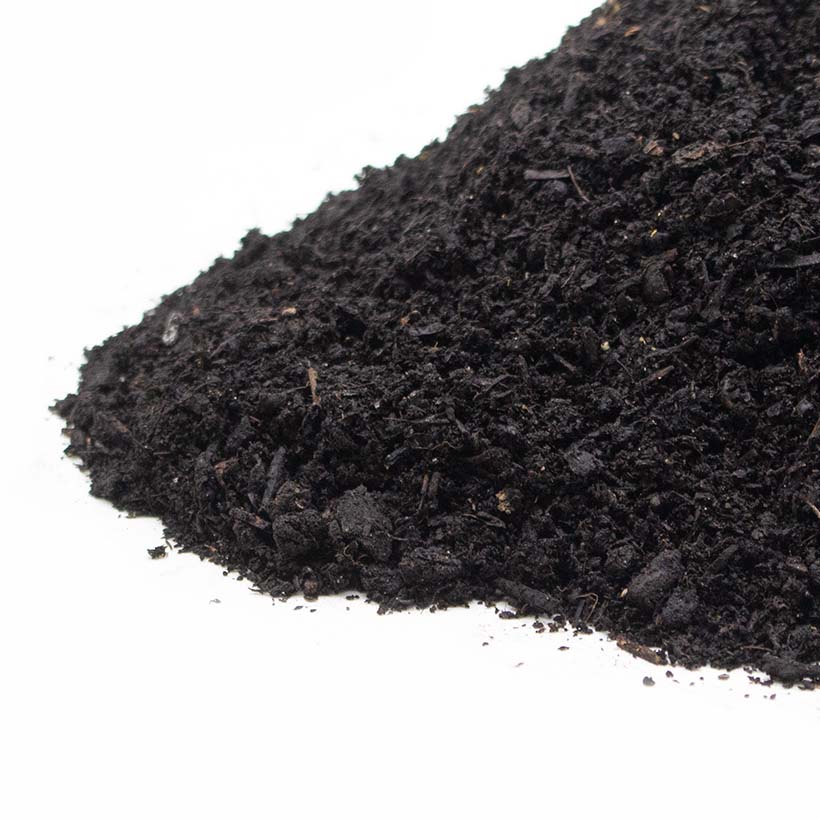
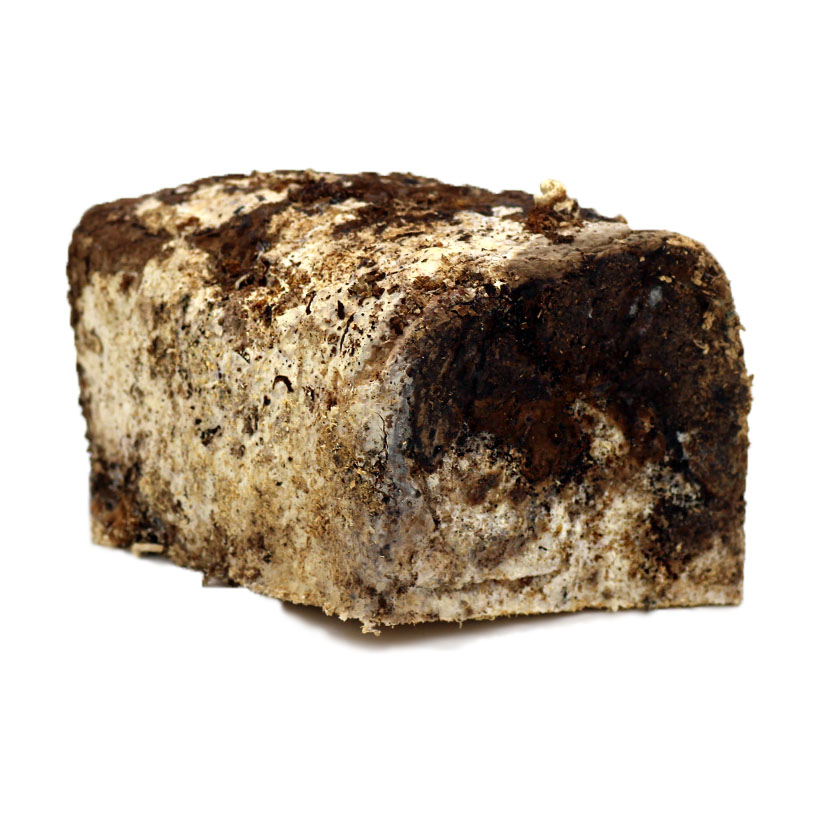
- Add substrate. Mix loose forest humus with some white-rotted wood and spread fallen leaves over the surface.
- Create a damp corner. Place moistened moss there and keep the other side slightly drier. This allows the animals to move between the two areas.
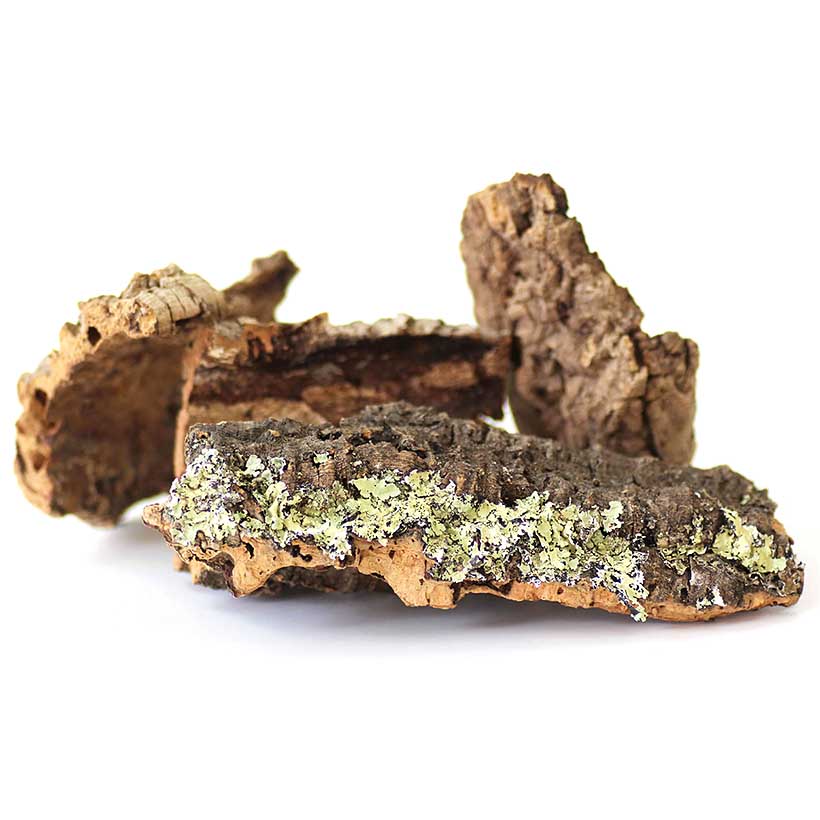
- Provide shallow hiding spots. Place cork bark in both zones. The Isopods can retreat underneath it. You can also observe them there without having to search through the substrate.
What does “Blind Saturn” eat, and how often do you feed it?
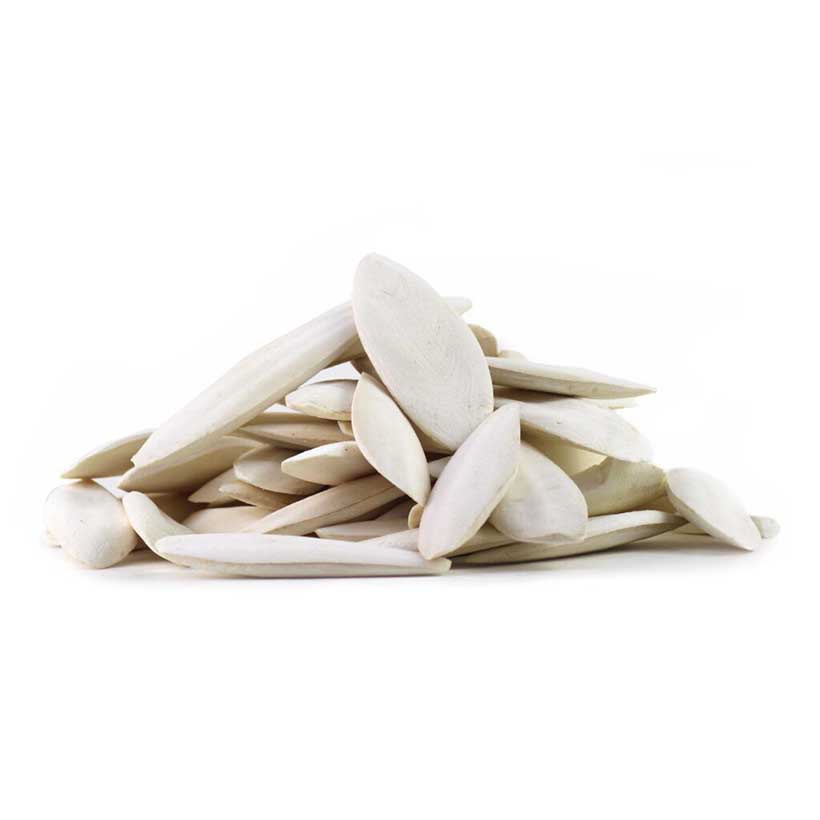
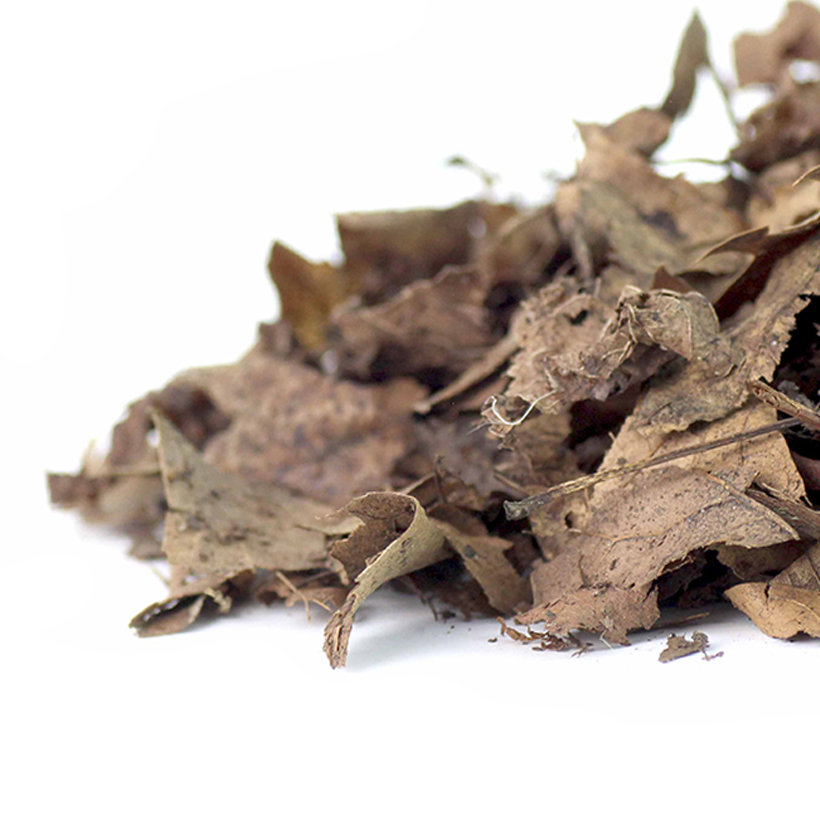
Leaves and white-rotted wood should always be available in the enclosure as a staple food. Replenish both when supplies run low. Also add a piece of cuttlebone as a source of calcium.
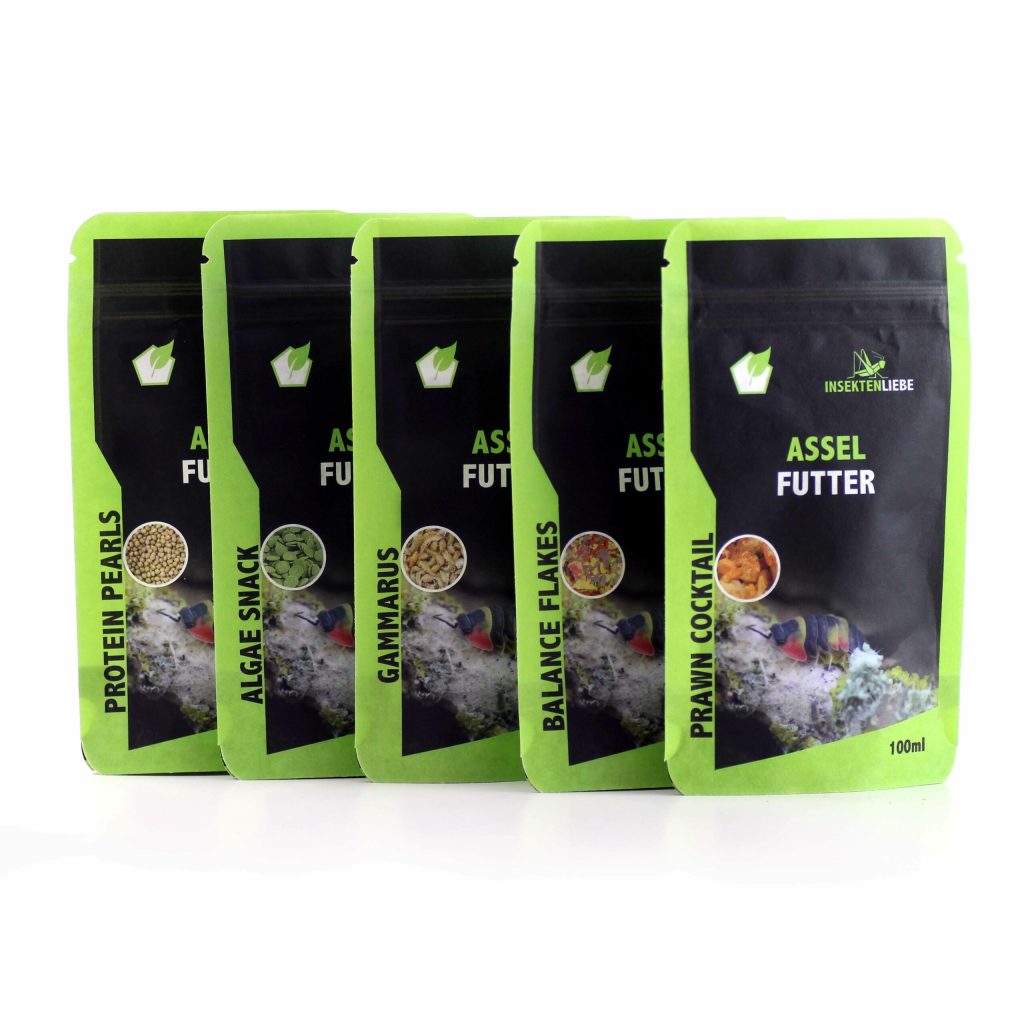
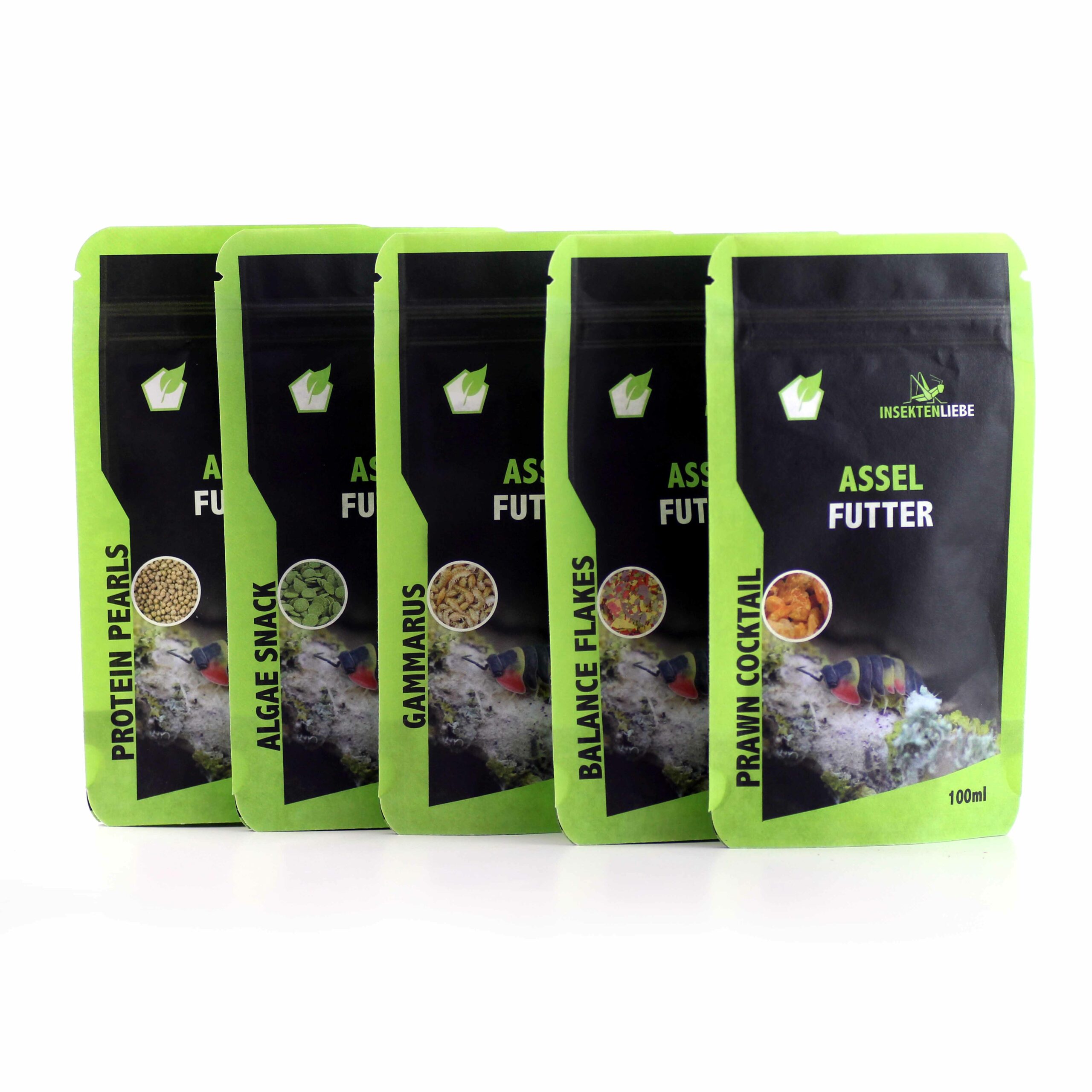
To start, you can offer a small pinch of ant food once a week. Check on it after one or two days. If any food is left over, remove the leftovers and give them less next time. This will help you find the right amount for your colony.
Posture at a Glance
| Characteristic | Specification |
|---|---|
| Appearance | Ivory white to pale yellow, slightly translucent at the edges |
| Body length | About 10–15 mm |
| Starter Kit | Approx. 5 liters for a small group, as a guideline |
| Humidity | A damp corner and a slightly drier area with good ventilation |
| Food | Leaves and white-rotten wood on a permanent basis; supplemental feed sparingly as needed |
Recommended Reading – Setting Up an Isopod Terrarium
In Isopod Magazine, we’ll show you how to set up the substrate, moist zones, and hiding spots in your terrarium.
Matching accessories for your “Blind Saturn”
Insektenliebe Isopod Starter Kit – The ventilated 5-liter box is ideal as a starter kit for a small group. The “with accessories” version already includes the basic equipment. The following individual items are suitable for an existing box or for restocking.
Leaves – Provide isopods with a layer of cover under which they can hide and eat.
White-rot wood – Can be mixed into the substrate and serves as a staple food.
Cork bark – Creates shallow hiding spots in both the moist and slightly drier zones.
Cuttlefish shells – Provide a source of calcium that Isopods can eat as needed.
Isopod food – Complements leaves and wood and can be finely measured out for small groups.
Conclusion – A woodlouse that’s worth a closer look
If you enjoy observing what goes on beneath leaves and bark, “Blind Saturn” is worth a closer look through a magnifying glass. Even in a compact box filled with leaves, decaying wood, and cork, you can spot these light-colored creatures up close.