Sale!
Aphonopelma johnnycashi
Original price was: 45,00 €.39,00 €Current price is: 39,00 €. incl. VAT, plus shipping

Simple

California

< 60 mm

22°C – 26°C
Aphonopelma johnnycashi—the California tarantula with golden-brown hair
A tarantula named after a music legend? Aphonopelma johnnycashi didn’t get its unusual name by chance. The species was named in honor of the American country singer Johnny Cash, who became world-famous as the “Man in Black.”
However, while the adult males of this tarantula species are indeed predominantly black, the females have a completely different—yet equally impressive—appearance.
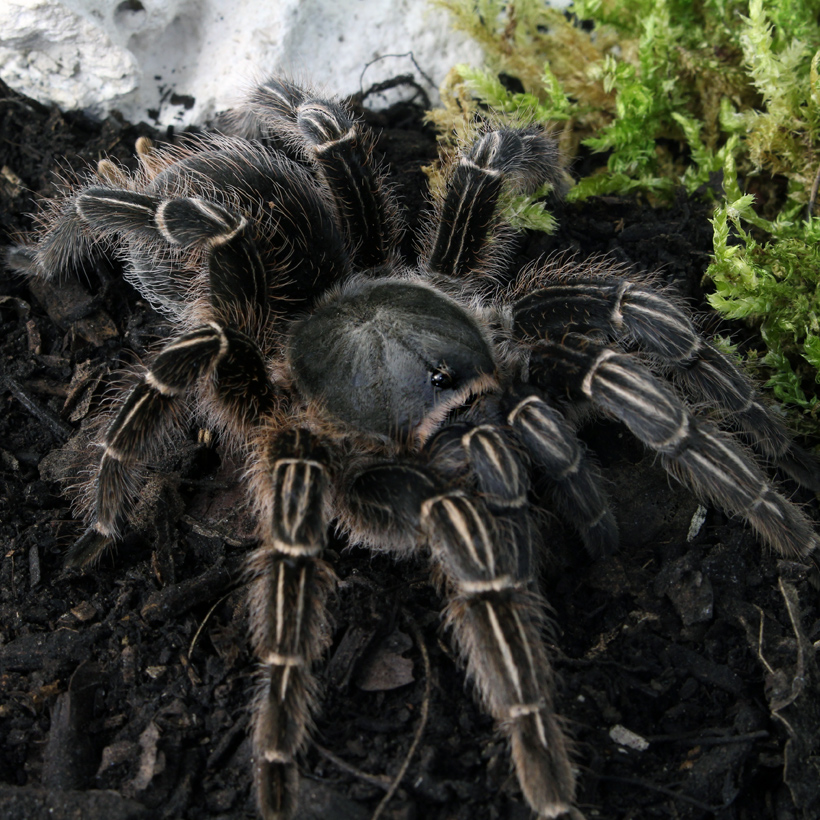
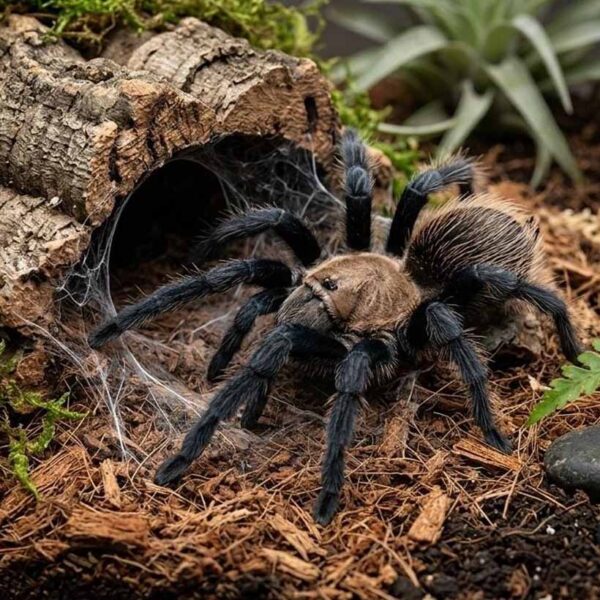
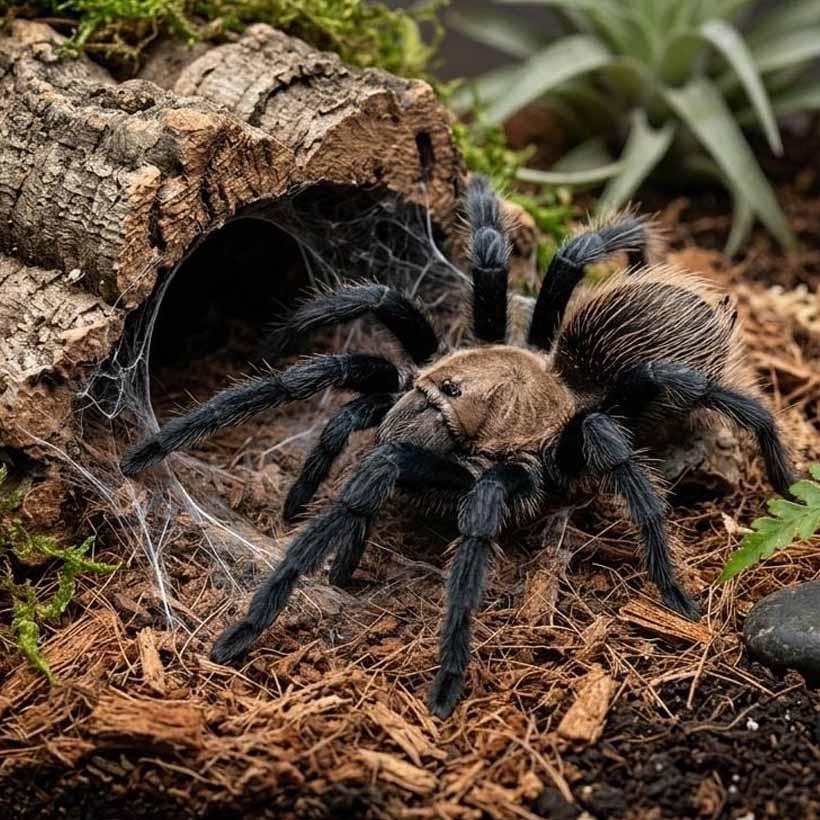
Particularly striking is the contrast between the light brown front part of the body, the deep black legs, and the dark-colored abdomen with its golden-brown hairs.
It is precisely this color combination that makes the female Aphonopelma johnnycashi a real eye-catcher.
Added to this is its interesting way of life. This North American tarantula spends a large part of its life in burrows it digs itself. There, it waits for passing prey and often does not leave its protected refuge until dusk.
A tarantula with an extraordinary name story
The scientific description of Aphonopelma johnnycashi was not published until 2016.
At that time, scientists conducted a more detailed study of North American tarantulas of the genus Aphonopelma. In the process, they were able to distinguish several species from one another, some of which had previously been listed under different names.
One of these species was named Aphonopelma johnnycashi.
There are two reasons for the name.
For one thing, adult males are predominantly black in color. This reminded the scientists of Johnny Cash, who earned the nickname “Man in Black” because of his black clothing.
In addition, the tarantula is also found in California in the vicinity of the famous Folsom State Prison.
This prison became world-famous thanks to Johnny Cash’s song ” Folsom Prison Blues ” and the live album he recorded there.
And so, a California tarantula became a small tribute to one of the most famous musicians of the 20th century.
The female—sand-brown, black, and gold
While many reports on Aphonopelma johnnycashi focus primarily on the black males, the females deserve at least as much attention.
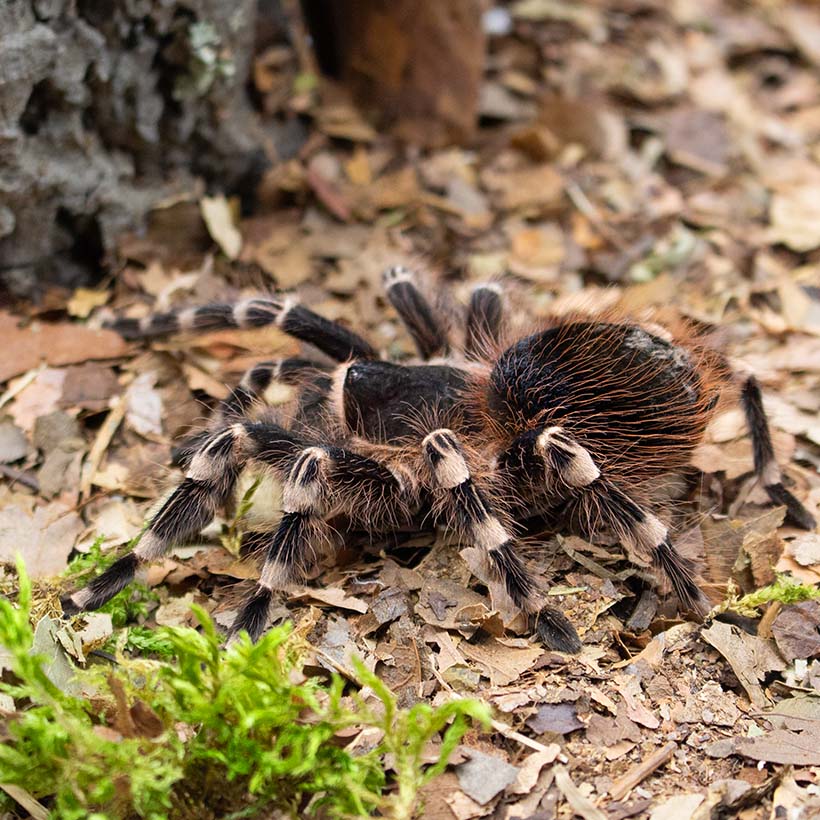
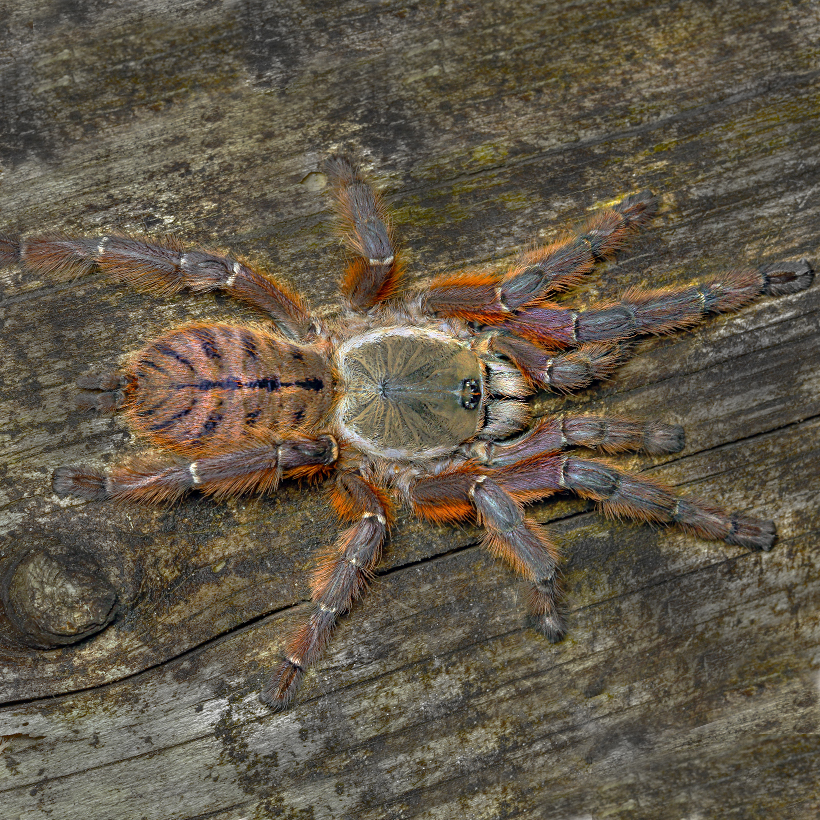
The female animal pictured here displays a particularly beautiful combination of various earth tones.
The front part of its body has a warm, sandy-brown color. Its fine fur gives it an almost velvety texture.
The strong, nearly black legs provide a striking contrast.
The abdomen, however, is particularly interesting.
Its dark base color is overlaid with numerous longer hairs ranging from light brown to golden. This creates a vibrant play of colors that changes depending on the angle of the light.
The hairs do not run completely evenly, giving the abdomen a delicate, almost striped texture.
It is precisely this combination of dark legs and warm brown tones that gives the female a distinctly elegant appearance.
Color intensity can vary between individual animals and after molting.
Why the females look completely different from the males
Aphonopelma johnnycashi exhibits distinct sexual dimorphism.
This means that adult females and males differ not only in body shape but also in coloration.
Females have a robust build, a rounded abdomen, and are predominantly brown to gray-brown in color. Dark legs and longer hairs—some of which appear reddish or golden brown—complete their appearance.
Males become noticeably slimmer and longer-legged after their final molt. At the same time, their coloration changes, making them appear predominantly black.
This difference is particularly interesting because the species’ famous name derives from the males’ coloration, while the females can have a much more striking appearance.
My home is in California
Aphonopelma johnnycashi is native to the United States.
Its natural range extends along the western foothills of the Sierra Nevada in California.
There, the species inhabits, among other places, grasslands, open hilly landscapes, and other suitable habitats with soil suitable for digging.
The climate is significantly different from that of tropical rainforest regions.
Summers can be warm and dry, while the winter months are cooler and wetter.
That is why this tarantula does not need consistently high humidity in its terrarium.
Much more important are suitable hiding spots and a substrate that allows her to express her natural behaviors.
A tarantula that builds its own home
Unlike tree-dwelling tarantulas, Aphonopelma johnnycashi lives primarily on the ground.
In its natural habitat, it digs burrows that serve as a permanent refuge.
These caves provide protection from predators, extreme temperature fluctuations, and adverse weather conditions.
They also provide a safe place for molting.
Even in a terrarium, the spider can spend a large part of its time in a burrow it has dug itself.
That’s why you should provide her with plenty of substrate she can dig in.
It is particularly interesting that the animals sometimes reinforce the entrances to their burrows with silk and repeatedly modify them.
Over time, this creates a truly unique retreat.
Why You Won’t See This Tarantula All the Time
Aphonopelma johnnycashi isn’t one of those tarantulas that constantly scurries around the terrarium.
Adult females, in particular, can be remarkably loyal to their territory.
Once an animal has made itself a suitable den, it often spends a large part of its time there.
Sometimes the spider sits right at the entrance to its burrow, waiting for prey.
On other days, it remains completely hidden.
This behavior is normal for burrowing tarantulas and should not be interpreted as a sign of poor care.
Anyone who cares for this species should therefore enjoy observing its natural behaviors over an extended period of time.
The Right Terrarium for Aphonopelma johnnycashi
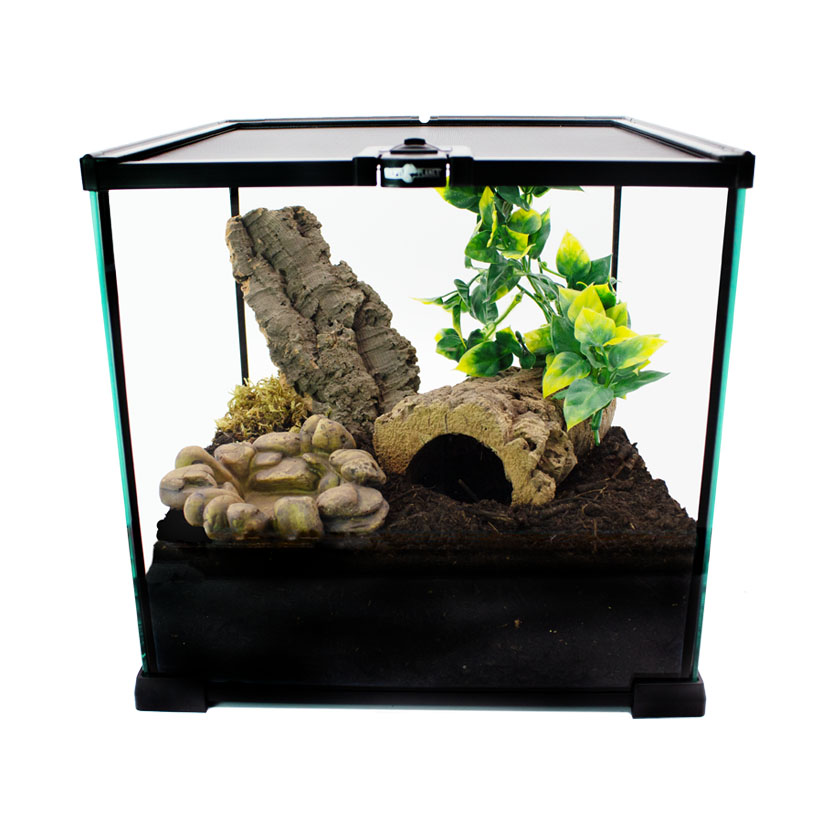
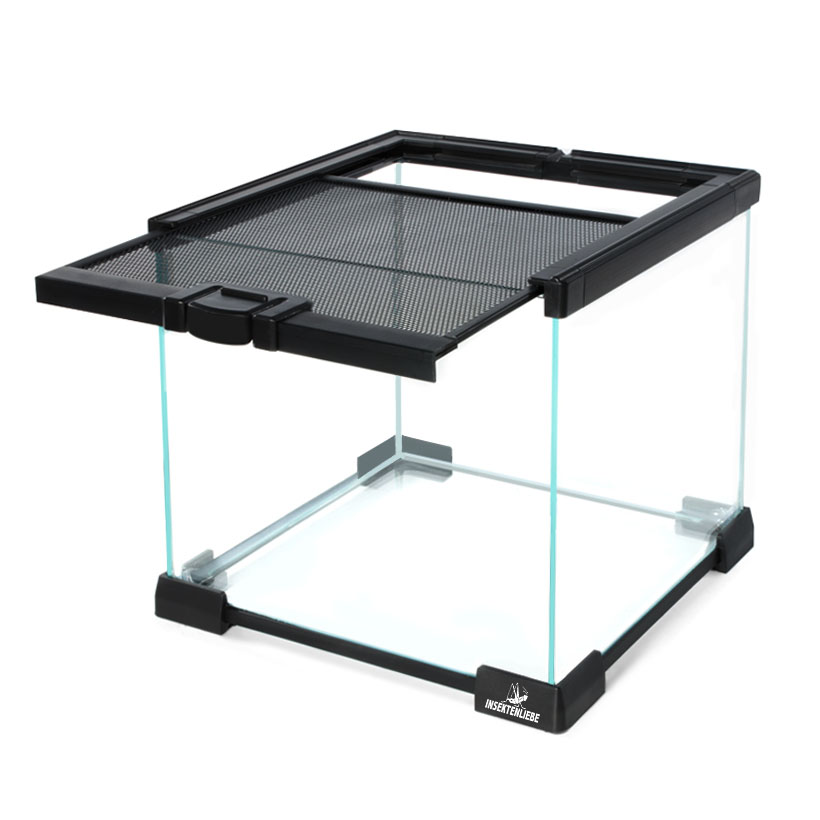
For an adult female, we recommend a terrarium with a base area of at least 30 × 30 cm.
A height of about 30 cm is sufficient, provided that a layer of substrate of corresponding depth can be added.
This is because, with this type, the base area plays a much more significant role than the height.
Too much headroom can actually be problematic.
Tarantulas have a delicate abdomen. A fall from a significant height can therefore cause serious injuries.
For this reason, the distance between the substrate surface and the top of the terrarium should be kept as small as possible.
At least 10–15 cm of substrate
An important part of keeping these fish is having a sufficiently deep substrate.
For adult animals, we recommend a substrate depth of at least 10–15 cm.
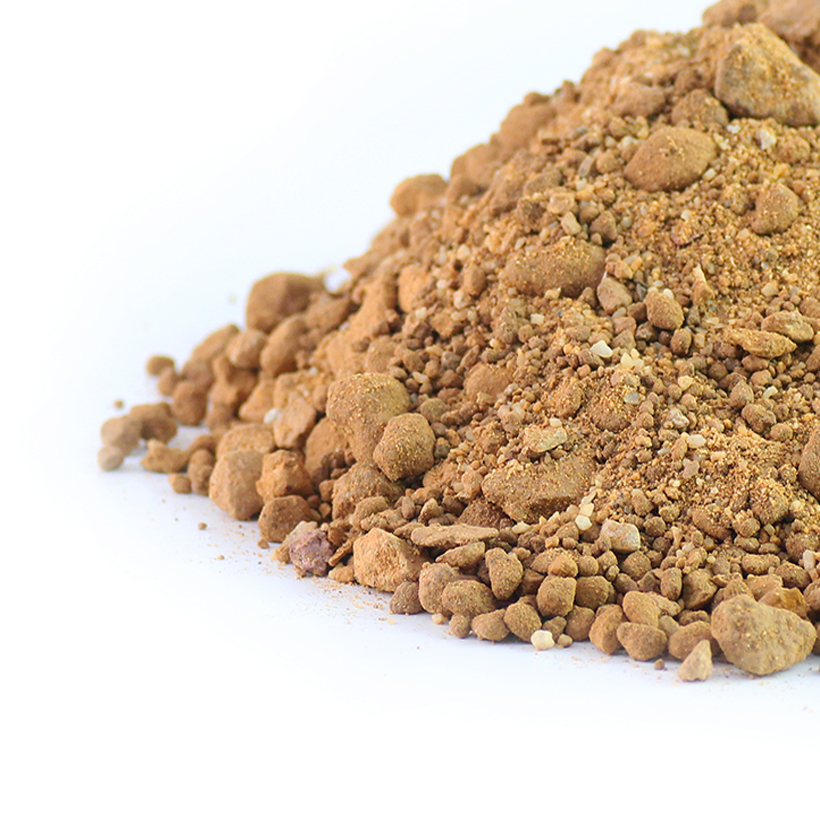
A mixture of tarantula substrate and desert sand works particularly well.
A mixing ratio of approximately 1:1 provides a good foundation for a structurally stable substrate.
This allows the spider to dig and build its burrow.
The substrate should be such that even self-made tunnels do not collapse immediately.
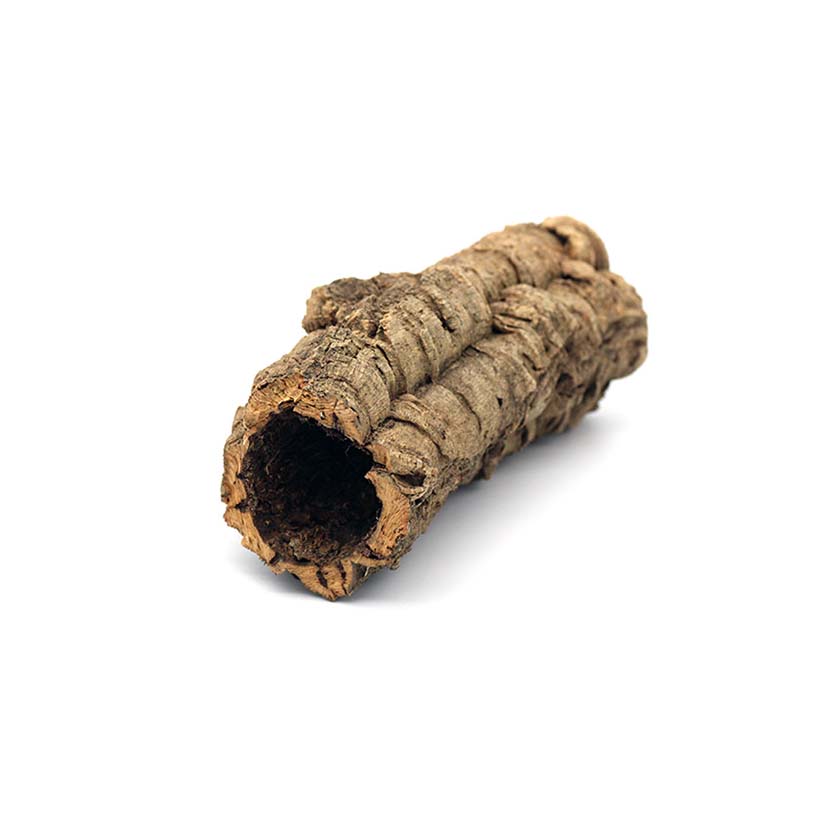
You can also partially bury a flat piece of cork bark.
This is often considered the starting point for a dwelling cave.
A natural layout without unnecessary heights to climb
When it comes to furnishing, less is often more.
Aphonopelma johnnycashi does not require tall branches or elaborate climbing structures.
Natural materials that support their ground-dwelling lifestyle make much more sense.
These include, above all, cork bark, a substrate suitable for burrowing, and a small water dish.
Individual stones can also be used.
However, it is essential that heavy pieces of furniture be placed securely.
Since the spider could burrow beneath them, they must not be left lying loosely on a thick layer of substrate.
Temperatures between 22 and 26 °C
We recommend a temperature of approximately 22–26 °C during the day.
This means that, provided the room temperature is warm enough, the species can often be cared for without additional heating equipment.
A slight drop in temperature at night is not a problem.
However, it is important that the terrarium does not overheat on a long-term basis.
In its natural habitat, Aphonopelma johnnycashi can retreat into deeper layers of soil when outdoor temperatures are high.
Conditions there are more balanced.
Therefore, there should also be a temperature gradient inside the terrarium.
A dry climate rather than tropical humidity
The California tarantula prefers predominantly dry conditions.
Consistently high humidity is not necessary.
The surface of the substrate should therefore remain mostly dry.
Nevertheless, the spider needs access to water at all times.
We recommend a small, shallow water dish that is cleaned regularly and refilled with fresh water.
In addition, if necessary, a limited area of the lower substrate can be lightly moistened.
This creates a moisture gradient without getting the entire terrarium wet.
Why a heating mat under the terrarium isn’t a good idea
Tarantulas often retreat deeper into the substrate when temperatures are high.
However, if a heating mat is placed directly under the terrarium, that is precisely where the strongest heat is concentrated.
This can prevent them from naturally retreating into cooler layers of the substrate.
That is why we recommend not using a heating mat under the terrarium.
If additional heat is needed, it must be provided in such a way that the spider can seek out cooler areas at any time.
What does Aphonopelma johnnycashi eat?
As a ambush hunter, Aphonopelma johnnycashi feeds on various live insects.
In terrarium keeping, suitable options include, for example:
- Crickets
- Crickets
- Cockroaches
- Small grasshoppers
- Small prey animals for young spiders
The size of the prey should always be appropriate for the size of the tarantula.
Smaller prey is especially recommended for young tarantulas.
Adult females, on the other hand, can easily overpower even larger prey insects.
How often should they be fed?
Feeding frequency depends on the tarantula’s developmental stage and nutritional status.
Young tarantulas generally require more frequent feedings during their growth phase.
For larger young tarantulas, feeding about once a week may be appropriate.
Adult females can often go longer between feedings.
You should pay particular attention to their abdomen.
If it’s already noticeably full, there’s no need to feed them again right away.
You should remove any uneaten prey.
Long feeding breaks are not unusual
Species of the genus Aphonopelma are known to sometimes take longer breaks from eating.
This can occur especially before a molt.
Sometimes the spider even seals off the entrance to its burrow and remains hidden for an extended period of time.
In such situations, you should not try to remove the spider from its burrow.
It’s also not necessary to open the entrance.
As long as the housing conditions are appropriate and there are no specific signs of illness, this behavior can be completely normal.
A tarantula that matures slowly
Aphonopelma johnnycashi belongs to a genus whose members often grow relatively slowly.
Especially when temperatures are moderate, there can be long periods between individual molts.
That’s why you should be patient when raising them.
In this regard, the long-term development of the animals offers interesting opportunities for observation.
With each molt, it’s not just the size that changes.
Coat color and fur texture may also continue to develop.
The difference between the juvenile and adult forms becomes clearly visible later on, especially in males.
How long does Aphonopelma johnnycashi live?
Females of many North American Aphonopelma species can live to a remarkable age.
Lifespans of 20 years or more have been recorded for various members of the genus.
However, there is not yet enough long-term data available for Aphonopelma johnnycashi itself to reliably determine its exact life expectancy.
Nevertheless, it can be assumed that females live significantly longer than males when properly cared for.
After their final molt, adult males have a significantly shorter remaining lifespan.
The search for a mate begins in the fall
An interesting behavior emerges during the breeding season.
In California, adult males leave their burrows mainly in the fall.
Between September and November, they are on the move in search of females ready to mate.
In doing so, they sometimes travel long distances.
The females, on the other hand, mostly stay in their burrows.
It is precisely this difference in behavior that shows how much the lifestyles of the sexes can change after sexual maturity.
Calm behavior with one important distinction
Aphonopelma johnnycashi can be a rather calm and reclusive tarantula.
Even so, you shouldn’t touch them unless you have to.
Like other American tarantulas, it has urticating hairs that can be used for defense.
These hairs can cause itching and irritation on the skin.
The eyes and mucous membranes are particularly sensitive.
That is why we recommend observing the spider in the terrarium whenever possible.
A junction box is suitable for necessary wiring connections.
Is Aphonopelma johnnycashi suitable for beginners?
In general, this species can also be of interest to beginners.
This pose does not require any complicated technique.
A sufficiently large terrarium, a deep substrate, a suitable hiding spot, and a water dish are the most important basics.
However, you should know that these animals often lead a reclusive life.
If you’re looking for a tarantula that’s always visible, you might not enjoy this species as much.
On the other hand, if you’re looking for a calm, ground-dwelling tarantula with interesting burrowing behavior and an extraordinary history, Aphonopelma johnnycashi is an interesting choice.
Advantages at a glance
- Scientific name: Aphonopelma johnnycashi Hamilton, 2016
- Family: Theraphosidae
- Origin: California, USA
- Distribution: Western foothills of the Sierra Nevada
- Named after: Johnny Cash, the “Man in Black”
- Female: Sand-brown thorax, dark legs, and golden-brown hair
- Males: Predominantly black in the adult stage
- Habits: Ground-dwelling and burrowing
- Behavior: Generally calm and reclusive
- Terrarium: Approximately 30 × 30 × 30 cm or larger
- Substrate: At least 10–15 cm
- Temperature: 22–26 °C
- Humidity: Mostly dry
- Water supply: Small water dish
- Food: House crickets, field crickets, and cockroaches
- Growth: Relatively slow
- Life expectancy: Females are believed to be very long-lived
- Housing: Individually
- Difficulty level: Easy to moderate
Suitable accessories for your setup
Tarantula & Scorpion Terrarium Complete Set – provides the ideal foundation for keeping Aphonopelma johnnycashi in a natural environment, with a substrate that allows for burrowing and protected hiding spots.
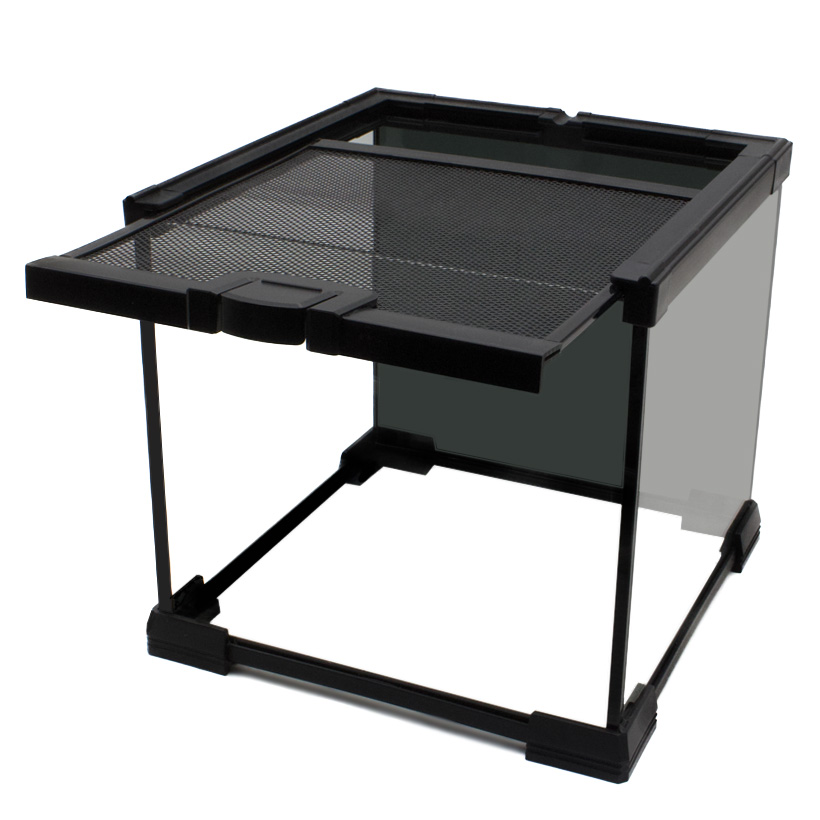
Insektenliebe Terrarium – offers ample floor space for a ground-dwelling tarantula and allows for a natural setup with deep substrate.
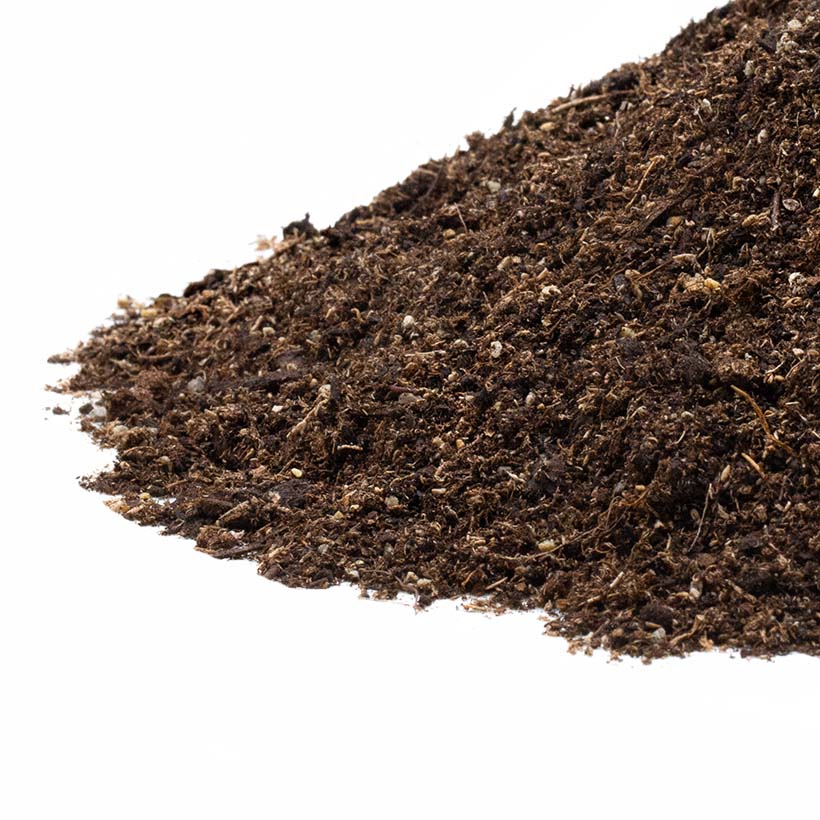
Tarantula Substrate – forms the basis for a substrate that allows for burrowing and supports natural burrowing behavior.
Desert sand – can be combined with the tarantula substrate and improves the structure of the substrate.
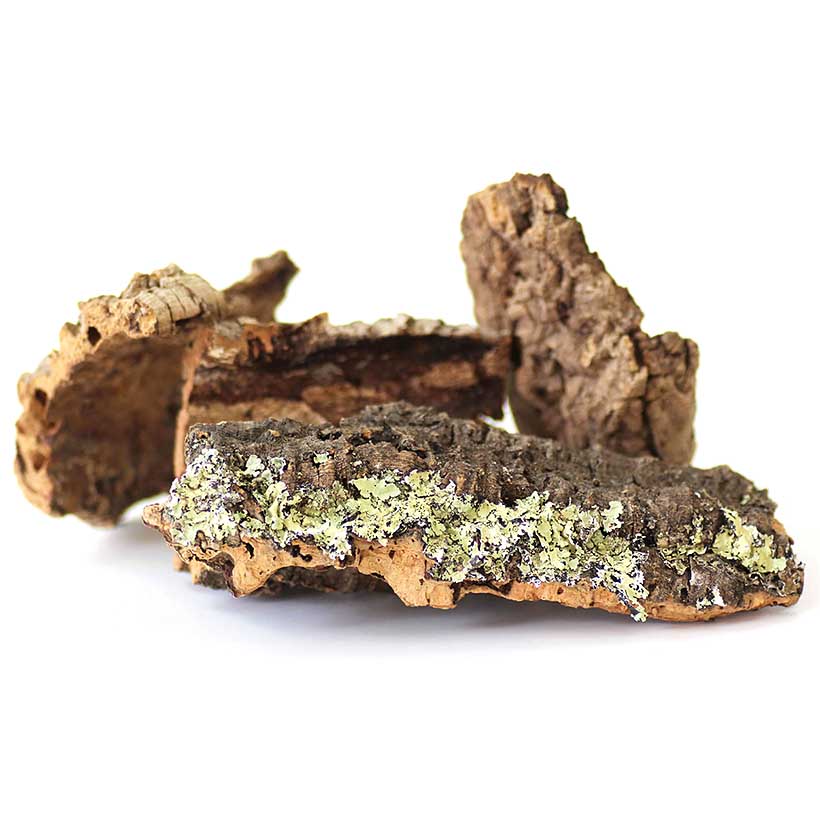
Cork bark – provides a sheltered hiding spot and can serve as a starting point for a self-built burrow.
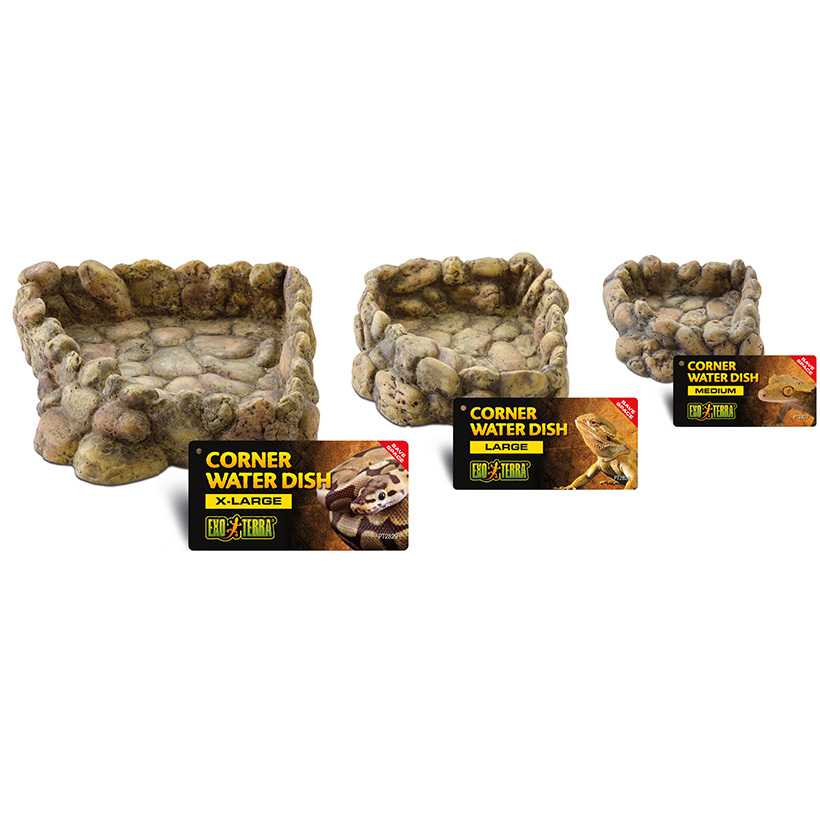
Exo Terra Corner Water Dish – ensures that fresh water is always available without having to moisten the entire terrarium.
Conclusion: It’s not just the males that have something special to offer
Aphonopelma johnnycashi is a tarantula with an extraordinary history.
While their scientific name is derived from the black males and the famous musician Johnny Cash, the females captivate with a color palette all their own.
The sandy-brown front part of the body, the jet-black legs, and the golden-brown hairs on the abdomen create a beautiful contrast.
Added to that is its interesting lifestyle as a burrowing tarantula from California.
For successful care, we recommend a terrarium measuring at least 30 × 30 × 30 cm, a substrate at least 10–15 cm deep, and temperatures between 22 and 26 °C.
A predominantly dry environment with a suitable shelter and a constant supply of drinking water meets their basic needs.
If you’re looking for a long-lived, calm tarantula and enjoy watching its natural burrowing and hunting behaviors, Aphonopelma johnnycashi is an exceptional terrarium inhabitant.
Perfect combined with
-
Exo Terra Corner Water Bowl
Price range: 14,29 € through 29,99 € incl. VAT, plus shipping -
Insektenliebe Terrarium
Price range: 34,99 € through 54,98 € incl. VAT, plus shipping