
Carnivorous plants
Carnivorous plants – fascinating carnivores for your home
Carnivorous plants are among the most fascinating plants of all. They look extraordinary and bring a touch of wild nature into your home. Whether it’s a Venus flytrap, sundew or pitcher plant – each species has its very own hunting methods. That’s exactly why carnivores delight both beginners and experienced plant lovers alike.
In our carnivorous plants category, you’ll find many different species for terrariums, windowsills or plant display cabinets. Many carnivorous plants originate from moors, rainforests or damp mountain regions. There, they often grow in nutrient-poor soil. That’s why, over time, they have developed sophisticated trapping methods.
Why carnivorous plants are so popular
Many people first discover carnivorous plants because of their traps. But you soon realise that these plants have much more to offer. They look natural, lively and often almost mysterious. What’s more, their appearance is constantly changing. New traps open, pitchers slowly grow, and tiny dewdrops glisten in the light.
Carnivorous plants look particularly beautiful in natural-looking terrariums. There, they blend in wonderfully with mosses, branches and damp soil. At the same time, they bring movement and structure to the setup.
What’s more, observing these plants is simply fun. With a little patience, you’ll keep discovering new details.
What carnivorous plants are there?
The world of carnivorous plants is astonishingly diverse. Among the most popular species are:
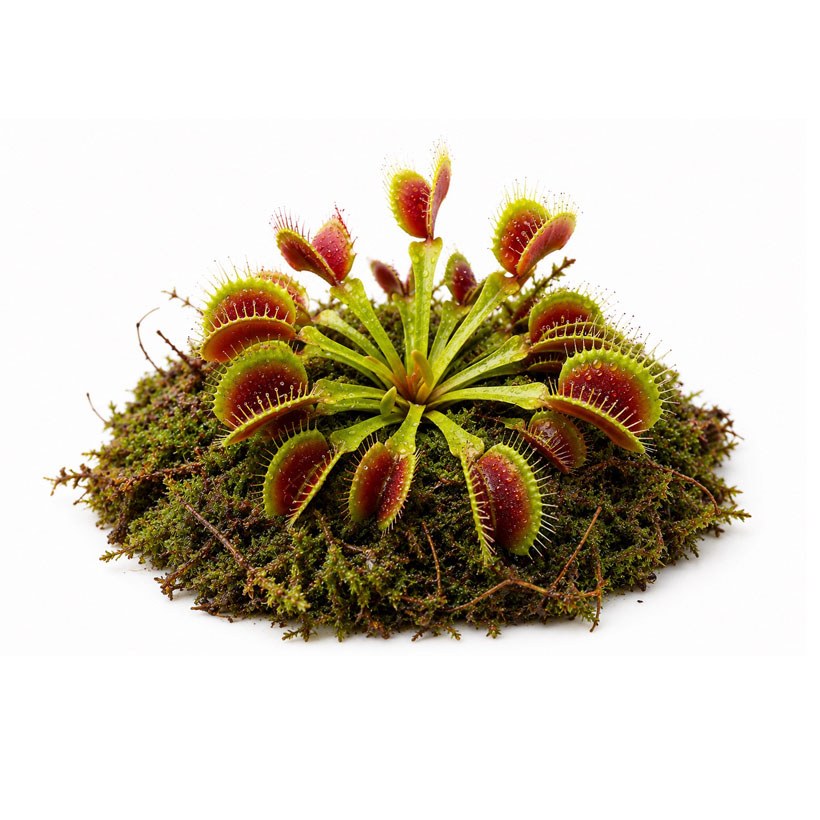
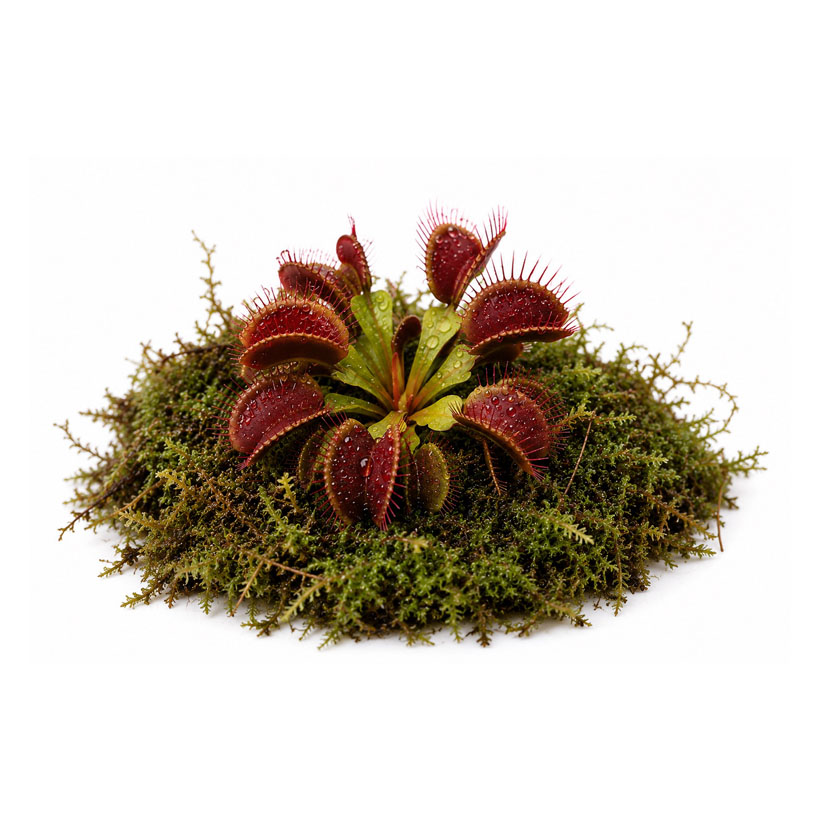
Venus flytraps – the classics among carnivorous plants
The famous Venus flytrap captivates with its quick-snapping traps. It is ideal for beginners and always provides fascinating observations.
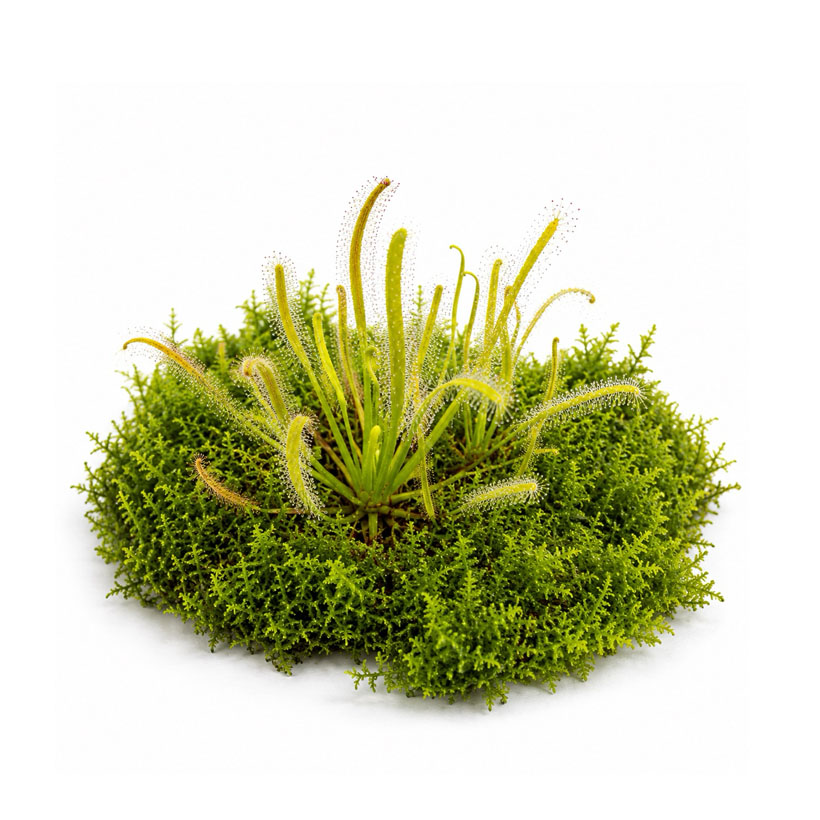
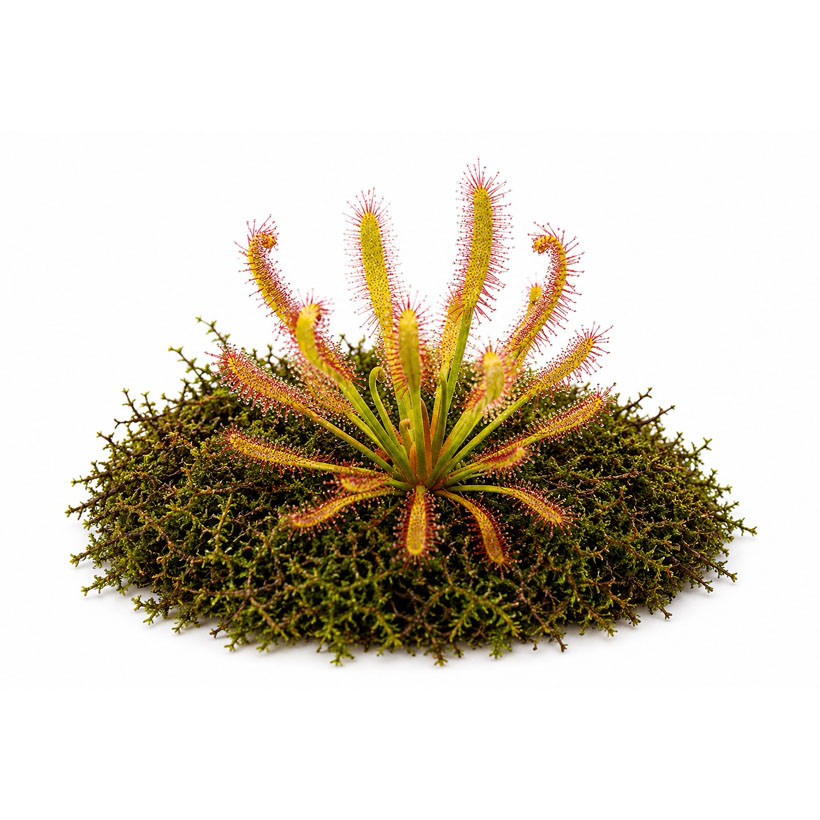
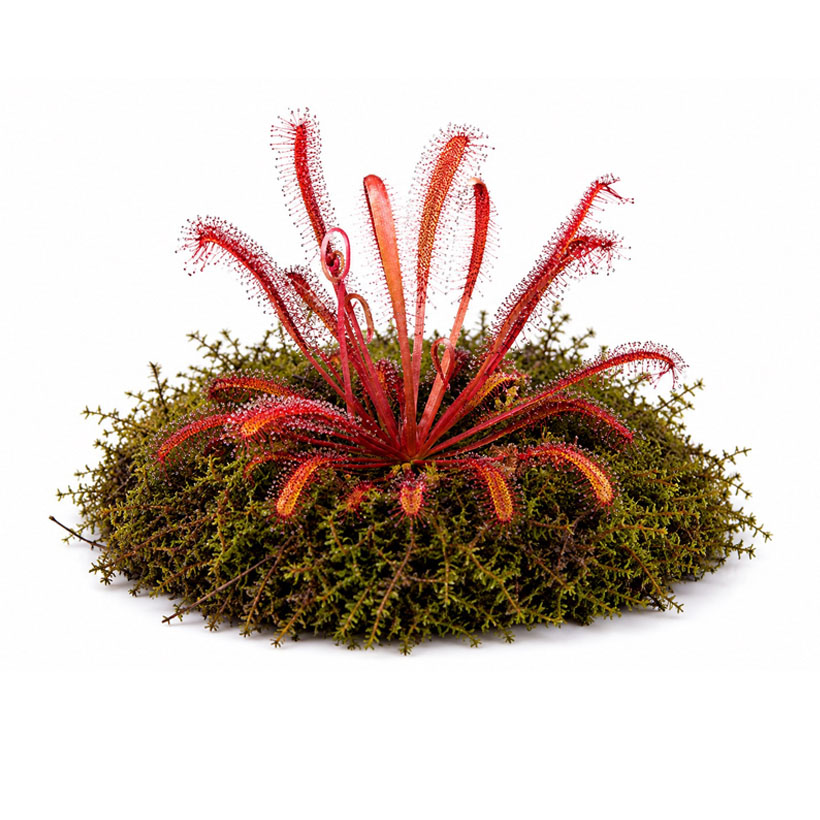
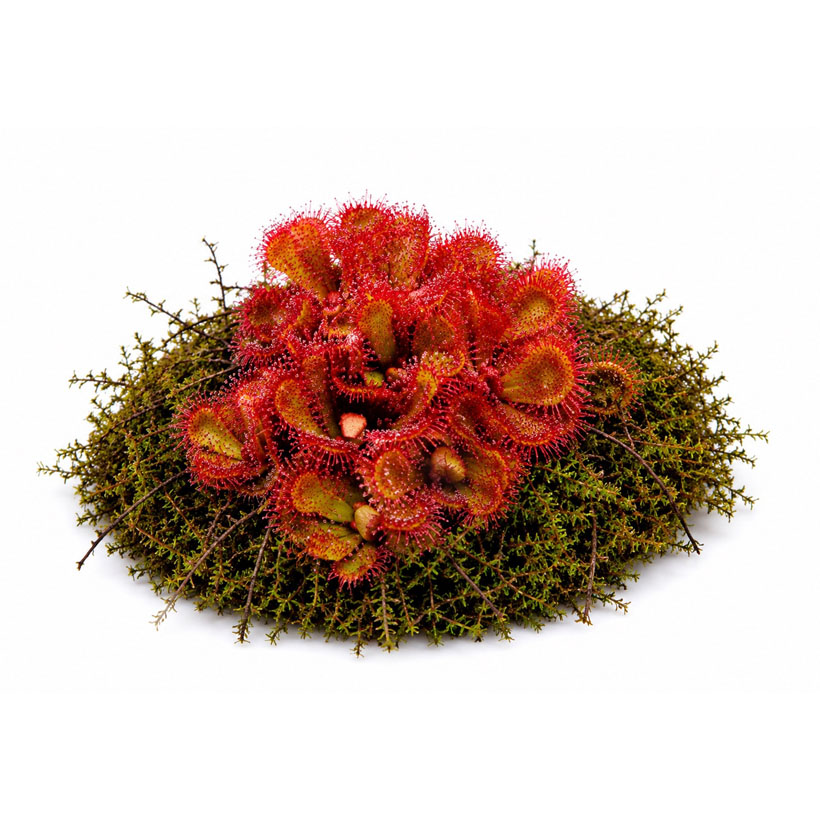
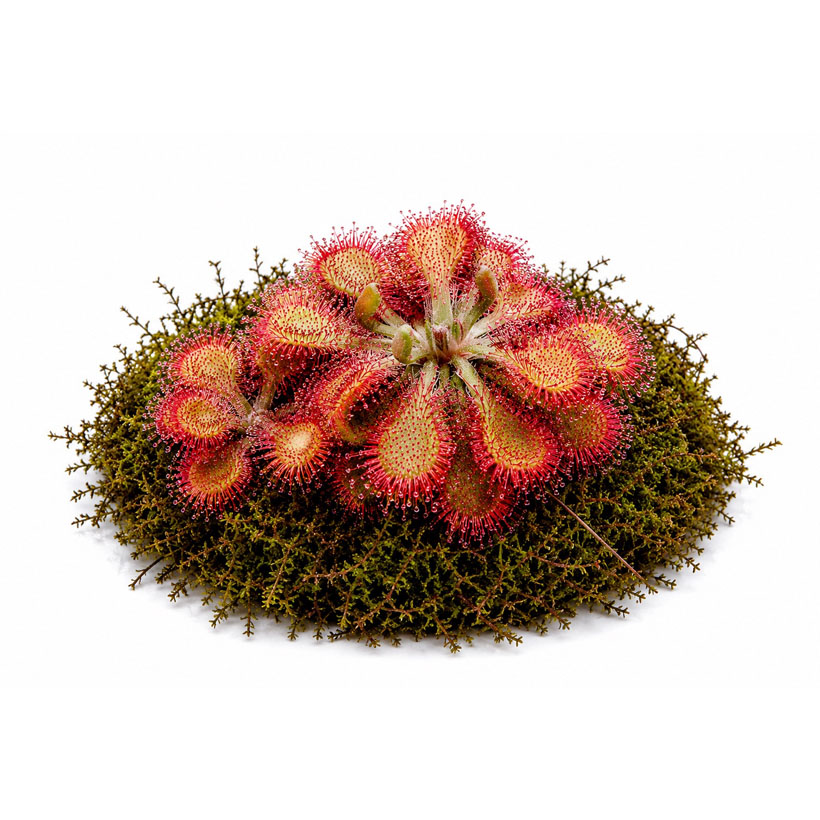
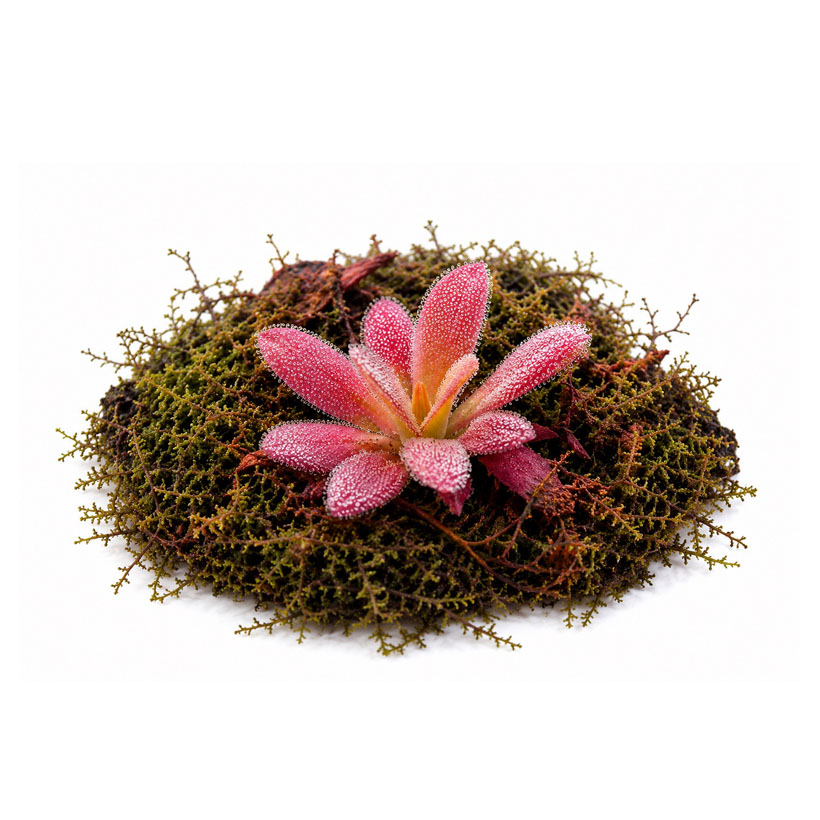
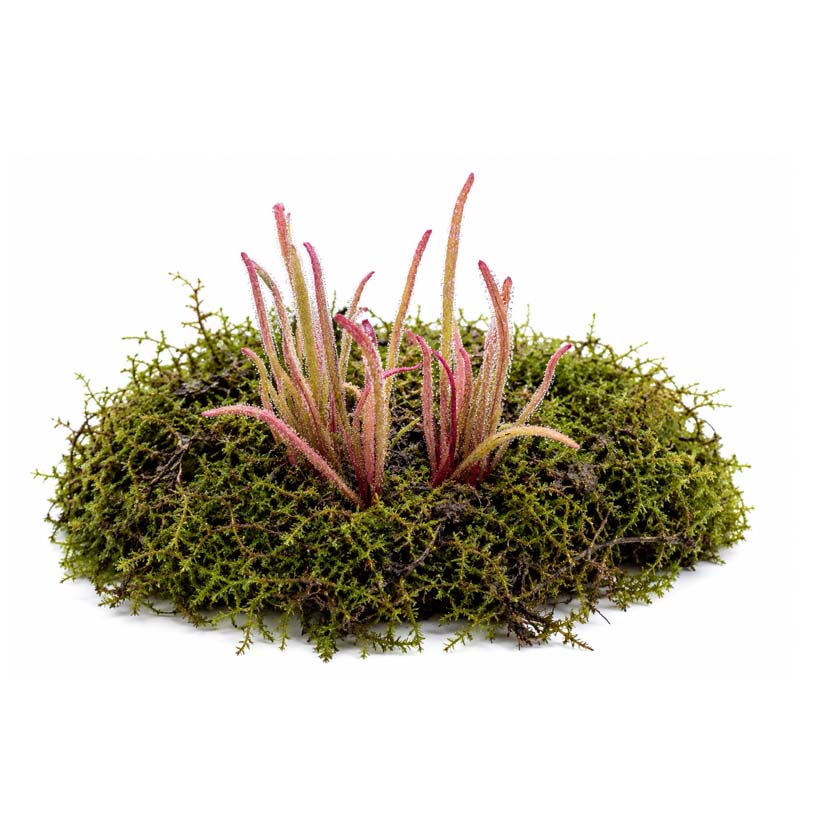
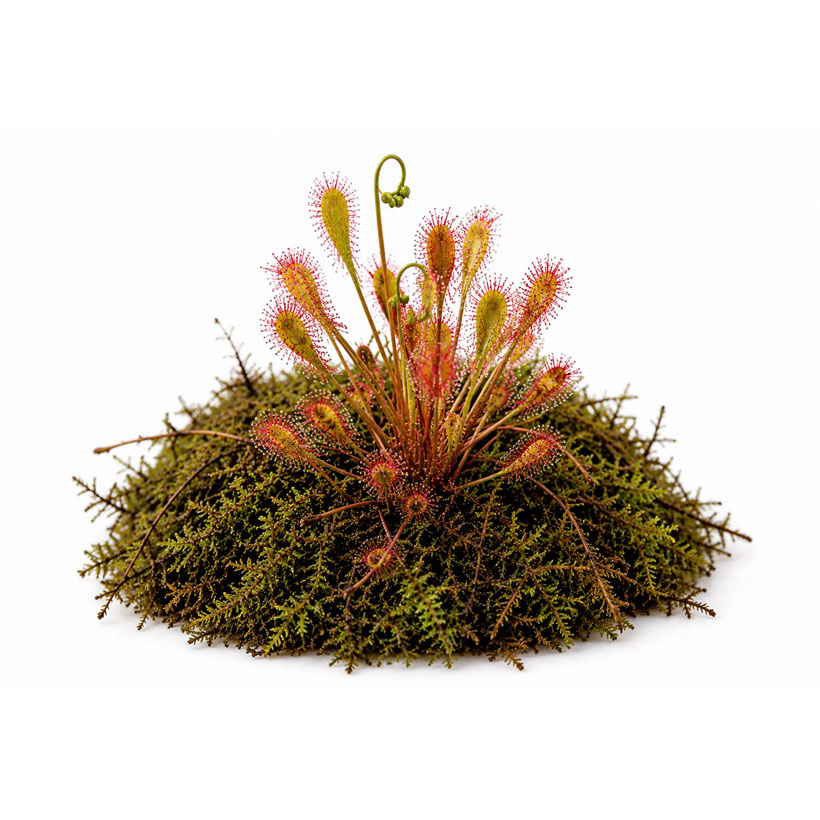
Sundews with glistening trapping hairs
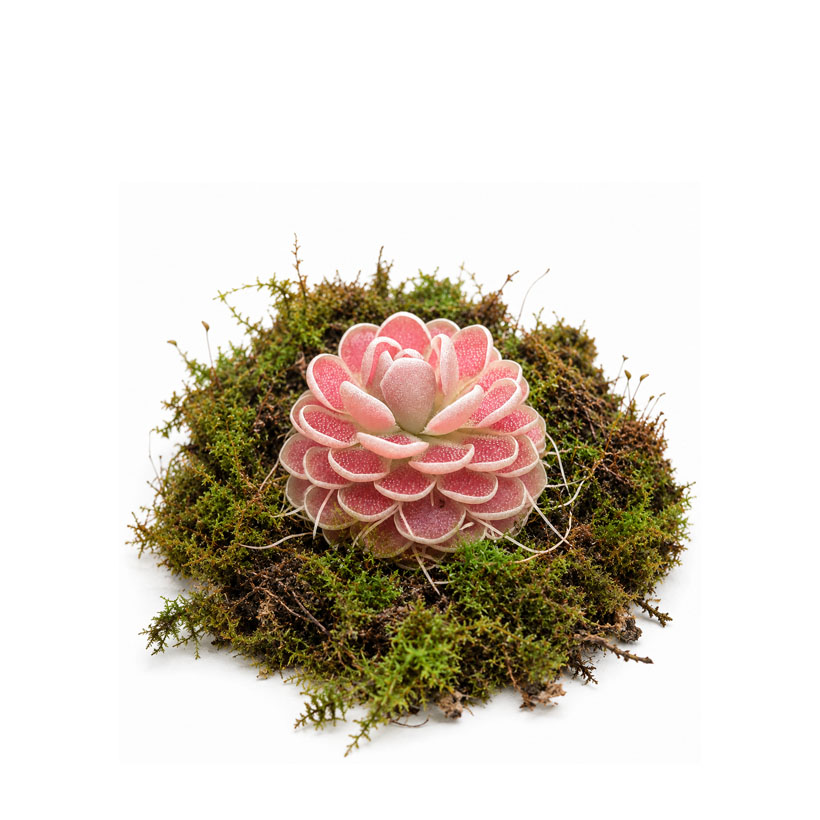
Sundew species form small sticky droplets on their leaves. In the light, they look almost like morning dew. Dwarf sundews are particularly popular in terrariums.
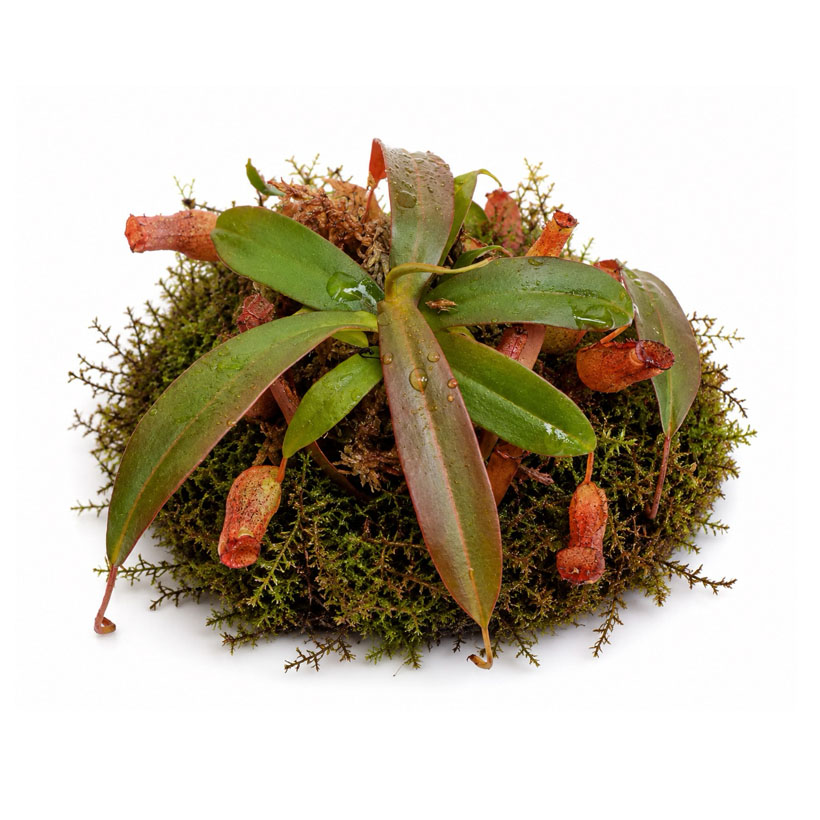
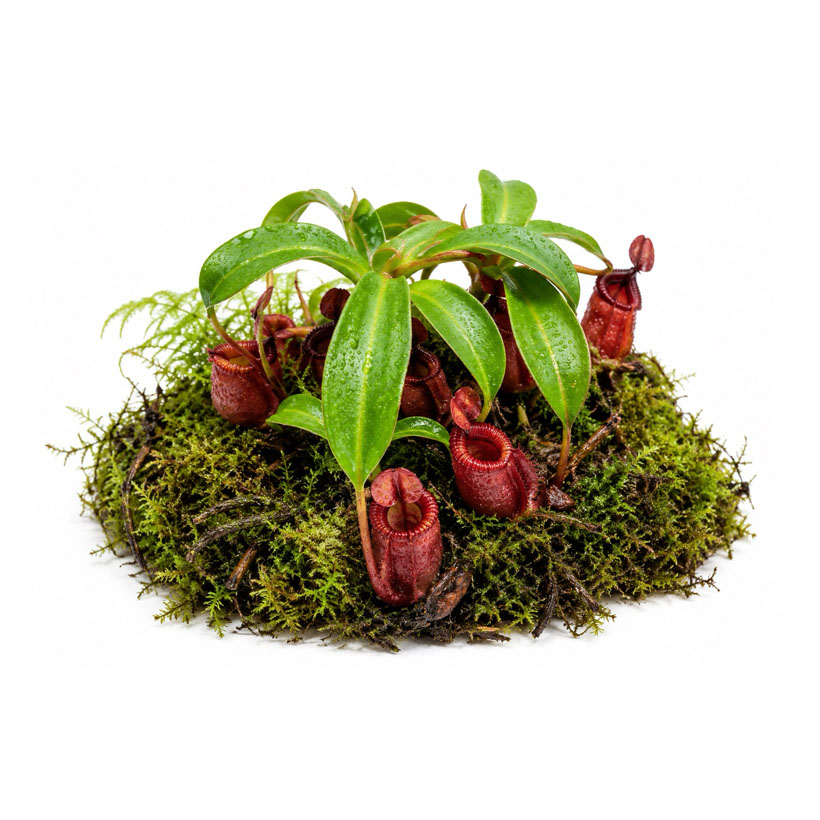
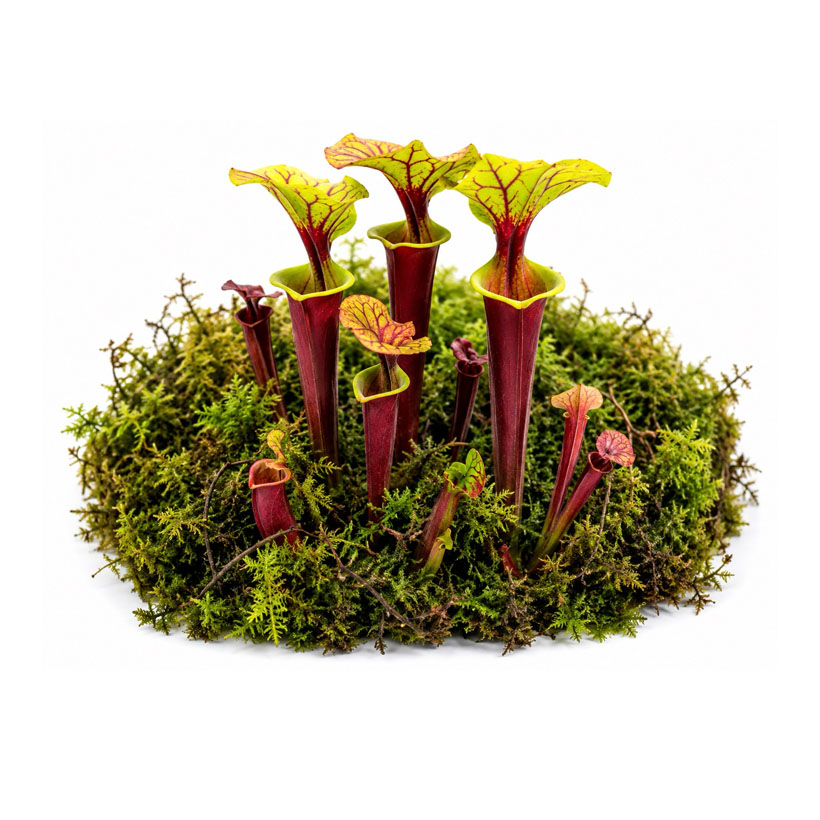
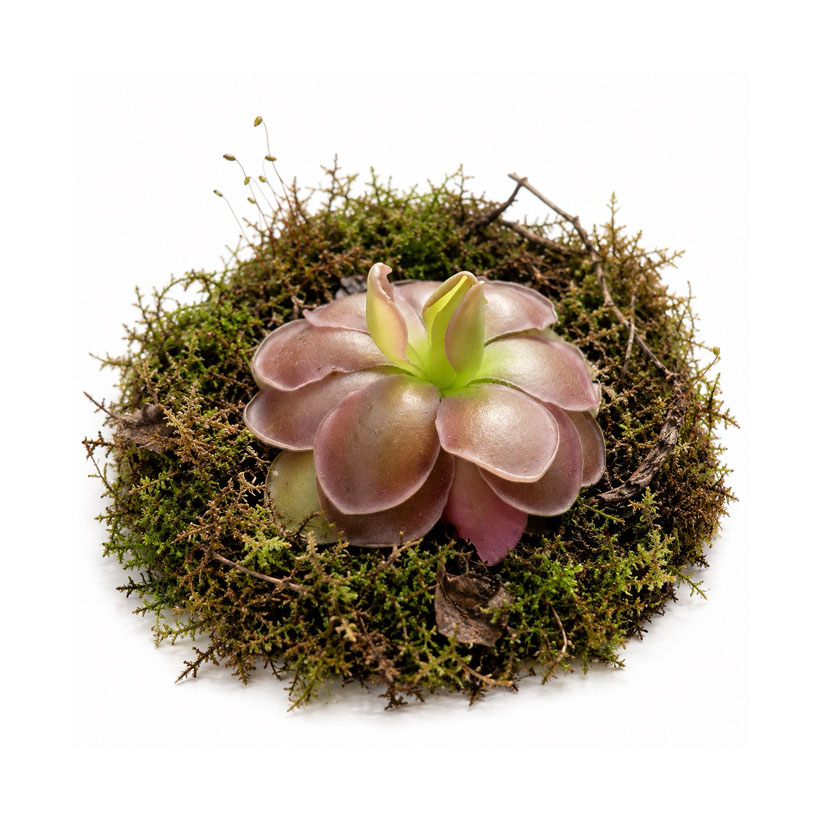
Pitcher plants with an exotic look
Pitcher plants develop elegant trapping vessels that attract small insects. Many species have an almost tropical appearance and bring a rainforest atmosphere to the terrarium.
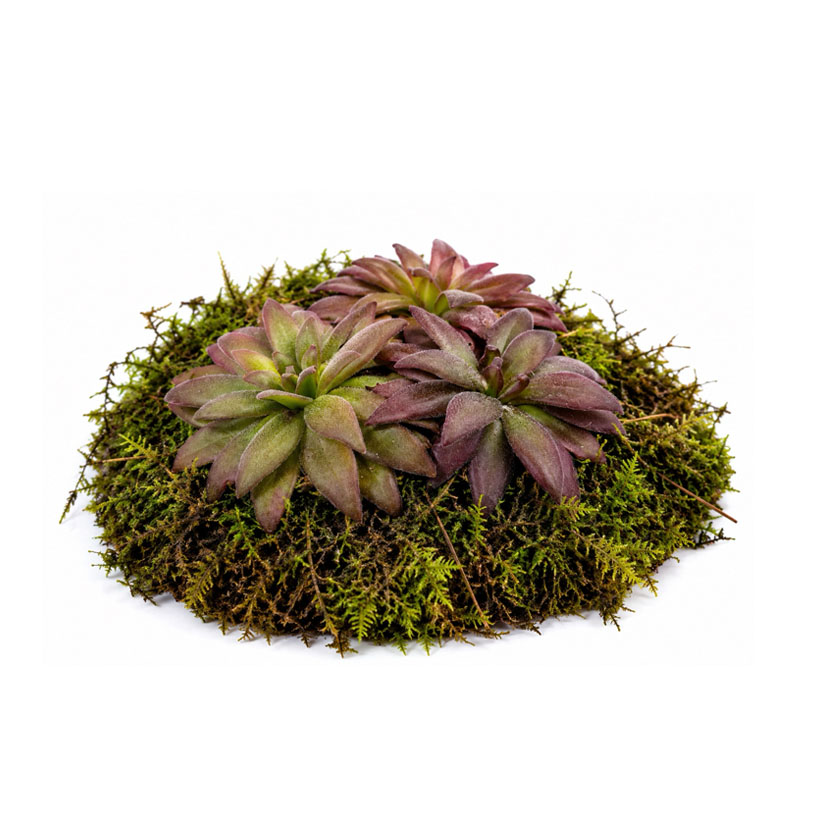
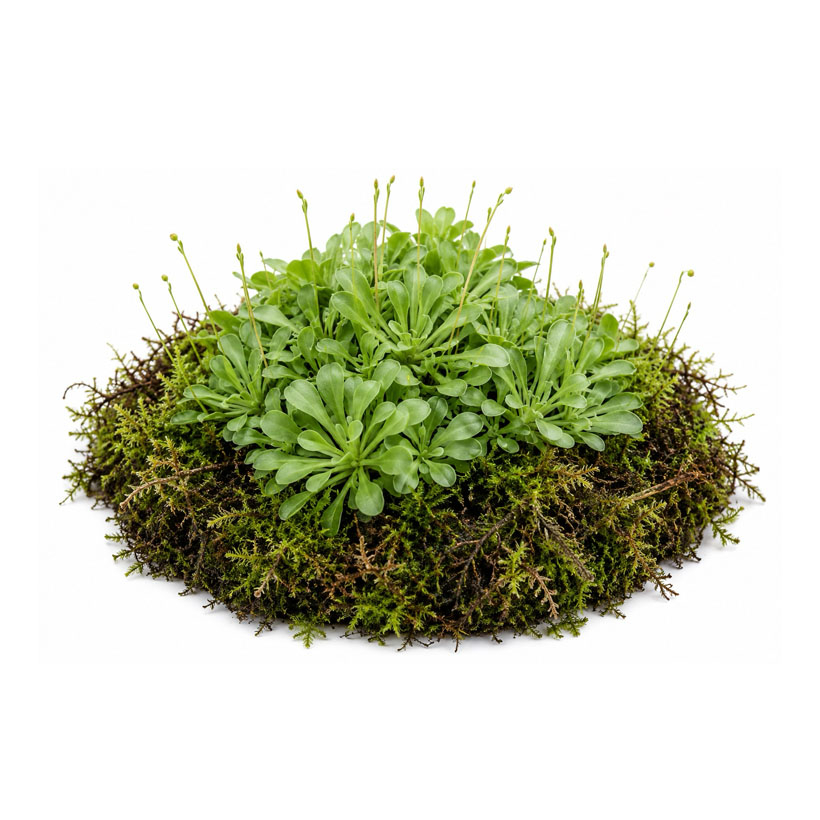
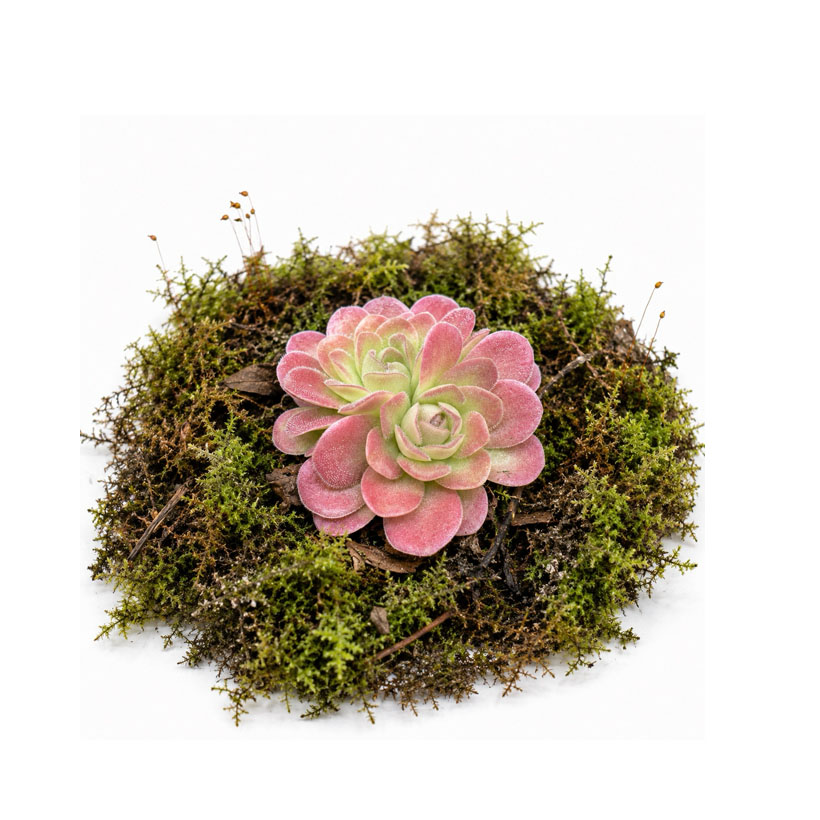
Succulents – small, pretty and effective
Succulents form compact rosettes and are ideal for smaller terrariums or bright windowsills.
Caring for carnivorous plants
Many beginners think that carnivorous plants are complicated. In fact, many species can be successfully cared for by following just a few basic rules.
The most important factors are:
· nutrient-poor substrate
· lime-free water
· sufficient light
· high humidity for tropical species
· no standard potting compost
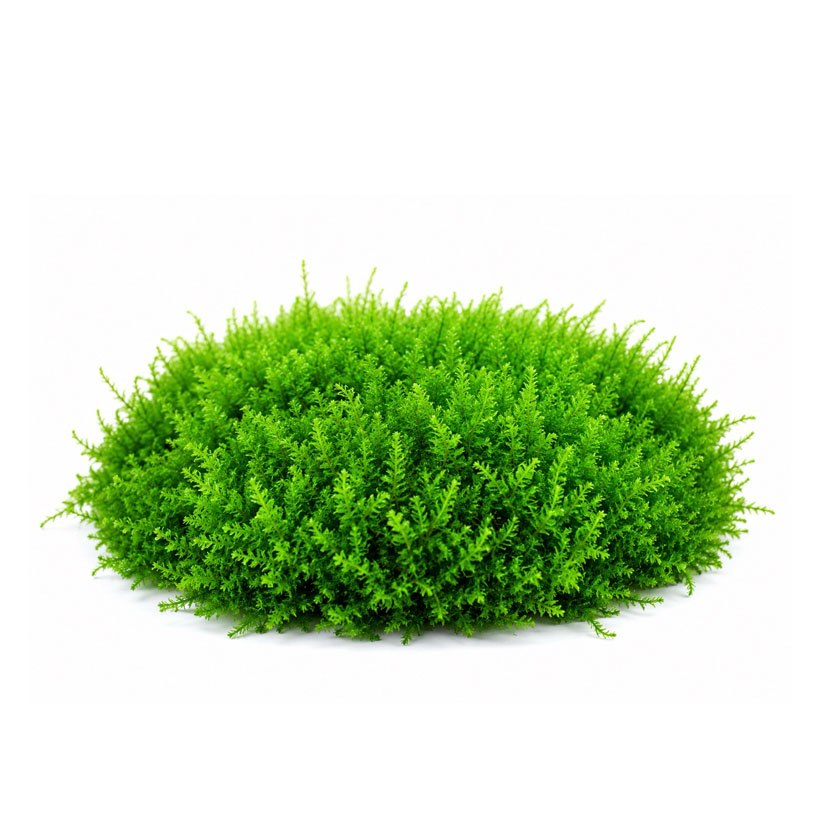
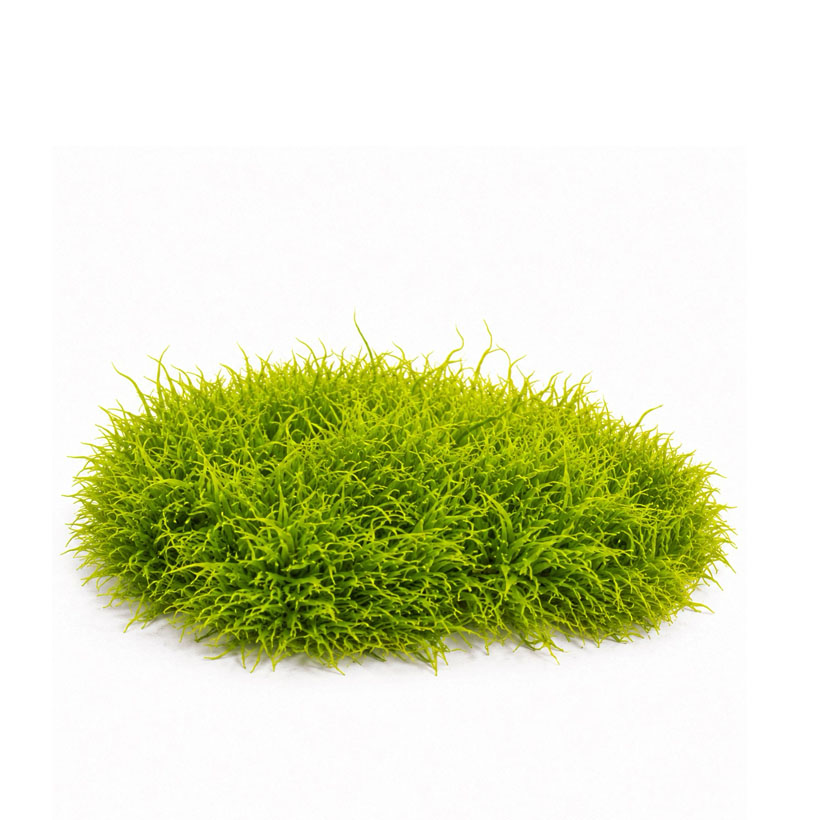
Natural mixtures of white peat, sphagnum moss or special carnivorous plant substrates are particularly popular. For tropical species, terrariums with high humidity and good lighting are also suitable.
Carnivorous plants in terrariums
More and more terrarium enthusiasts are combining carnivorous plants with mosses, roots and natural hardscape materials. This creates impressive mini-biotopes with a genuine jungle atmosphere.
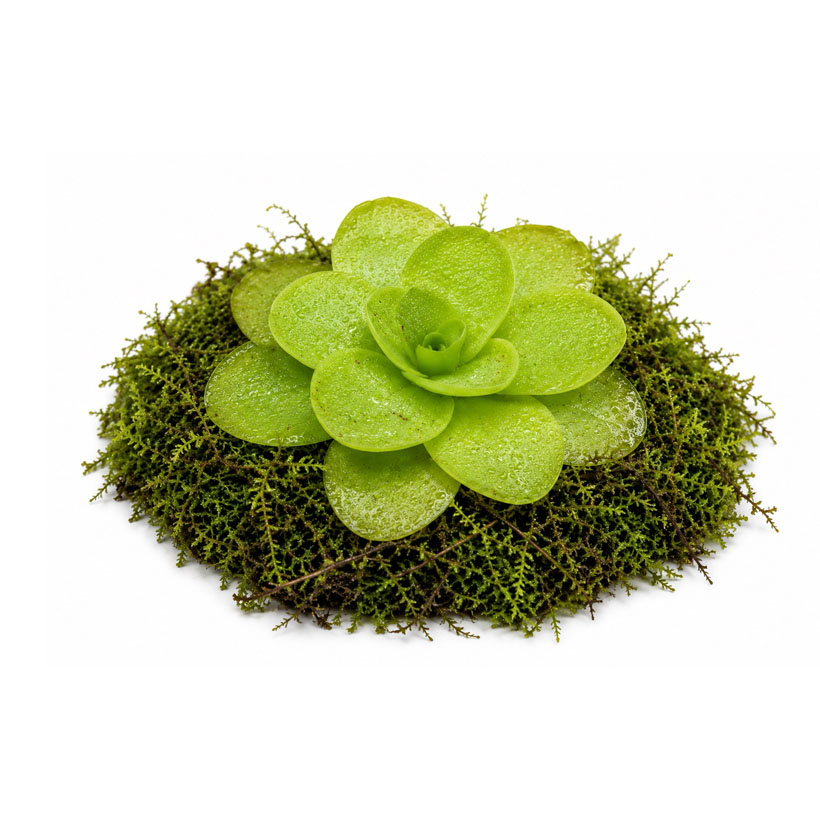
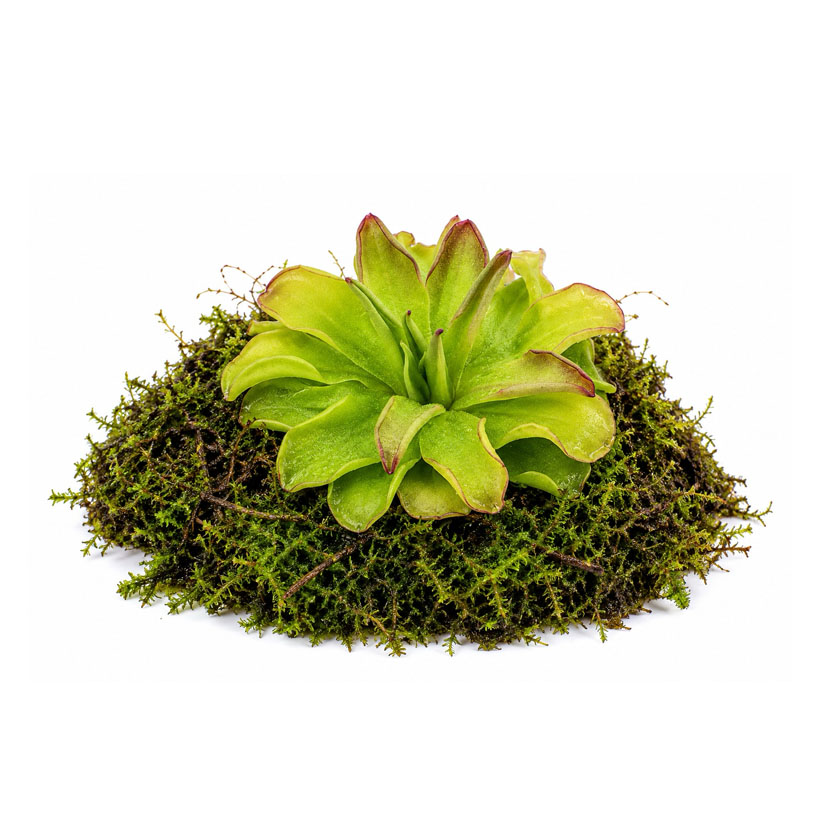
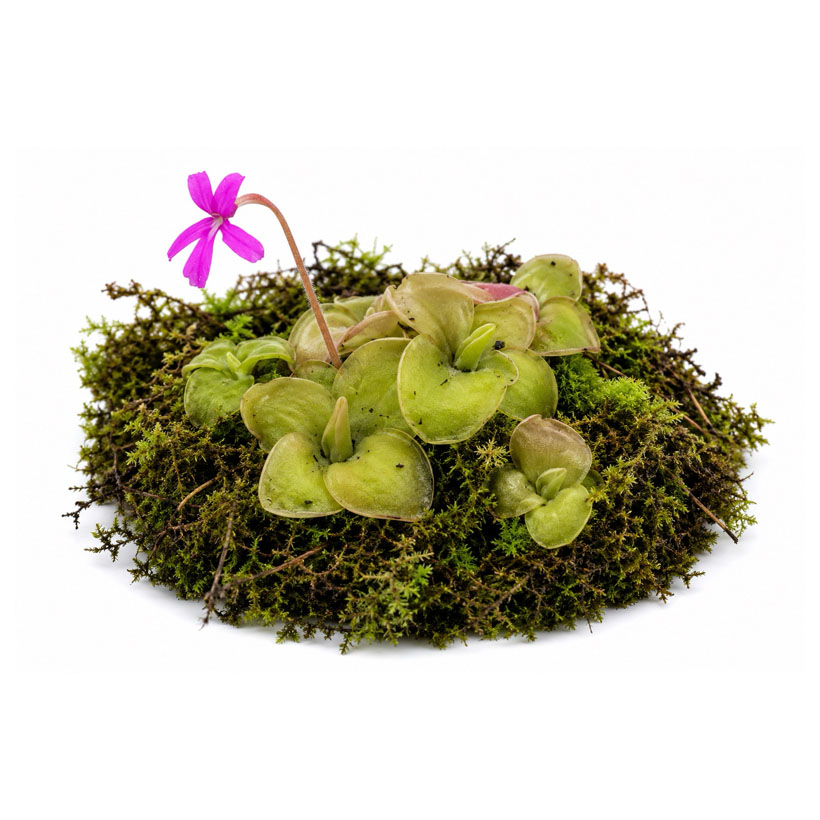
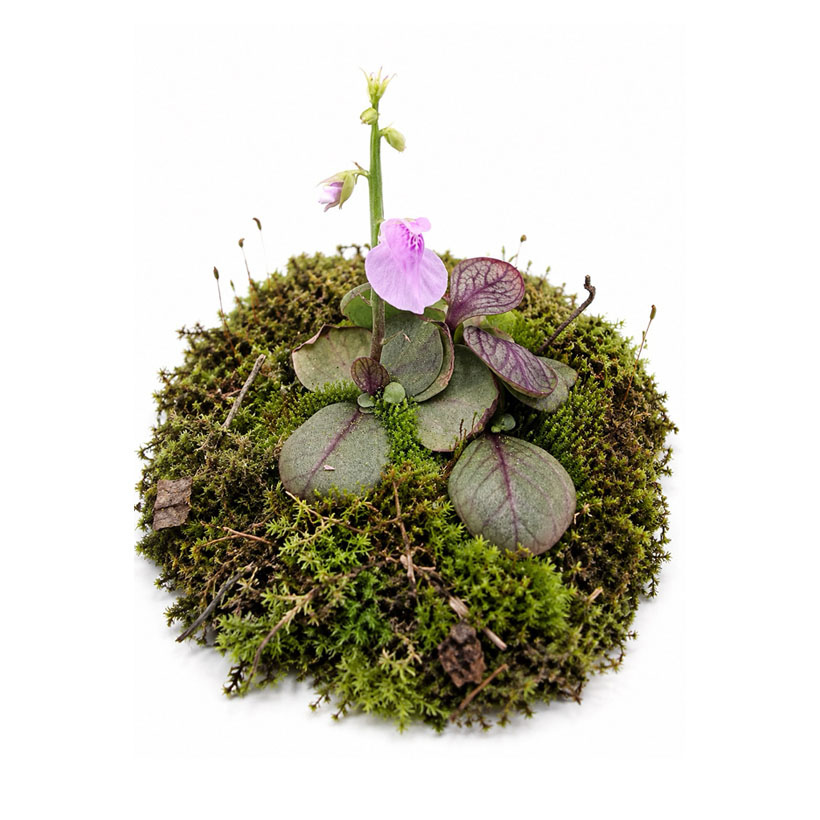
Sundews, small pitcher plants and butterworts, in particular, look especially harmonious in natural-looking terrariums. At the same time, they bring exciting movement and lively textures to humid setups.
You’ll also find natural accessories to match, such as sphagnum moss, terrarium substrates and decorations for natural-looking carnivorous plant setups.
Small hunters with a big impact
Carnivorous plants combine nature observation, aesthetics and biology in a unique way. They have an exotic appearance, yet are surprisingly easy to care for. Whether you’re a beginner or an experienced plant lover, carnivorous plants always bring a touch of fascinating wilderness into your everyday life.