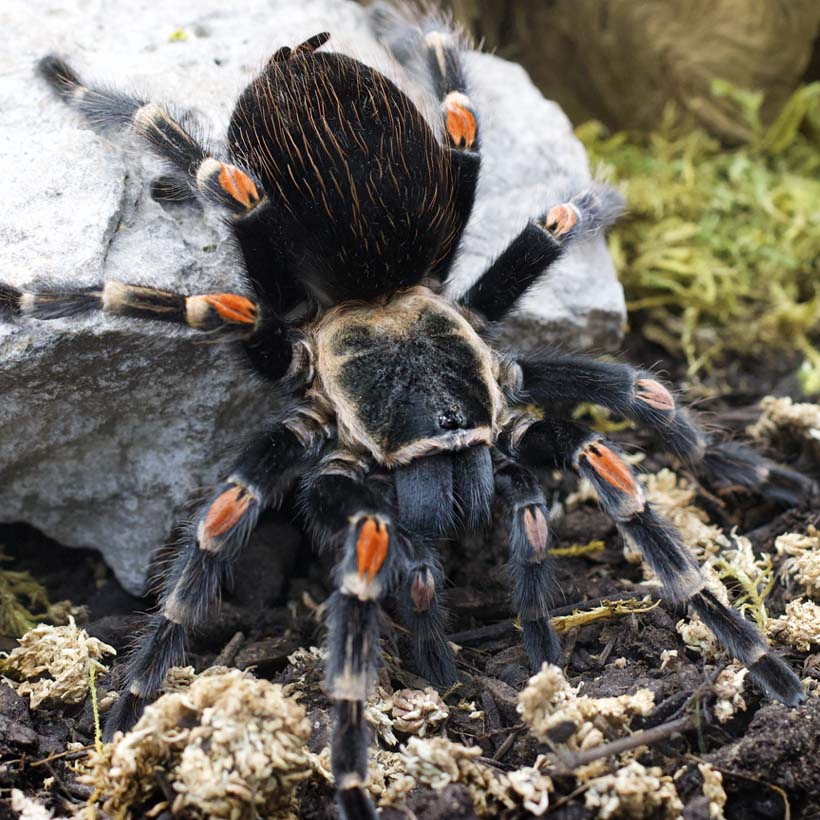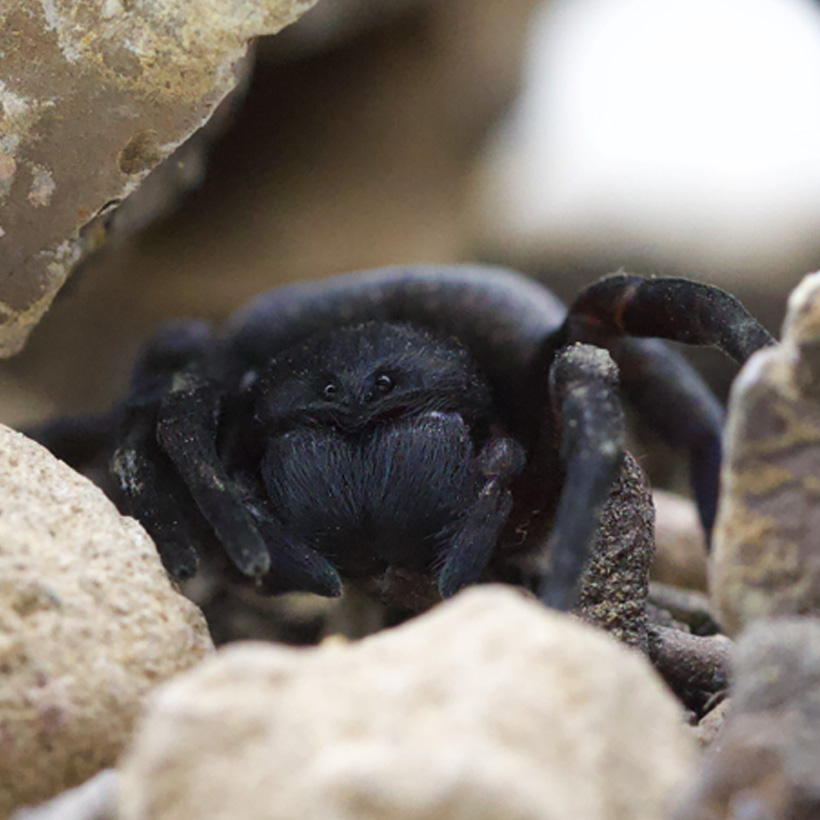

Eresus walckenaeri
Price range: 28,00 € through 65,00 € incl. VAT, plus shipping

Simple

Greece

< 40 mm

20°C – 28°C
Eresus walckenaeri – the Greek tube spider with its extraordinary tube web
Eresus walckenaeri is one of the most fascinating tube spiders in Europe. The robust females, the strikingly colored males, and their unusual way of building webs make this spider an interesting terrarium inhabitant.
Unlike jumping spiders or tarantulas, the Greek tube spider spends a large part of its life in a tube it builds itself. This tube is made of dense silk and is often constructed between stones, pieces of cork, or in the substrate.
But the real show begins right outside the entrance.
There, Eresus walckenaeri spins a dense web that serves as both an early-warning system and a trap. As soon as a prey animal touches the silk threads, the spider senses the vibrations and shoots out of its burrow at lightning speed.
It is precisely this behavior that makes observing them so fascinating. Although the animals often hide, their activity can be easily observed through changes in their webs.
One of Europe’s largest tube spiders
Eresus walckenaeri Brullé, 1832 belongs to the family Eresidae, the tube spiders.
The species is found throughout the Mediterranean region and is particularly well known from Greece. There, it inhabits dry, warm landscapes with stony soil, low vegetation, and numerous natural hiding places.
Unlike tropical spiders, she therefore does not need a terrarium that is constantly moist.
Much more important are a dry, well-ventilated habitat and suitable locations for building a burrow.
Females and males look completely different
Eresus walckenaeri exhibits pronounced sexual dimorphism.
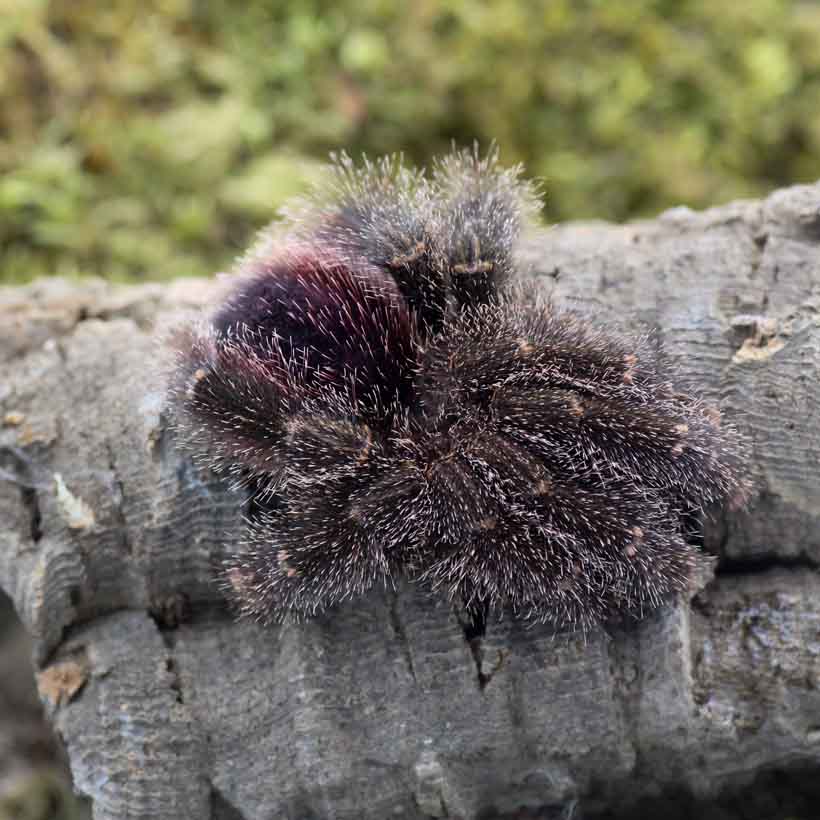
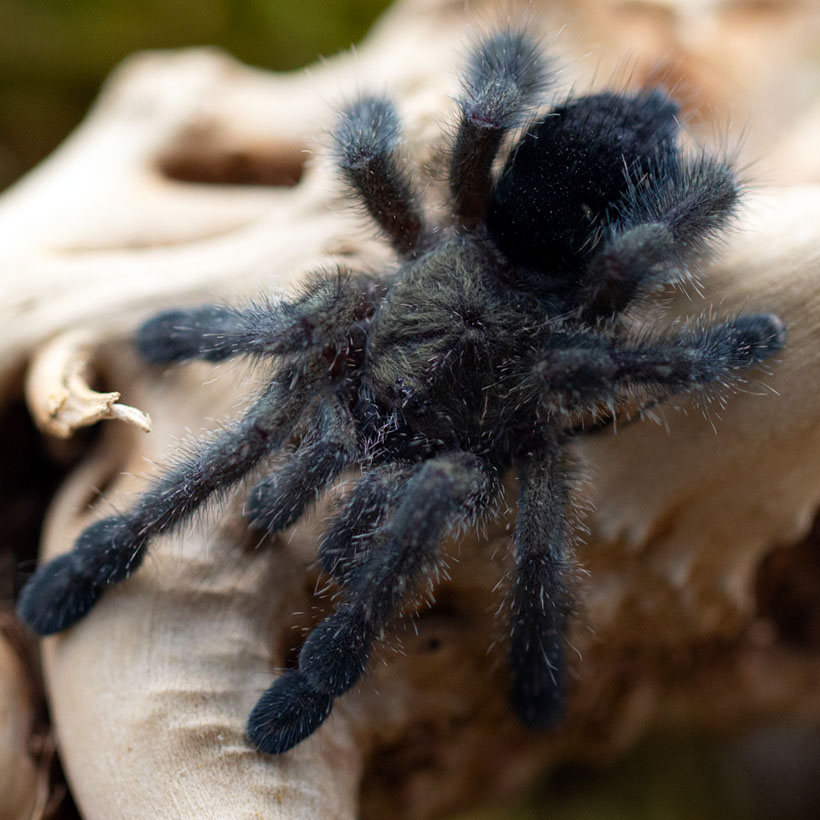
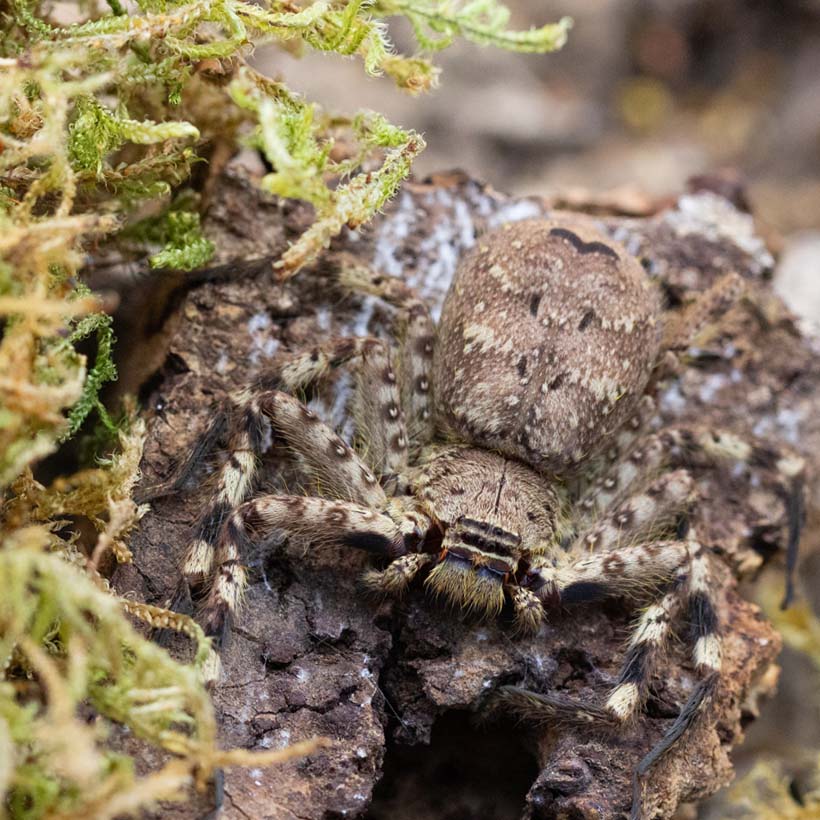
The females have a robust body covered with dense, velvety fur. Their base color is predominantly dark gray to black.
In some females, reddish or yellowish patches may also appear on the abdomen.
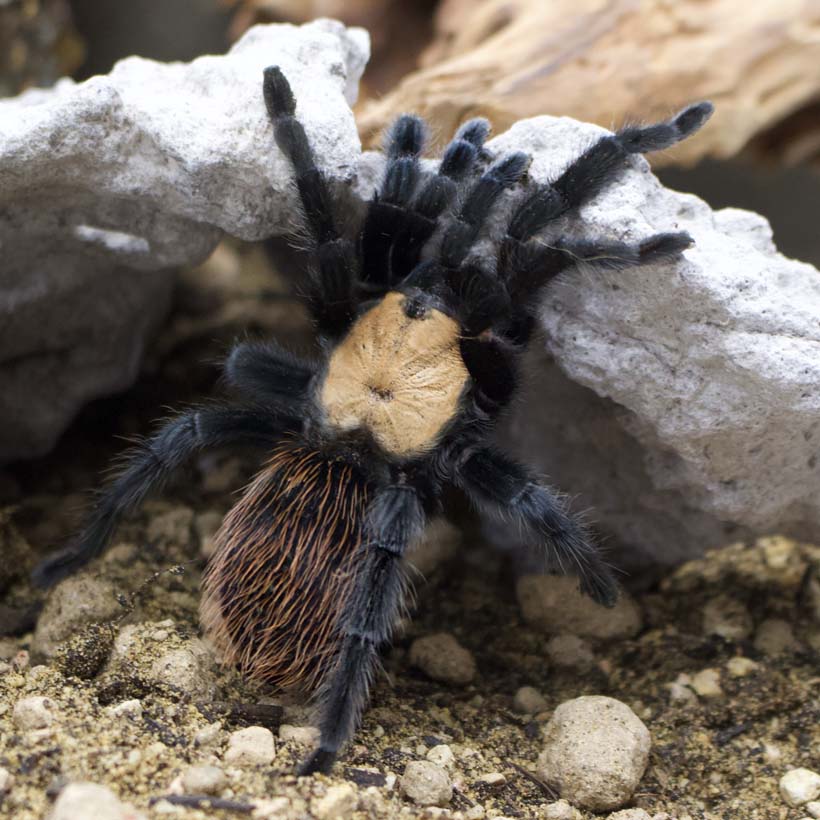
The males, on the other hand, have much more striking coloring.
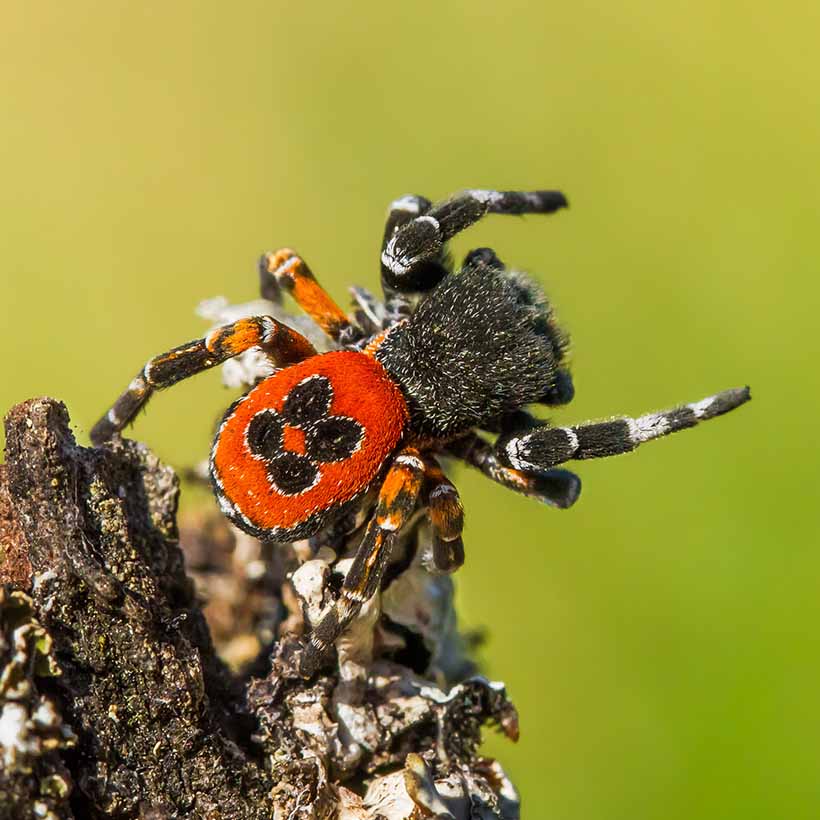
A particularly distinctive feature is the red- to orange-colored abdomen with black spots. The thorax and legs are mostly dark in color.
While the females grow significantly larger and stronger, the males remain slimmer.
It is precisely this difference that makes the species interesting from a biological perspective as well.
A spider that builds its own home
The most important characteristic of Eresus walckenaeri is its unique web-building technique.
The animals build a tubular burrow lined with dense spun silk.
This shelter can be found under rocks, between pieces of cork, or partially buried in the substrate.
Starting from the entrance, the spider spins a web across the surrounding surfaces.
This does not result in a classic web, as is common among many native orb-weaver spiders.
Instead, it is a combination of a living tube and a capture web.
This allows the spider to remain safely hidden in its lair while still sensing when prey is approaching.
The network also serves as an alarm system
The tentacles transmit movements directly to the body tube.
As soon as a prey animal runs over it, Eresus walckenaeri detects the vibrations.
Then everything happens very quickly.
The spider leaves its tube, grabs its prey, and often retreats back to its sheltered area.
That is precisely why it’s worth not constantly changing the web.
As time goes on, the spider expands its structure and connects various pieces of furniture to one another.
This creates a unique network of tubes that continues to evolve.
Why cork bark is particularly well-suited
When setting up the enclosure, you should provide Eresus walckenaeri with as many suitable attachment points for its web as possible.
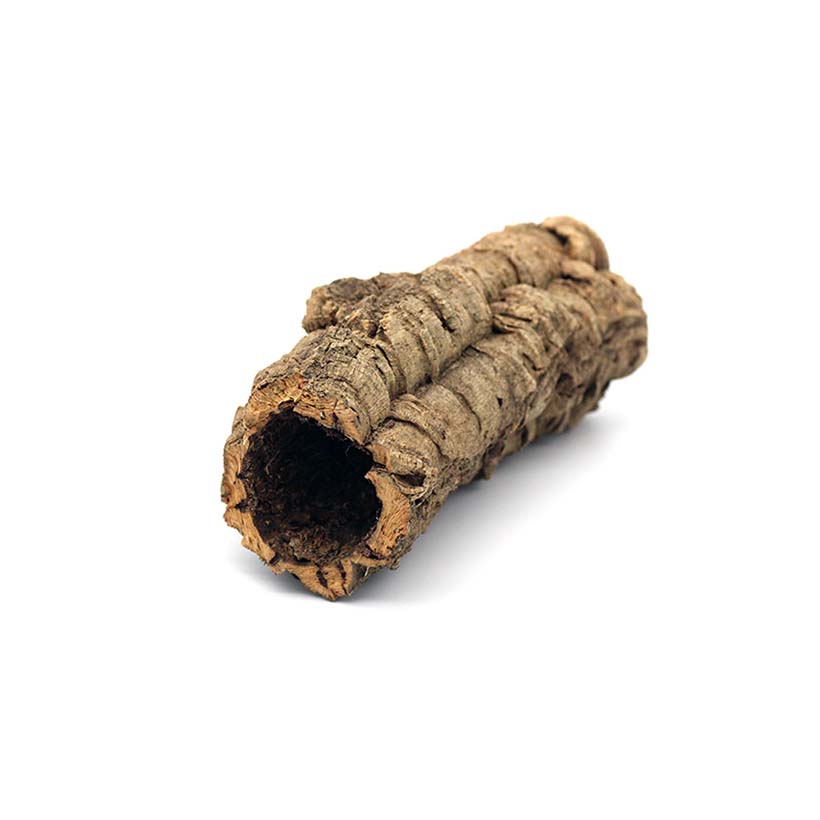
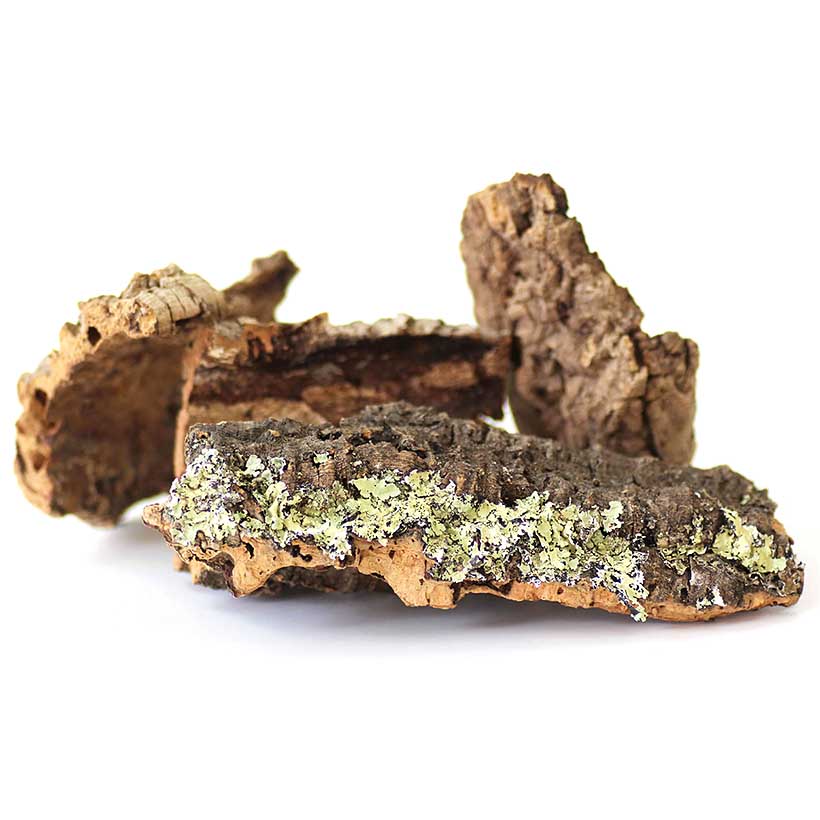
Flat pieces of cork and small cork tubes are particularly well-suited for this purpose.
Some of these can be mixed into the substrate.
This creates sheltered crevices that the spider can then line with silk.
Natural roots also work very well.
However, it is important that heavy objects are stable.
This is because the animals can dig under furniture, which may cause it to become unstable.
A small terrarium is perfectly sufficient
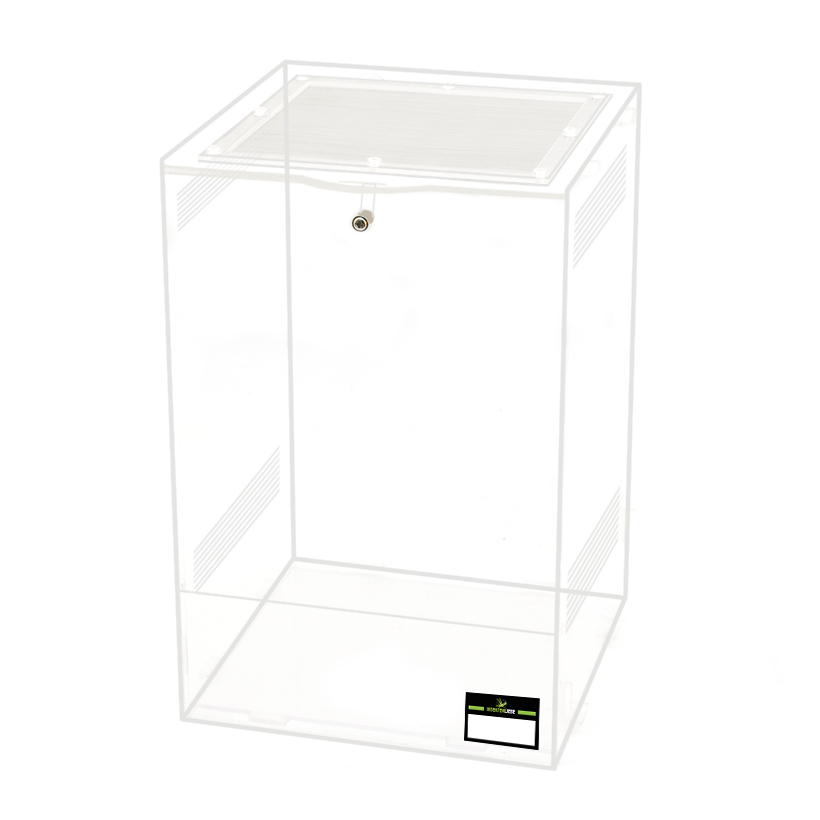
A terrarium measuring at least approximately 15 × 15 × 20 cm is suitable for a single adult animal.
A greater height is not necessary.
The Greek tube spider lives mainly close to the ground and uses its tube as its main dwelling place.
More important than a particularly large terrarium are suitable hiding places and plenty of opportunities to attach its web.
For young animals, we recommend starting with smaller rearing containers.
This makes it much easier to monitor feeding, moisture levels, and development.
The Right Substrate for Dry Habitats
Eresus walckenaeri is native to warm, predominantly dry habitats.
That is why the substrate should also be set up accordingly.
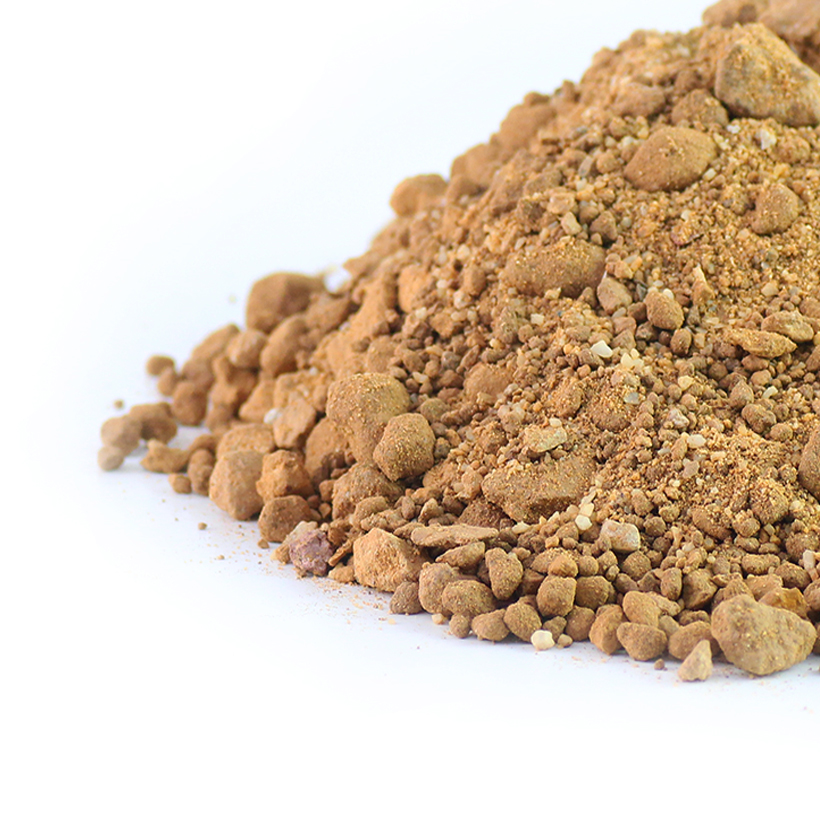
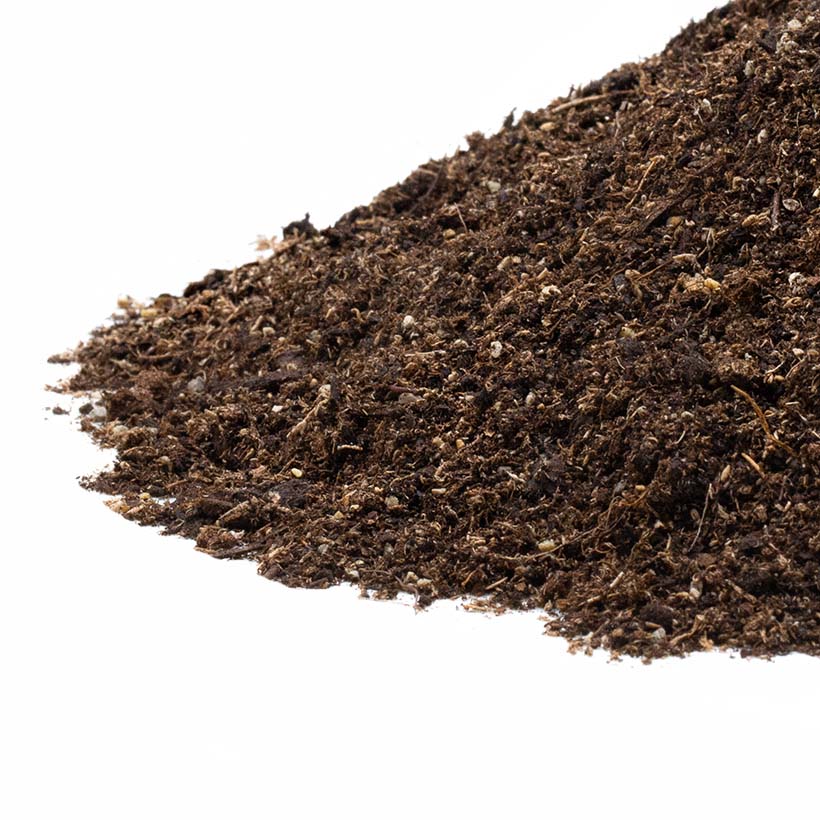
A mixture of tarantula substrate and desert sand, for example, is suitable.
This creates a structured substrate that provides sufficient stability for light digging.
A substrate depth of about 5–8 cm is recommended for many terrariums.
In addition, flat pieces of cork can be partially buried.
This creates natural transitions between the ground and the hiding place, where the spider can build its burrow.
20–28 °C – no fuss when it comes to temperature
A major advantage of Eresus walckenaeri is its relatively wide temperature tolerance.
A temperature of approximately 20–28 °C is suitable for keeping them.
This means the species often thrives even at normal to warm room temperatures.
Therefore, additional heating is not always necessary.
However, it is important that the terrarium does not overheat on a long-term basis.
Small containers, in particular, can quickly become very hot under a heat lamp.
That’s why you should check the temperature regularly.
Keep it dry, but don’t let it dry out completely
The Greek tube spider prefers a relatively dry terrarium.
Consistently high humidity is not necessary.
Nevertheless, the animal should have access to water from time to time.
To do this, you can lightly moisten a small area of the substrate.
Afterward, it should be allowed to dry again.
Keeping the entire terrarium constantly moist, on the other hand, would not be appropriate.
How does Eresus walckenaeri drink?
A large portion of their fluid needs is met through their feed.
Nevertheless, water should also be offered from time to time.
For small animals, it is often sufficient to lightly moisten a section of the substrate.
For larger animals, you can also use a small, shallow water dish, as long as it stands securely and does not damage the web.
It is important not to spray directly into the living tube.
After all, the spider should be able to decide for itself whether to seek out a slightly damp area.
Feeding: Little Hunters with Big Appetites
Eresus walckenaeri is a skilled ambush hunter.
It feeds on various live insects that move around near its burrow.
Drosophila hydei is a good choice for young insects.
As they grow larger, larger live feed can be provided.
Suitable examples include:
- Large fruit flies
- Small Crickets
- Crickets
- Small cockroaches
- Other feed insects of a suitable size
The catch shouldn’t be unnecessarily large.
As a general guideline, prey animals that are about the same size as the spider—or smaller—are suitable.
Feed once a week
For larger juveniles and adults, feeding them about once a week is often sufficient.
When doing so, you should take the spider’s nutritional status into account.
A noticeably full abdomen indicates that the animal is well-nourished.
Before molting, the spider may stop eating.
Even right after that, she needs a little time before she should be fed again.
You should remove any uneaten feed animals.
Why the spider suddenly stopped eating
If your Eresus walckenaeri suddenly stops eating, it doesn’t necessarily mean there’s a problem.
Especially before molting, the animals often retreat deeper into their burrows.
In some cases, the opening is also sealed with silk.
During this phase, you should not disturb the spider.
You must not open the cocoon just to check on the animal.
After molting, the new exoskeleton needs sufficient time to harden.
Only then should you feed them again.
Group housing should be done with caution
Eresus walckenaeri is occasionally described in the terrarium hobby as a conditionally gregarious species.
Young siblings, in particular, can be raised together for a time.
However, that does not mean that keeping them in a group on a long-term basis is safe.
As a company grows, the risk of competition and cannibalization increases.
That is why we recommend separating young animals at an early stage.
Once the animals reach a body length of about 1 cm, they should be kept separately.
For adult animals, keeping them separately is the safest option.
Unusual Reproductive Behavior
The reproductive biology of tube spiders is particularly interesting.
After successful mating, the female produces an egg case and cares for it in her burrow.
In doing so, she protects the eggs and ensures suitable conditions.
In addition, particularly intensive brood-care behavior has been observed in various members of the Eresidae family.
This also includes what is known as matrophagia.
In this process, the mother is eaten by her offspring as they develop.
This behavior represents an extreme form of maternal care.
A similar behavior has also been described for Eresus walckenaeri.
However, one should not conclude from this that every female will inevitably die immediately after hatching under all circumstances.
Is Eresus walckenaeri dangerous?
Like other true spiders, Eresus walckenaeri has venomous fangs and can bite when threatened.
However, this species is not considered particularly dangerous to healthy adults from a medical standpoint.
Nevertheless, you should avoid biting.
These animals are not meant to be petted and should be handled as little as possible.
Precisely because they often expand their burrows over long periods of time, it makes more sense to observe them directly in the terrarium anyway.
Why this sport is also appealing to beginners
The Greek tube spider doesn’t require any complicated equipment.
A small, well-ventilated terrarium, suitable hiding spots, and a fairly dry substrate are all it takes to meet the most important requirements.
The temperature range of 20–28 °C is also relatively straightforward.
Still, there are a few things you should keep in mind.
These include ensuring a smooth molting process, housing larger animals individually, and carefully managing humidity.
If you keep these points in mind, Eresus walckenaeri can be an excellent choice for those new to keeping tube spiders.
Advantages at a glance
- Eresus walckenaeri Brullé, 1832
- German name: Greek tube spider
- Eresidae family
- Origin: the Mediterranean region, particularly Greece
- Females are dark gray to black
- Male with a strikingly red-orange abdomen
- The Fascinating Construction of Tubes and Trapping Webs
- Ground-dwelling ambush hunter
- Terrarium measuring approximately 15 × 15 × 20 cm
- Substrate approximately 5–8 cm
- Temperature 20–28 °C
- A rather dry terrarium
- Moisten a small area occasionally
- Good ventilation is important
- Cork bark and cork tubes as ideal hiding places
- Feed about once a week
- Feed the young animals Drosophila hydei at first
- Larger animals, such as crickets, field crickets, and cockroaches
- Young animals can be raised together at times
- Solitary housing recommended starting at about 1 cm
- Interesting Brood-Rearing Behavior
- Difficulty level: Easy to moderate
Suitable accessories for your setup
Eresus Complete Set – offers a basic kit specifically designed for tube spiders.
Insektenliebe Acrylic Terrarium – provides a well-organized enclosure and plenty of space for building a tunnel.
Tarantula substrate – provides a suitable base for the substrate and can be combined with desert sand.
Desert sand —when combined with tarantula substrate, it creates a more stable, drier substrate.
Cork bark —creates natural crevices and provides ideal starting points for building the network of tubes.
Cork Tube – is ideal as a sheltered starting point for a living tube.
Conclusion: A spider that designs its own terrarium
Eresus walckenaeri is an extraordinary spider that captivates not only with its appearance.
The construction of her dwelling tube is particularly fascinating. Using dense spun silk, she weaves together pieces of cork, stones, and other materials to create a sheltered retreat with an attached hunting web.
There is a clear difference between females and males. While females are predominantly dark in color, adult males have a striking red-orange abdomen.
For successful care, we recommend a small, well-ventilated terrarium measuring at least approximately 15 × 15 × 20 cm, temperatures between 20–28 °C, and a relatively dry substrate.
It is particularly important to provide suitable attachment points for the web and to ensure that the spider is kept in conditions that cause as little disturbance as possible.
If you’re looking for a spider that designs its own terrarium and captivates with its extraordinary hunting behavior, Eresus walckenaeri is a fascinating pet to keep.
Perfect combined with
-
Insektenliebe acrylic terrarium
Price range: 13,99 € through 25,69 € incl. VAT, plus shipping