


Caribena versicolor: An exotic tarantula from the Caribbean
Caribena versicolor, also known as the Martinique tarantula, is native to the Guadeloupe and Martinique rainforest. This region is known for its rich biodiversity and is home to a variety of exotic plant and animal species, including a large number of tarantula species.
Guadeloupe and Martinique are two islands in the Caribbean Sea that form part of the great island arc of the Antilles. The rainforest in the north of Martinique is one of the last primary rainforests in the Caribbean and is home to a variety of flora and fauna, including the Caribena versicolor.
The natural habitats of Caribena versicolor are wooded hills covered with tall trees, shrubs and undergrowth. These spiders are good climbers and often move freely through the undergrowth and trees. In their natural habitat, they feed on small insects such as crickets and grasshoppers.
In terms of their husbandry and breeding, Caribena versicolor are now kept by hobby breeders and enthusiasts worldwide. Although originally from the Caribbean, they are now common in many parts of the world and are often kept as exotic pets.


A tarantula that stands out
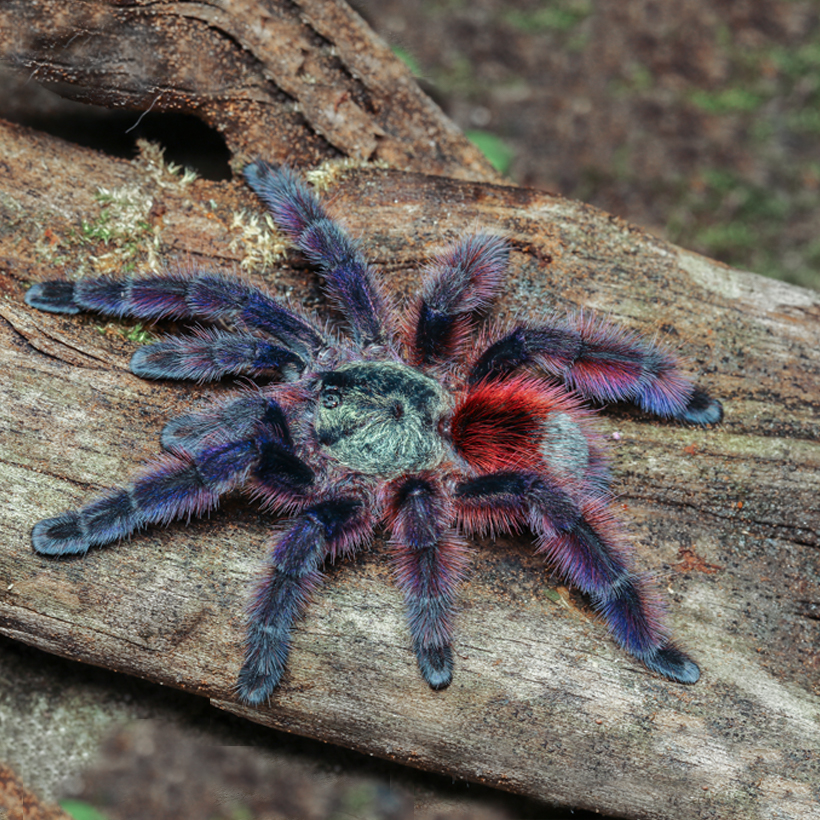
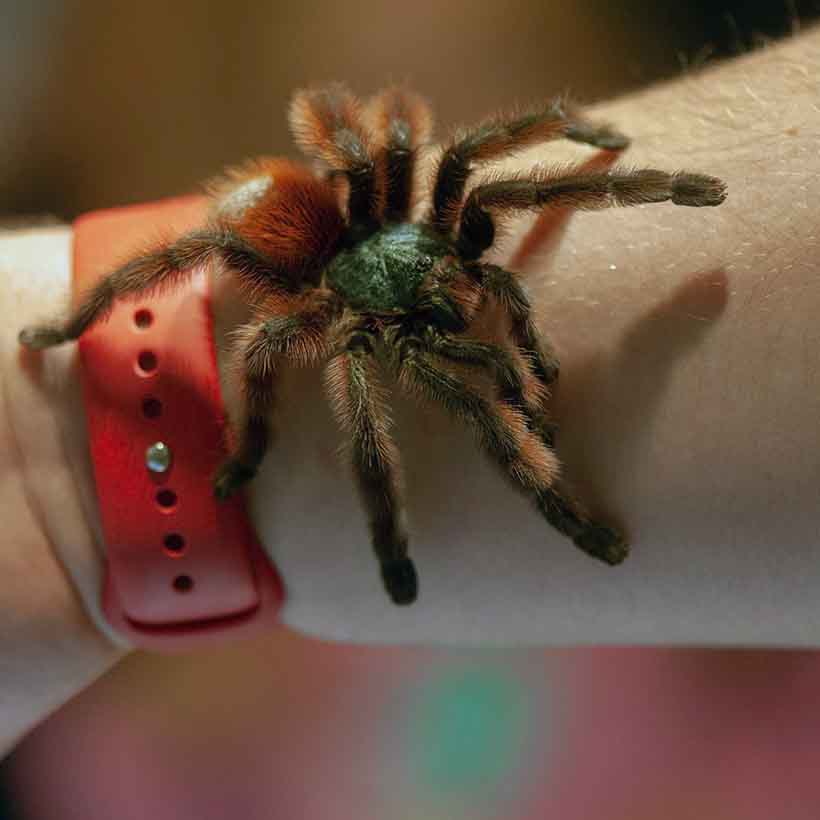
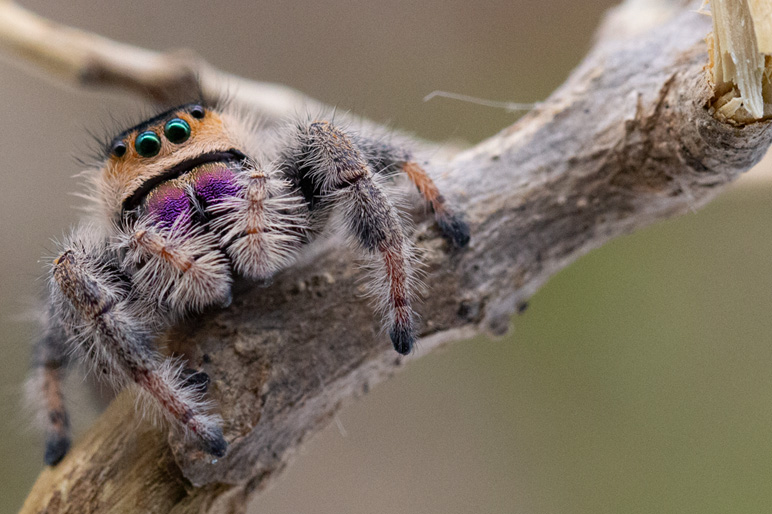
Caribena versicolor is an attractive tarantula known for its bright colors and unique pattern. It has a strong, robust body and long, sturdy legs. The spider’s body is usually colored in a combination of red, green and black and can look different depending on age and sex.
Another characteristic feature is the pattern on its body. The spider has a rich, complex pattern of stripes and spots.
The size of Caribena versicolor can vary, but on average they grow to between 5-7 cm long when they have their legs stretched out. Male specimens are often smaller and slimmer than females and have longer legs.
Overall, Caribena versicolor is an attractive and fascinating tarantula that stands out with its bright colors and unique pattern. If you are a fan of tarantulas, Caribena versicolor could be a great addition to your collection.
Important factors when keeping Caribena versicolor
An important factor when keeping Caribena versicolor is the terrarium itself. As these spiders are active climbers, they need a large terrarium that offers them enough space to move around freely. A common size for an adult Caribena versicolor terrarium is at least 20-25 cm wide, 20-25 cm deep and 30-40 cm high.
The following list shows which containers are suitable for the spiders depending on their size:
FH1-3:
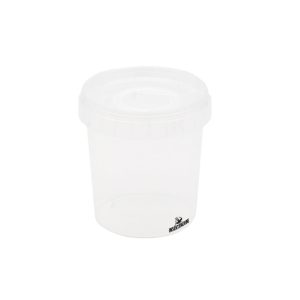
Rearing tins with gauze in the lid
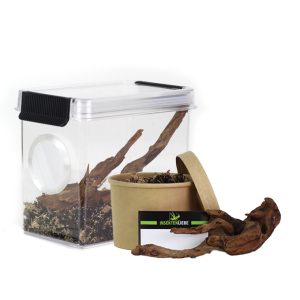
Insektenliebe rearing terrarium
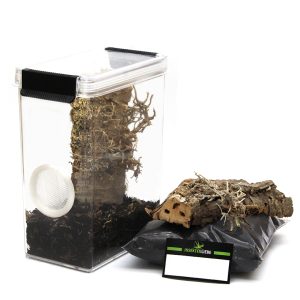
Insektenliebe rearing terrarium XL
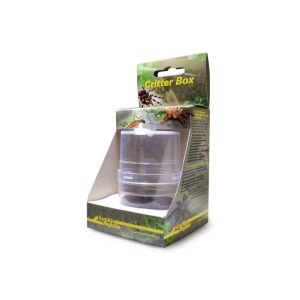
Lucky Reptile Critter Box
FH4-6:
Insektenliebe rearing terrarium XL
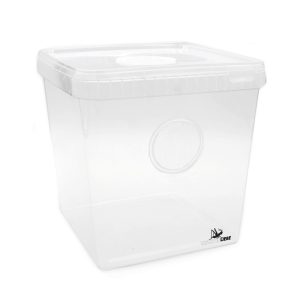
BraPlast can with double ventilation
from FH7:
Insektenliebe rearing terrarium XL
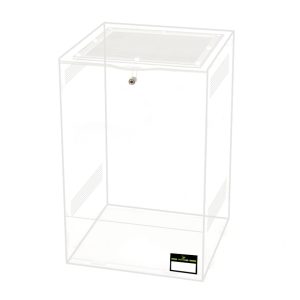
Insektenliebe acrylic terrarium
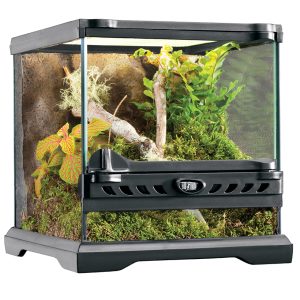
Exo Terra Terrarium
Food and water
Like all living creatures, jumping spiders need food and water to survive. The animals should be provided with both two to three times a week to ensure that they are well and thrive. Liquid is best given to the jumping spiders by spraying water onto one side of the terrarium with a spray bottle two to three times a week. There should be enough droplets on the glass to last for 2-4 hours so that the spider has enough time to drink. You can also choose the side where the spider’s web is, as they also like to drink from the spider silk.
Just like the water, the jumping spiders should also be given food two to three times a week. In principle, Phidippus regius can catch food that is 1-1.5 times their own size. In addition, when keeping jumping spiders, care should be taken to provide a wide variety of food animals, as these contain different nutrients that are important for the spider. If the jumping spider does not accept a food animal, you can simply try a smaller food animal at the next feeding. Food animals such as crickets or grasshoppers should be removed from the terrarium if they are not eaten. This protects the jumping spider during moulting, as it can be eaten by these food animals during this period. The following is a list of which food animals are suitable for which size of jumping spider:
FH1-2:
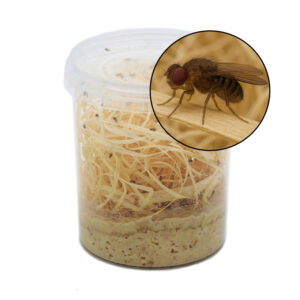
Large fruit fly
FH3-4:
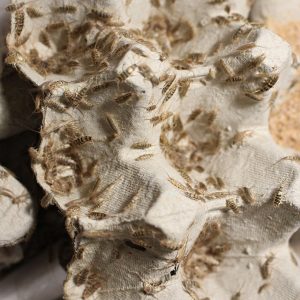
Thermobia domestica “Ovenfish”
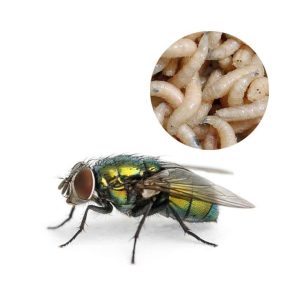
Gold flies
FH5-6:
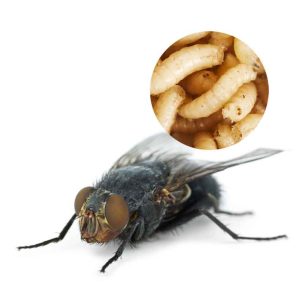
Blowflies
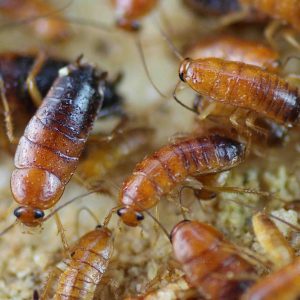
from FH7:
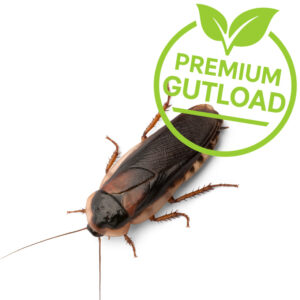
Blaptica dubia “Argentine forest cockroach”
In terms of furnishing the terrarium, you should ensure good humidity, as Caribena versicolor requires a relatively high level of moisture. You can achieve this by placing Sphagnum moss or other moisturizing materials on the floor of the terrarium. It is also important that you provide a relatively high layer of substrate, which will also help you achieve a consistently high humidity level.
In addition to the requirements mentioned above, you should also provide a suitable temperature in the terrarium. Caribena versicolor prefers a daytime temperature between 25 and 28 degrees Celsius and a nighttime temperature between 20 and 24 degrees Celsius. Good lighting is also important to promote the growth of plants and to maintain a healthy humidity level.
Feeding and watering depends on a number of factors, such as age, size, temperature and ventilation areas in the terrarium. In general, however, the following applies:
Feeding: As a keeper, you should feed your Caribena versicolor about every 7 to 10 days. Young spiders can be fed more frequently, while adult spiders are happy with slightly longer intervals. Crickets, crickets or cockroaches are usually suitable foods. For young tarantulas up to FH2, Drosophila hydei and oven fish are suitable. It is important that the food is fresh and healthy to ensure that the spider gets enough nutrients.
The following is a list of which food animals are conceivable for which spider size:
Watering: Caribena versicolor needs sufficient moisture to stay healthy. You can provide a moist layer of substrate in your terrarium to keep the humidity at an appropriate level. It is important that you spray the web twice a week. This will ensure that the spider receives a regular supply of liquid. You can also provide a bowl of water. It provides an additional source of evaporation but is not used as a source of water. It is important that you check the bowl regularly and change the water if it gets dirty.
It is important to note that each terrarium and tarantula is unique, so it may take a bit of experimentation and customization to create the best conditions for your Caribena versicolor.
In their natural habitat, these spiders feed on small insects such as crickets and grasshoppers. In the terrarium, you can feed them with various live insects. Pay attention to the size of the food animals! Animals that are too small or too large will not be eaten.
Caribena versicolor has a life expectancy of 4 to 10 years on average. Life expectancy varies greatly and depends on a number of factors, such as housing conditions, the health of the spider, diet and sex. Males die no later than 1 year after moulting, while females can live for an impressive 10 years or even longer.
In summary, Caribena versicolor are active and demanding spiders that require certain conditions to stay healthy and happy. However, if you are prepared to meet these requirements, you can build an amazing relationship with these fascinating animals.
Rewarding breeding challenges
Caribena versicolor is a species that is relatively easy to breed as long as the husbandry conditions are optimal. The reproduction time of Caribena versicolor can vary, but usually depends on the husbandry parameters in the terrarium.
It is important to note that Caribena versicolor can be somewhat more aggressive during the mating season, especially when laying eggs. It is therefore advisable to secure the terrarium well to prevent the spider from escaping.
When a female Caribena versicolor is ready to lay eggs, she will build a 5-6 cm cocoon and lay 80-150 eggs in it. After laying, the female will protect the clutch and ensure that it remains sufficiently moist until the eggs hatch.
When the eggs hatch, you can remove the baby spiders from the cocoon and keep them in a separate terrarium until they are large enough to move to a larger terrarium. During their early stages of development, the baby spiders will need fruit flies to feed and grow.
In summary, breeding Caribena versicolor is a rewarding experience that requires time, patience and care. However, if you are willing to fulfill these requirements, you can build up a growing population of these fascinating animals.
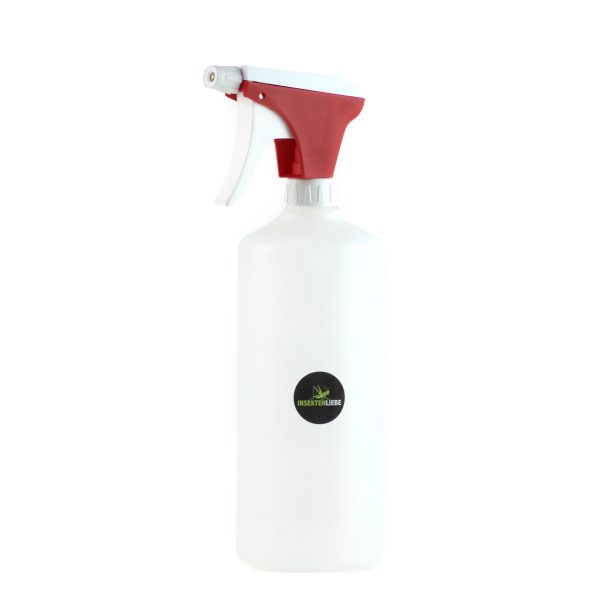
Insektenliebe pressure spray bottle 1 L
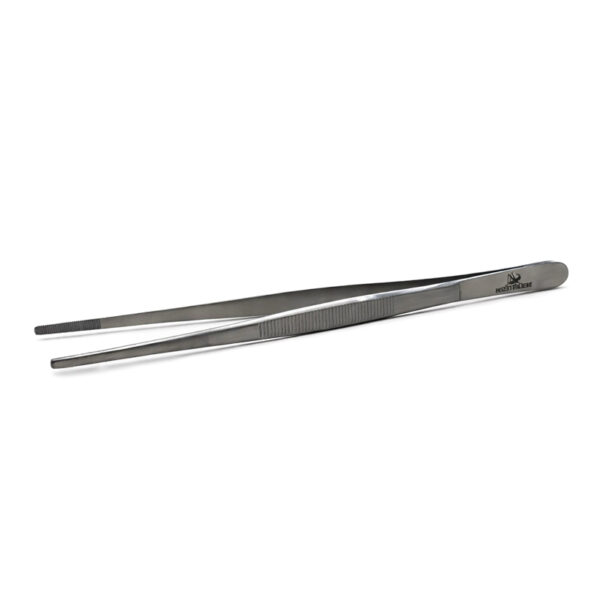
Feeding tweezers
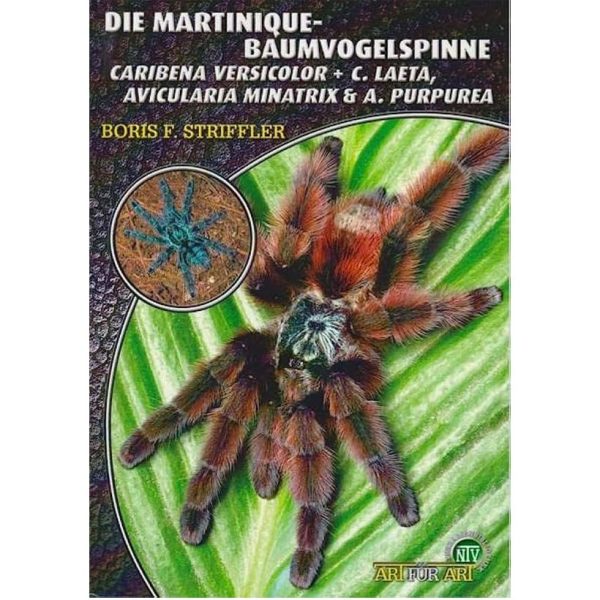
The Martinique tree tarantula
Conclusion
Discover the world of exotic tarantulas with Caribena versicolor! This extraordinary spider has a spectacular color variation that will add an unforgettable touch to your terrarium. With its appealing appearance and eye-catching personality, it is sure to be the eye-catcher in any room.
Caribena versicolor is a robust and easy to care for spider that is perfect for beginners and experienced keepers. It is also extremely adaptable and can adapt to many different environments.
Buy your Caribena versicolor now and experience the fascination of the tarantula world up close. It will turn your home into a lively and fascinating place that you will rediscover time and time again. See its beauty for yourself and bring an adventure into your home!
If you have any further questions, please leave them in the comments below the article.


Leave a Reply
You must be logged in to post a comment.