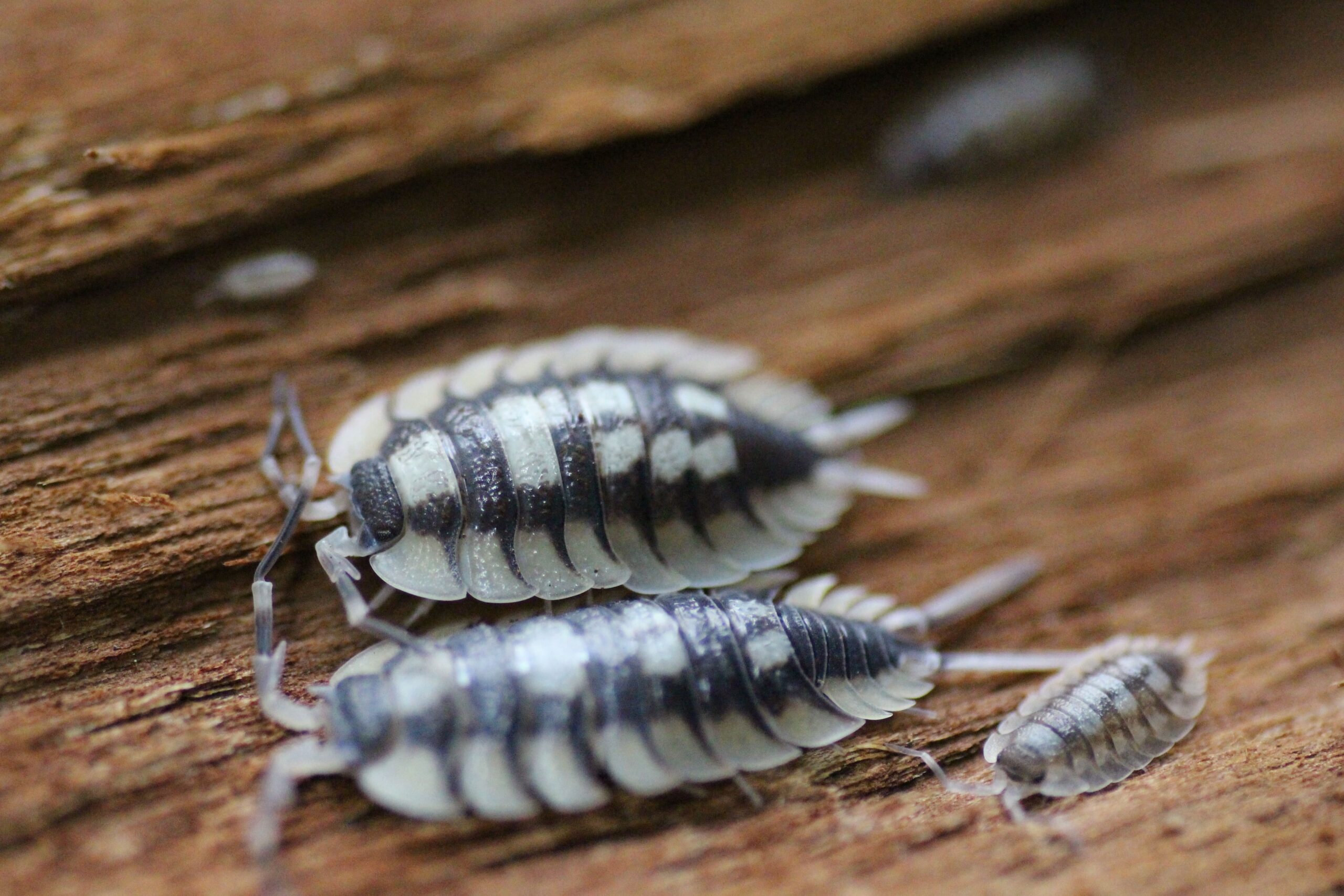


There are many species of isopod that are quite easy to breed. If the husbandry conditions are right and Isopods of different sexes are kept together in a terrarium, reproduction can sometimes not be prevented at all. Isopod keepers are usually happy about this, as it is very exciting to observe the mating, reproduction and offspring of Isopods. However, uncontrolled reproduction can also become a problem: This usually happens when reproduction gets out of hand and, over time, too many Isopods populate a tank that is too small. Before breeding Isopods, you should therefore make sure that the offspring can be well cared for – either in a second container of their own or with people who give the Isopods a new home. Below I provide some basic information on how mating and reproduction in Isopods of the specialized reproductive type works.

Sex determination of Isopods
Before you can start breeding, you should be sure that both sexes are present in the breeding batch. The clearest way to identify all separated-sex Isopods is on the underside. To do this, carefully pick up the Isopod or place it in a transparent container and look at the end of the abdomen. I use reading glasses for this, of course you can also use a magnifying glass to better recognize the differences. You can see from the shape of the segmental plates that they are shaped in a pointed arc in the male Isopods and are more rectangular in the females.
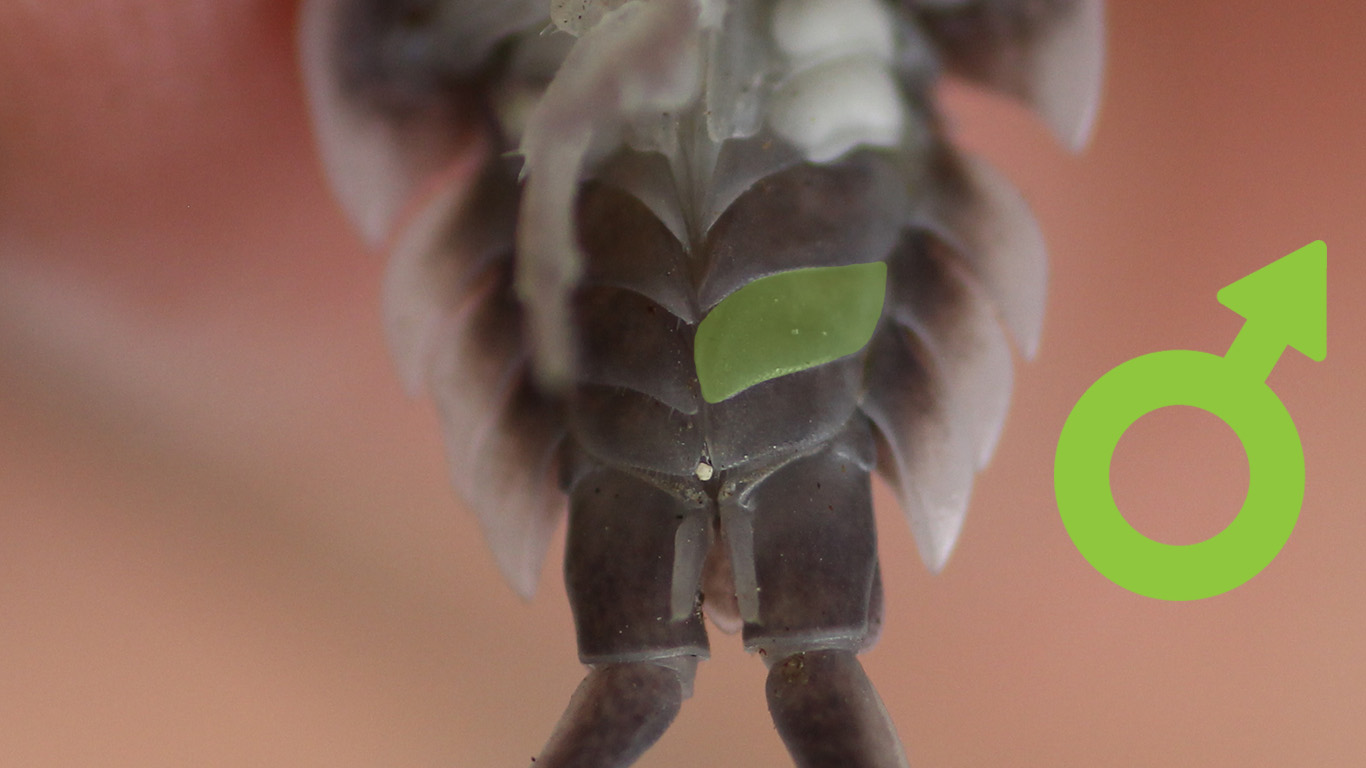
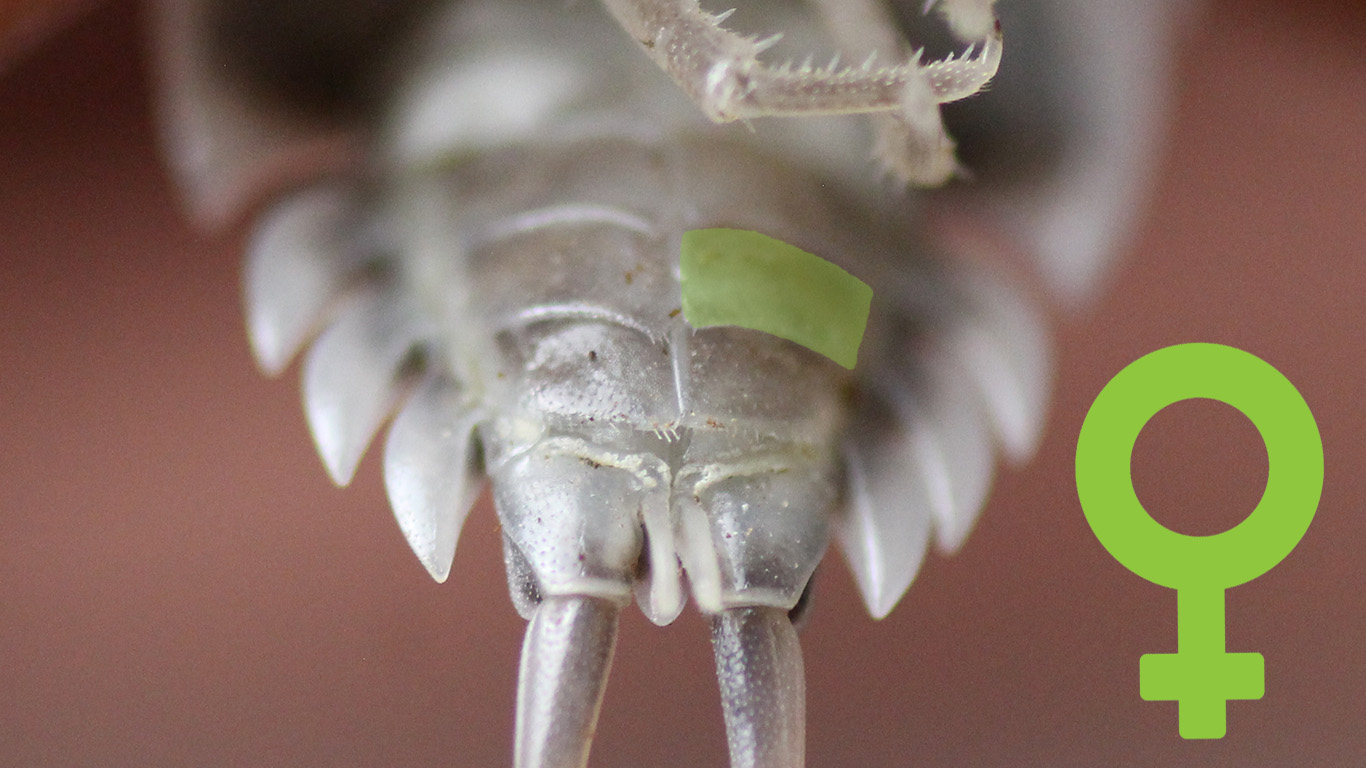
Some Porcellio species have a phenotypic sex determination. This means that you can tell which Porcellio isopod is which sex based on its external appearance. The focus is on the end of the Isopod’s body. This is where the uropods are located, which are the last pair of swimming legs. These are significantly longer in male Porcellio species than in females.
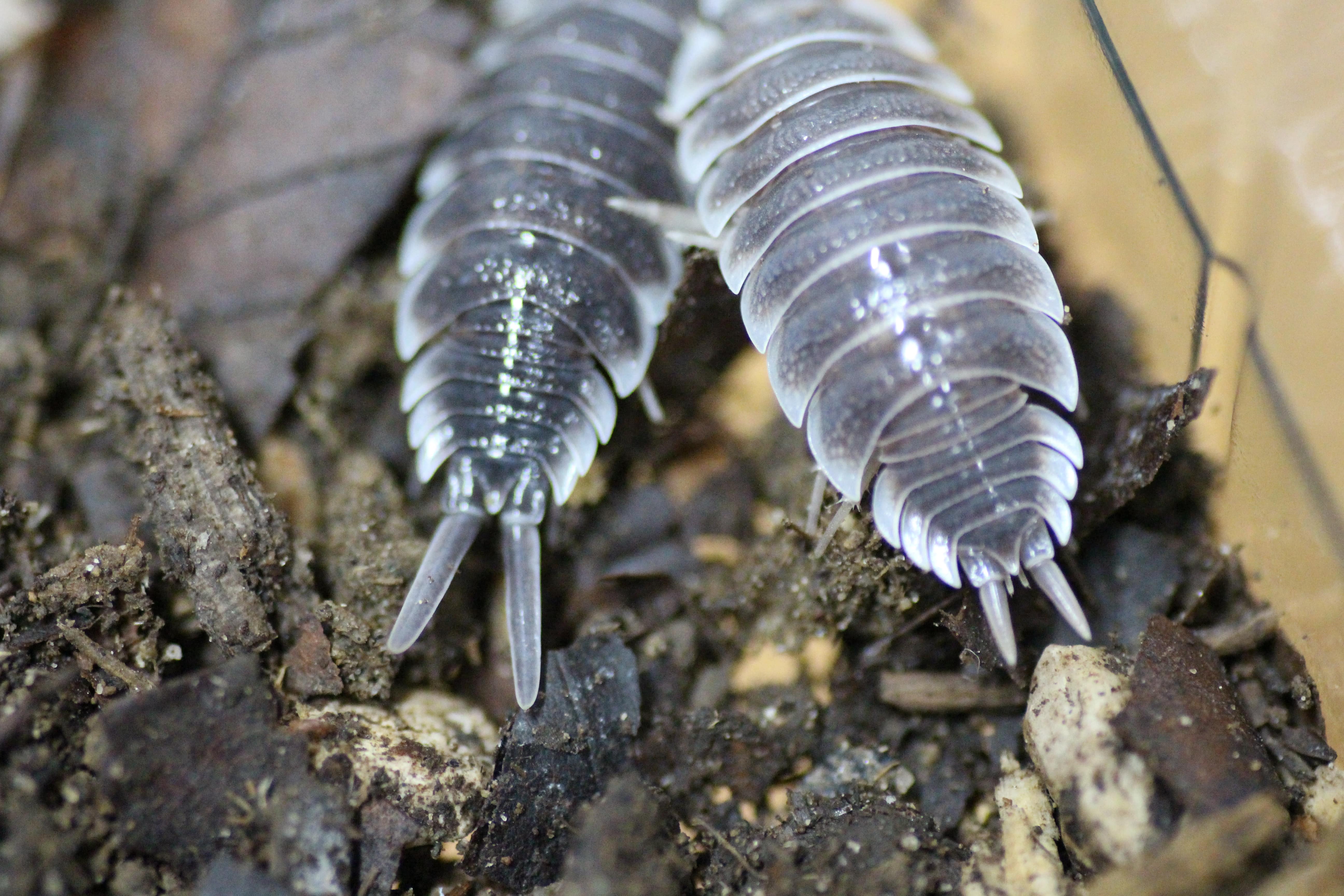
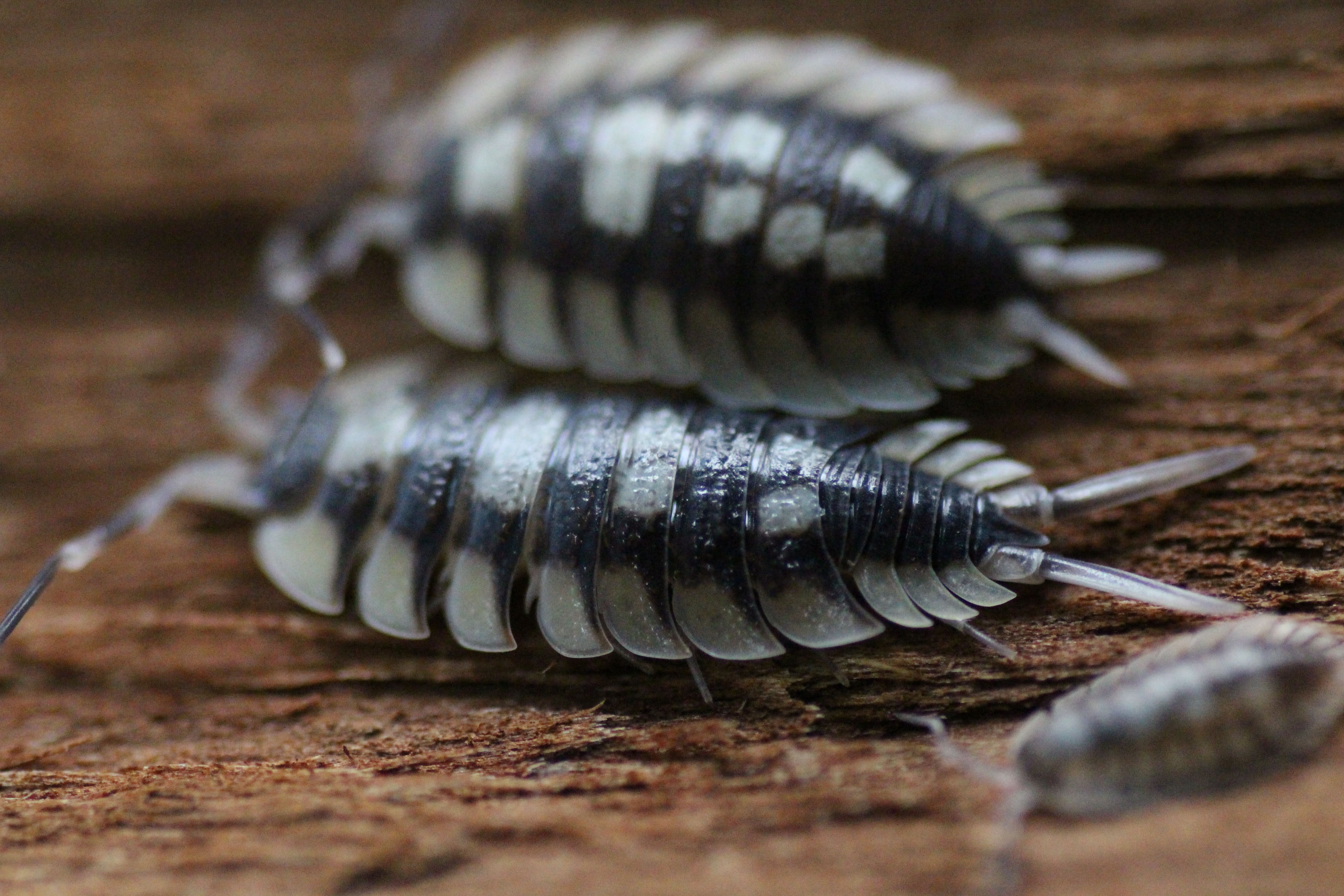
There are also species in which the difference between the sexes can already be recognized by the colouring of the segment plates.
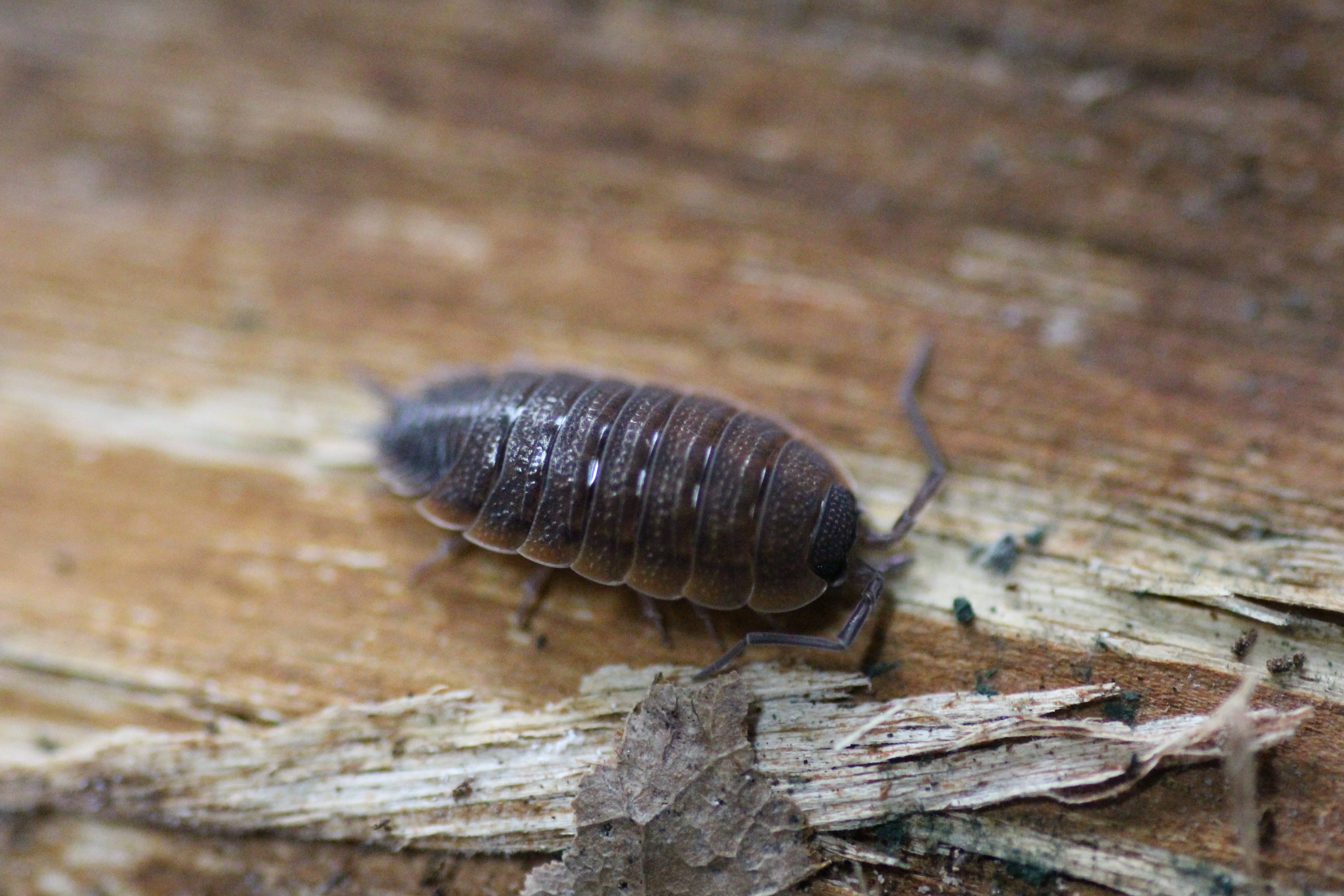
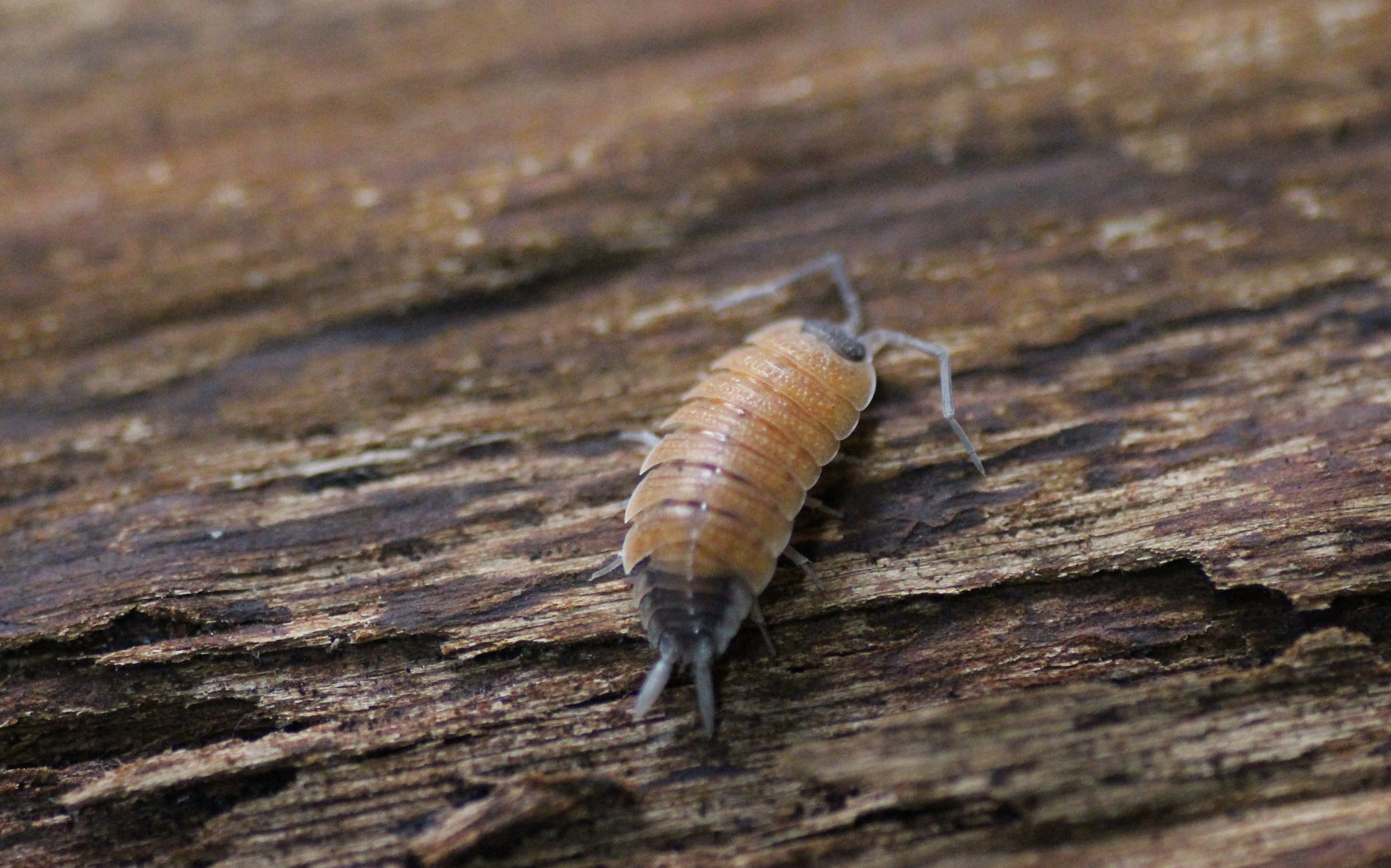
In Porcellio silvestri, for example, the males have a rather inconspicuous coloration, while the female Isopods stand out with a rich orange.
I will go into another clear sex determination in the next section.
The role of the brood pouch (Marsupium)
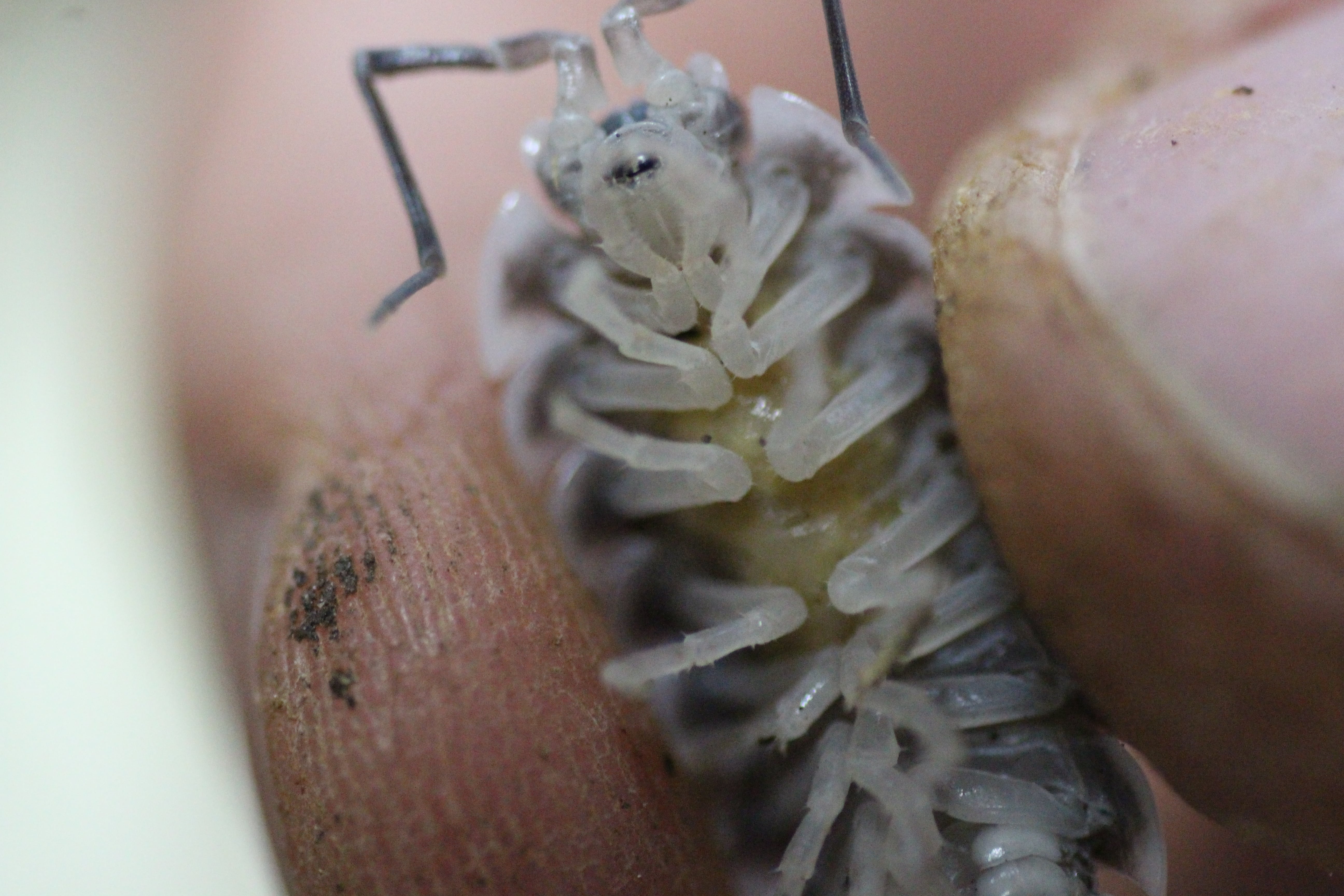
Once female Isopods have reached sexual maturity (usually at the age of a few months), the so-called brood pouch (marsupium), which will play an important role in later reproduction, becomes visible sooner or later in healthy Isopods of many species. This brood pouch can be located between the first and fifth pair of walking legs of the female Isopods. It is also used for sex determination, as it does not occur in males. It is often the only clue for sex determination, especially in many small isopod species. As the name of the brood pouch already makes clear, the female eggs, which are important for reproduction, are developed here, but were previously fertilized by the male Isopods during mating. The eggs remain in the protection of the brood pouch, which is filled with a liquid, during the entire development period until the young isopods hatch.
The mating of Isopods
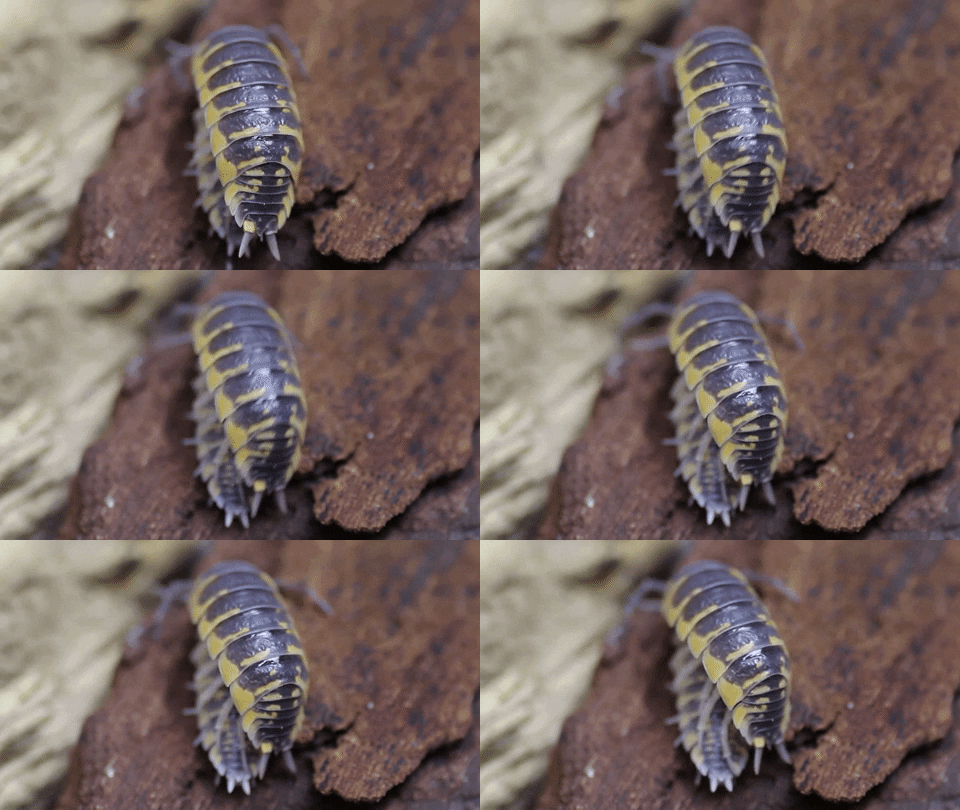
Before the Isopods mate, the keeper can usually observe a lot of movement in the tank. The male Isopods literally chase the female Isopods as they are attracted by the hormones released by the females. They try to get close to the female in order to pass on their sperm to the female. Mating takes place without mating rituals, but the male Isopods often remain on the female’s back for hours. I often observe the males knocking against the segment plates of the females with their rear pairs of legs. I assume that this is a kind of stimulation.
After mating
After mating, the eggs of female Isopods migrate to the abdominal region. Only when the female Isopod has completed her moult does the brood pouch (marsupium) form. However, it still takes a few weeks before reproduction is complete. During this time, the eggs continue to develop until the young Isopods finally hatch. Isopods are very productive: a female Isopod (Porcellio) can give birth to 10 to 70 young in one go after mating. Woodlice (Armadillidium) are far more productive – between 20-160 young are the rule. The very large fluctuations often have to do with the age of the Isopods, as newly adult Isopods often have a lower hatching rate than older ones. Furthermore, nutrition and housing conditions (temperature and humidity) also play a major role. It is also worth noting that many female woodlice give birth several times a year.


Leave a Reply
You must be logged in to post a comment.