Dendrostreptus macracanthus
14,95 € incl. VAT, plus shipping

Simple

Cameroon

< 180 mm

22°C – 26°C
Dendrostreptus macracanthus – Movement in the rainforest terrarium
Dendrostreptus macracanthus is not only one of the most fascinating medium-sized millipedes in terraristics, but also a real insider tip for all those who are enthusiastic about active, observable millipedes. This species originates from the tropical regions of Cameroon, presumably from a humid floodplain with high levels of foliage, dense vegetation and numerous deadwood structures.
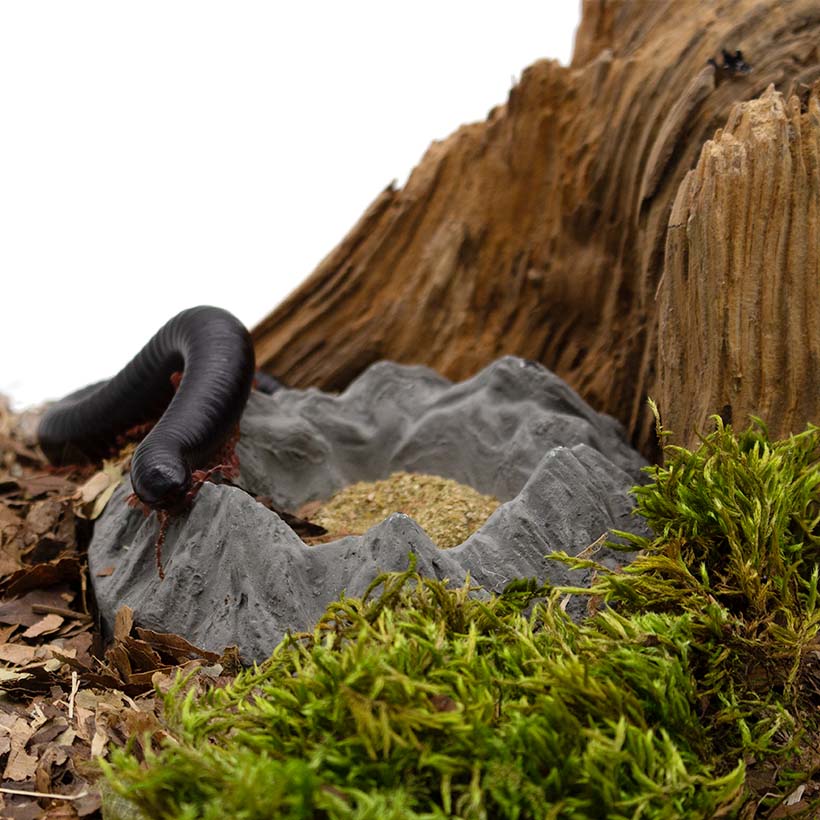
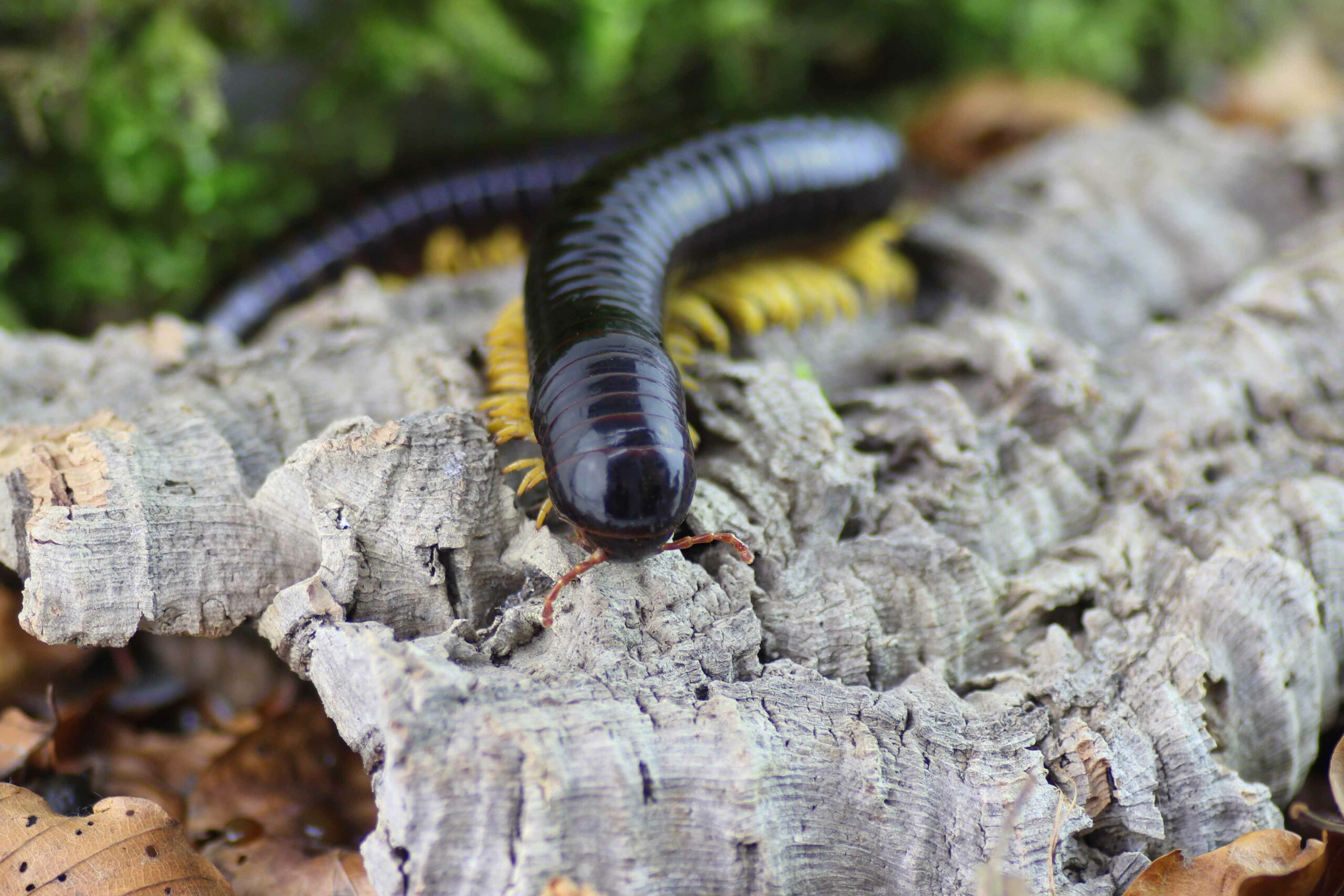
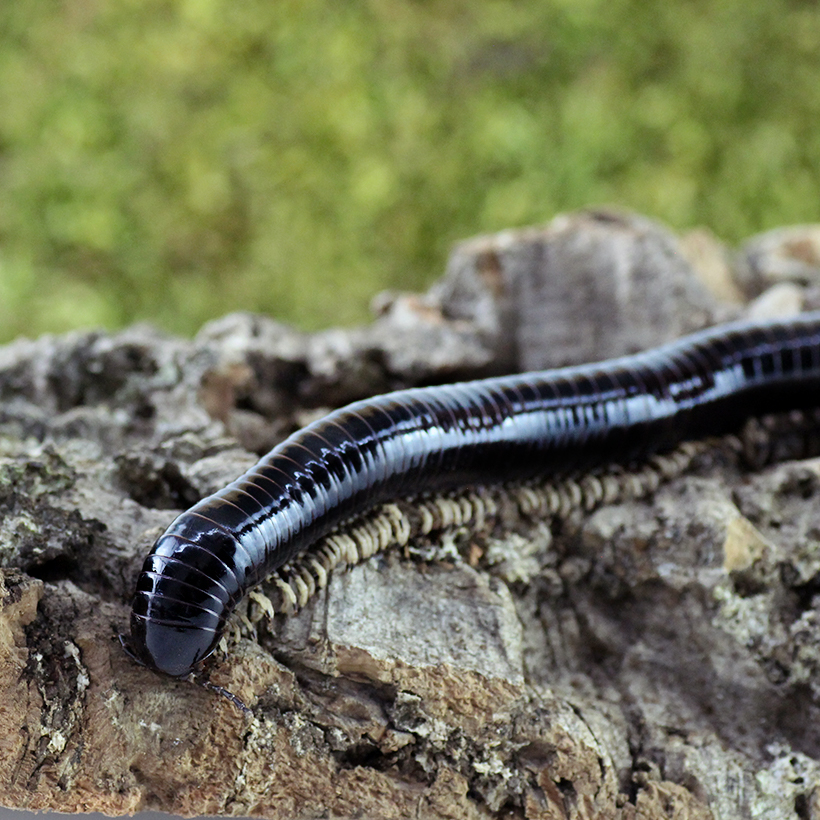
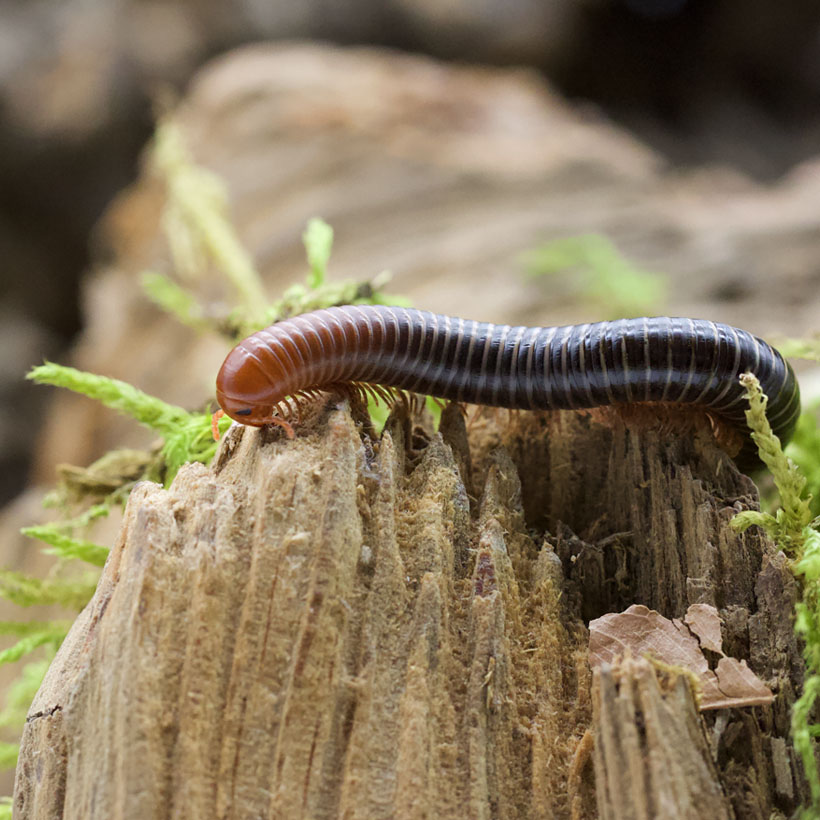
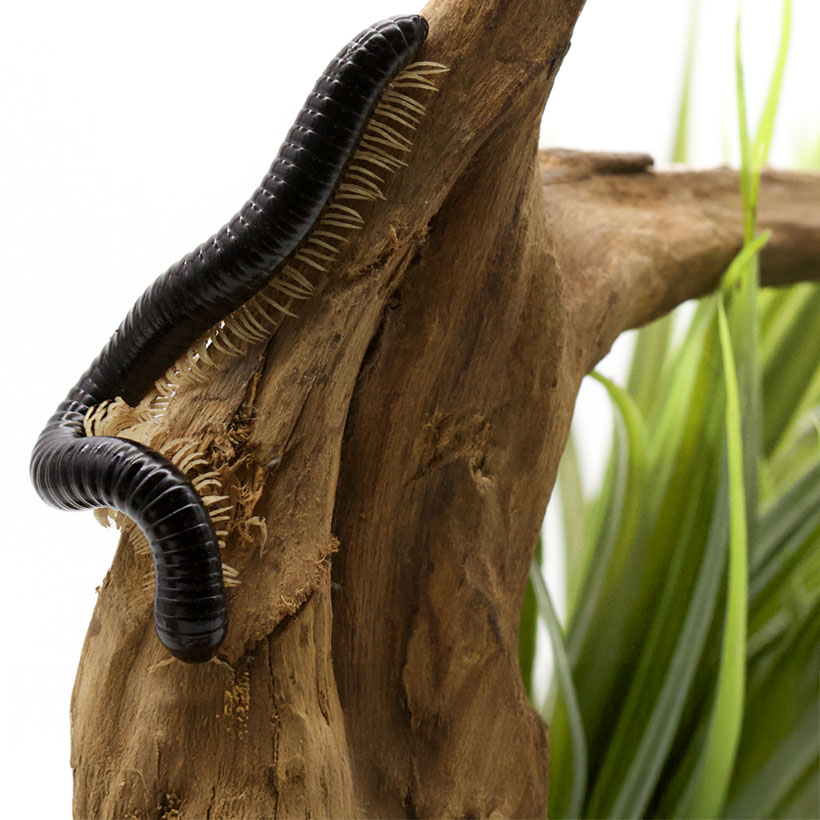
In the terrarium, the Cameroon diplopod is particularly adaptable and agile, especially due to its strikingly long legs, which make it an excellent climber. Unlike many other millipedes, it does not only stay on the ground, but also frequently climbs on branches, roots or vertically on the back wall. This behavior makes it one of the few diplopods that can be observed regularly and at close range.
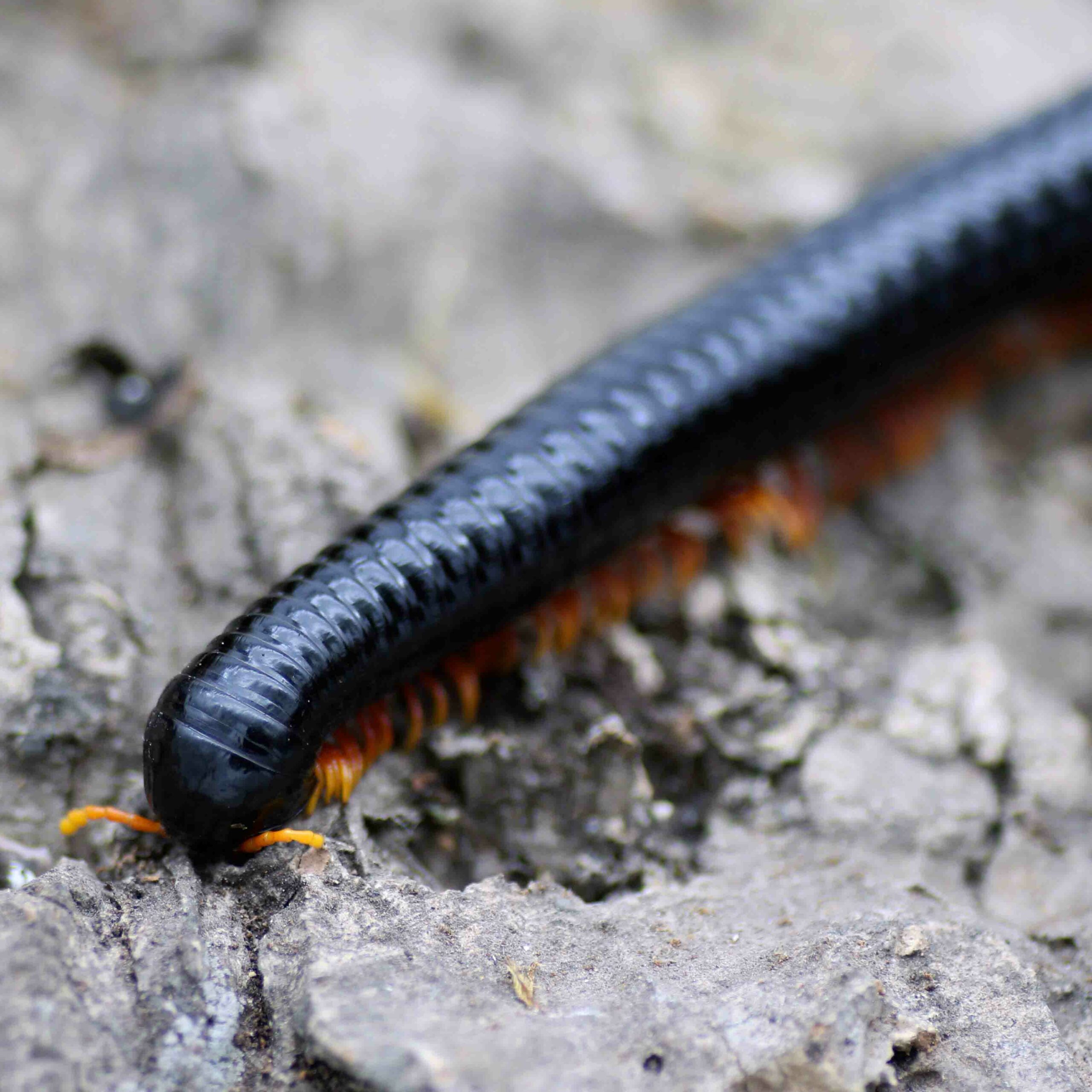
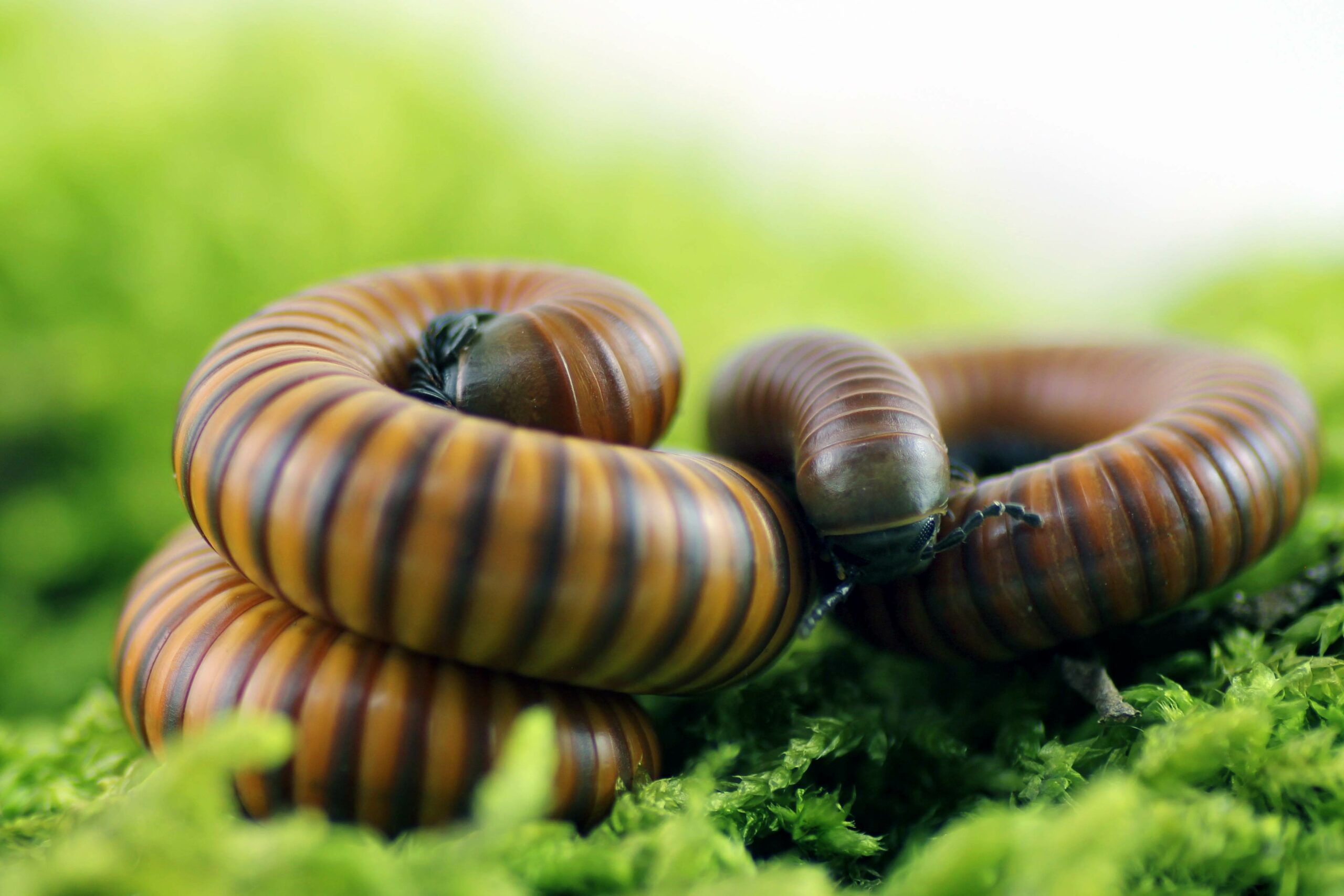
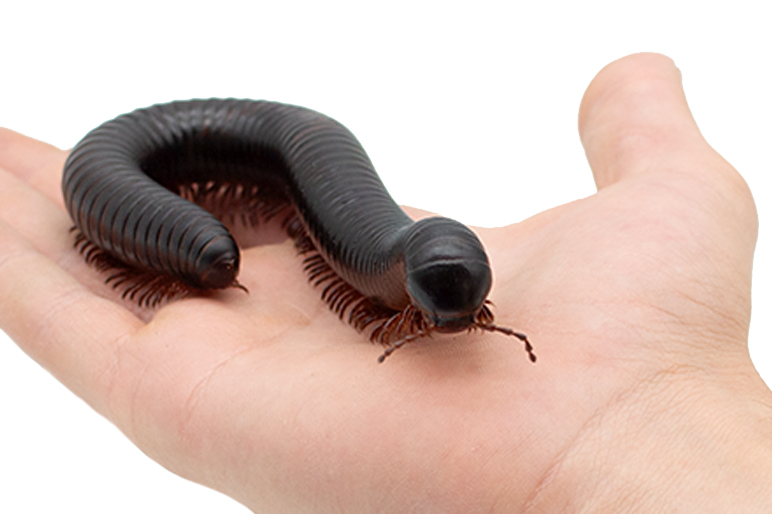
The body is glossy black, the numerous legs ivory-colored – a visual contrast that emphasizes its smooth movements even more. The animal’s locomotion appears almost undulating and hypnotic, especially when it slowly walks along a branch.
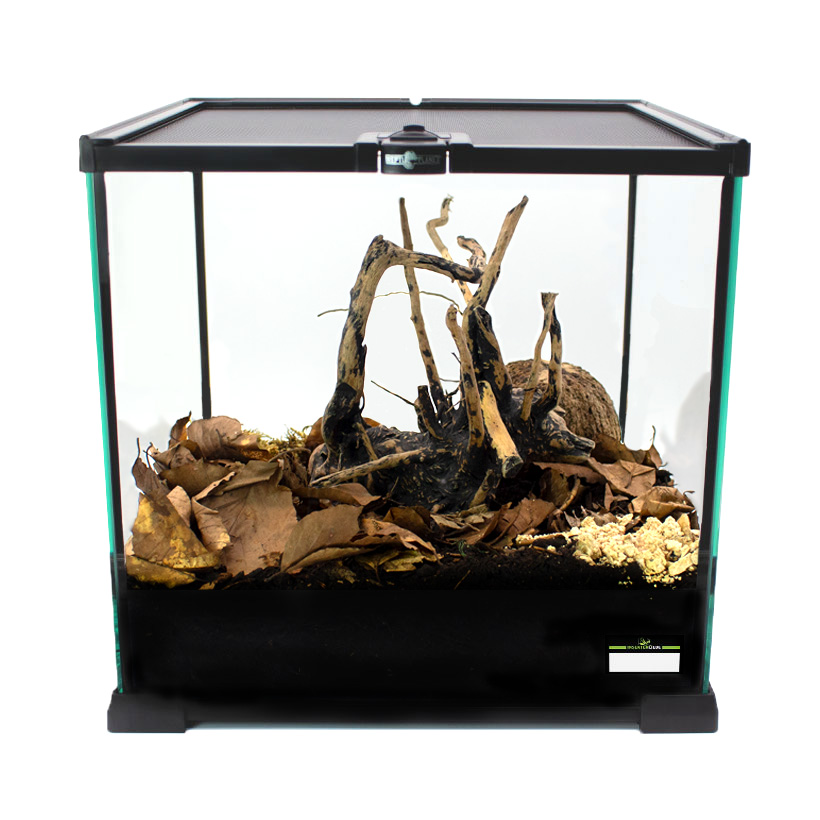
When kept, Dendrostreptus macracanthus prefers a well-ventilated, moist tropical terrarium with a deep, loose substrate. Nevertheless, it is often drawn to higher areas, which makes structuring with cork tubes, branches or roots particularly worthwhile. During the day, it usually retreats underground, but regularly comes out of its hiding place at dusk or after spraying. Its peaceful nature makes it a perfect candidate for keeping in groups, but it also offers sufficient observation potential as a solitary animal.
If you offer your millipede a variety of climbing and retreat options, you will be rewarded with an active, healthy and long-lived animal. It prefers to eat forage leaves, vegetables such as carrots or cucumber and white rotten wood.
All in all, Dendrostreptus macracanthus is a robust, fascinating roommate for the tropical terrarium, which delights both beginners and experienced terrarium keepers with its elegant appearance, climbing behavior and relatively easy keeping.