Coromus diaphorus “golden-edged banded paw”
12,00 € incl. VAT, plus shipping
(from 5 SU = 10% Discount, from 10 SU = 15% Discount)
(from 5 SU = 10% Discount, from 10 SU = 15% Discount)
Out of stock

Medium

Nigeria

< 60 mm

18°C – 24°C
Brief description:
Coromus diaphorus is a species of polydesmid that grows up to 6 cm long and originates from Nigeria, Togo and Ghana. There the species mainly inhabits damp and shady forests. Keeping Coromus diaphorus is quite easy, only breeding these beautiful animals is a small challenge. The animals can often be found in the trade under the German trivial name Goldrand-Bandfüßer.
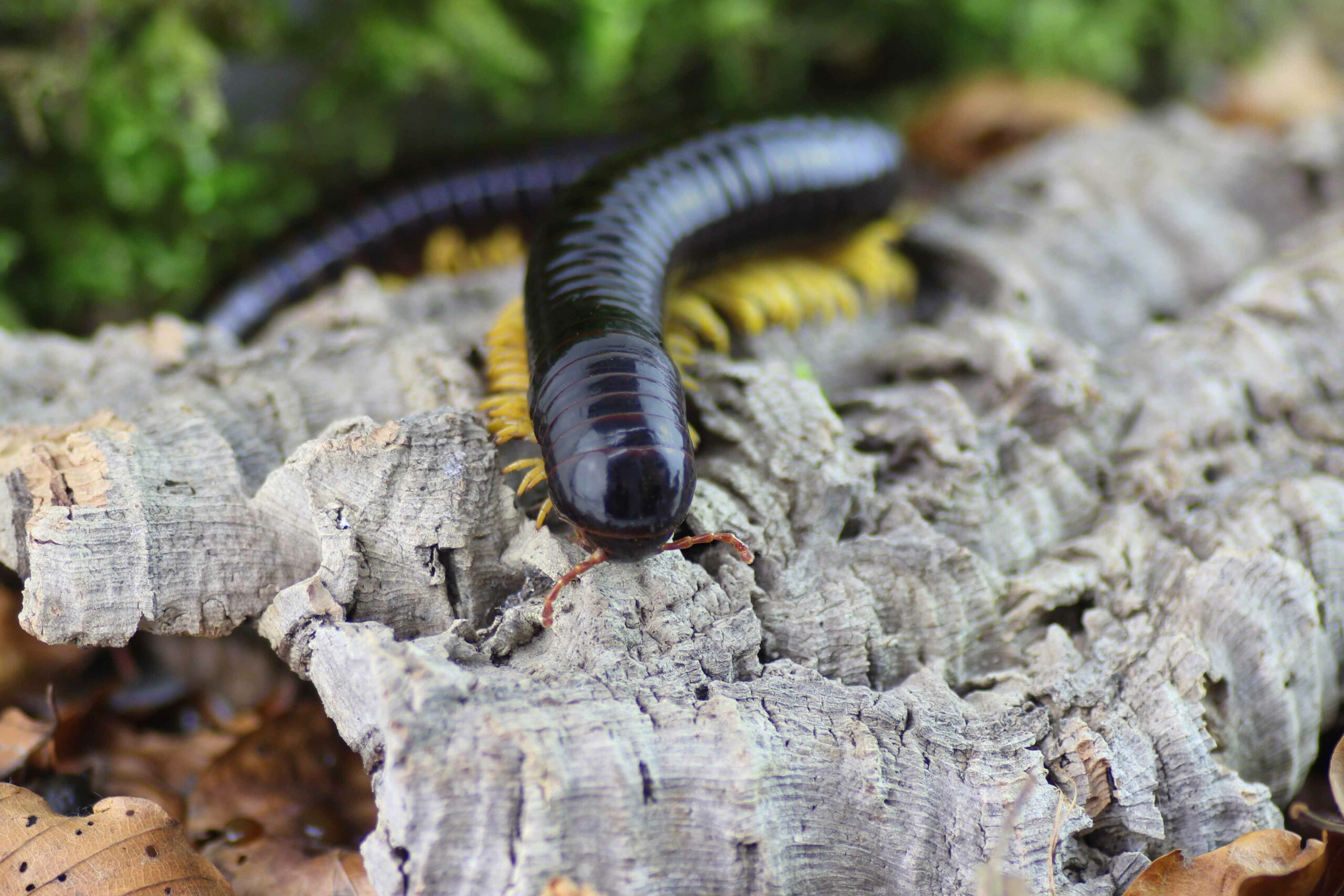
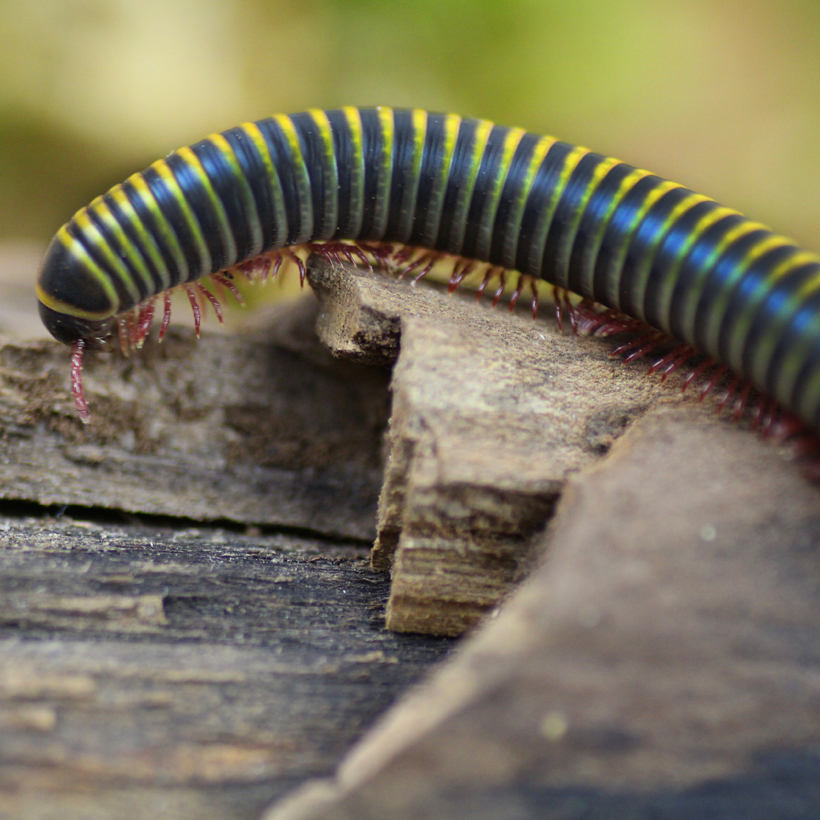
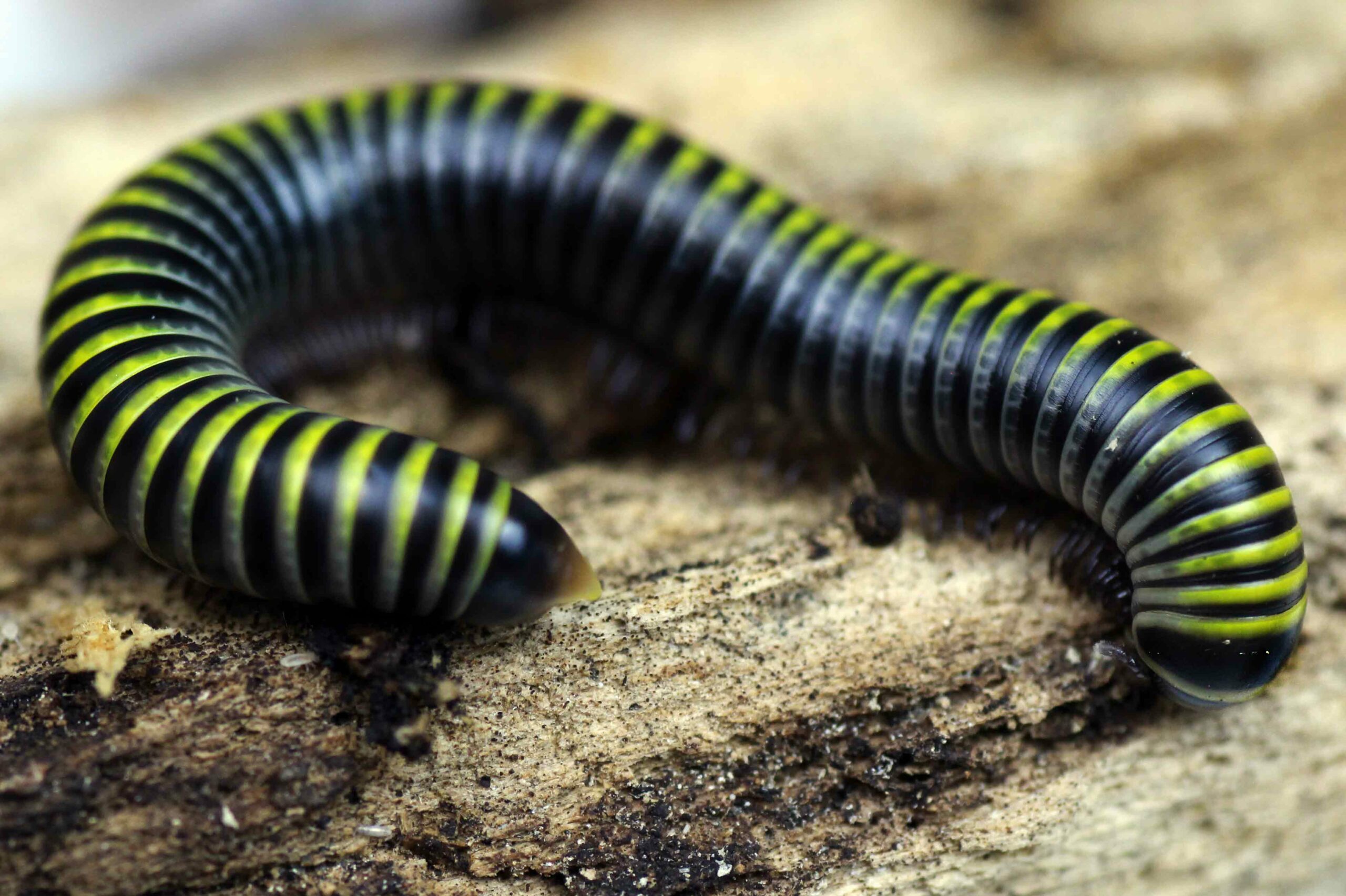
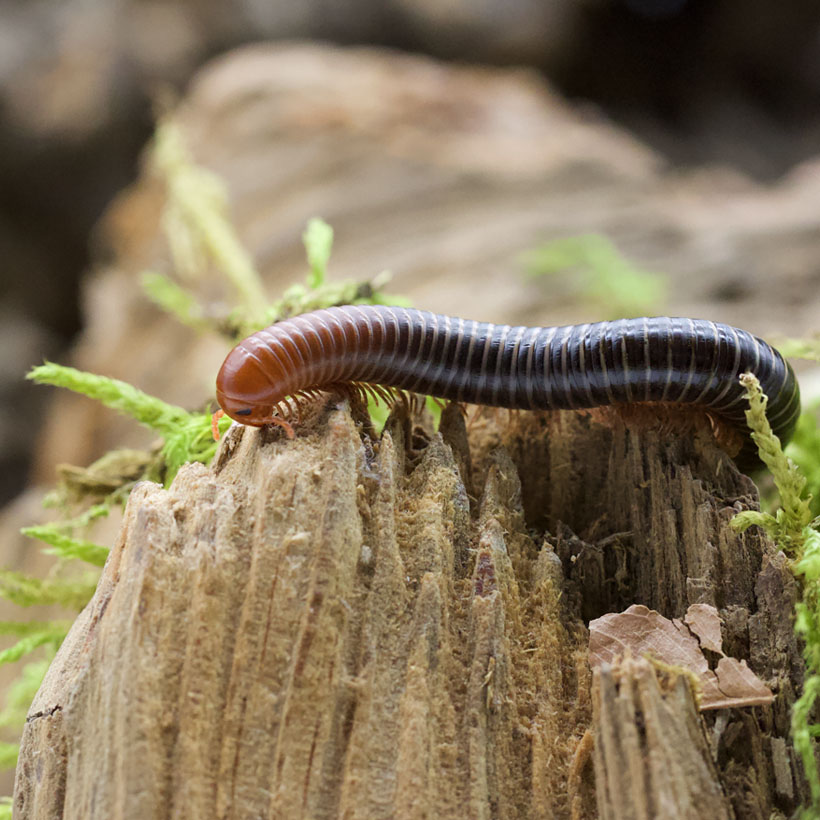
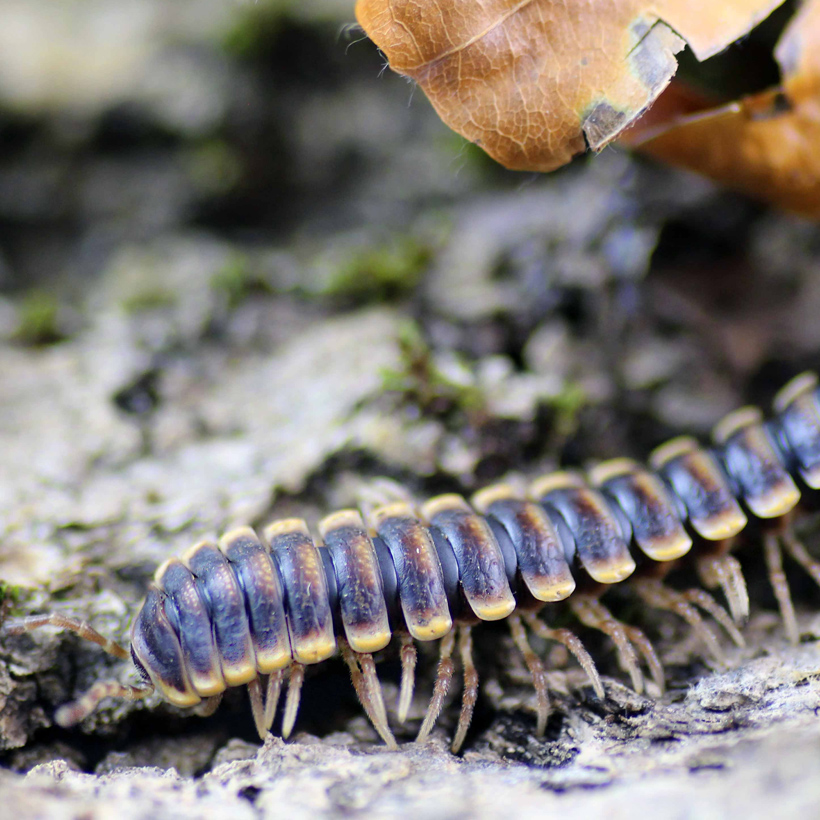
Coromus diaphorus lives up to its German trivial name. It has beige to golden edges on a rather dark brown base color. As with all polydesmids, the body is rather flat. This species has 17 segments. The legs and antennae of C. diaphorus are reddish brown in color.
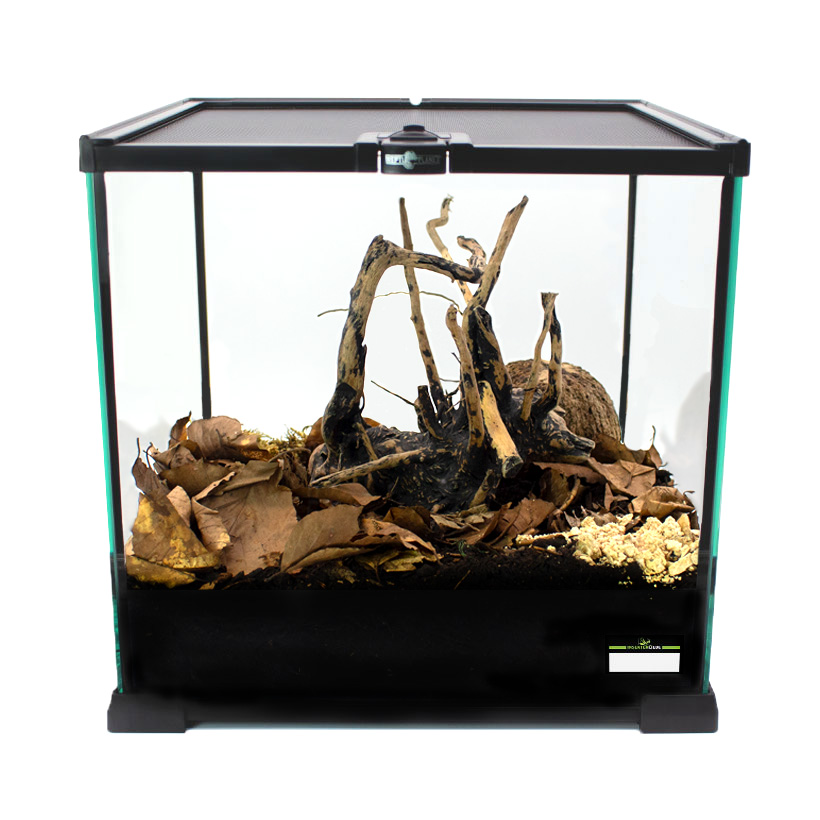
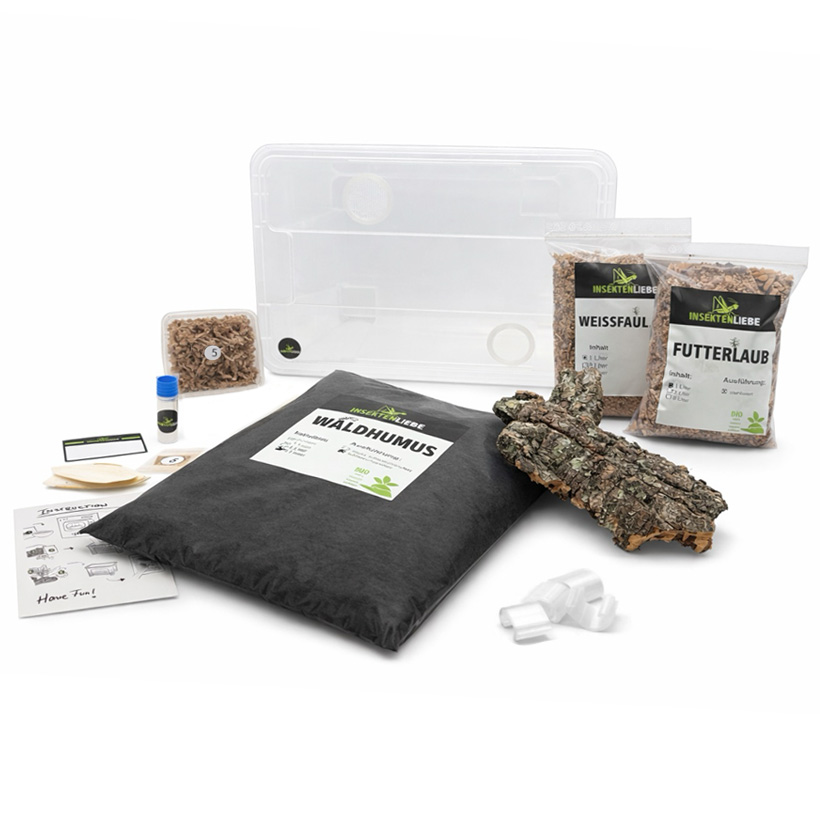
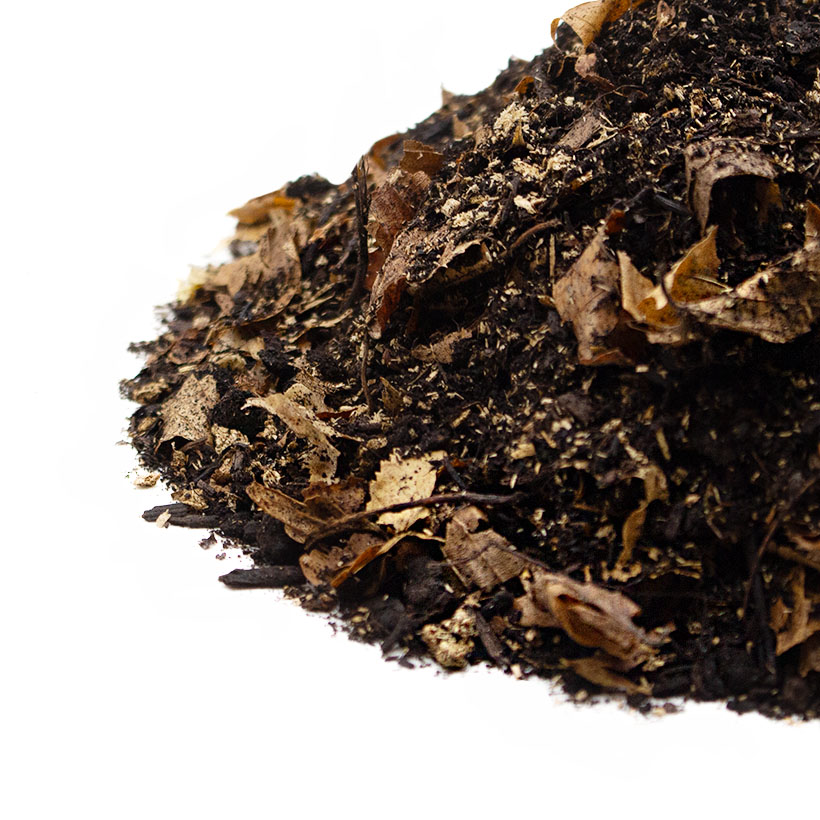
Due to the relatively small adult size of this species, it can be kept in terrariums with an edge length of 30 cm or more. However, care should be taken to ensure that there is enough space for a sufficiently high substrate. The substrate height for this species should not be less than 8 cm! The substrate serves as both a habitat and food for the animals.
Daytime temperatures of 18-24°C have proven to be suitable for keeping this species. These band-footed fish like it rather cool and cannot tolerate very high temperatures. The animals are mainly active at dusk and at night, which is why you can do without an additional light source. When reaching the temperatures in the terrarium, it is important to always place the heat source from above and never from below! The substrate should always be kept semi-moist. A humidity level of 60-70% has proved to be successful for us. The substrate can also be covered with leaves, pieces of bark or moss. This helps to protect it from drying out. All species of tapeworms prefer forest terrariums, as these are closest to their natural habitat. Climbing branches are popular with this species and adults in particular can often be seen on the surface.
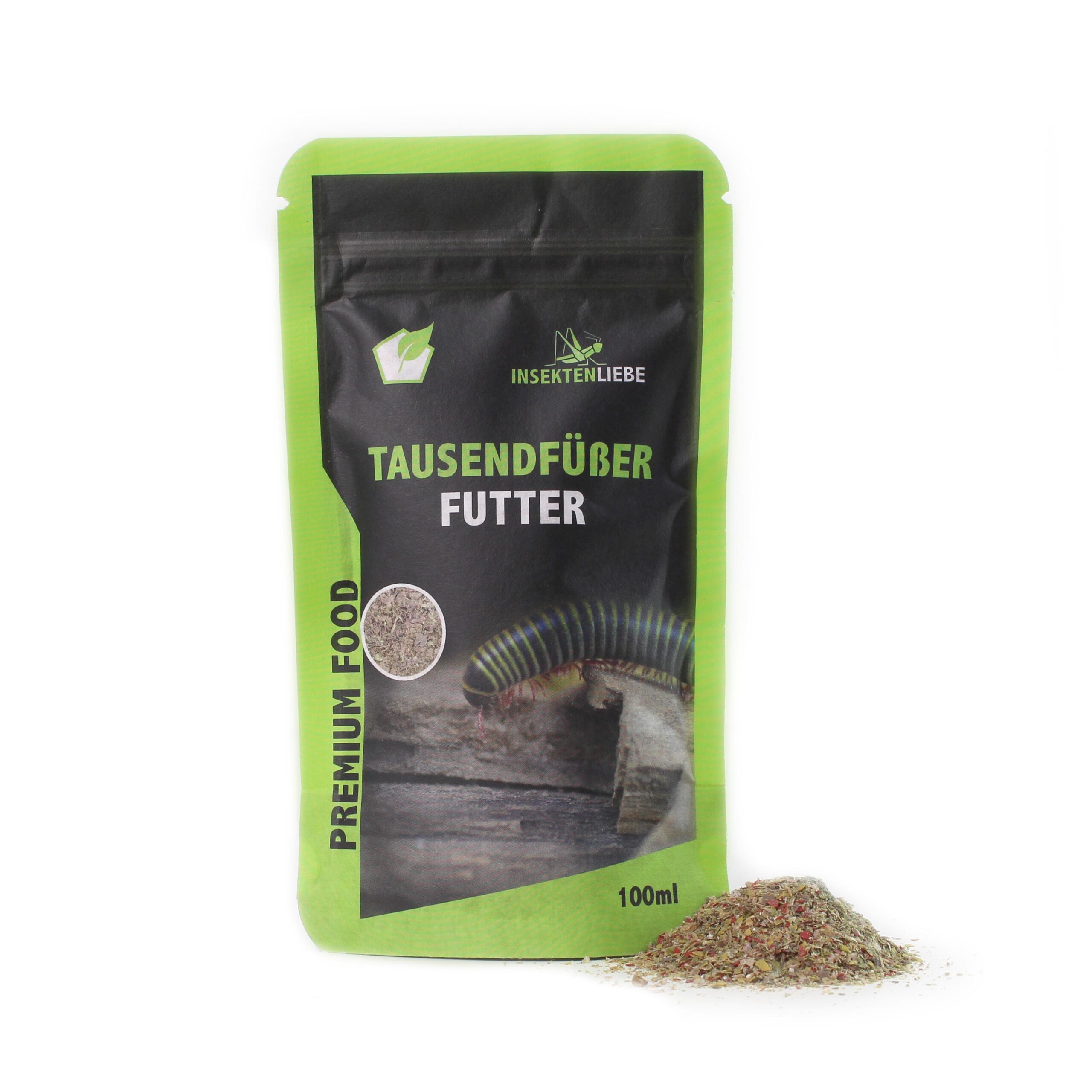
The main food is the organic material contained in the substrate, such as leaves and white rotten wood. However, vegetables, fruit and millipede food are also occasionally accepted as supplementary food.