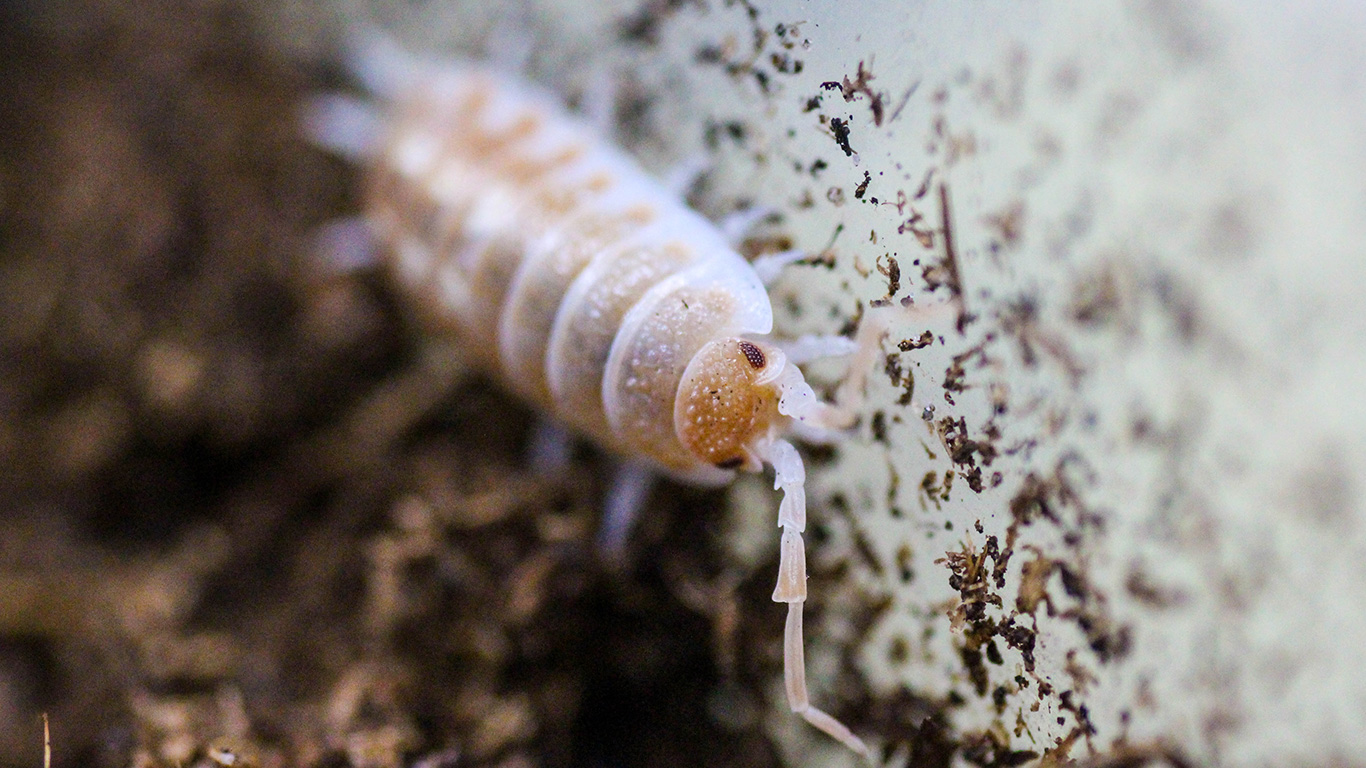


A new color mutation has emerged! It’s always a great sight when you discover an animal that you’ve never seen before. Of course, it’s great when someone shows you a photo of a new mutation and you look at the color variation in amazement and envy at the same time. However, the excitement is somewhat higher when you discover such an Isopod in your own breeding box. We have had the following experience with color mutations that occasionally appear in Isopod breeding kits:
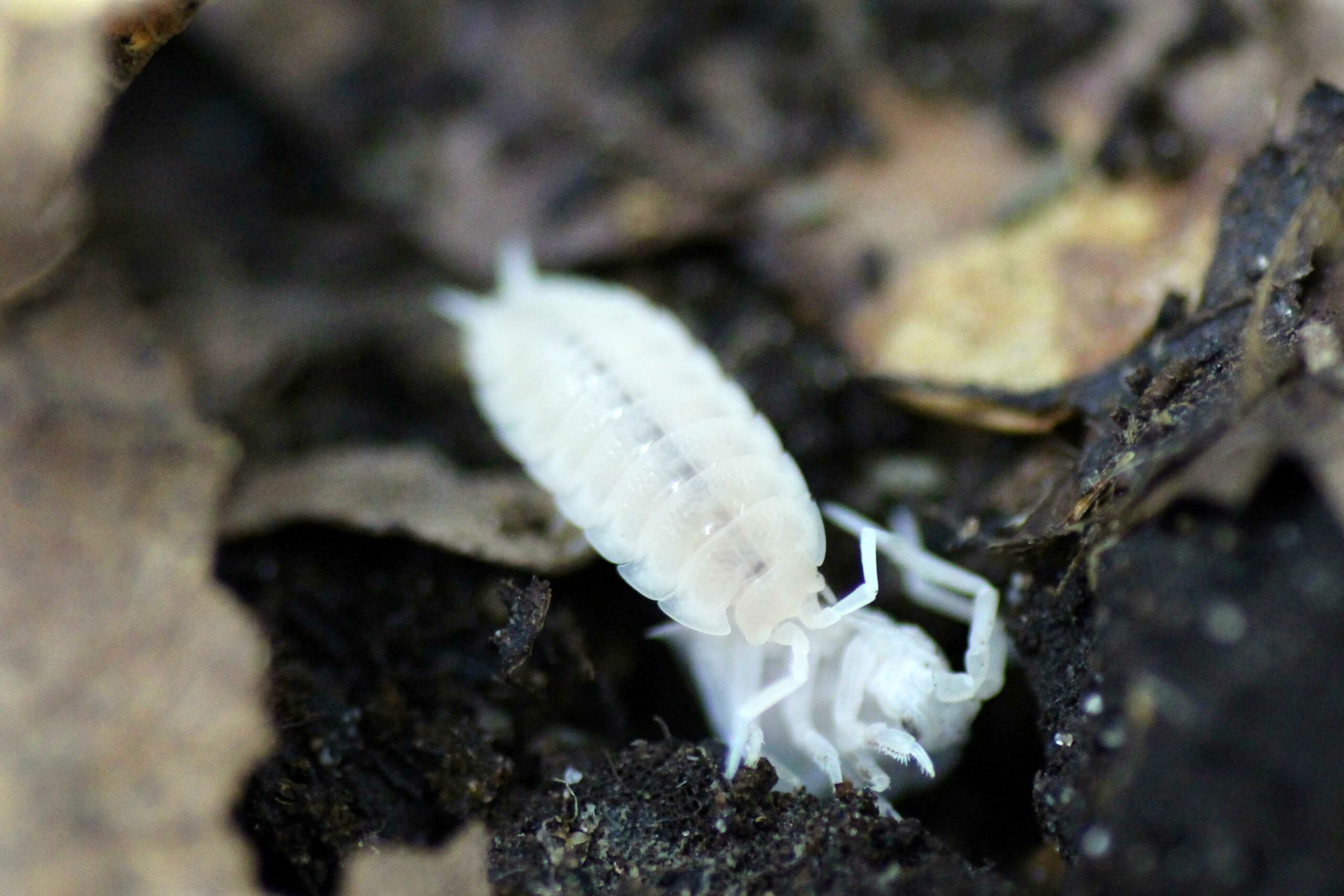
Color mutations usually occur in wild-colored animals. We had only once found a Porcellio laevis “t-albino” in a Porcellio laevis “orange” breeding batch. Unfortunately, this animal died after a very short time, so that we were unable to breed out this mutation. Otherwise, all the color mutations that we have selected in our current breeding program originate from Isopods that also occur in the wild. If you have any other experiences, please feel free to write them in the comments below.
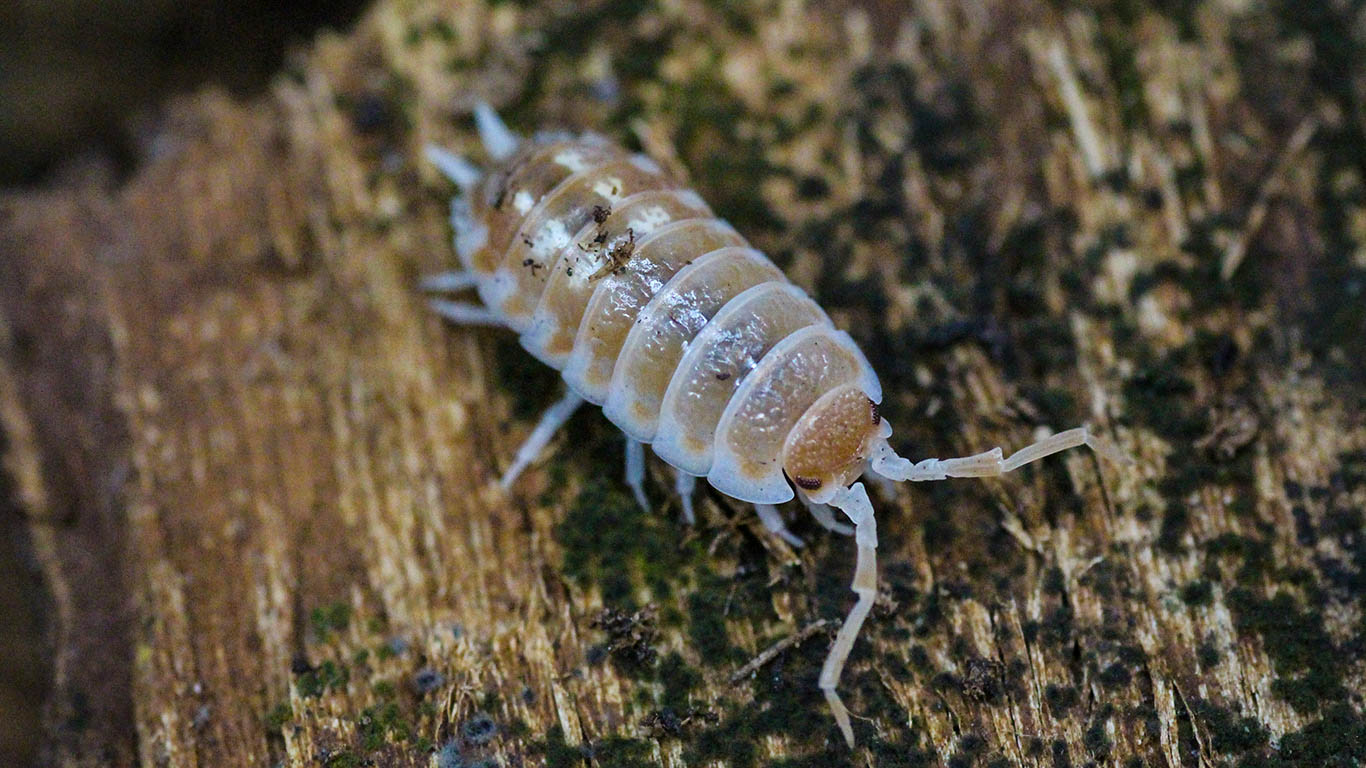
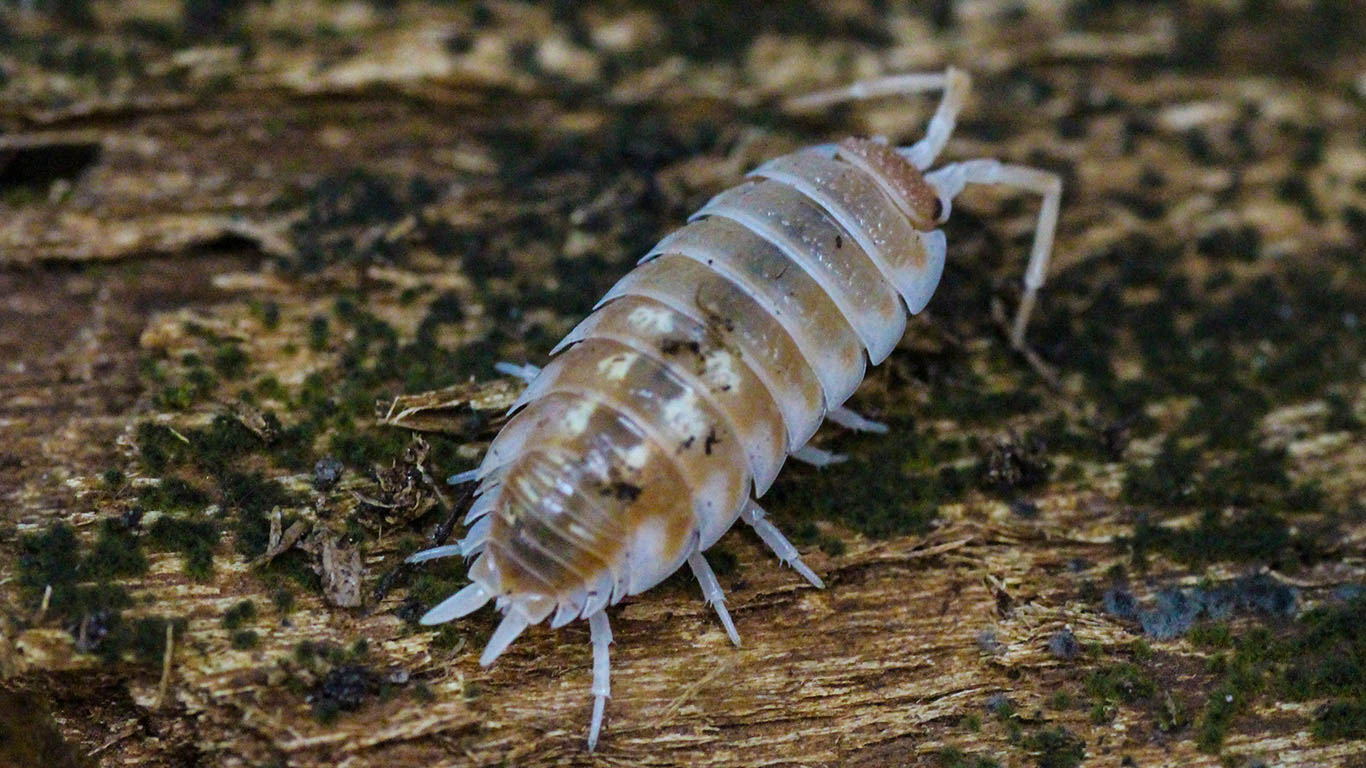
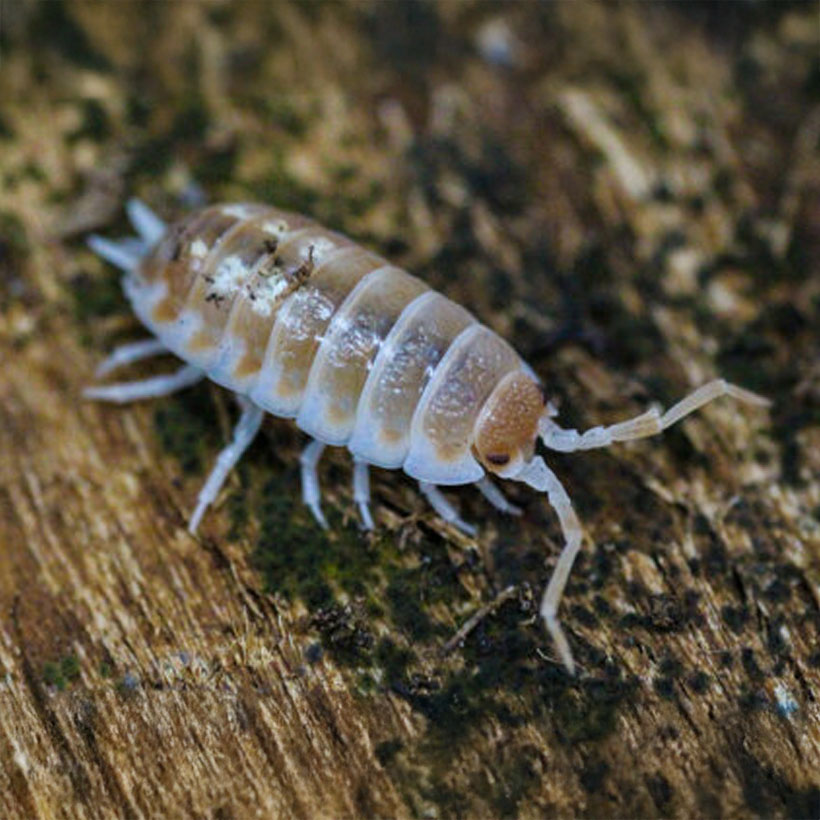
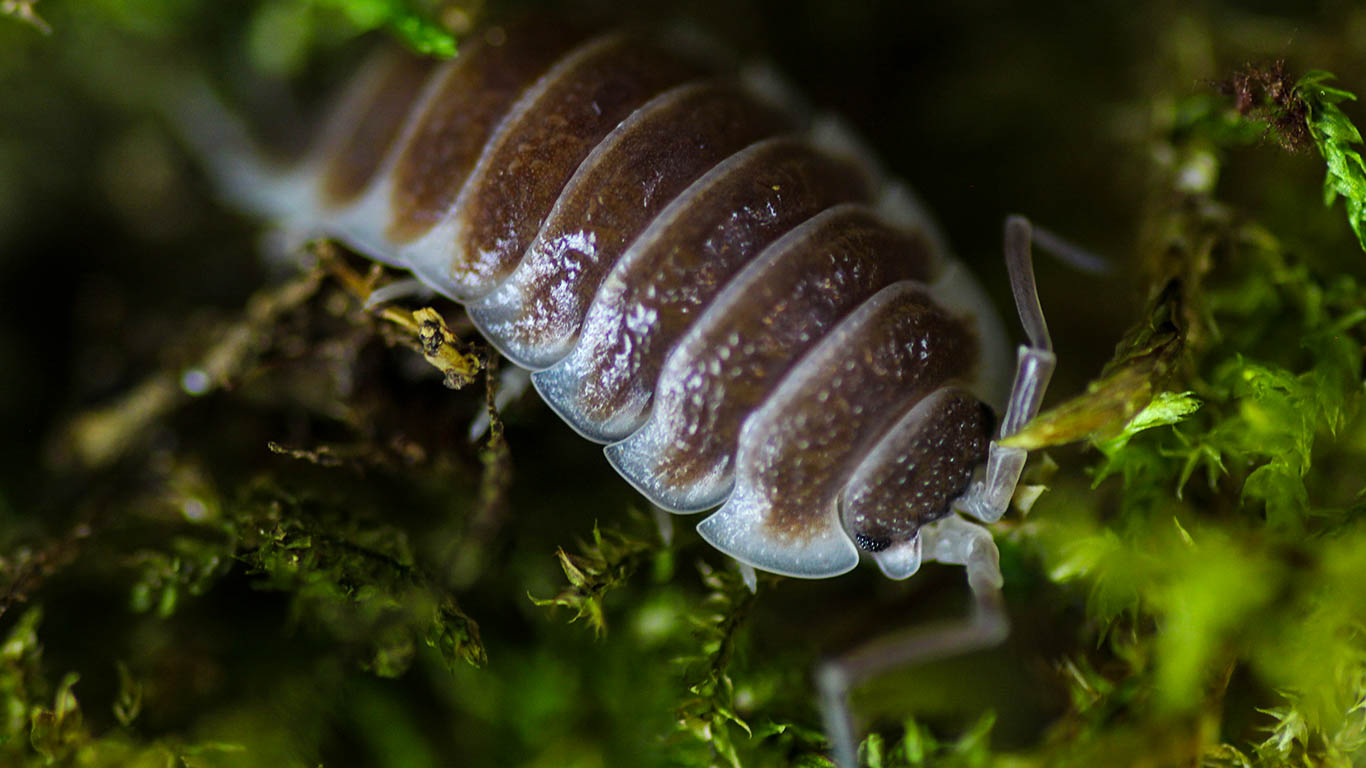
Hence the mutation of Porcellio ornatus “sandstone” in the Porcellio ornatus “Nominat” breeding box. We usually find such special features when collecting your Isopod orders. Often the Isopods discovered are still relatively small and we wait until they are subadult before selecting them. This saves us a lot of work, as we are often too happy too soon. Some young isopods are lighter or completely differently colored than the older animals and are perceived as a mutation. This changes over time and as they get older they take on the coloration of their parents.
I’m not a fan of names like Caramel, Cappuccino or other made-up names, as these only confuse and you have to memorize them somehow. Often the color mutations fit into already existing variants such as brown, orange, high yellow, etc. and it is not necessary to name these animals differently just because they occur in a different subspecies. In this case, however, I have acted differently for the following reason: I am not sure in which direction this color mutation will go. For me, the color pattern is a mixture of orange and brown and therefore does not fit into any existing pattern. If this should change in the subsequent selection, I will change the naming to an existing name.
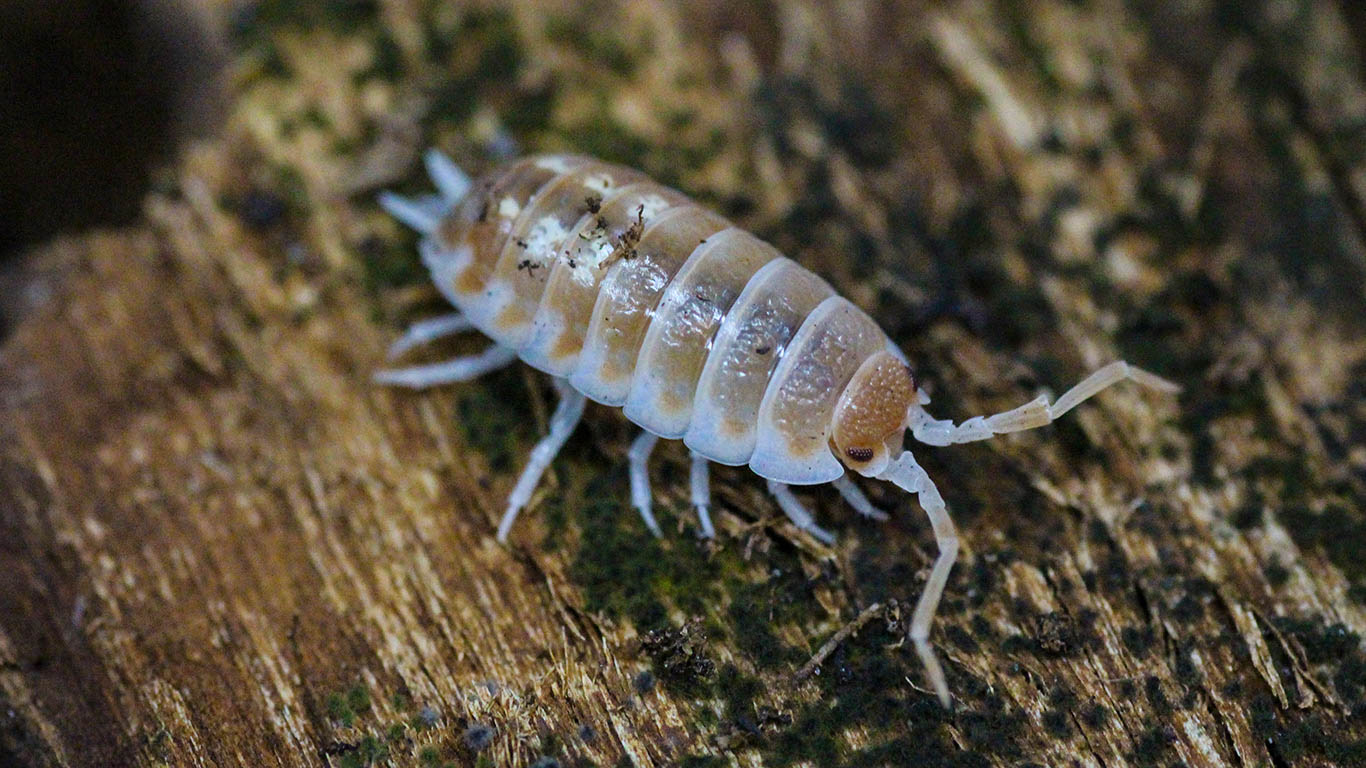
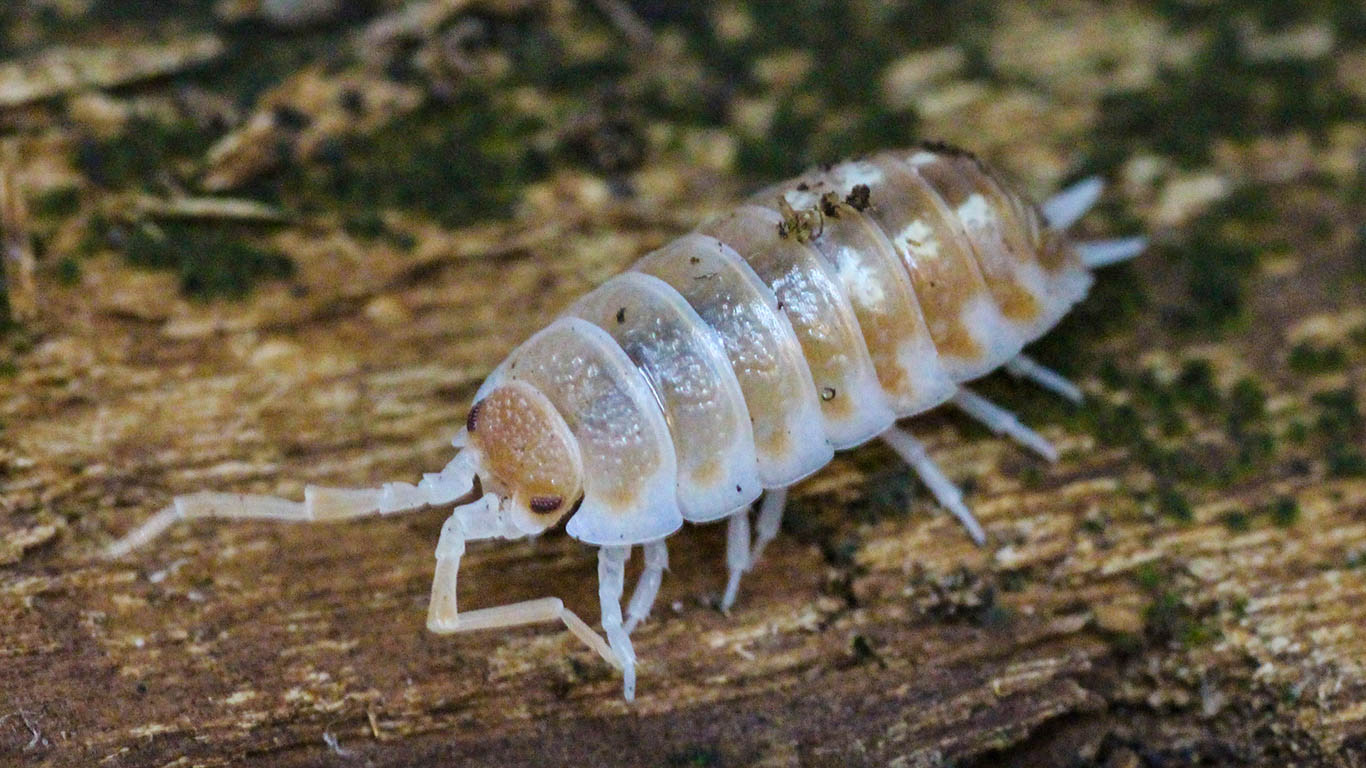
We currently have a female P. ornatus “sandstone”. As we have already found her pregnant in the breeding box, we have not added any more Isopods and are eagerly waiting to see when the next generation will hatch and how they will develop.
I’ll keep you up to date.
Leave a Reply
You must be logged in to post a comment.