Centrobolus splendidus
14,99 € incl. VAT, plus shipping

Simple

Mozambique

< 90 mm

20°C – 26°C
Centrobolus splendidus – The colorful classic among millipedes
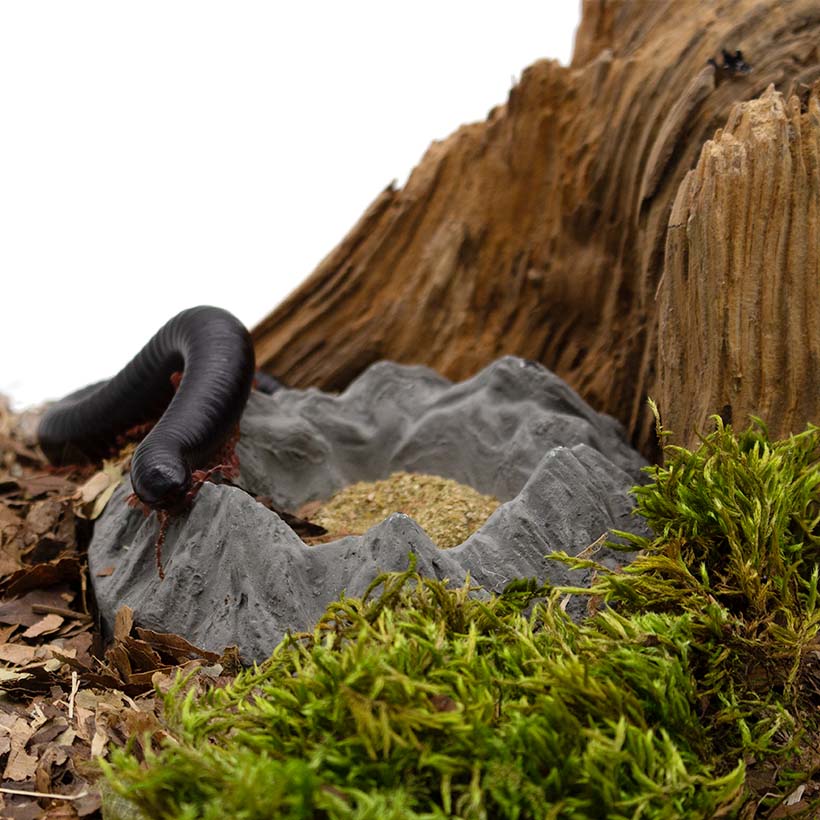
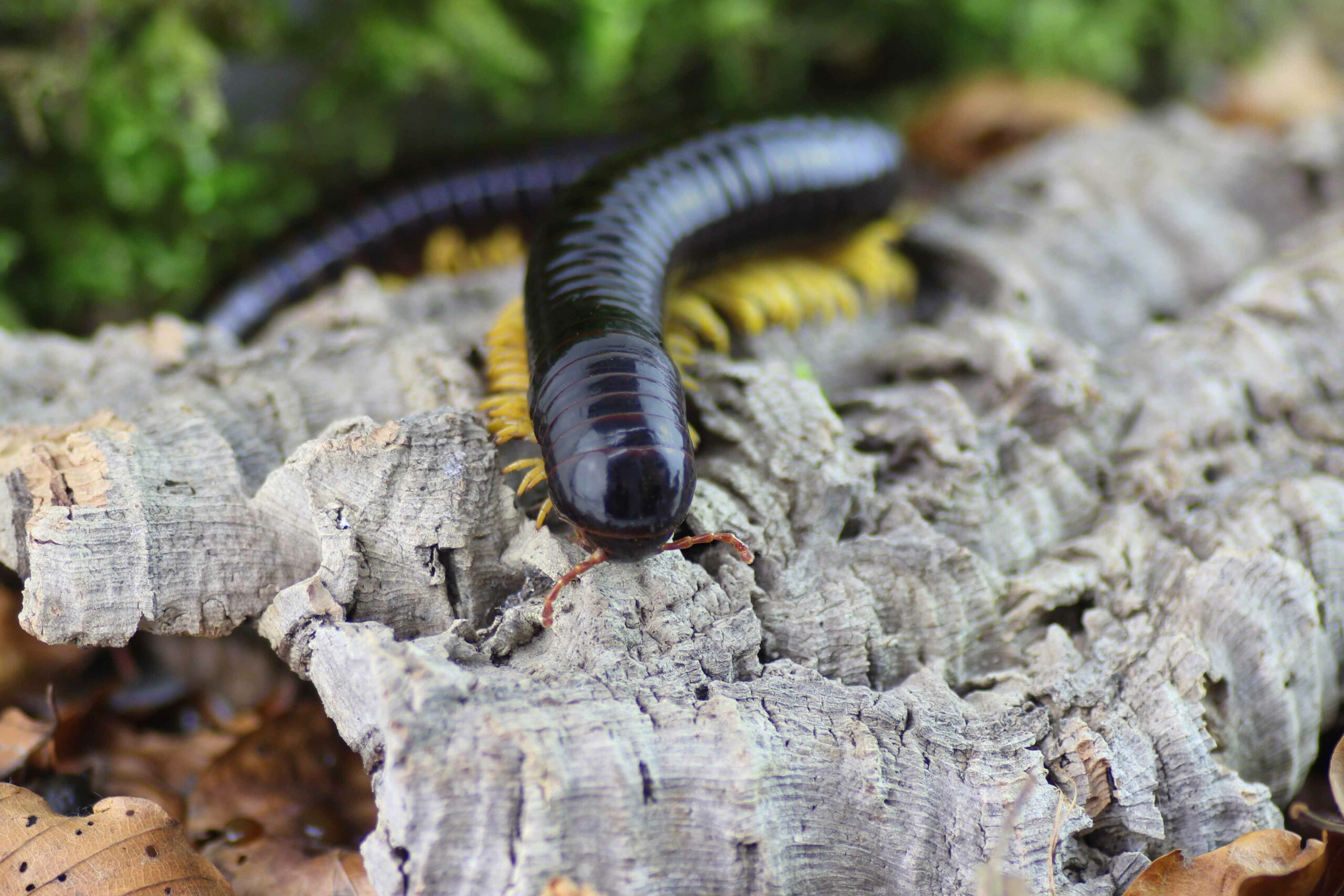
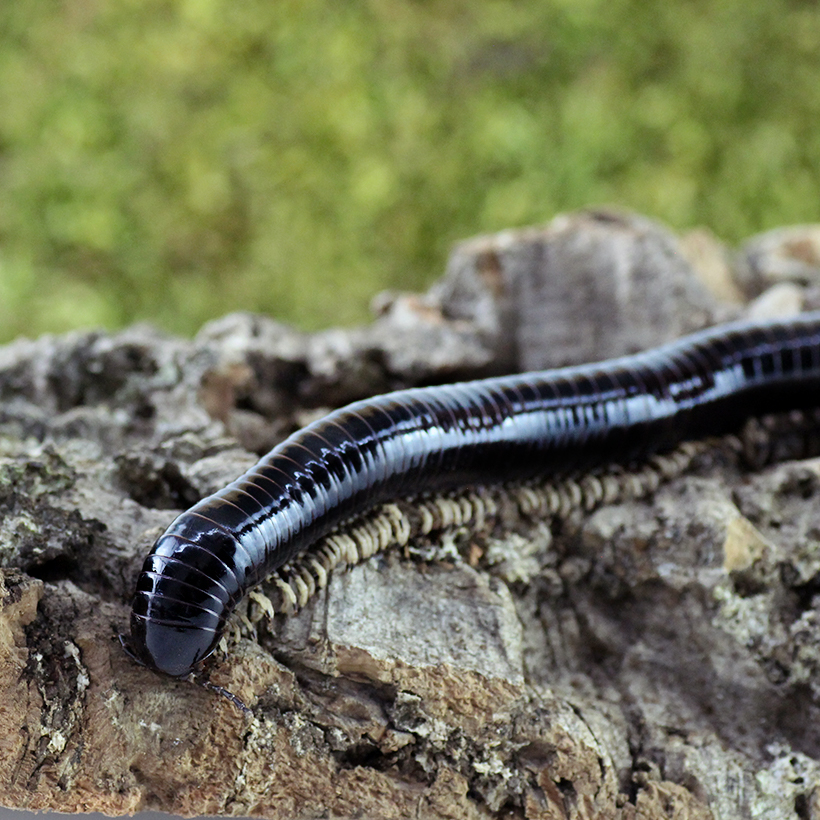
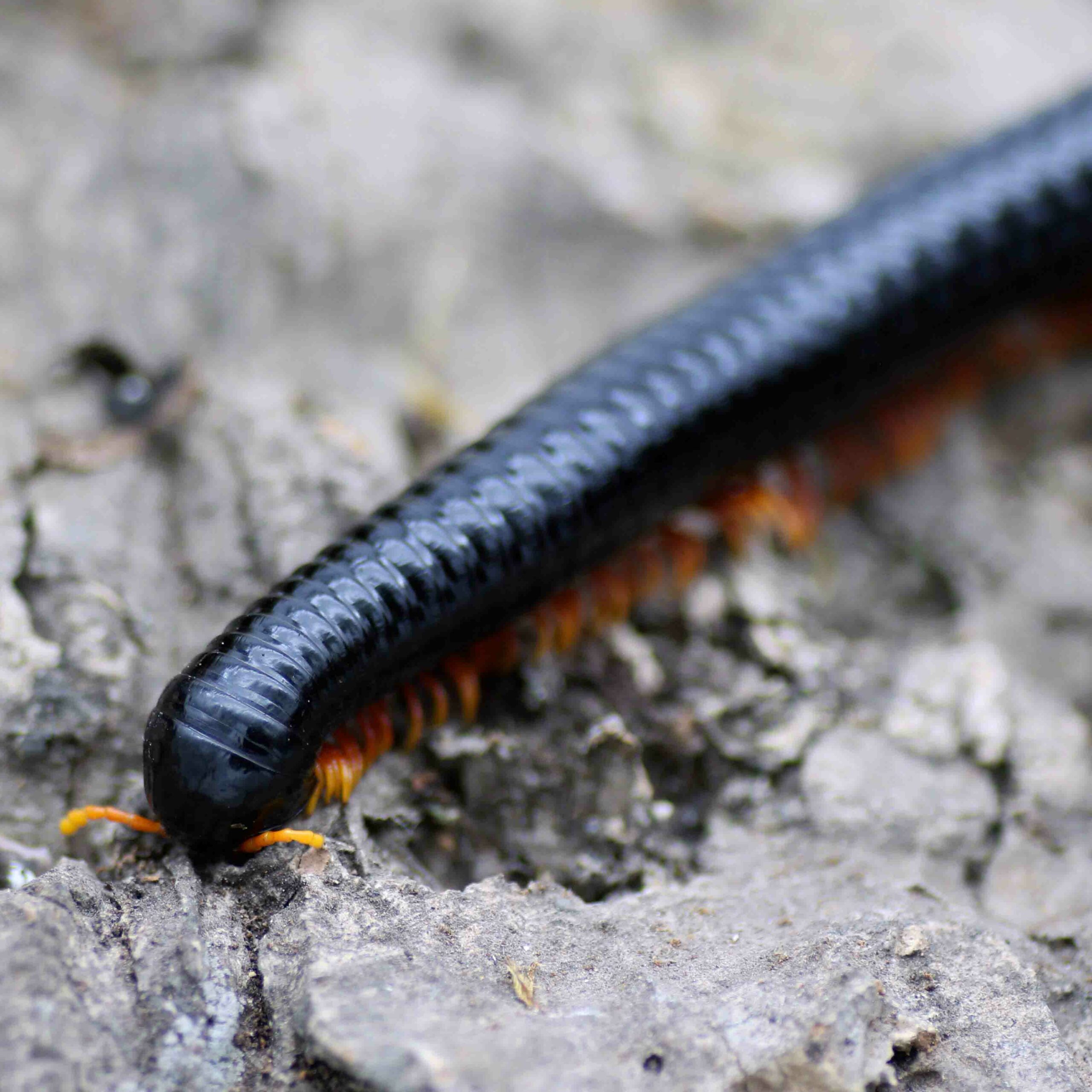
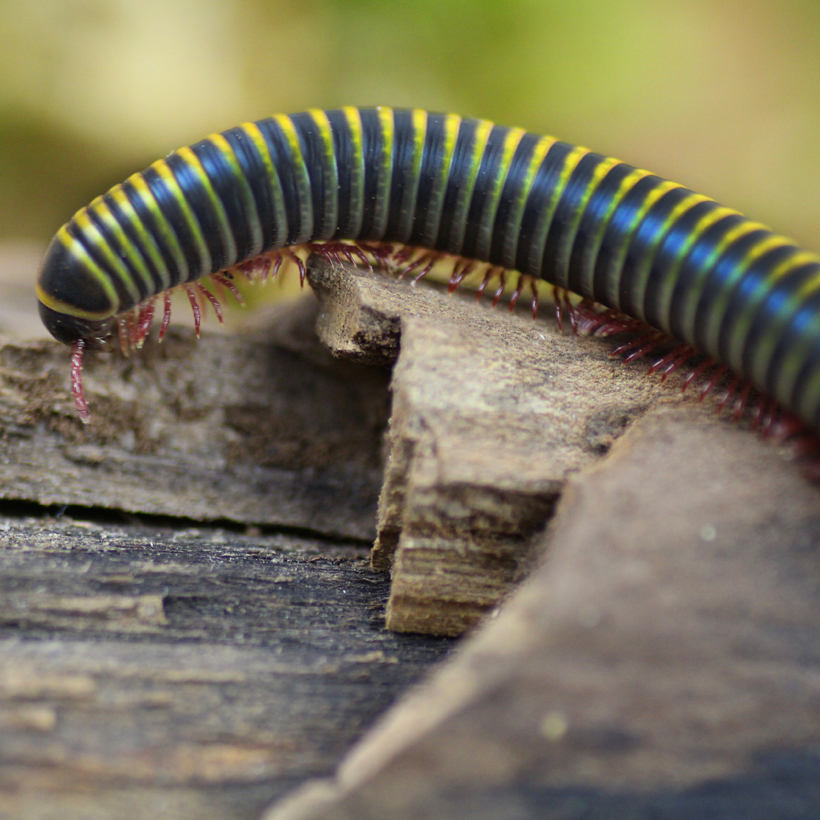
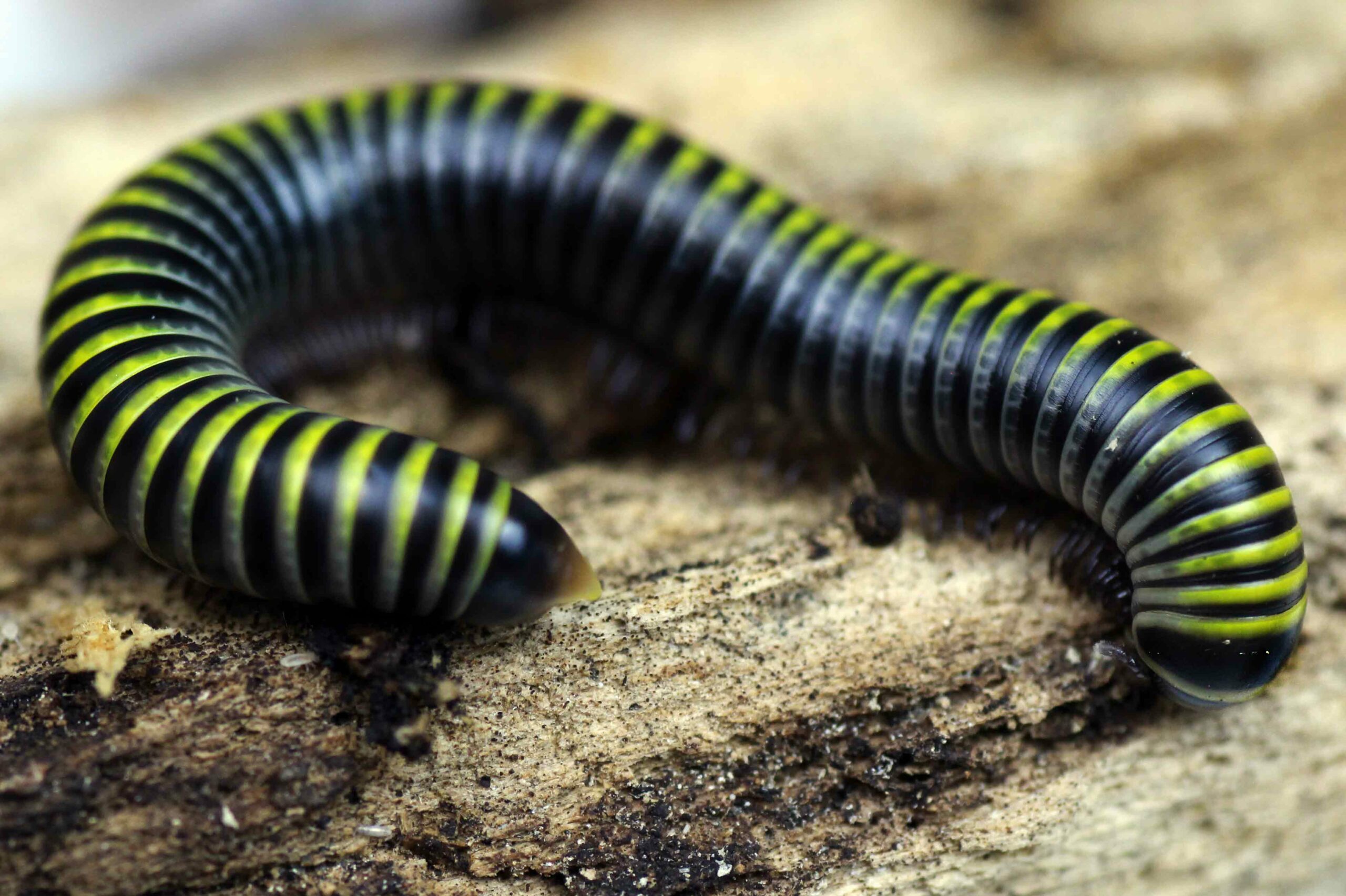
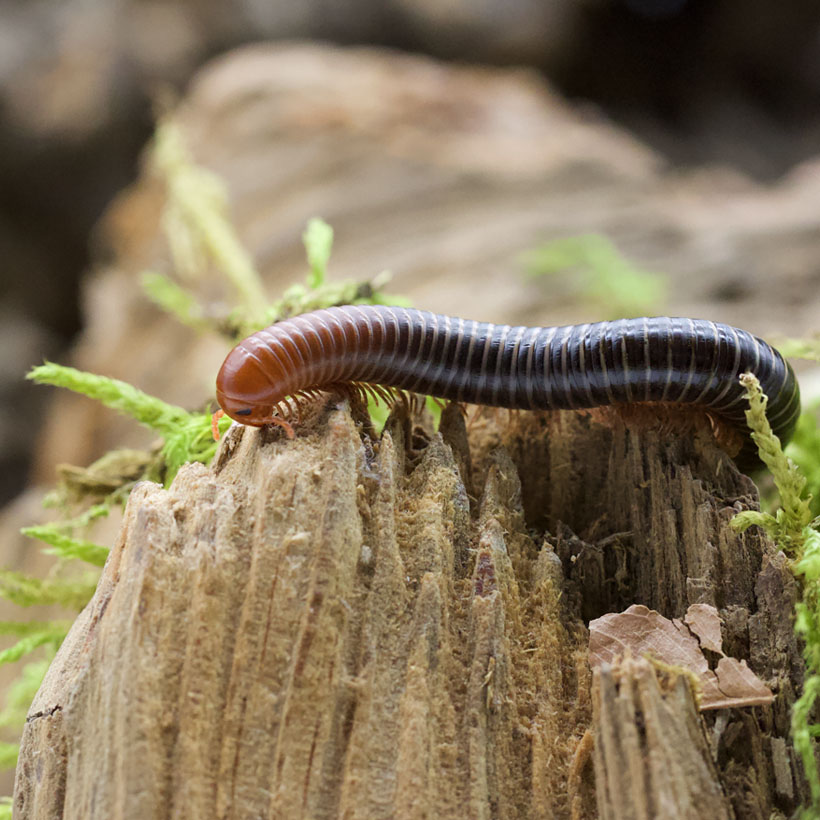
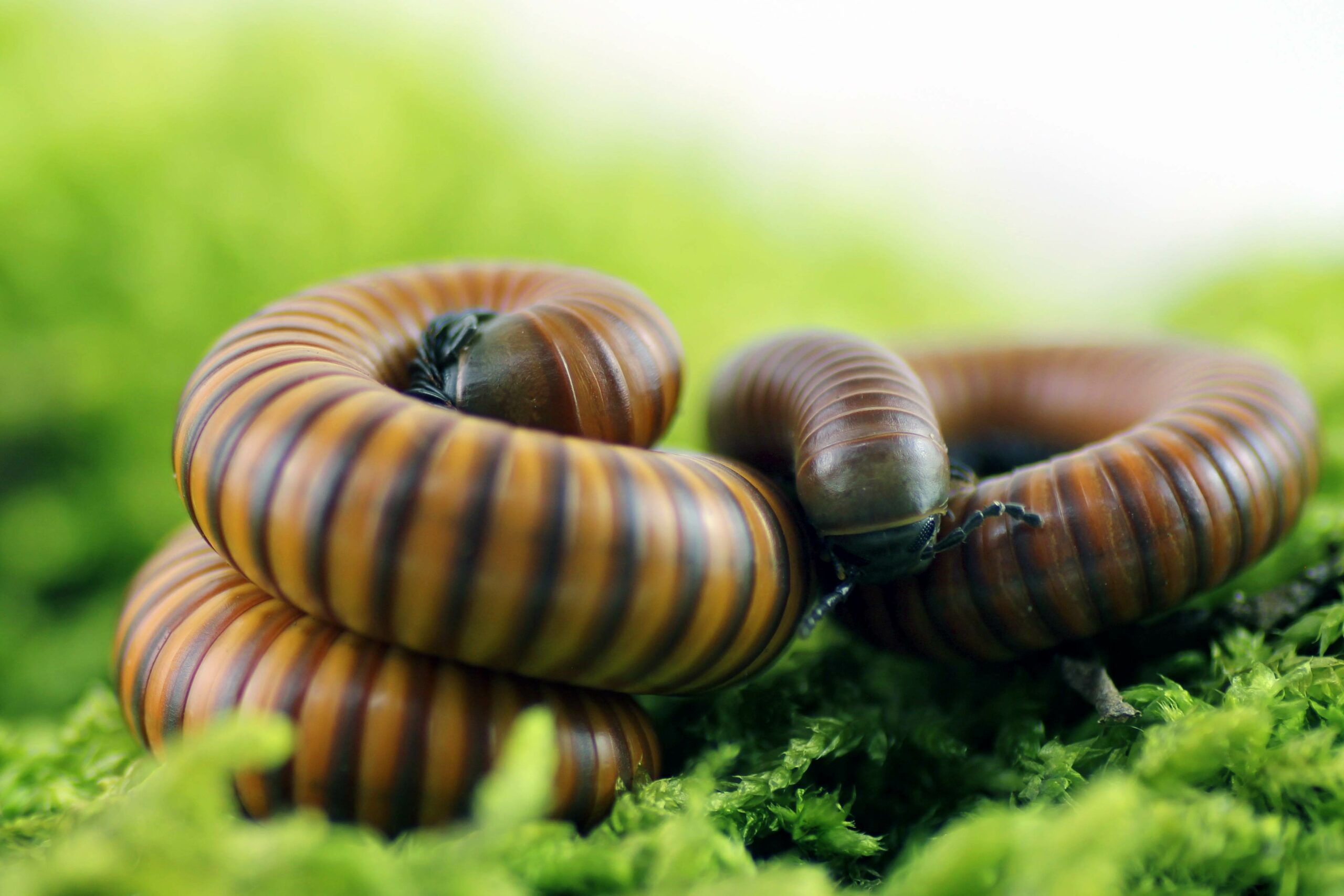
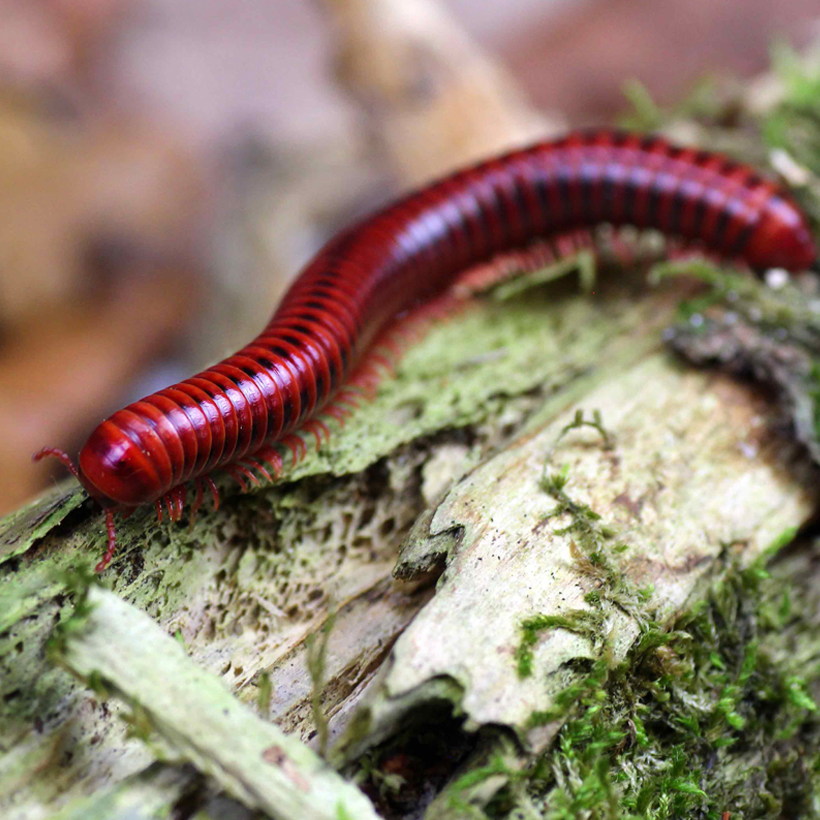
Centrobolus splendidus is one of the most popular and colorful species in the terrarium hobby. With its intensely bright, red-orange coloration and black head area, this South African millipede immediately attracts everyone’s attention. The elegant striped pattern and shiny exoskeleton make it a real gem for any invertebrate terrarium.
This species reaches a length of around 8 to 9 cm and therefore remains manageable without losing its presence in the terrarium. Centrobolus splendidus is known for its calm, peaceful nature and is ideal for beginners, but also for experienced keepers who value a visually appealing species.
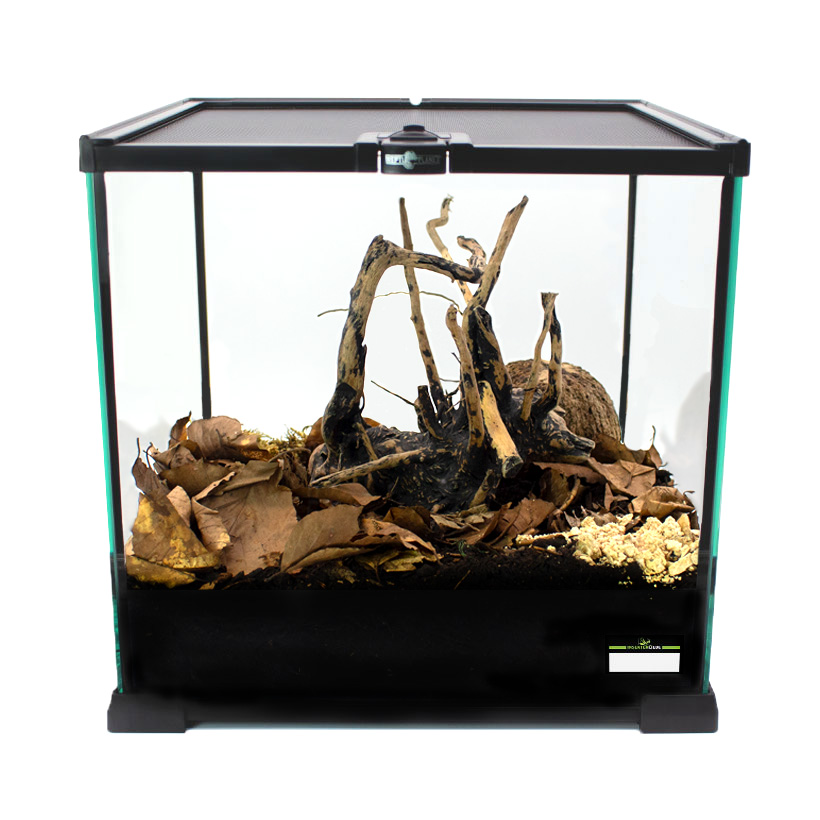
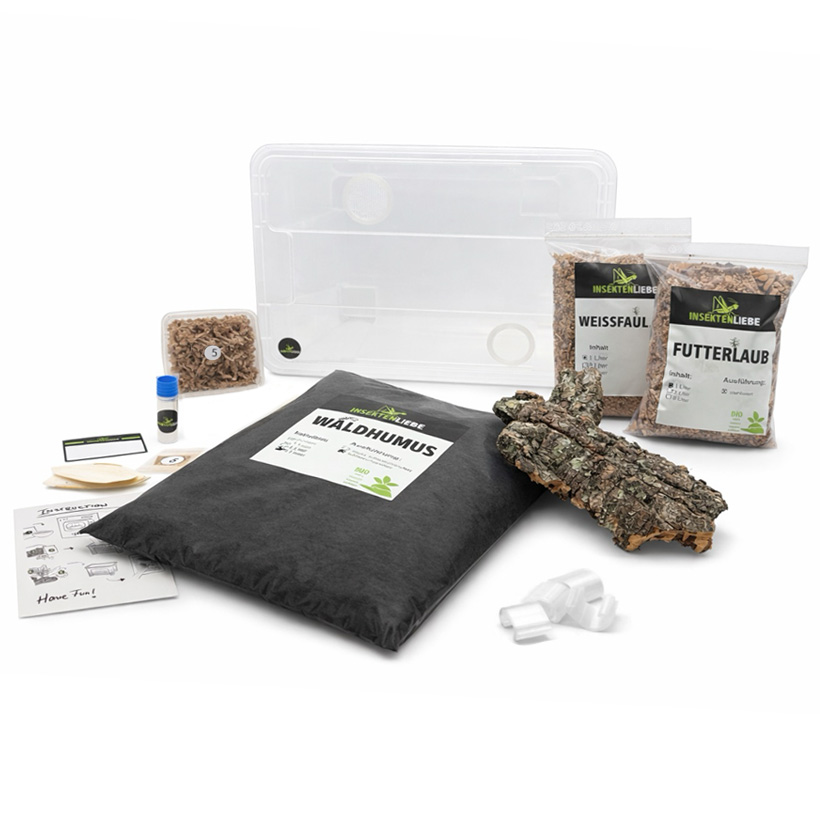
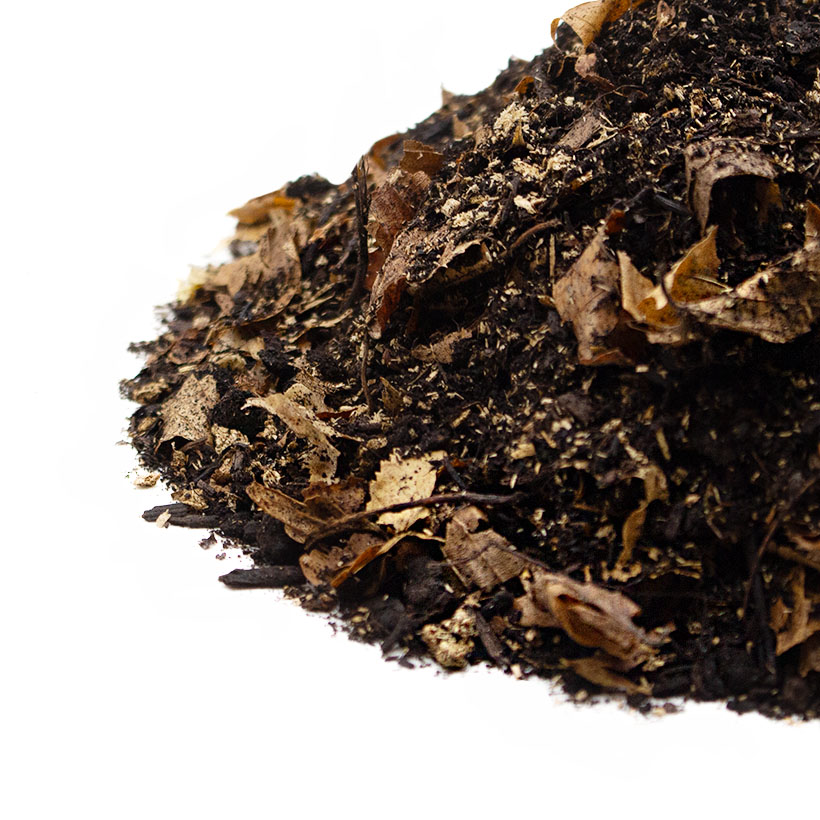
Keeping them is uncomplicated: A terrarium from 30 × 30 × 30 cm is completely sufficient for a small group. The substrate should be at least 10 cm deep and ideally consist of a loose mix of leaf humus, white rotten wood, coco humus and some cork granules. The substrate should always be slightly moist, but never wet. A moist retreat corner and a dry zone ensure a stable microclimate. A temperature between 22 and 26 °C and a relative humidity of around 70 to 80 % are ideal.
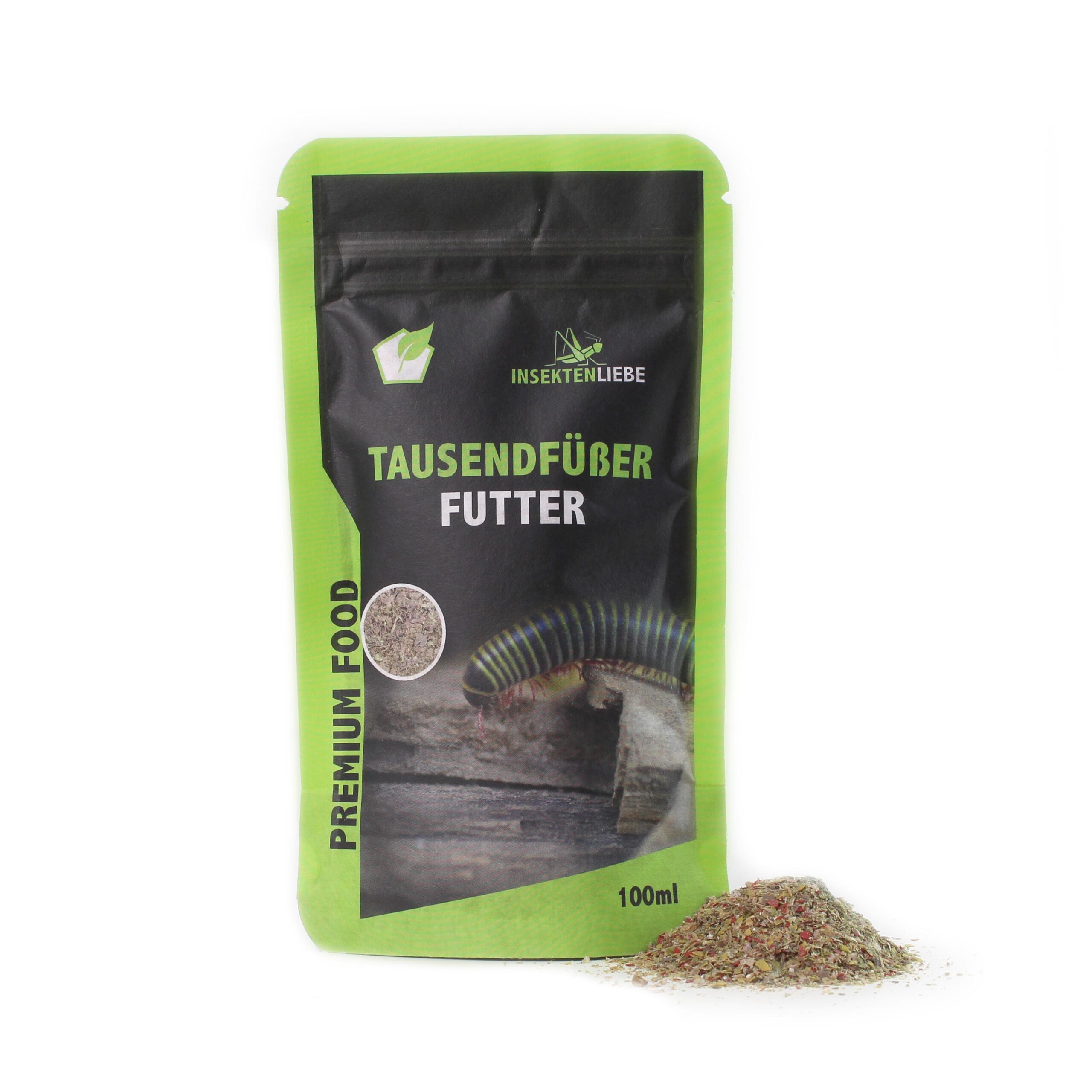
Centrobolus splendidus feeds mainly on decaying leaves, wood and other plant materials. Soft vegetables such as carrots, zucchinis or cucumber are also readily accepted. A small amount of animal protein, for example in the form of millipede food, also supports healthy development, especially during the growth phases.
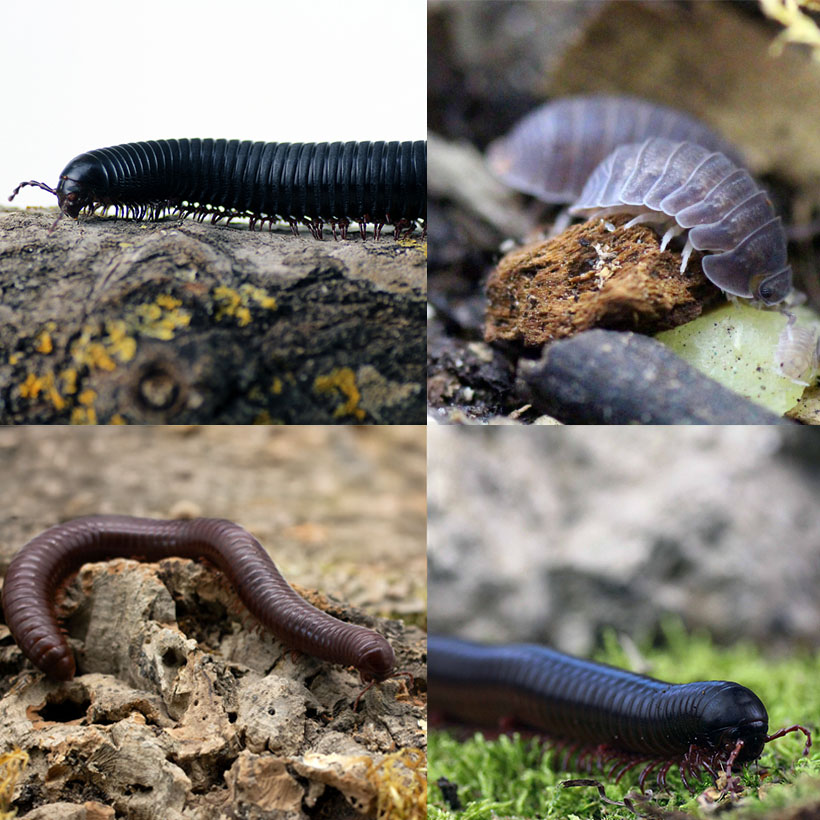
Due to its peaceful nature, Centrobolus splendidus is an excellent companion for Isopods or springtails, making it ideal for bioactive terrariums. Its calm movements, beautiful appearance and uncomplicated care make it one of the most popular diplopods around.