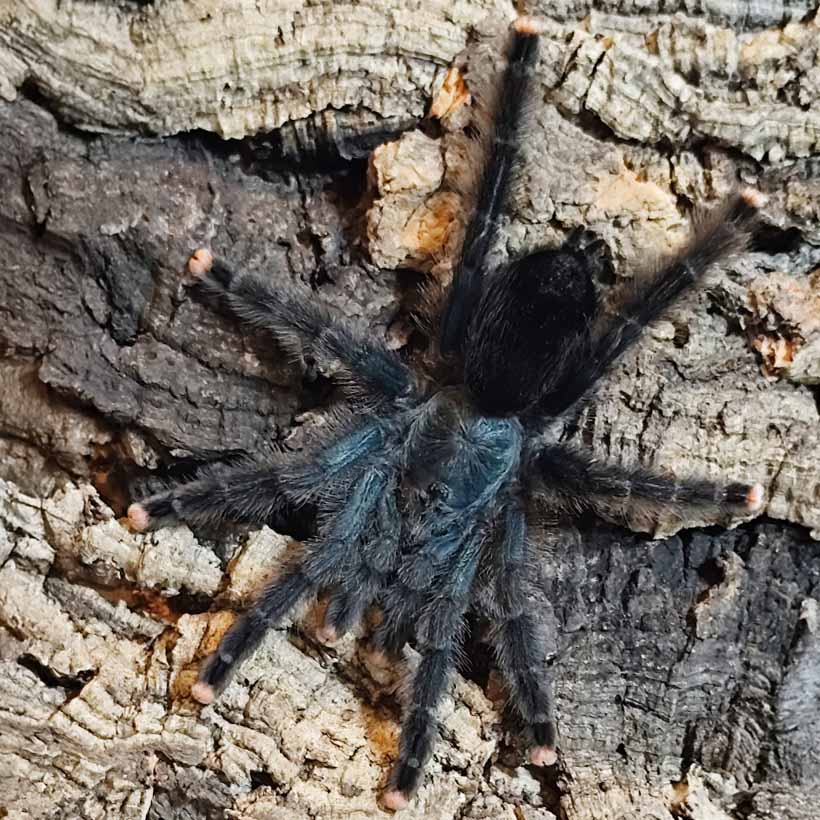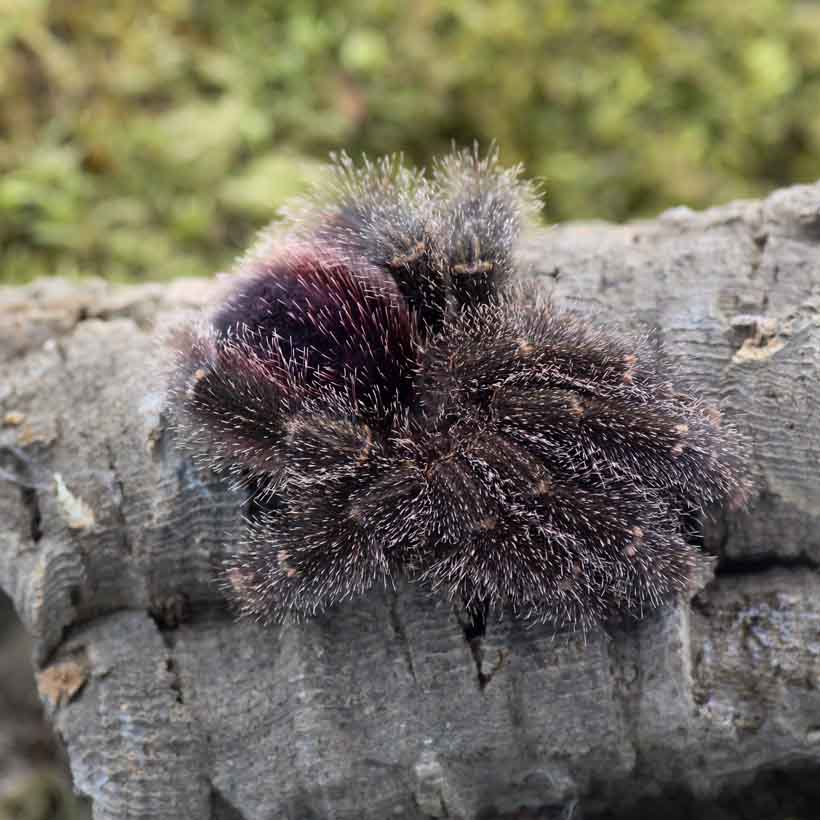
Sale!
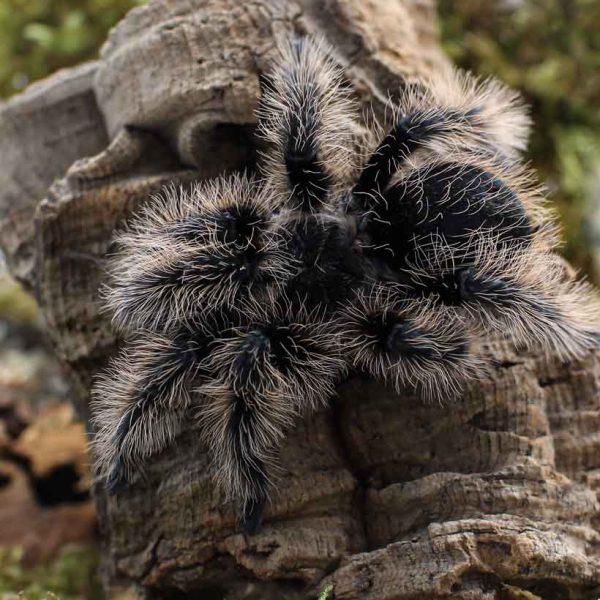

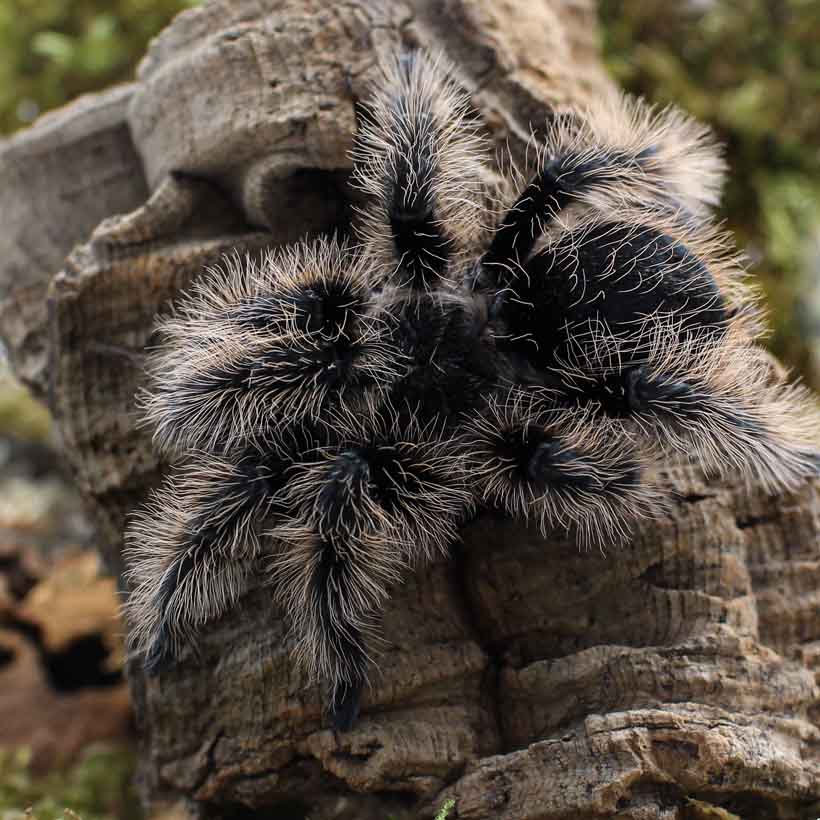
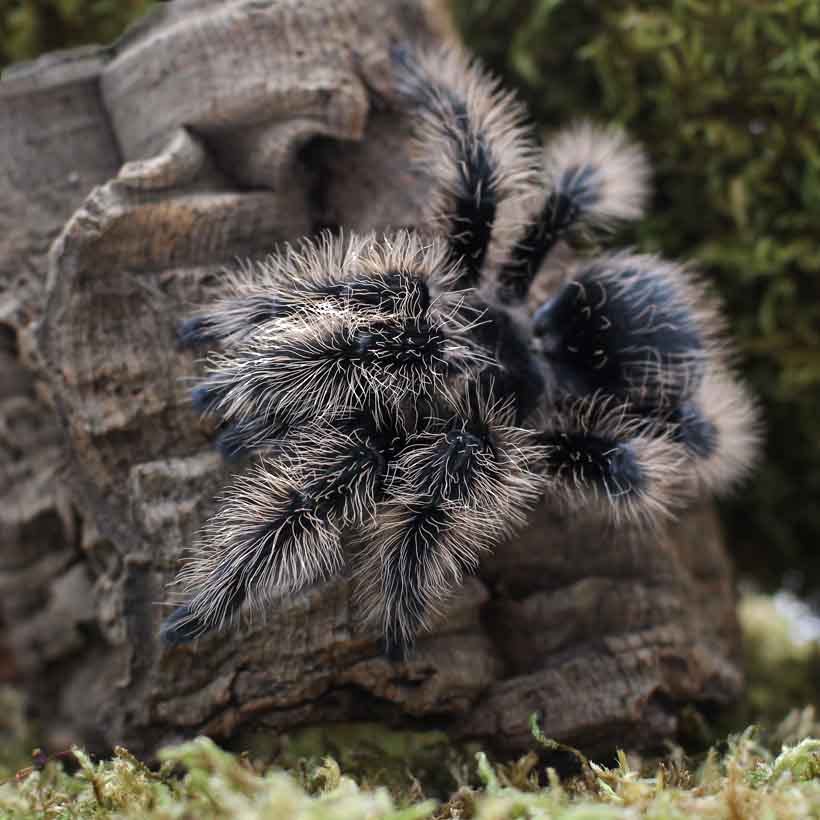
Tliltocatl albopilosus “Nicaragua”
Price range: 12,00 € through 85,00 € incl. VAT, plus shipping

Simple

Nicaragua

< 70 mm

22°C – 26°C
Tliltocatl albopilosus “Nicaragua” – The fluffy classic among tarantulas
Tliltocatl albopilosus “Nicaragua, “ formerly known as Brachypelma albopilosum, is one of the absolute classics in tarantula keeping. Hardly any other species combines such a striking appearance with relatively easy care. That’s why the curly-haired tarantula is ideal for beginners, yet remains interesting for experienced keepers as well.
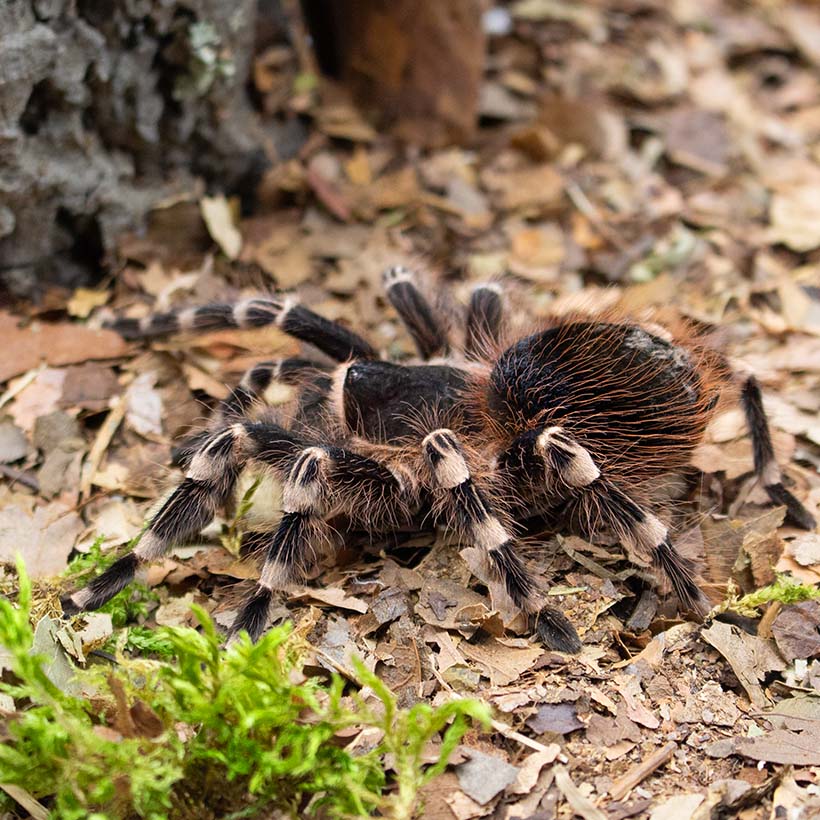
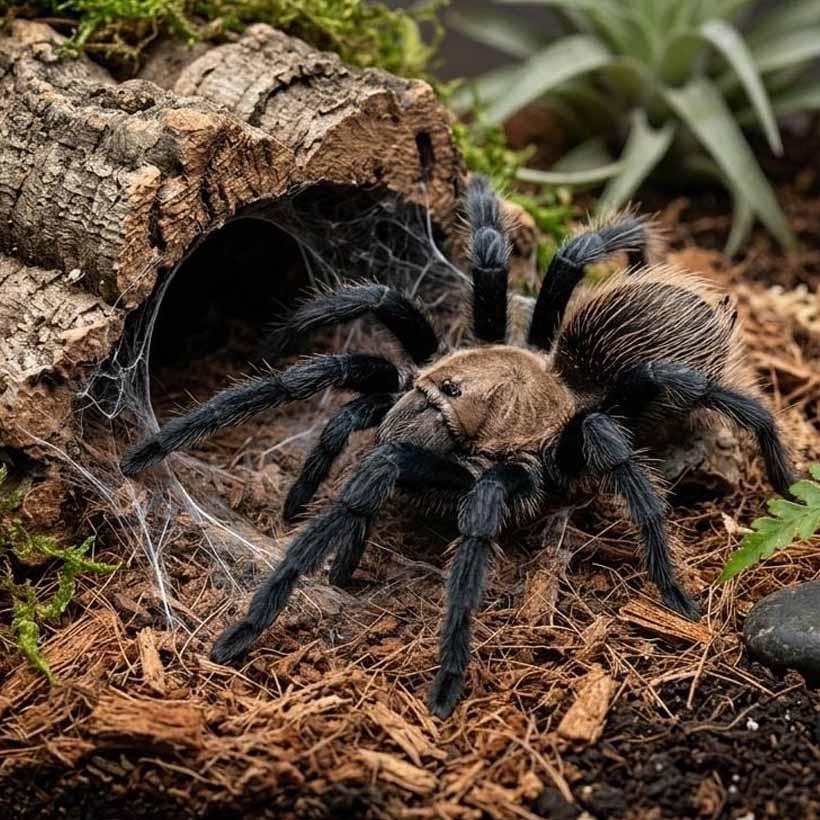
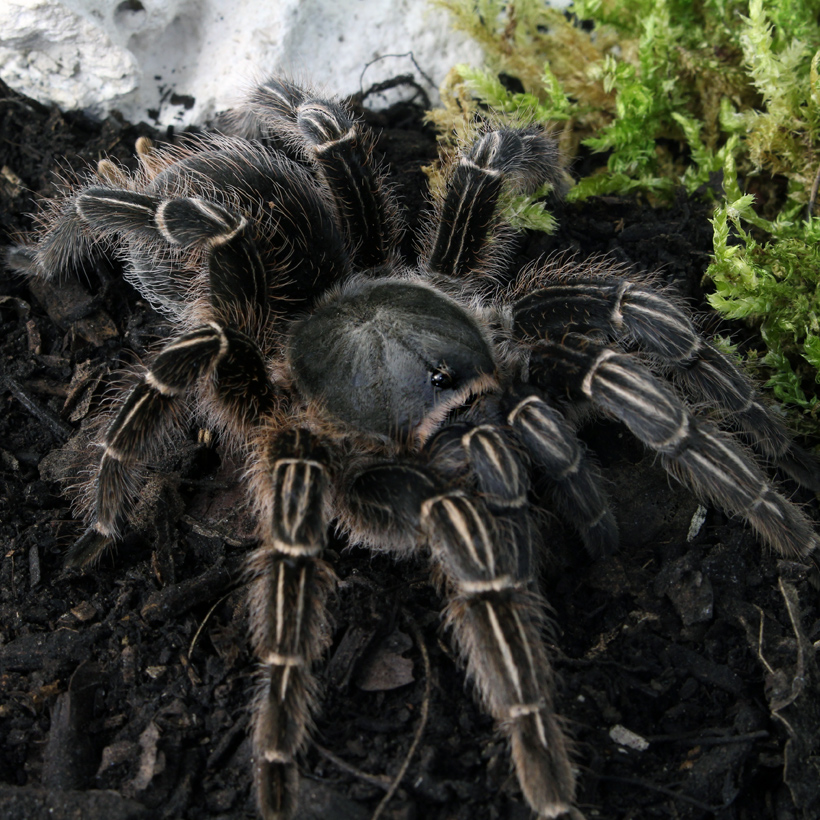
Particularly striking are their long, heavily curled hairs. In the Nicaraguan form, these hairs are especially dense and, depending on the light, take on a golden to bronze sheen. This creates the characteristic fluffy appearance that has earned the species its German name, the “curly-haired tarantula.”
Why the Nicaragua shape is so special
Various forms of Tliltocatl albopilosus are available in the hobby. The names “Honduras” and “Nicaragua” are particularly common. The Nicaragua form is particularly prized for its long, dense, and lighter-colored fur. However, there is some debate regarding animals from older hobbyist lines, as it is believed that other species were crossbred with them in the past.
That is precisely why a well-maintained Nicaragua line is particularly interesting for enthusiasts of this species.
A tarantula that’s often seen
Tliltocatl albopilosus lives close to the ground and likes to use burrows it has dug itself. In the wild, it also uses burrows that may be found, for example, at the base of larger trees. The burrow is sometimes lined with spun silk.
However, many animals in the terrarium also spend long periods of time sitting out in the open in front of their hiding places. This often makes it very easy to observe the species. At the same time, each animal can develop its own personality, so that some animals dig significantly more than others.
The Right Terrarium
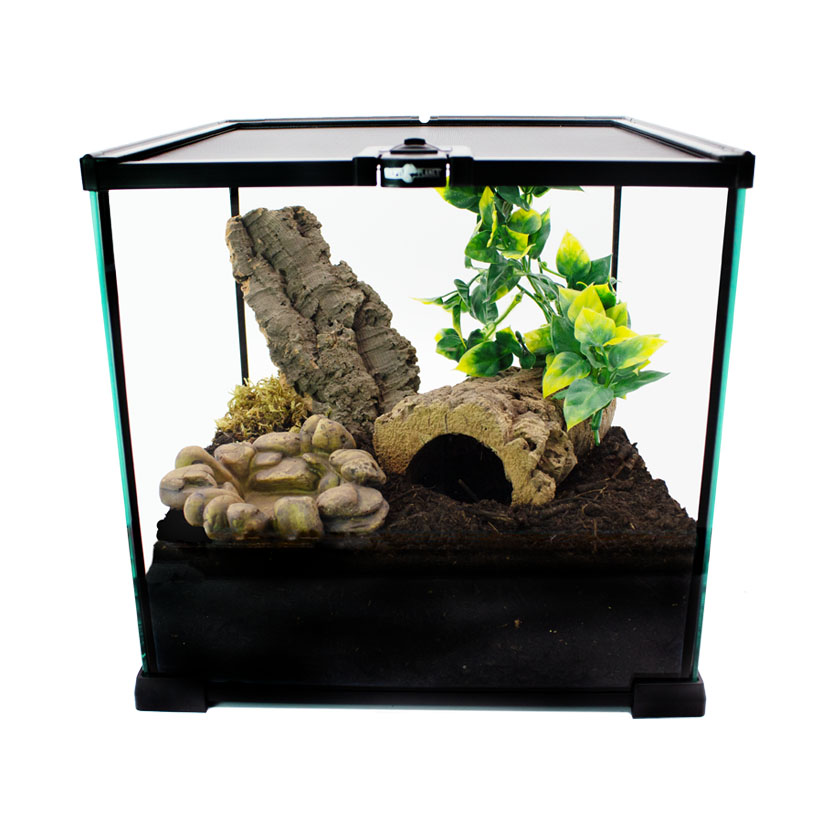
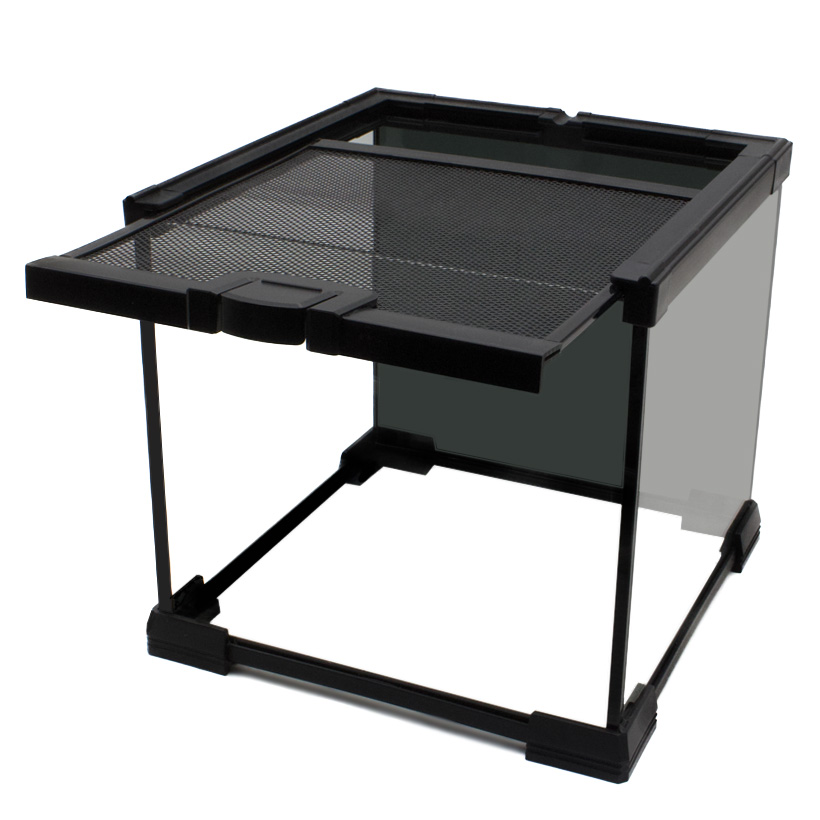
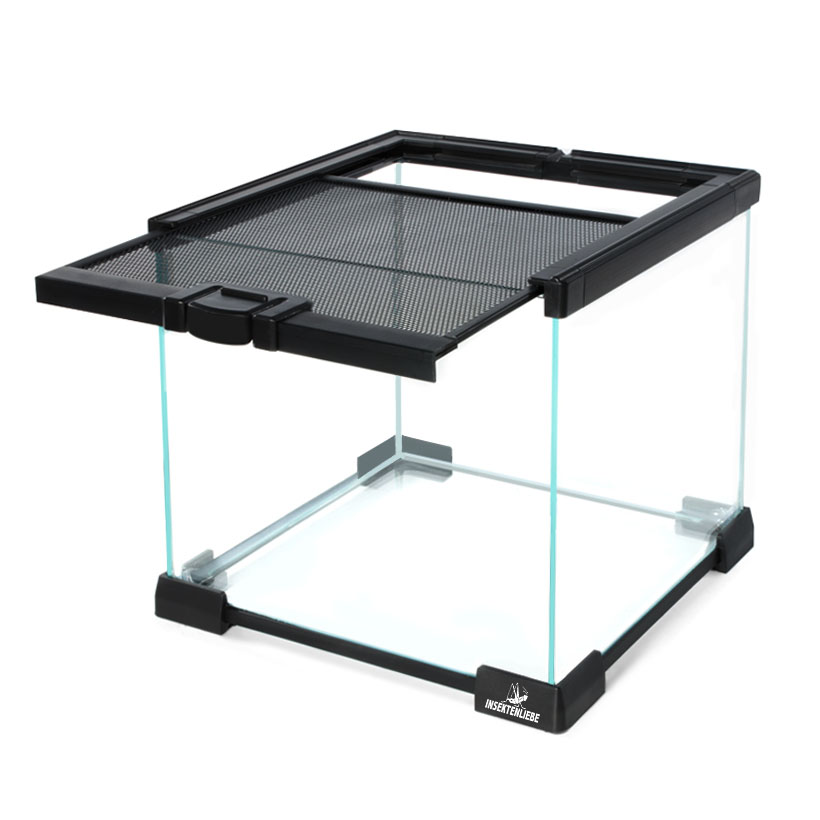
For an adult specimen, we recommend a terrarium measuring at least 30 × 30 × 30 cm. Since this is a ground-dwelling tarantula, a large floor area is more important than a lot of height.
When it comes to the substrate, however, you can be generous. We recommend a substrate depth of at least 10–15 cm so that the spider can dig on its own and expand its hiding place.
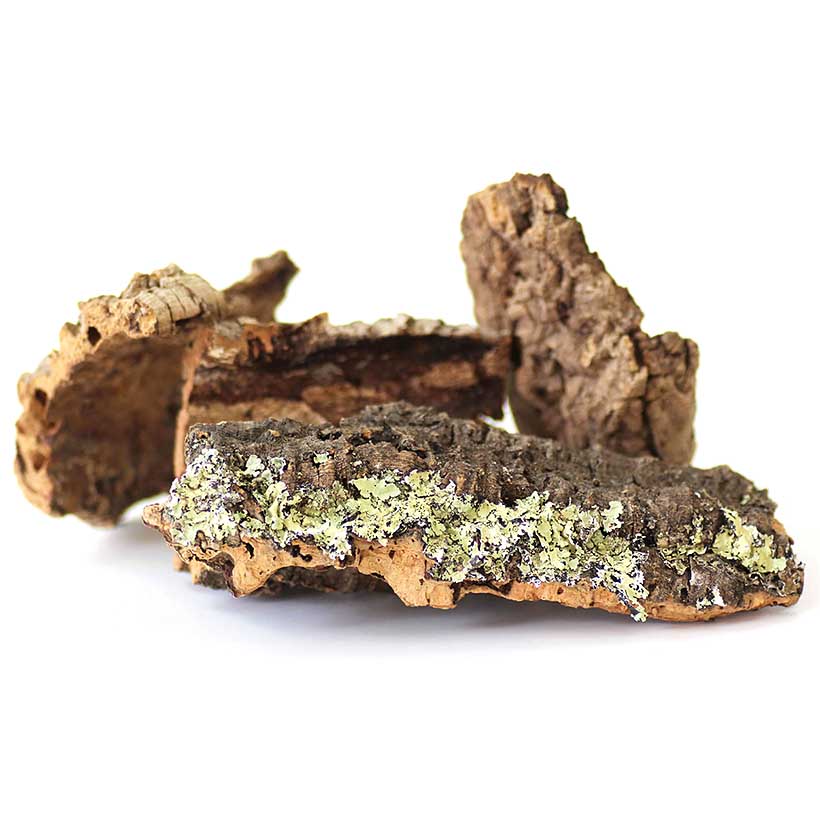
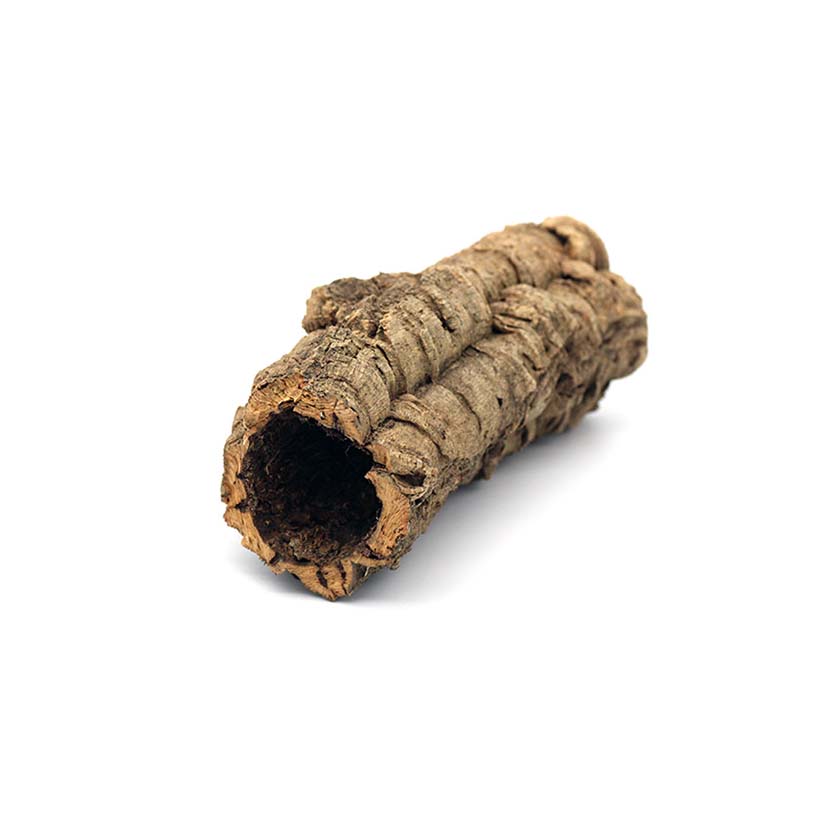
A piece of cork bark that’s been slightly dug into the ground works very well as a starting point for a dwelling. After that, the spider decides for itself whether to take the offered hiding spot or dig in a different location.
It’s best not to keep the substrate permanently wet
Tliltocatl albopilosus does not require constantly wet soil. Most of the substrate can remain somewhat dry to slightly moist, while one corner may be kept slightly more moist. At the same time, a shallow water dish should always be available. This setup, with a slightly moister zone, is also recommended in current care guidelines.
Good ventilation is also important to prevent the buildup of constantly damp, stagnant air.
Temperature and Climate
Normal, warm room temperatures are usually sufficient for keeping them. A range of about 22–26 °C is ideal, although the temperature may drop slightly at night.
Therefore, additional strong heat sources are usually not necessary in normally heated rooms. A stable environment is much more important, while extreme heat and constantly wet substrate should be avoided.
Calm—but still a tarantula
The crested tarantula is considered relatively calm and hardy. That is precisely why it has been recommended for many years as a good species for beginners.
Nevertheless, you should treat it with the same respect as any other tarantula. Tliltocatl albopilosus has urticating hairs and may use them if disturbed. Therefore, you should work quietly in the terrarium and avoid disturbing the animal unnecessarily.
A big eater
When it comes to feeding, this species is generally easy to care for. Suitable options include, for example:
- Cricket
- Cockroaches
- Locusts
- Crickets
Young spiders are given smaller prey animals and can be fed more frequently. For adult spiders, on the other hand, a significantly longer interval between meals is sufficient. Therefore, what matters most is not a rigid feeding schedule, but the spider’s nutritional status.
Longer breaks between meals can also occur, especially before a molt.
A tarantula that will last for many years
Anyone who chooses this species should plan for the long term. Female Tliltocatl albopilosus can live 20 years or longer when kept under good conditions. This makes the crested tarantula one of the terrarium pets that can accompany their owners for a very long time.
That’s exactly what makes raising a young animal so exciting—you get to watch it grow over many years.
Breeding the Curly-Haired Tarantula
Only adult animals should be paired for breeding. It is especially important that the female be well-fed beforehand.
Contrary to what is often described, we would not place the female in the male’s terrarium. Instead, the male is usually placed with the female, since she is already in her familiar environment.
After successful mating, the animals are separated again. Later, the female forms an egg case. This species can produce large clutches; the Oregon Zoo cites 100–500 eggs as a possible range.
Once they hatch, the real work finally begins, because the spiderlings need the right food and are raised individually as they develop.
Advantages at a glance
- Common Curly-Haired Tarantula
- Nicaragua form with particularly dense foliage
- Golden to bronze-colored hair
- Calm and sturdy nature
- Very suitable for beginners
- Ground-dwelling tarantula
- Interesting Burying Behavior
- Often easy to observe
- Females can live to be 20 years old or older
- One of the great classics of tarantula keeping
Suitable accessories for your setup
Tarantula & Scorpion Terrarium Complete Set – provides ample floor space for an adult curly-haired tarantula.
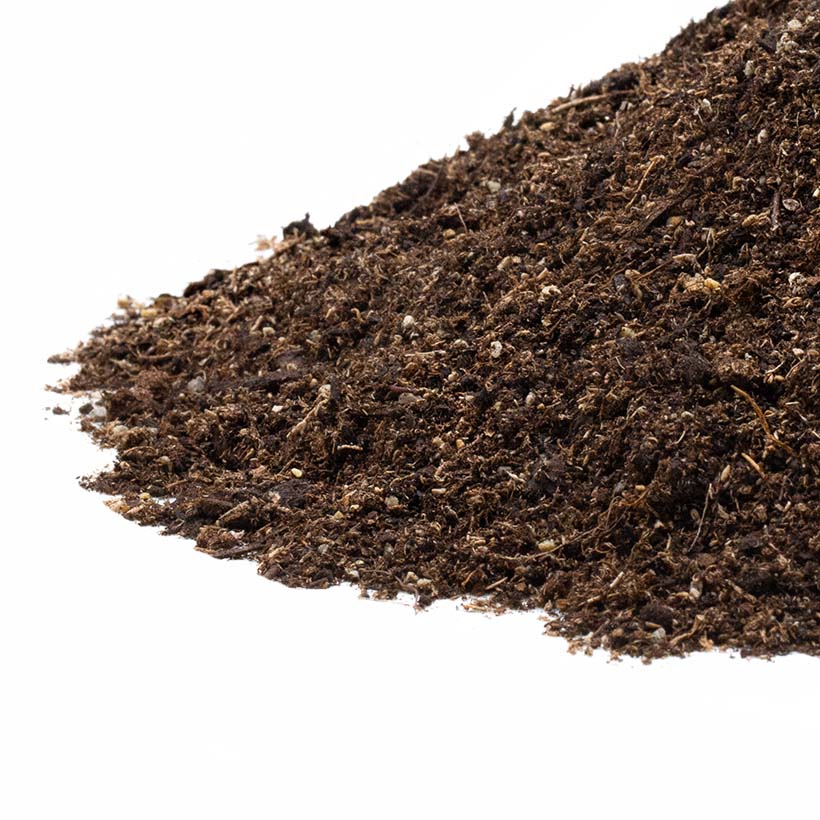
Tarantula Substrate – creates a surface suitable for burrowing and allows the tarantula to build its own burrows.
Cork Bark – provides a natural starting point for a safe hiding spot.
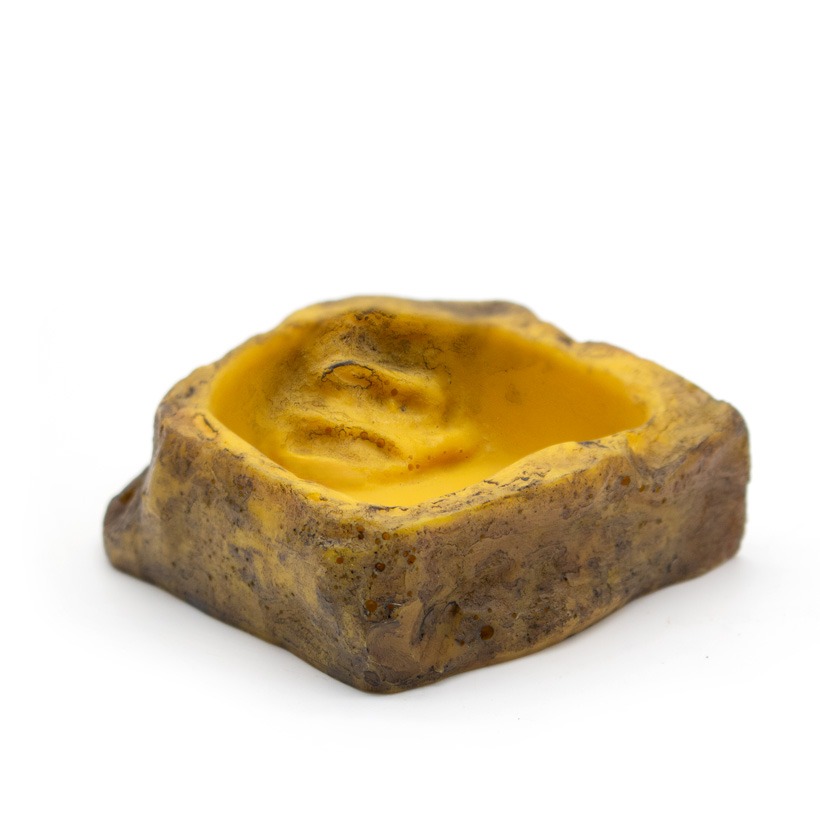
Water Bowl –ensures a constant supply of fresh drinking water.
Insektenliebe Hygro-Therm – reliably monitors temperature and humidity.
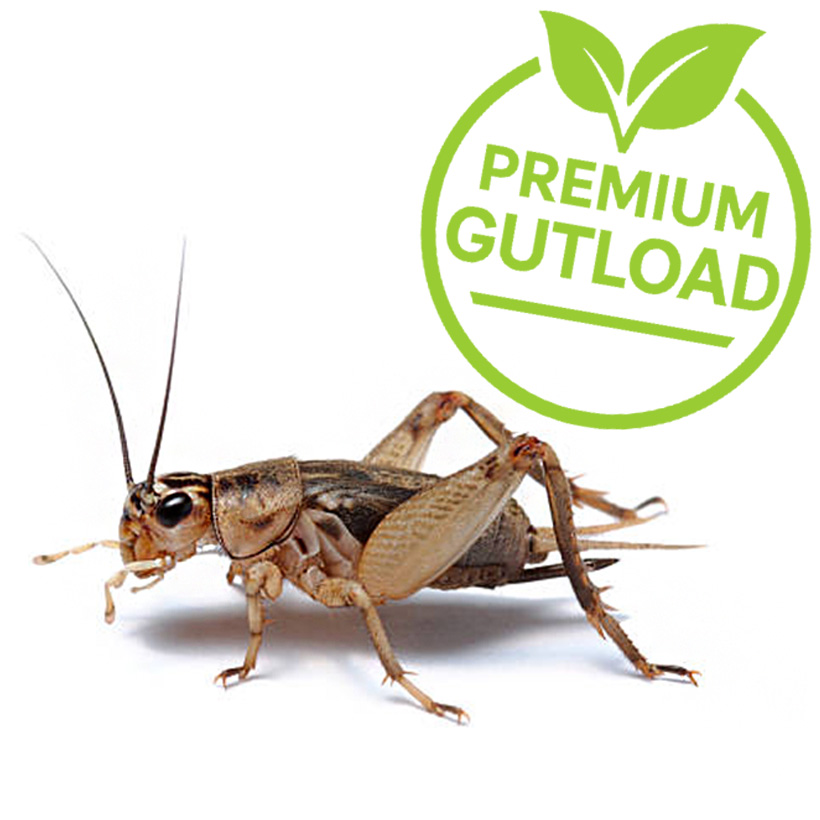
House crickets – are ideal as live food for Tliltocatl albopilosus.
Conclusion
The Tliltocatl albopilosus “Nicaragua” has been a classic for many years, and for good reason. Its long, curly hairs give it a unique appearance, while its generally calm temperament and ease of care make it an ideal choice for those new to keeping tarantulas.
The Nicaragua form, in particular, is interesting because of its exceptionally dense hair. At the same time, with this species, you’re not getting a tarantula that will only last a few years, but a long-lived pet whose development—in the case of a female—can accompany you for over 20 years. If you’re looking for your first tarantula or simply want a true classic in your collection, the curly-haired tarantula is an excellent choice.
Note on the reporting obligation:
This species of tarantula is subject to compulsory registration. Proof of origin is required by law for this animal. If you order a species subject to registration from us, you will automatically receive a link to download the relevant certificate with your order confirmation. This means you have all the necessary documents to hand immediately and can store them digitally or in printed form.