Sale!

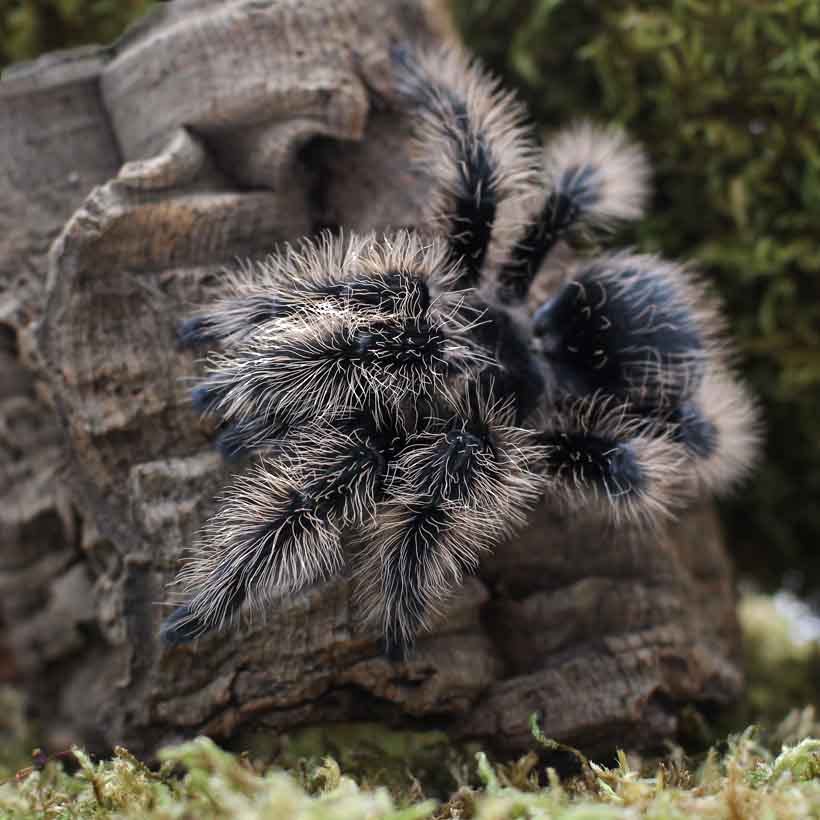
Tliltocatl albopilosus
Price range: 10,00 € through 75,00 € incl. VAT, plus shipping

Simple

Nicaragua

< 70 mm

24°C – 27°C
Brief description Tliltocatl albopilosus:
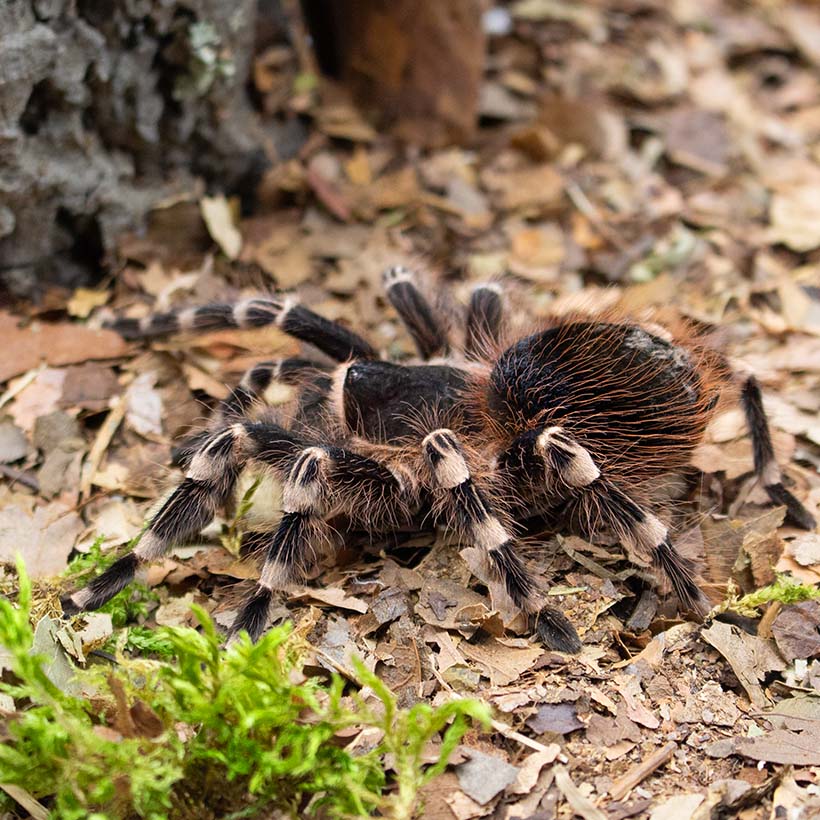
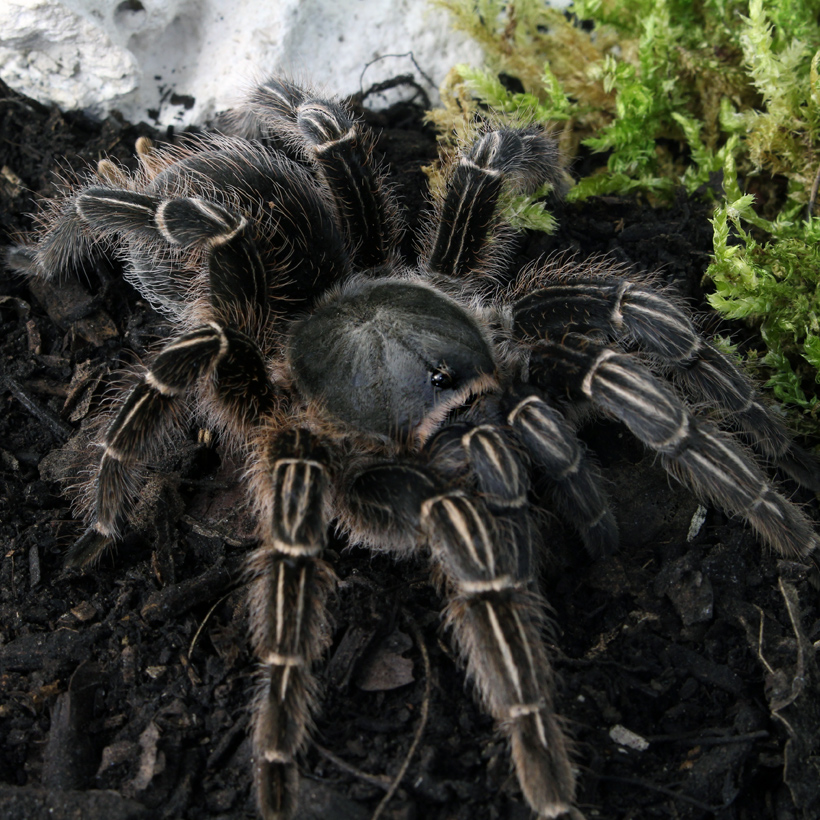
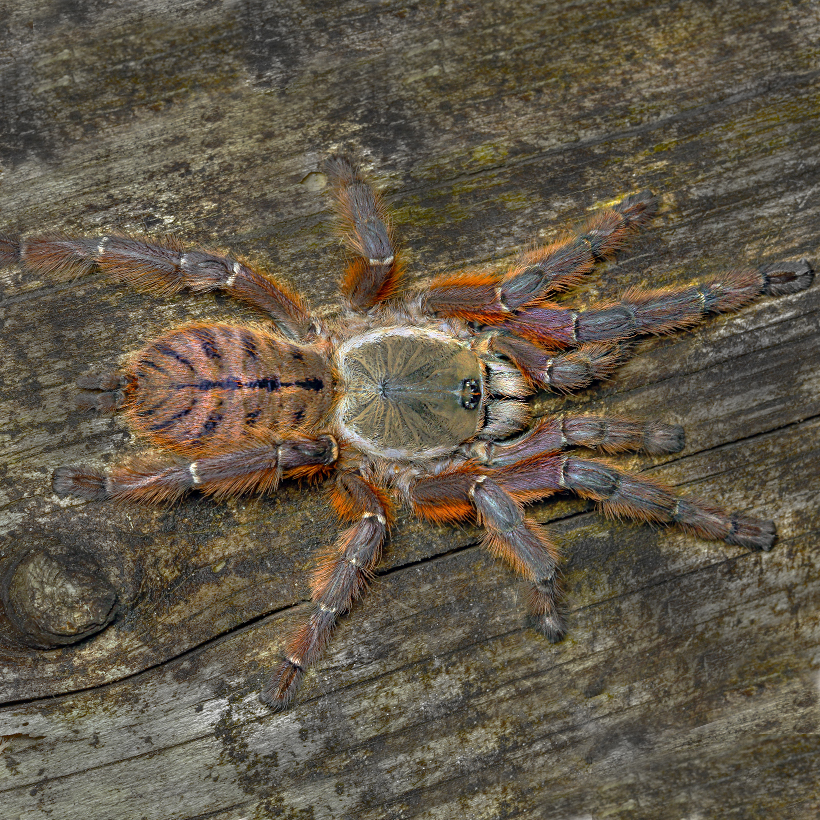
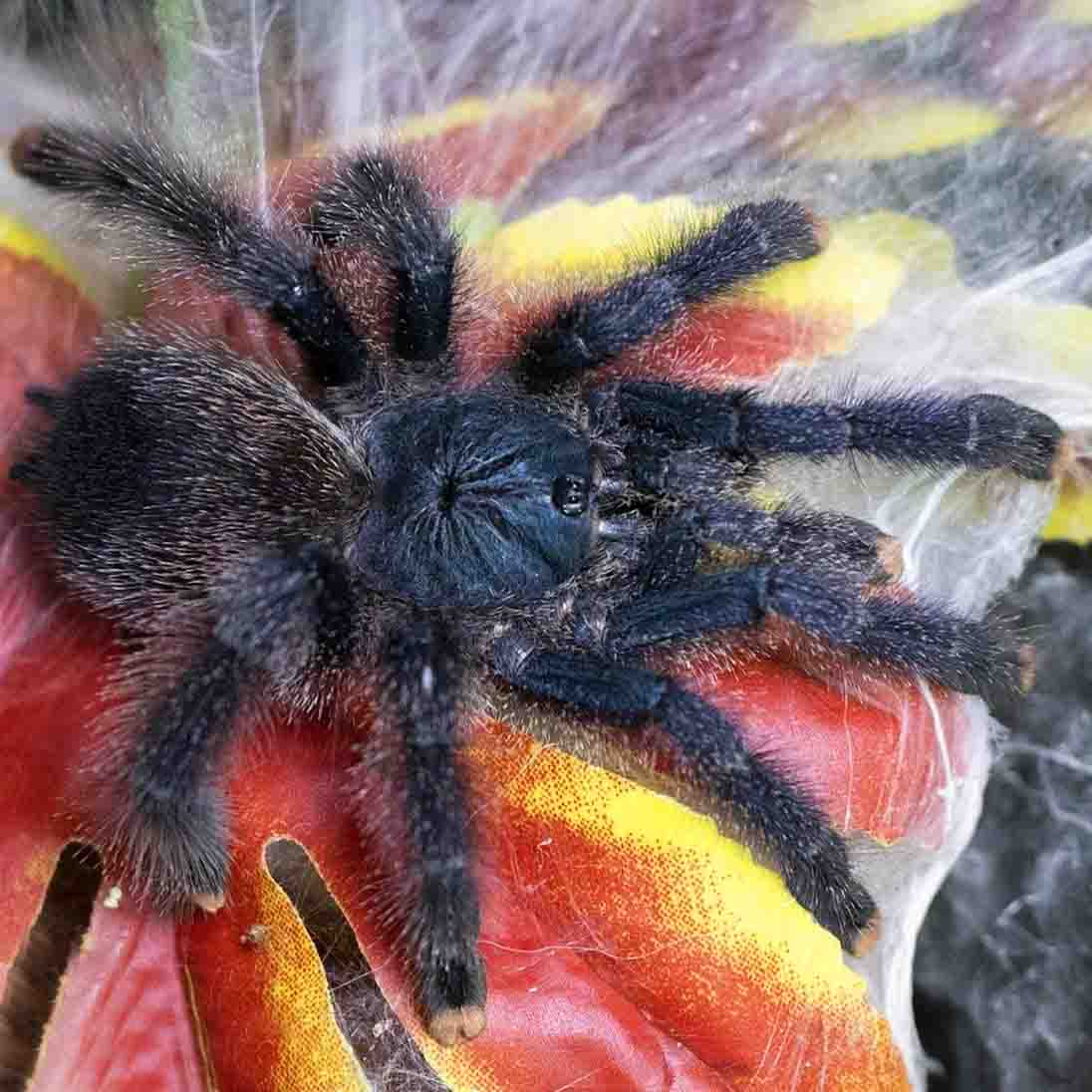
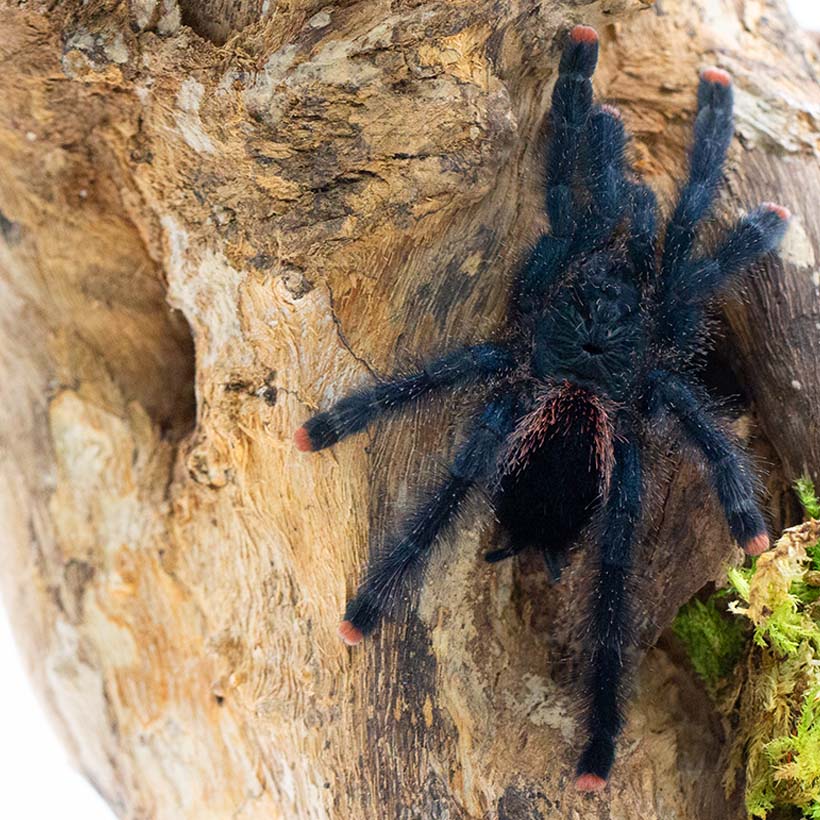
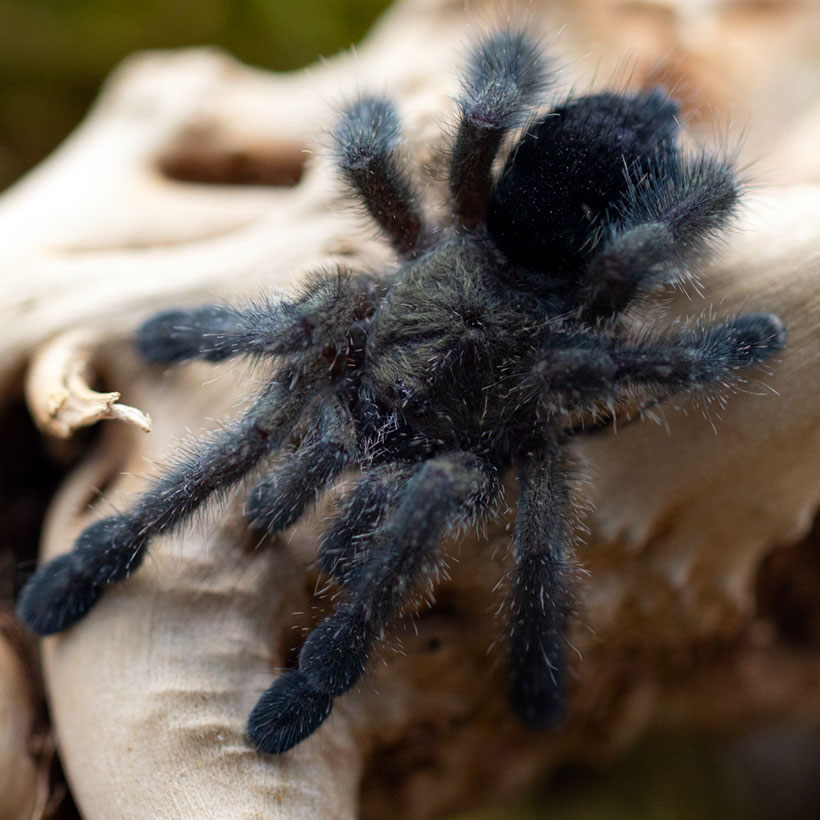
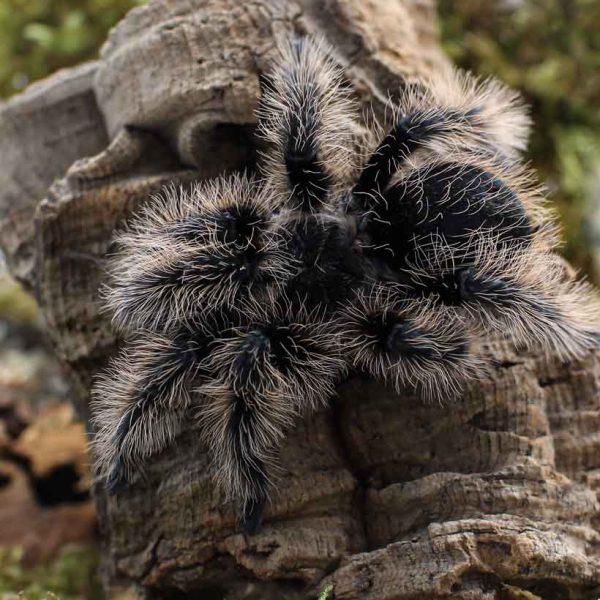
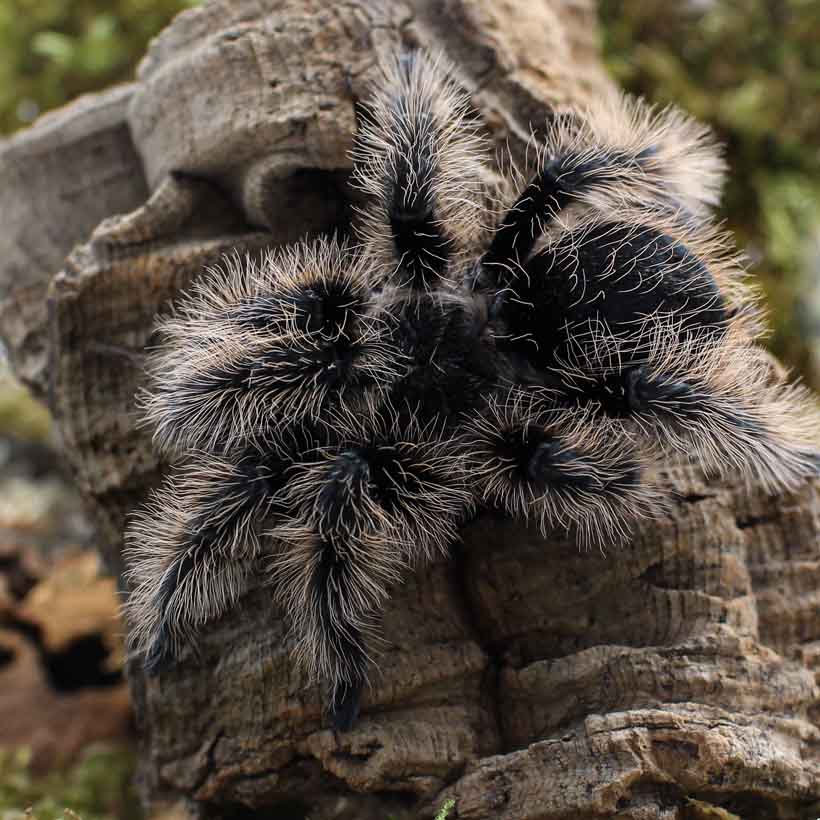
Tliltocatl albopilosus, formerly known as Brachypelma albopilosum, is native to Central America, specifically Costa Rica, Honduras, Nicaragua and Panama. It is known for its gentle temperament and striking coloration, which consists of a brown body and dark legs with white-orange hairs.
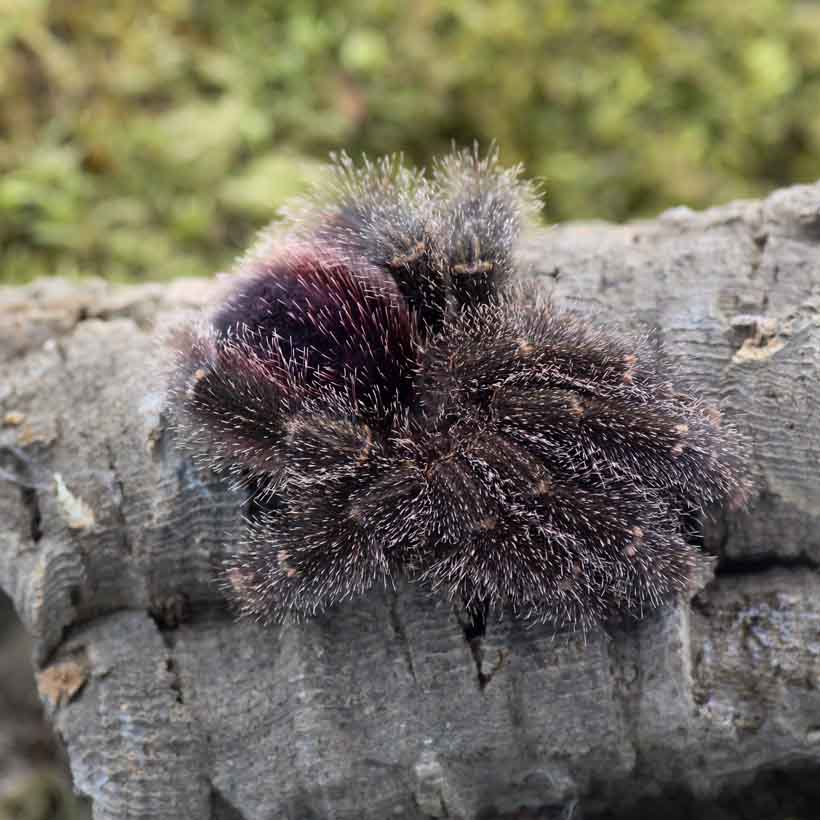
This species is also known by the common name “curly-haired tarantula”, which refers to the spider’s dense, wavy hairs that give it a fluffy look. Tliltocatl albopilosus is a relatively easy species to keep in terrariums and is prized by many for its peaceful nature and attractiveness.
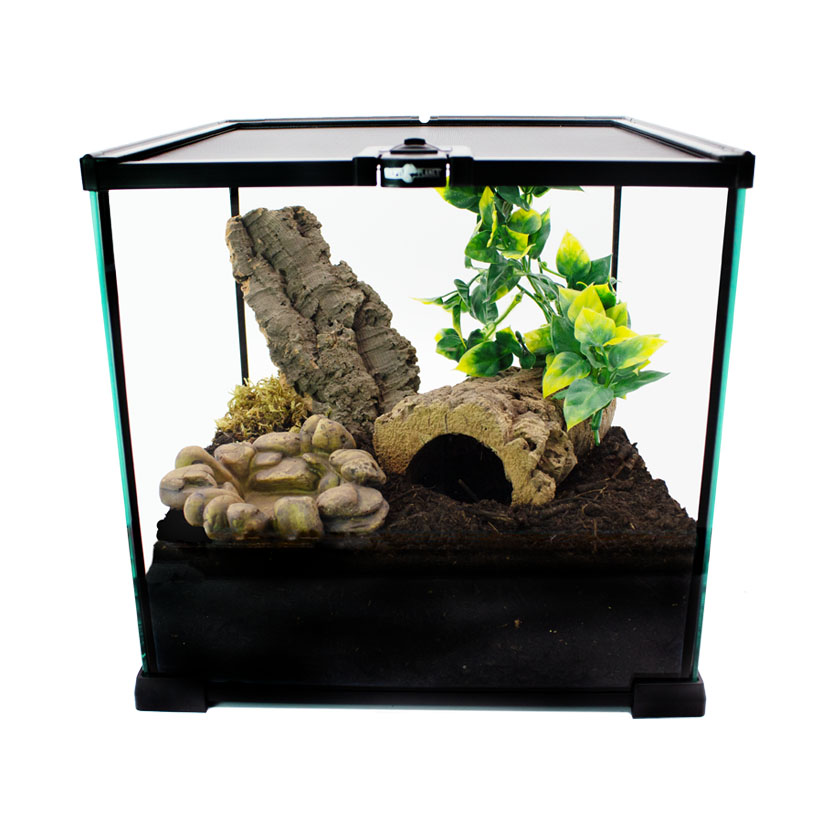
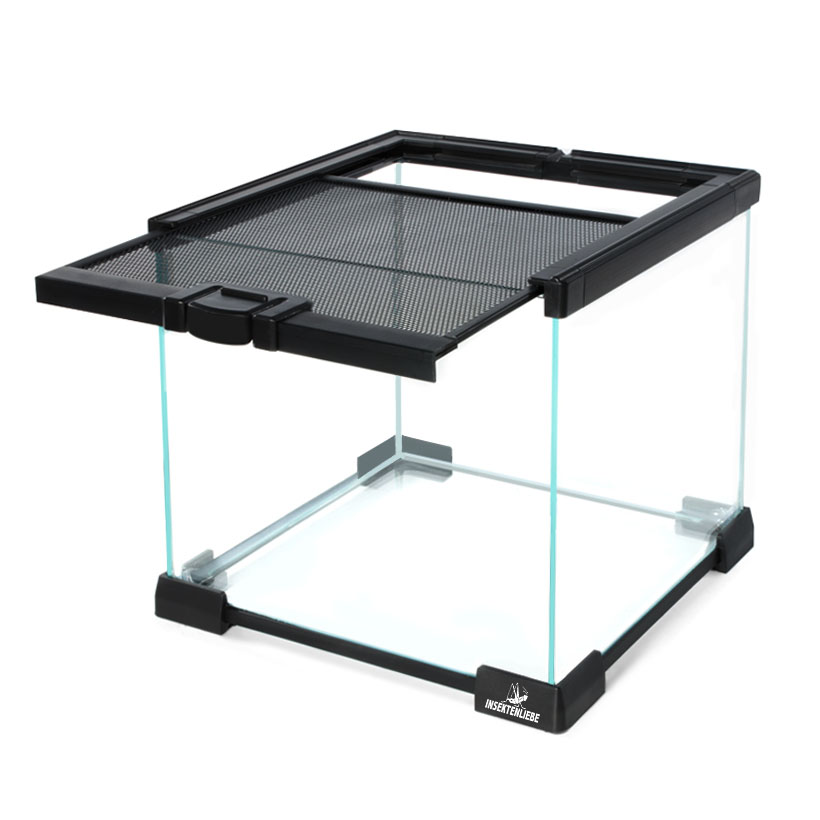
Setting up a terrarium for Tliltocatl albopilosus is relatively simple and does not require much space. The size of the terrarium depends on the size of the spider, for an adult animal at least 30x30x30cm should be chosen.
The soil substrate should consist of a mixture of forest humus and sand, which should have a depth of around 5-10 cm. The substrate mixture must be kept loose and slightly moist, but not too wet to prevent mold growth.
A small bowl of fresh water should also be present in the terrarium to ensure that the spider has access to water at all times. This also automatically increases the humidity in the terrarium.
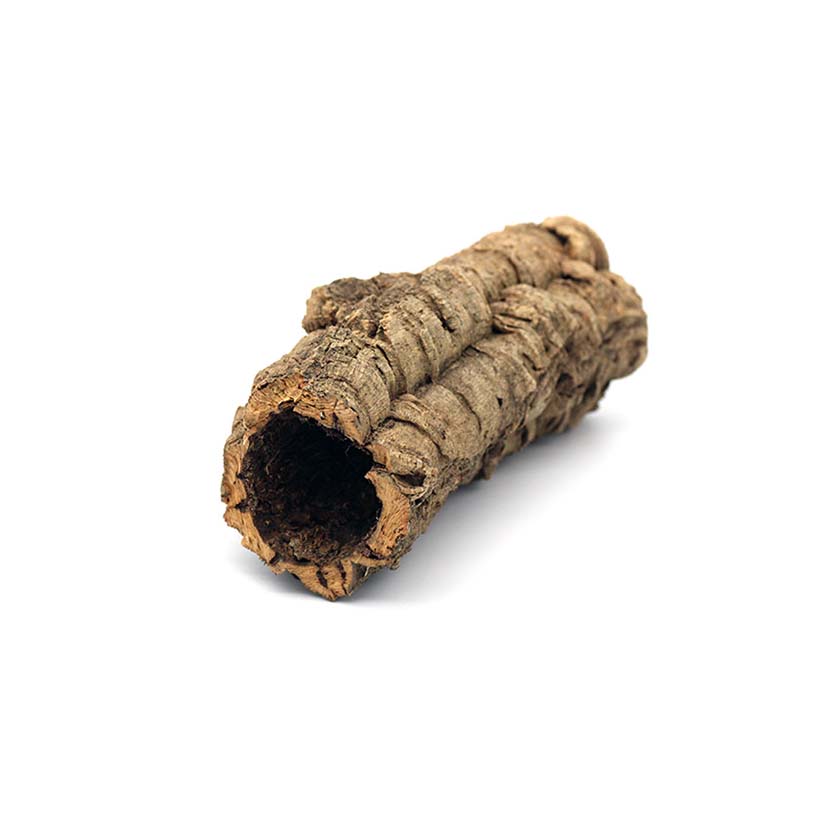
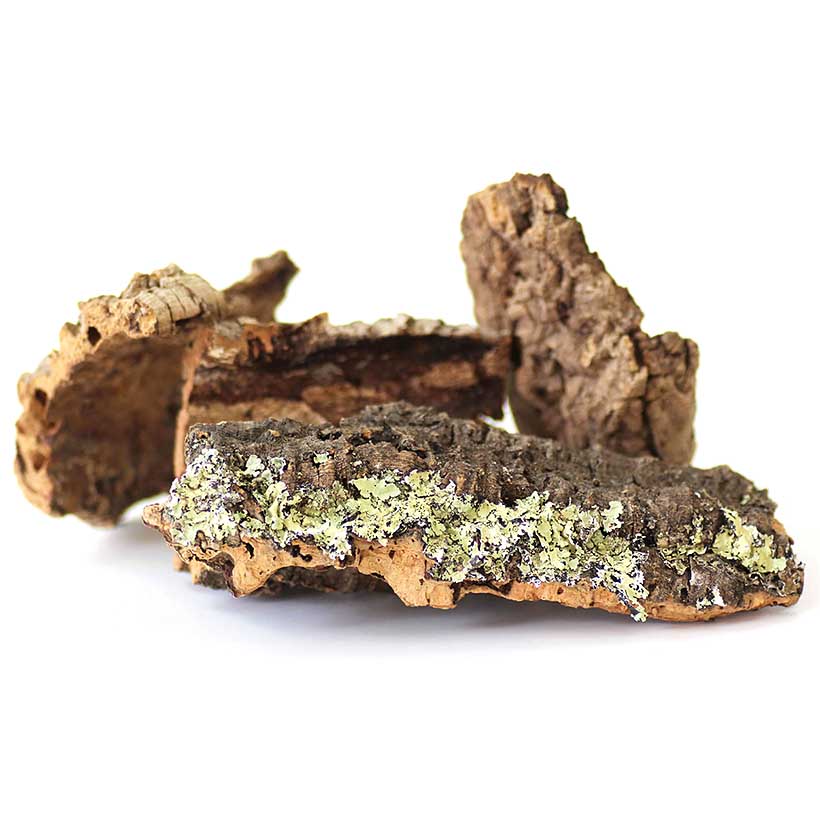
As Tliltocatl albopilosus is a ground-dwelling species, you should provide a few hiding places in the terrarium. An easy way to create hiding places is by placing cork bark in the terrarium and artificial plants buried in the substrate.
Overall, Tliltocatl albopilosus is a relatively easy species to care for and with a suitable terrarium set-up and appropriate care it can lead a long and happy life.
If you are interested in breeding Tliltocatl albopilosus, there are a few important things to keep in mind. Before mating takes place, you need to make sure that the female is well fed and has enough food available to support egg development.
During mating, the female should be placed in the male’s terrarium. The male will try to woo the female by vibrating his legs and emitting pheromones. When the female is ready, she will approach him and position herself opposite him.
After mating, the female should be returned to a separate terrarium. The female will begin to lay eggs in a cocoon after a few weeks.
Raising the young requires a lot of patience and care. You should ensure that they have sufficient food and moisture and that they are placed individually relatively quickly.
Note on the reporting obligation:
This species of tarantula is subject to compulsory registration. Proof of origin is required by law for this animal. If you order a species subject to registration from us, you will automatically receive a link to download the relevant certificate with your order confirmation. This means you have all the necessary documents to hand immediately and can store them digitally or in printed form.