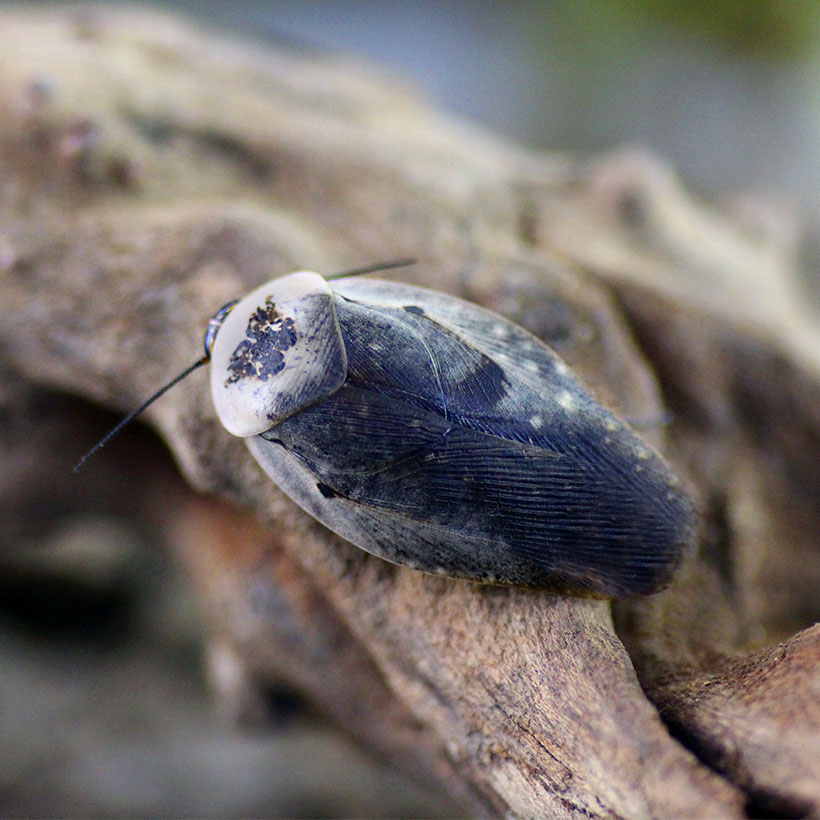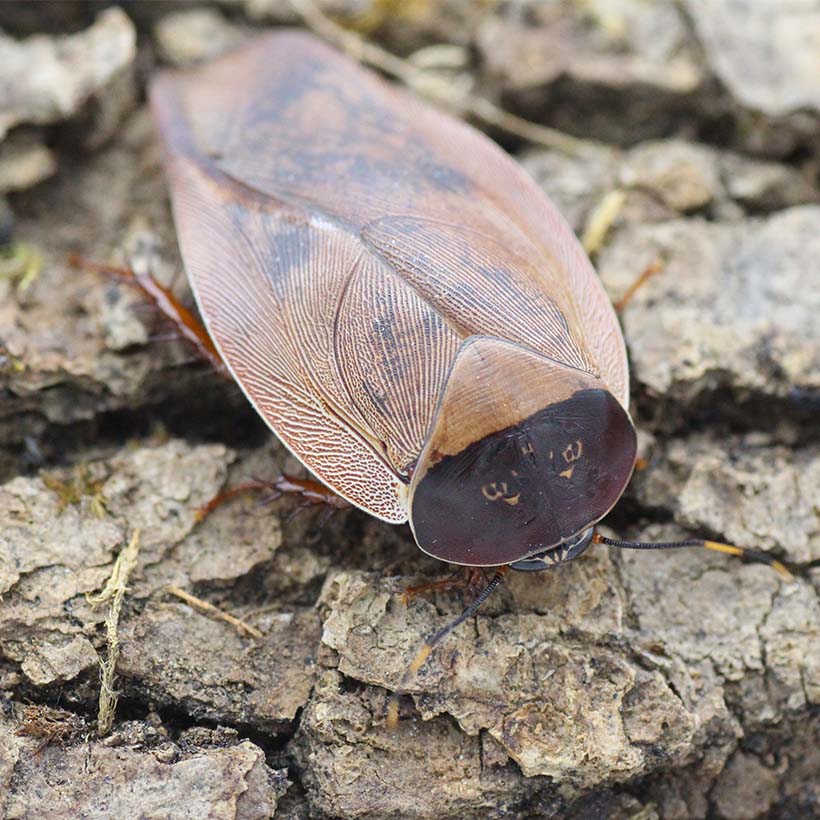
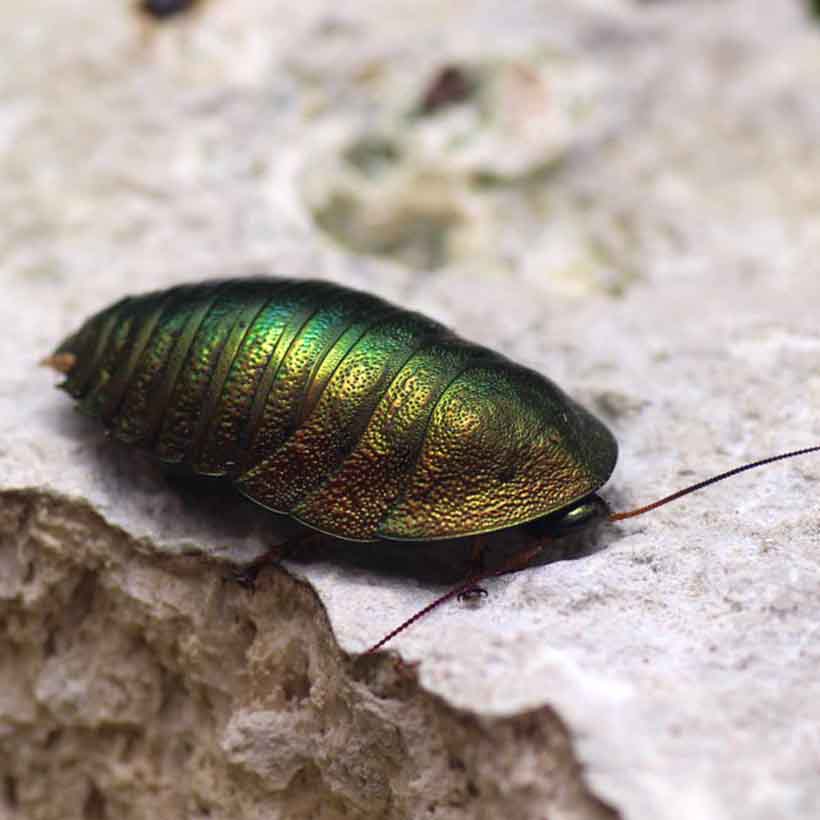
Pseudoglomeris magnifica “Emerald cockroach”
9,00 € incl. VAT, plus shipping
Sales Unit: 1 nymph
Sales Unit: 1 nymph
In stock

Simple

Vietnam

< 30 mm

24°C – 28°C
Pseudoglomeris magnifica “Emerald Cockroach” – The emerald-green eye-catcher in the terrarium
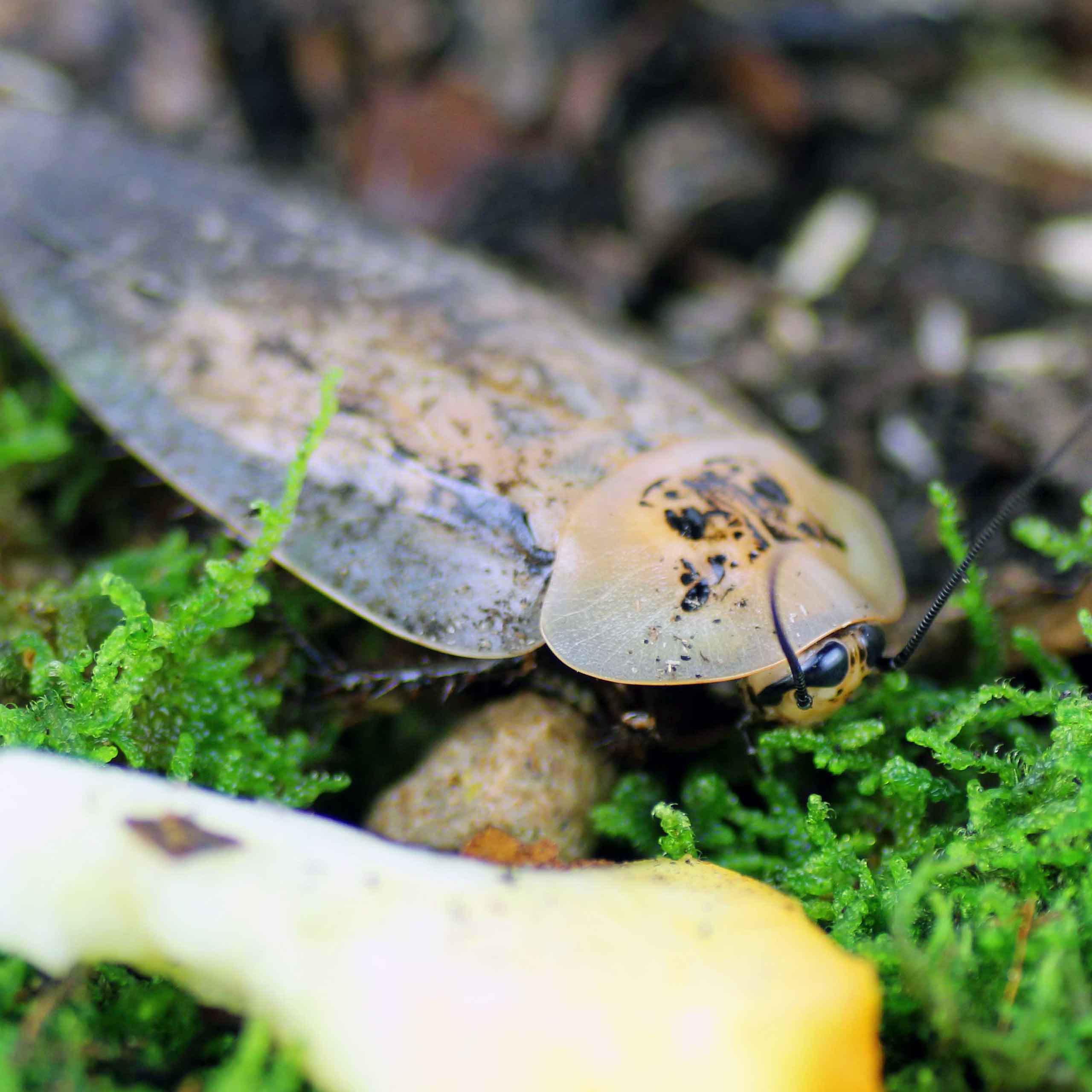
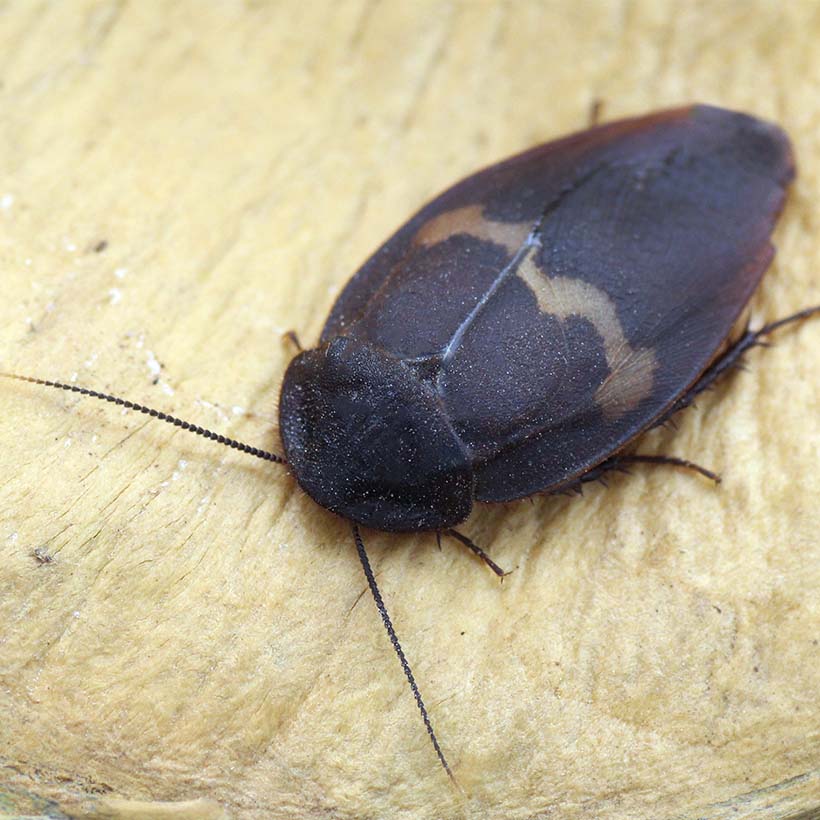
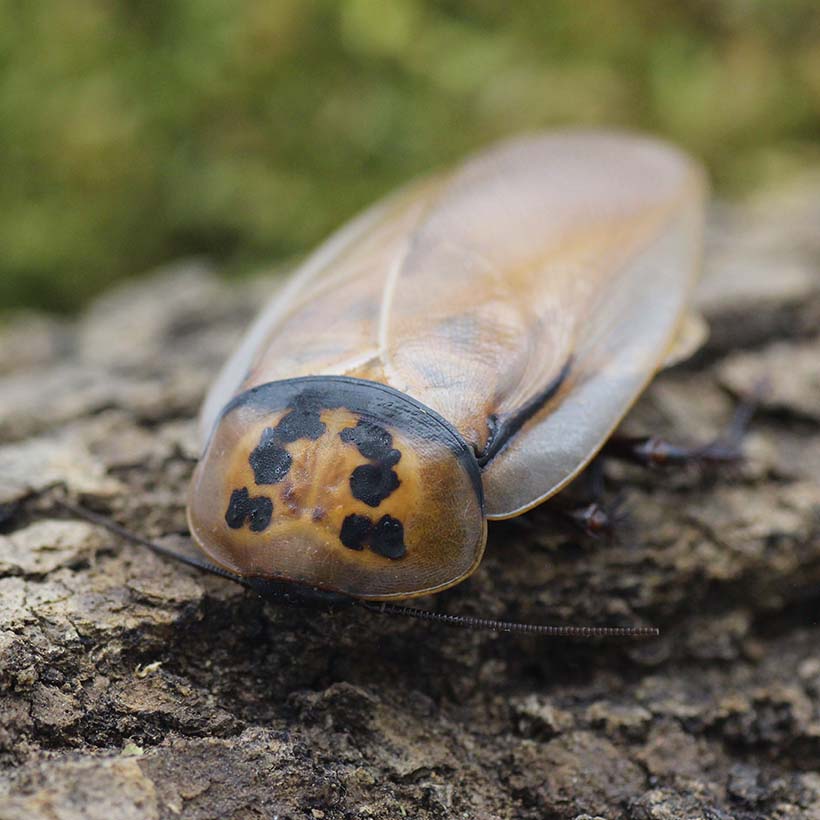
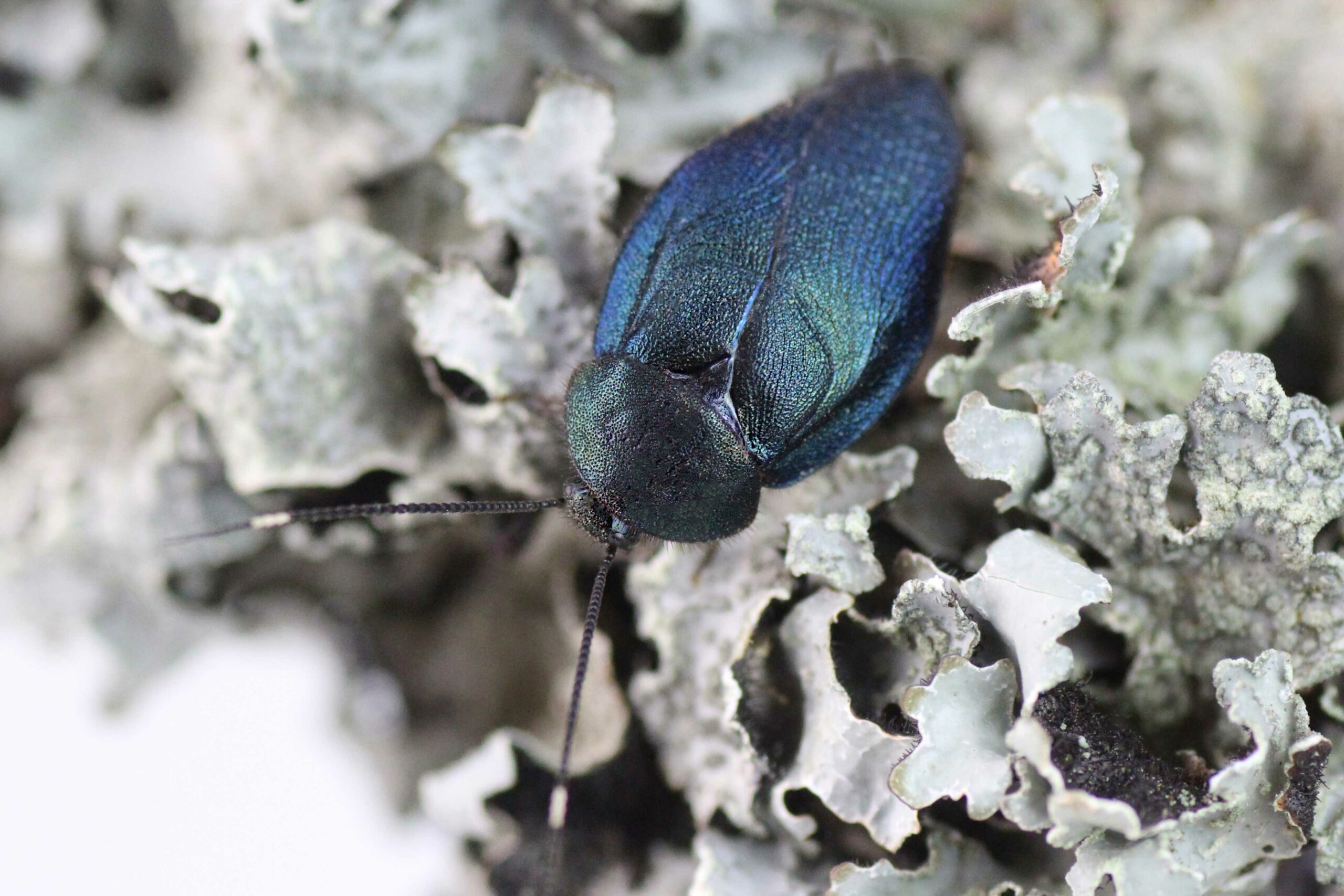
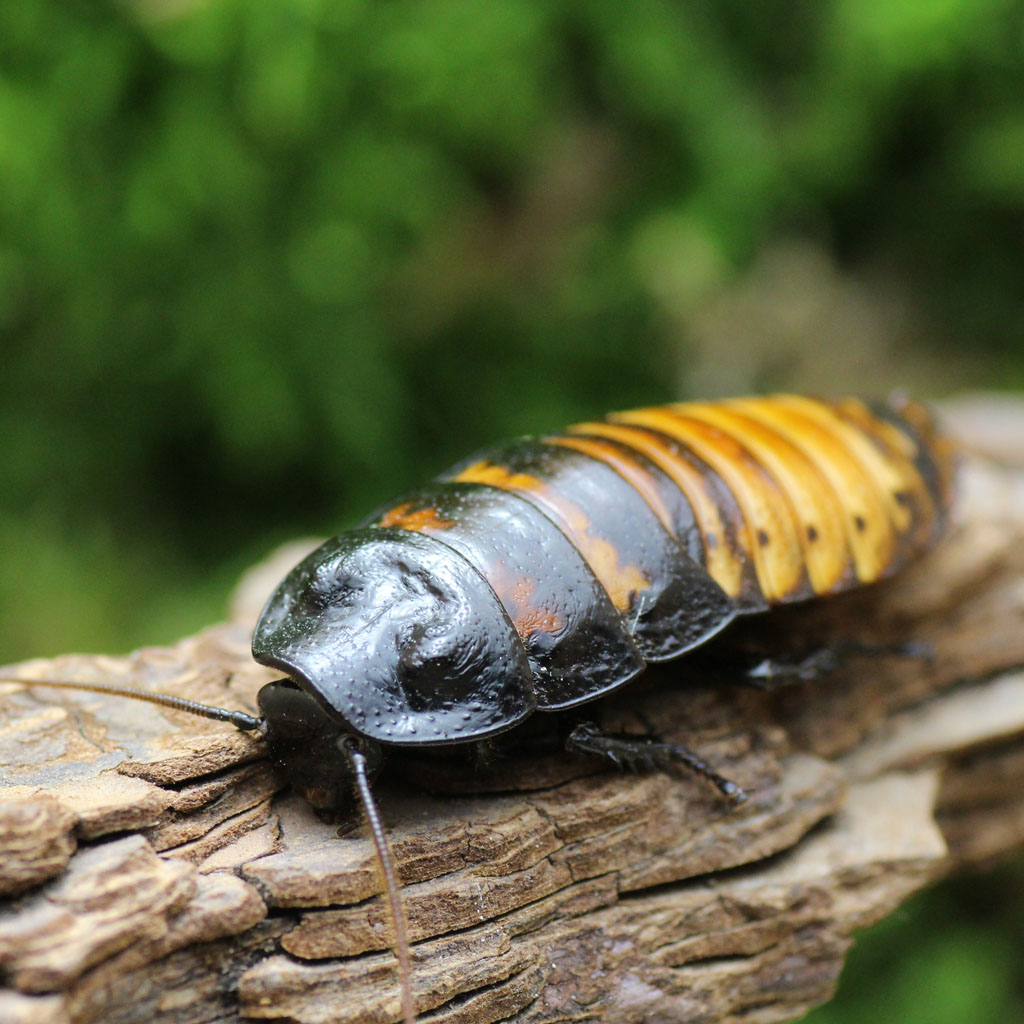
Pseudoglomeris magnifica, the “emerald cockroach, “ is one of the most beautiful cockroach species in existence. Its metallic, glossy body shimmers green, gold, or slightly bluish depending on the angle of the light, making the insects look almost like tiny beetles.
The emerald cockroach is interesting not only because of its color. It exhibits behavior that is unusually open for a cockroach and is often active during the day as well. This makes it much easier to observe than many other species, which hide almost completely during the day.
A cockroach you actually get to see
Many cockroaches spend the day hidden under bark or in the substrate. Pseudoglomeris magnifica, on the other hand, is relatively active and likes to stay on branches and pieces of bark.
There, she walks around calmly, eats, or grooms herself. At the same time, she seeks out narrow crevices and sheltered areas when needed.
That is precisely why this species is ideal for a beautifully arranged display terrarium.
Originating in Asia
The emerald cockroach is native to Vietnam and southern China. There, it lives in warm, humid forest areas and primarily inhabits tree bark, branches, and other elevated structures.
That’s why you shouldn’t just arrange the terrarium on the floor. Vertical pieces of cork, branches, and roots provide the animals with significantly more usable space.
Size and Gender Differences
Adult animals reach a body length of approximately 2–3 cm. Females are significantly sturdier in build and wingless, while adult males are slimmer and have wings.
The males’ wings enable them to glide or fly short distances. At the same time, individuals at all developmental stages are very good climbers.
That is why it is essential that the terrarium be escape-proof.
They’re excellent climbers
Emerald cockroaches can also climb smooth surfaces. That’s why you should pay close attention to small gaps around lids, vents, and doors.
This is especially true for newborn nymphs, since they are tiny and can squeeze through even small openings.
Good ventilation remains very important, however, because this species needs humid air but can be sensitive to consistently stagnant and damp air.
Warm and humid—but not wet
Temperatures of about 24–28 °C are suitable for keeping them. The humidity should be around 60–80 %.
However, the entire substrate should not be permanently wet. It is better to have a variation in moisture levels: some parts should remain slightly moist, while other areas can be a bit drier.
Light spraying also leaves small water droplets on windows and furnishings. Cockroaches are drawn to these droplets.
How to Set Up a Terrarium
A well-ventilated terrarium with plenty of structures is suitable for a small group.
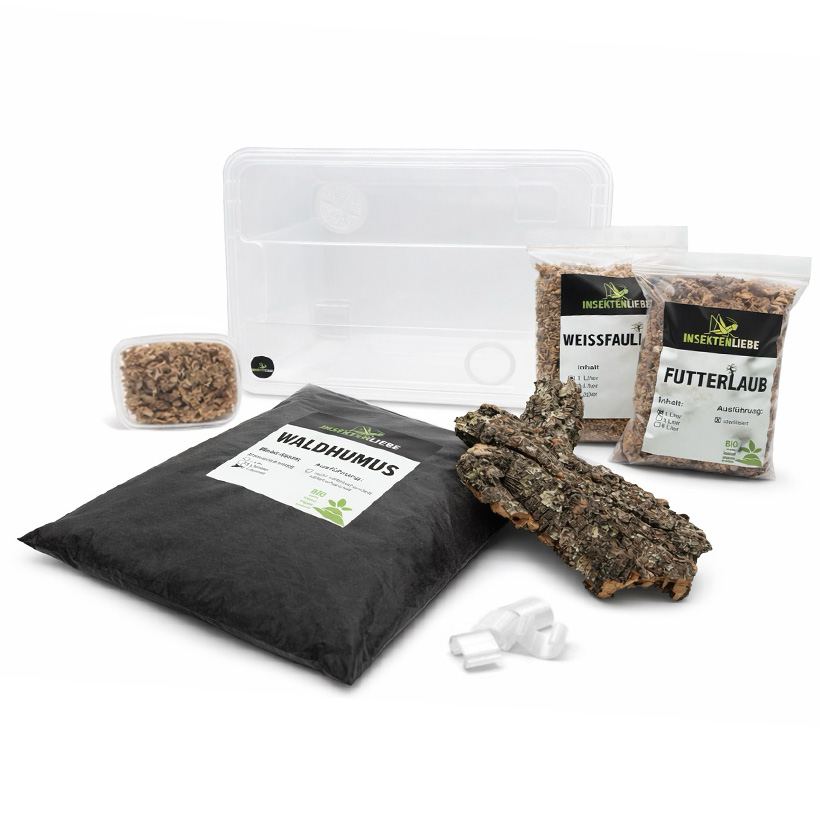
The following are particularly important:
- Cork bark
- Branches
- Pieces of bark
- Forest humus
- Foliage
- White rotten wood
They particularly like to use curved pieces of bark and small cavities. Pregnant females often retreat to sheltered areas.
Pollen and lichens are a must-have on your diet
When it comes to diet, Pseudoglomeris magnifica is a bit more particular than many classic pet cockroaches.
We would be very happy to accept:
- Fruit
- Vegetables
- Flower pollen
- Lichens
- Foliage
- Cockroach food
- small amounts of protein
Pollen and lichens, in particular, play an important role and should be provided regularly. Fruits such as apples and bananas are also popular.
However, you should remove fresh fruit after a short time to prevent it from fermenting or molding in the warm terrarium.
Live-bearing instead of freely deposited oothecae
The emerald cockroach displays one of its most fascinating characteristics during reproduction.
The female does not lay an ootheca openly in the terrarium. Instead, the ootheca remains inside her body, and the young are born alive. Depending on the conditions, development takes several months.
This does not result in huge numbers of young. The species reproduces much more slowly than many other cockroaches.
The babies stay with their mother at first
Their behavior immediately after birth is particularly unusual. The tiny nymphs climb onto the underside of their mother and remain there at first.
It is only after their first molt that they gradually become more independent and begin to move around the terrarium on their own. This behavior likely provides protection for the newborn young.
That’s why you should disturb a female with newborn nymphs as little as possible.
Slow Development Rather Than Mass Reproduction
The emerald cockroach is not one of those species where hundreds of individuals can end up in a container within a short period of time.
The nymphs’ development takes several months, and the number of young per litter remains relatively small. Depending on housing conditions and temperature, the number is generally reported to be around 10–20.
As a result, a colony is usually easy to control.
Advantages at a glance
- Striking metallic green color
- Golden and bluish highlights, depending on the light
- About 2–3 cm in size
- Often active during the day as well
- Very well suited as a display animal
- Live-bearing
- Fascinating Mother-Child Behavior
- Young animals stay with their mother at first
- Good for keeping in groups
- Interesting Climbing Behavior
- Slow and easily controllable propagation
- Particularly appealing to lovers of unusual cockroaches
Suitable accessories for your setup
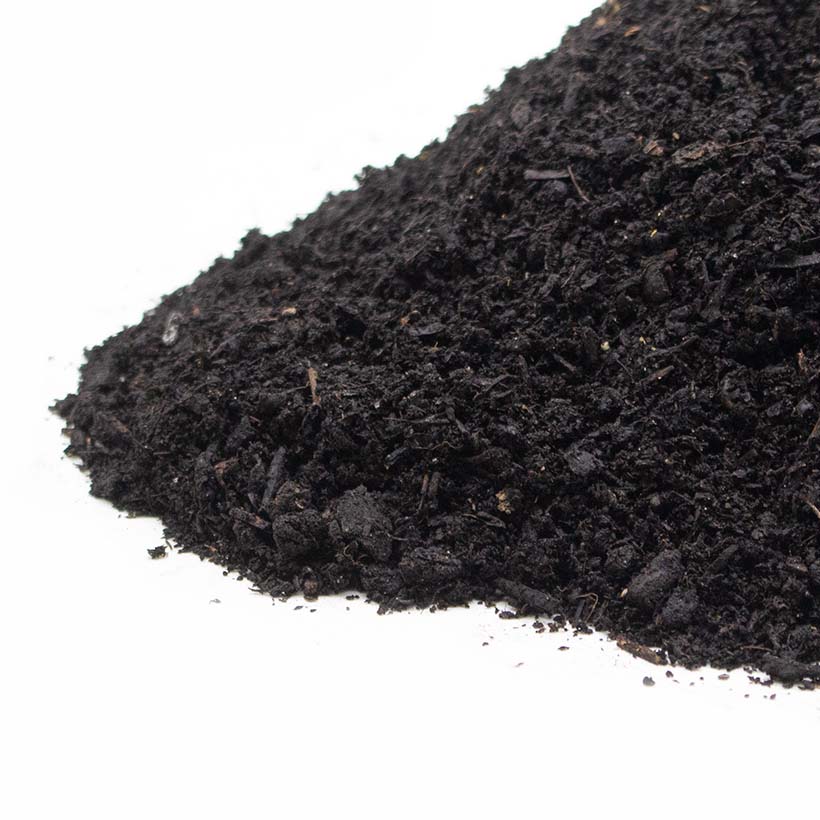
Forest humus – creates a natural substrate and retains the necessary moisture.
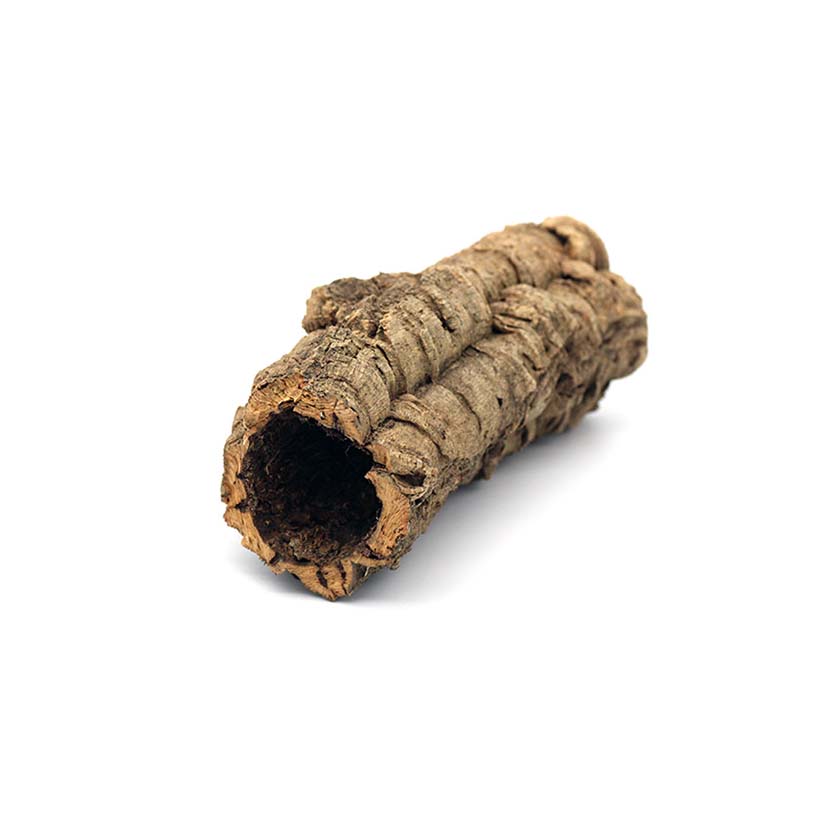
Cork tube – provides the cockroaches with important climbing surfaces and sheltered hiding spots.
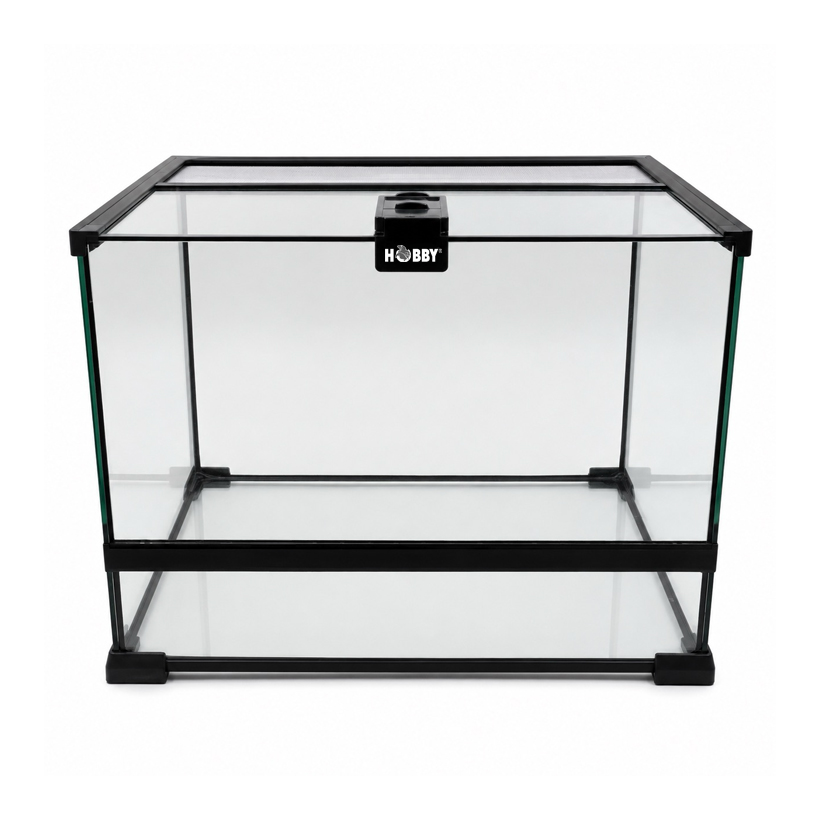
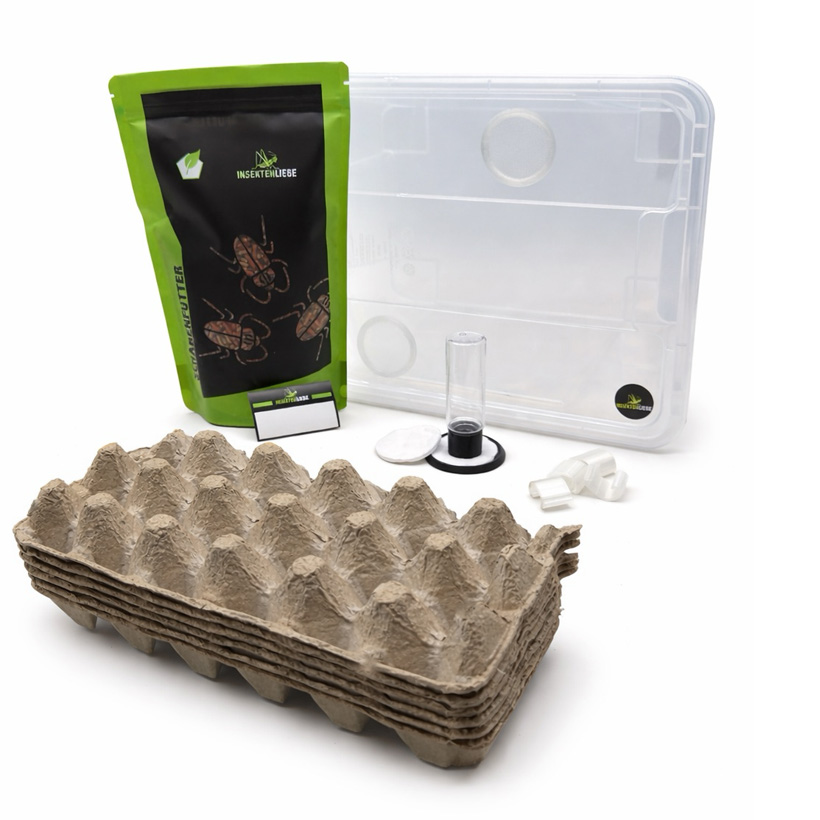
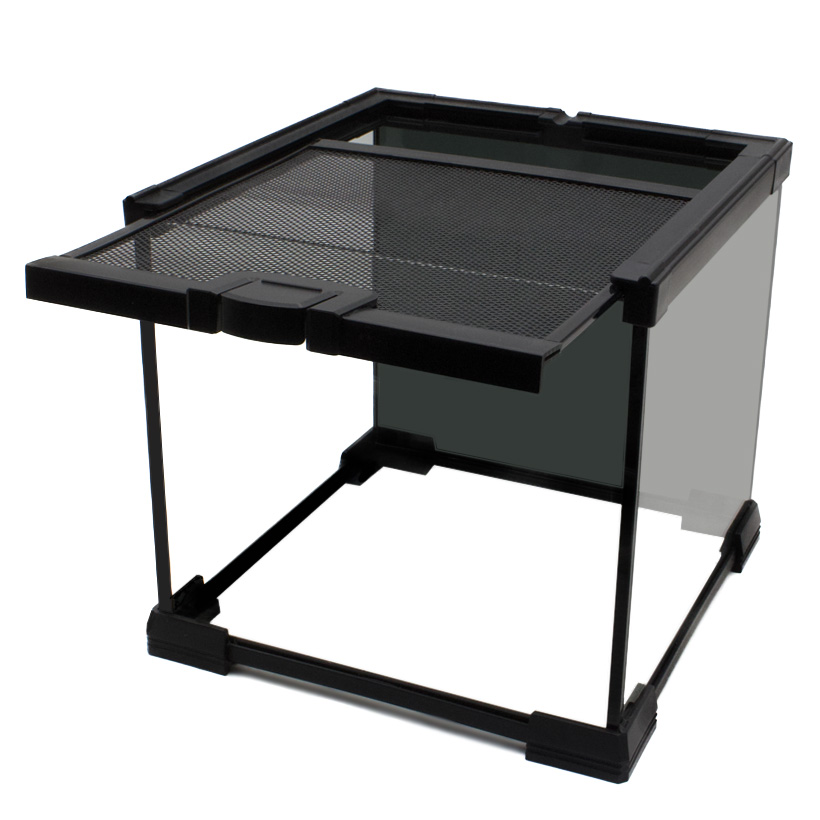
Terra Fix & Easy Nano Line – offers an escape-proof terrarium for the climbing-loving emerald cockroach.
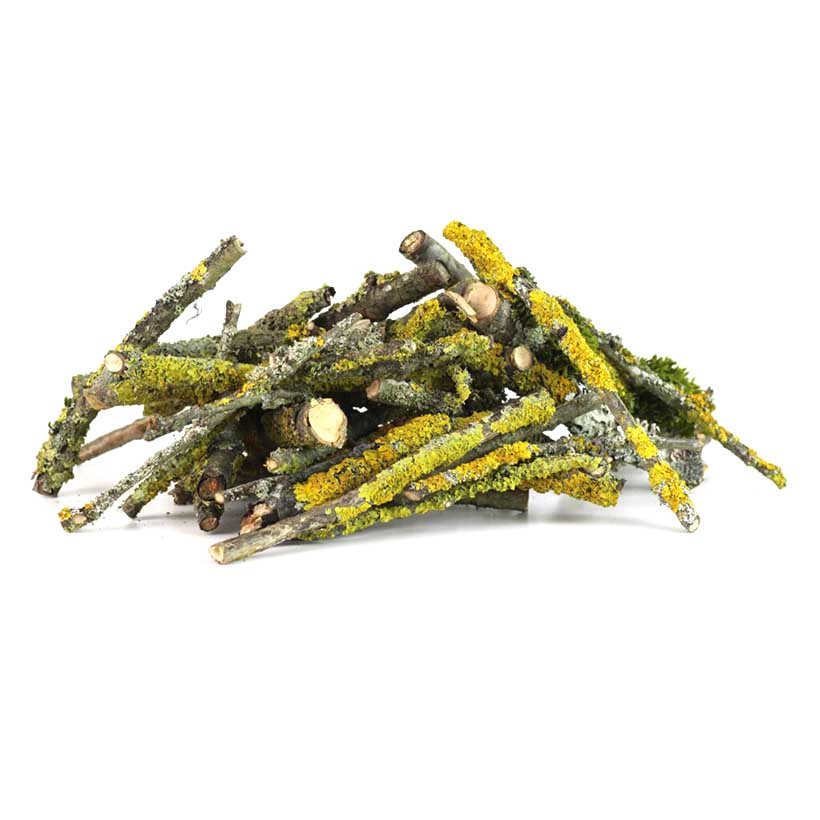
Lichen – is one of the emerald cockroach’s favorite food sources.
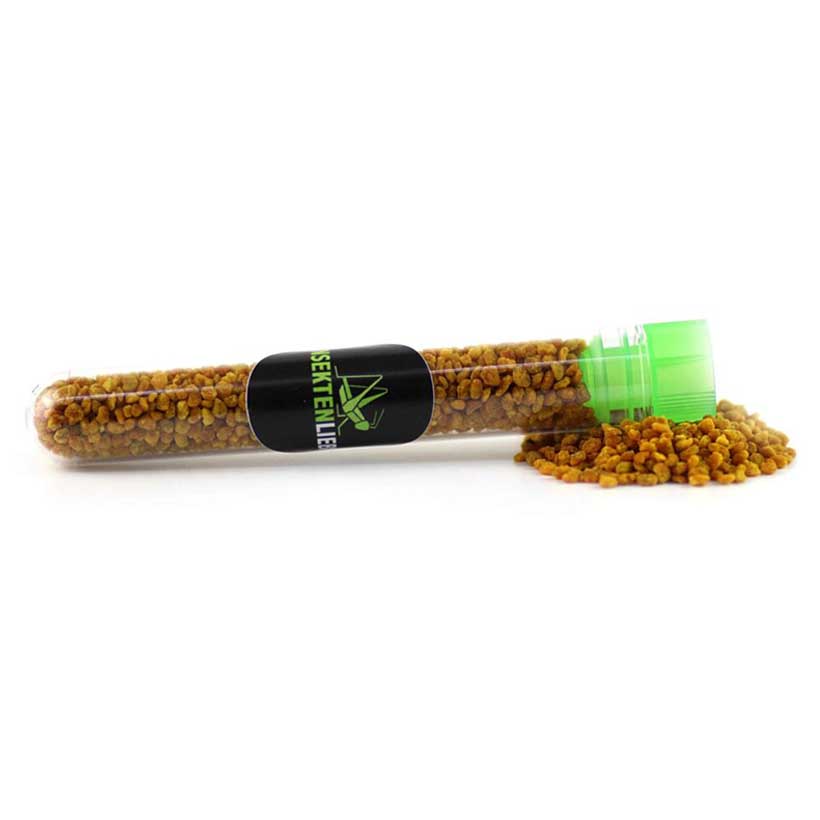
Pollen – provides an important dietary supplement and is particularly well-received.
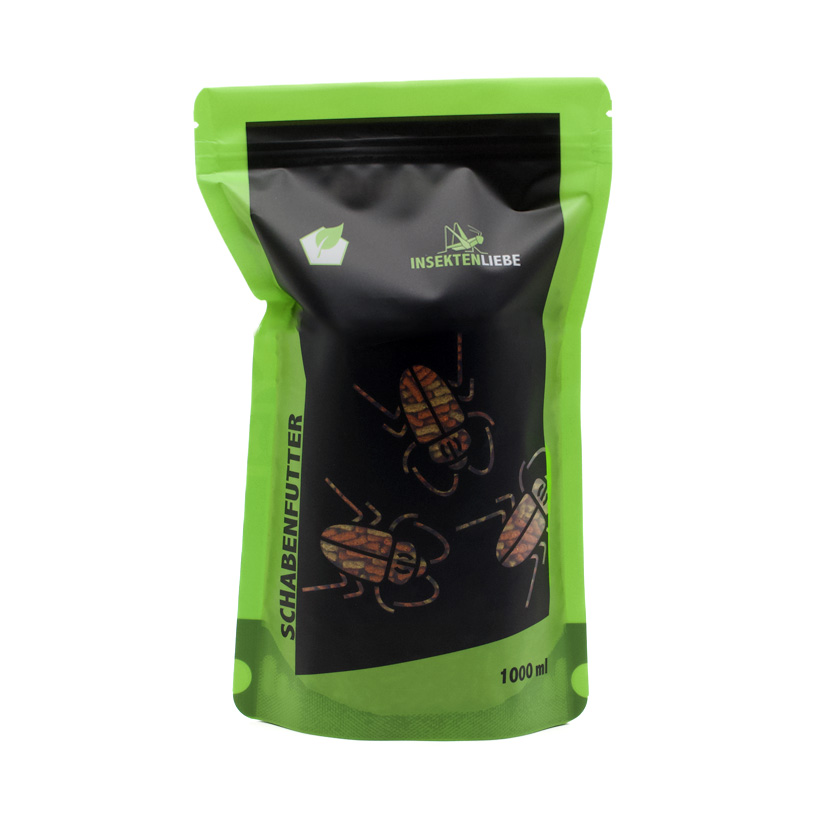
Cockroach food – supplements fruit, leaves, and pollen with additional nutrients.
Conclusion
The Pseudoglomeris magnifica, or “Emerald Cockroach,” is much more than just a beautifully colored cockroach. Its metallic green appearance, its diurnal activity, and its fascinating social and reproductive behaviors make it an extraordinary terrarium pet.
Live birth is particularly fascinating. The newborn nymphs initially remain right on the underside of their mother before becoming increasingly independent after their first molt.
If you’re looking for a colorful, easy-to-observe, and biologically interesting species of cockroach, the emerald cockroach is one of the most fascinating species in the hobby.