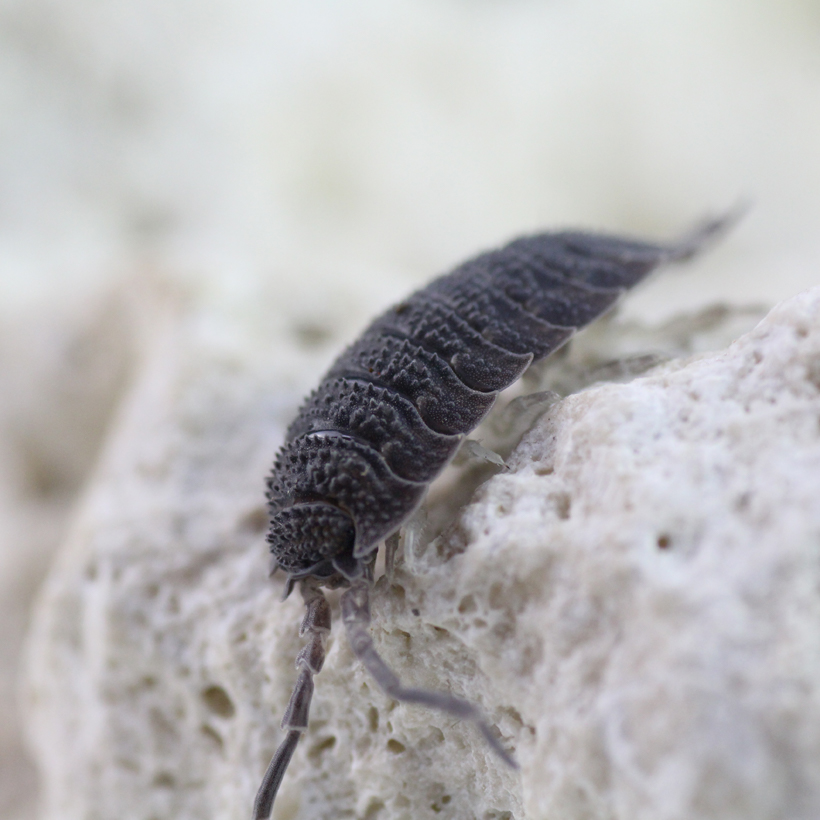
Porcellio echinatus
10,00 € incl. VAT, plus shipping
Sales Unit: 12 animals
Sales Unit: 12 animals
Out of stock

Simple

Portugal

< 20 mm

22°C – 25°C
Porcellio echinatus – perfect choice for beginners and advanced users
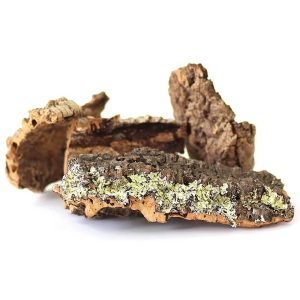
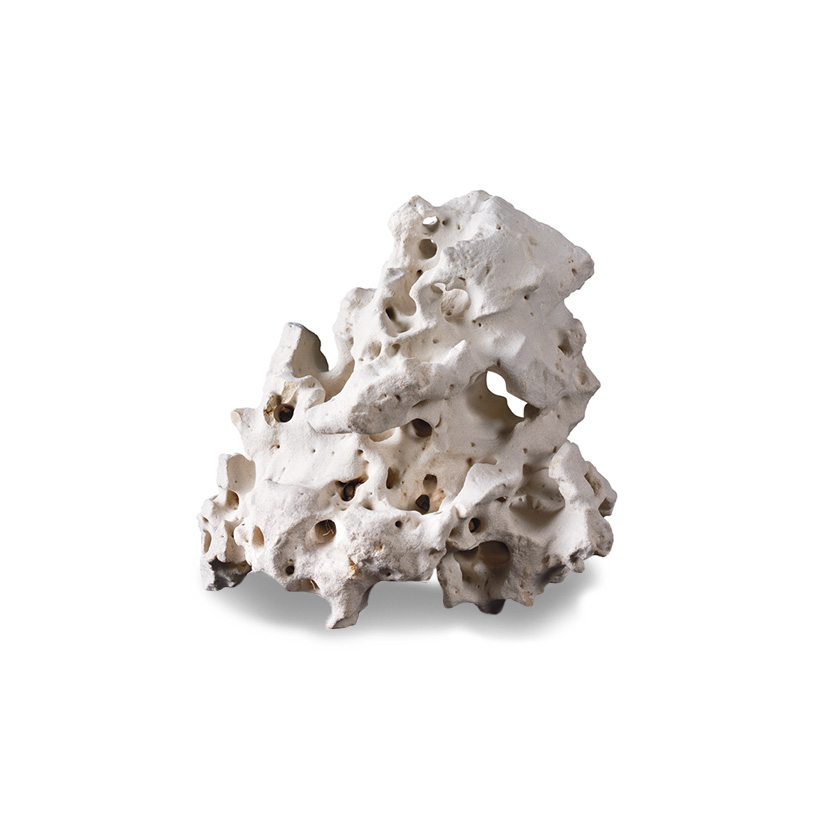
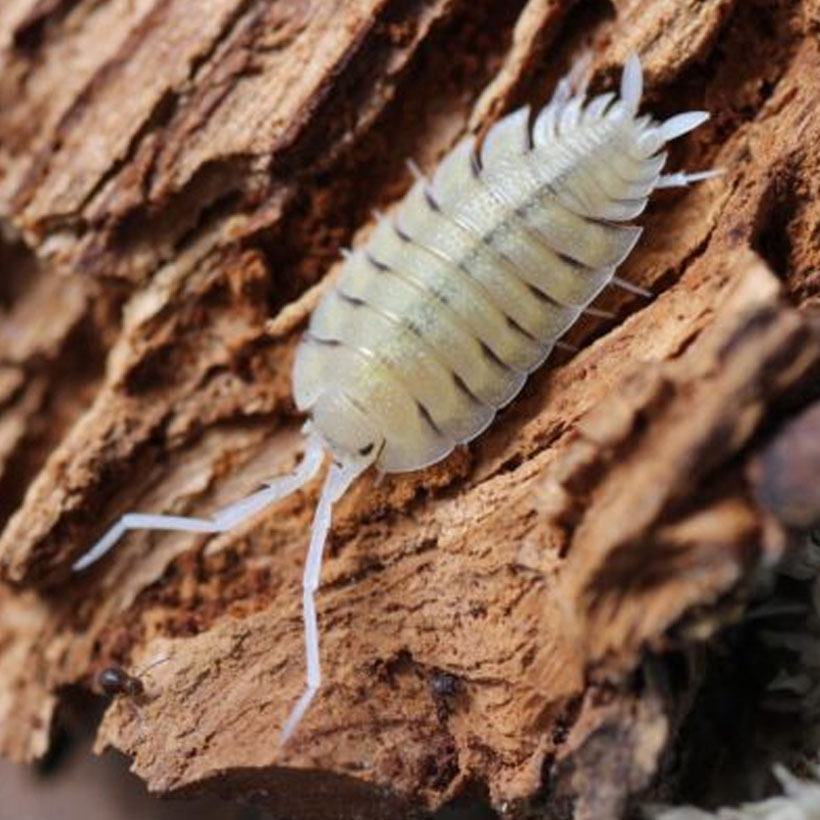
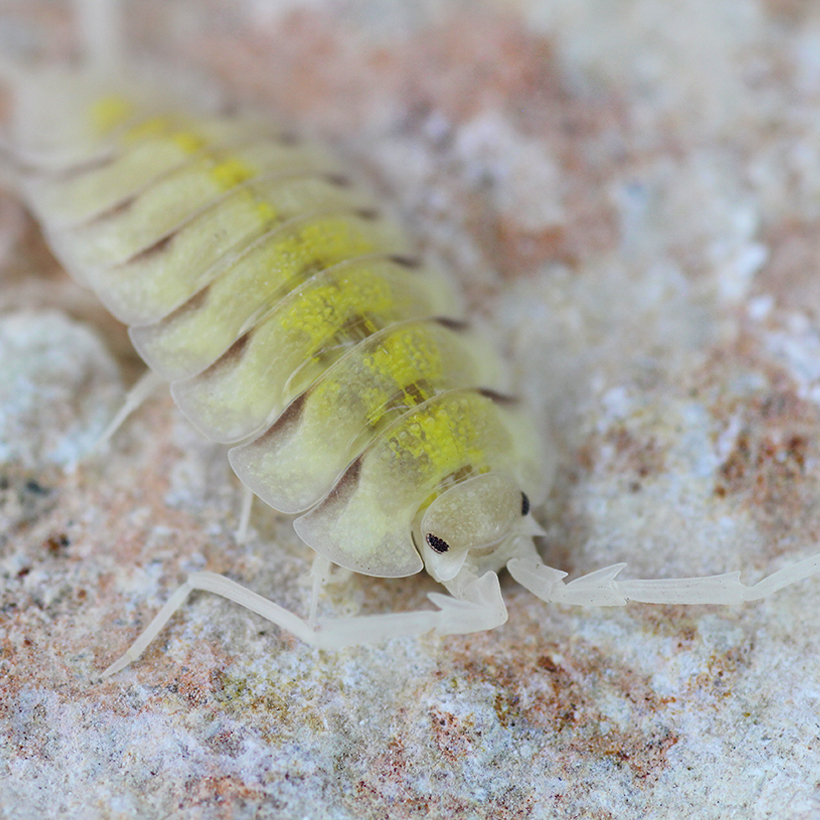
Porcellio echinatus is one of the species that immediately catches the eye. Its body surface is significantly more structured and “spikier” than that of many other Porcellio species, which gives it a very distinctive, almost primeval appearance. This special body shape is not only visually exciting, but also serves as additional protection in nature, as irregular surfaces make it more difficult for predators to grasp. Its natural origin is in warm, drier habitats in southern Europe, where it hides between stones, bark slabs and loose earth material.
Porcellio echinatus shows a curious, yet rather quiet lifestyle in the terrarium. It is often visible, especially if it is offered a structured habitat. The animals make intensive use of stones, pieces of bark and small cavities and display active searching and exploratory behavior. In contrast to many other species, Porcellio echinatus is less shy and can also be seen during the day – perfect for keepers who enjoy Isopods that are easy to observe.
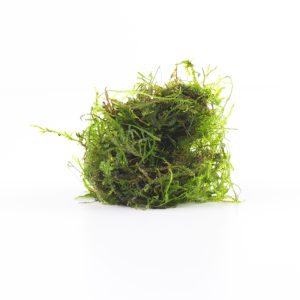
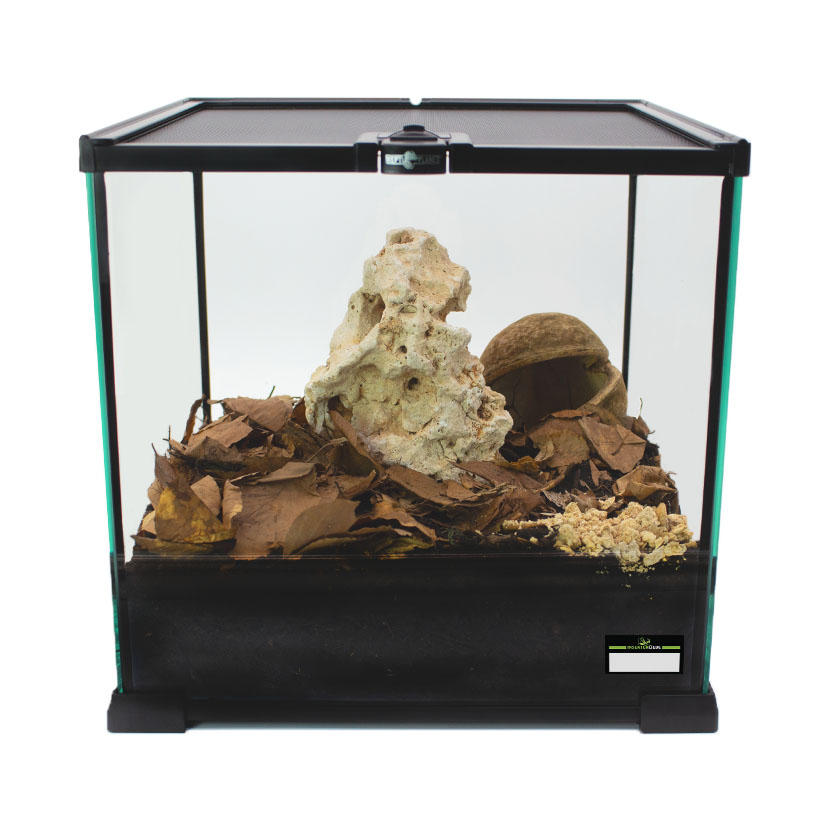
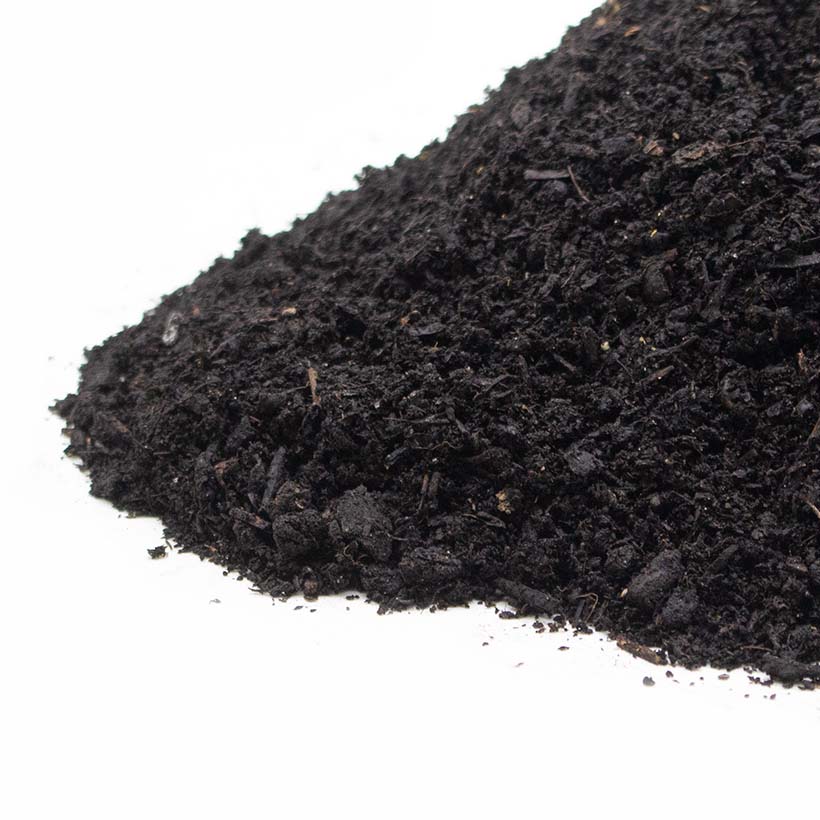
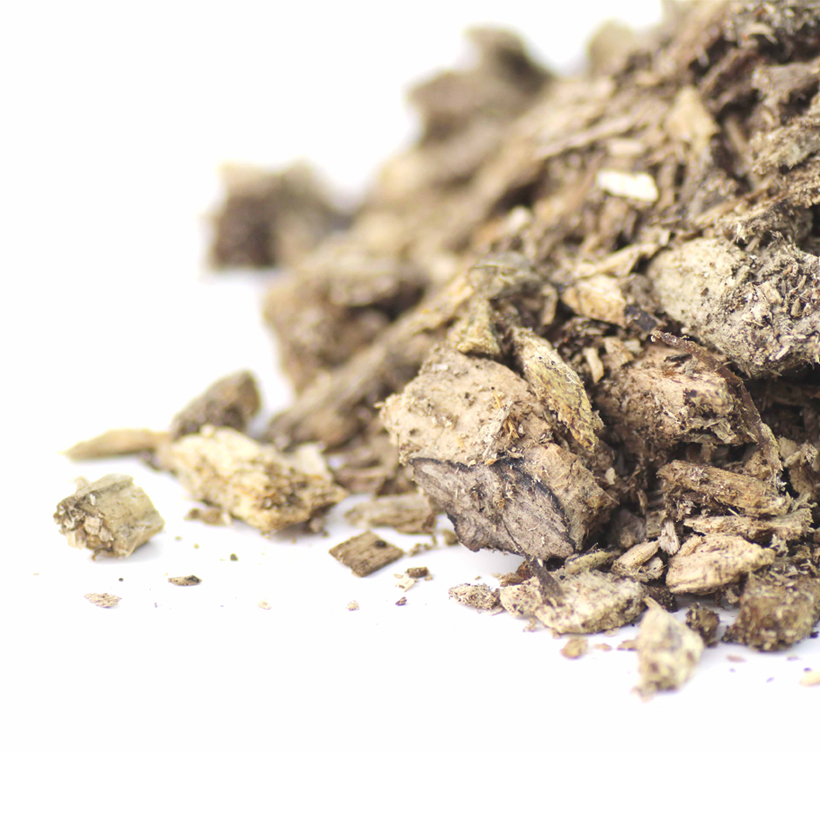
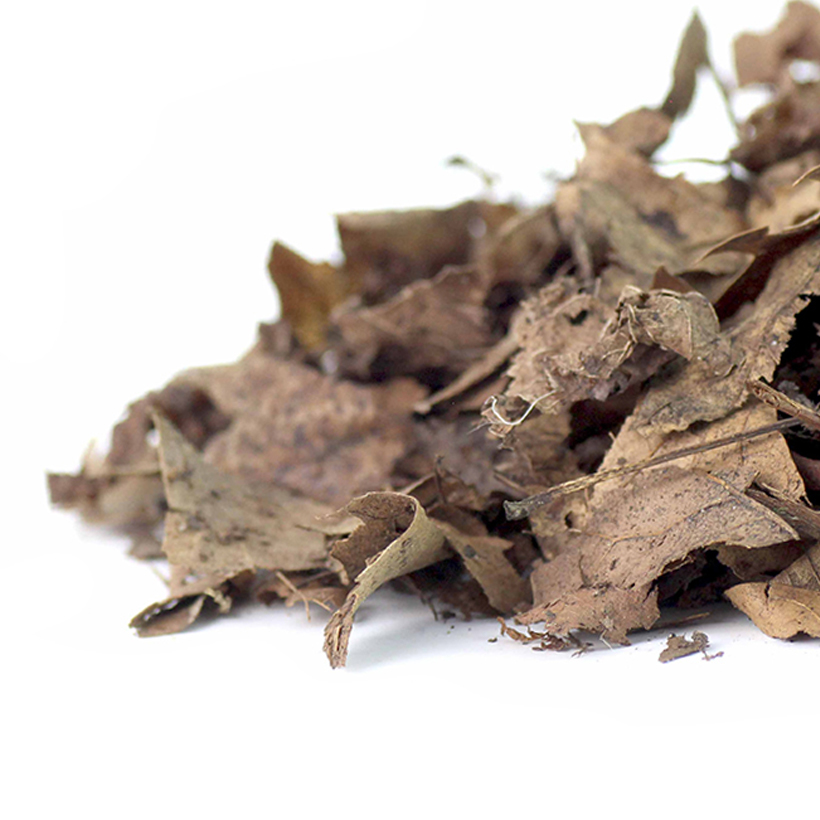
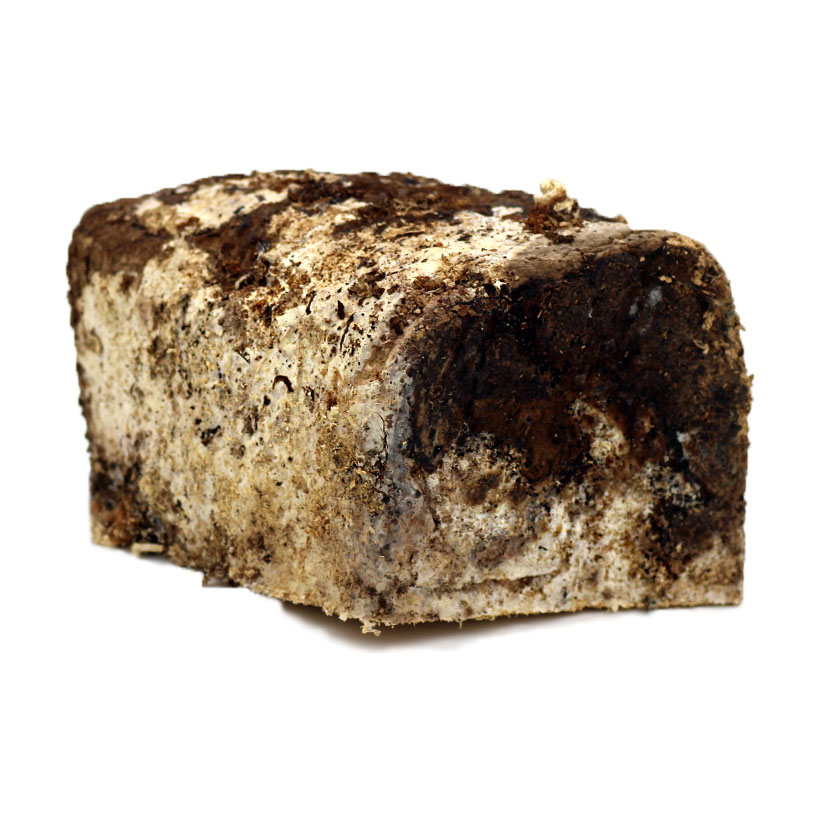
This species proves to be robust and uncomplicated to keep as long as its need for drier zones is respected. A semi-moist to dry setup with forest humus, sand and plenty of leaves provides optimal conditions. Good ventilation is important, as the animals do not tolerate stagnant moisture well. At the same time, they appreciate a small, slightly damp retreat area, which can be created with moss or white rotten wood. This zone helps them during moulting and supports the microfauna, which serves as a natural feeding area.
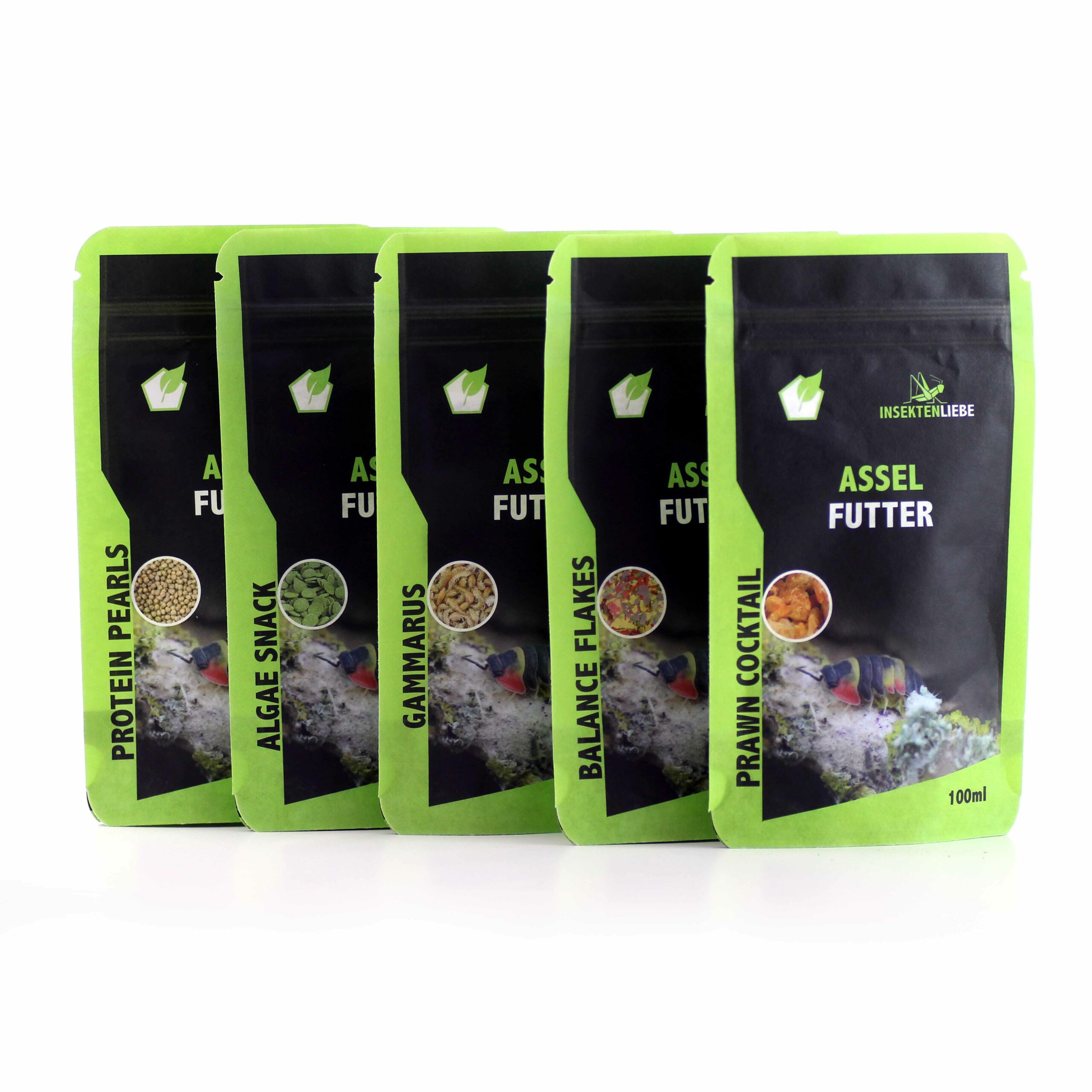
Their diet is simple and varied. Porcellio echinatus greedily eats leaves, white rotten wood and vegetables such as zucchinis or carrots. They also occasionally eat protein such as fish food or dried gammarus, which is particularly important for growing young animals. Thanks to their good feeding behavior, they actively contribute to the decomposition of organic materials in the terrarium and promote a stable bioactive system.
Their resistance to temperature fluctuations is particularly impressive. Porcellio echinatusis adaptable and suitable for both bioactive terrariums and professional breeding boxes. Their attractive body structure, calm temperament and good visibility make them a popular choice for anyone who wants to keep Isopods not only as livestock but also as decorative inhabitants.
If you are looking for a robust, visually striking yet easy to care for species, Porcellio echinatus offers you just that – an Isopod full of character that will enrich any setup with its striking appearance.
Perfect combined with
-
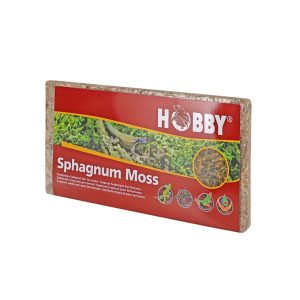
Hobby Sphagnum Moss
Original price was: 7,69 €.5,69 €Current price is: 5,69 €. incl. VAT, plus shipping -
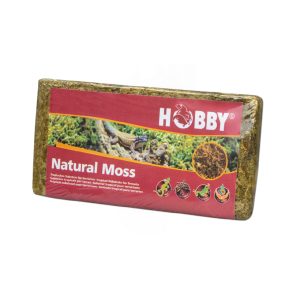
Hobby Natural Moss
Original price was: 6,59 €.5,36 €Current price is: 5,36 €. incl. VAT, plus shipping