Sale!
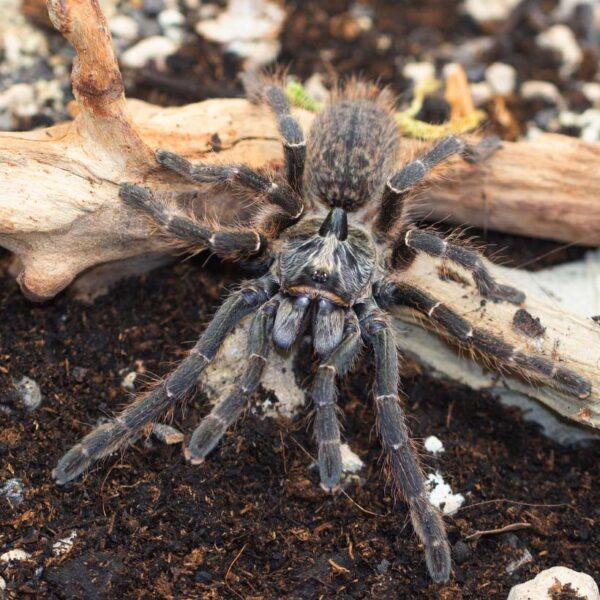


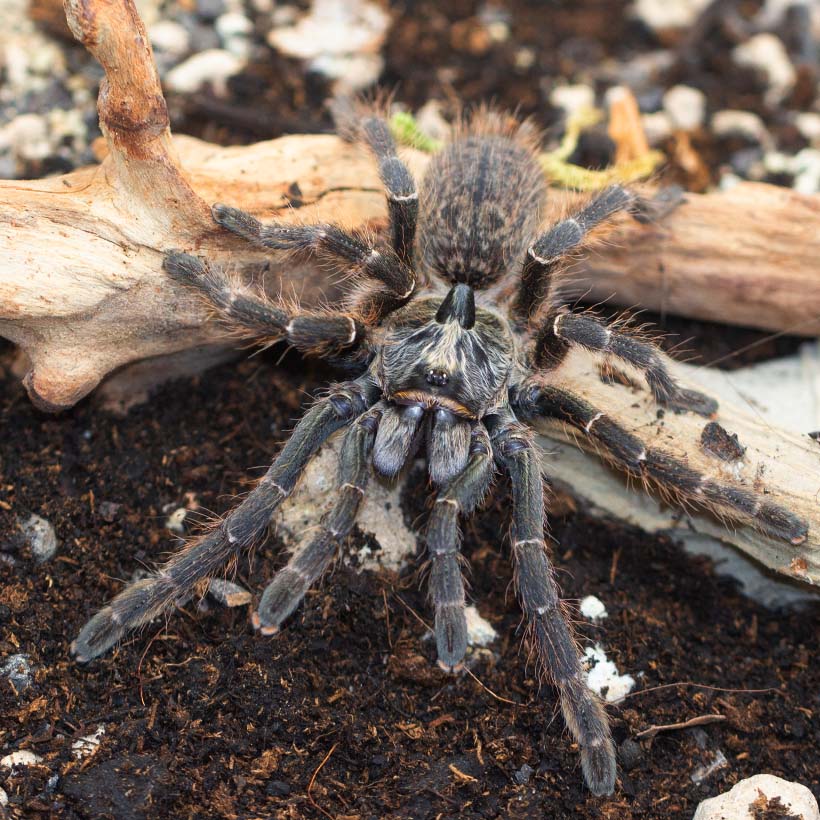
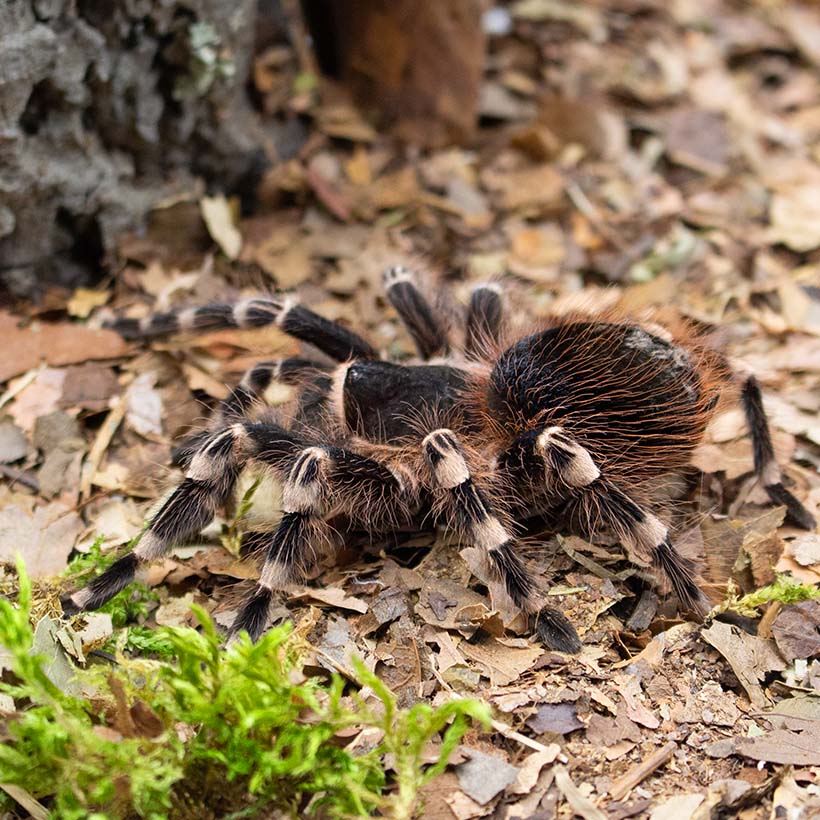
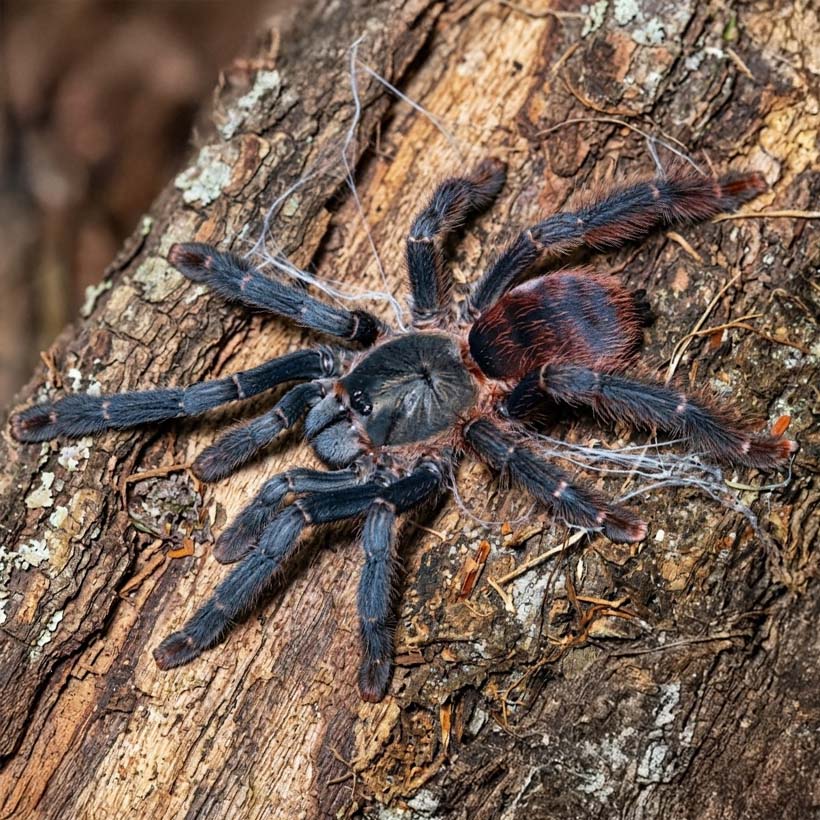
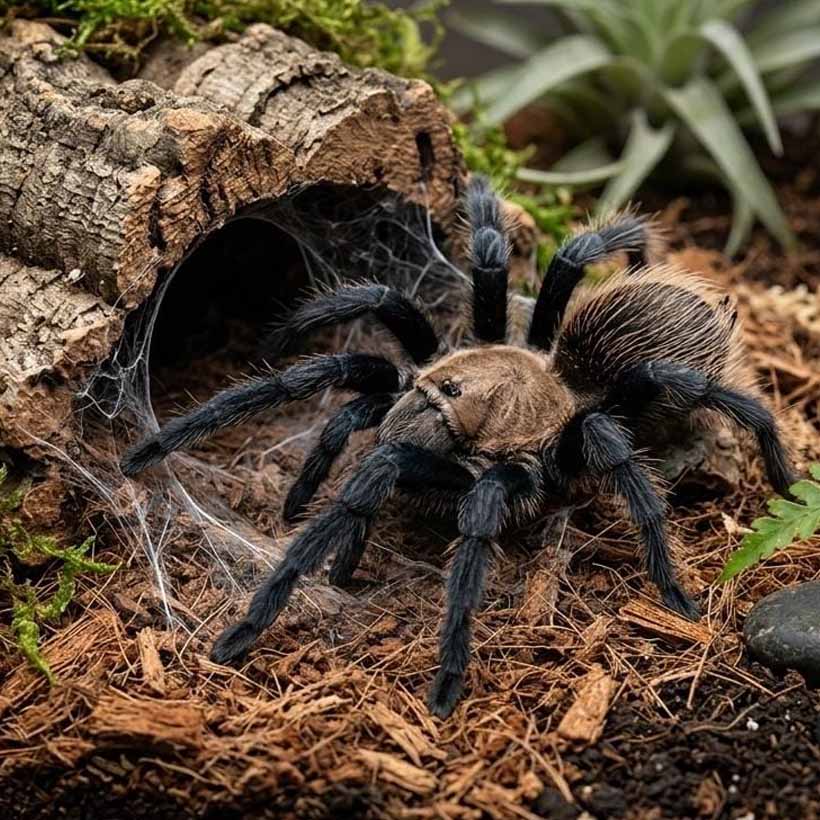
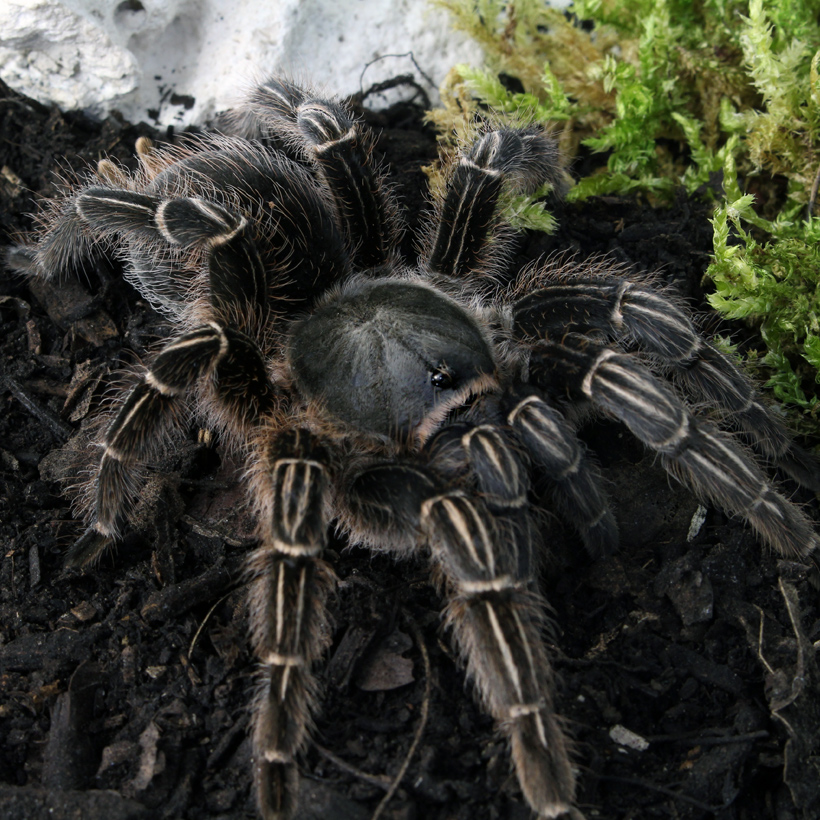
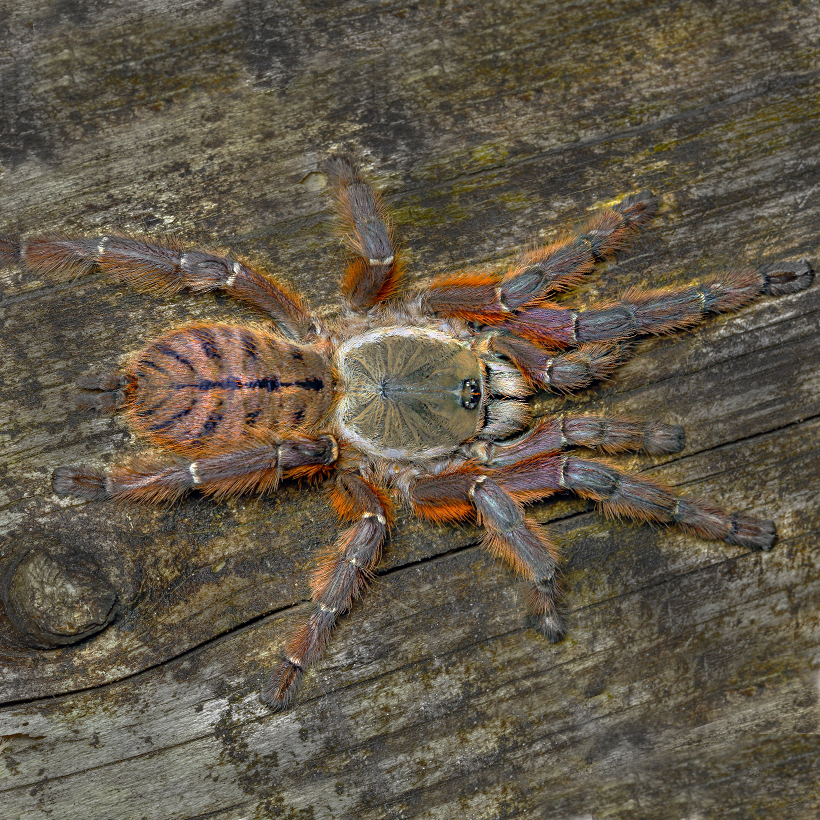
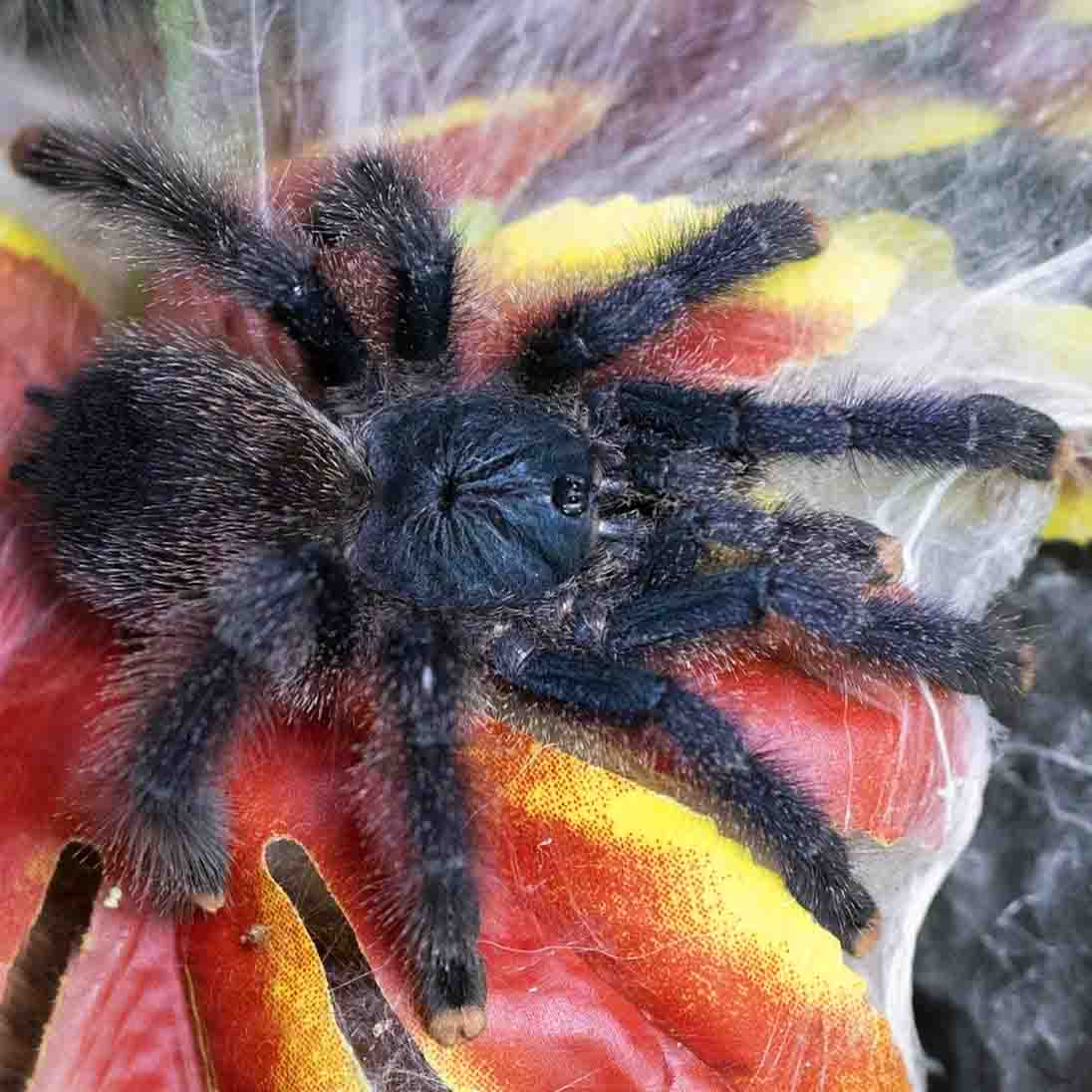
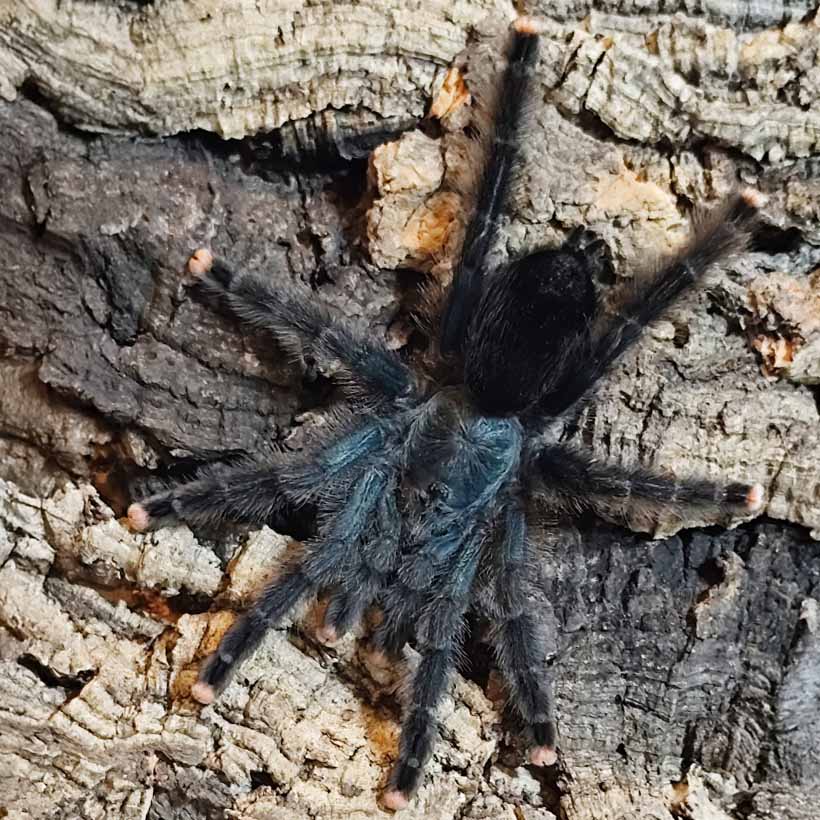
Ceratogyrus darlingi
Price range: 9,00 € through 80,00 € incl. VAT, plus shipping

Medium

Mozambique
< 50 mm

24°C – 29°C
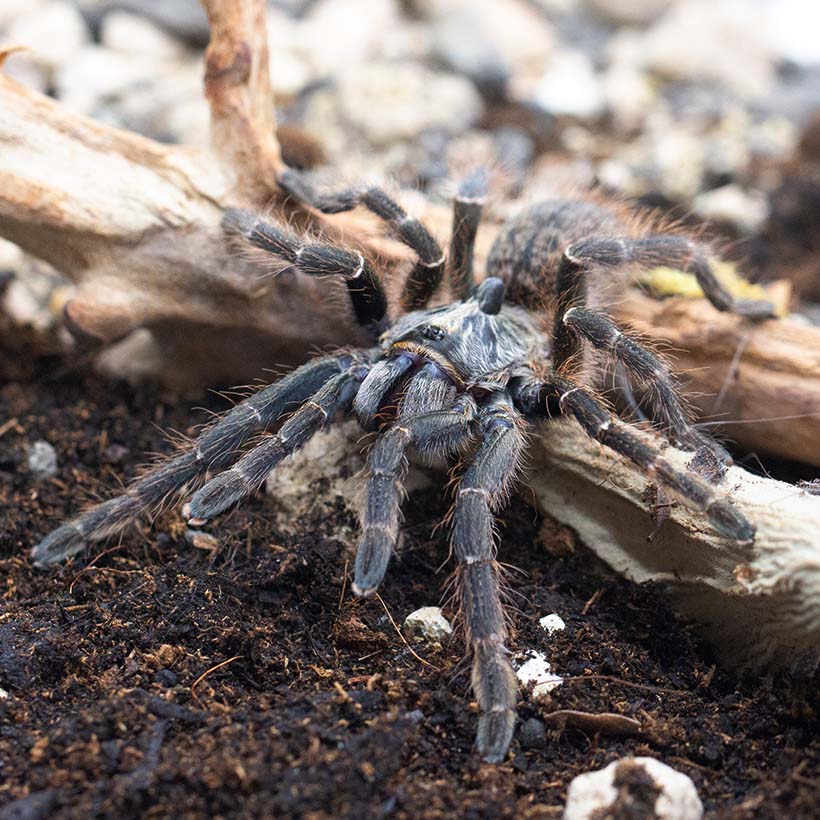
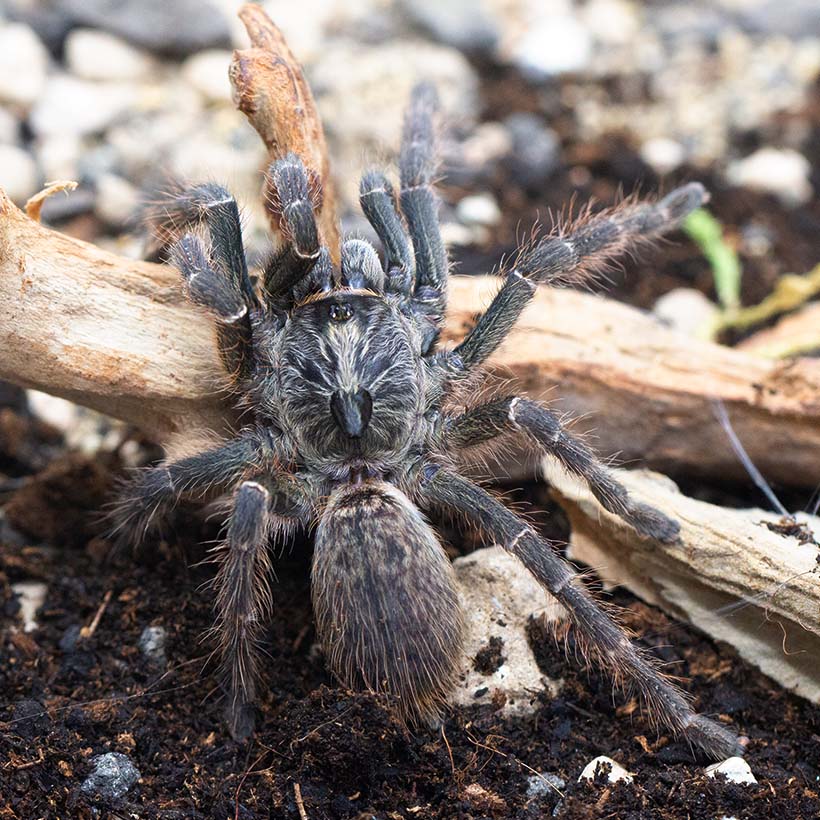
Ceratogyrus darlingi – the burrowing tarantula with the backward-sloping horn
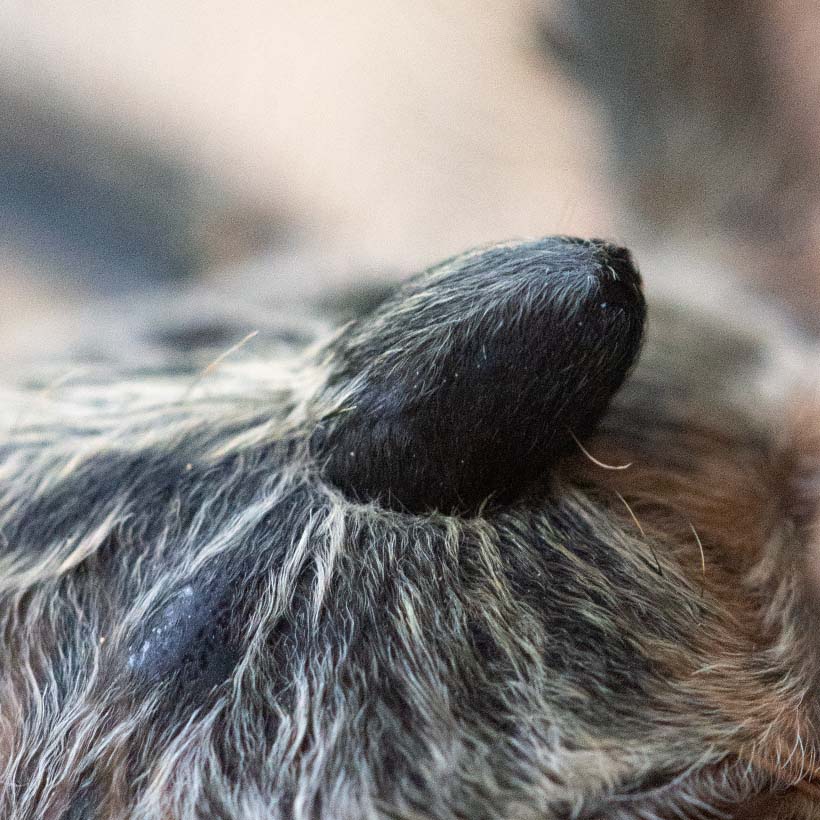
In Ceratogyrus darlingi, the bump on the front of the body immediately catches the eye. This so-called foveal horn is tilted backward and can vary in prominence depending on the individual. What happens underground is just as fascinating: The tarantula digs a burrow into which it retreats when disturbed.
This species is native to southern Africa. There, it has been found in open areas and in sparsely vegetated grasslands. It builds its burrows both in open soil and under rocks or wood.
What is the horn used for?
The horn is a protrusion on the dorsal carapace. It is also found in other species of the genus Ceratogyrus. Researchers speculate that the hump might provide additional attachment points for the muscles of the abomasum or more space for parts of the intestine. However, its actual function has not yet been determined.
Setting Up a Terrarium for Ceratogyrus darlingi
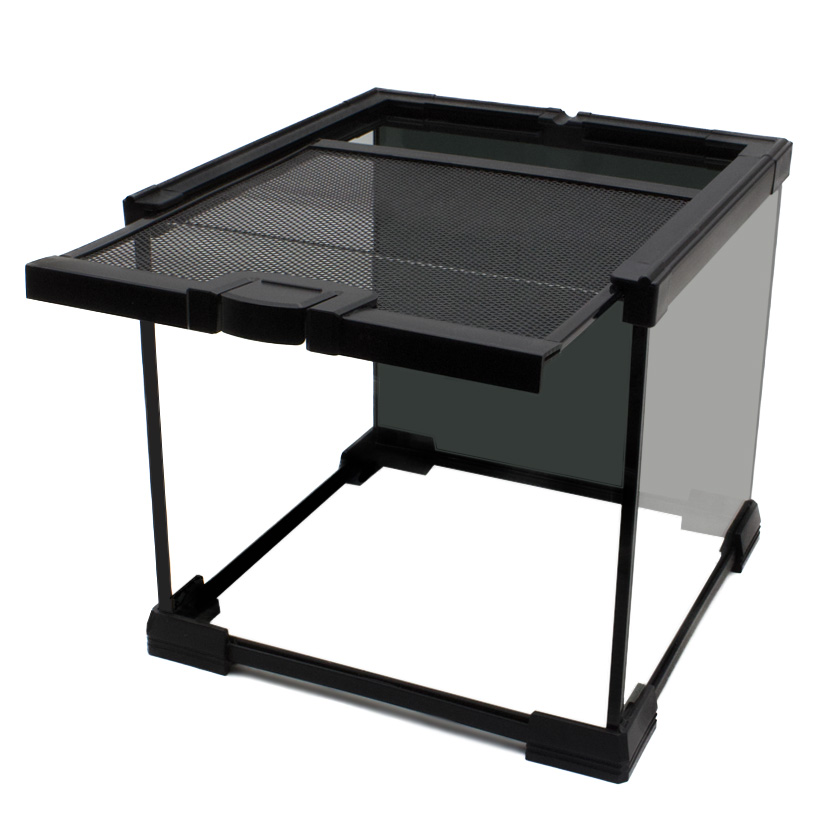
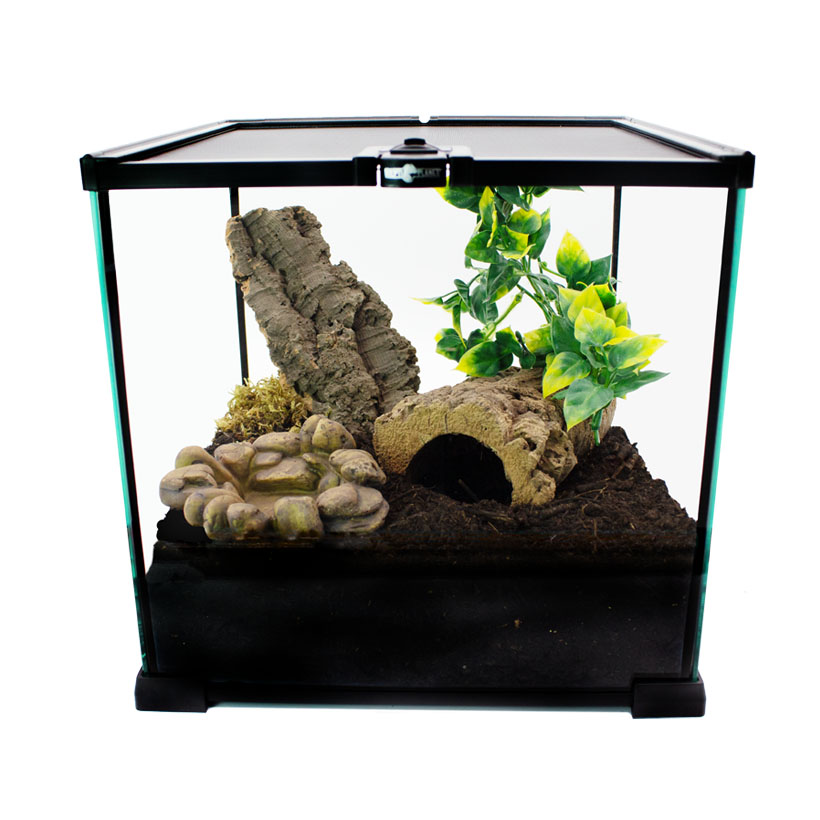
Choose a well-ventilated terrarium with a secure lid and enough space for a deep layer of substrate that the animals can burrow into. Pay attention to the height of the base: A tall terrarium isn’t much help if you can only add a thin layer of substrate because of the lid.
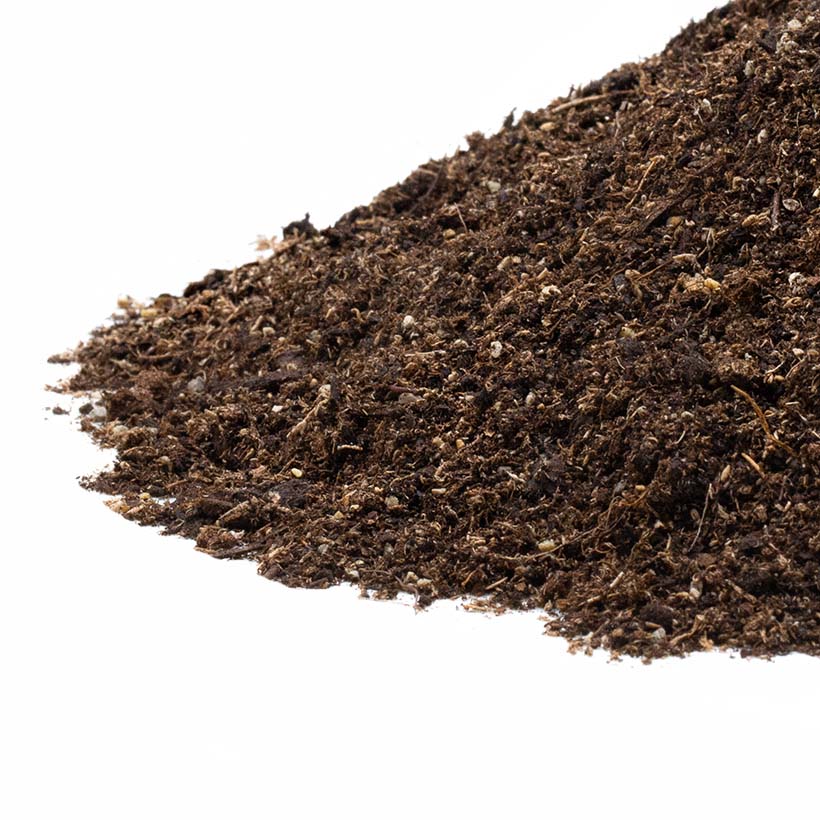
- Lightly compact the substrate: The soil should be easy to work with, but shouldn’t give way immediately when you dig.
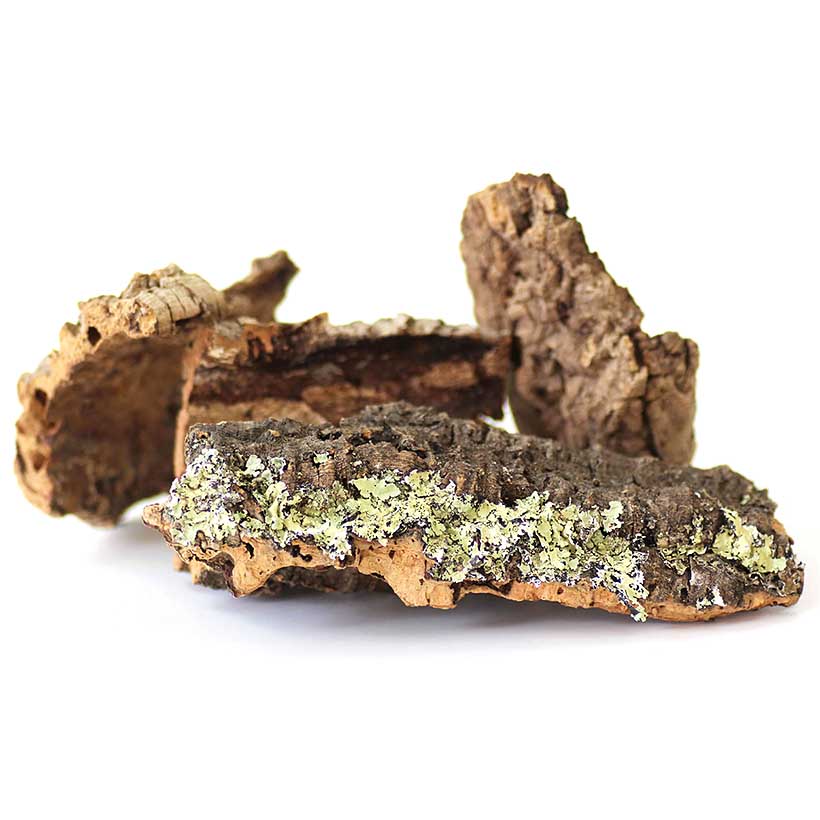
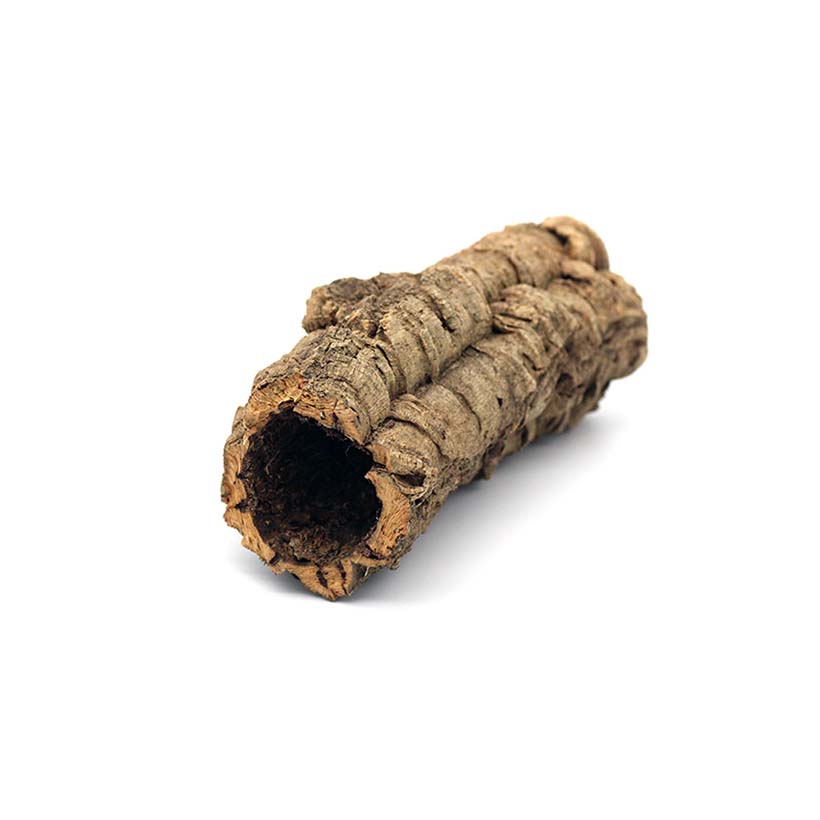
- Provide a sheltered entry point: Place a flat piece of cork on the ground and form a small hollow underneath it. From there, the spider can expand its burrow on its own.
- Secure heavy decorations: Arrange stones so they can’t sink when the spider burrows underneath them.
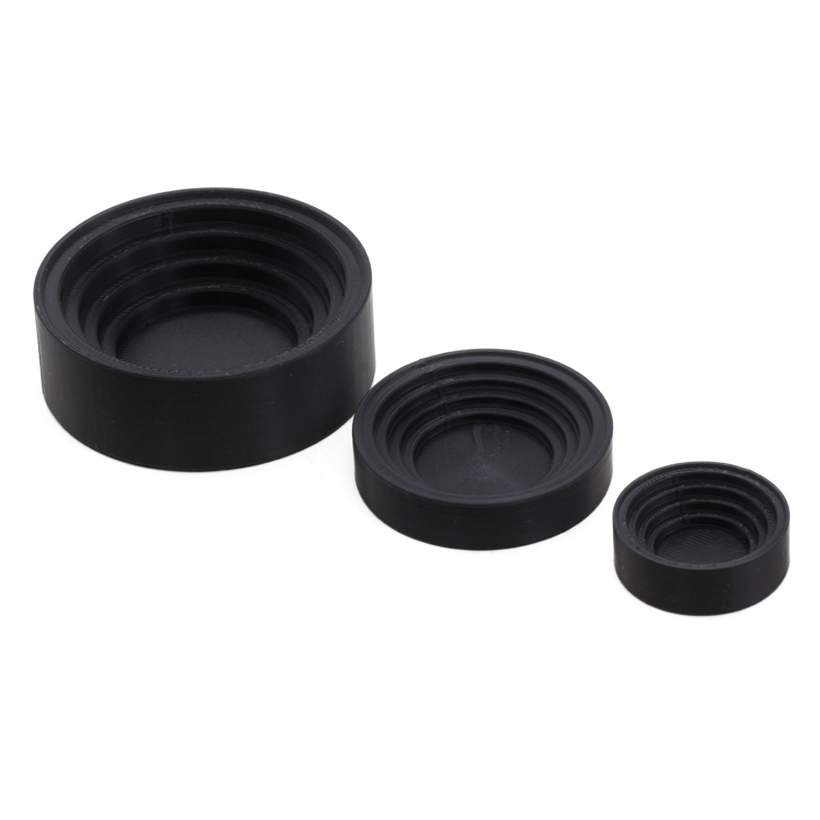
- Provide fresh water: Place a shallow dish within easy reach, and don’t keep the substrate constantly wet.
Feeding and Observation
Offer live prey insects that are appropriate for your spider’s size. Place them near the entrance to the tube without pushing them into the tunnel. Remove any uneaten prey, especially when the spider retreats to molt.
Keep Ceratogyrus darlingi alone and leave its enclosure undisturbed during care. If disturbed, the spider can move quickly and defend itself with a bite. Therefore, do not pick it up. This species is better suited for keepers who already have experience with fast tarantulas.
The Right Accessories for Your Tarantula
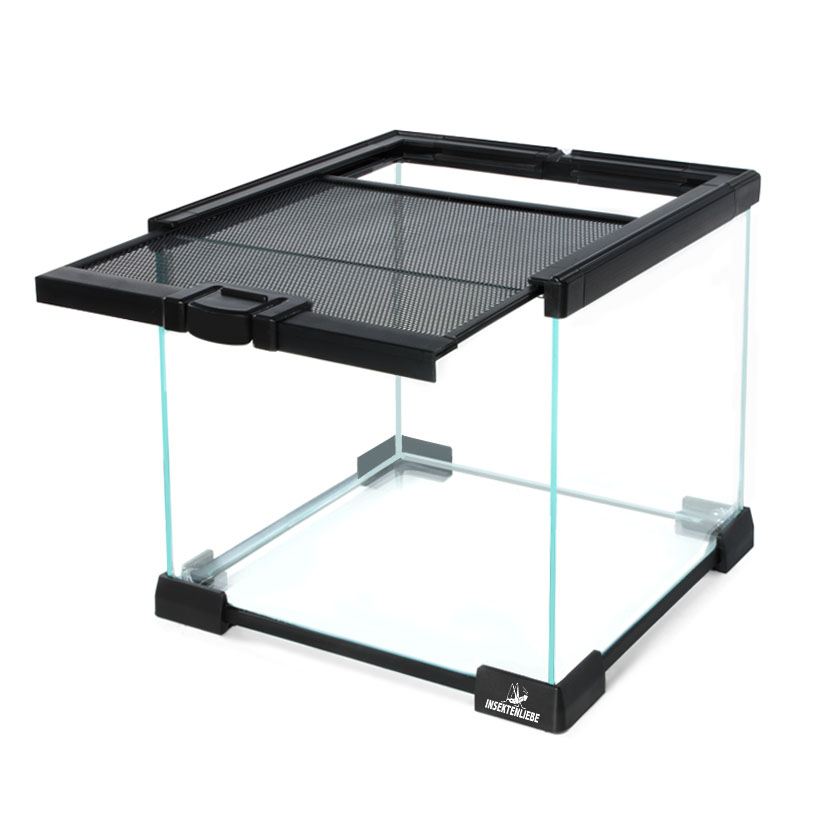
Insektenliebe Terrarium – choose a model that allows you to add enough substrate. Also, make sure the sliding lid closes securely.
Tarantula substrate – provides a base in which the tarantula can burrow for its burrow. Gently press down on the substrate as you fill it in.
Cork bark —provides the spider with a sheltered entry point that it can expand downward.
Insektenliebe Round Bowl —serves as a shallow drinking bowl. You can refill it near the opening without having to reach into the living tube.
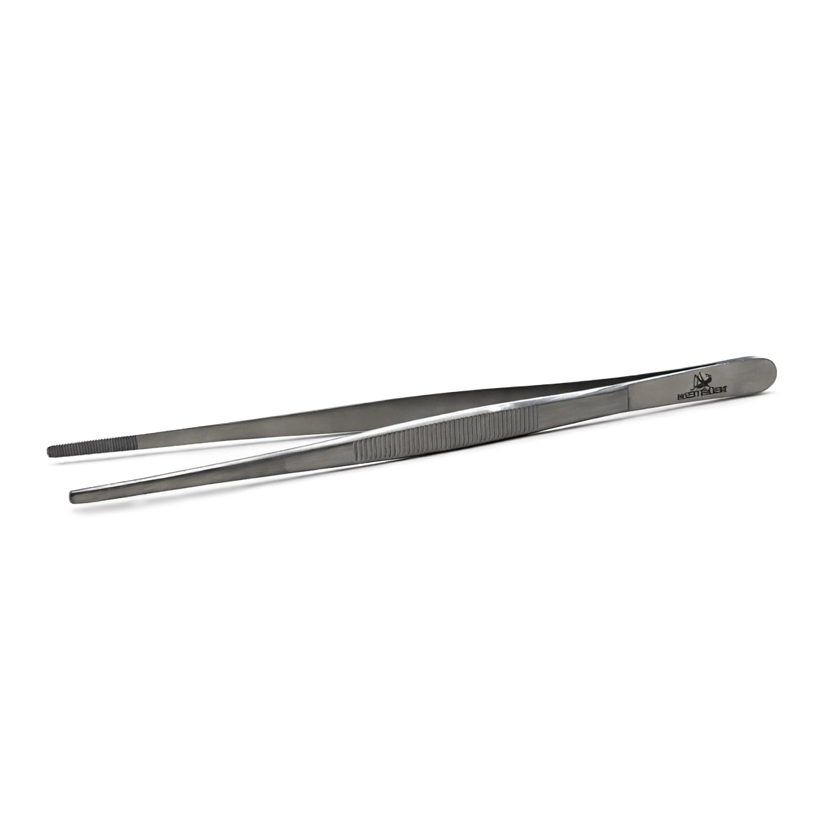
Food tweezers – help you remove food scraps while keeping a safe distance from the tube opening.
The Right Prey – We select prey that’s appropriate for your spider’s species and size.
Conclusion: Plenty of space to dig
The backward-curving horn makes Ceratogyrus darlingi unmistakable in the terrarium. However, the substrate is crucial for their care: Provide them with a deep, stable layer of soil and a sheltered entrance. This way, they can create their own hiding spot, and you can observe them at the tube’s entrance without having to open it.
Perfect combined with
-
Insektenliebe Terrarium
Price range: 34,99 € through 54,98 € incl. VAT, plus shipping -

“Insektenliebe” Round Bowl
Price range: 1,49 € through 3,99 € incl. VAT, plus shipping
(from 10 SU = 15% Discount, from 20 SU = 25% Discount, from 50 SU = 50% Discount)