
-
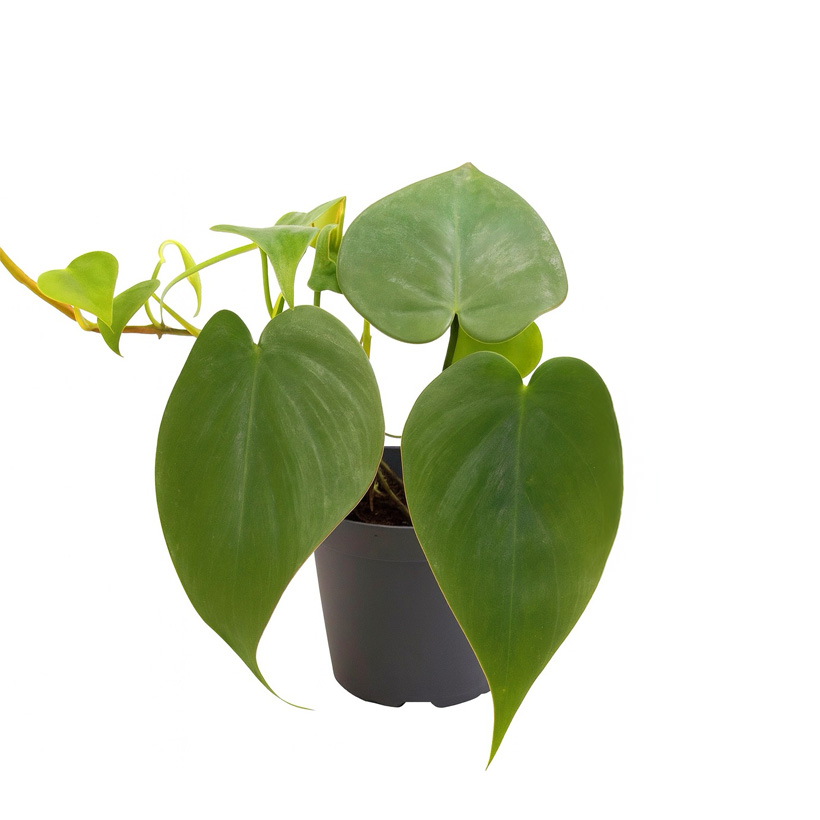
Philodendron scandens
Original price was: 9,99 €.9,19 €Current price is: 9,19 €. incl. VAT, plus shipping





Terrarium plants
Terrarium plants are more than just decorative accents
Terrarium plants serve climatic functions within the terrarium that would be very difficult to replicate without them. They constantly increase the humidity in the terrarium through the evaporation of water from their leaves. This raises the humidity in the terrarium, and the terrarium animals are visibly more comfortable. In addition, they prevent waterlogging in the substrate by absorbing water from it through their roots. So-called groundcover plants ensure that the substrate does not dry out as quickly and that humidity remains more consistent.
Terrarium plants beautifully recreate the animals’ natural habitat. This allows the terrarium animals to hide among the plants and behave just as they would in the wild. This enhances the animals’ well-being, and observers can also observe their animals’ behavior even more closely and realistically.
Pesticides in Terrarium Plants
When you buy plants at a garden center, there is a risk that pesticides could end up in your terrarium. The plants sold there are well-suited for indoor or outdoor use, but not for prolonged contact with animals. Even repotting or rinsing the plants is not enough to completely remove the toxins.
Our terrarium plants are free of pesticides and artificial fertilizers and can therefore be planted directly in the terrarium. This is not only convenient, but it also protects your terrarium pet.
What should you keep in mind when it comes to terrarium plants?
Plants prefer soft water with low calcium content. Therefore, it’s best to use rainwater or soft mineral water for watering and misting. Alternatively, you can mix distilled water with tap water in a 1:1 ratio. This keeps the plants healthy and also reduces unsightly lime stains on the windows.
A very important point regarding Terrarium plants is the lighting. For optimal plant growth, not only is the correct light intensity important, but so is the ratio of red to blue light. You can find the relevant spectral data in the respective product descriptions.
By the way, terrarium plants don’t need to be fertilized. They are naturally fertilized by the excretions of the terrarium animals and the feces of the decomposers.