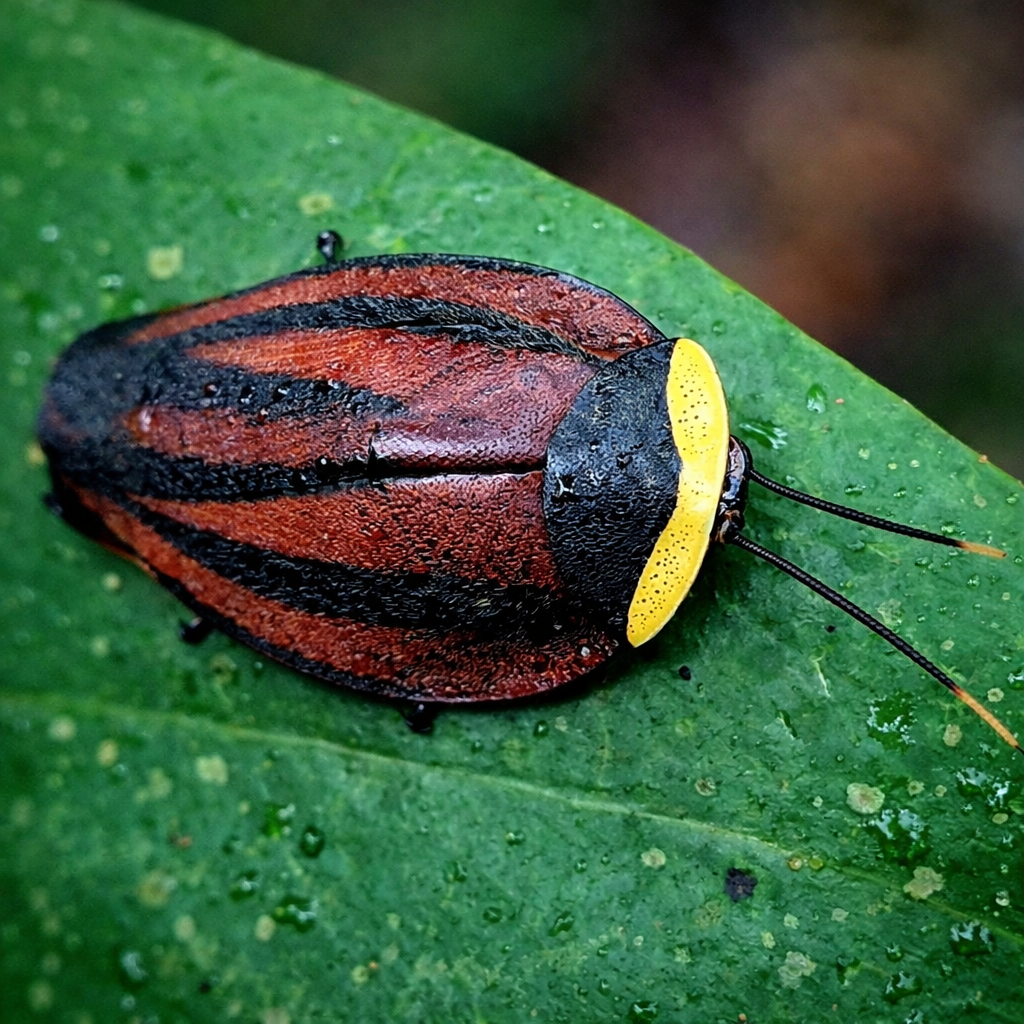


Cockroaches have an image problem. Hardly any other animal is so reflexively rejected. The word alone is often enough to trigger disgust. Many people think of nocturnal rustling, of kitchens, of something you’d rather not take a closer look at. From a biological point of view, this is absurd – and this is precisely the real problem.
Because what we perceive as a “cockroach” in everyday life is not the rule, but an extreme exception.
The cockroach we know is almost non-existent
Around 7,000 cockroach species are known worldwide. Of these, only a handful live permanently in close proximity to humans. Depending on the definition, there are around ten species that are regularly found in homes, cellars or kitchens. All the others – i.e. over 99% – have nothing to do with our everyday lives.
They live in rainforests, in layers of leaves, under bark, in the ground, in caves or in treetops. Many of them spend their entire lives in places where no human has ever had a kitchen.
And yet they all have the same name: Cockroach.
We confuse an exception with an entire group of animals
Our image of cockroaches is based almost exclusively on the species that have adapted to humans. These few cultural successors are extremely successful in using our buildings. Warm, dry, available all year round – for them, humans are not an enemy, but an ecological niche.
The problem is that we automatically transfer everything we think about these few species to thousands of others.
It’s like judging all birds by pigeons in train stations.
Cockroaches are not gray shadowy creatures
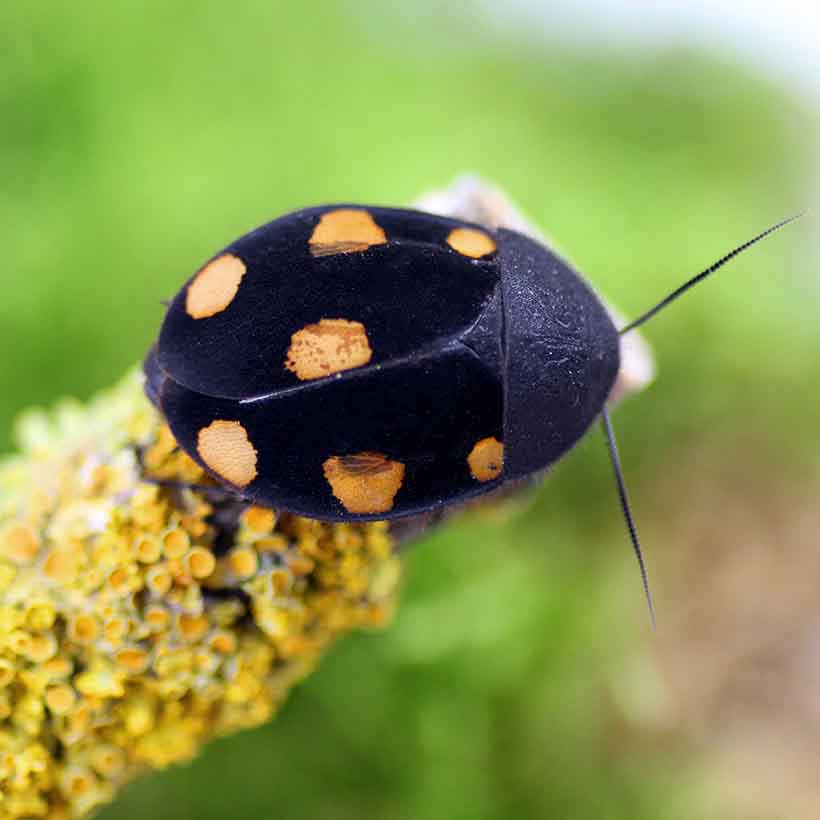
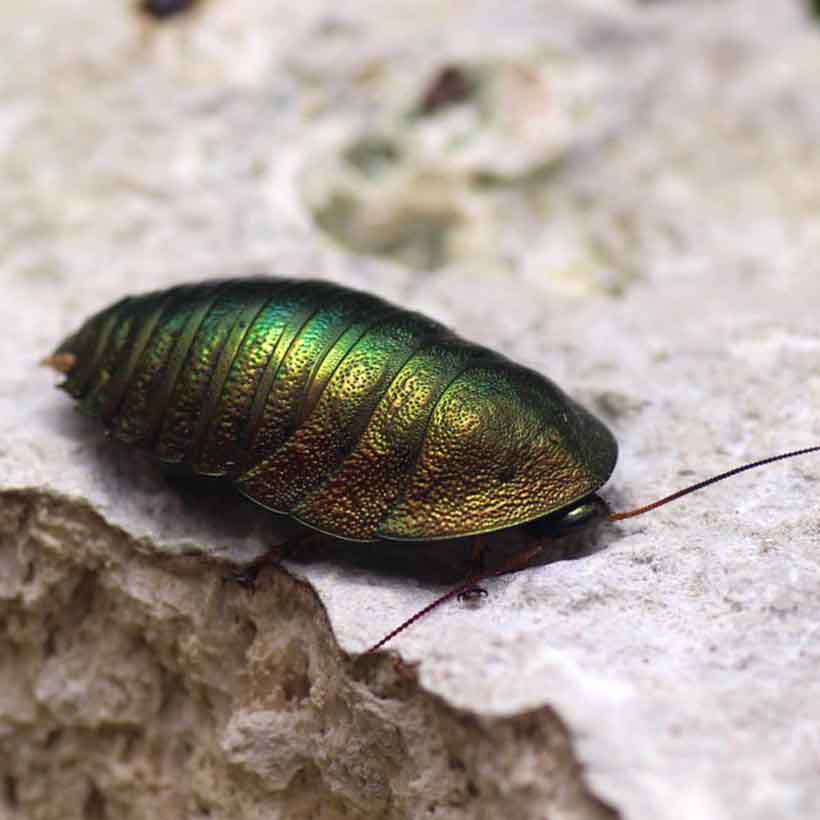
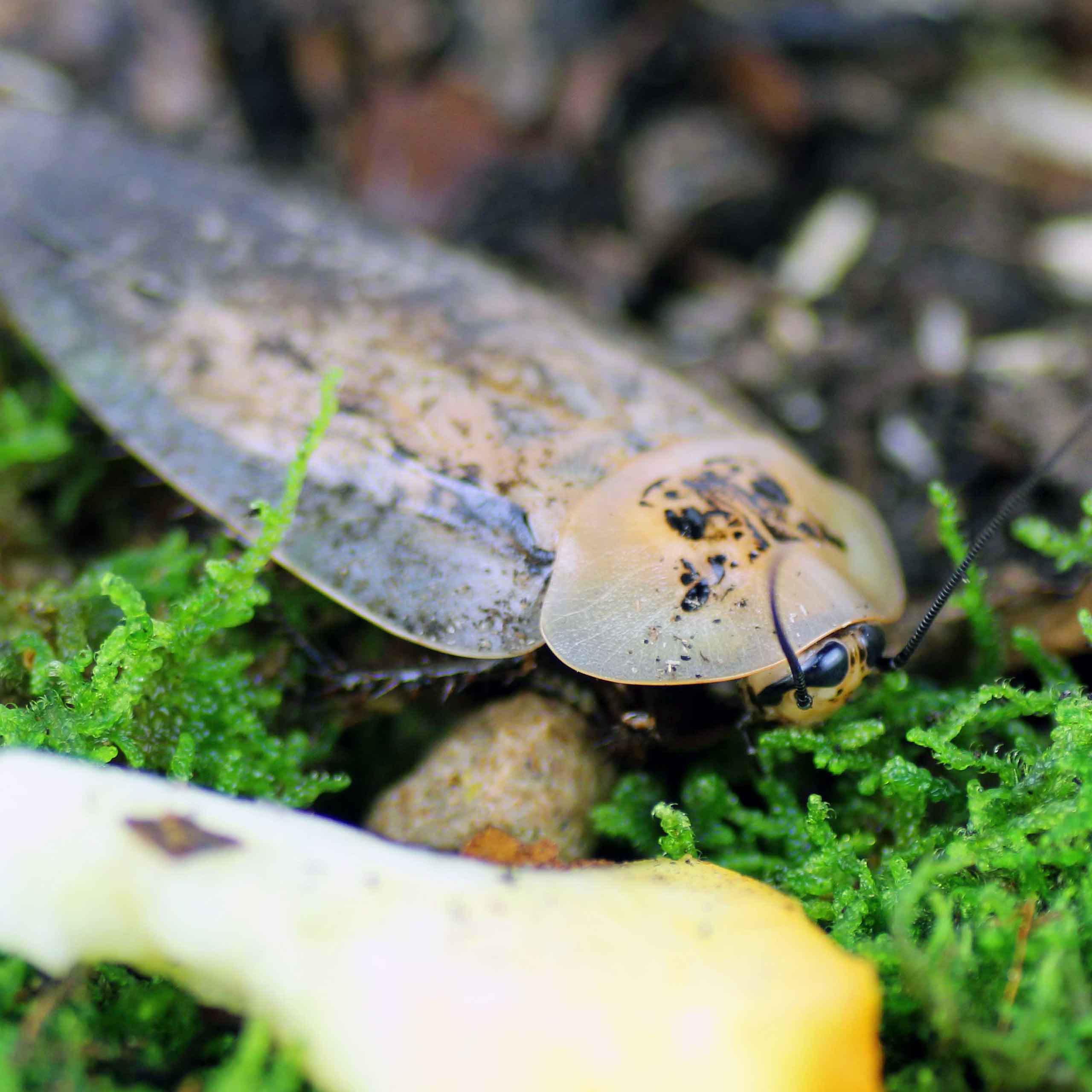
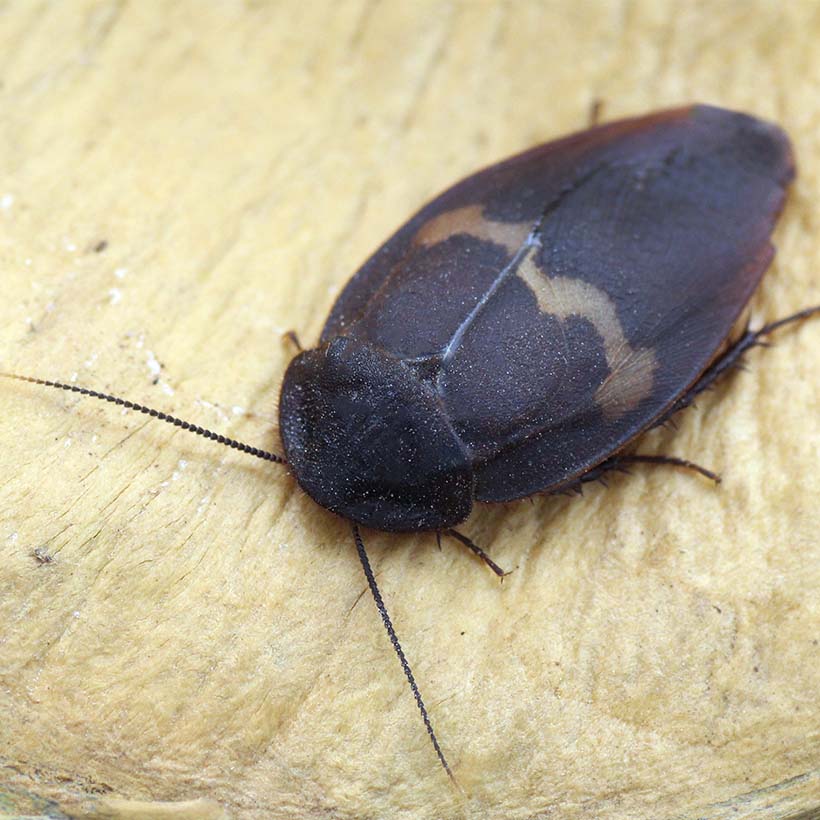
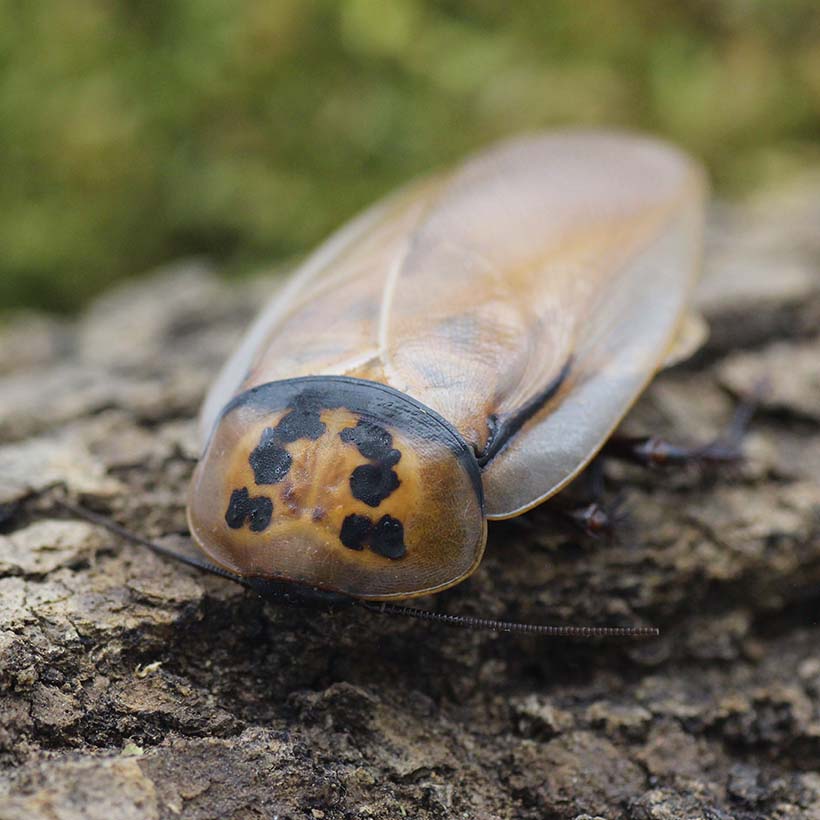
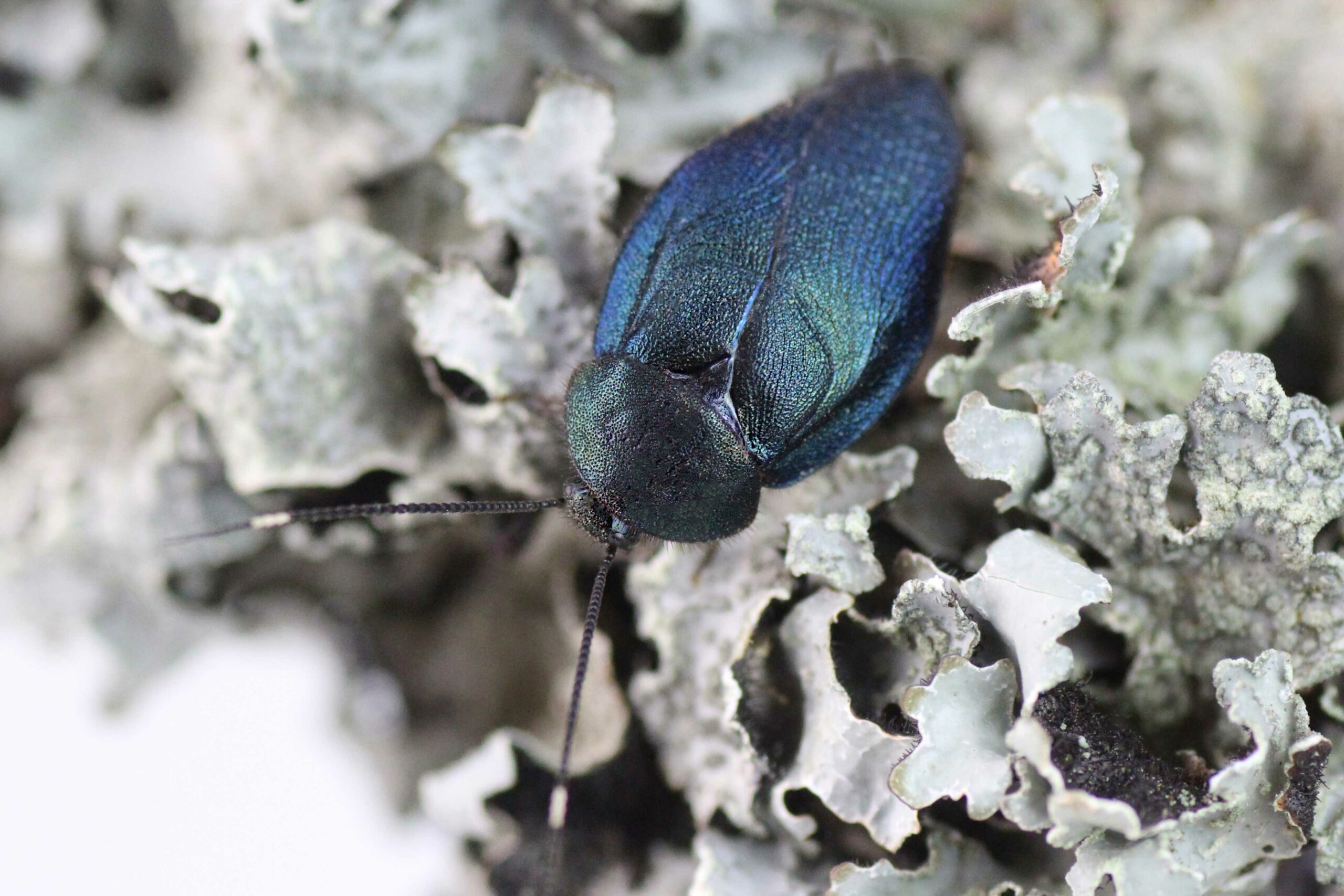
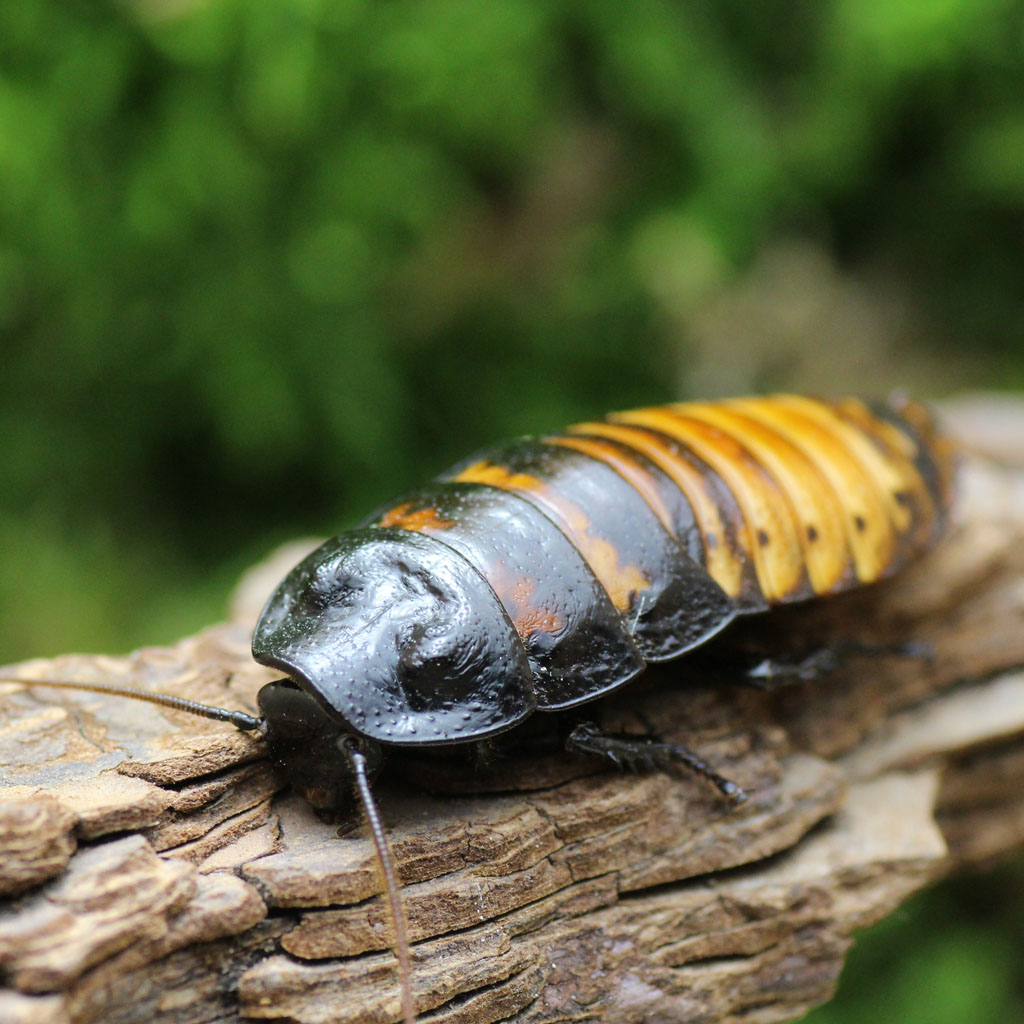
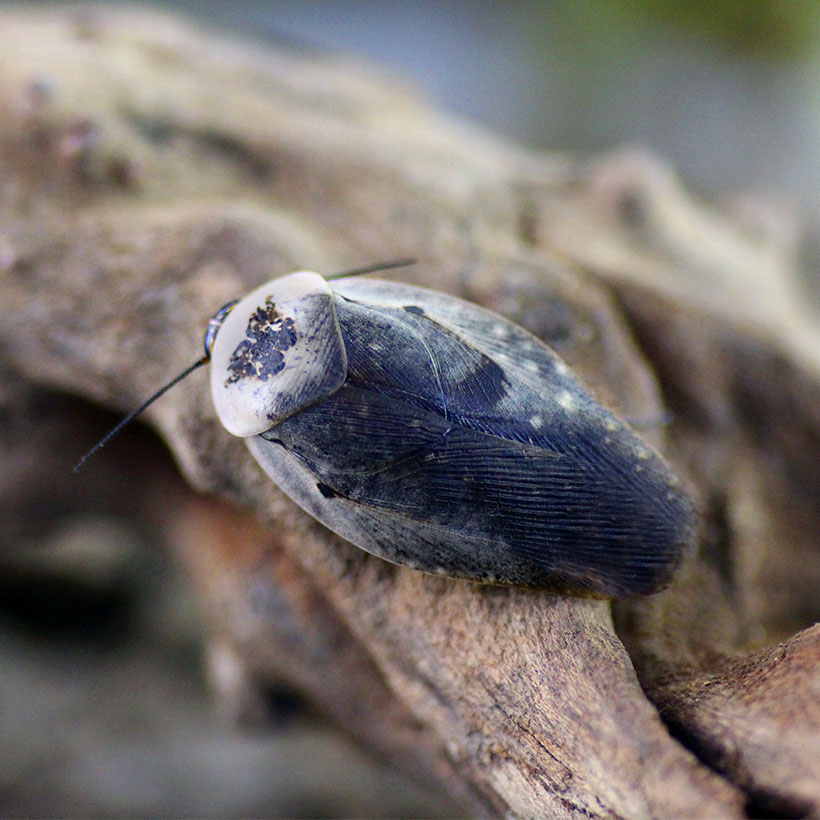
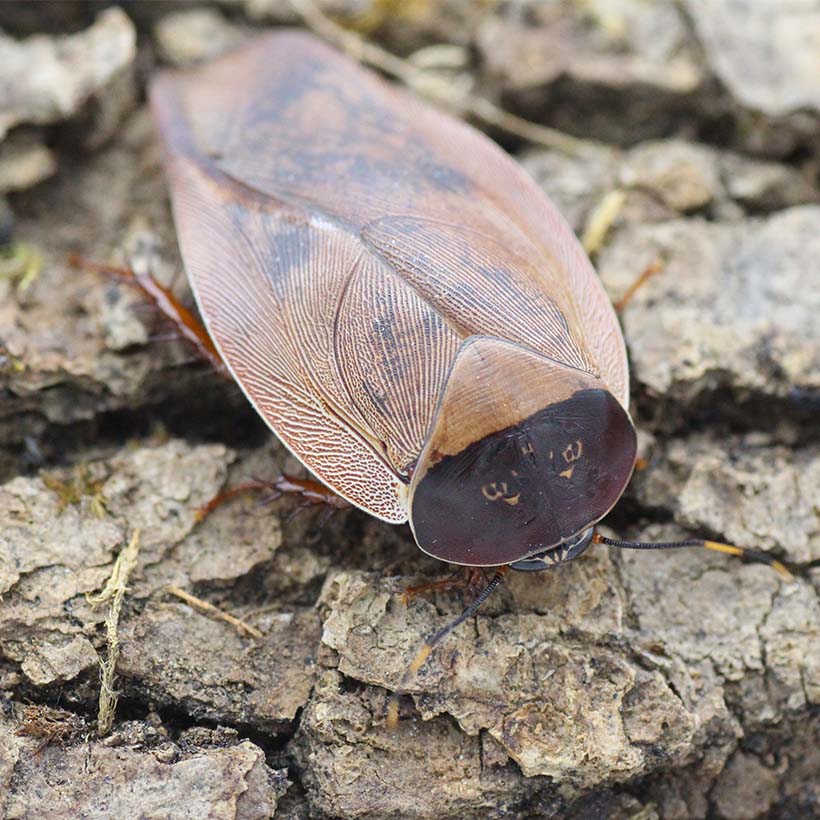
Away from our homes, cockroaches look completely different. There are species with a metallic sheen, with bright green or reddish colors, with striking patterns that are more reminiscent of beetles than what we associate with cockroaches. Some are barely a centimeter in size, others are surprisingly massive.
Many of these species are slow, calm and easily visible. They do not flee in panic, they do not scurry through crevices. They live openly in their habitat – simply where we never look.
The fact that we don’t know them is not down to them. It is because of us.
Why cockroaches are ecologically important – and we ignore it
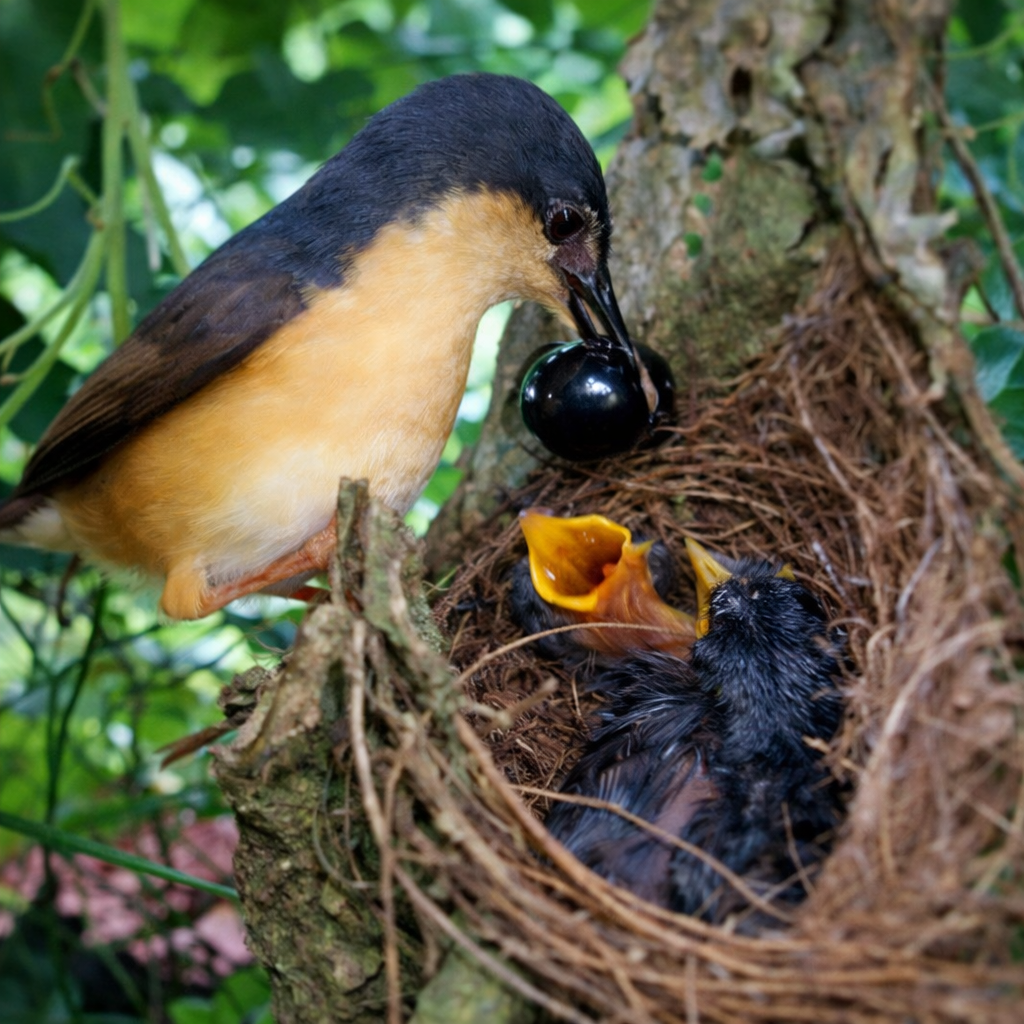
Cockroaches are among the most important decomposers in many habitats. They process dead plant material, fungi and organic residues. In tropical ecosystems, they make up a significant proportion of animal biomass and are a key food source for reptiles, birds and other animals.
Without cockroaches, material cycles would run more slowly. Forests would look different.
That’s not an exaggeration – it’s biology.
The bad reputation is not a biological fact
Cockroaches are not “dirty”. They are not “disease-carrying per se”. Nor are they aggressive or dangerous. Their bad reputation is the result of proximity, not characteristics. Animals that live where we live are judged more quickly – and judged more harshly.
The thousands of species that live quietly in the forest and do their ecological work do not appear in this picture. They do not fit into the narrative.
Why it’s worth taking a closer look
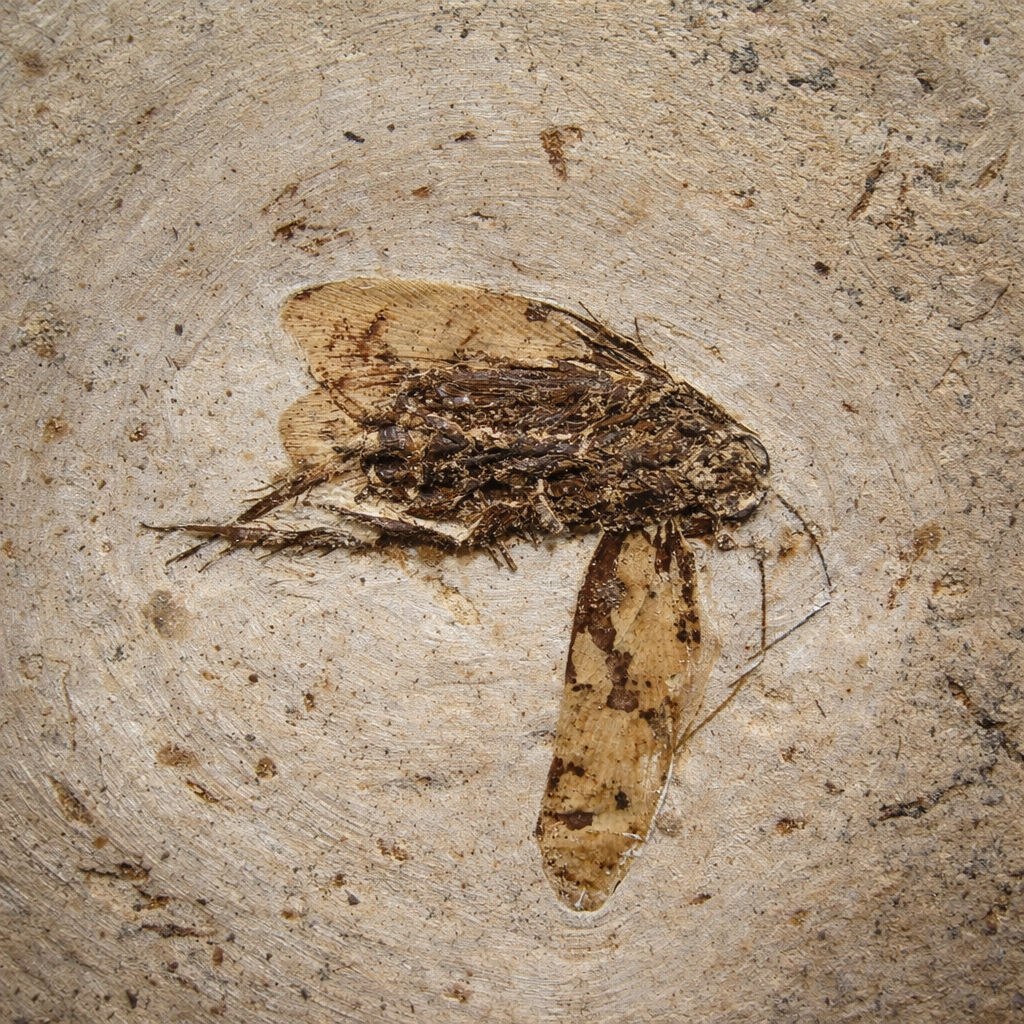
Anyone who begins to see cockroaches not just as a nuisance, but as a group of animals, quickly discovers something else: an enormous diversity, sophisticated adaptations and an evolutionary history that begins long before that of humans.
Cockroaches are not a marginal phenomenon of nature. They are a cornerstone.
And perhaps that is precisely the reason why they are so easily overlooked – and so quickly condemned.
Why this view is important
Educating people about animals such as cockroaches is not a gimmick. It changes our perception – and therefore our view of nature as a whole. Anyone who understands how an animal lives, why it exists and what role it plays often loses some of their fear. Disgust gives way to curiosity, defense becomes understanding. Not because cockroaches suddenly become “likeable”, but because it becomes clear that nature does not function according to whether it meets our aesthetic expectations.
Those who begin to see cockroaches differently usually also change their view of many other animals. On those that live in obscurity, that have no lobby and are rarely considered worthy of protection. This is precisely where a deeper biological understanding emerges: if even an animal that is rejected in this way is meaningful, complex and indispensable, then this applies all the more to the rest of the diversity.
And it is at this point that real fascination for biology begins – not as a collection of facts, but as a new way of looking at the world.
If you have any further questions, please leave them in the comments below the article.
Leave a Reply
You must be logged in to post a comment.