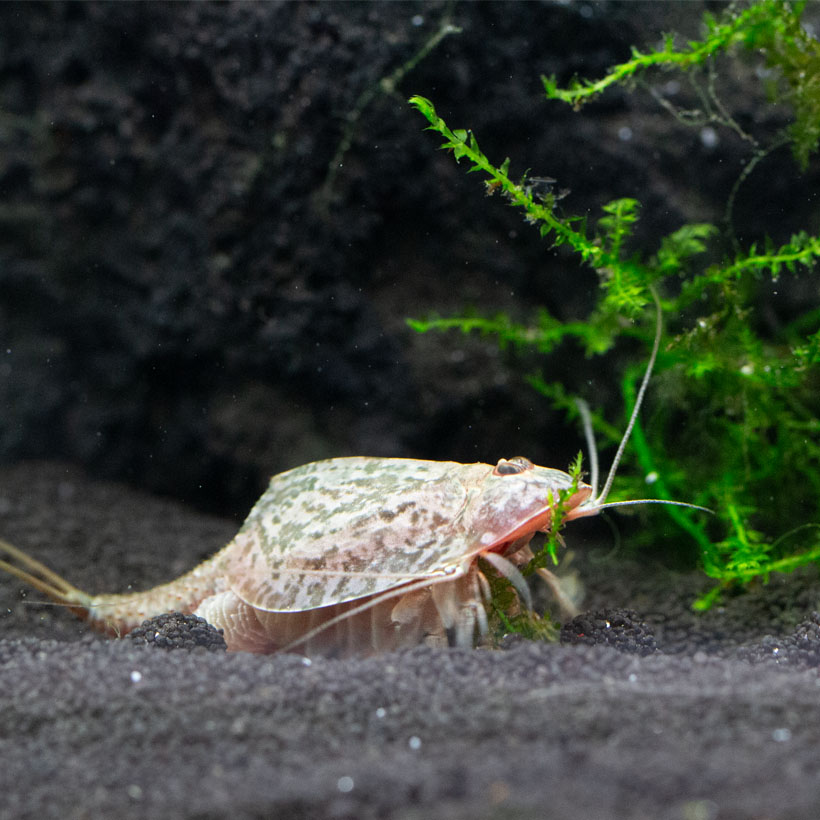


Feeding triops is primarily a matter of choosing the right food size and the correct amount. Tiny nauplii need the finest food. As they grow, they can gradually eat larger particles. Later on, triops will also eat pellets and small sticks. Here you’ll learn which food to use when and how to dispense small portions with a pipette.
What kind of triops food do I need to get started?
To get started easily, keep this order in mind: Liquizell for the first stage of fine food, followed by small portions of Granulat S, and for larger triops, Shrimp Snack as well. Make the switch as soon as the animals actually start eating the next-largest food particles. You don’t need to buy all types of food to do this. Additional powdered and liquid foods can add variety to their diet as needed.
The first feeding: fine food for tiny nauplii
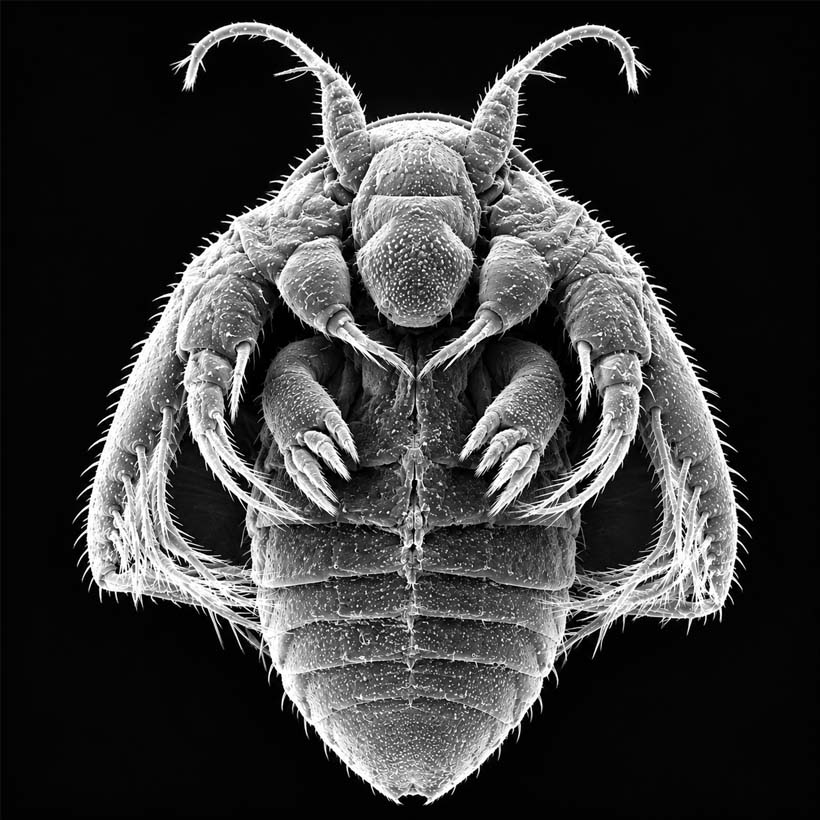
Do not add any food to the water immediately after placing the eggs in the tank. As a general guideline, start with a tiny portion of fine rearing food about one to two days after hatching. Be sure to follow the rearing instructions for your specific Triops species. Whole pellets, tablets, and sticks are too large for this stage.
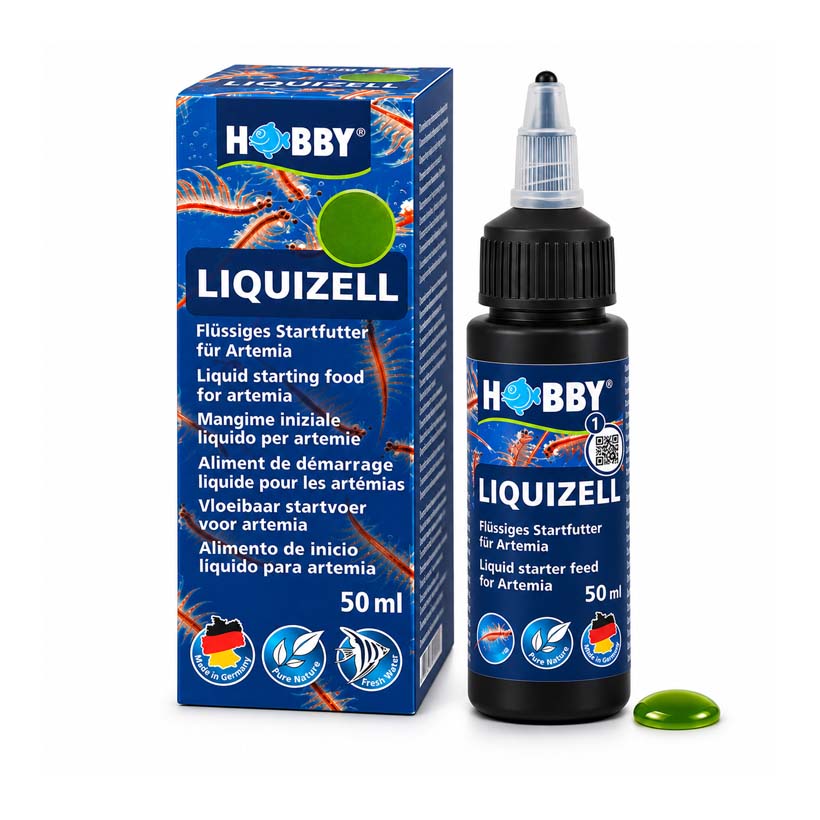
HOBBY Liquizell – 50 ml
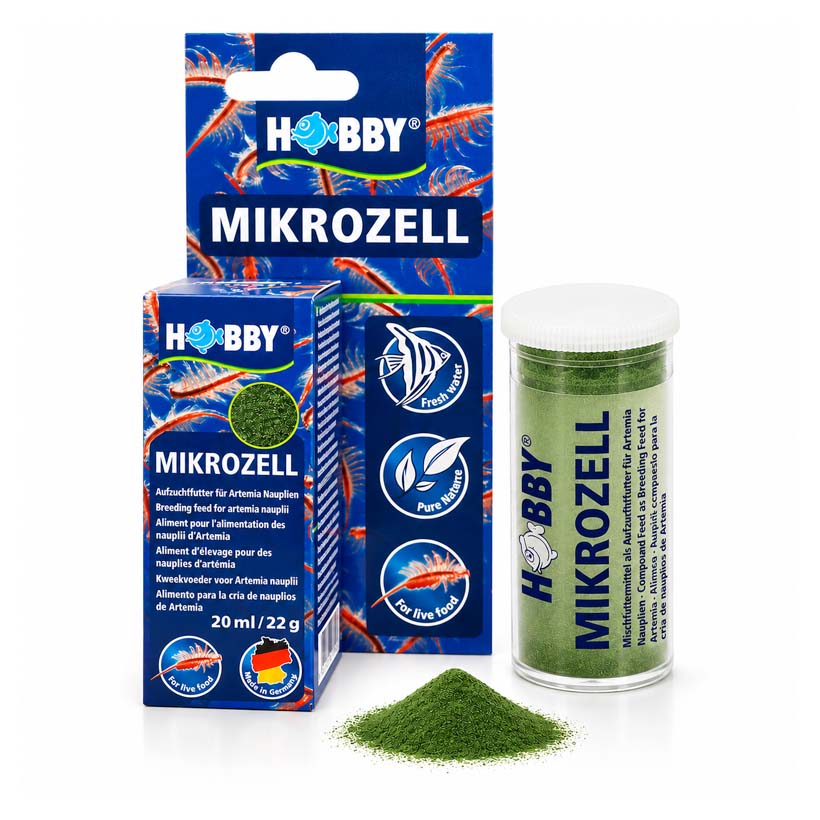
HOBBY Mikrozell – 22 g
HOBBY Liquizell contains very finely ground plant plankton and can be dispensed in liquid form. Use a pipette for small batches. If even a single drop is difficult to measure, dilute a small amount separately with some rearing water and add only a portion of this mixture at first. Prepare a fresh dilution for each feeding.
Feeding should not cause the water to turn bright green. If there are still clearly visible green food particles present, do not add any more food. A cloudy or milky color is not a sign of hunger: First check to see if there is too much food in the tank.
The pipette: small portions instead of too much food
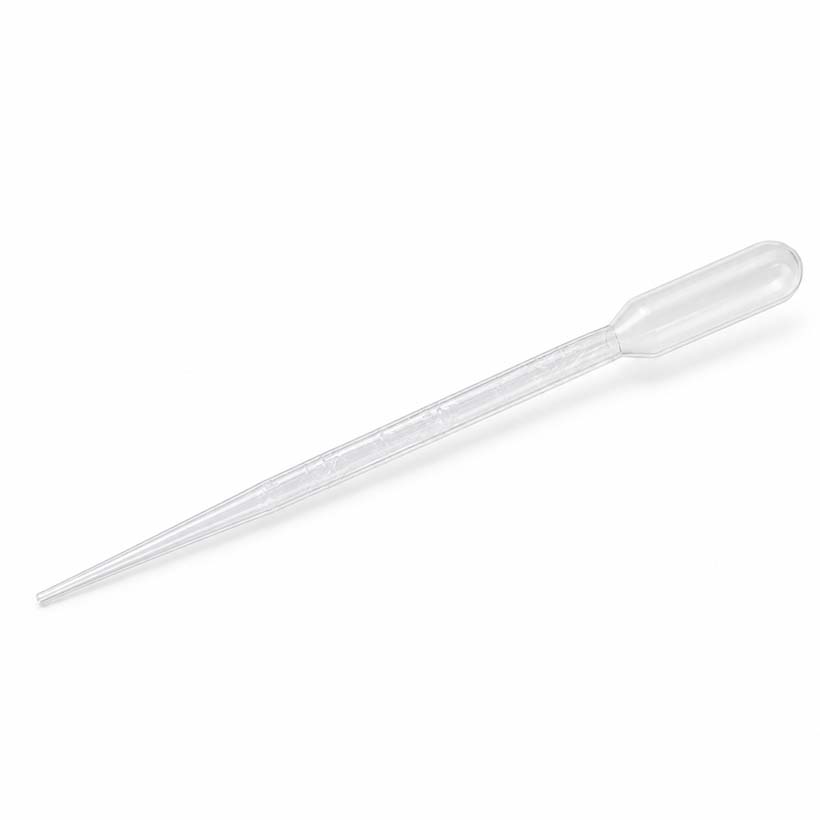
Pipette
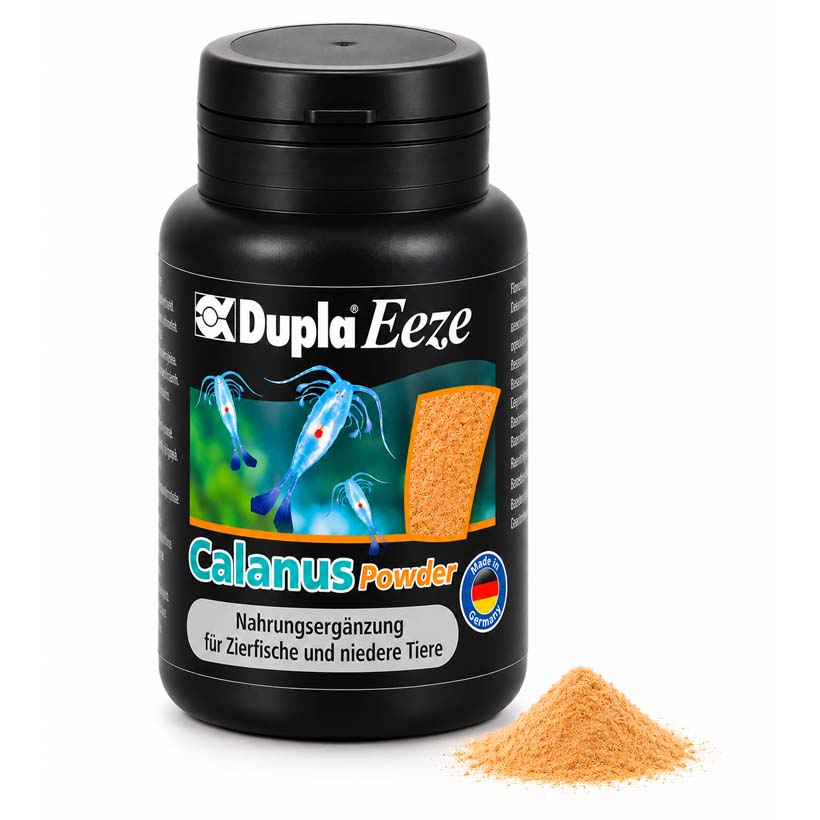
Dupla Eeze Powder – 40 g
A pipette is especially helpful when raising triops. You can use it to measure out liquid food, distribute finely mixed powder, and carefully remove small food scraps. The 3-ml scale helps you measure out the liquid. However, a full pipette does not equal one feeding portion. How much your animals need depends on their number, size, and the concentration of the mixture.
- Pour some water from the rearing container into a clean, small container.
- Mix in a tiny amount of liquid or fine powdered food.
- Stir the mixture one more time before removing it, and draw up a small amount.
- Start by adding just a small sample to the water. Do not squirt the nauplii directly.
- Rinse the pipette thoroughly with clean water after use. Do not save any leftover mixture for the next feeding.
When sucking up leftover food, work slowly and control the tip so that no nauplii are sucked in. Do not pour used tank water back into the feeding bottle. Instead, remove the food separately to keep the bottle clean.
Growing Triops: Gradually Transitioning to Larger Food Particles
As the triops grow, the initial phase of fine food alone is no longer sufficient. Offer a small sample of coarser food as well and observe whether the animals eat it. An animal that swims past a grain hasn’t eaten it yet. Pay attention to whether the triops grab and work on the particles. If they aren’t able to do that yet, stick with the finer food for now.
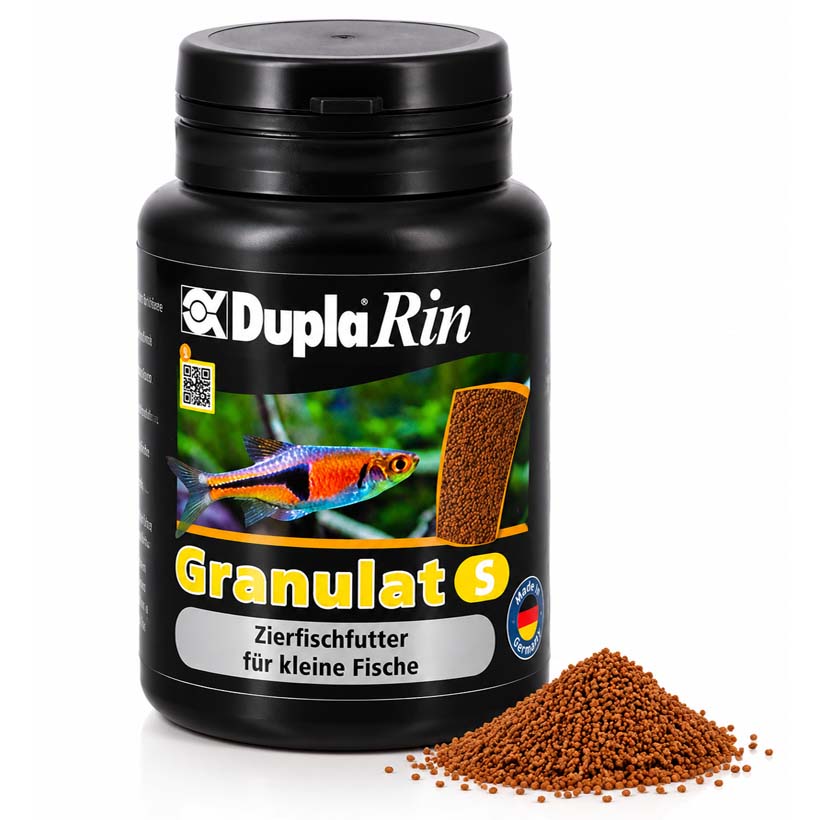
DuplaRin Granules S – 80 g
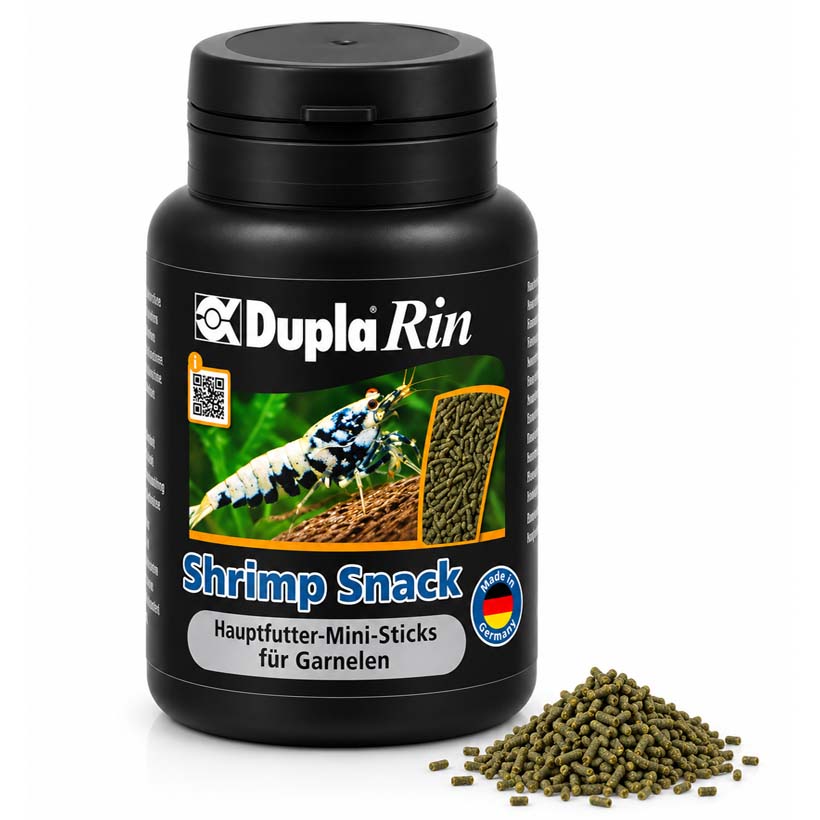
DuplaRin Shrimp Snack – 85 g
You can crush DuplaRin Granulat S at first if necessary. Add a small amount and wait: not all the granules will sink to the bottom right away. Therefore, don’t rush to add more. Once your animals are consistently eating the granules, you can adjust the portion size based on their consumption.
For additional fine animal-based food, Dupla Gel-o-Juice Artemia Micro or HOBBY Artemia Baby Liquid are suitable. Both contain Artemia particles measuring about 0.2 mm. Choose one of these if you want to supplement this feeding stage. It is not a substitute for the finest starter food immediately after hatching.
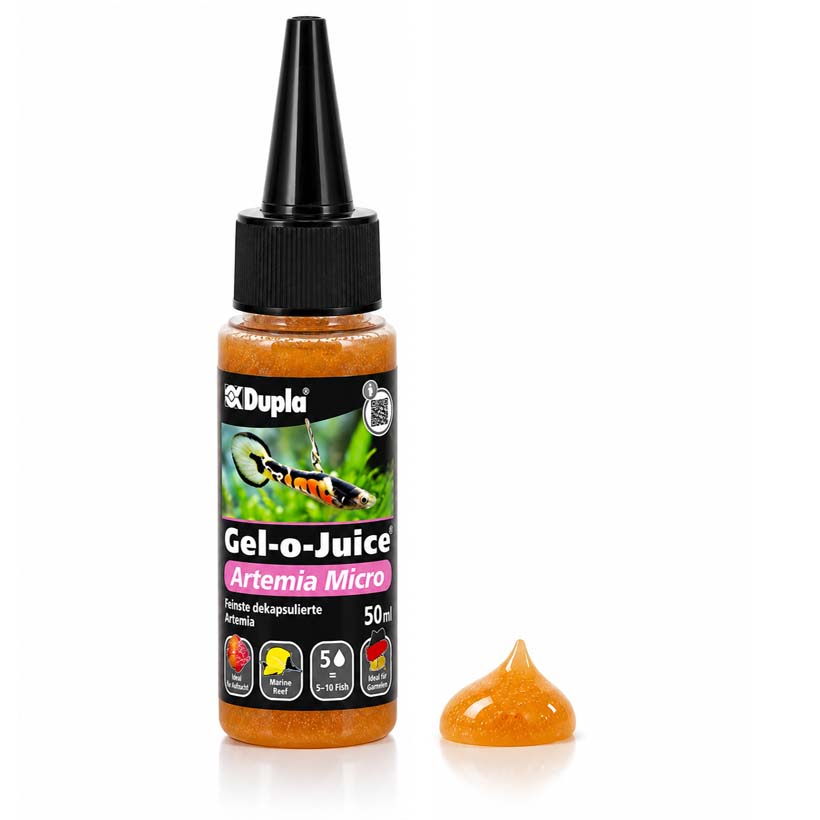
Dupla Gel-o-Juice Artemia Micro – 50 ml
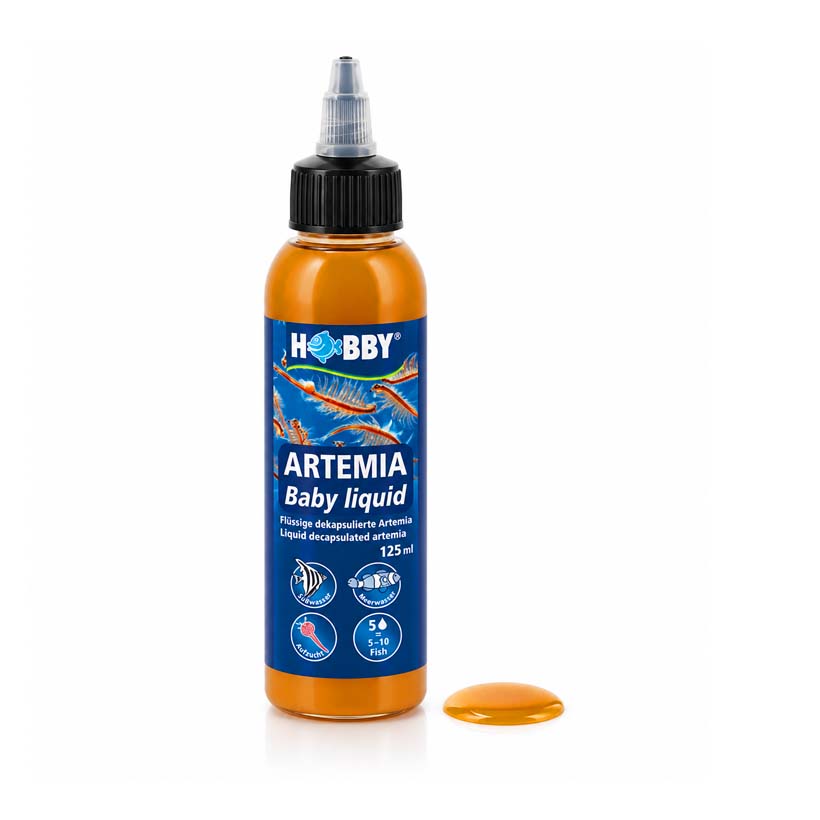
HOBBY Artemia Baby Liquid – 125 ml
Larger Triops: Pellets and sinking food pieces
Larger triops often search for food on the bottom. Now, in addition to pellets, you can offer them a small piece of DuplaRin Shrimp Snack. The sticks sink to the bottom and can be split up for small groups. Place the portion in an open, clearly visible spot. That way, you can tell whether it’s being eaten or if there are leftovers.
DuplaRin Ground is another option for bottom feeding. To use it, break off a small piece of the tablet. A whole tablet is quickly too much for a small group of triops. Dupla Gel-o-Juice Cyclops provides small crustaceans as an occasional supplement. The same rule applies here: only offer it if your animals can consume the particles.
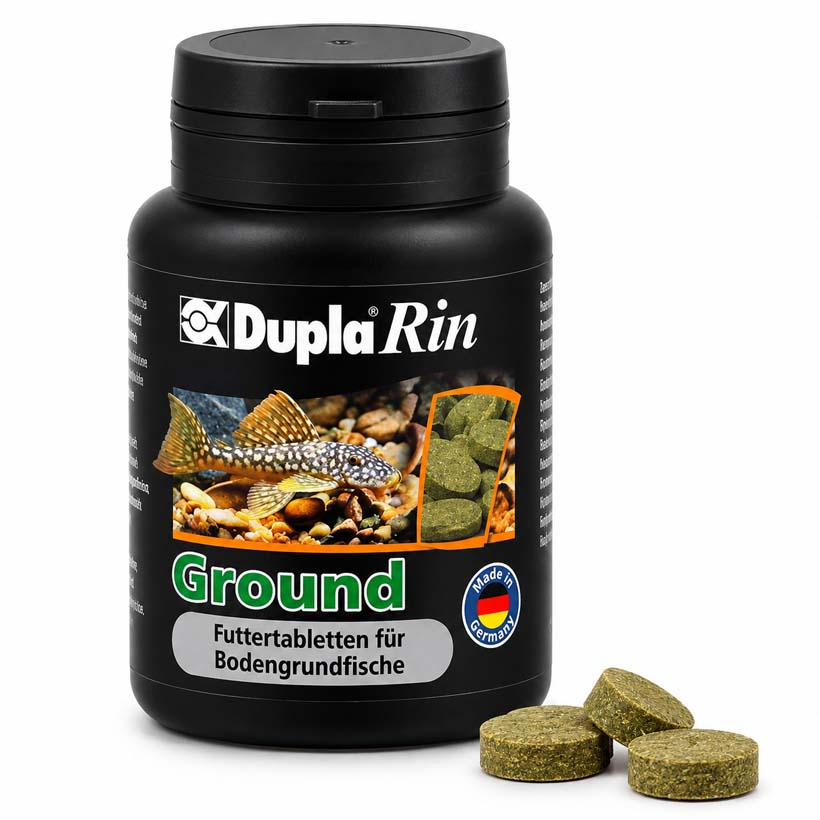
DuplaRin Ground – 95 g
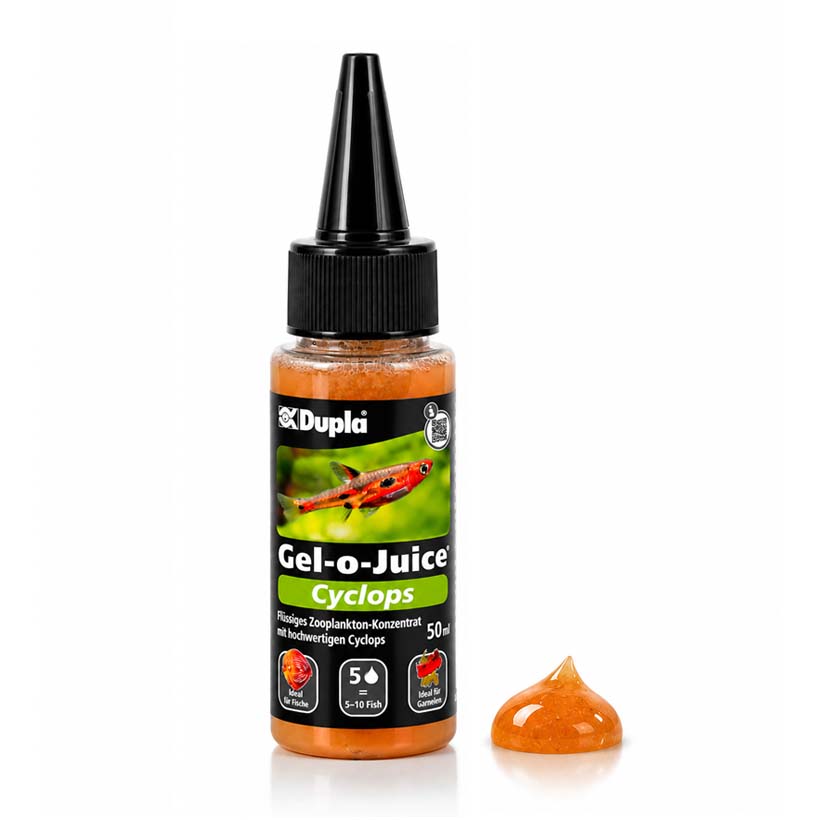
Dupla Gel-o-Juice Cyclops – 50 ml
All Types of Food at a Glance
| Food | When to use? | How to serve |
|---|---|---|
| HOBBY Liquizell | Initial Light Feeding Phase | Dispense very sparingly using the pipette; dilute separately if necessary. |
| DuplaRin Granules S | Juvenile and Larger Triops | Small sample; crush the pellets as needed at first. |
| DuplaRin Shrimp Snack | Larger Triops | Offer small pieces of food so they are clearly visible on the bottom. |
| DuplaRin Ground | Larger Triops | Small pieces of a tablet instead of a whole tablet. |
| Dupla Artemia Micro | Further Rearing of Juveniles | Small liquid portion as soon as the young begin to eat particles about 0.2 mm in size. |
| HOBBY Artemia Baby Liquid | Alternative to Artemia Micro | Dispense sparingly using the pipette. |
| Dupla Eeze Powder | Animal-based supplement for young animals of sufficient size | Mix a tiny amount with water; do not use as the sole source of nutrition. |
| HOBBY Microzell | Herbal Supplement for Further Rearing | Mix a small amount of powder with water and apply sparingly. |
| Dupla Cyclops | Animal Supplement for Larger Triops | Give a small sample and observe how they take it. |
The additional food types are options. You don’t need to use them all at the same time. Eeze Powder adds finely ground crustaceans to the diet; Mikrozell supplements it with algae and minerals. Neither one alone can replace a varied diet.
How much and how often should I feed my triops?
Check on your triops and the available food daily. Offer small portions and increase them only once you see that they are being eaten. For growing animals, two small, separate feedings may be better than one large one. Give the second portion only once the previous one has been consumed and the water remains clear.
With pellets, sticks, and tablet pieces, leftovers are easy to spot. Remove any uneaten food and reduce the size of the next serving. It’s harder to check for leftover food when using finely dispersed liquid or powdered food. Be especially cautious when measuring out portions in these cases. Clear water alone doesn’t prove that all the food has been eaten.
If you feed an additional type of food, reduce the rest of the portion accordingly. Cyclops, Artemia, and powdered food are included in the total amount of food. They are not simply added to the tank on top of the already sufficient daily ration.
You can easily avoid these mistakes
Feeding coarse food too early: If the animals can’t eat it, it will be left uneaten. Go back to the finer food and try larger particles again later.
Feeding more out of concern that they’re hungry: Triops are often foraging for food. That doesn’t automatically mean you need to give them more. First, check how much they’ve eaten and what’s left over.
Don’t give a large portion meant to last several days: Leftover food spoils and contaminates the water. Don’t feed an extra portion in advance before you’re away.
Don’t use all types of food at the same time: This makes it harder to measure out the right amount. Keep your feeding schedule simple and rotate supplements strategically.
Your Easy Guide to Feeding Triops
Start with a fine starter food and a pipette. As soon as the animals begin to eat larger pieces, gradually introduce Granulat S. For larger triops, you can offer Shrimp Snack and, if necessary, other suitable food types on a rotating basis. The key at every step is to feed small portions, monitor their intake, and remove any uneaten food.
Leave a Reply
You must be logged in to post a comment.