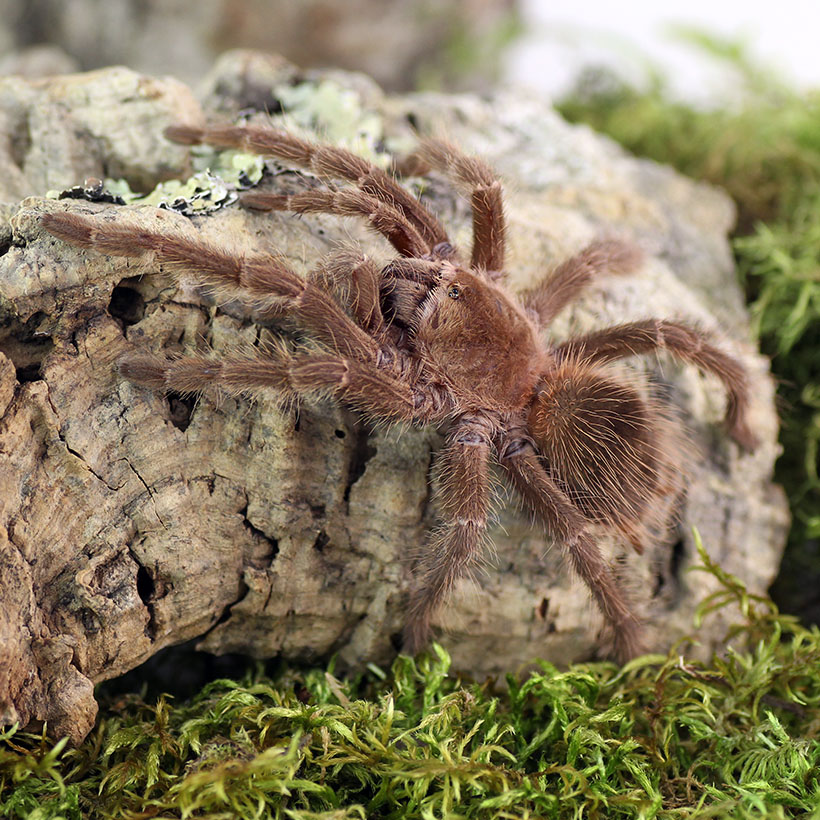


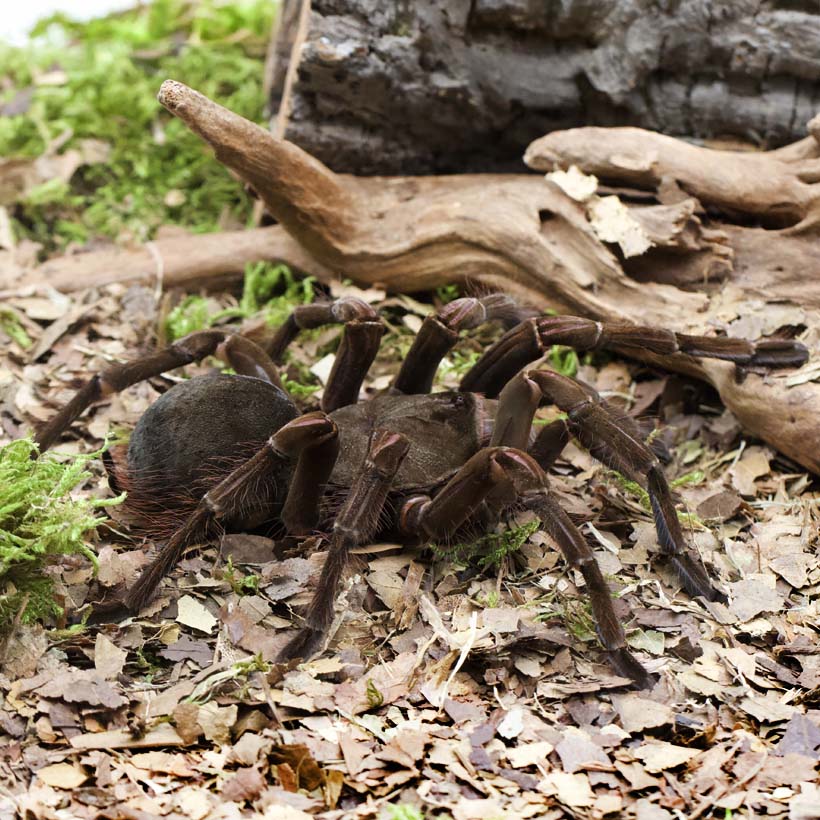
Despite their size, tarantulas are much less dangerous than is generally assumed. Although their bite is fatal to mice and insects, it is generally less harmful to humans than a bee sting. Nevertheless, tarantula owners often encounter misunderstood facial expressions. Spider phobia (arachnophobia) is one of the most common animal phobias. After all, 35% of Europeans suffer from a pathological fear of spiders. In this article, you can find out why this fear of tarantulas is unfounded and why keeping tarantulas is a fascinating hobby.
How dangerous are tarantulas really?
Hollywood is mainly to blame for the tarantulas’ bad reputation. They are portrayed in films as poisonous and dangerous to humans. Yet tarantulas are merely large, photogenic and many of them are easy to handle on a movie set, which is why they have been used so frequently in horror and action-adventure films. When a “poisonous” creature is needed, the special effects team calls in the film animal trainers with their tarantulas! This is then used to threaten James Bond or Indiana Jones, or to bring disaster to an entire small town. The spiders presented in such films are often among the tamest and least aggressive of their kind.
In reality, the venom of this largest of all spiders is generally only very mildly toxic to humans. Their mild venom is weaker than that of a typical bee. The only danger from keeping common tarantulas comes from the irritating hairs on their abdomen (stinging hairs), which can cause skin rashes or inflammation of the eyes and nasal passages. To avoid such problems, simply keep tarantulas away from your face and wash your hands after handling a tarantula. Incidentally, the stinging hairs on tarantulas are only found on New World (American) tarantula species. They are purely a defense mechanism against predators.

Where do tarantulas live?
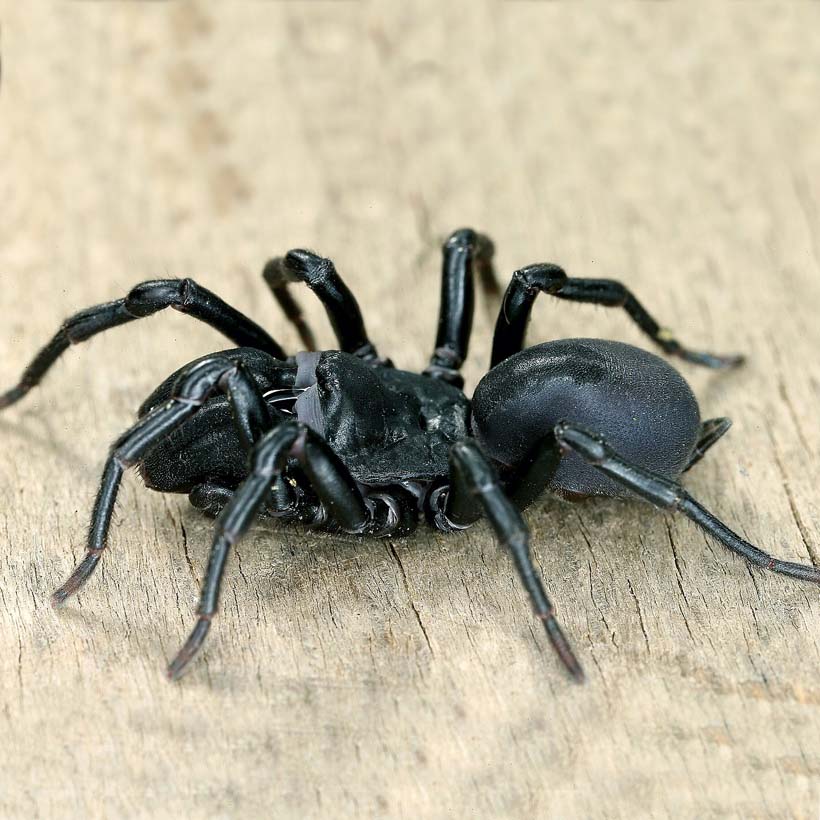
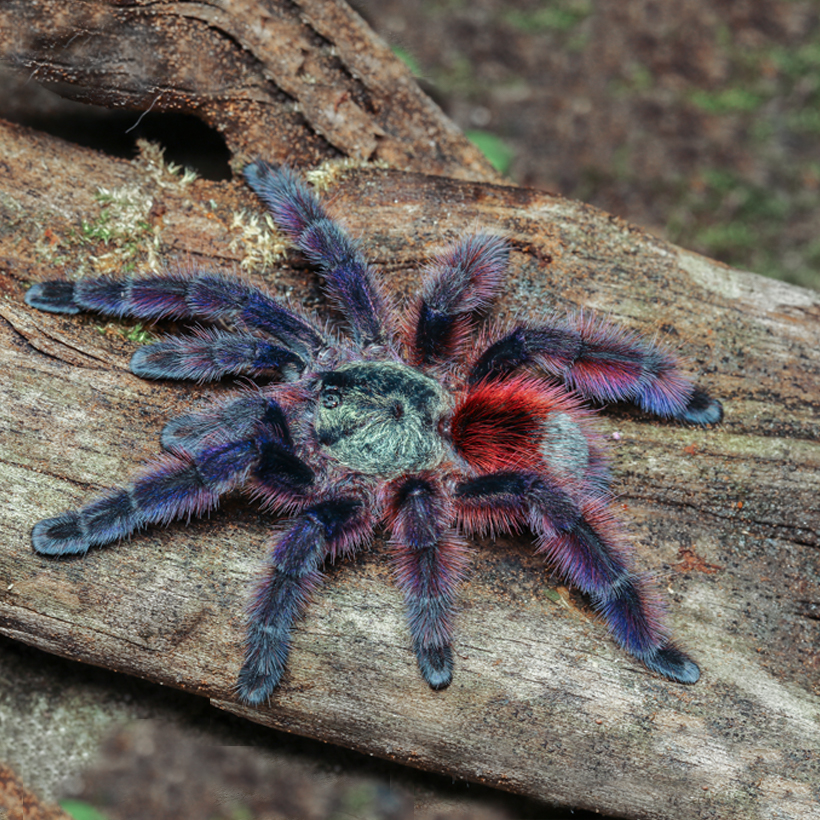
There are hundreds of tarantula species found in most tropical, subtropical but also arid regions of the world. Their color and behavior vary depending on their specific environment. The majority of tarantulas are cave dwellers that usually make themselves at home under stones or roots. Most people think of plate-sized spiders from exotic countries when they hear the word tarantula. However, there are also three species of tarantula in Germany. However, these usually live so hidden in their underground burrows that very few people get to see them. At around 1.5 to 2.0 cm, the size of the so-called wallpaper spiders is anything but frightening. Incidentally, it is the position of the chelicerae (biting tools) and not their size that is decisive in classifying them as tarantulas.
How do tarantulas grow?
Tarantulas shed their outer skeleton at regular intervals, which is known as moulting. In the process, they also replace internal organs such as the female reproductive organs and the stomach lining and even regrow lost limbs.
Many keepers think that if their tarantula is lying on its back, it means that it is dying. Most tarantulas moult lying on their back (a few moult on their side). The moult usually takes between a few minutes and a whole day.
Once the old exoskeleton has been shed, the tarantula’s body is soft and extremely vulnerable. Although the actual moult usually only takes a few hours, the tarantula’s body remains in this fragile state for several days before the new exoskeleton has completely hardened. During this phase, the tarantula lives very cautiously and remains in its shelter. Even food insects such as crickets or grasshoppers can become dangerous during this time and should be removed from the terrarium before each moult.

Why are tarantulas so popular as pets?
As scary as tarantulas may be for many, the animals have nevertheless become a popular pet worldwide. And there are reasons for this! Most people choose either a cat or a dog as a pet. Some also want to get a bird such as a parrot or cockatiel, or an aquarium to keep fish as pets. Some, however, go beyond the norm and look for exotic animals as pets. They want to recreate a piece of nature in their terrarium and display it in their living room. And all those who display a terrarium at home know that no visitor can resist the temptation and look into the terrarium with fascination.
Reptiles, chameleons, amphibians or snakes are often kept in terrariums. The more exclusive, the better. However, this also means that such rarities often require a lot of care. If this time is not constantly available due to work, family or vacation, a compromise solution is often sought. This inevitably leads to tarantulas. They are very easy to care for and inexpensive, can live for a long time, take up very little space and are incredibly interesting – making them the perfect exotic pets!
We always have a few tarantulas for beginners and a few rarities in our store. Please take a look!
What argument do you have ready for inaccurate prejudices?


Leave a Reply
You must be logged in to post a comment.