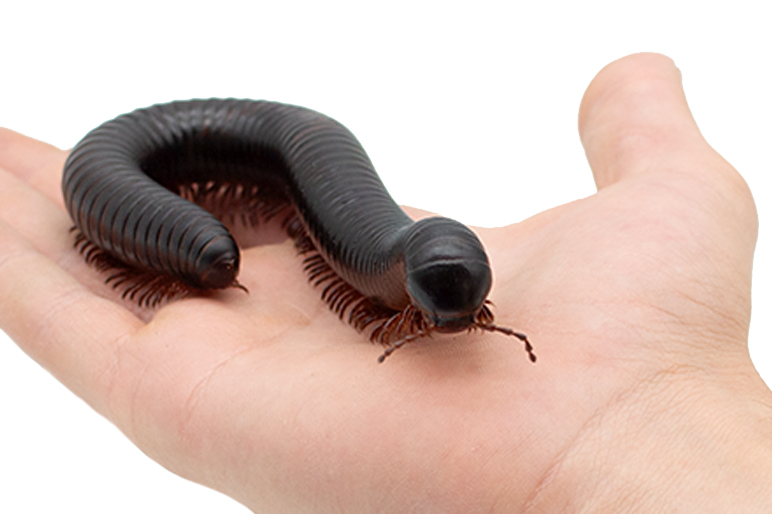


Millipedes – these mysterious, many-legged crawlers are fascinating survivors that have populated the earth for millions of years. But despite their long history and their important role in the ecosystem, many people – perhaps you too – are more skeptical than sympathetic. One of the most common questions that comes up when someone encounters a millipede is: “Are millipedes poisonous?” This question is not only understandable, but also important, especially for terrarium keepers and nature lovers. In this article, we take a closer look at the world of millipedes and clarify whether you need to worry the next time you go for a walk in the woods or look after your terrarium.
Millipedes and centipedes – two completely different animal species
A common mistake made in many articles is to confuse millipedes and centipedes. Although both belong to the arthropods, they represent completely different classes within this group and therefore have different characteristics and behaviors.
Millipedes (Diplopoda)
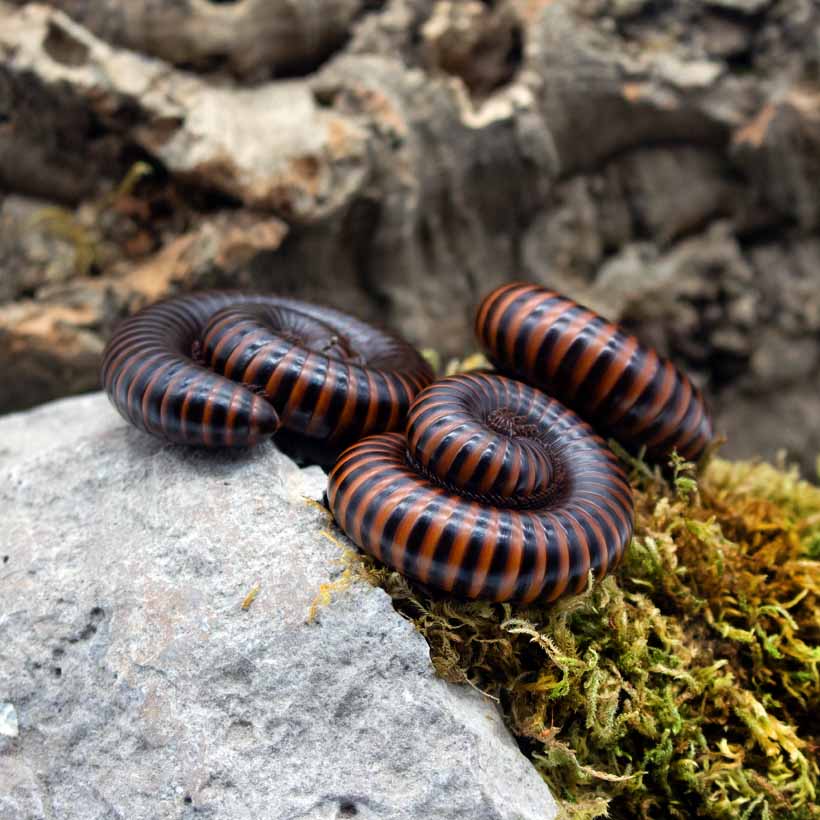
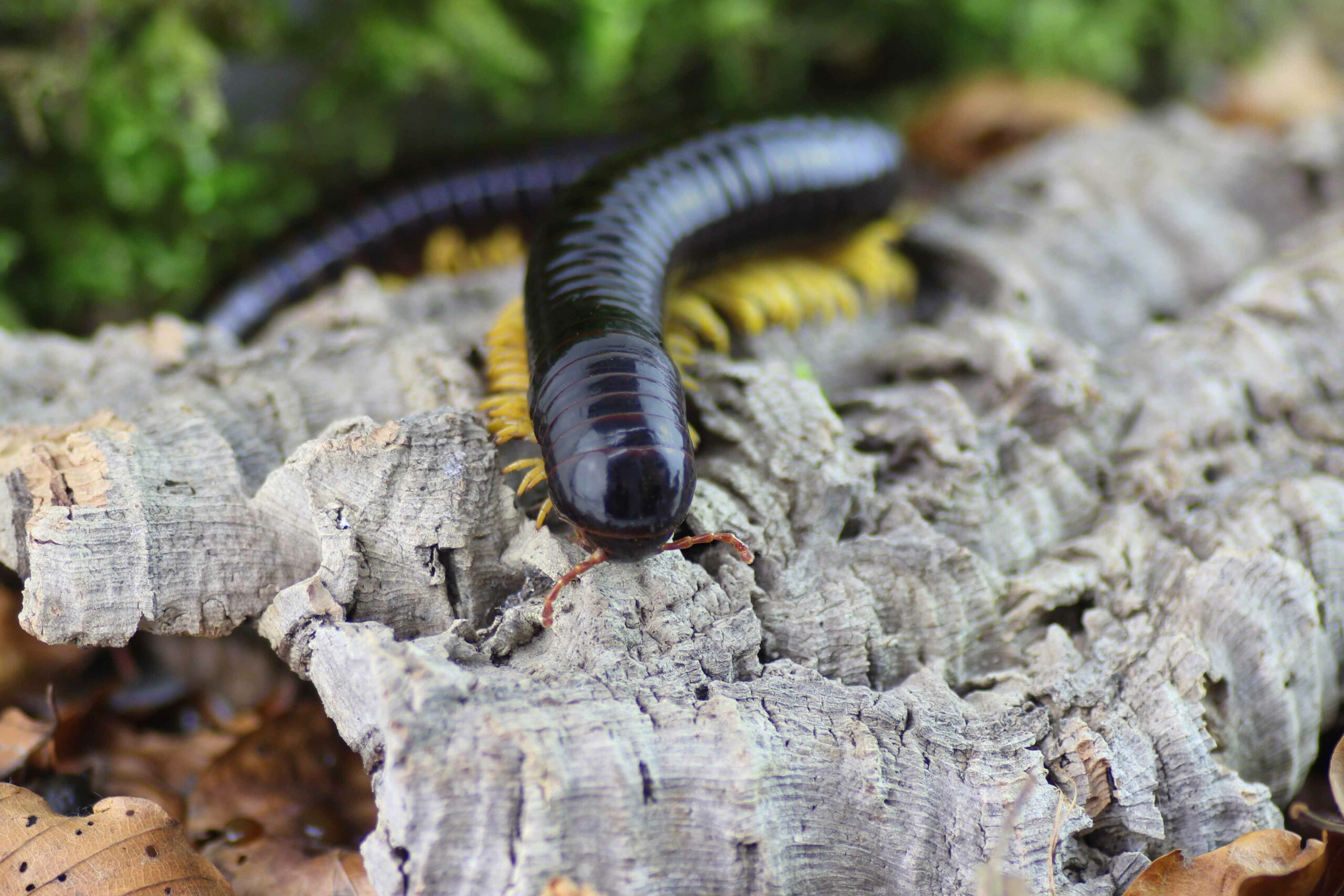
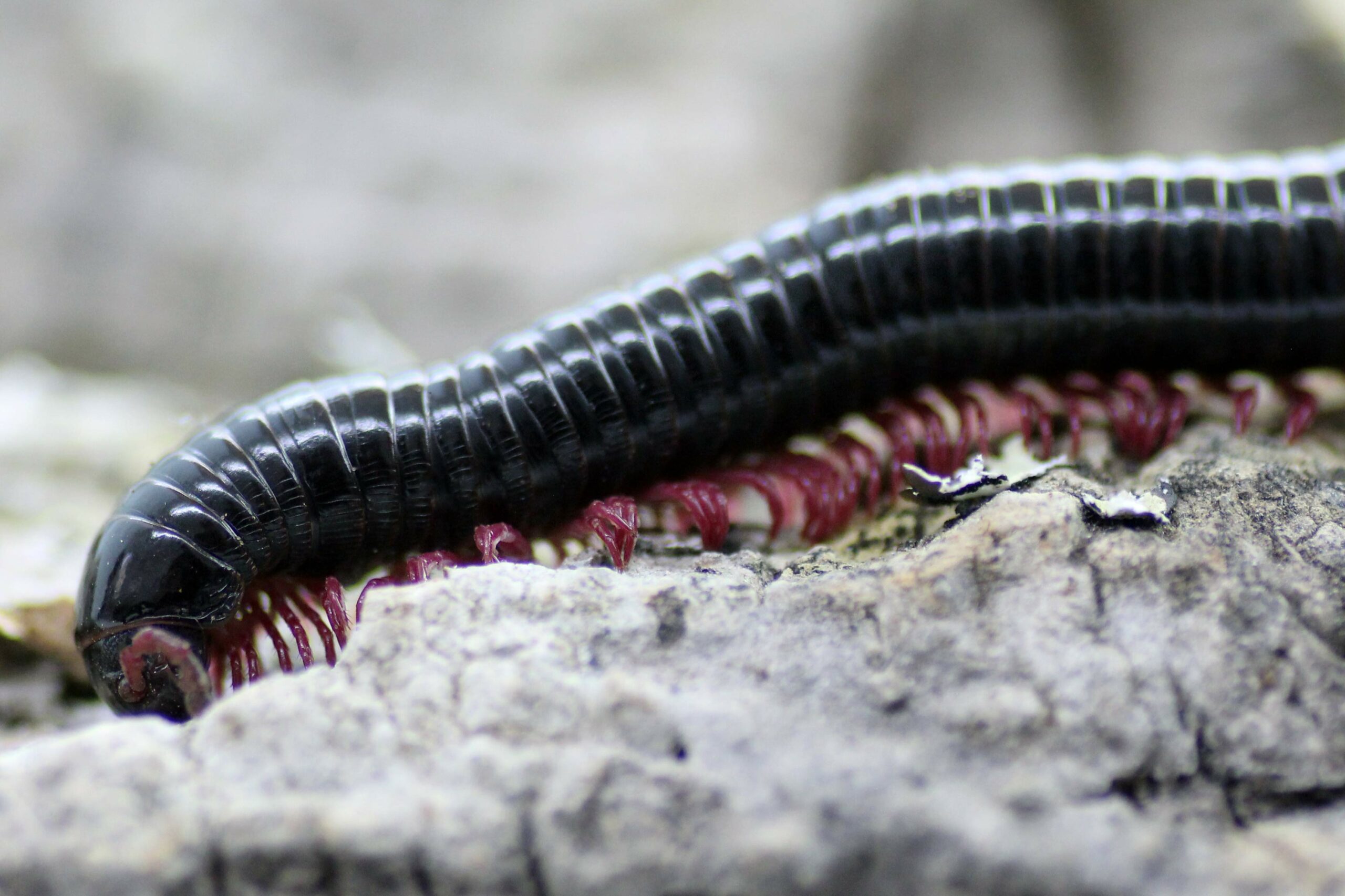
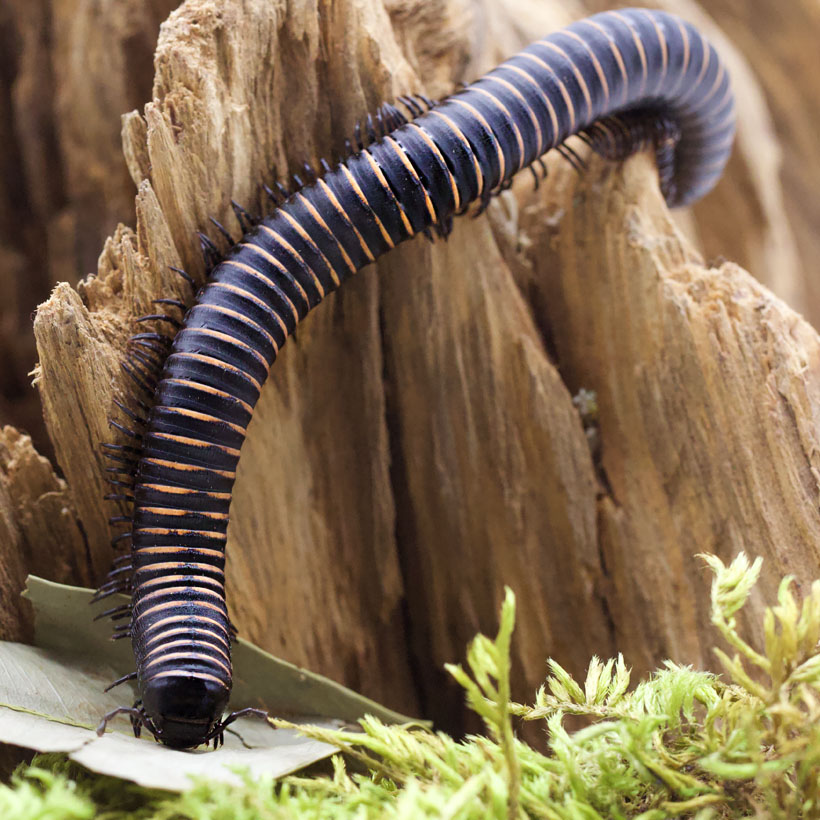
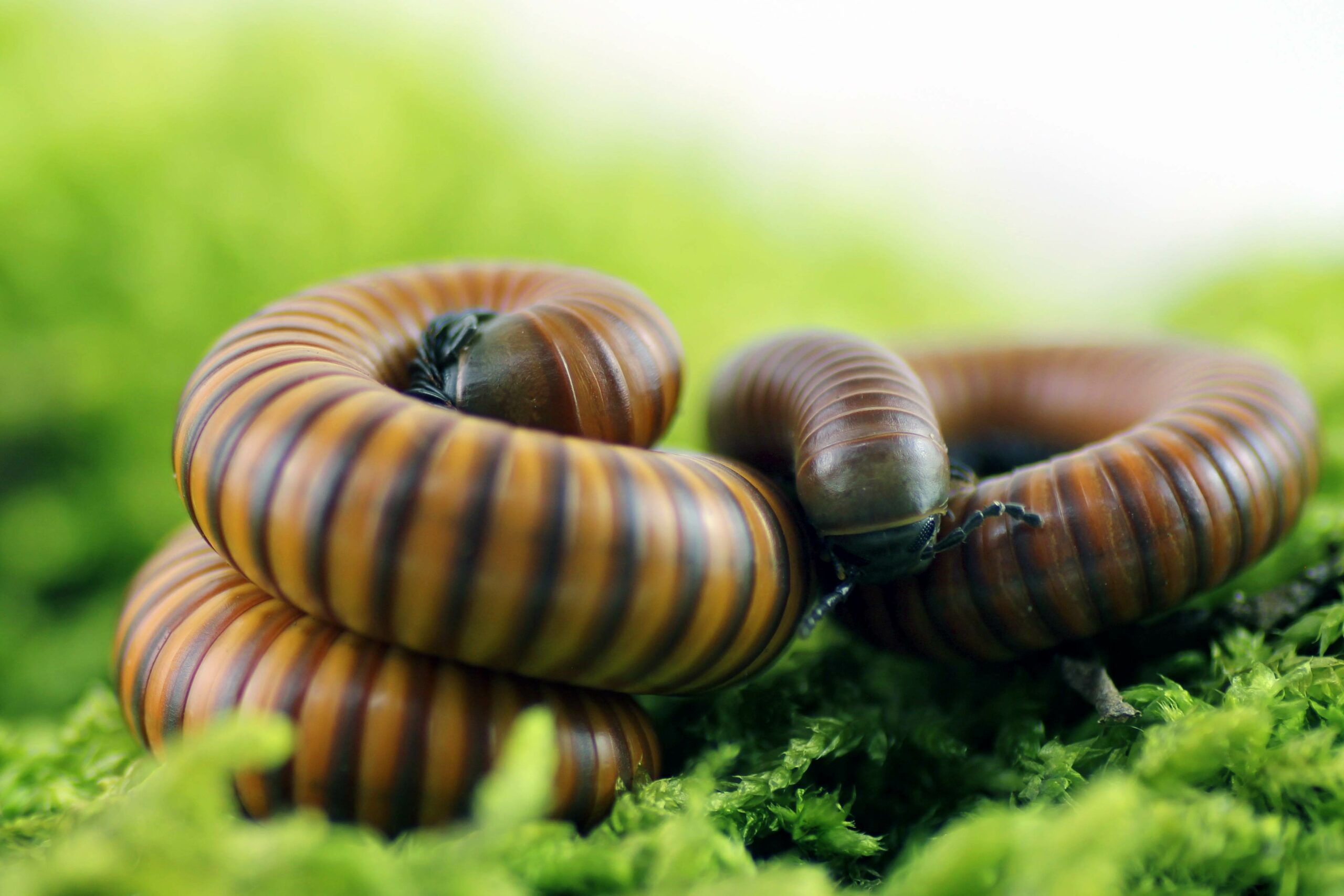
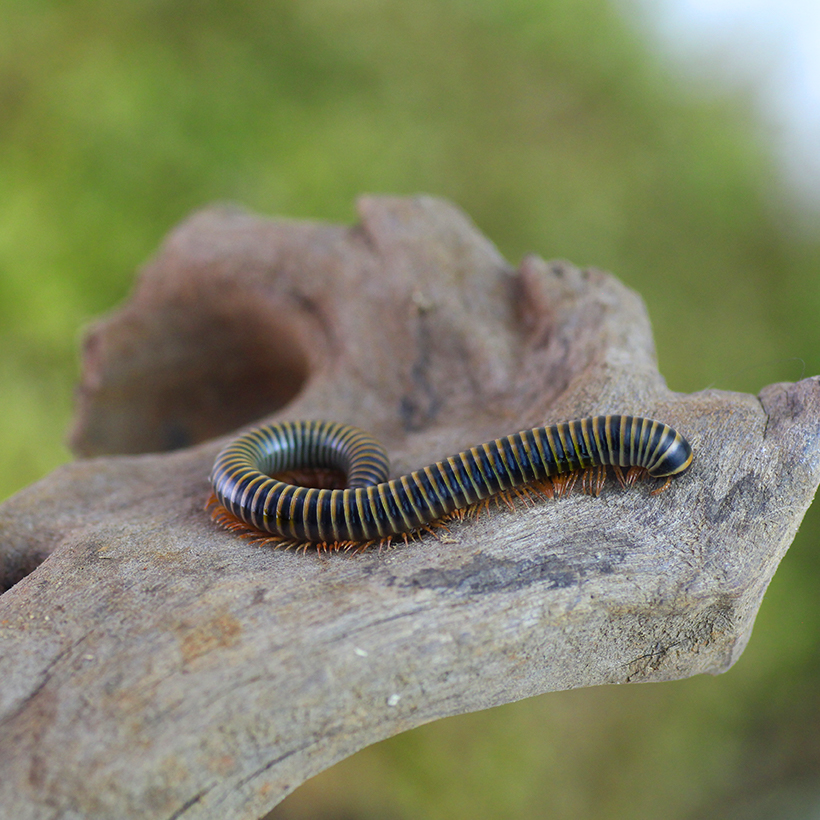
Millipedes (Diplopoda) are mainly harmless herbivores that feed on decaying plant material.
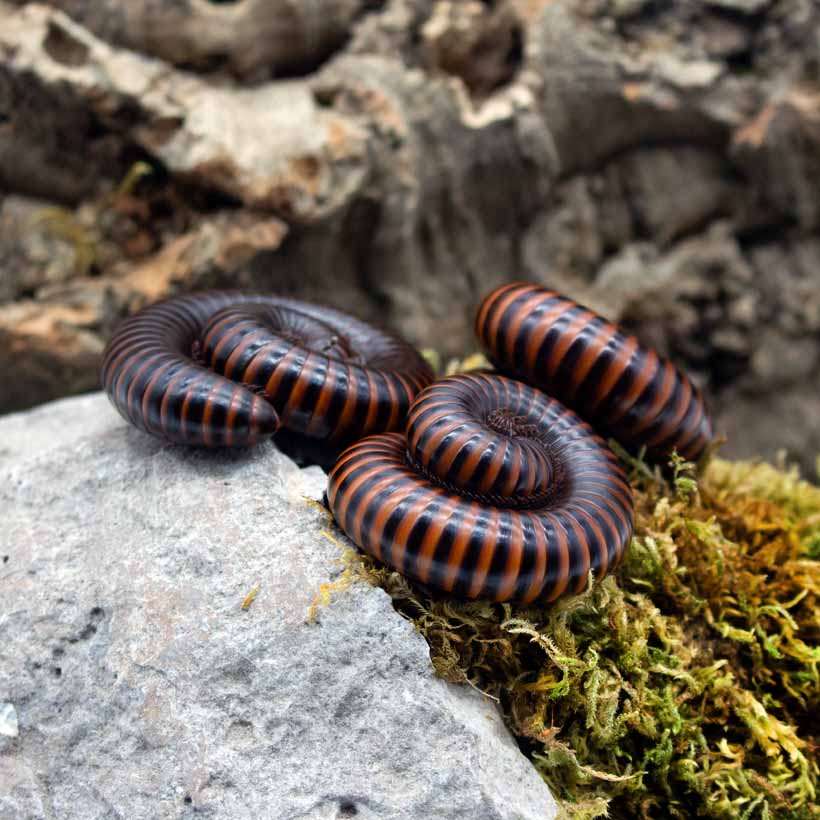
They move slowly and curl up when in danger to protect their soft body parts. Their defense mechanisms consist mainly of the secretion of irritating but generally harmless secretions.
Centipedes (Chilopoda)
Centipedes (Chilopoda), on the other hand, are aggressive hunters that hunt prey with their powerful jaw claws (forcipules).
Centipedes have venom glands with which they can paralyze their prey. While most centipede species are not dangerous to humans, larger species can cause painful bites that can lead to stronger reactions in sensitive individuals.
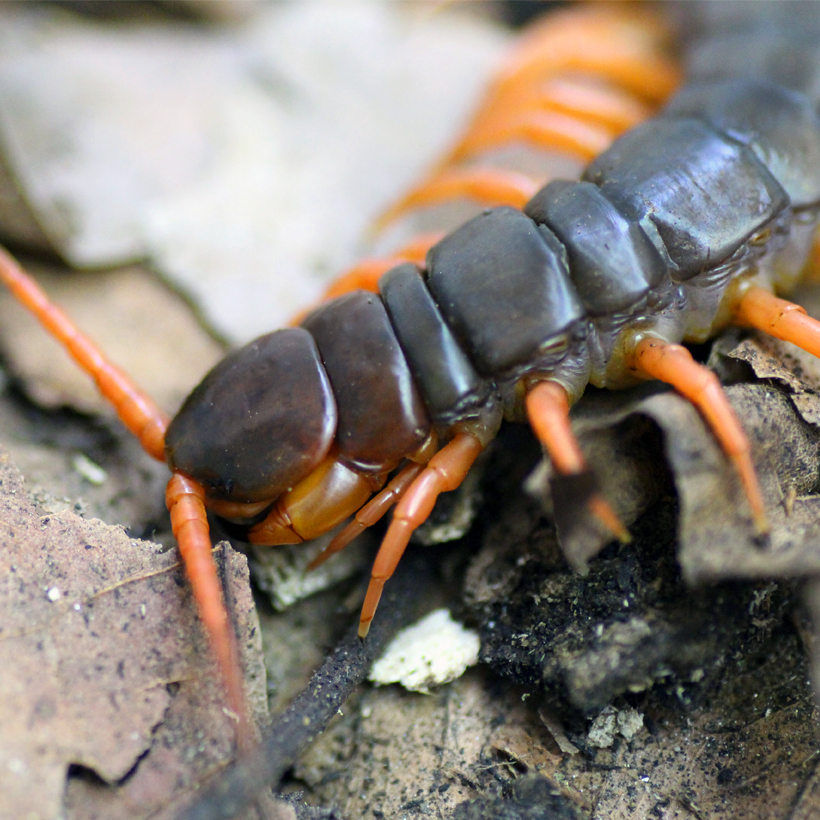
It is important to emphasize that millipedes and centipedes should not be confused with each other, as they have different behaviors, lifestyles and potential dangers. So when you read that “millipedes are said to be poisonous”, it is crucial to ensure that centipedes are not inadvertently referred to. Both species have their own peculiarities that should be considered in separate contexts.
The incredible diversity of millipedes
Millipedes are an extremely diverse group of animals with more than 13,000 known species worldwide. These mostly nocturnal creatures feed mainly on decaying plant material and play an important role in the ecosystem by decomposing organic material and fertilizing the soil. Despite their often bizarre appearance and the diversity of species, most millipedes have one thing in common: they are largely harmless to humans.
Toxicity of millipedes – A differentiated view
When it comes to the question “Are millipedes poisonous?”, the answer is clear: millipedes are generally harmless and have no poison glands that could be dangerous to humans.
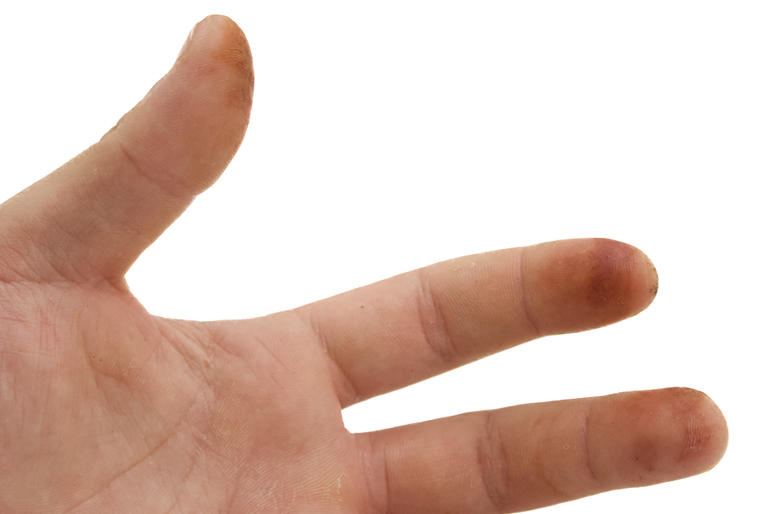
However, some millipede species have so-called defensive secretions, special chemical substances that they secrete when in danger to deter predators. These secretions often contain chemical compounds that can cause irritation on contact with human skin. The most common symptoms include slight reddening of the skin, itching or a burning sensation. Such reactions are usually mild and subside quickly if the affected skin area is washed thoroughly.
The harmless representatives – peaceful herbivores
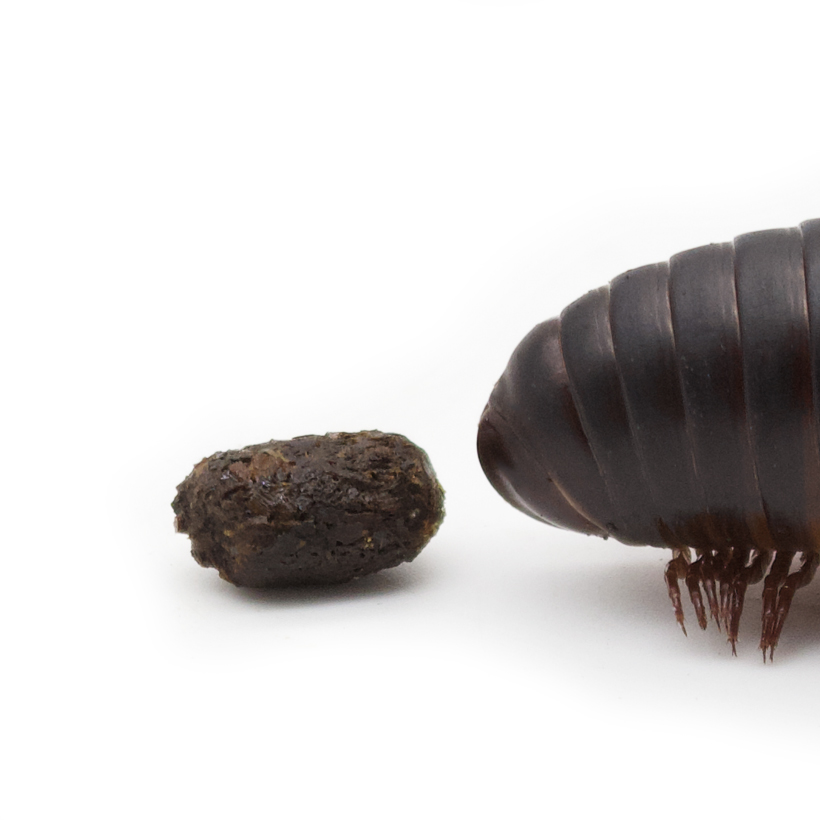
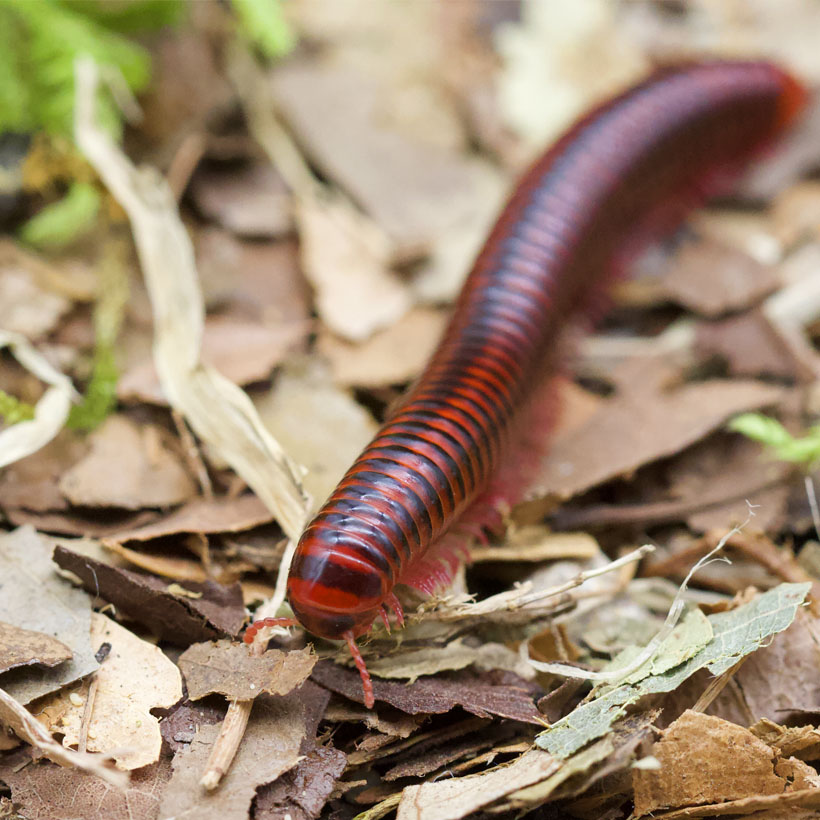
Many of the millipede species kept in terrariums, such as the African giant millipede (Archispirostreptus gigas), are completely harmless. These impressive animals can reach a length of up to 30 centimetres, feed exclusively on plant material and are completely harmless to humans. Their peaceful nature makes them popular terrarium inhabitants that are also easy to keep. However, you should be aware that Archispirostreptus gigas tends to defecate when it feels disturbed. This is a natural reaction of the animal and poses no danger, but can be taken into account when caring for it.
Millipedes with defensive secretions – What you should know
A few species of millipedes, such as certain representatives of the order Polydesmida, can secrete irritating chemicals when threatened. These defense substances, which also include hydrocyanic acid compounds or benzoquinones, are not life-threatening but can cause skin irritation in sensitive individuals.
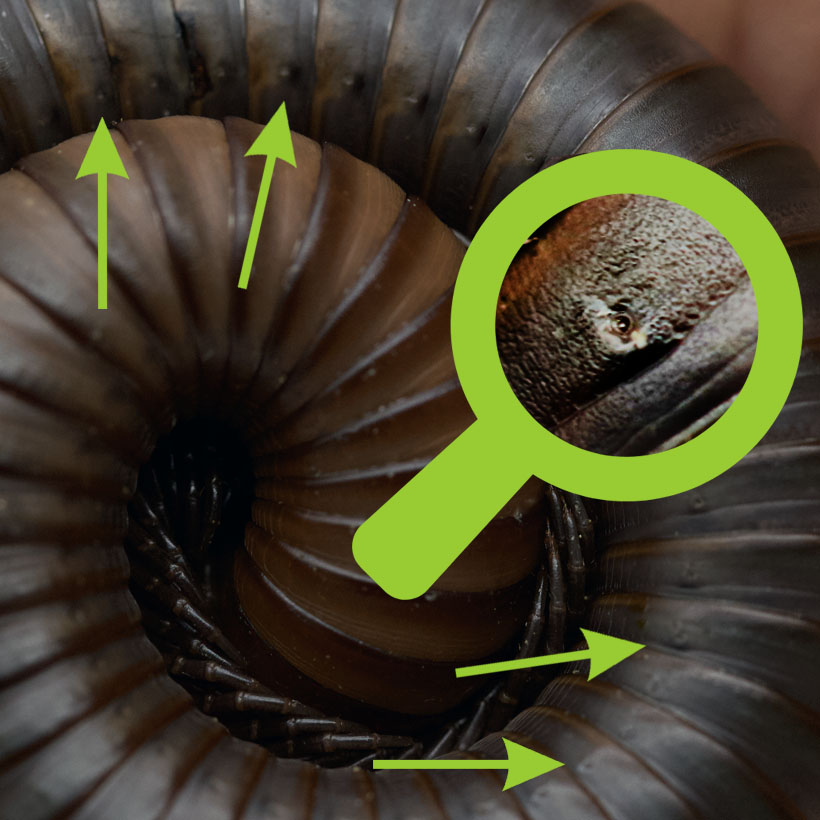
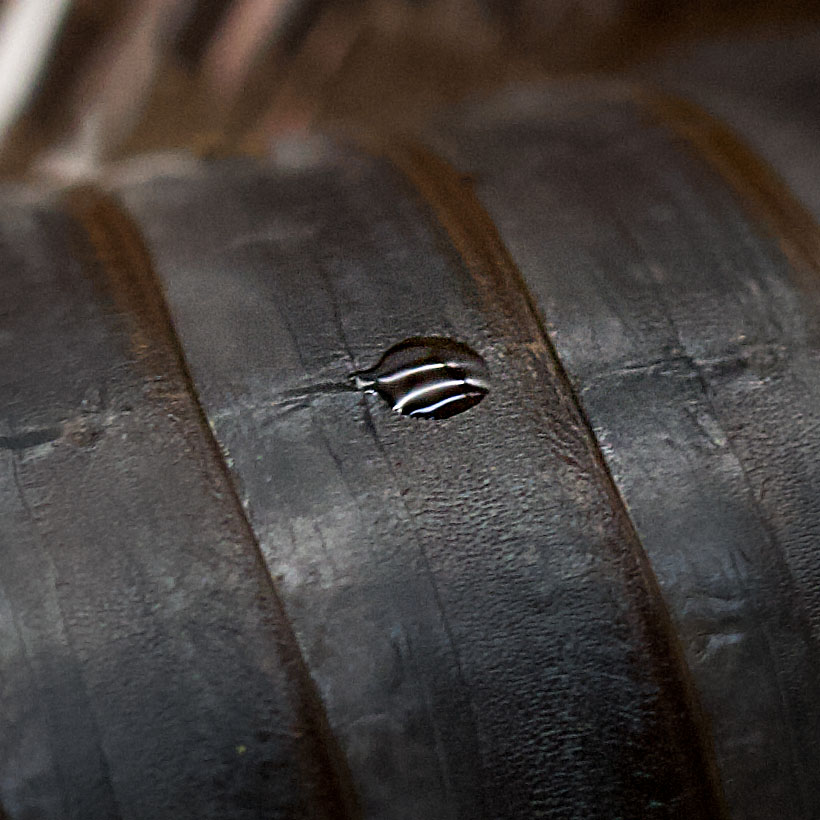
In the photos below you can see the glands located along the body of these millipedes. Of particular interest is the photo where you can clearly see the defensive secretion coming out of one of these glands. This visual representation makes it clear how the millipede’s defense mechanism works and why it is important to be careful when handling these animals.
If you come into contact with the defensive secretions of a millipede, it is advisable to wash the affected area of skin thoroughly with soap and water immediately. It is also advisable to avoid contact with mucous membranes such as the eyes or mouth to prevent irritation. If you have sensitive skin, gloves can offer additional protection when handling these animals.
Behavior on contact with defense secretions
If, despite taking precautions, you come into contact with the defensive secretions of a millipede and experience unusual symptoms, it is advisable to consult a doctor. This is especially true if the symptoms do not subside or worsen within a short time. In most cases, however, a thorough cleansing of the skin is sufficient and the symptoms will disappear on their own.
It is important to remember that millipedes are not aggressive and only use their defensive secretions when they feel threatened. Careful handling of the animals can minimize the risk of unpleasant contact.
Conclusion: Are millipedes poisonous?
In summary, the answer to the question “Are millipedes poisonous?” is predominantly no. Most millipedes are harmless to humans and pose no danger. Only a few species have defensive secretions that can cause slight irritation on contact with the skin. However, these reactions are rarely serious and can be easily treated with simple measures.
For terrarium keepers and nature lovers, there is therefore no need to worry. So, don’t panic if you come across a millipede – with the right knowledge and precautions, you can keep these fascinating animals in your terrarium without any worries.
If you have any further questions, please leave them in the comments below the article.
Leave a Reply
You must be logged in to post a comment.