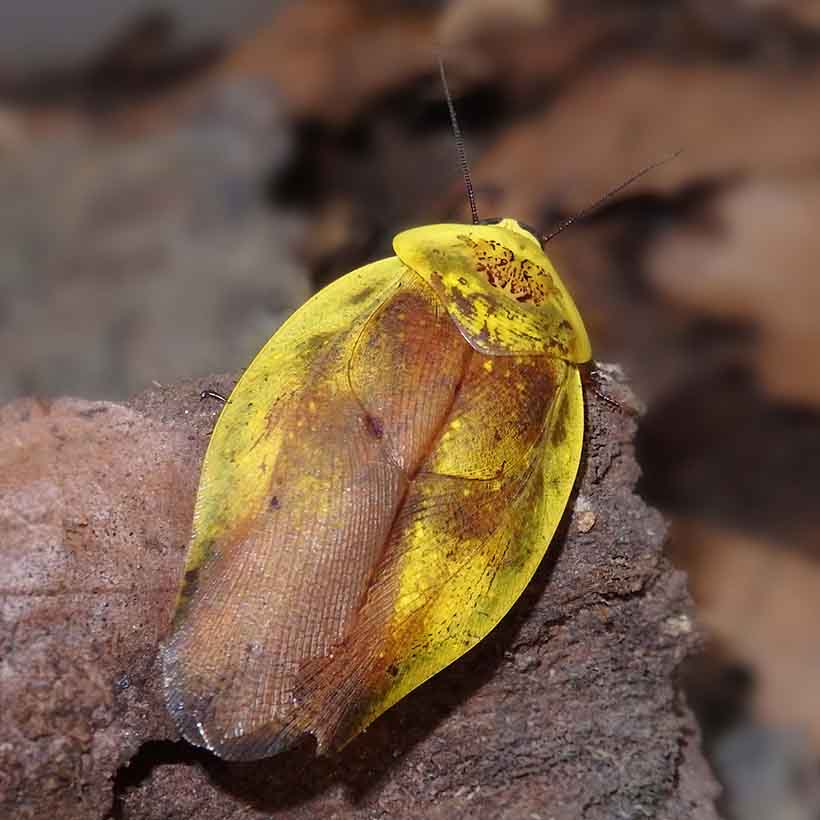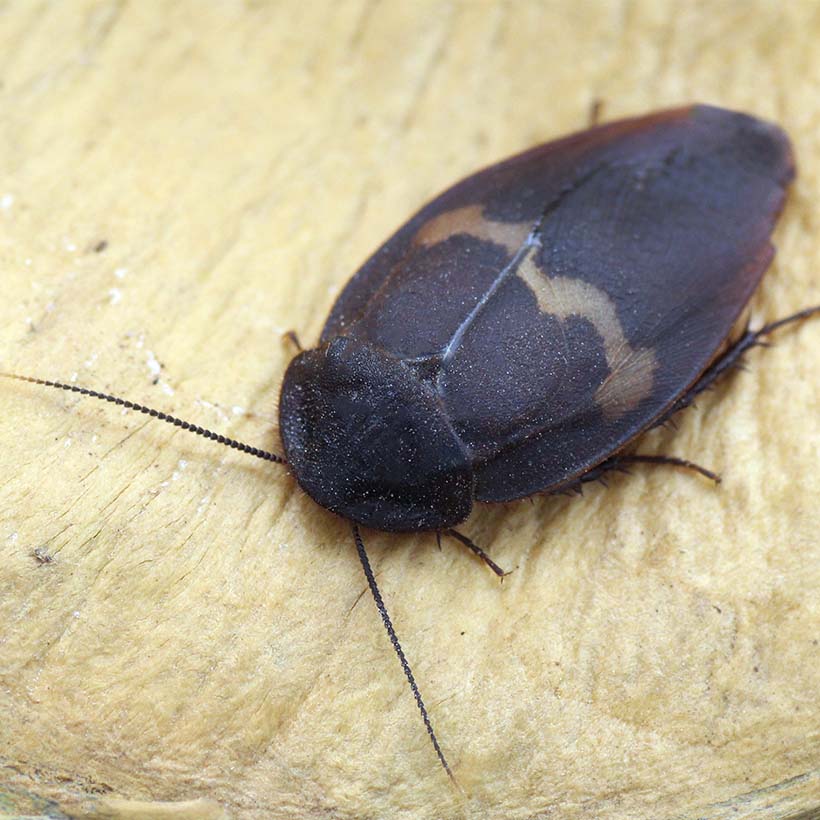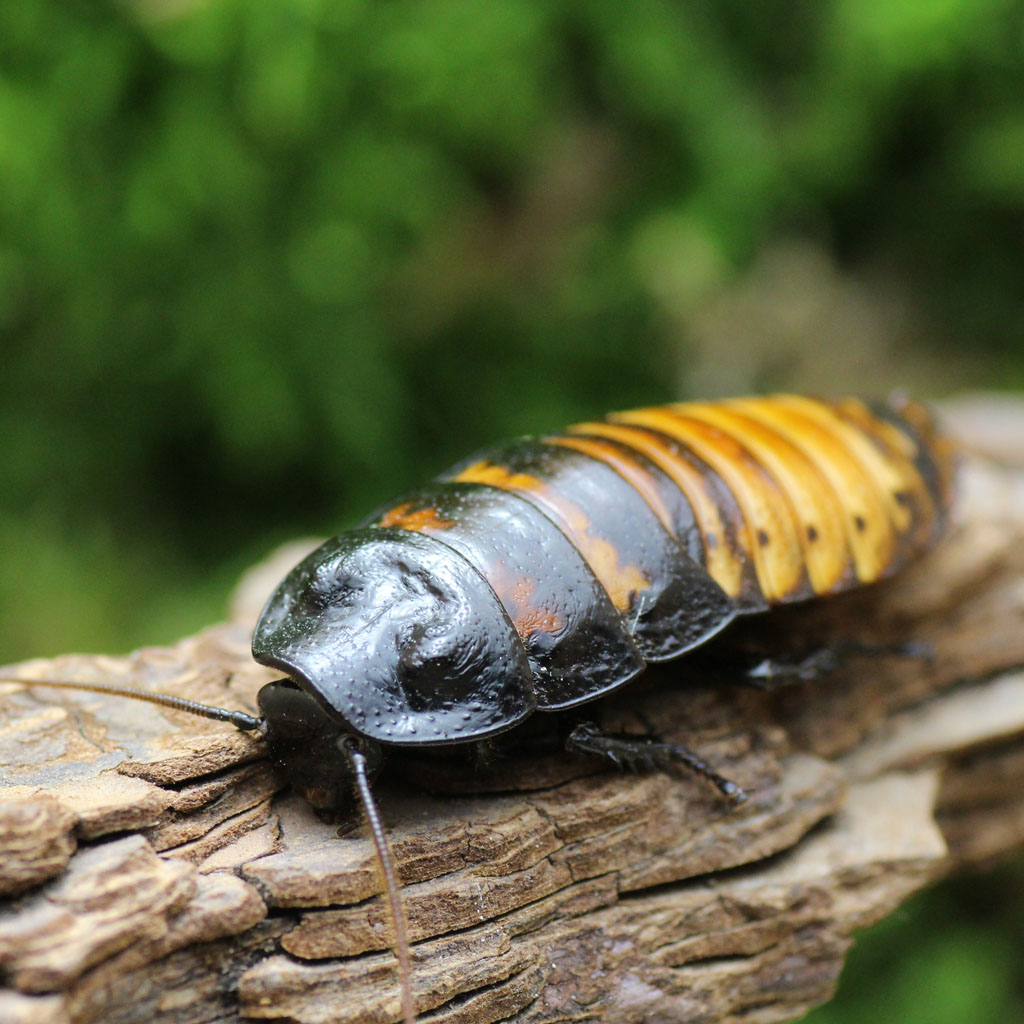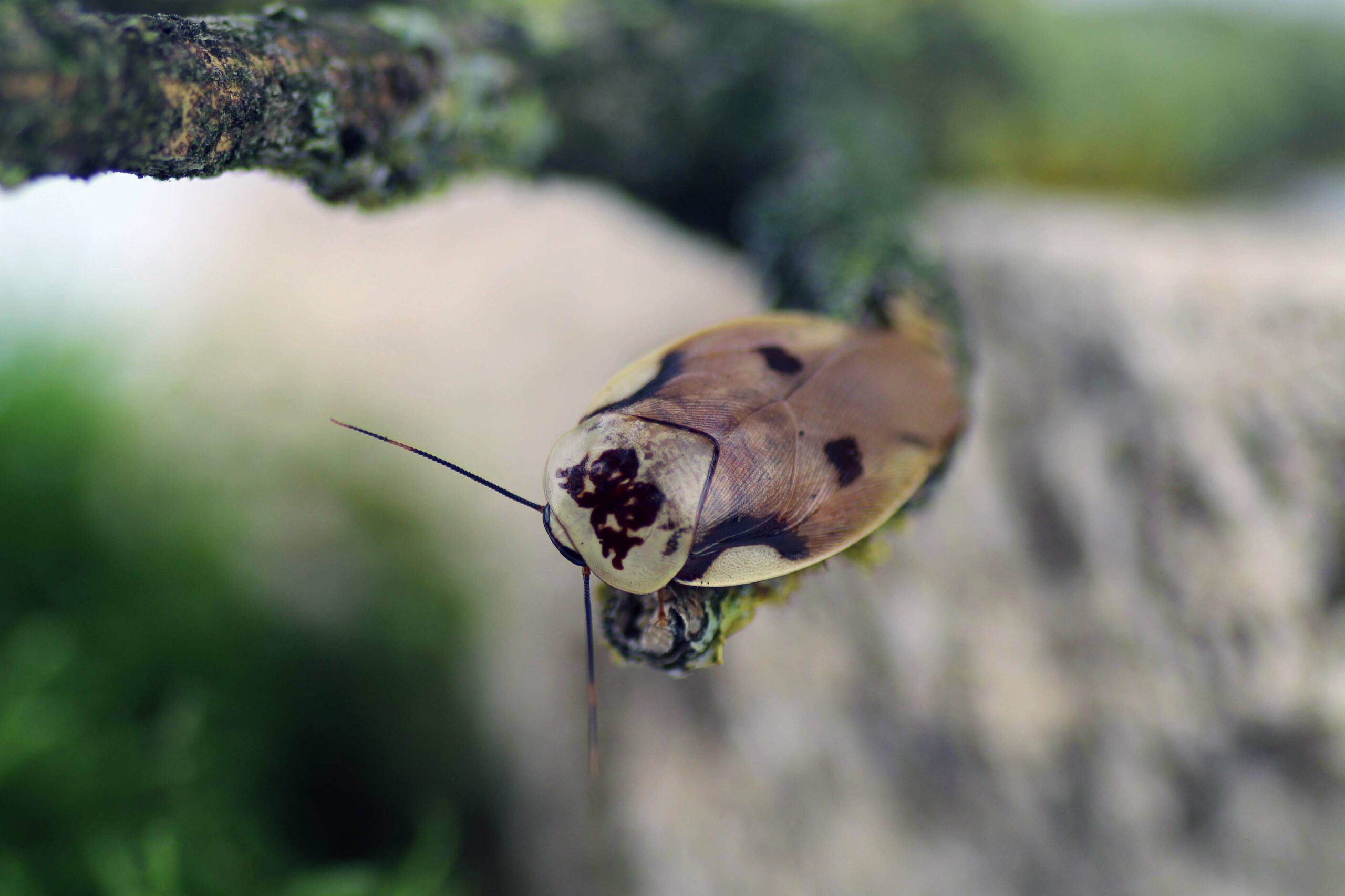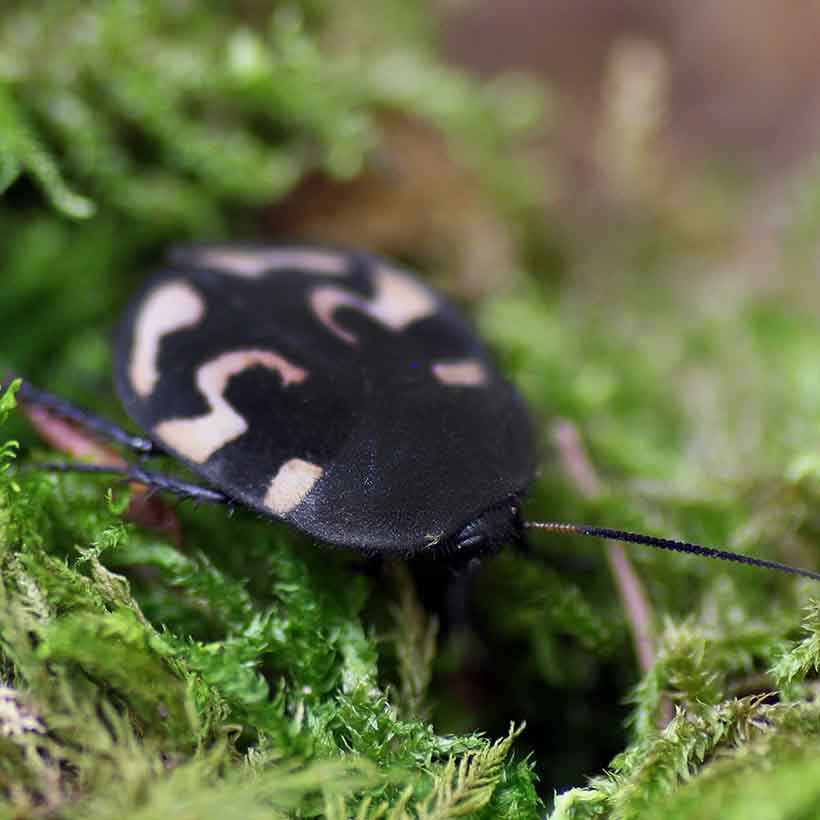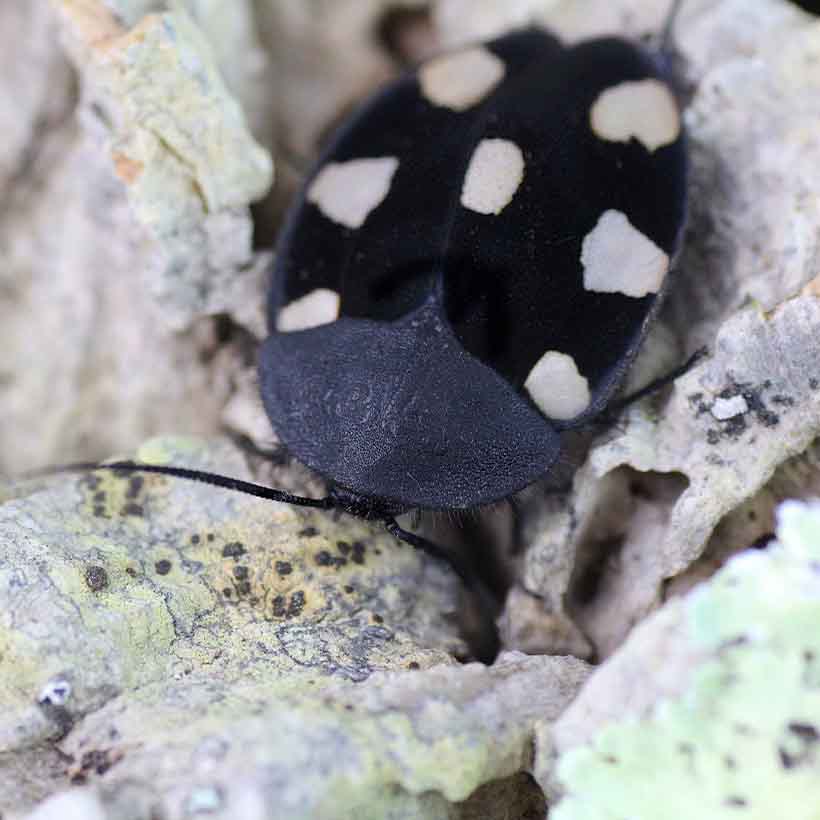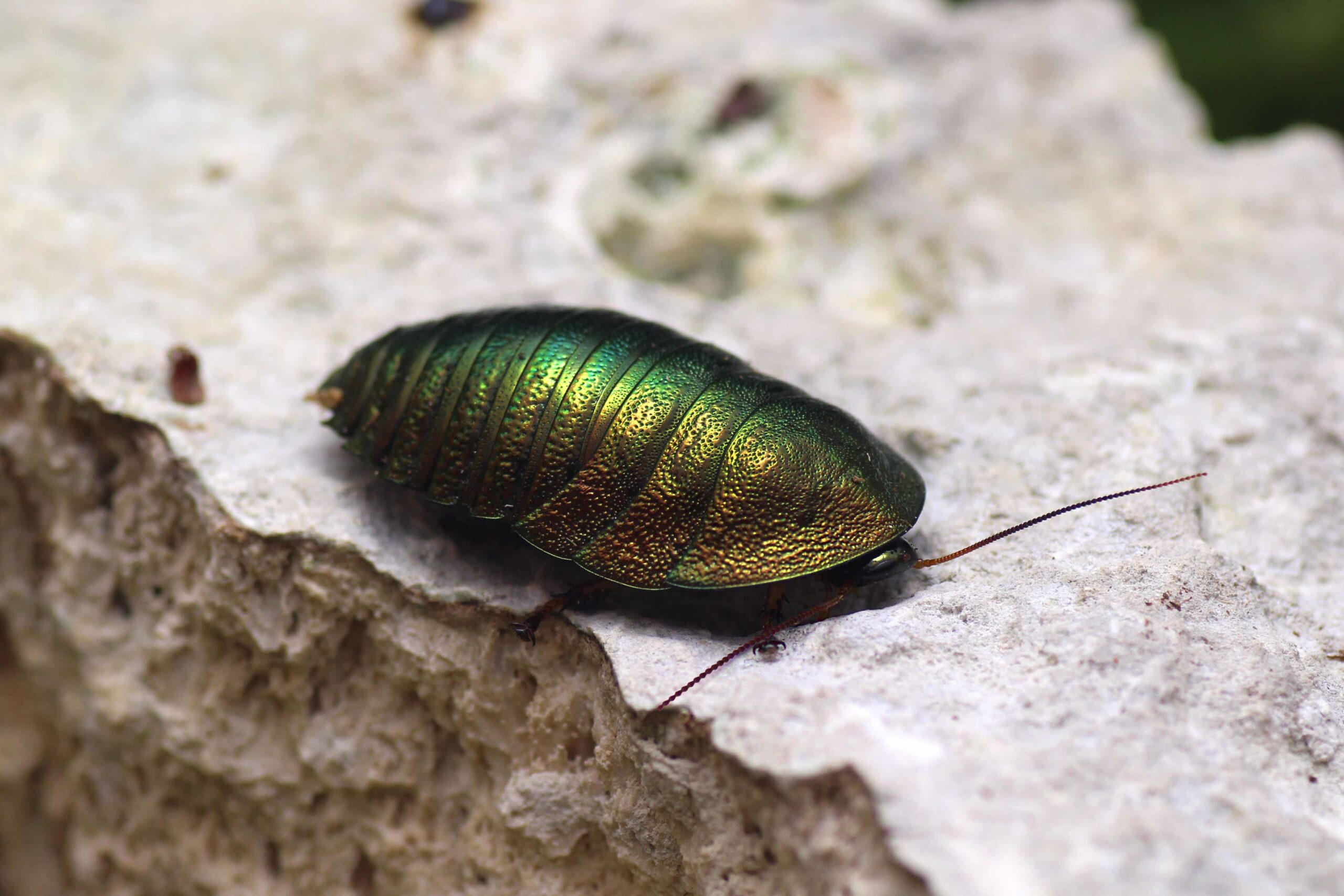


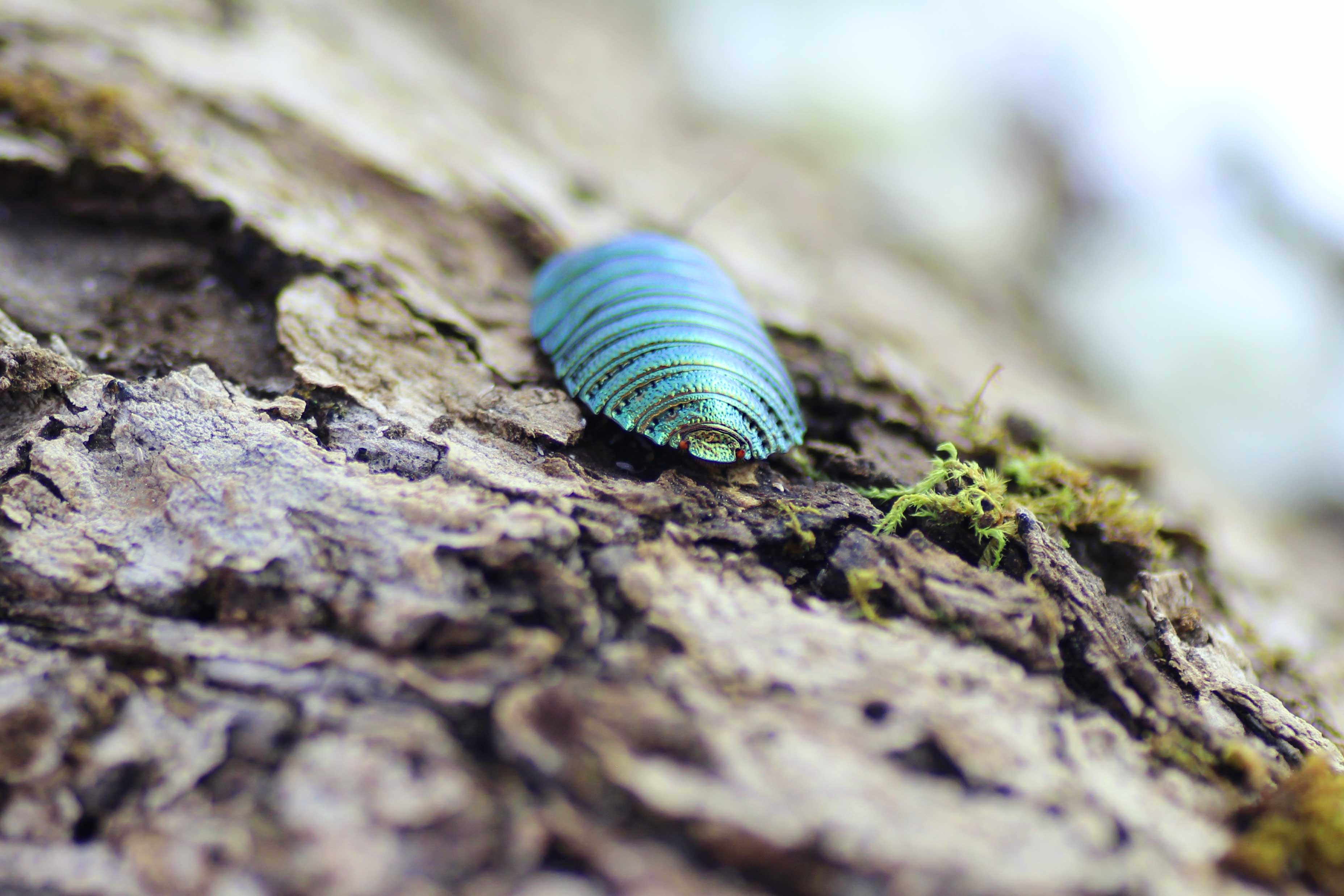
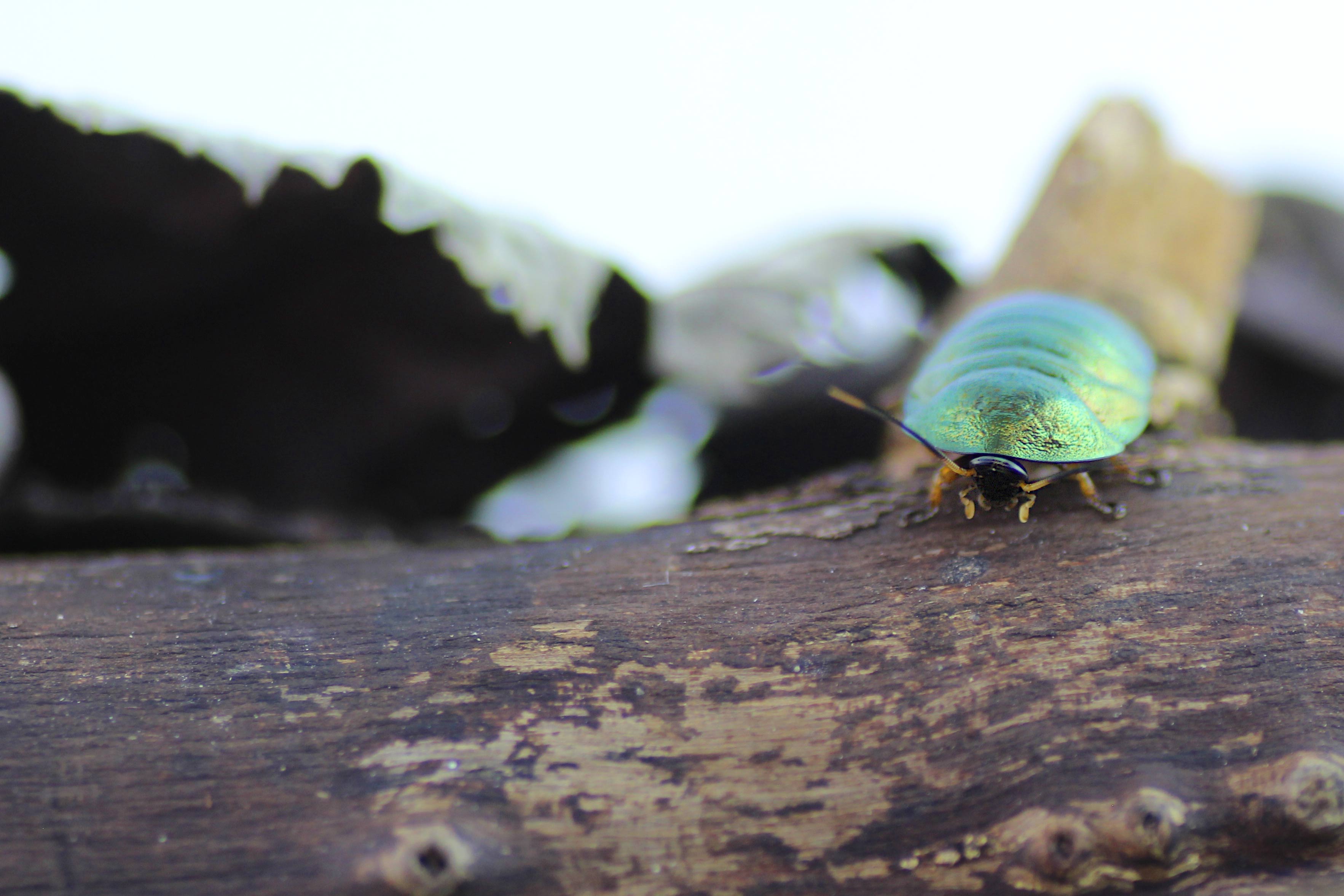
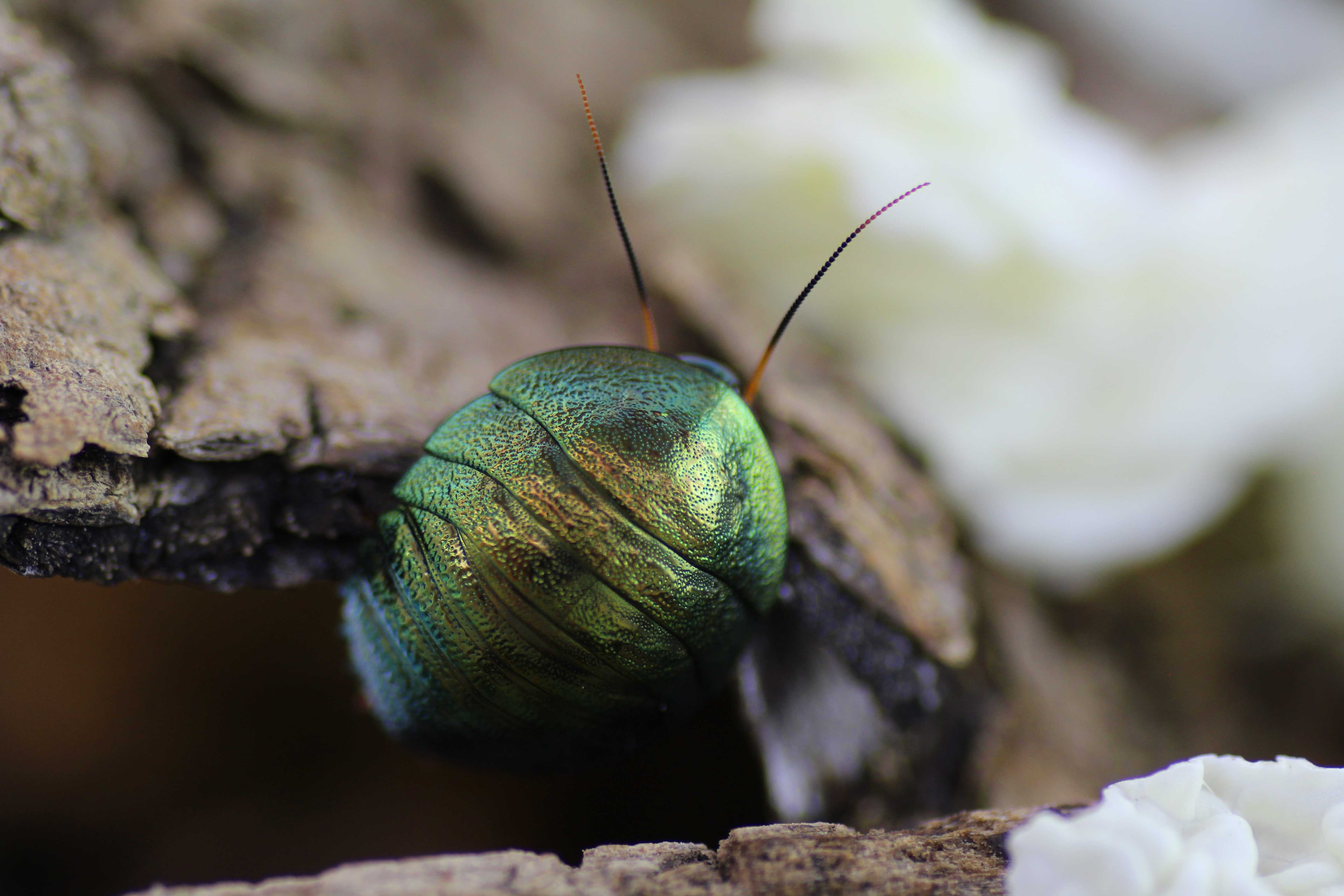
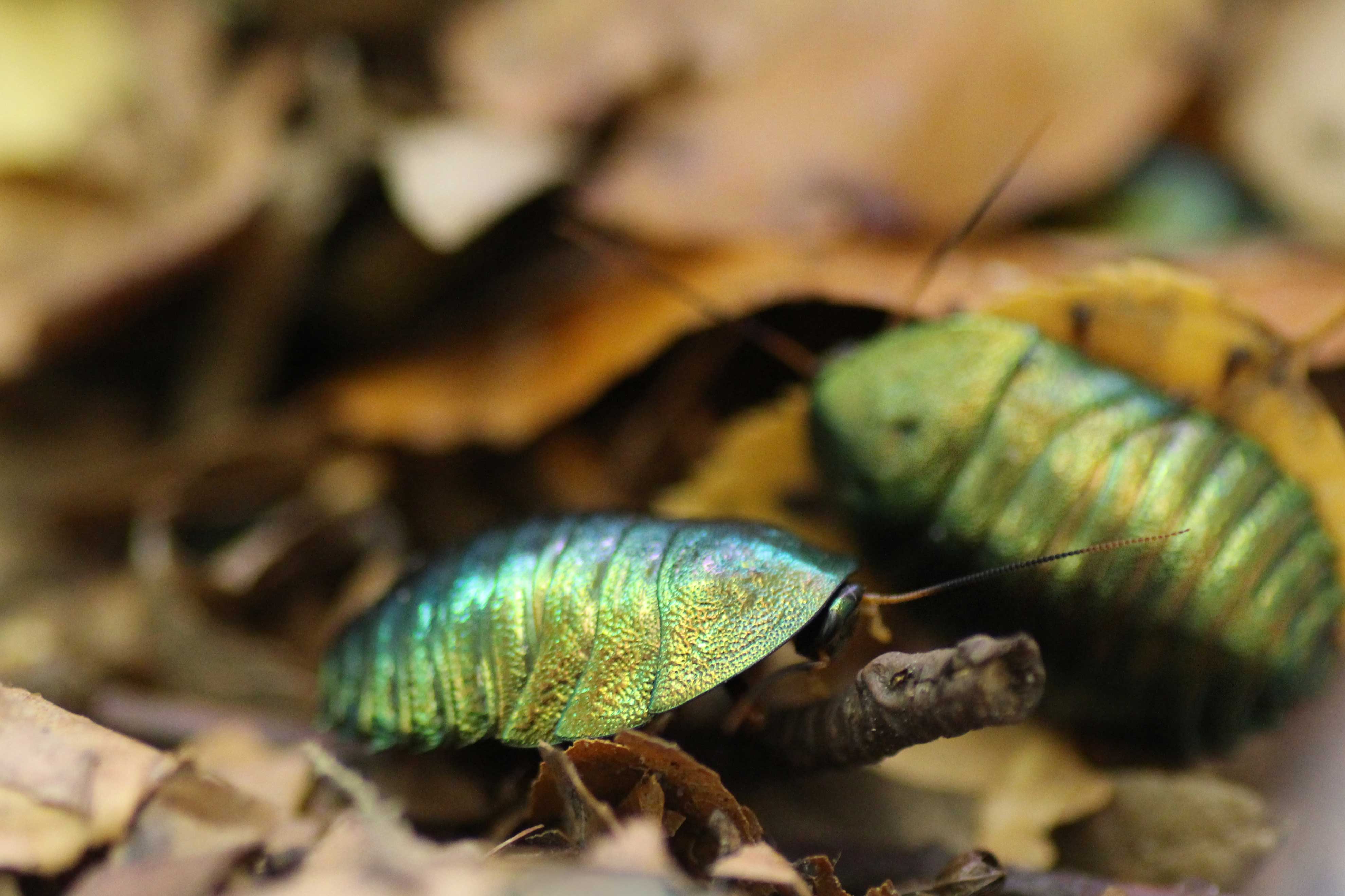
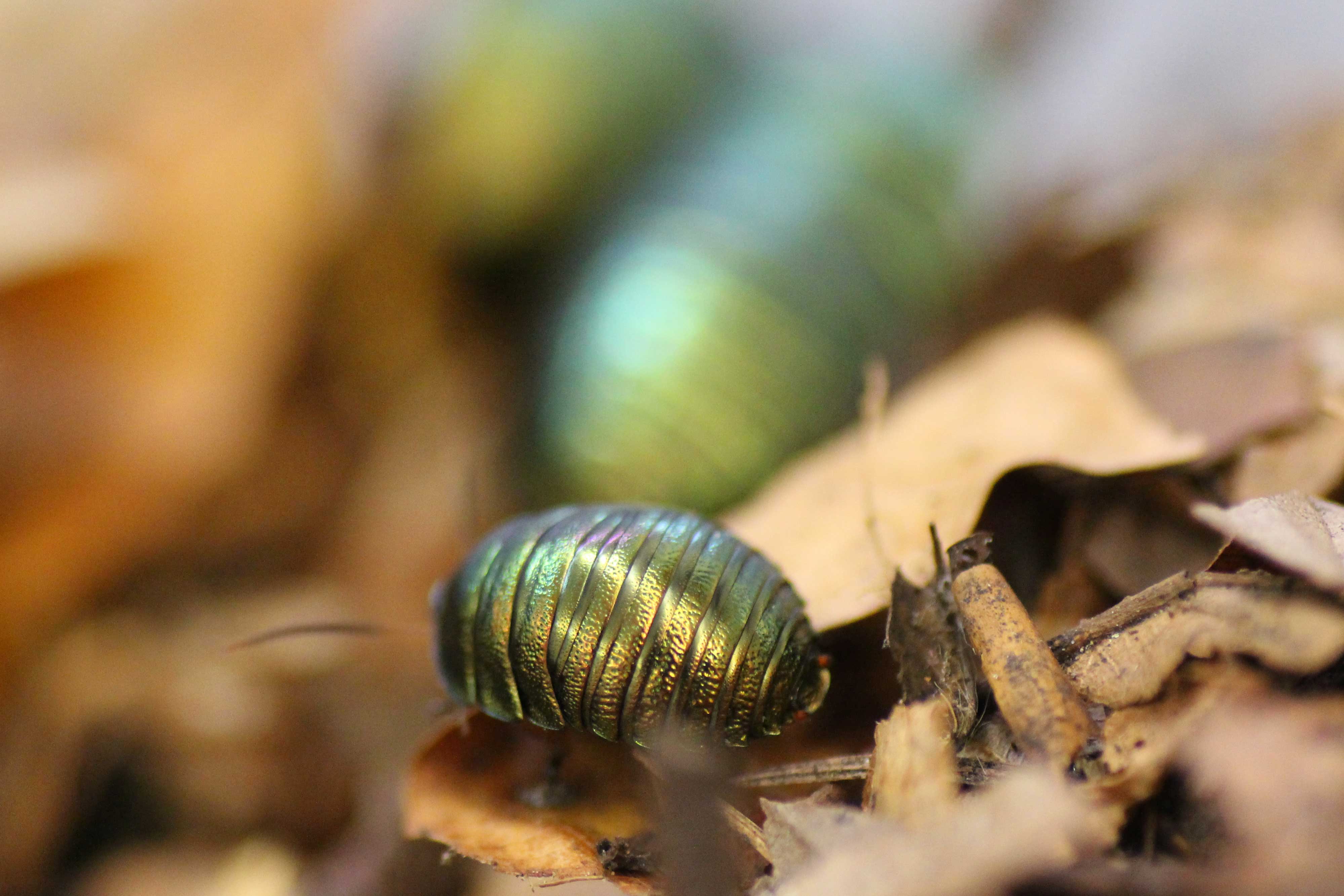
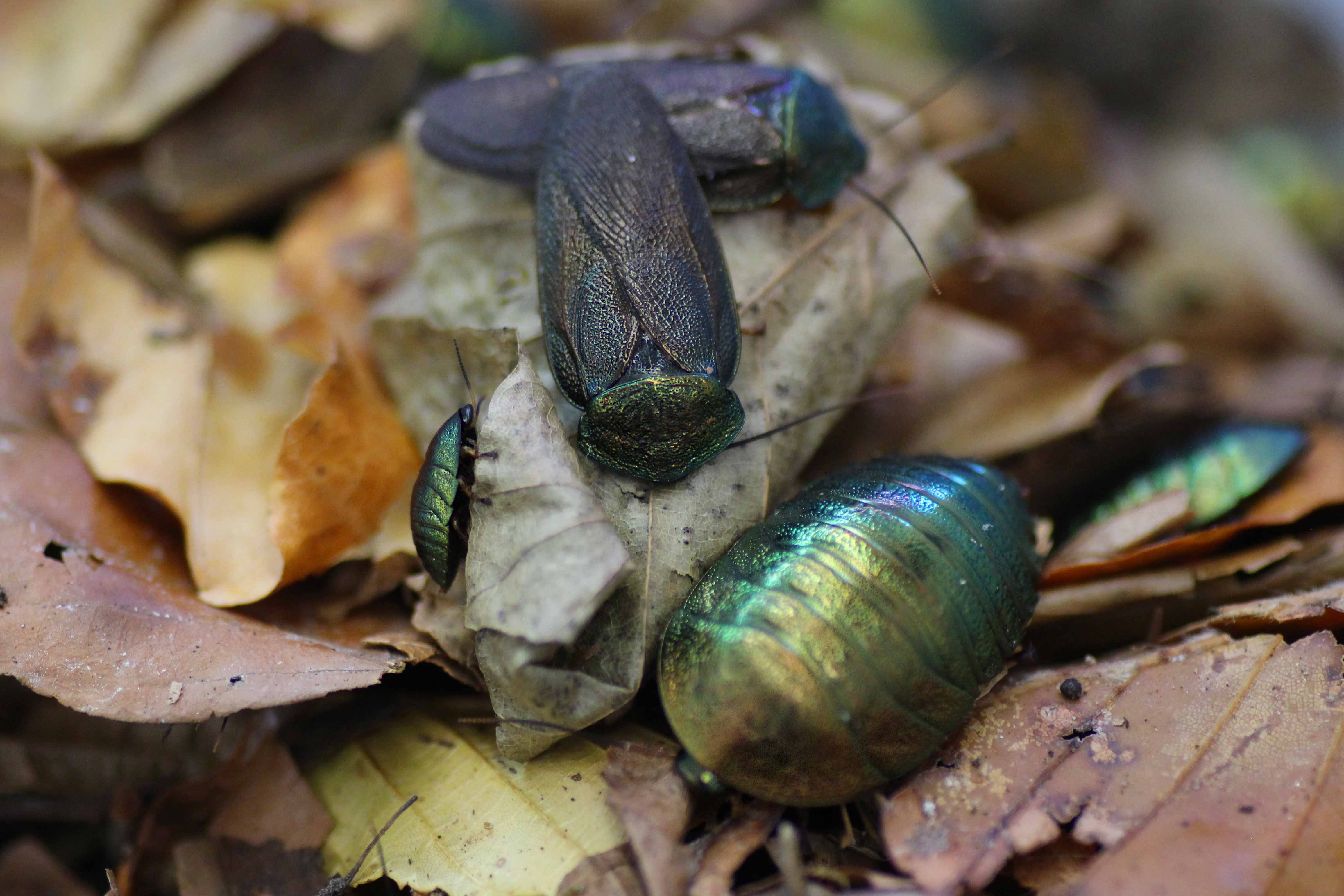
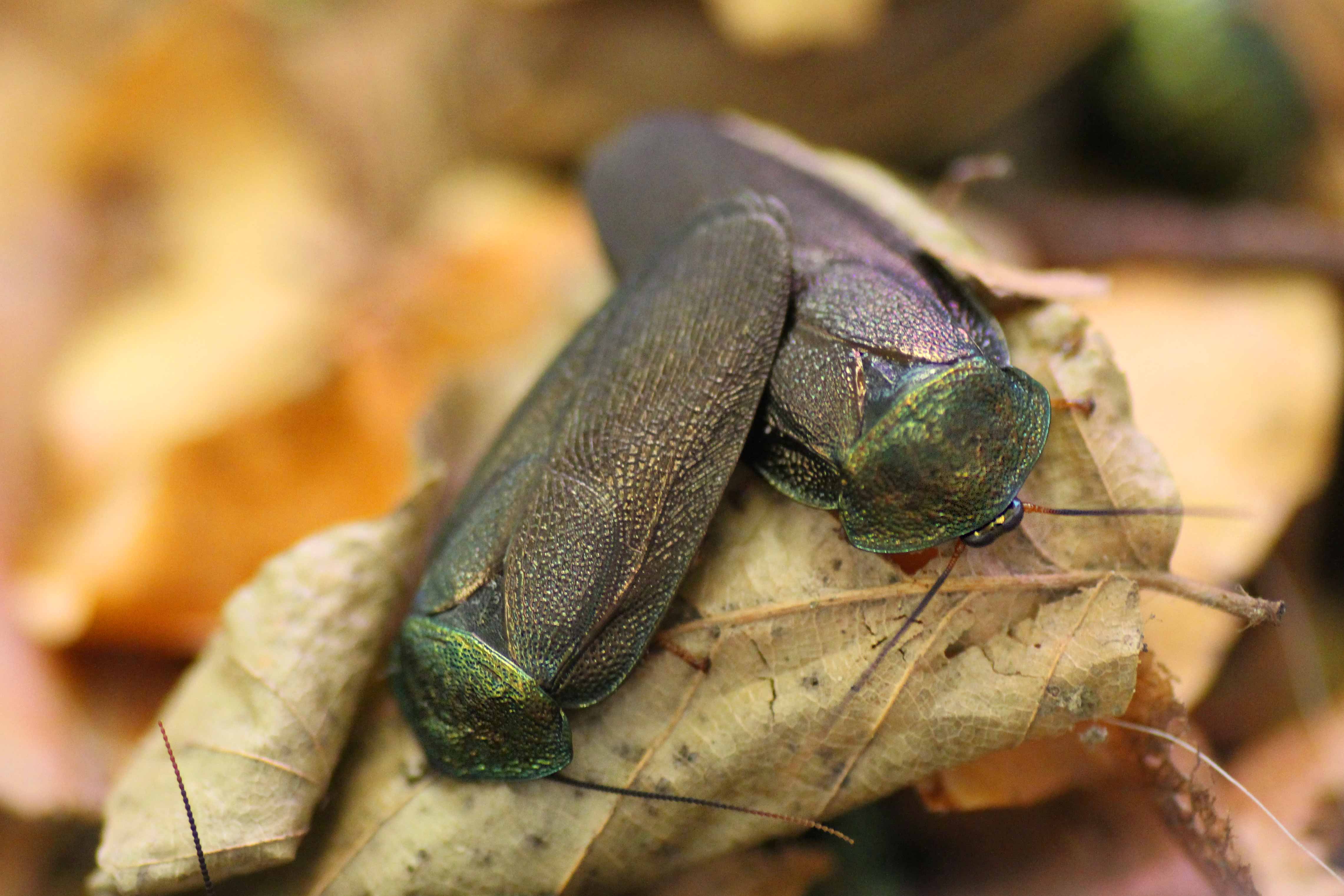
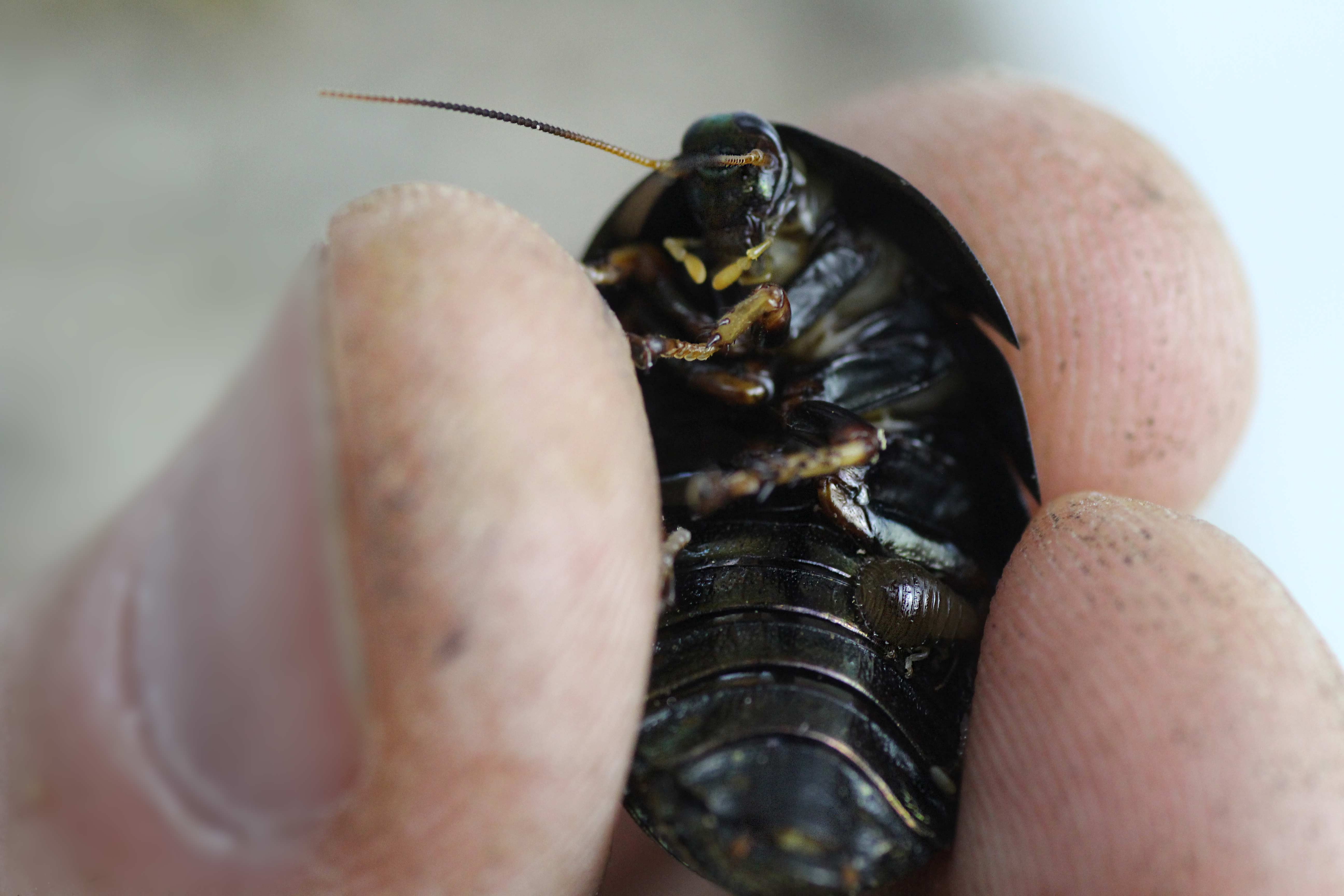
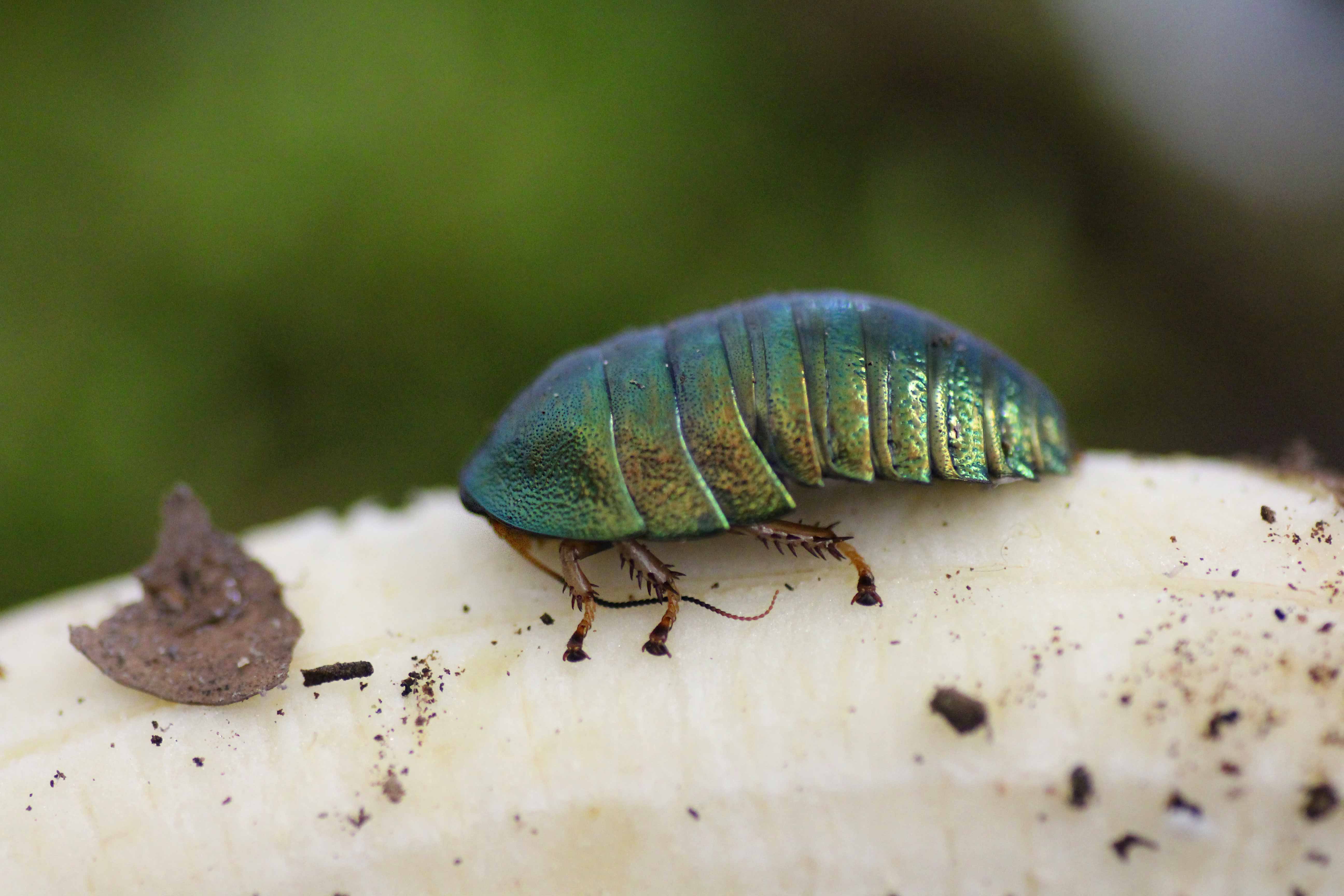
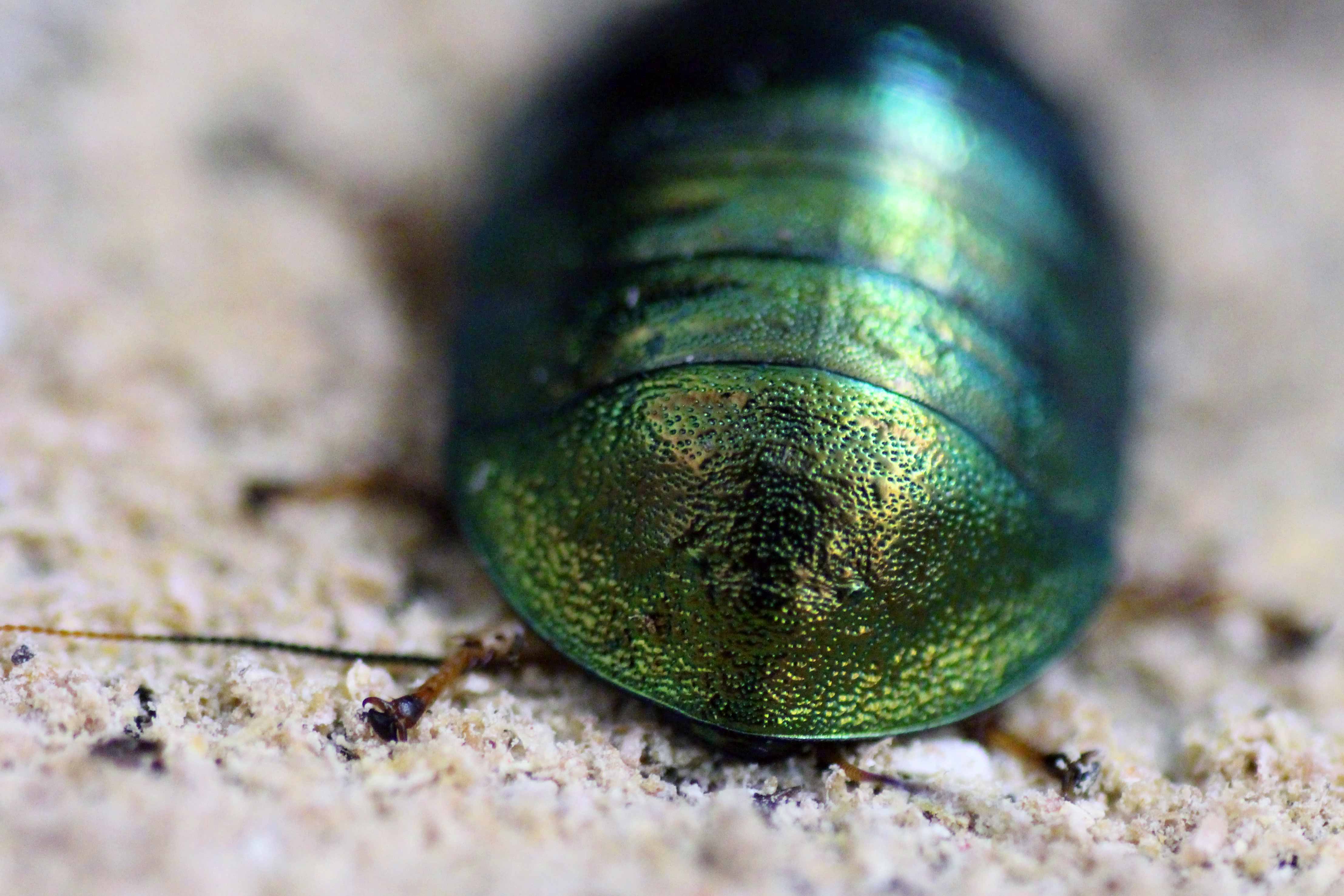
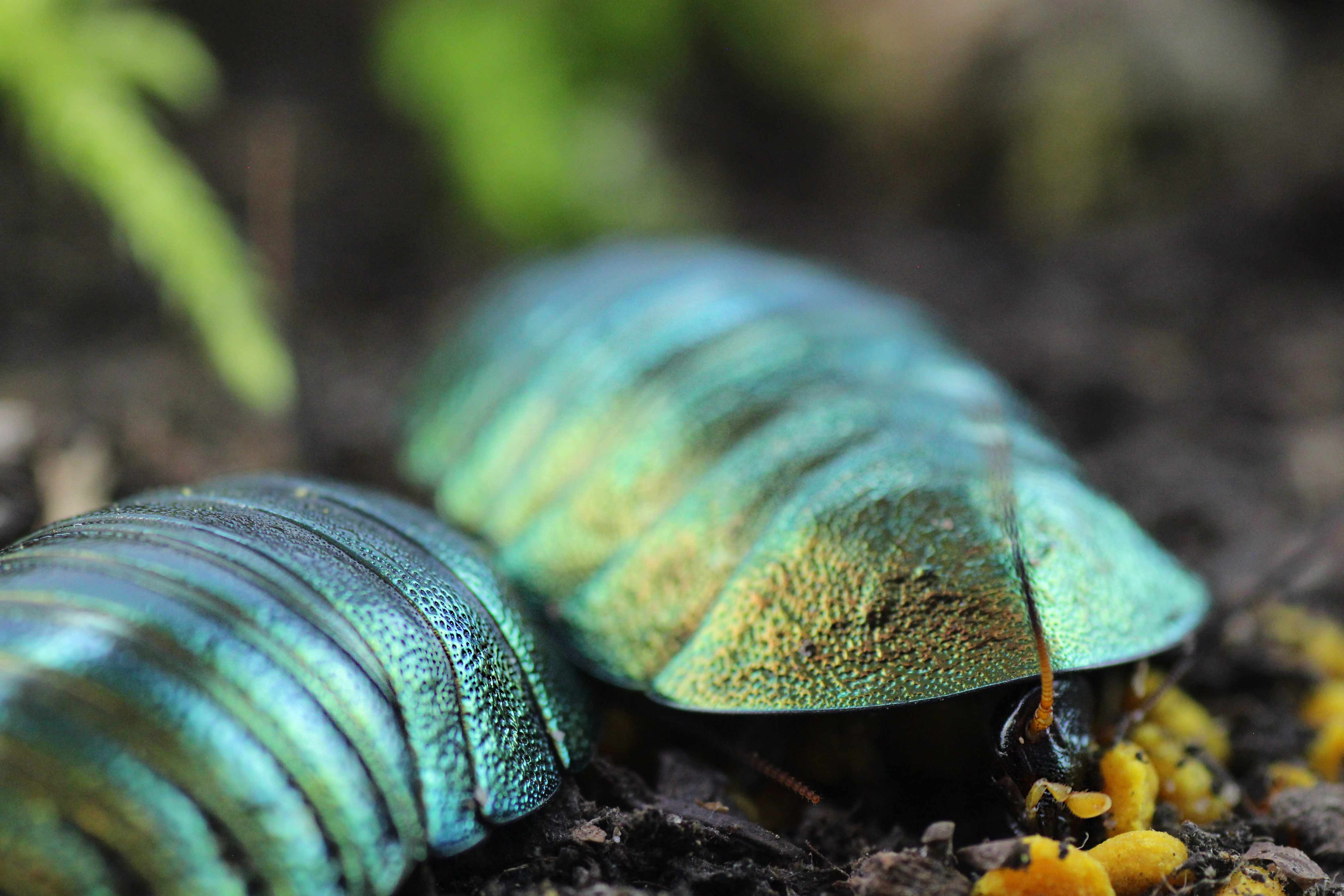
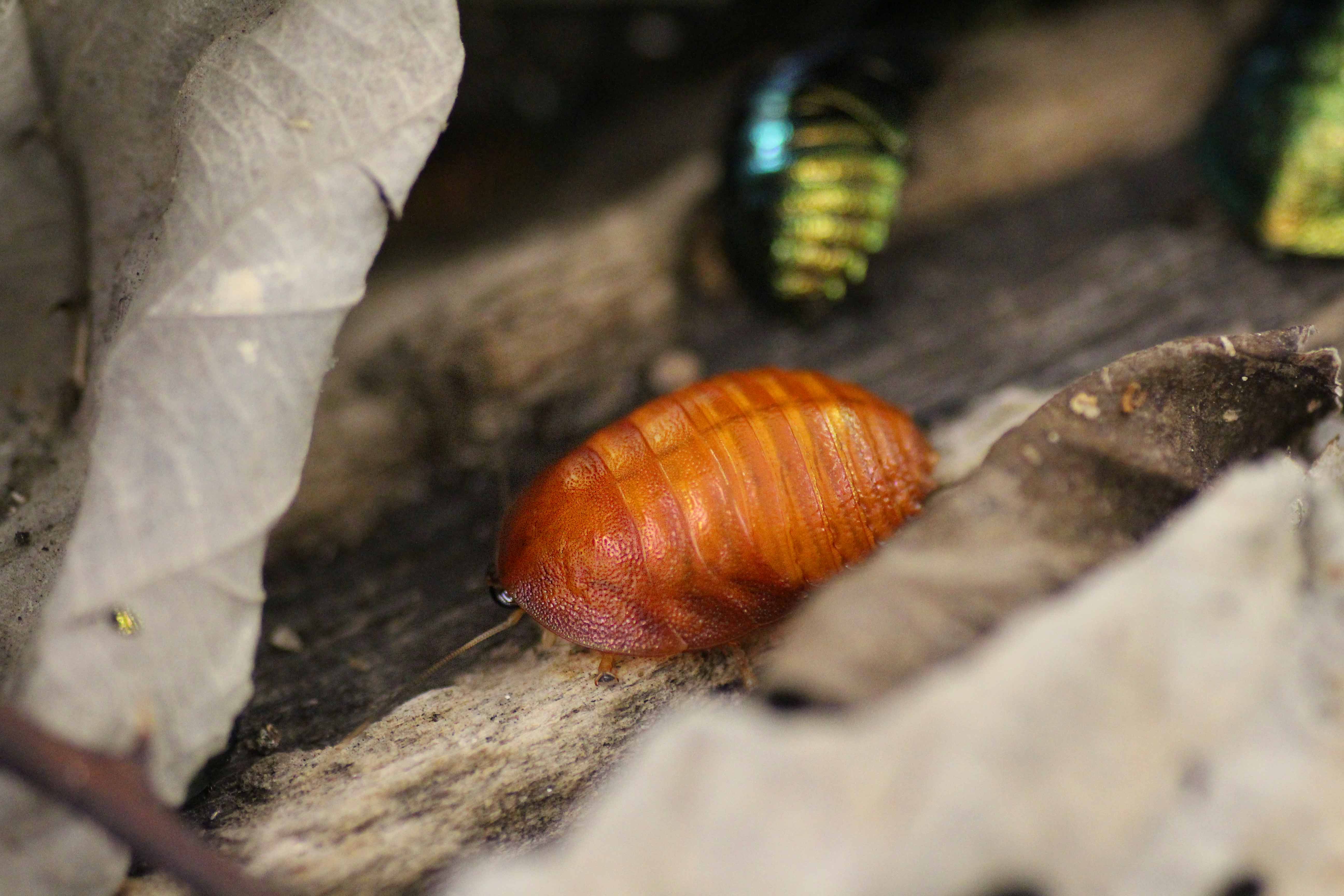
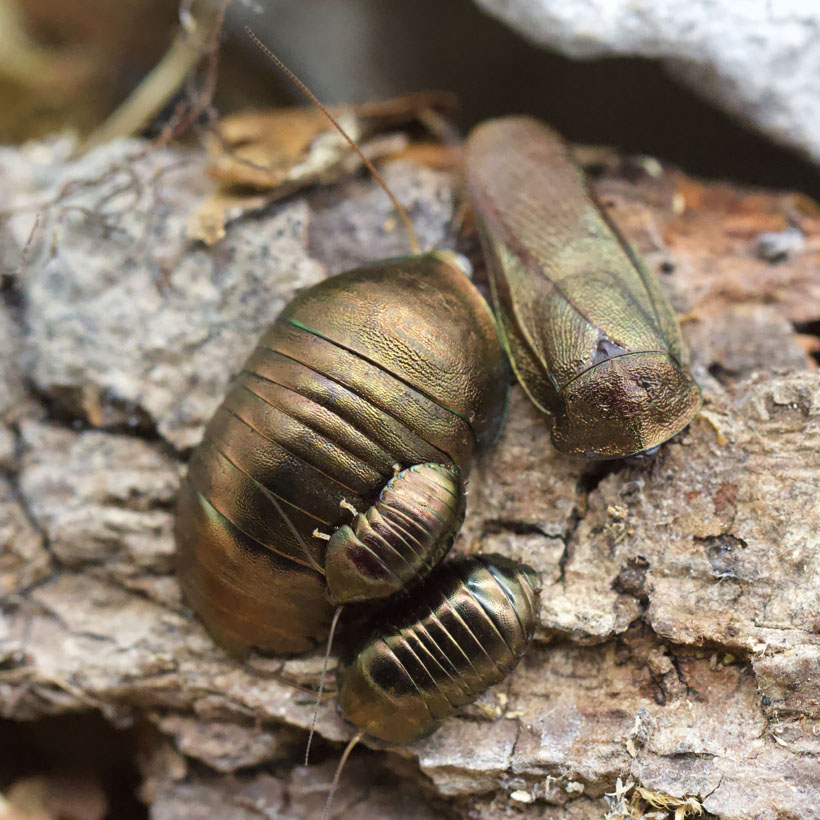
The emerald cockroach, Pseudoglomeris magnifica, has a metallic green sheen and is a fascinating creature to observe. It requires well-ventilated climbing surfaces, sheltered hiding places, and patience. It is not the right choice for a fast-growing feed insect farm.
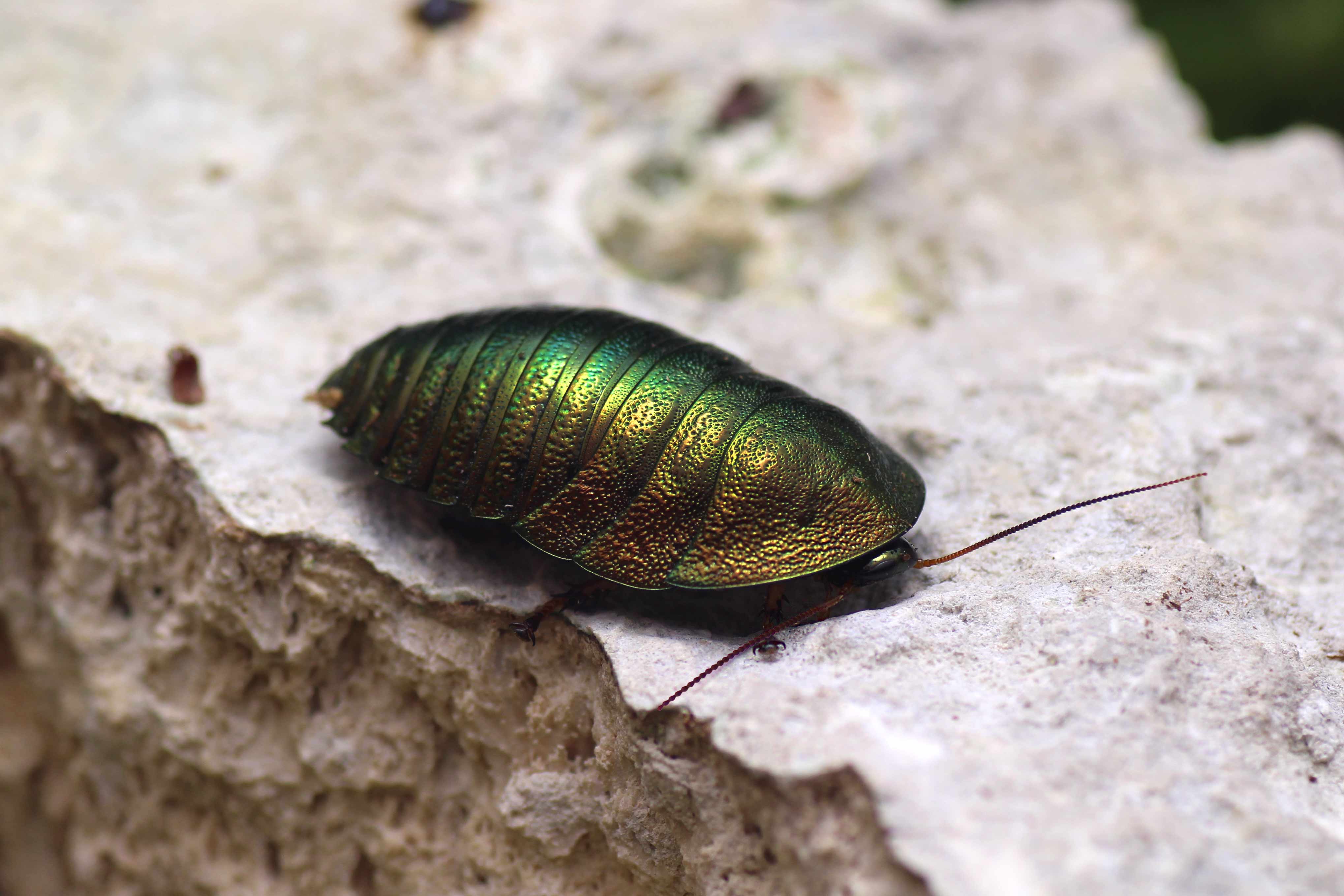
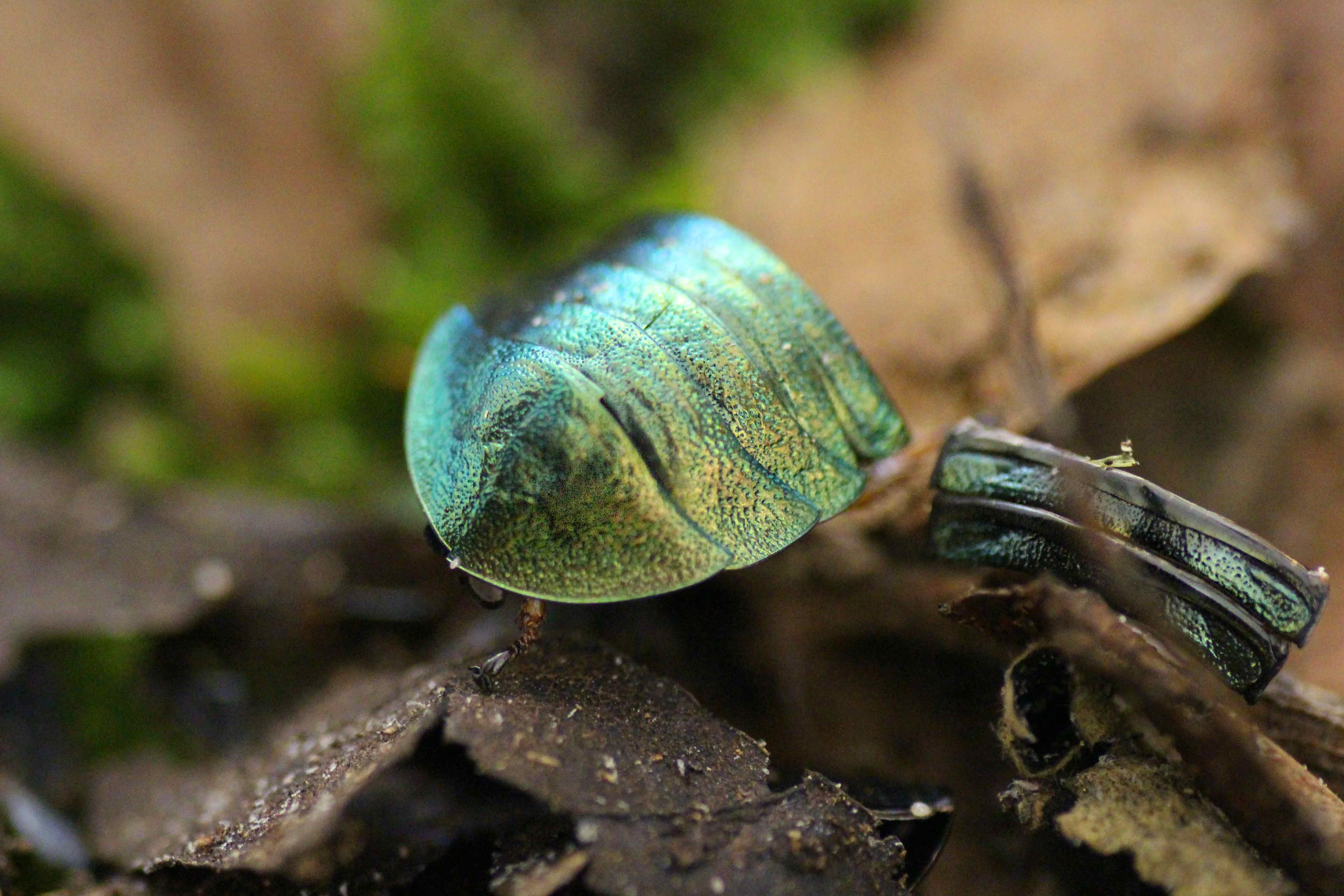
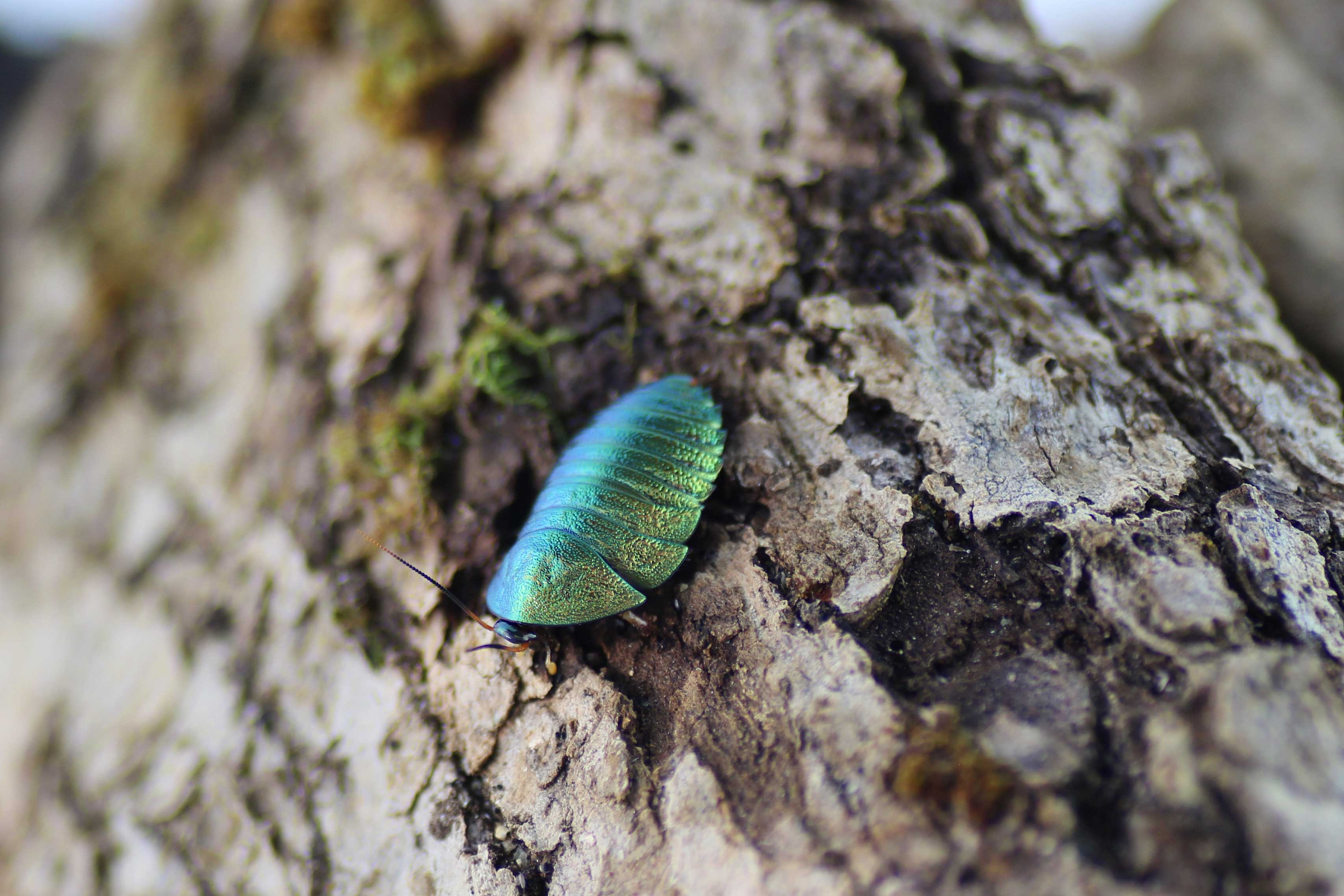
An Overview of the Emerald Cockroach
| Origin | China and Vietnam |
| Size | about 3 cm |
| Temperature | 23–28 °C as a guideline for keeping them |
| Terrarium | A tall, securely closed basin with bark and ventilation openings |
| Food | Small portions of fruit, appropriate supplements, and plant material |
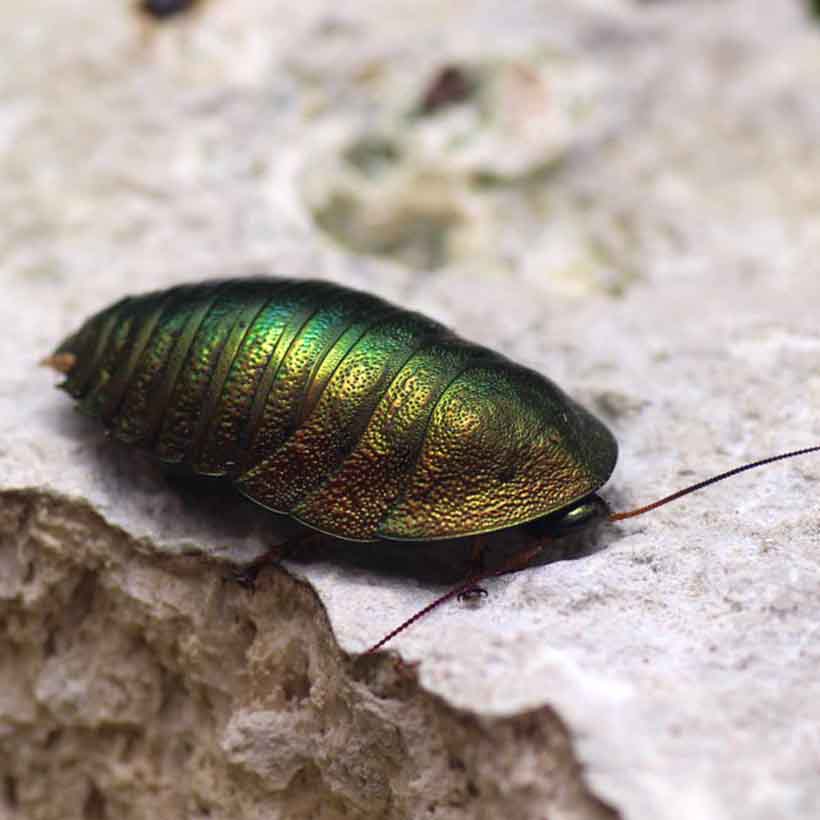
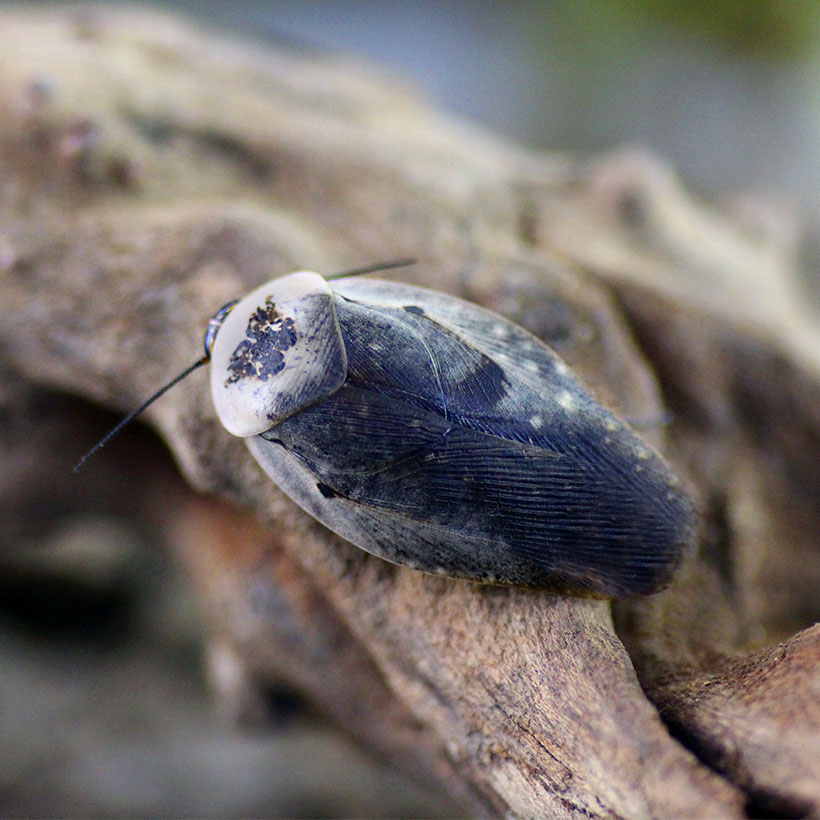
Pseudoglomeris magnifica “Emerald cockroach”
Pseudoglomeris magnifica “Emerald Cockroach” – The emerald-green eye-catcher in the terrarium Pseudoglomeris magnifica, the “emerald cockroach, ” is one of the most beautiful cockroach species in existence. Its metallic, glossy…
In stock
Terrarium for Emerald Cockroaches
Set up the terrarium with vertical pieces of cork or bark. This creates narrow crevices that serve as hiding spots. For a small group, a tank measuring about 20 × 20 × 25 cm is a good starting point; as the population grows, you’ll need more space. A shallow woodlouse box isn’t well-suited for this climbing species.
Make sure the ventilation openings are small enough to prevent young animals from escaping, and close the lid securely. Adult males have wings, so don’t assume that the animals won’t be able to leave an open box. When opening the box, keep an eye on the top edge.
Climate and Substrate
A slightly damp area under leaves or moss complements the drier climbing surfaces. You can prevent waterlogging and stuffy air by ensuring good ventilation. Measure the temperature where the animals spend their time, and never place the enclosure in direct sunlight. Additional heat is only necessary if your location is too cool.
Uncontaminated, moss-covered bark and leaves provide cover and activities. Remove moldy food scraps instead of relying on beneficial soil organisms. A small setup needs, above all, stable conditions and as little disturbance as possible.
What does the emerald cockroach eat?
Offer small pieces of ripe fruit and check daily to see what’s left. Beetle Jelly is a handy addition if you want to portion out fruit food neatly. Jelly is also monitored and does not replace regular care.

Beetle Jelly
Beetle Jelly – Fruity Energy for Your Terrarium Pets Many invertebrates enjoy eating fresh fruit. However, it dries out quickly, can develop mold, and often attracts fruit flies. That’s why…
A small portion of cockroach food can supplement their diet. Start with a small amount and adjust the quantity based on their consumption. Excess food does not improve their care and can promote the growth of mites or mold.
Offspring and Molting
Development is a slow process. Females give birth to live young; it’s impossible to guarantee specific dates or litter sizes for a single breeding attempt. Let a new group grow and stabilize before you give away any animals.
Animals that have just been skinned are soft and particularly delicate. Leave them in their hiding place and don’t touch them. A cockroach living in hiding isn’t necessarily sick. If you notice significant losses, first check for heat, humidity, food scraps, and any potential damage to the material.
Find more cockroaches
Here you’ll find a selection from our store. Compare the specific needs of each species with your existing terrarium.
-

Blaptica dubia “Argentine forest cockroach”
Price range: 3,99 € through 39,99 € incl. VAT, plus shipping
Still unsure? Feel free to ask us your question in the comments section below the article.