Nepenthes ampullaria “Red”
15,95 € incl. VAT, plus shipping
Out of stock

Indonesia

22°C – 30°C
Nepenthes ampullaria “Red” – Like little red rainforest cans
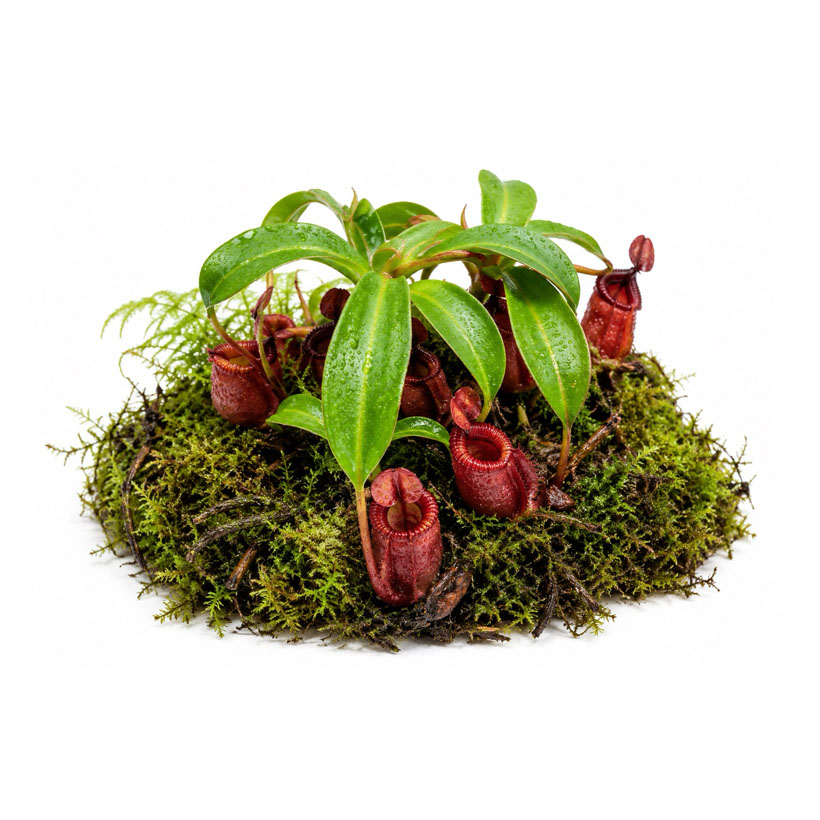
Nepenthes ampullaria “Red” is one of the most unusual pitcher plants of all, as the species differs greatly from classic Nepenthes species. Instead of forming long hanging pitchers, this form develops numerous compact ground pitchers. This creates a dense and almost “carpet-like” look directly above the substrate.
The deep red coloration in particular makes this variant extremely attractive. Intense red and burgundy tones develop under good lighting, making the pitchers appear almost glowing. At the same time, the fresh green of the leaves is retained and creates strong contrasts.
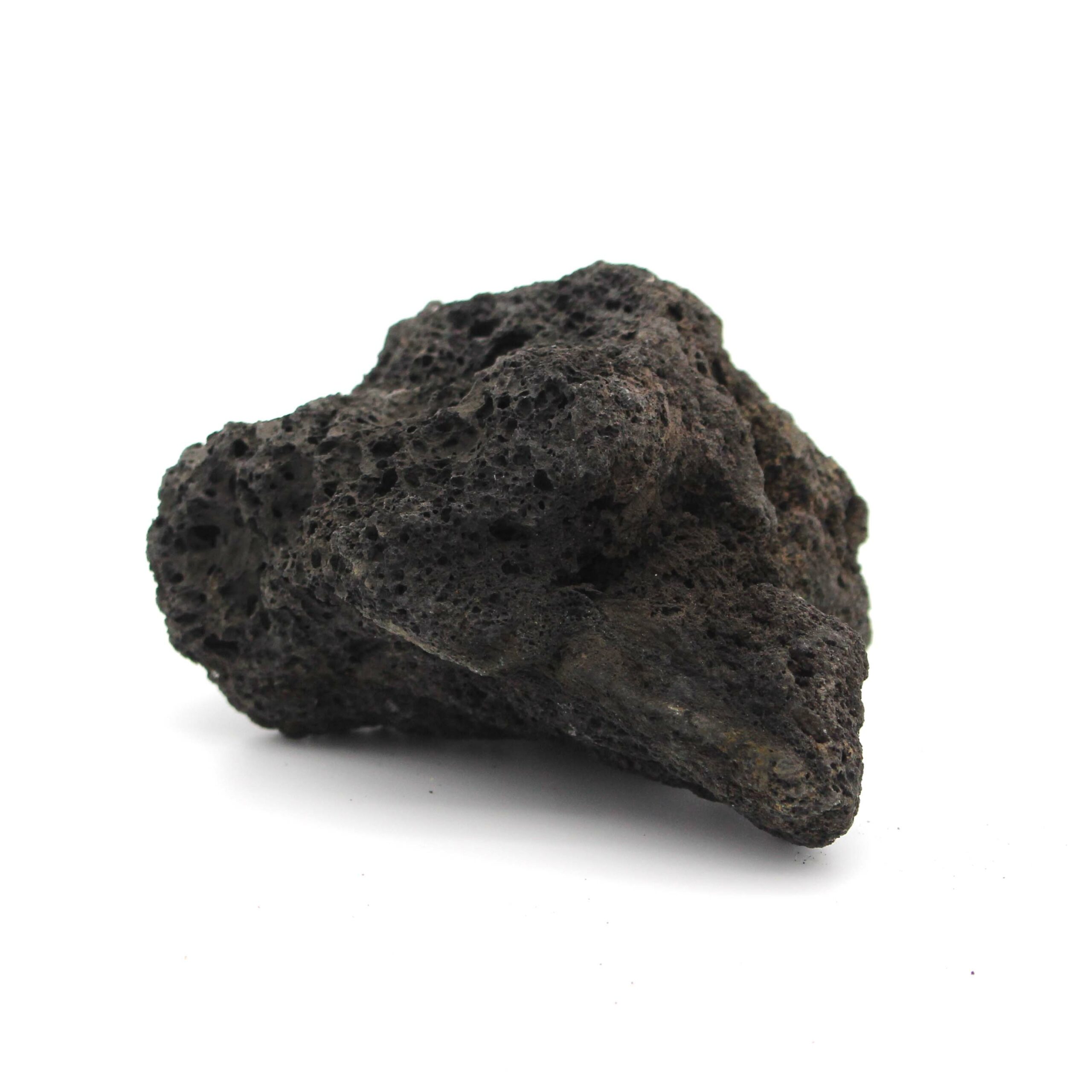
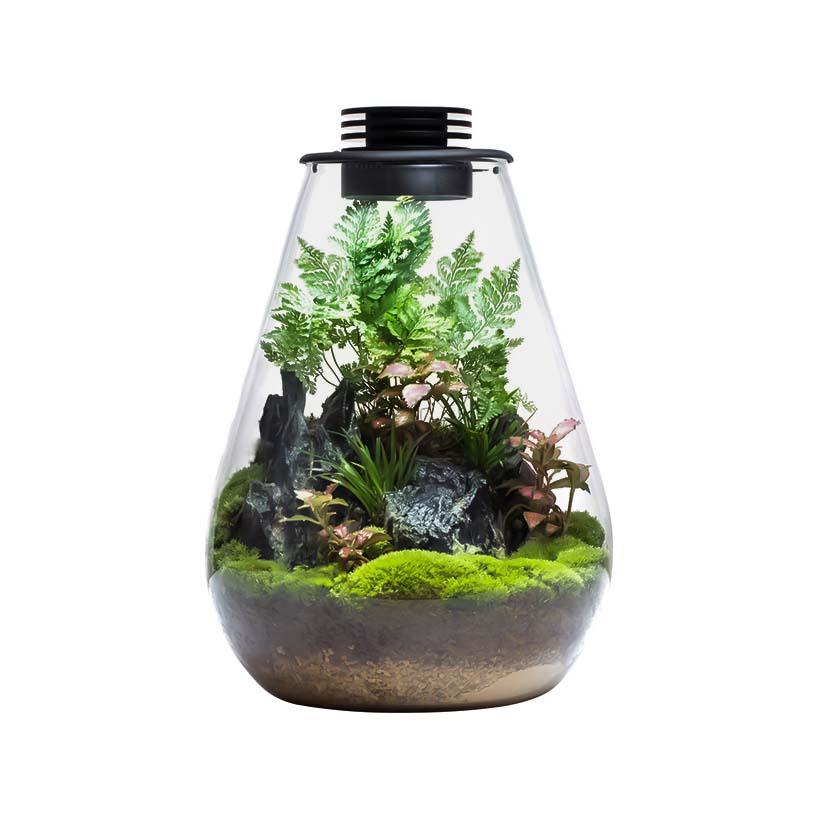
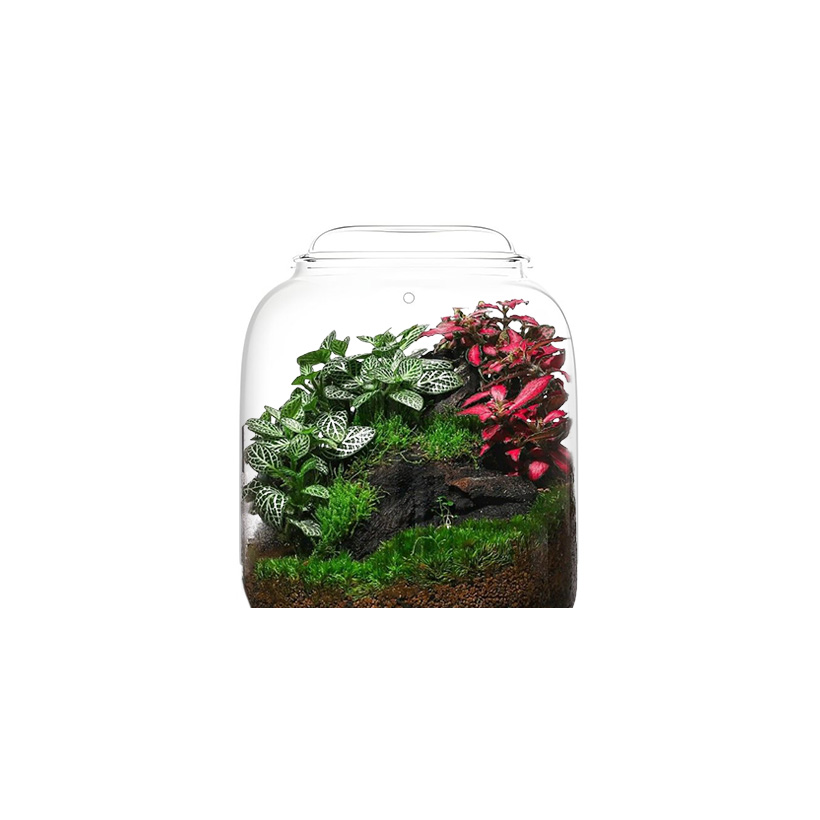
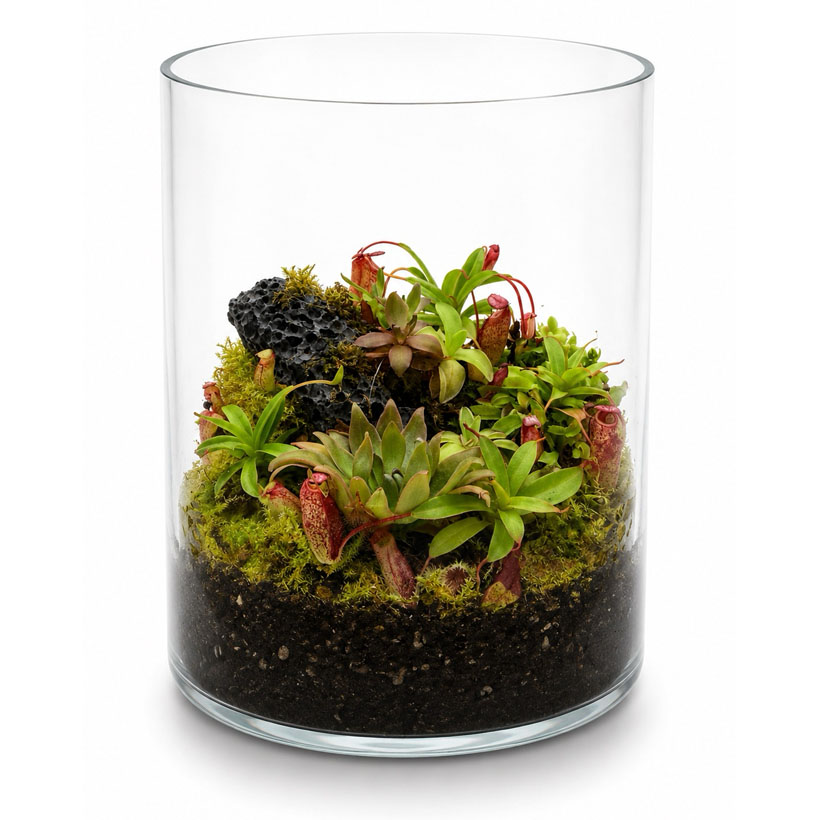
Between the moss, roots and lava rocks, the plant looks like a small tropical rainforest section right in the terrarium.
Unlike classic Nepenthes
In contrast to many other pitcher plants Nepenthes ampullaria “Red” not mainly large insects. In nature, the species tends to specialize in falling organic material such as leaves or plant debris.
As a result, the soil cans often appear permanently open and form impressive groups directly on the ground over time. It is precisely this behavior that makes the plant particularly interesting and at the same time ensures its typical growth.
Older plants in particular develop many pitchers at the same time, making the setup look increasingly dense and natural.
Location and husbandry
Required for vibrant colors and healthy pitchers Nepenthes ampullaria “Red” requires plenty of light, but at the same time the species prefers high humidity and a warm tropical climate.
Ideal are:
- tropical terrariums
- Bioloark Setups
- Greenhouses
- Warm plant showcases
The plant really comes into its own in planted rainforest set-ups with moss and roots. This quickly creates a dense and natural jungle look.
Substrate and irrigation
Like many tropical Nepenthes, also Nepenthes ampullaria “Red” an airy and at the same time moist substrate. Particularly suitable:
- Sphagnum moss
- loose carnivore mixtures
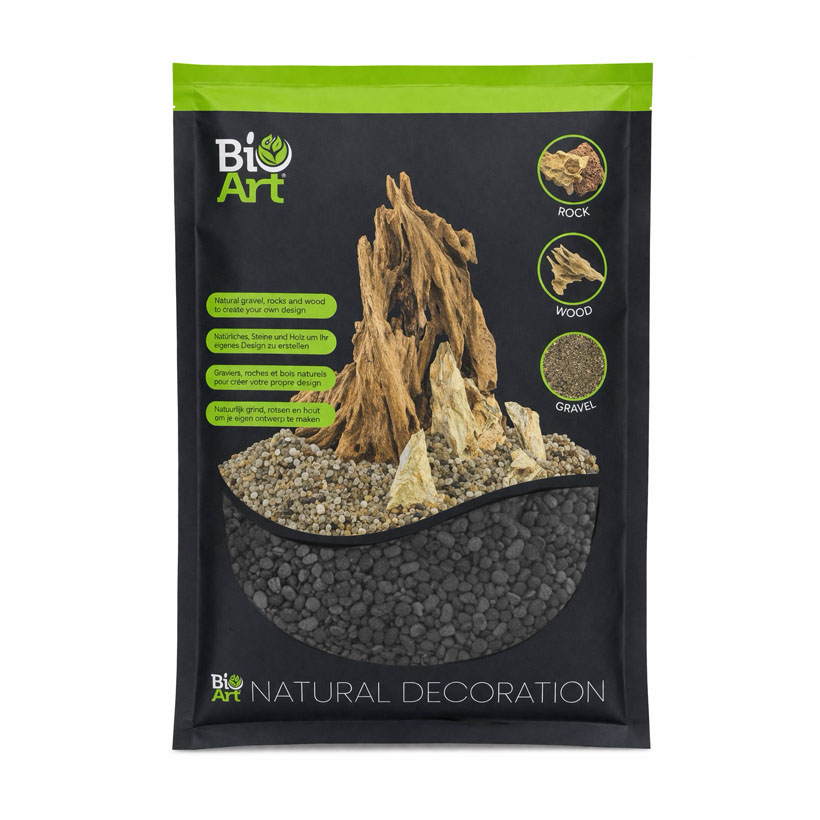
- BioArt gravel as a drainage layer
This keeps the roots permanently slightly moist, while at the same time allowing sufficient air to reach the root system.
Normal potting soil should never be used, as the nutrients it contains can damage the sensitive roots.
Only suitable for watering:
- Rainwater
- Distilled water
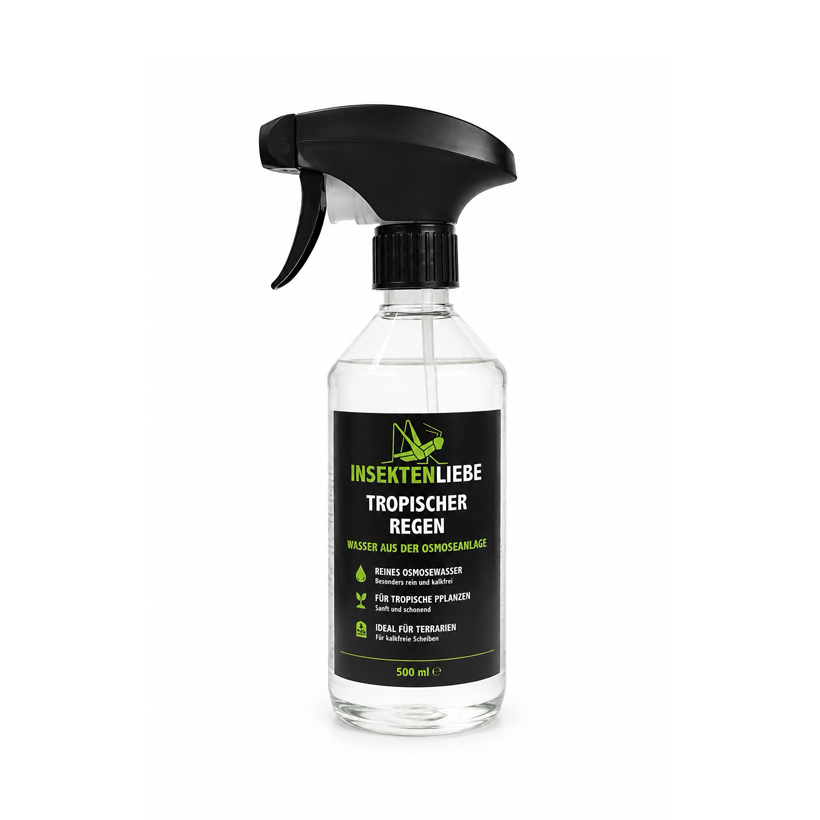
- Osmosis water
The substrate should remain slightly moist at all times, but at the same time there should be no waterlogging.
Climate and special features
For successful keeping, you should adhere to the following values:
- Temperature: 22-28 °C
- Humidity: 70-90 %
High humidity supports the formation of beautiful pitchers, while regular spraying keeps the tropical climate stable.
With a GLORIA fine sprayer the moisture can be distributed particularly finely, which makes the plant appear much more vital and forms new cans more quickly.
Compact growth with a strong rainforest look
In contrast to many climbing Nepenthes ampullaria “Red” comparatively compact and, above all, forms numerous soil cans. This makes the plant ideal for near-natural tropical terrariums.
The species looks particularly beautiful together with mosses, ferns or tropical companion plants. This creates a very dense and lively rainforest look.
Important points on posture
- High humidity is important
- Warm tropical climate preferred
- Only use limescale-free water
- Airy substrate required
- Ideal for tropical terrariums
Suitable accessories for your setup
For a healthy and colorful plant, we recommend
- Sphagnum moss – stores moisture optimally
- BioArt gravel – perfect drainage and base
- GLORIA fine sprayer – Fine and controlled watering
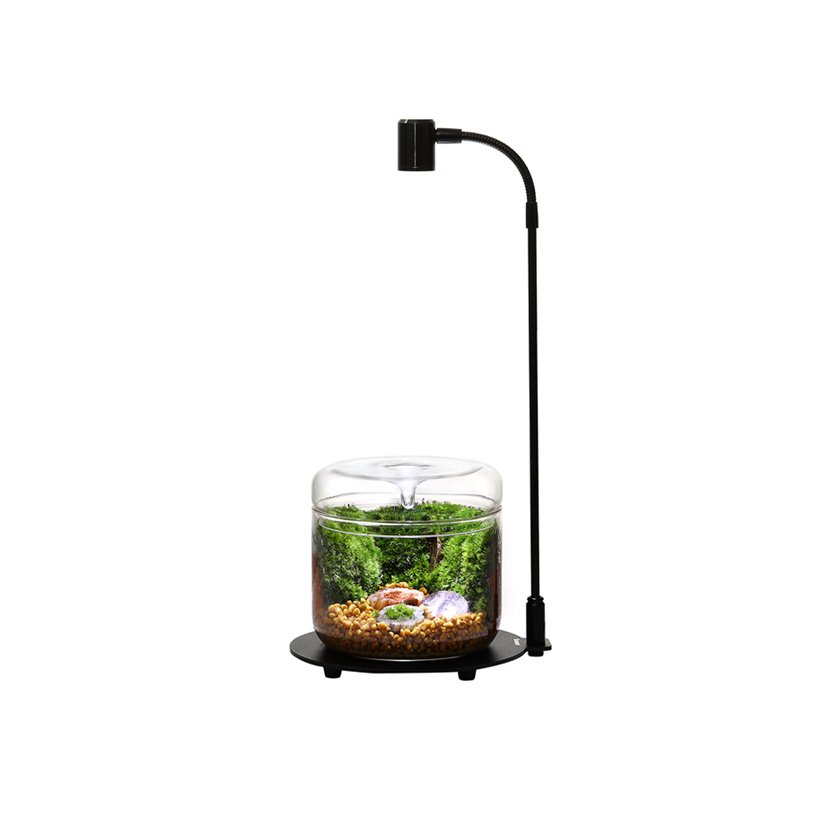
- Bioloark – ideal for tropical carnivore setups
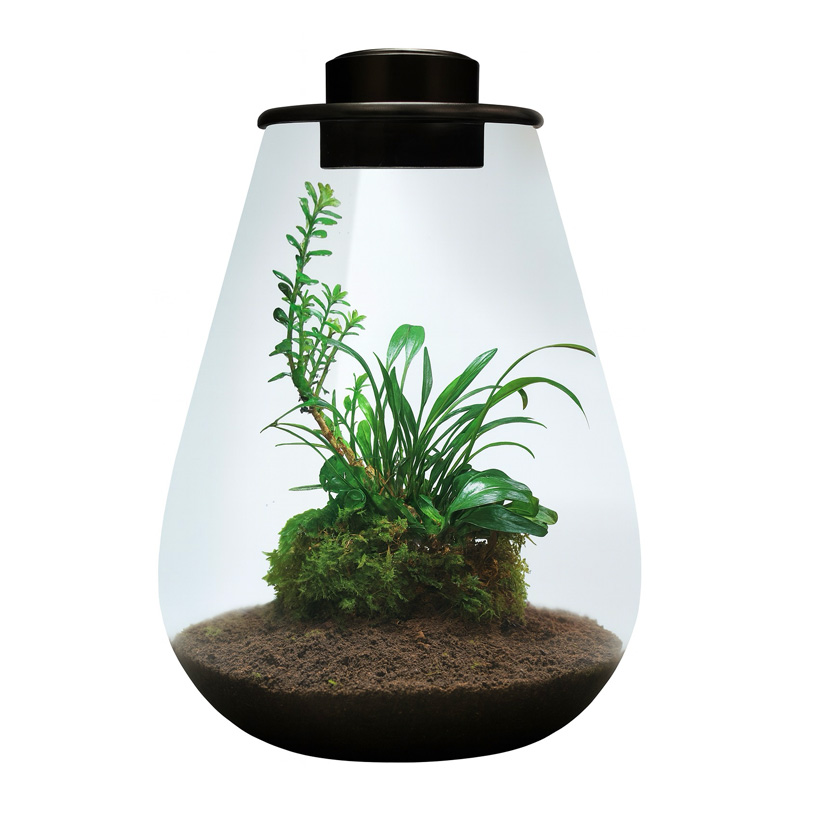
- BioArt Drop / Cylinder / Bowl – Terrariums with integrated lighting
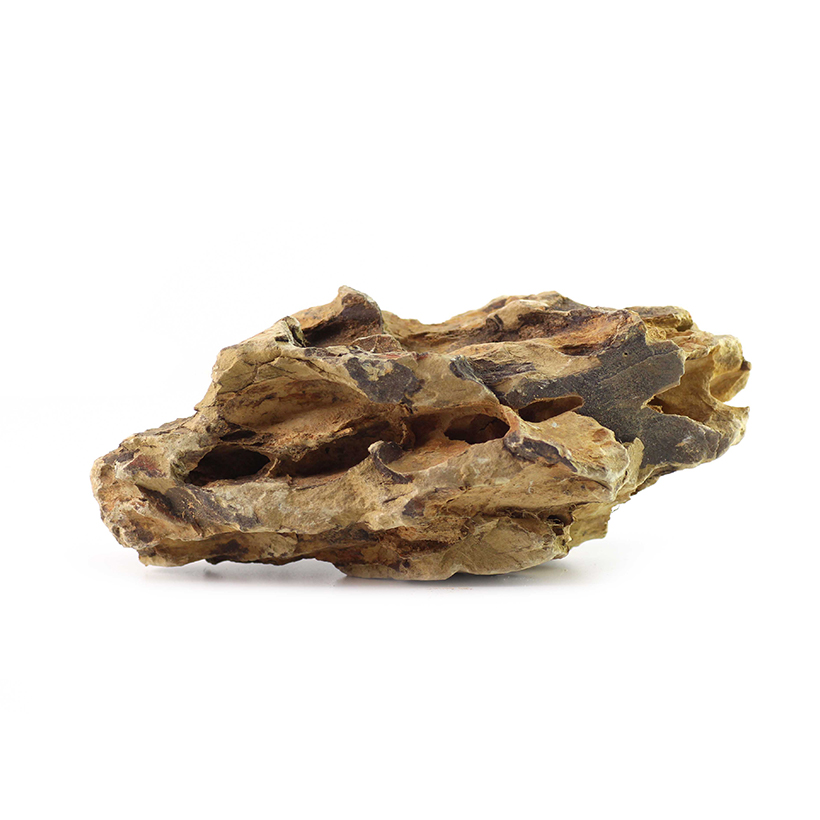
- Premium lava stone or dragon stone – for natural rainforest layouts
This creates a stable and at the same time very natural-looking setup in which the plant can develop its red soil cans perfectly.
Conclusion
Nepenthes ampullaria “Red” is one of the most fascinating tropical pitcher plants of all. The deep red soil cans, the compact growth and the strong rainforest look make this plant a real highlight for humid natural terrariums.
Anyone looking for an unusual and at the same time extremely decorative carnivore will have a lot of fun with this species.