Dionaea muscipula “Red Green”
11,95 € incl. VAT, plus shipping
In stock

USA

20°C – 30°C
Dionaea muscipula “Red Green” – Probably the most famous carnivore in the world
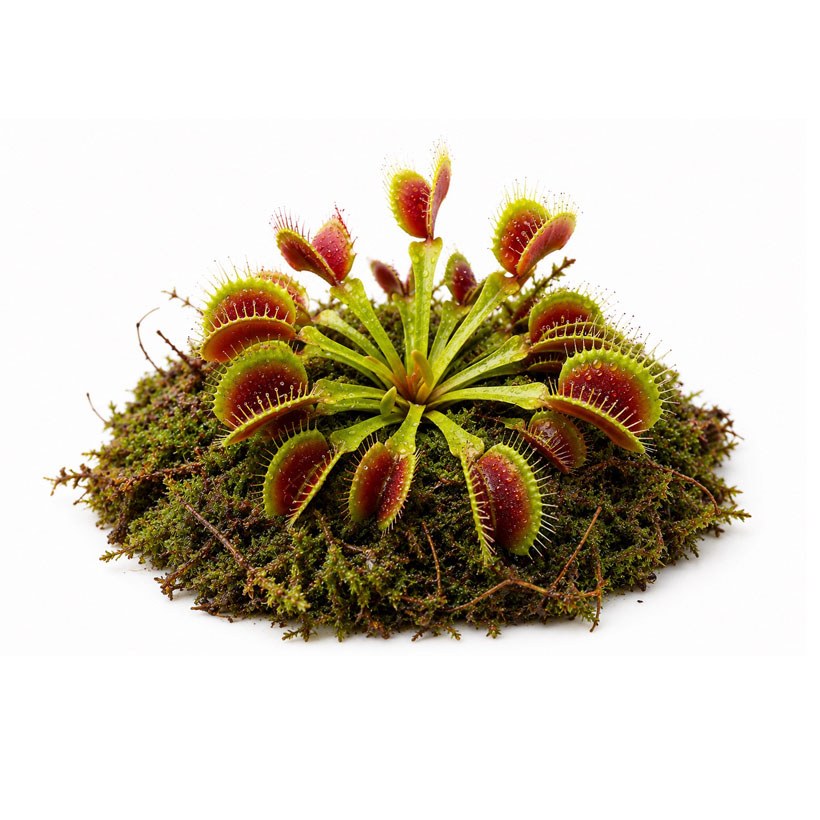
Dionaea muscipula “Red Green” is one of the most fascinating carnivorous plants of all, because the combination of bright green trap leaves and intense red trapping areas immediately creates strong contrasts. As a result, the plant immediately catches the eye and looks natural and exotic at the same time.
The red areas develop particularly intensively in good light, making the traps appear almost luminous. At the same time, the plant’s basic green coloration is reminiscent of the typical Venus flytraps from the swamps of North America.
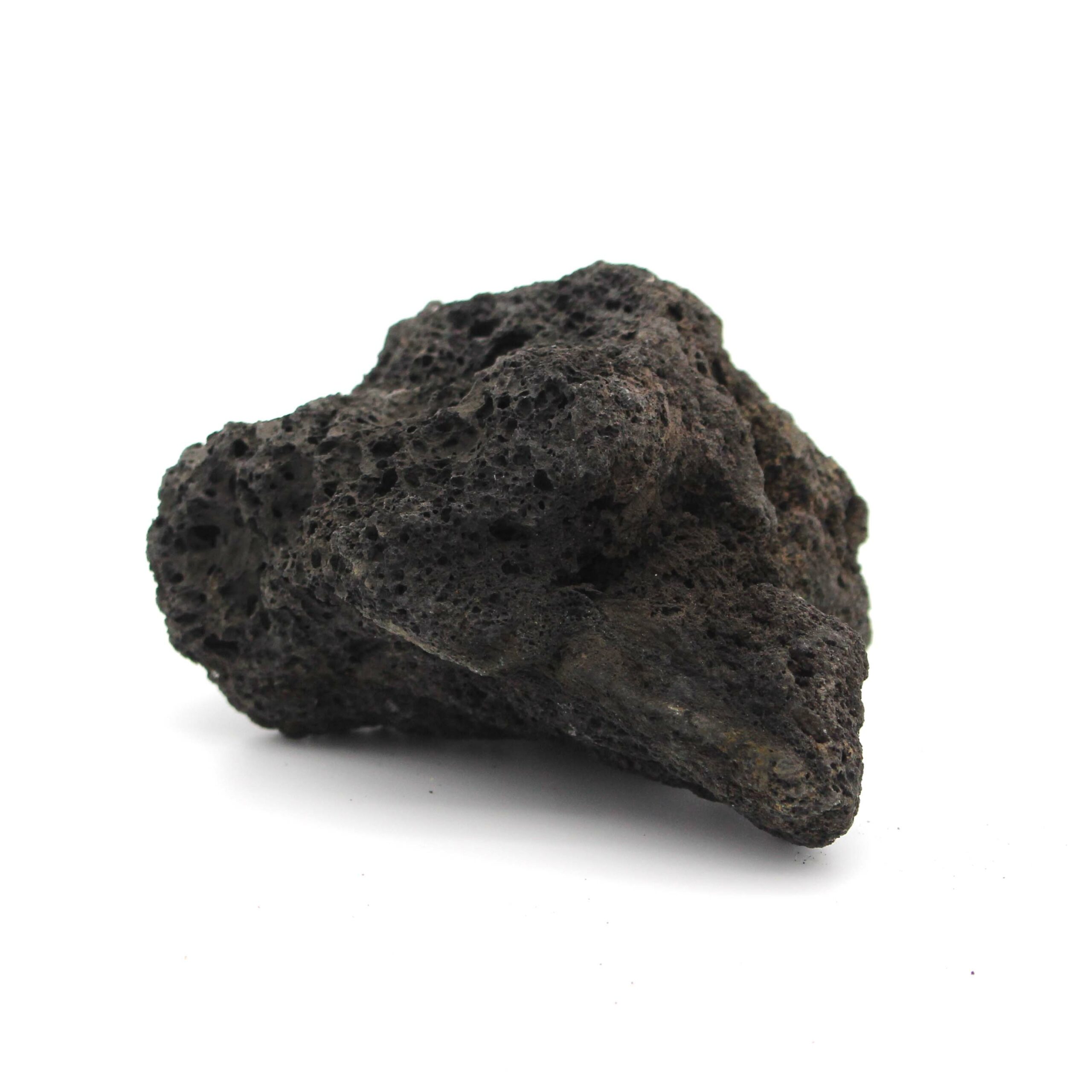
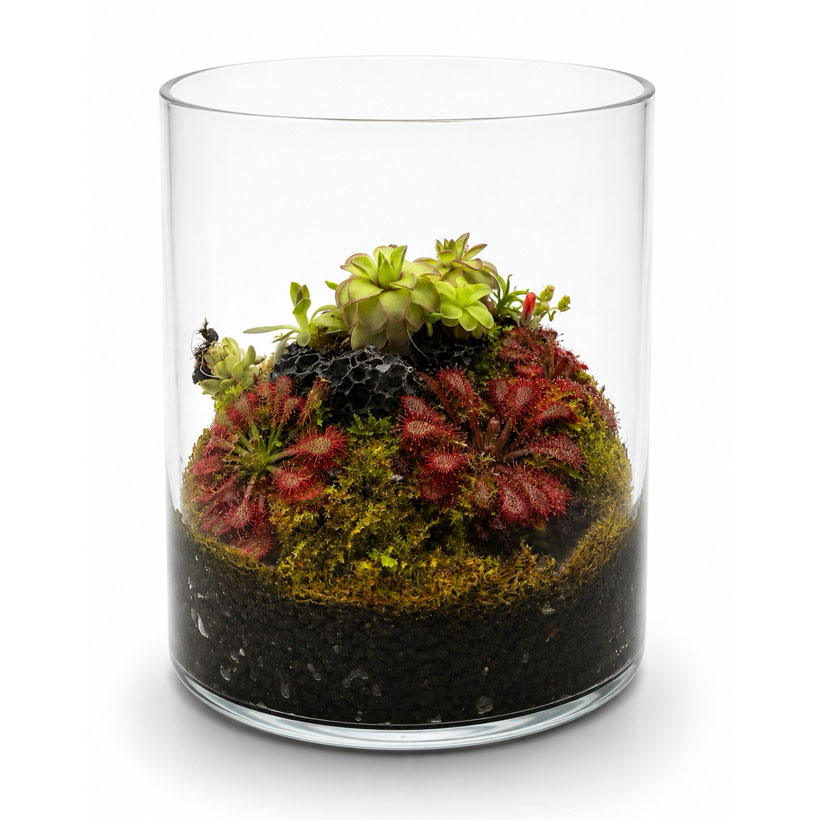
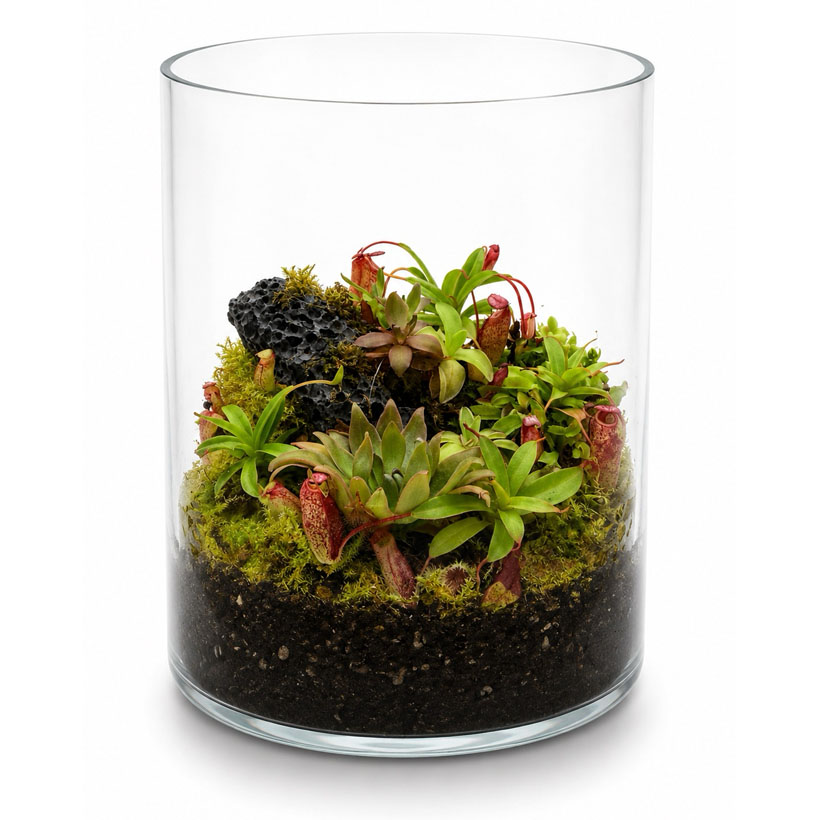
Especially in open moss landscapes or between lava stones, the red traps are extremely rich in contrast. This quickly creates the impression of a small living swamp section directly in the terrarium or on the windowsill.
However, this plant is not only visually impressive, its catching mechanism is also one of the most exciting movements in the plant world.
Fascinating catching technique
The traps react to small touches inside the trap. If the sensitive sensory hairs are triggered several times, the trap snaps shut within fractions of a second.
This allows the plant to catch small insects and absorb additional nutrients while the traps remain active. It is precisely this behavior that has made Venus flytraps so popular for decades.
Another particularly exciting feature is that the traps open again after a while as soon as the plant has digested its prey. This means that the plant remains permanently interesting and always offers new observations.
Location and husbandry
For an intensive coloration Dionaea muscipula “Red Green” very much light, which is why a sunny location is particularly important. Under strong light conditions, the traps develop significantly larger and at the same time more intense red.
Ideal are:
- bright terrariums
- Sunny window sills
- Greenhouses
- Outdoor keeping in summer
This creates a very natural and lively impression, especially in planted BioArt setups. At the same time, the red catch areas between the moss and stones are shown to their best advantage.
Substrate and irrigation
Like all Venus flytraps, this form also requires a nutrient-poor and permanently moist substrate. Particularly suitable:
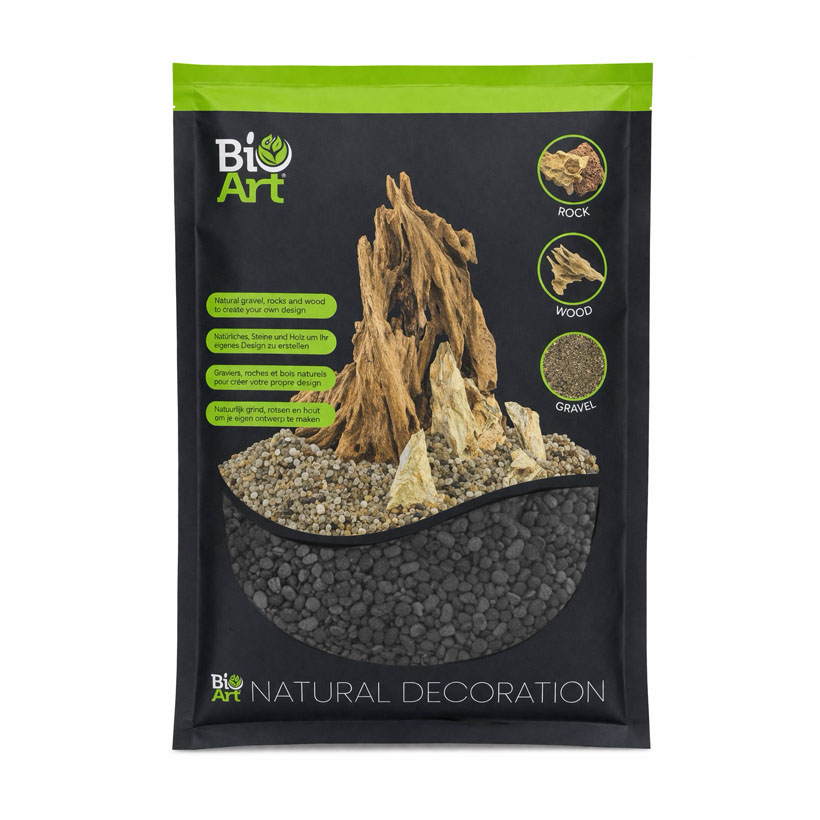
- BioArt gravel
- Sphagnum moss
This keeps the roots healthy while retaining sufficient moisture.
Normal potting soil, on the other hand, should never be used as the nutrients it contains can damage the sensitive roots.
Only suitable for watering:
- Rainwater
- Distilled water
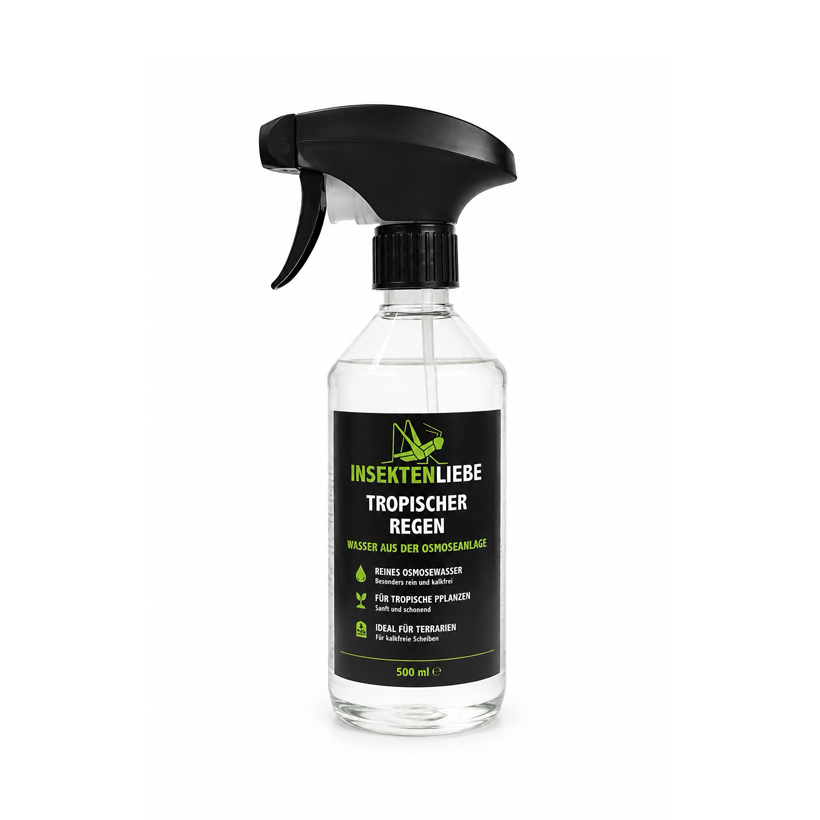
- Osmosis water
The plant should be kept slightly moist at all times and can easily be kept in a waterlogged state. This keeps the substrate evenly moist without the plant drying out.
Winter rest important
Dionaea muscipula “Red Green” requires a winter dormancy period so that the plant remains healthy and strong in the long term. During this time, growth slows down considerably and some of the older traps die off. This is completely normal and is part of the plant’s natural rhythm.
After the dormant phase, the plant sprouts vigorously again and forms new traps. Ideal temperatures are between 5-12 °C during the winter months.
Important points on posture
- Very bright location important
- Only use nutrient-poor substrate
- Only use limescale-free water
- Keep permanently slightly moist
- Winter rest necessary
Suitable accessories for your setup
For a healthy and colorful plant, we recommend
- Sphagnum moss – stores moisture optimally
- BioArt Gravel – perfect basis for healthy growth
- GLORIA fine sprayer – Fine and controlled watering
- Bioloark – Ideal for planted carnivore setups
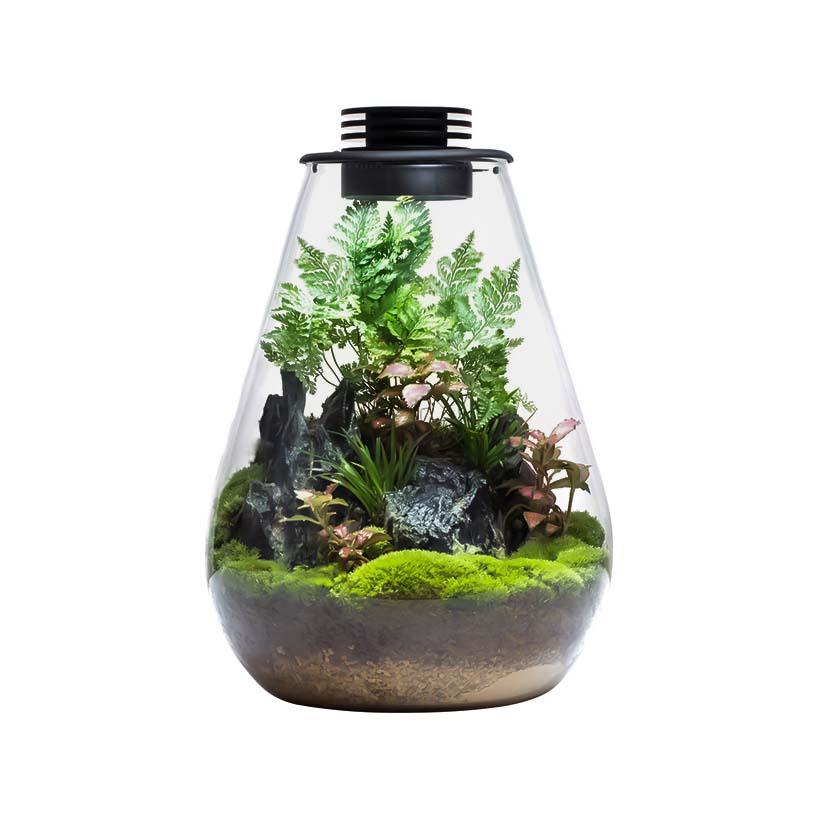
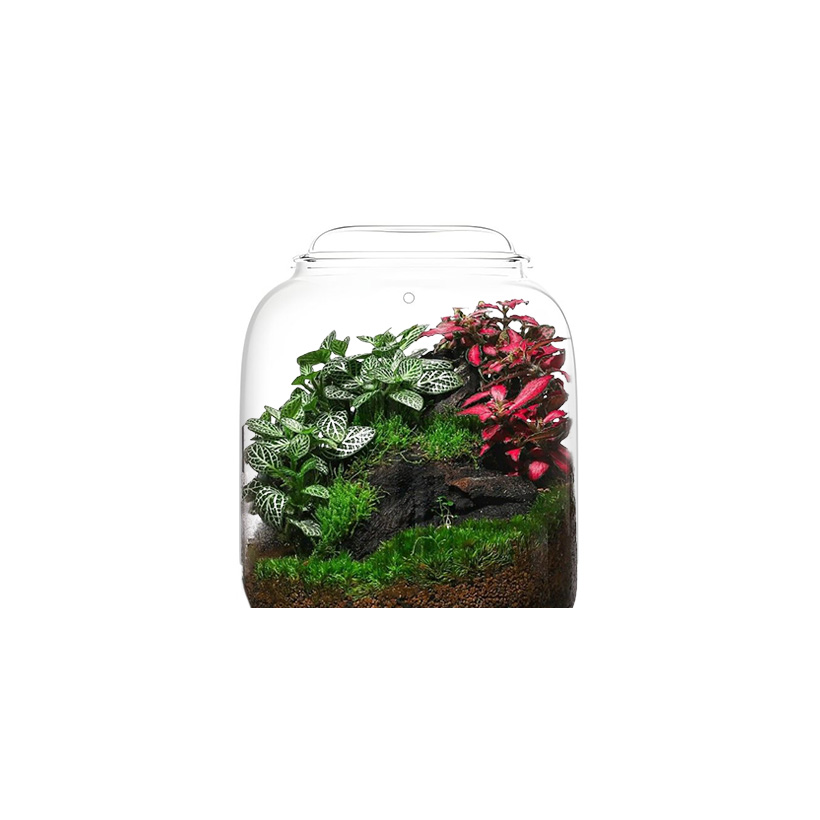
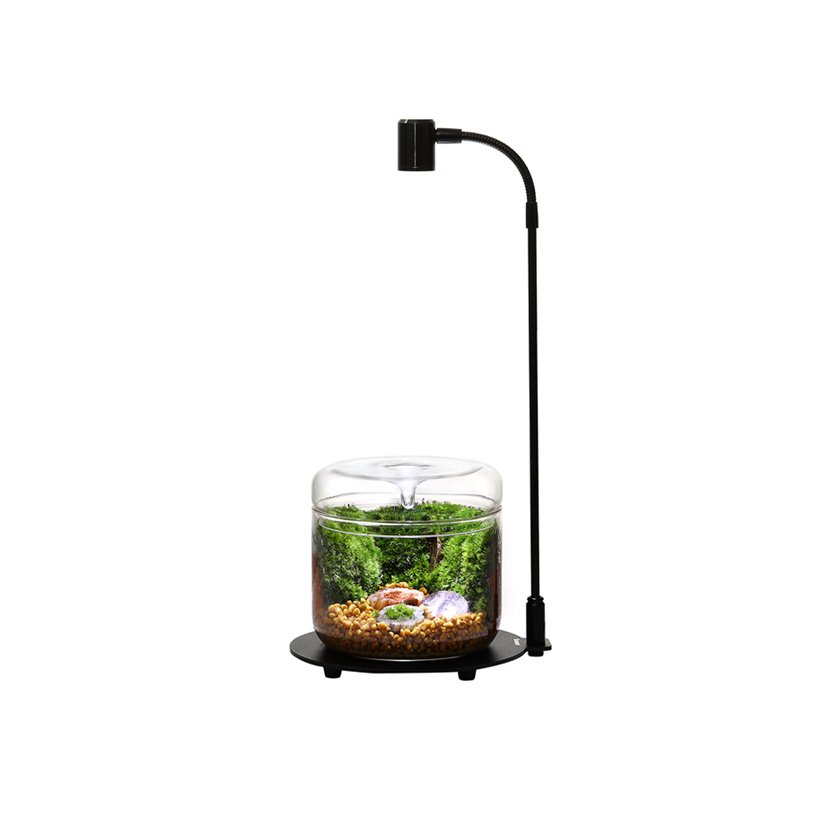
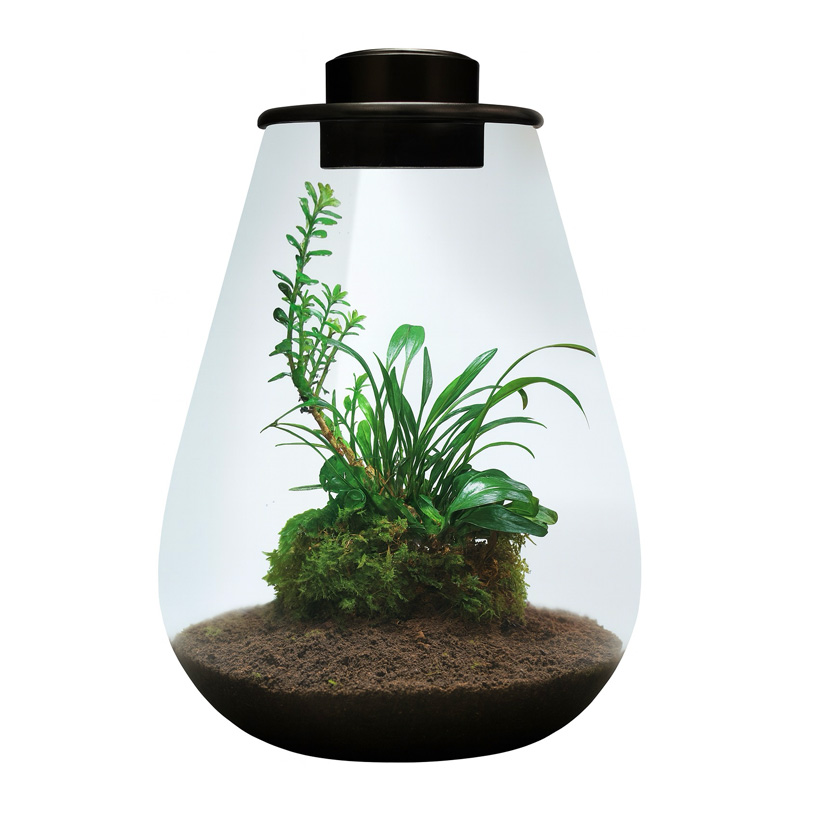
- BioArt Drop / Cylinder / Bowl – Terrariums with integrated lighting
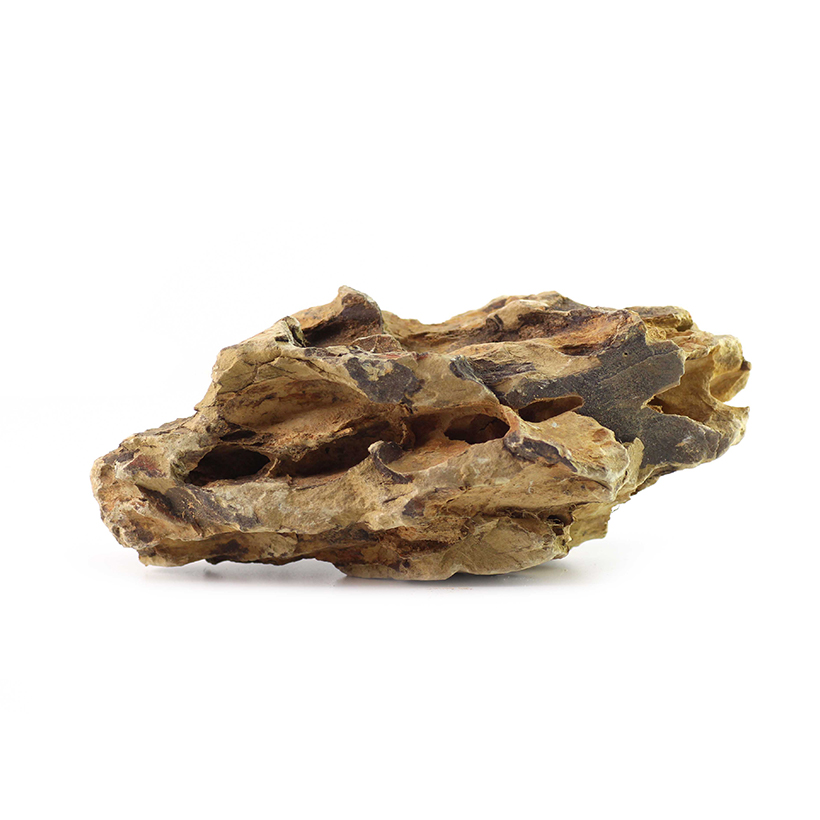
- Premium lava stone or dragon stone – for natural swamp layouts
This creates a stable and at the same time very natural-looking setup in which the plant can develop its intense colors and traps perfectly.
Conclusion
Dionaea muscipula “Red Green” combines the classic look of the Venus flytrap with particularly intense color contrasts. The red catching areas, fast movements and exciting catching behavior make this plant a real highlight for any carnivore collection.
Anyone looking for an active and at the same time beautiful carnivorous plant will have a lot of fun with this form.