Periscyphis spec. “Hallaniyat Island, Oman”
80,00 € incl. VAT, plus shipping
Sales Unit: 12 animals
Sales Unit: 12 animals
Out of stock

Simple

Oman

< 17 mm

24°C – 27°C
Periscyphis spec. “Hallaniyat Island, Oman” – Exotic miniature tank from the desert
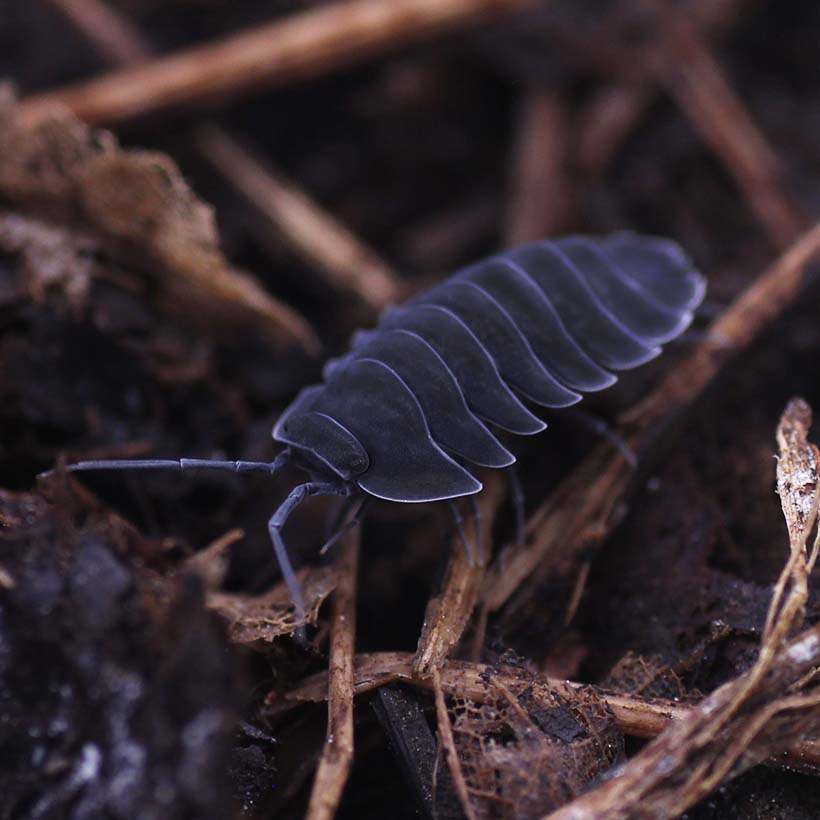
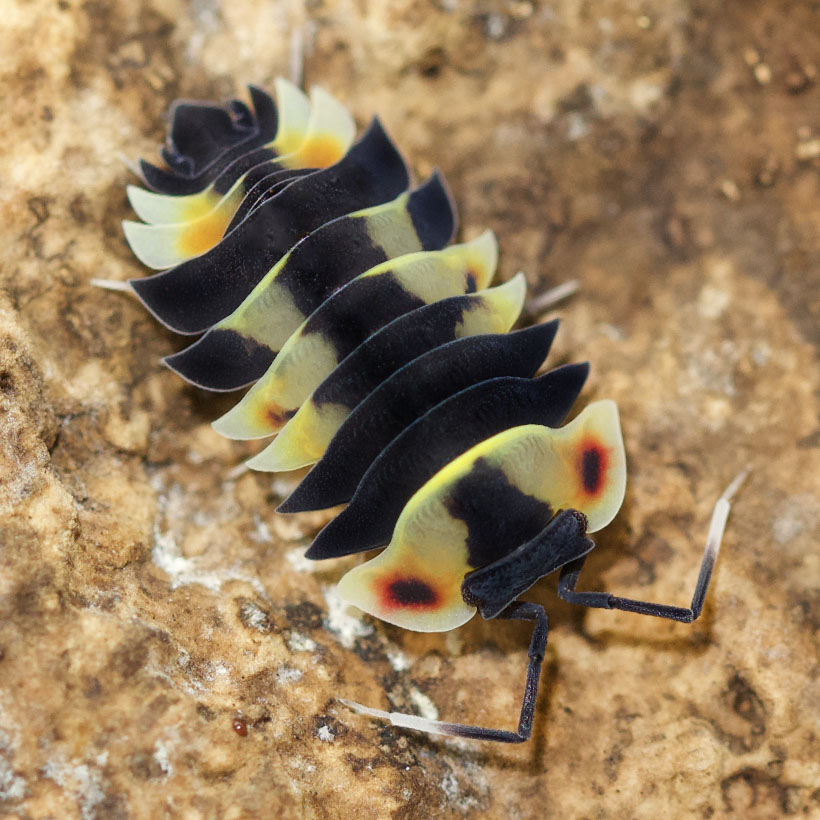
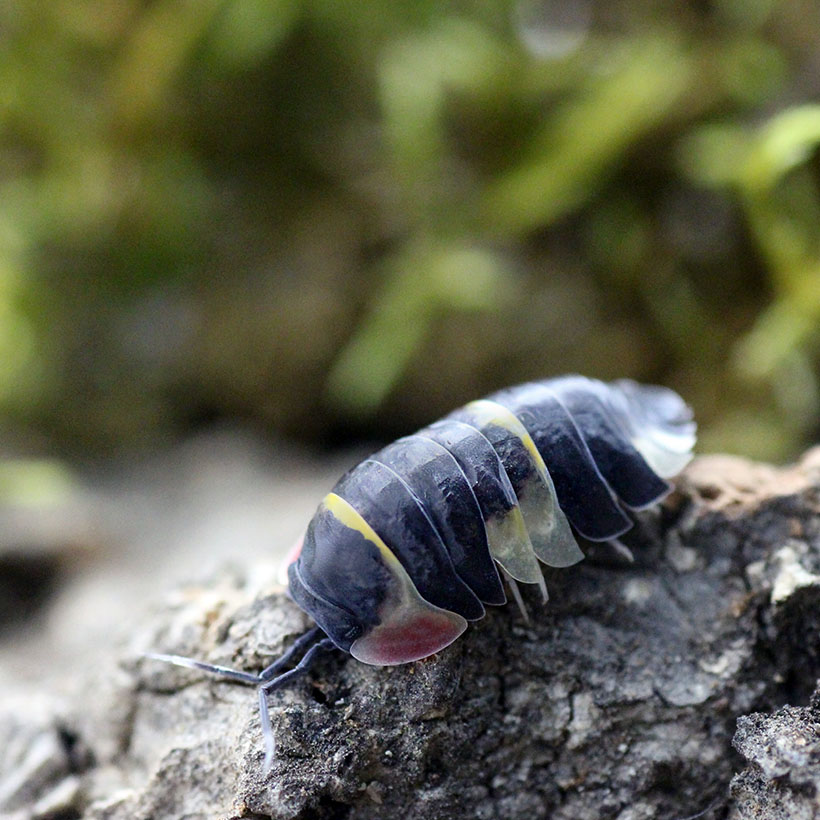
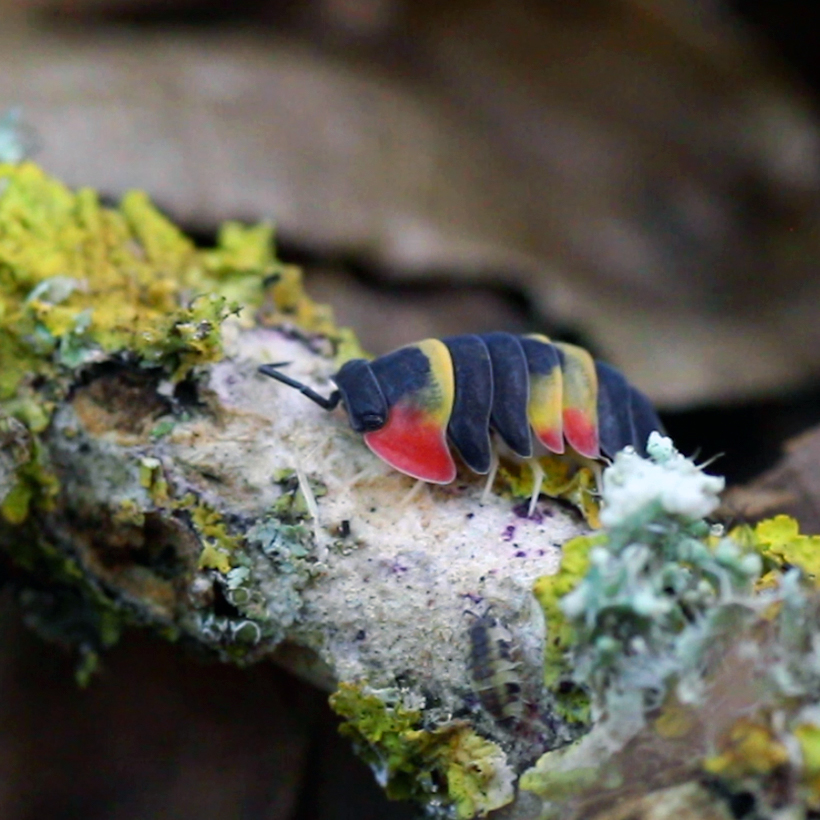
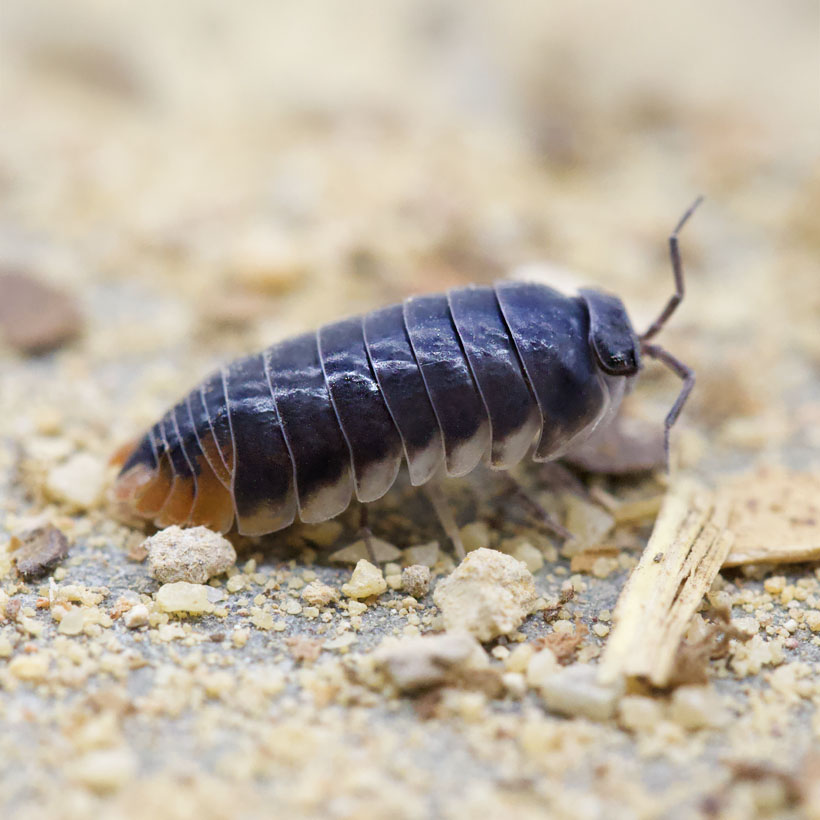
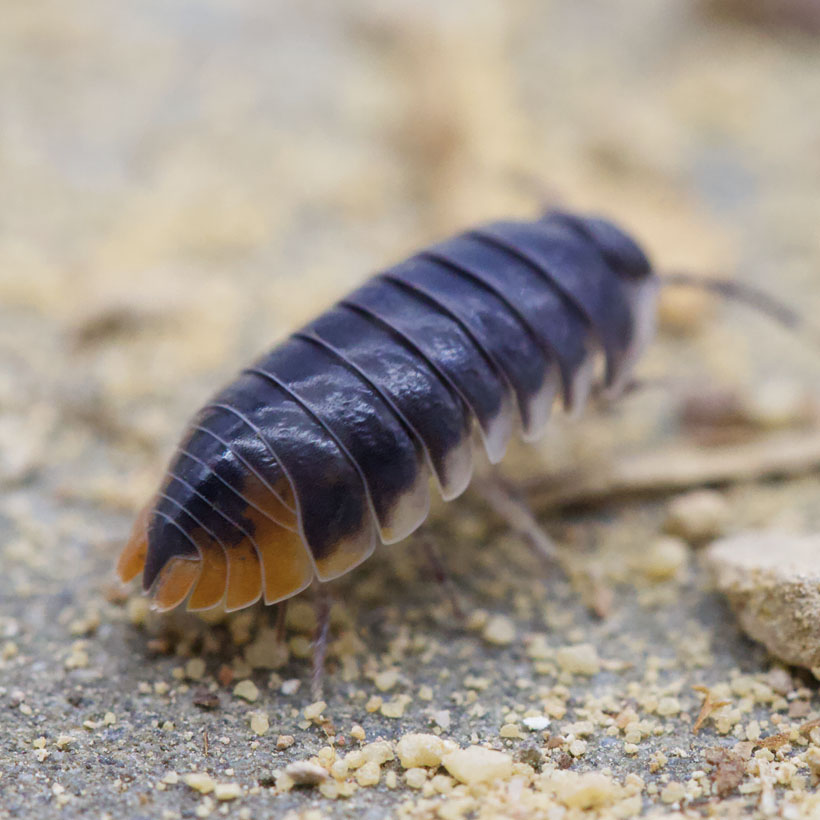
This special isopod species from the remote Hallaniyat group of islands in southern Oman is not only impressive because of its origin, but also because of its striking appearance: a deep, almost purple-black exoskeleton with a light-colored lower body and rust-red segment ends make it a real eye-catcher in the terrarium. Unlike many tropical species, this species prefers a rather dry setup – just like in its natural habitat.
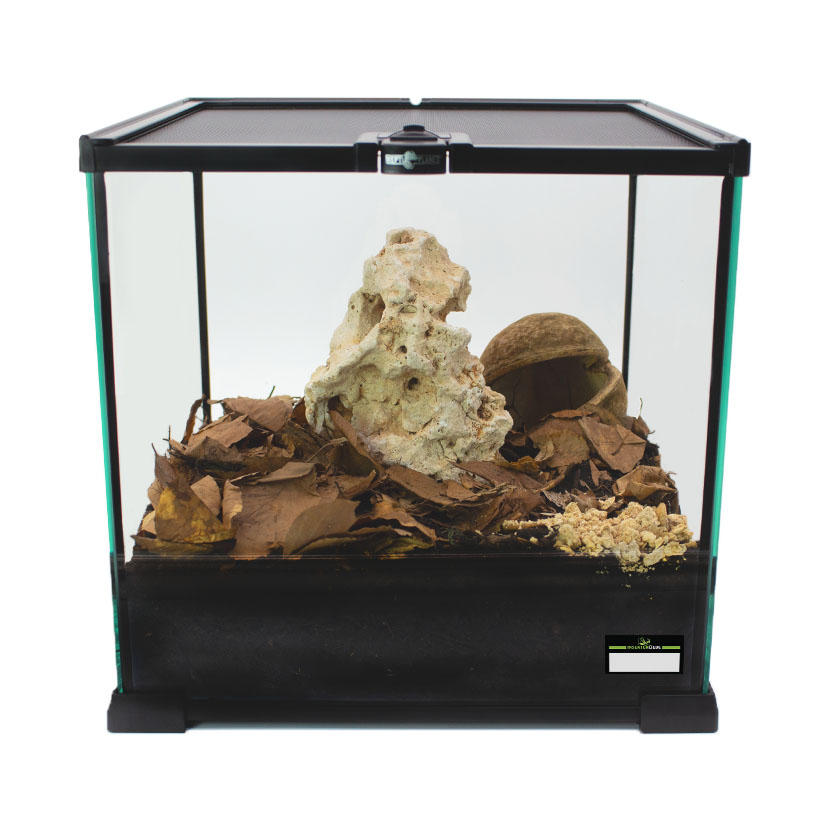
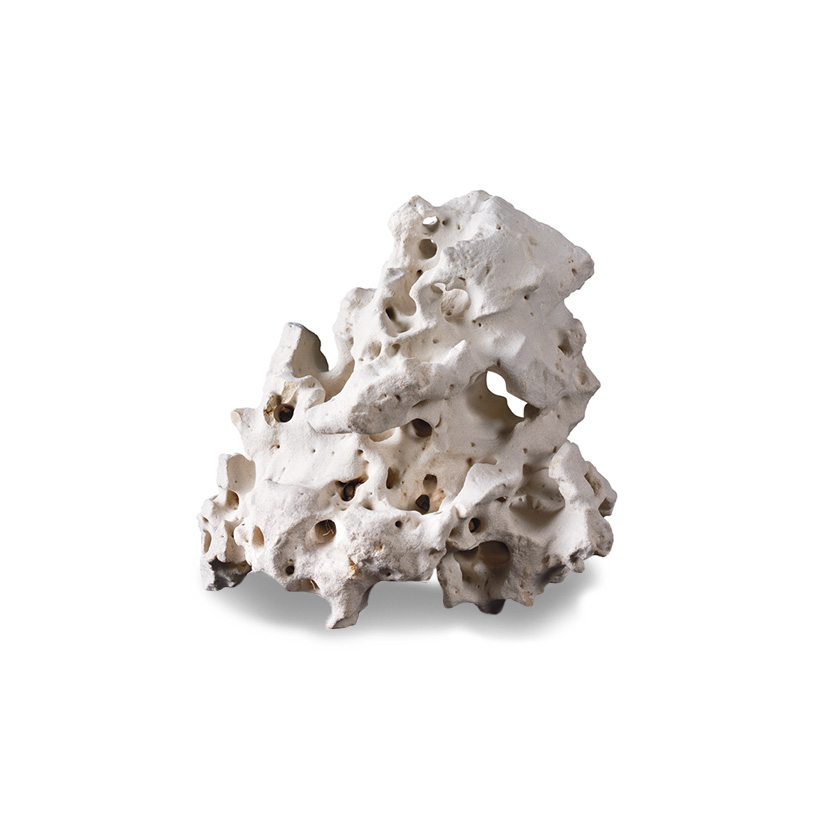
The photo clearly shows that this species is heavily armored, compactly built and well adapted to a life in structurally rich, dry habitats. The sandy substrate with small stones in the picture is ideal – adding a few pieces of cork or flat stones provides the animals with plenty of hiding places.
The posture shows Periscyphis spec. “Hallaniyat Island, Oman” uncomplicated if you create a balanced climate: a more humid corner is sufficient for water intake, while the majority of the terrarium remains well ventilated and dry. It is precisely this contrast in climate that promotes activity – the animals can then be observed more frequently not only at dusk but also during the day.
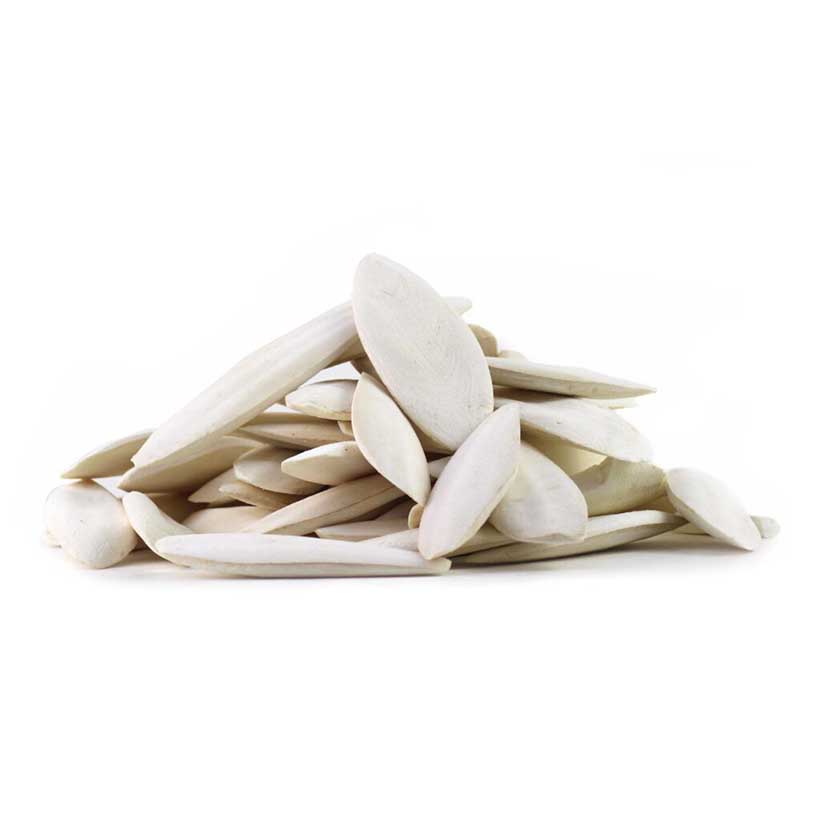
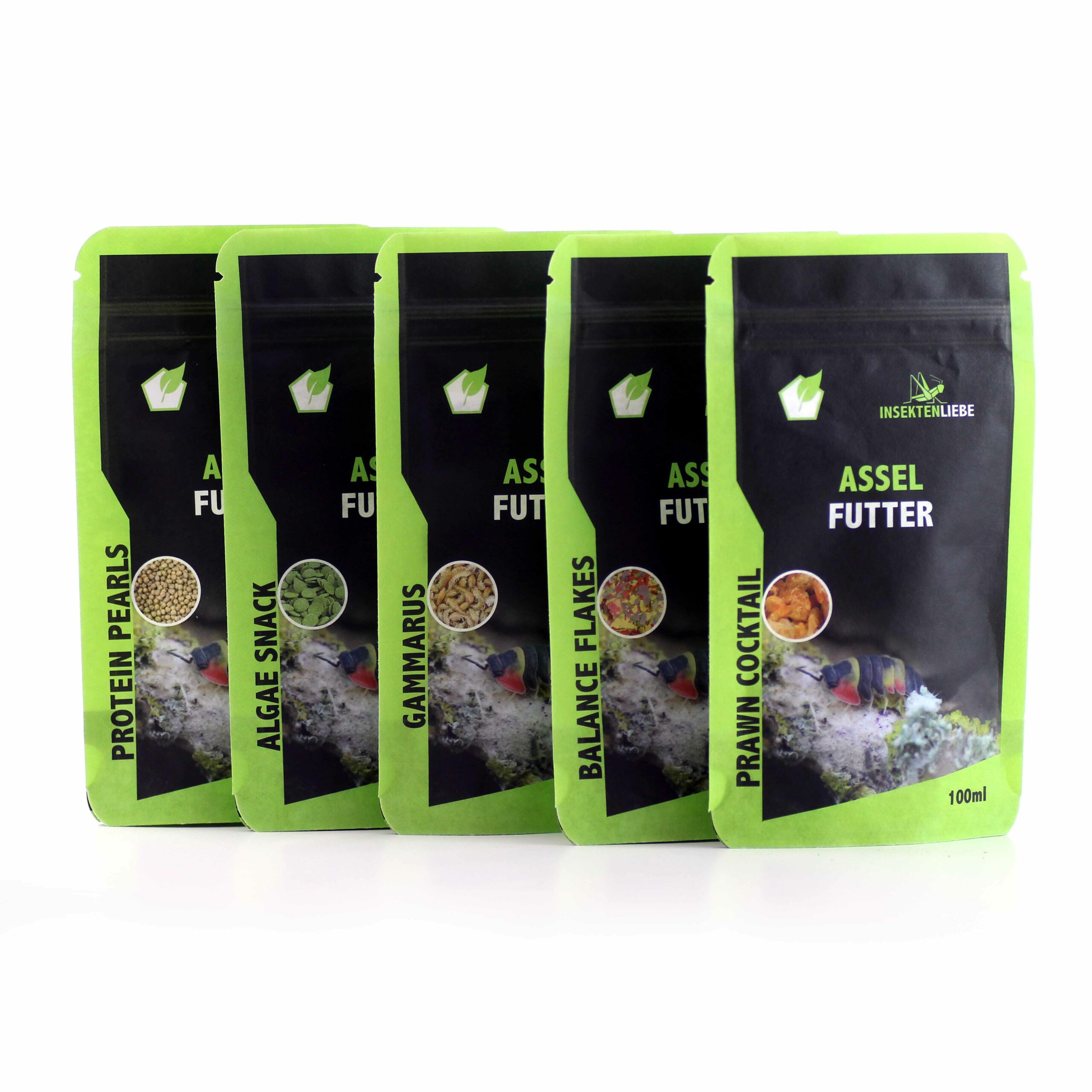
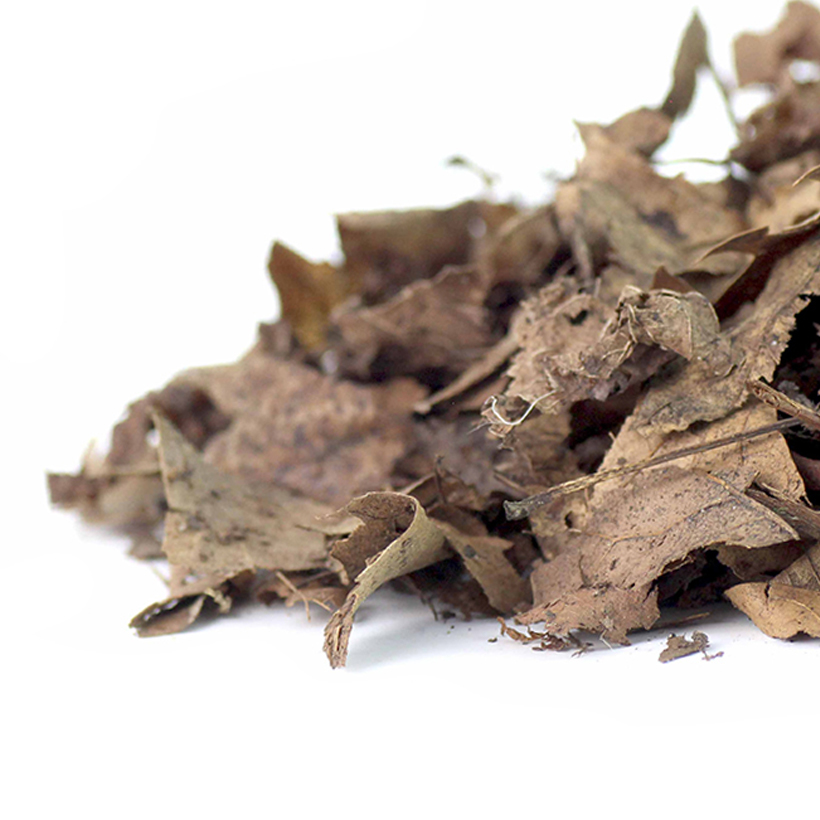
Their diet is typical for Isopods: leaves, some vegetables and a constant source of calcium. Reproduction is also reliable under constant conditions, whereby the offspring usually hide well and become visible after a few weeks.
This isopod species is a rare discovery for anyone interested in species from more arid regions – and thanks to its robustness and beautiful coloration, it is also ideal for beginners in desert isopod keeping.