Sale!
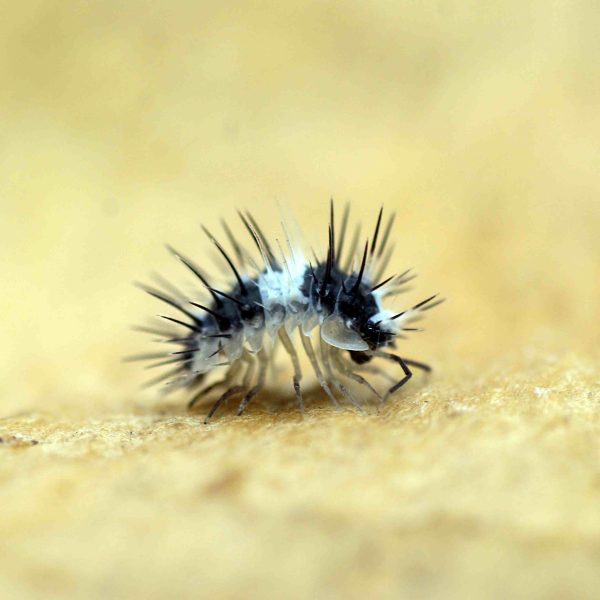
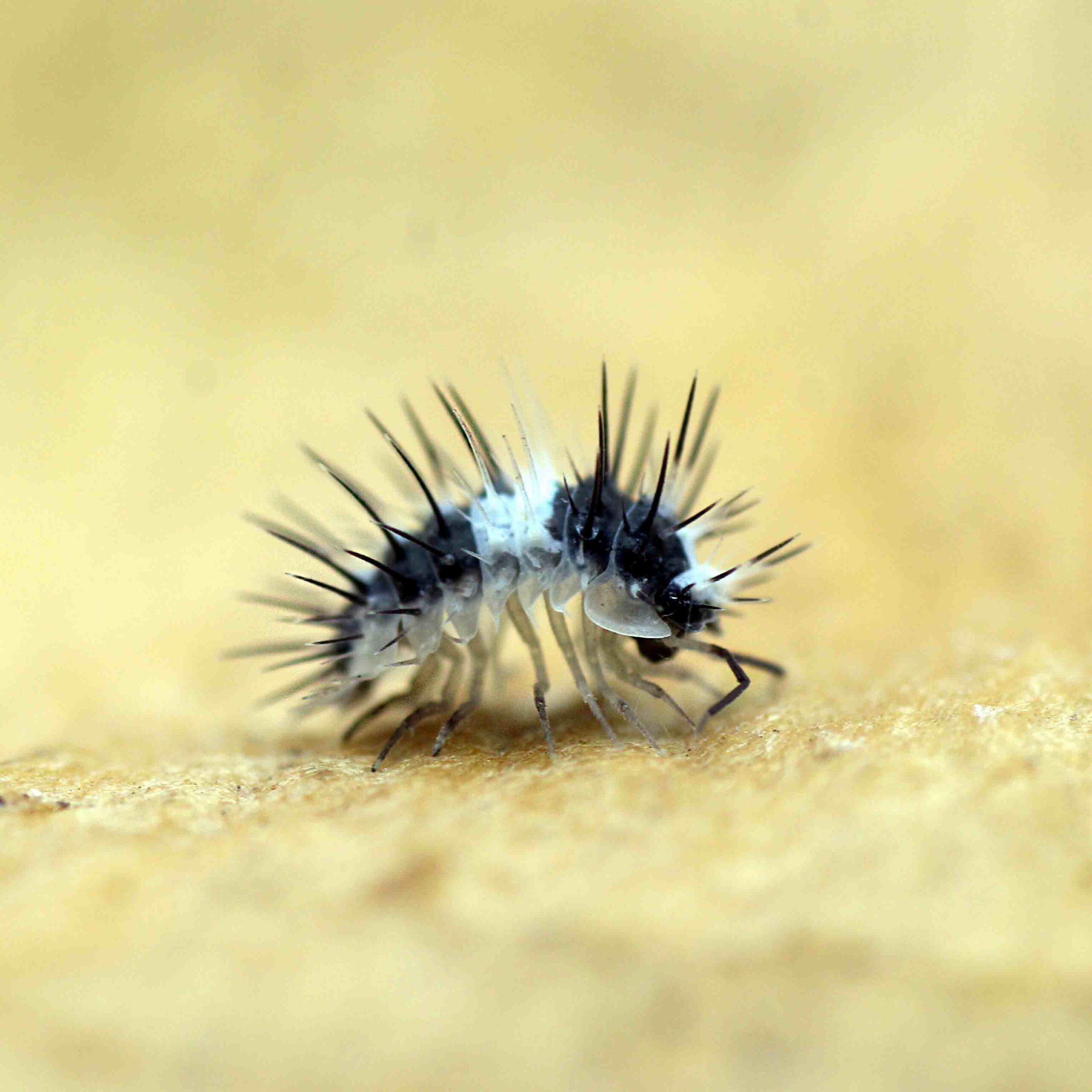
Laureola spec. “White skull”
Price range: 19,00 € through 170,00 € incl. VAT, plus shipping

Medium

Vietnam

< 8 mm

25°C – 27°C
Laureola spec. “White Skull” – Dark, rich in contrast and extraordinary
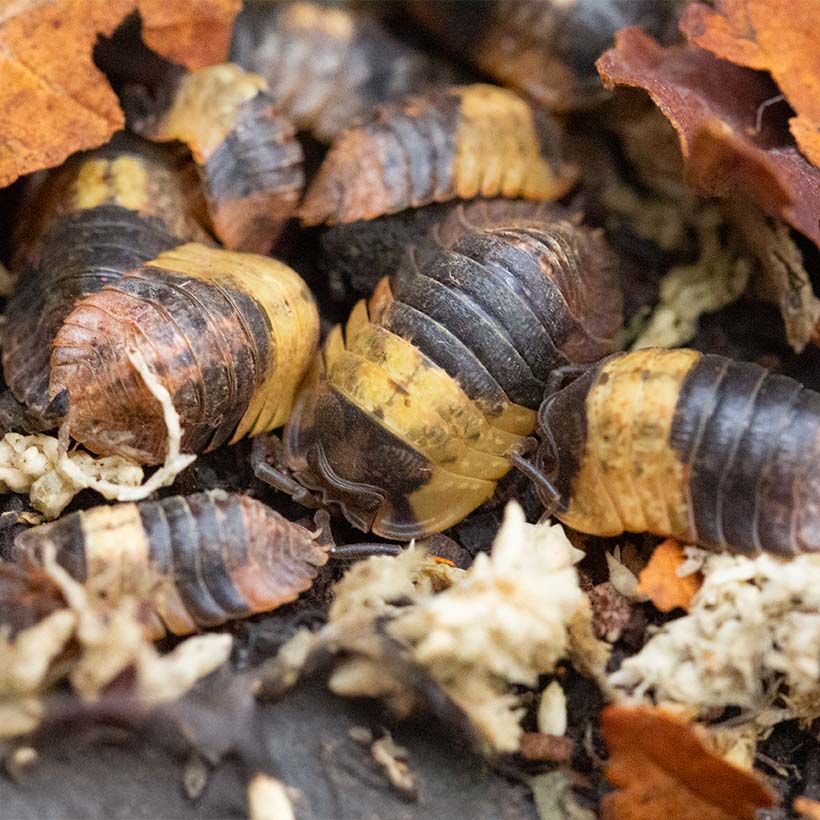
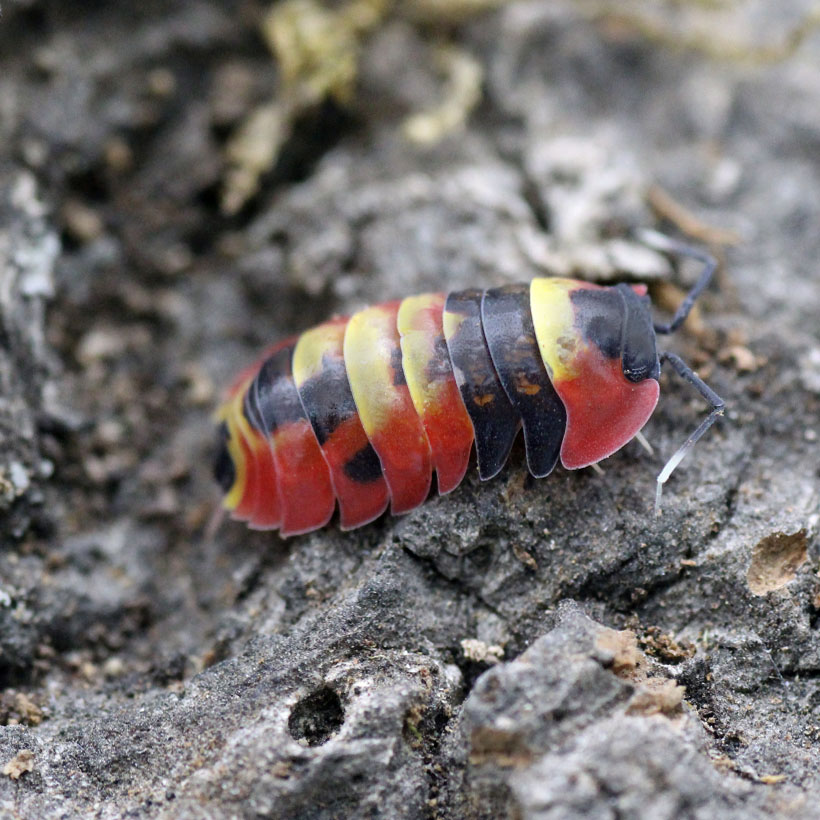
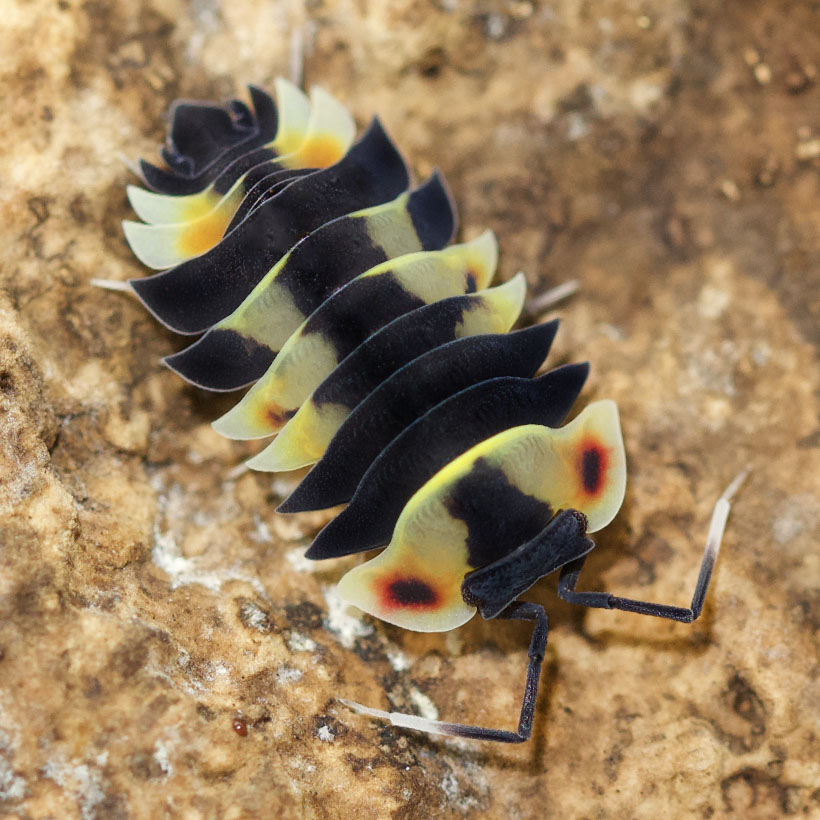
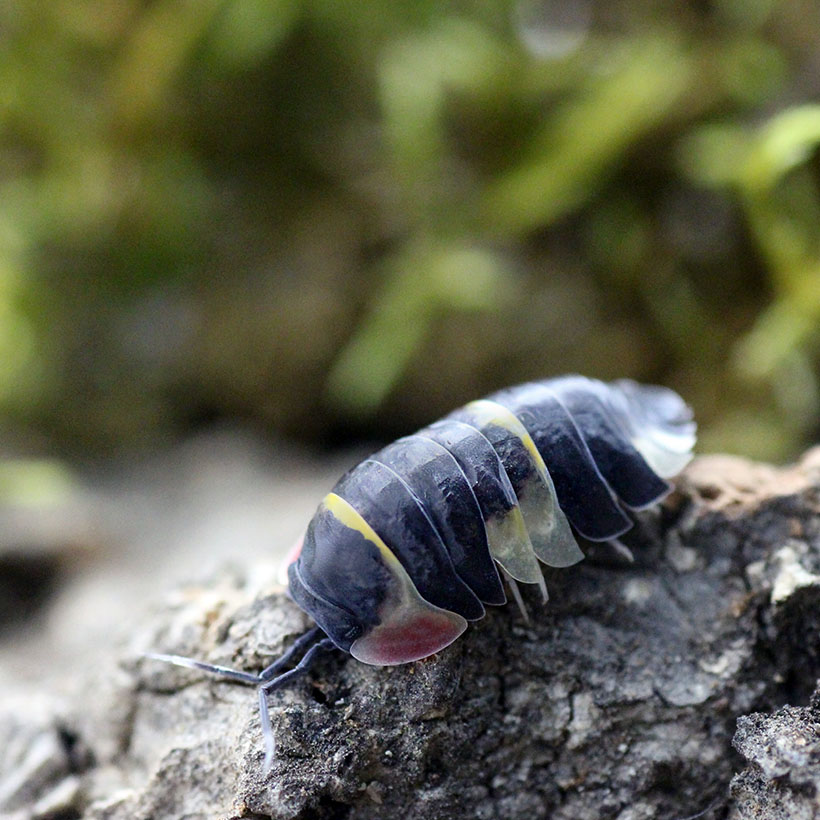
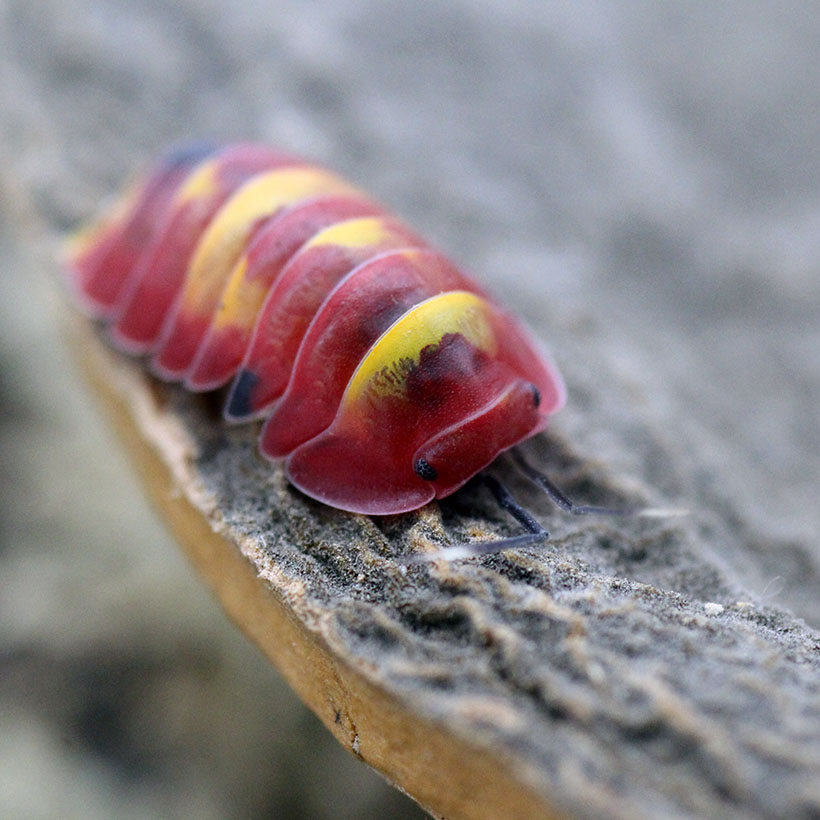
Laureola spec. “White Skull” It is one of the most striking tropical Isopods of all. Particularly distinctive is the light-colored pattern on the front part of its body, which strongly resembles a white skull and has given the species its name.
Especially in combination with the darker segments, an extreme contrast is created, making the animals immediately catch the eye. At the same time, the slightly textured surface ensures that the drawing appears even more vivid.
This creates a unique appearance that clearly sets it apart from classic tropical Isopods.
Light head markings and dark contrasts
With increasing age, the contrasts become stronger and stronger, while adult animals show the most intense markings.
The light-colored head area stands out particularly clearly from the rest of the body, creating the typical “white skull” effect. In addition, each animal has slightly different patterns, which is why each group develops its own appearance.
The light areas stand out particularly well on dark foliage or damp moss.
Quiet, but regularly visible
Laureola spec. “White Skull” is mainly crepuscular and nocturnal. After spraying or with fresh food, however, many animals are often visible and move actively through the terrarium.
They then search through the foliage, sit under pieces of wood or explore the substrate in search of food. This makes the entire setup look much more lively and natural.
Like many tropical isopods, they also spend a lot of time in damp hiding places, which is why an environment with plenty of structural features is especially important.
Terrarium size and set-up
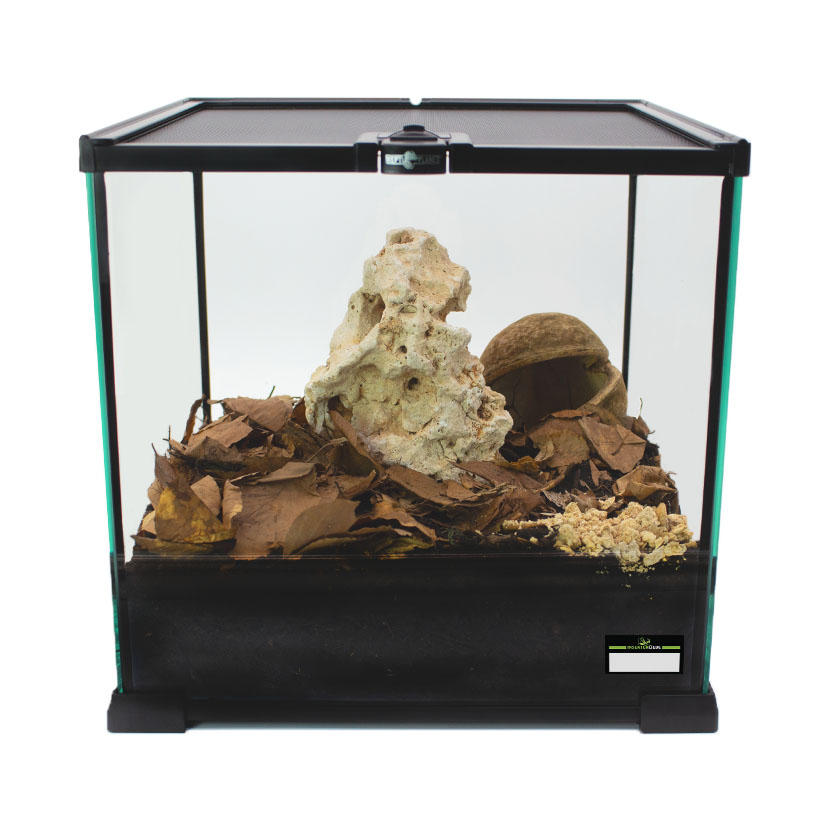
A well-ventilated isopod box or a small tropical terrarium with sufficient floor space is suitable for keeping them. They work particularly well:
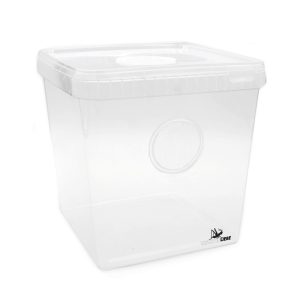
- BraPlast tins
- Isopod Terrarium Complete Set
- Repto Terra Sky
The set-up should offer as many hiding places and different humidity zones as possible. The following have proved particularly successful:
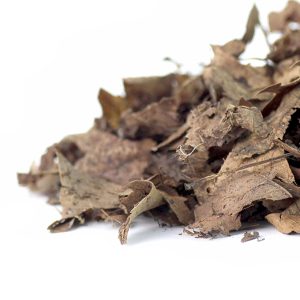
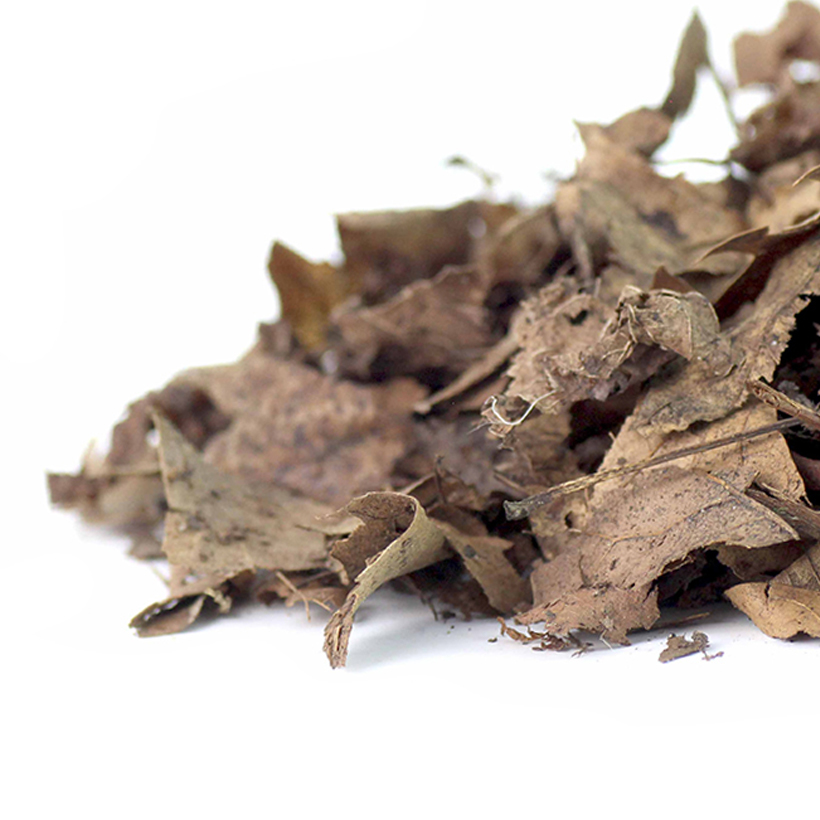
- Fodder leaves
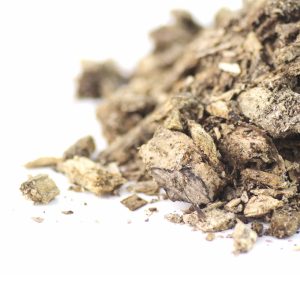
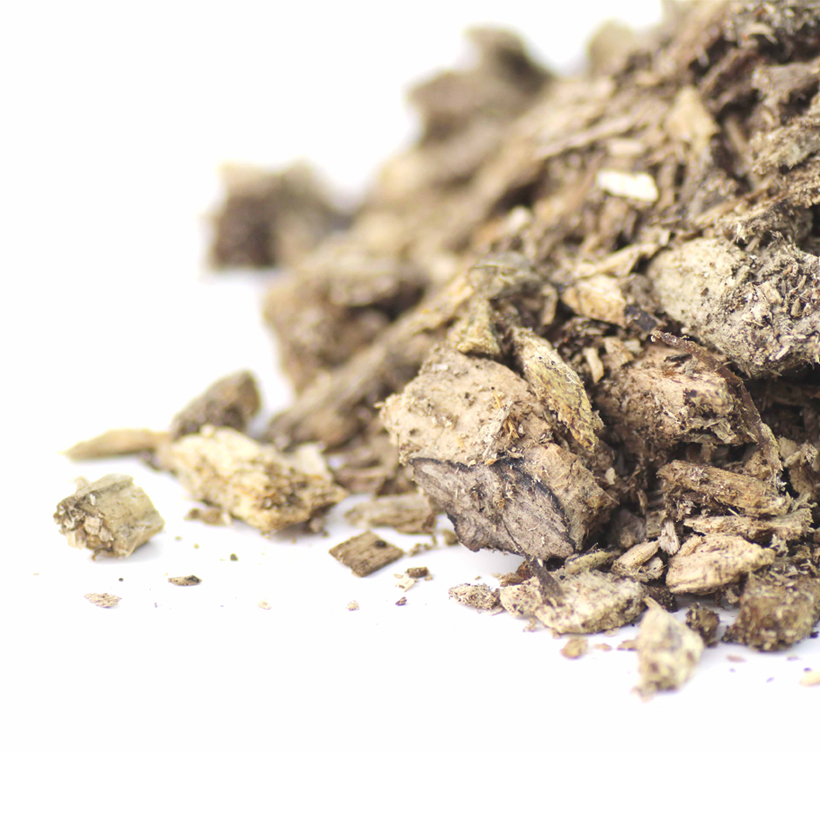
- white rotten wood
- Moss
- Cork pieces
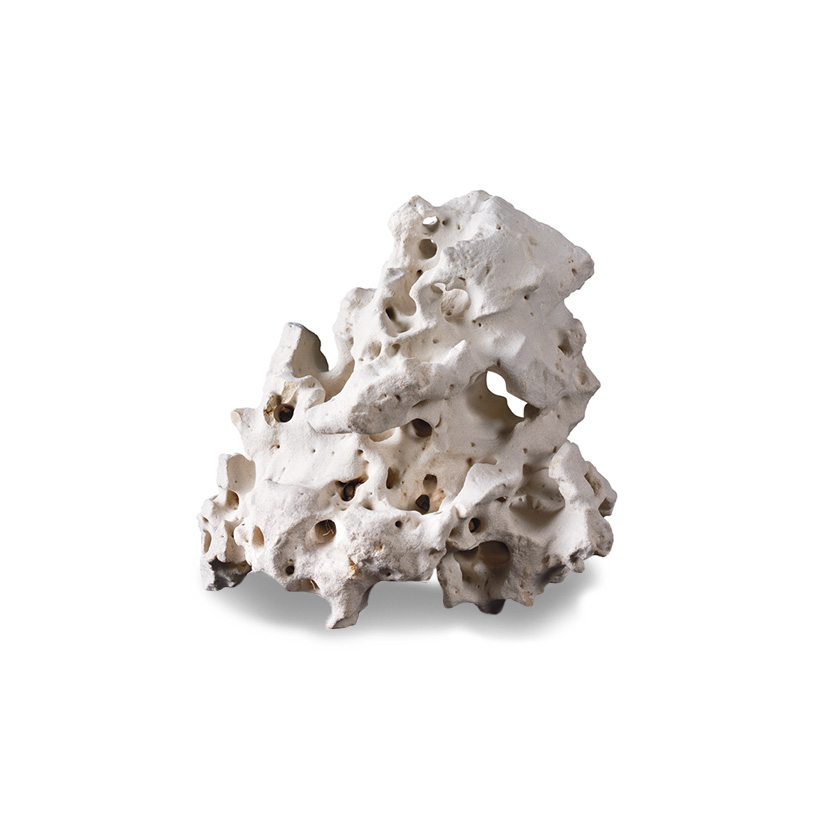
- Lime granulate
- Pieces of bark
Natural and slightly darker setups show off the animals’ intense markings particularly well. At the same time, foliage and rotten wood are actively used as food.
Substrate and microclimate
For a stable setup, we recommend a mixture of:
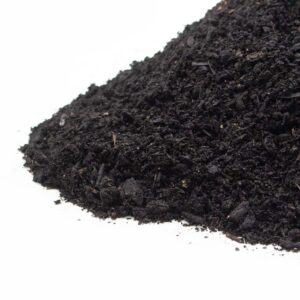
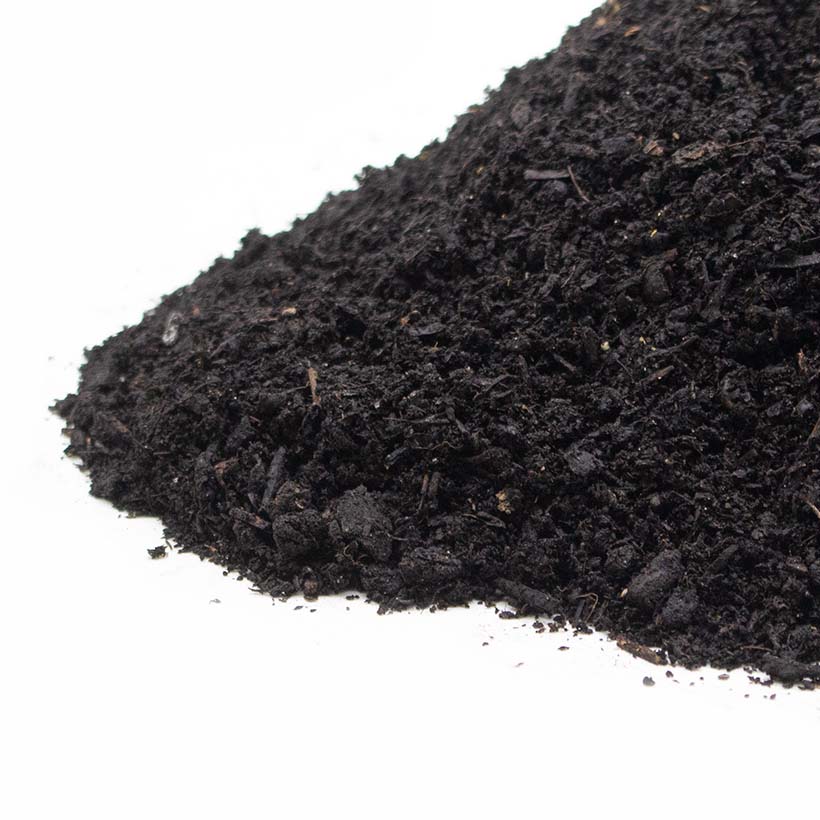
- Forest humus
- white rotten wood
- Fodder leaves
- Lime granulate
This keeps the substrate loose and slightly moist at all times, while at the same time providing the animals with constant food and retreats.
A damp corner and a slightly drier corner have also proved successful, as this allows the animals to use different areas.
Climate and care
For successful keeping, you should adhere to the following values:
- Temperature: 22-25 °C
- Humidity: 75-90 %
The substrate should remain slightly moist at all times, but should not become wet. At the same time, good ventilation is important to keep the climate stable.
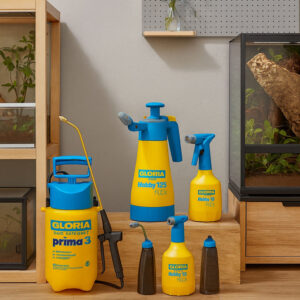
With a GLORIA fine sprayer the moisture can be distributed particularly finely and evenly.
Feeding
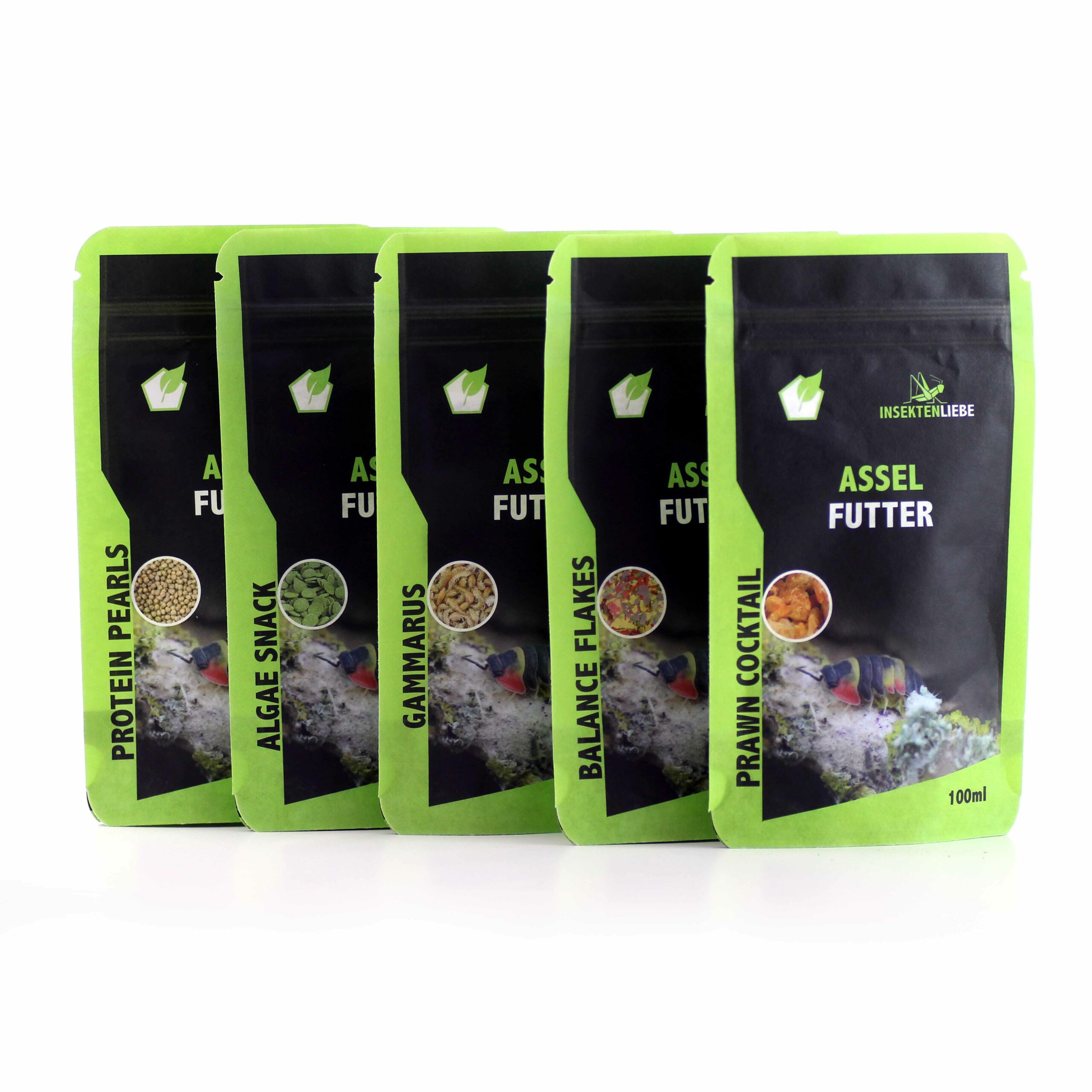
The animals feed mainly on organic material and therefore need leaves and rotten wood on a permanent basis. They also like to be eaten:
- Woodlouse food
- Vegetables
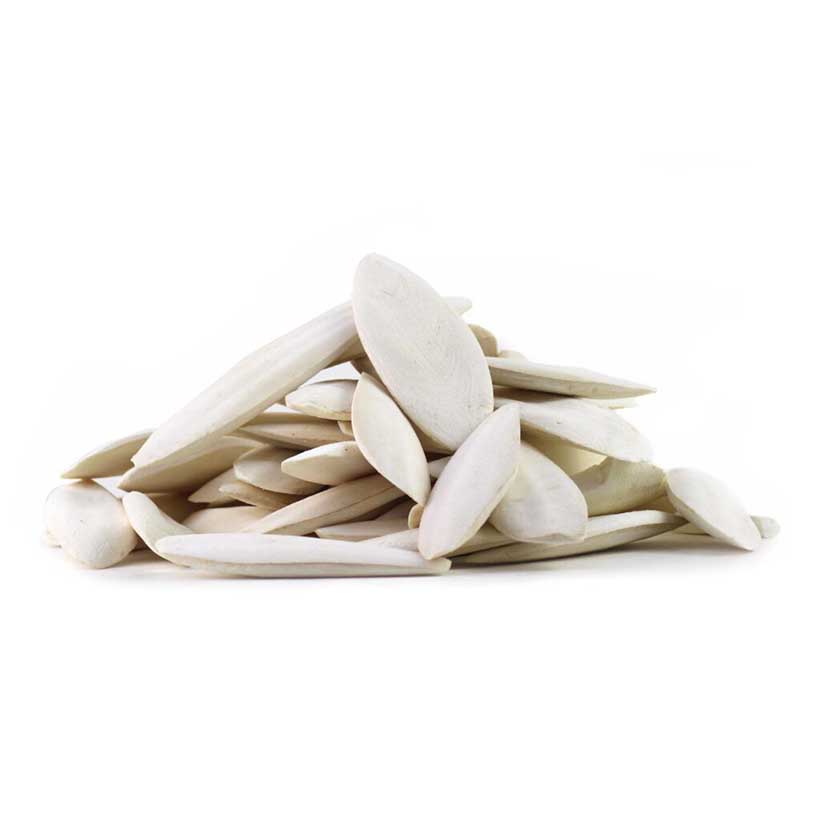
- Cuttlebone
A good calcium supply is particularly important so that the animals can build up their exoskeleton properly.
Offspring
Under stable conditions Laureola spec. “White Skull” reliable. The young initially hide deep in the foliage and substrate before becoming more active later on.
Well-established bioactive setups significantly promote breeding, as food and stable conditions are permanently available there.
Important points on posture
- High humidity is important
- Good ventilation is crucial
- Lots of foliage and wood required
- Structurally rich furnishings recommended
- Ideal for bioactive terrariums
Suitable accessories for your setup
We recommend a stable and natural setup:
- Fodder foliage – most important staple food
- White rotten wood – Food and hiding place at the same time
- Lime granules – supports the shell structure
- Forest humus – natural substrate
- cuttlebone – additional source of calcium
- GLORIA fine sprayer – Controlled humidity
- BraPlast tins – ideal for small tropical species
This creates a stable tropical setup while allowing the animals to behave naturally.
Conclusion
Laureola spec. “White Skull” It is one of the most extraordinary tropical Isopods in existence. Its light-colored head markings, stark contrasts, and textured surface make this species a real highlight in the terrarium.
Anyone looking for rare, premium Isopods with an extraordinary appearance will really enjoy this species.
Perfect combined with
-
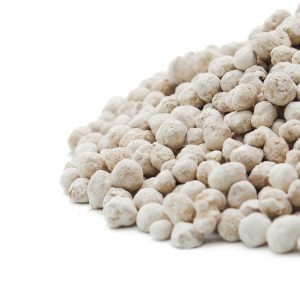
Lime granulate
Price range: 0,49 € through 3,90 € incl. VAT, plus shipping
(from 10 SU = 10% Discount, from 50 SU = 15% Discount, from 100 SU = 20% Discount)
Sales Unit: 1 unit