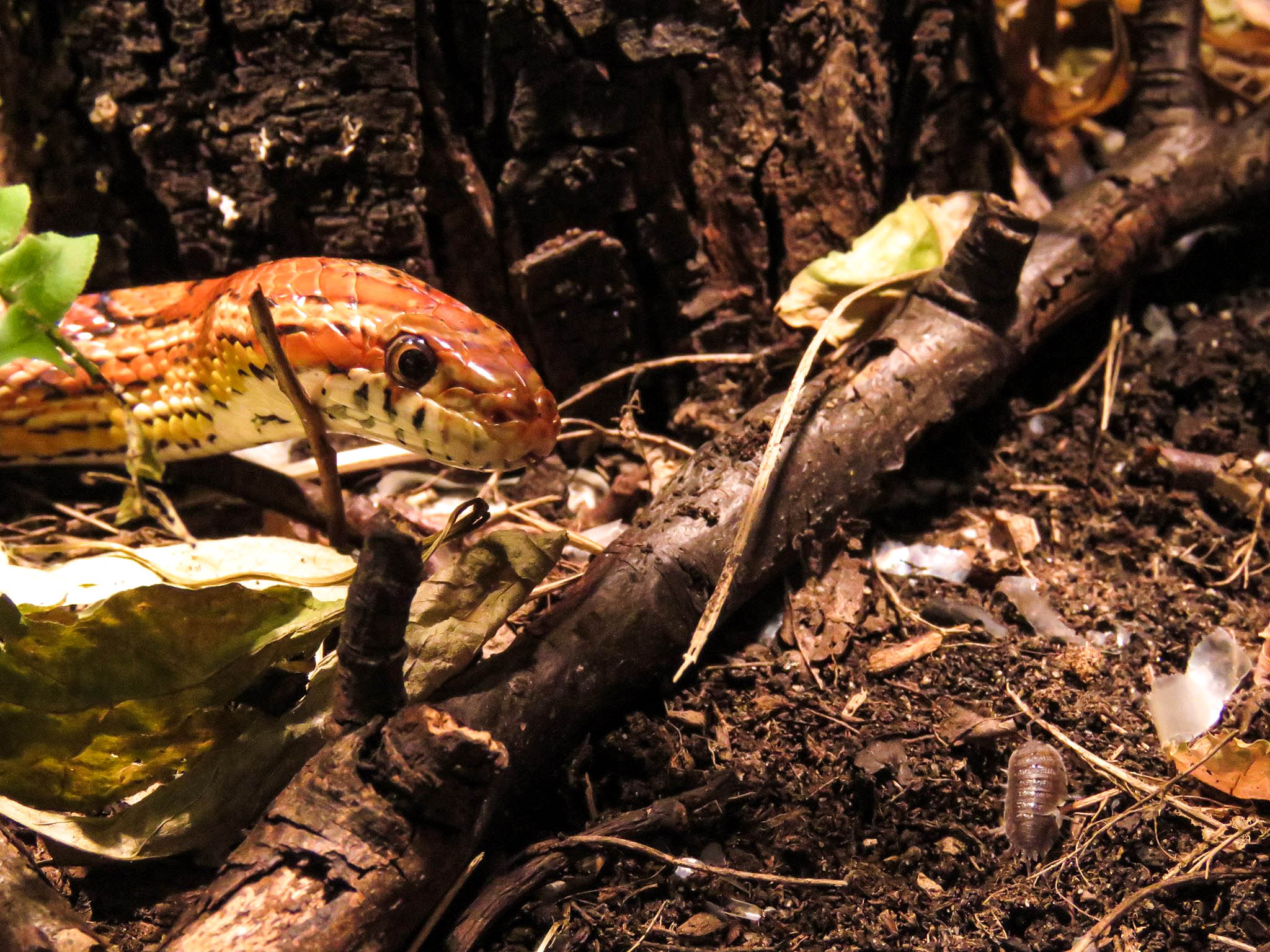


Successful keeping starts with a well-designed substrate. And when it comes to the terrarium substrate or the substrate in other rearing containers, there is much more to consider than you might think. It’s no secret that you can buy relatively high-quality terrarium soil. Nevertheless, very few people do. Even that alone would not be a problem if you used inexpensive soil to keep your pets and sterilized it and inoculated it with various additives before using it. But this advice is one of those pieces of wisdom that is often ignored. Why is that?
“Well, animals grow and reproduce in nature too, of course without special sterilized and inoculated soil”, is often the common opinion. Here too, “trial and error makes perfect” and every terrarium keeper whose substrate has already been spoiled by prolific mould or a mass of hungry mites will be happy to sterilize and inoculate their terrarium soil from then on.
Why you should sterilize terrarium soil
I also had to learn that it is not a good idea to simply take soil from the forest or the garden center. It took weeks to contain the fungus gnat invasion and all my fantastic terrarium plants died due to the root feeding of the gnat larvae. In the wild, a few fungus gnats (Sciaridae) are no problem: on the contrary! The animals are even useful. Their larvae eat dead leaves and other dead plant parts that fall to the ground. However, fungus gnats spread rapidly in the terrarium and very quickly destroy the idyllic view of the terrarium.
If you use soil from the wild or cheap and therefore often poorly stored soil to fill your terrarium, you may bring a whole clutch of different unwanted inhabitants into your terrarium.
Fungus gnats, aphids, spiders or spider mites that hatch in the wild are generally not a problem. They have predators, plenty of space and sufficient food. They disperse and normally do not become a pest, but play their given role in the ecosystem.
In the terrarium, however, the situation is quite different: There is no functioning cycle there. There is no competition and hardly any food, apart from your terrarium plants and your occupants. You have created a habitat that is not in balance, and the creatures that have been brought in will really damage your lovingly furnished terrarium.
Sterilized forest soil is the solution here. Your terrarium will have a stress-free start and great animals and plants can grow.
How to sterilize terrarium soil
So if you want to use cheap soil from the supermarket or old soil from a terrarium, this is not a problem in principle if you kill off potential pests and existing mould spores beforehand.
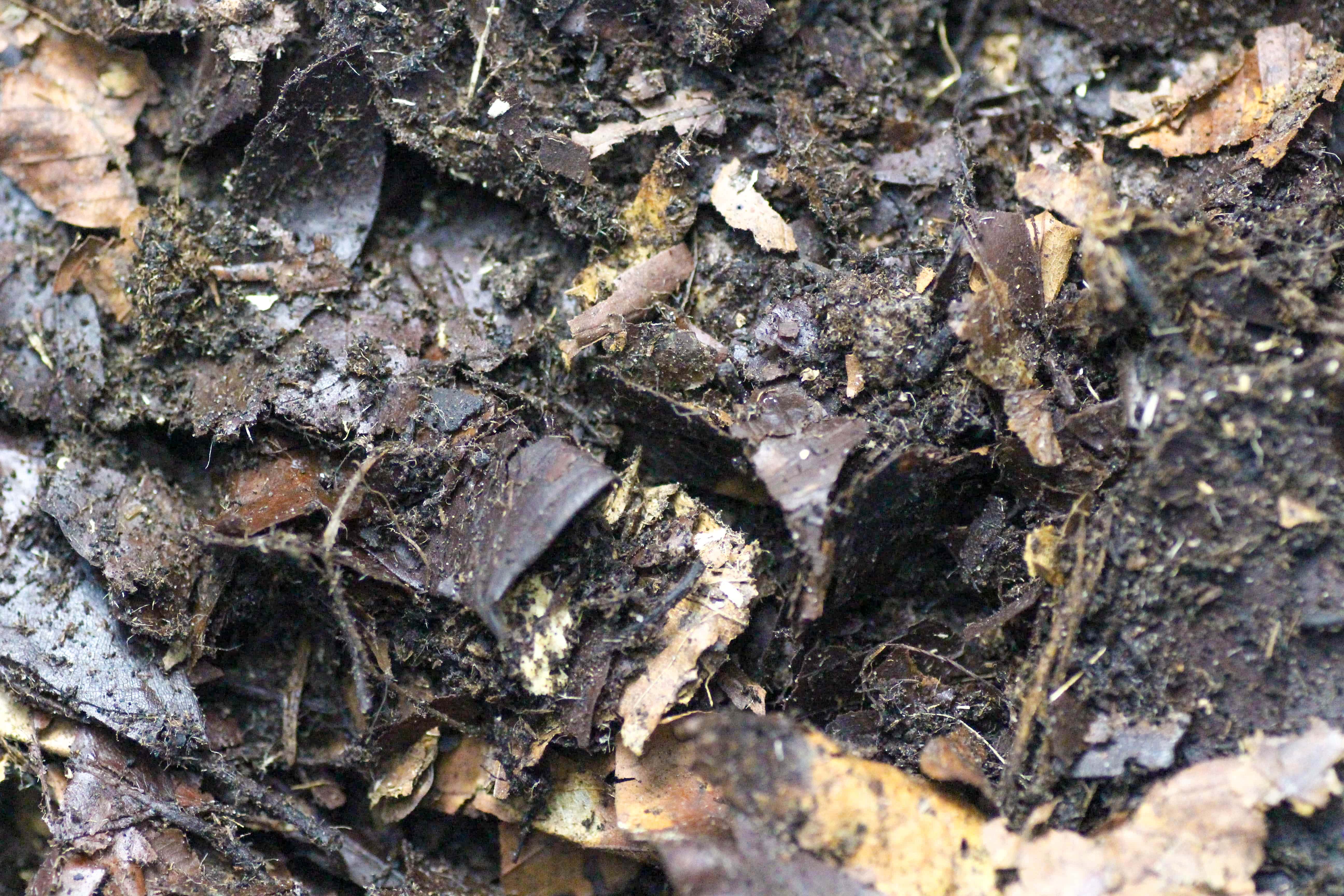
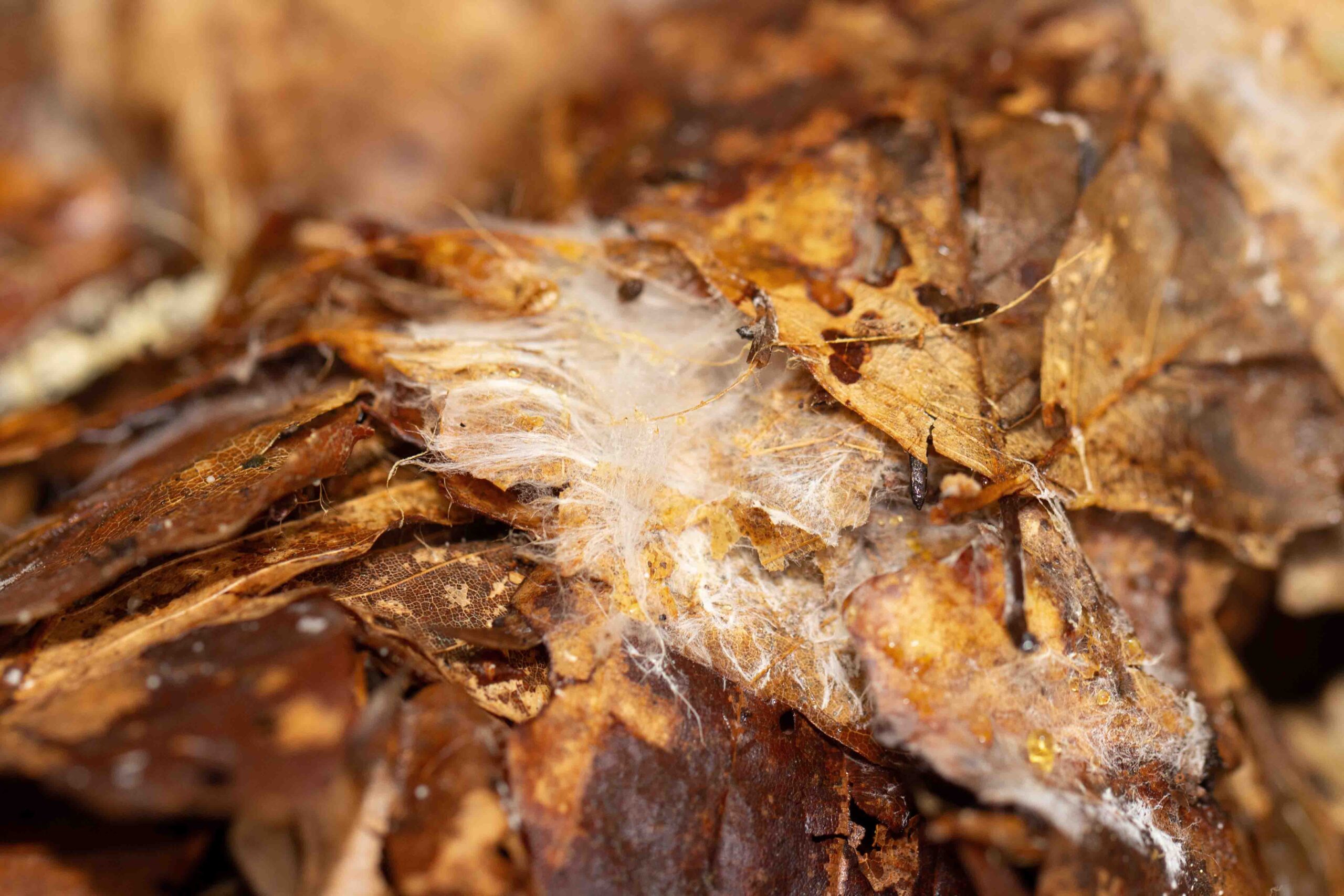
There is nothing wrong with cheap discount soil as long as it is not fertilized and is enhanced with some white rotten wood and leaves.
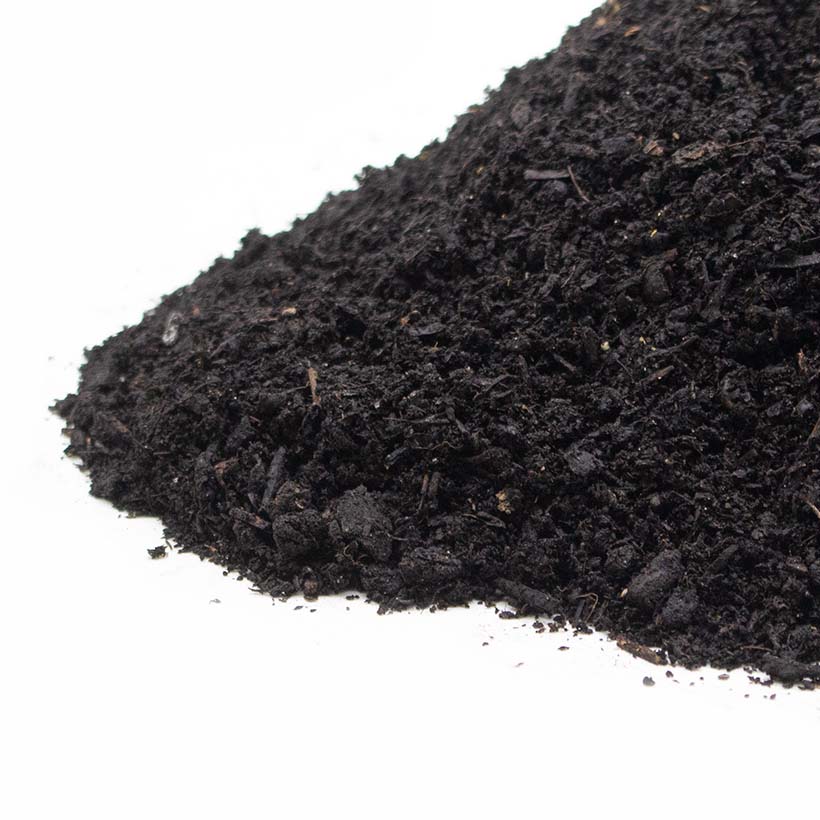
Forest humus
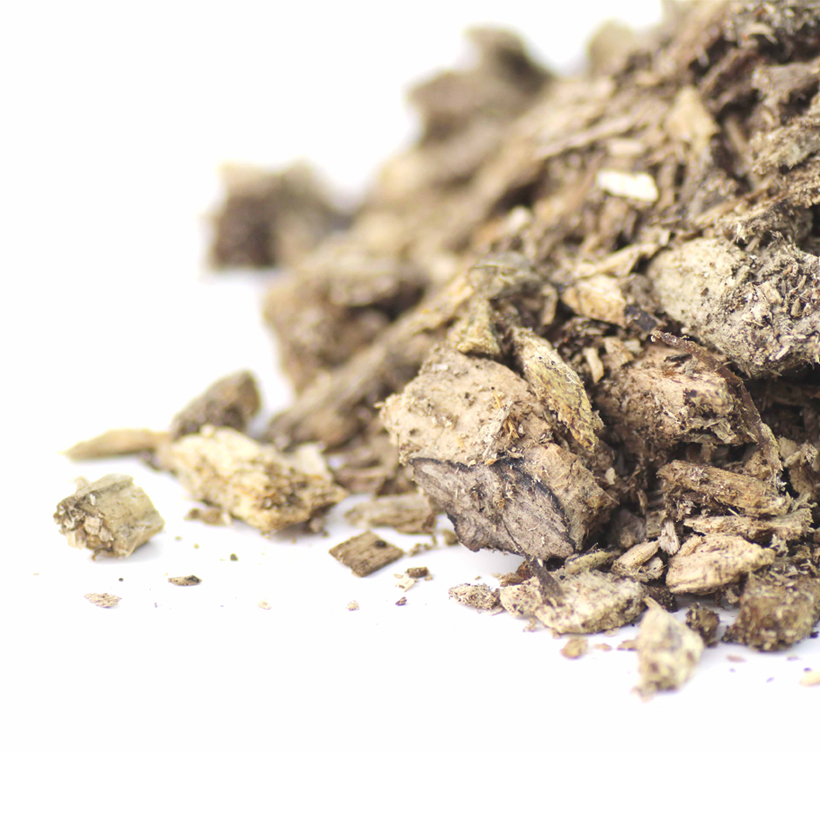
White rotten wood
So-called coco humus, which is simply the shredded, inedible flesh (mesocarp) of the coconut palm fruit, is not suitable for creating a living terrarium substrate. It lacks all the ingredients such as leaves, dead wood and other organic materials that all primary and secondary decomposers need as food. Even if this substrate is spiced up, many isopod species (Isopoda) run the risk of digestive disorders due to the coconut fibers they ingest.
Sterilizing soil works best with heat. This can be achieved either in the oven or even faster in the microwave.
In the microwave, 5 minutes on the highest setting should be enough. You should stir the soil halfway through.
You will need a little longer in the oven. One or two baking trays full of soil should be placed in a preheated oven at 200 °C for 20 minutes. Afterwards, allow the soil to evaporate completely and cool down before you put it in the terrarium.
It may well be that after heating, some white particles appear that you could not see before. These are insects such as mites or larvae and worms. They consist mainly of protein, which coagulates in the heat and turns white.
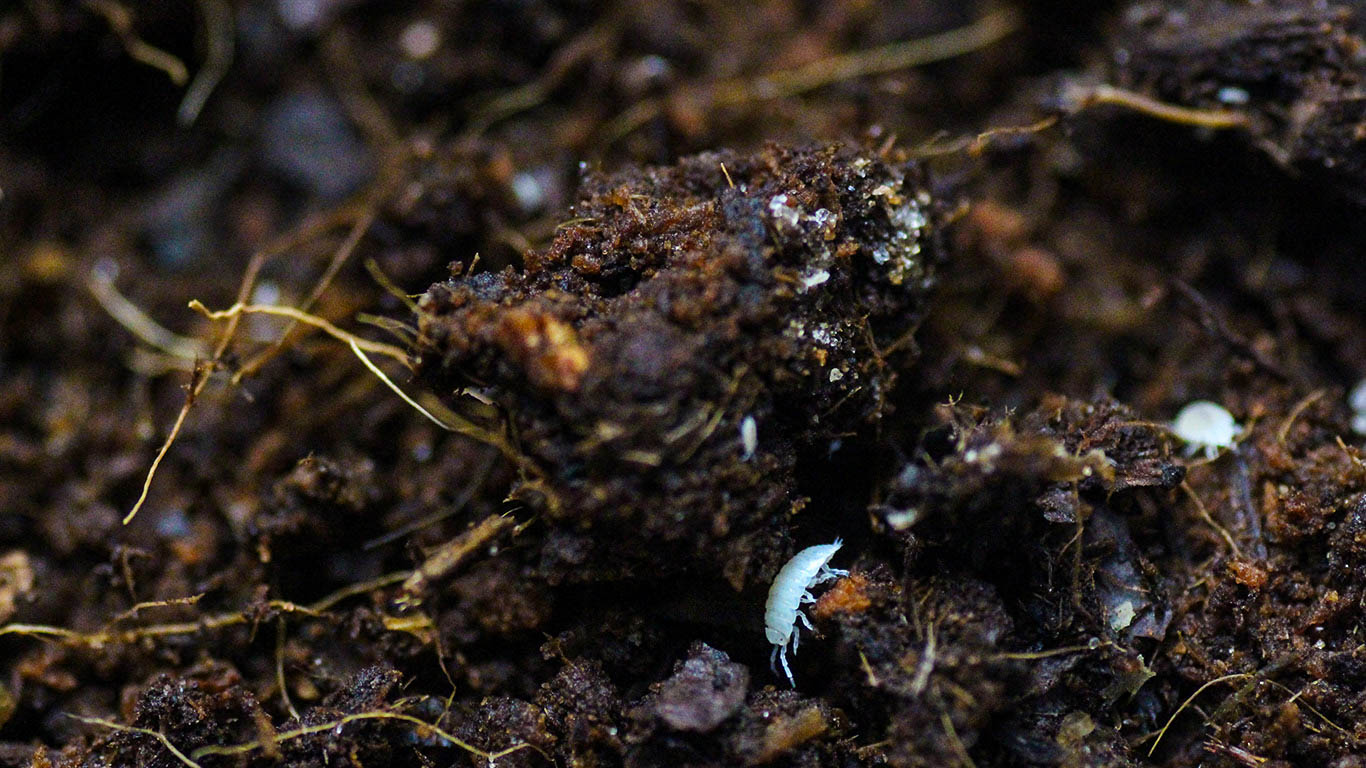
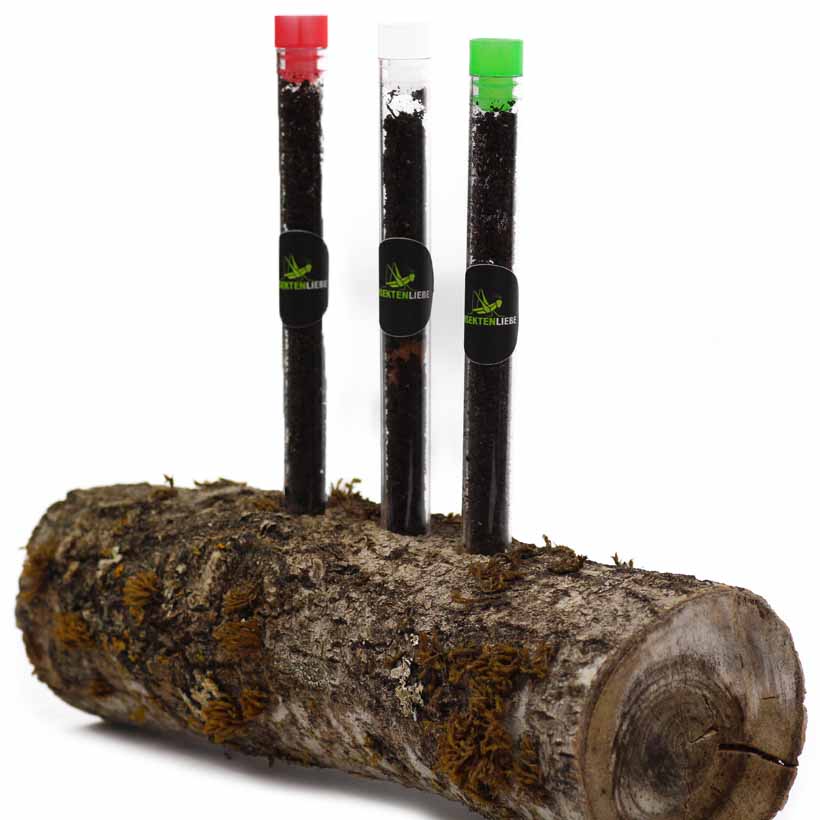
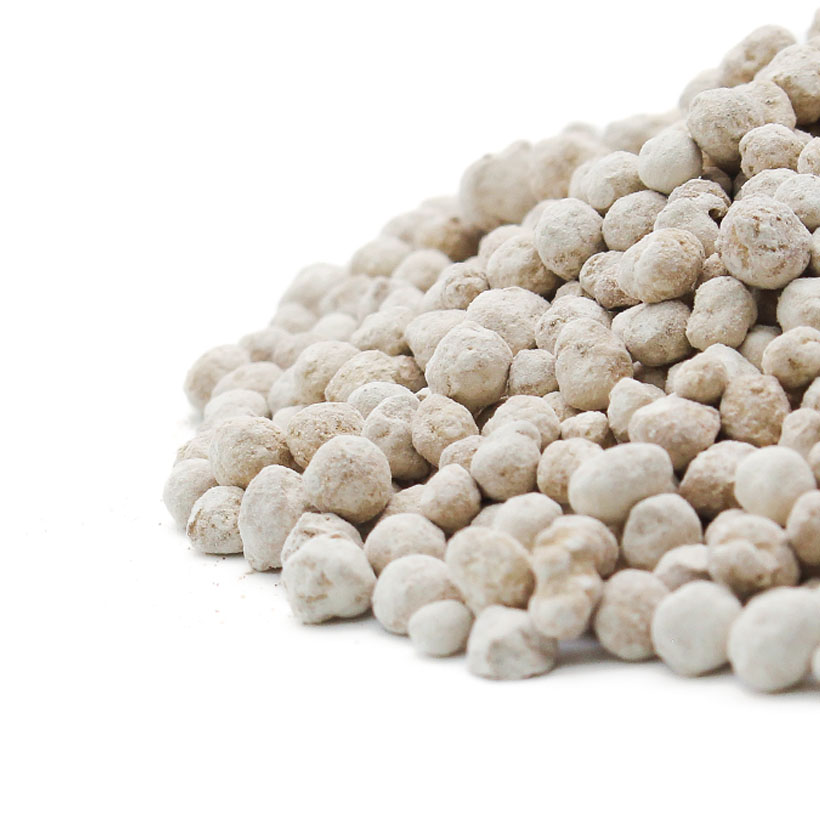
Soil Mix Starter for an Organic Terrarium
Health police
Forest humus
Inoculate terrarium substrate
After sterilization, we have the perfect basis for adding exactly the right kind of destructors to the substrate to ensure that we create a hygienic substrate and thus a healthy basis for our terrarium inhabitants.
The destructors should eat dead plants, animal materials such as moulting residues, faeces, dead food animals, fungi and even mould. At the same time, they naturally prevent mites from forming, which can very quickly become a problem.
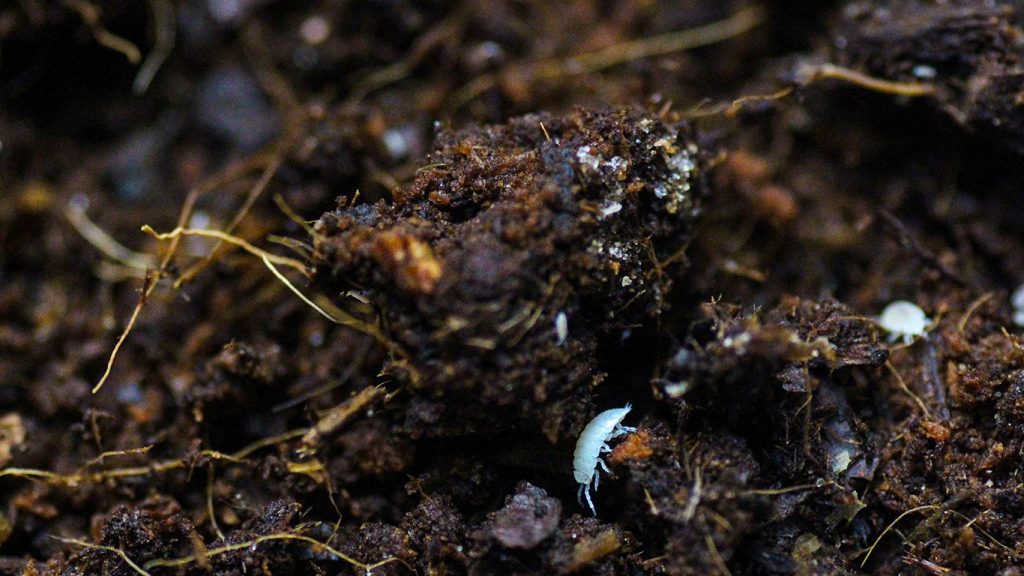
Before inoculating the terrarium substrate with helpers, you should consider which animals you are using and what conditions they require. The basic equipment of the ground police should always include white Isopods (Trichorhina tomentosa) and springtails (Collembola).
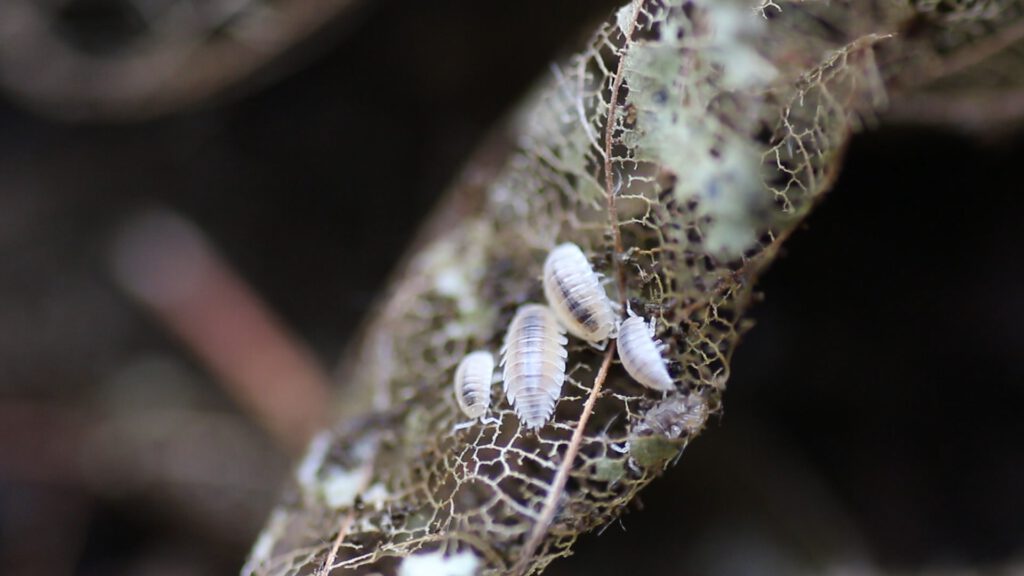
Most Isopods are herbivores and are therefore biologically primary decomposers. White Isopods mainly live in the substrate and really dig through it in search of food. This allows air to reach the terrarium substrate and eliminates germs that are not visible at first glance. Isopods belong to the class of higher crustaceans (Malacostraca) and need at least one damp corner in the terrarium to cover their moisture requirements.
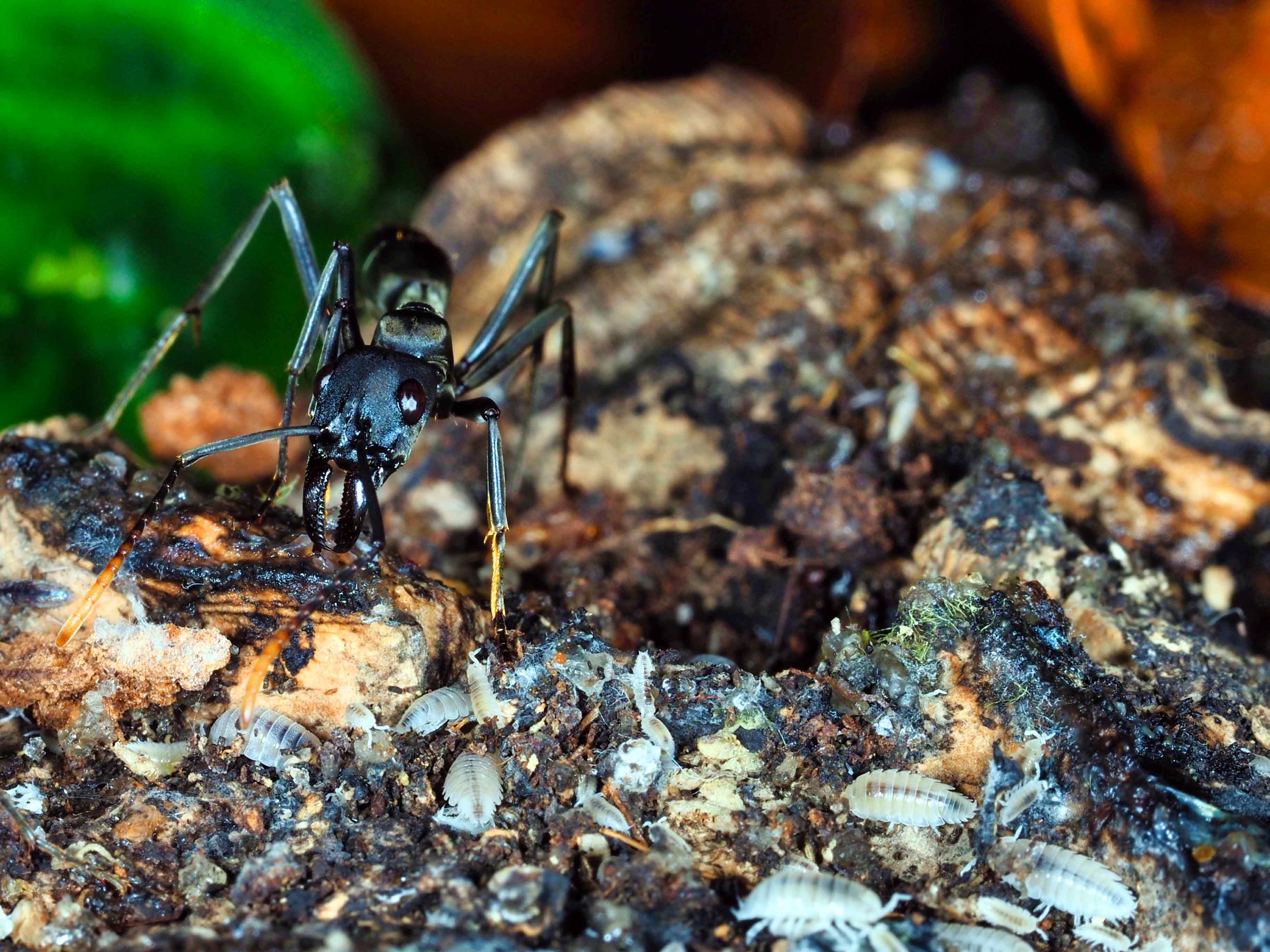
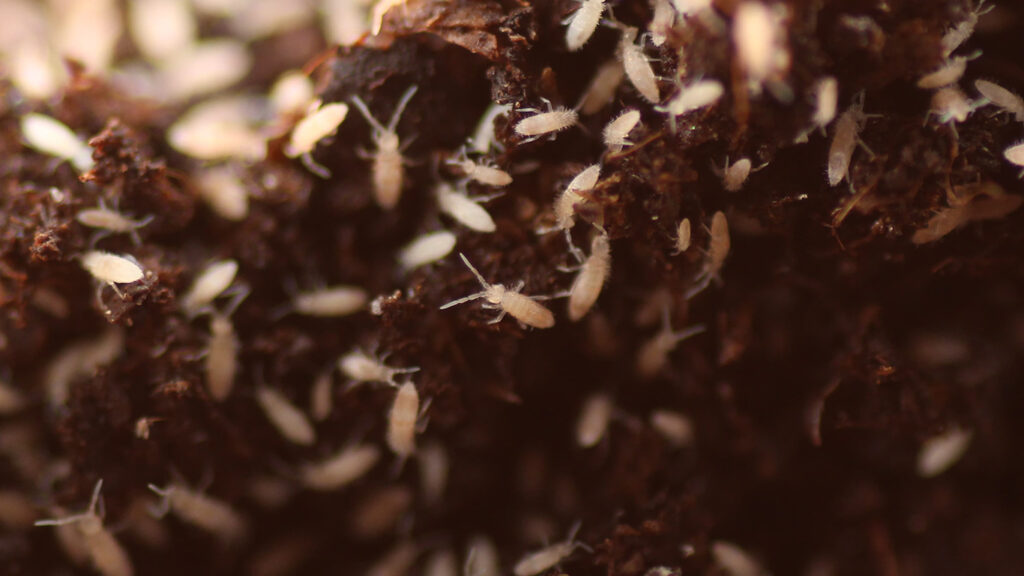
Springtails are secondary decomposers and feed on the excrement of Isopods, among other things. In this way, they perfect the natural cycle in the substrate. Unlike Isopods, they do not stop at mold and eat it completely. This means they have eliminated the entire wish list of things you don’t want in your terrarium. They also need at least one damp corner in the terrarium.
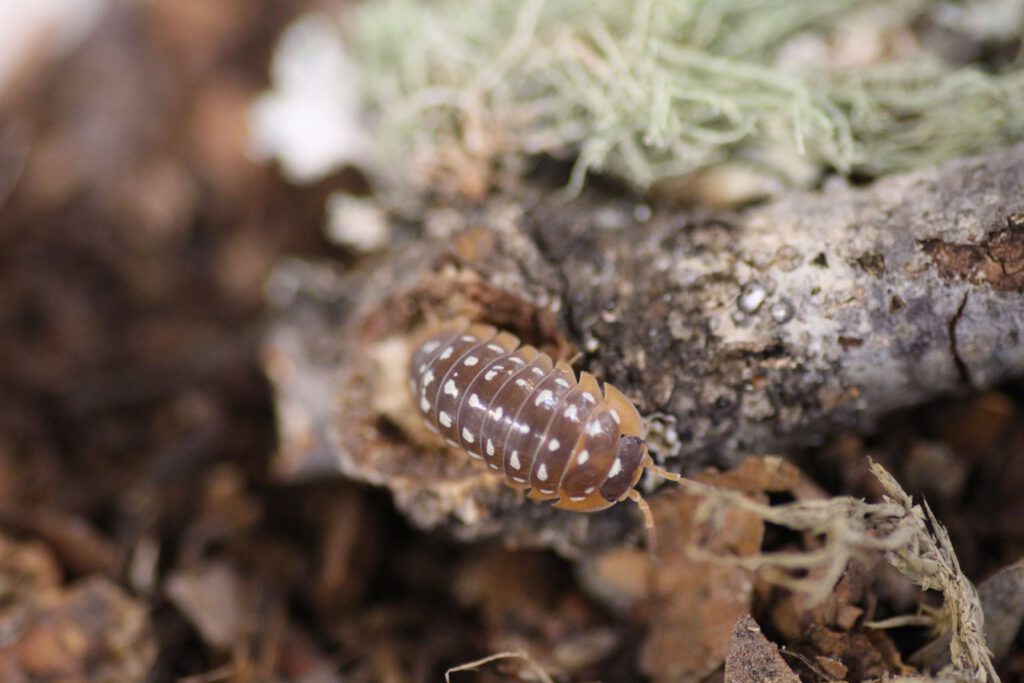
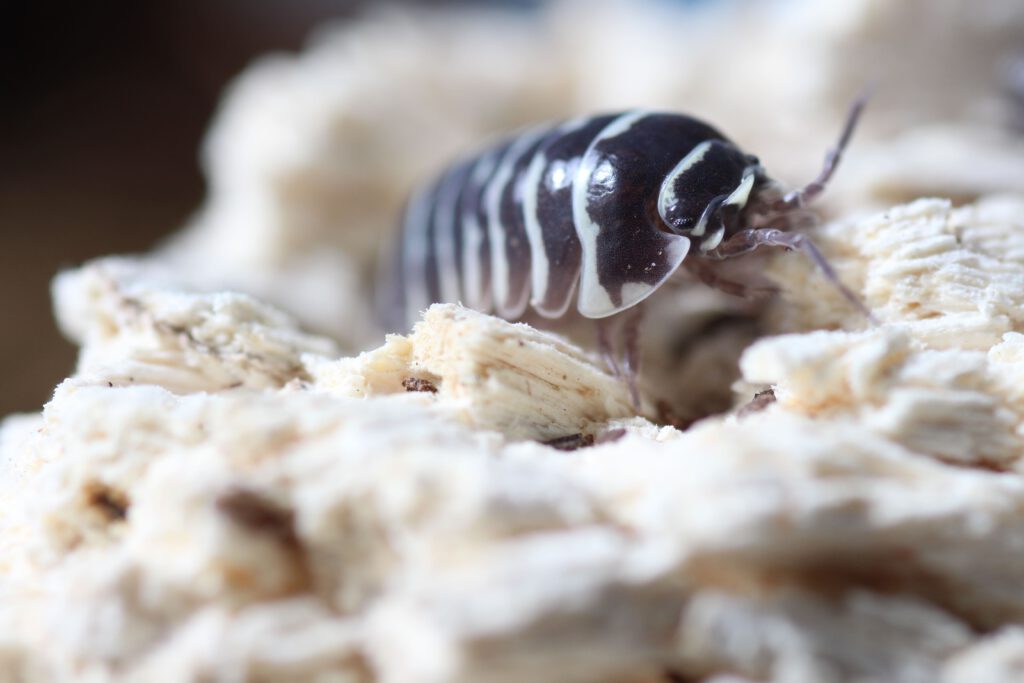
Depending on your requirements, you can now add another species of isopod as bottom police. Be it because the actual occupants need a lot of food due to their fast metabolism and thus cause a lot of waste, or because it is simply nice to keep a clearly visible Isopod on the substrate and thus get the flair of a community terrarium.
Cover photo: © Eike Kilian Mehl
DO YOU STILL HAVE QUESTIONS ABOUT TERRARIUM SUBSTRATE?
Use the comments below this article!

Leave a Reply
You must be logged in to post a comment.