


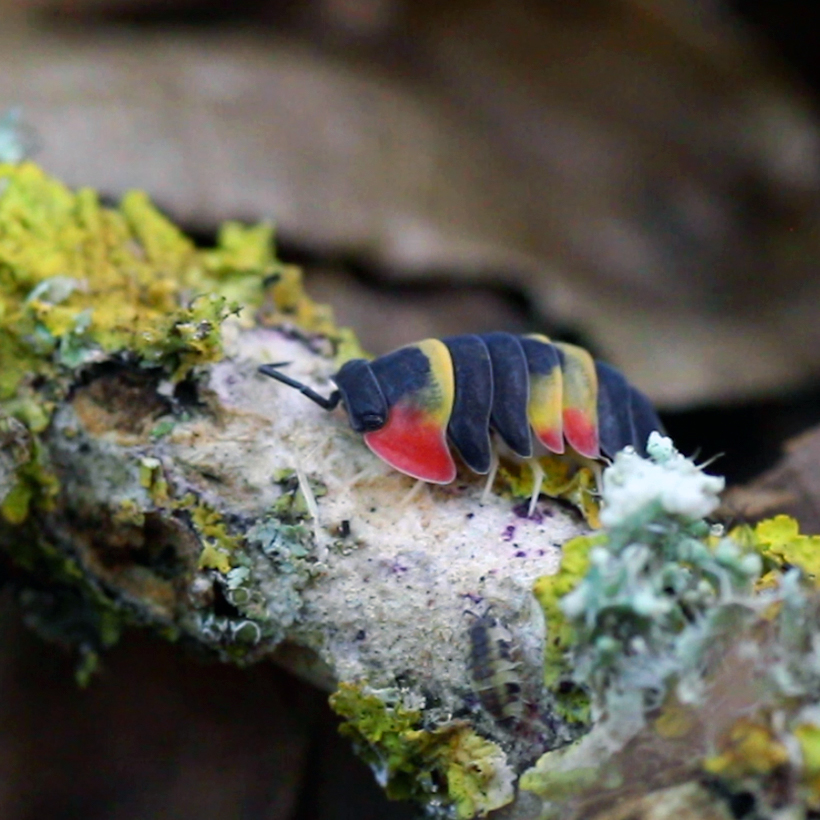
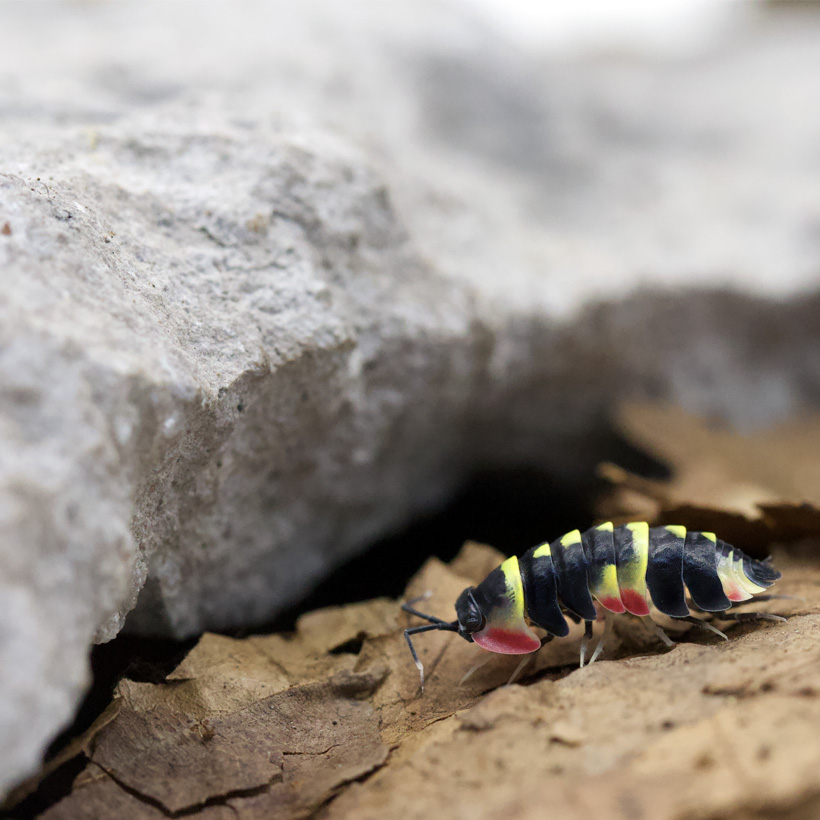
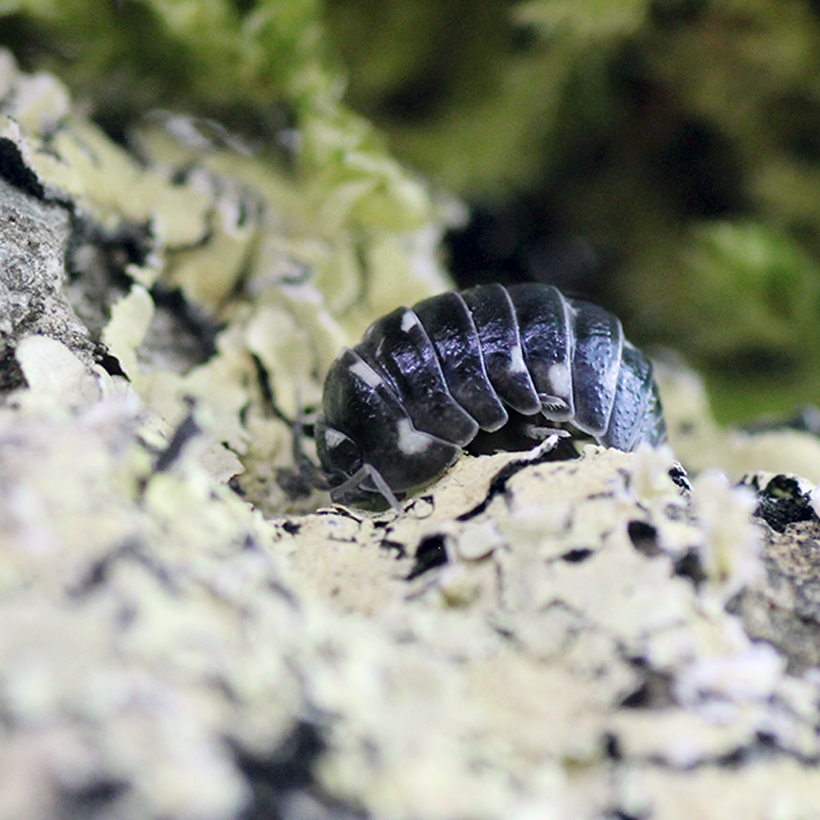
A piece of nature in the living room: woodlice, woodlice and the like can easily be kept in a terrarium. This can be particularly interesting for children and young people who are learning about the habitat of insects and other invertebrates. Of course, they also have basic needs and requirements that can be met relatively easily, inexpensively and with a small investment of time. You can also easily bridge the vacation period without neighbors, relatives or friends having to look after the animals. Isopods are also forgiving of the odd motivational hole, but otherwise need to be fed and cared for regularly like any other pet.
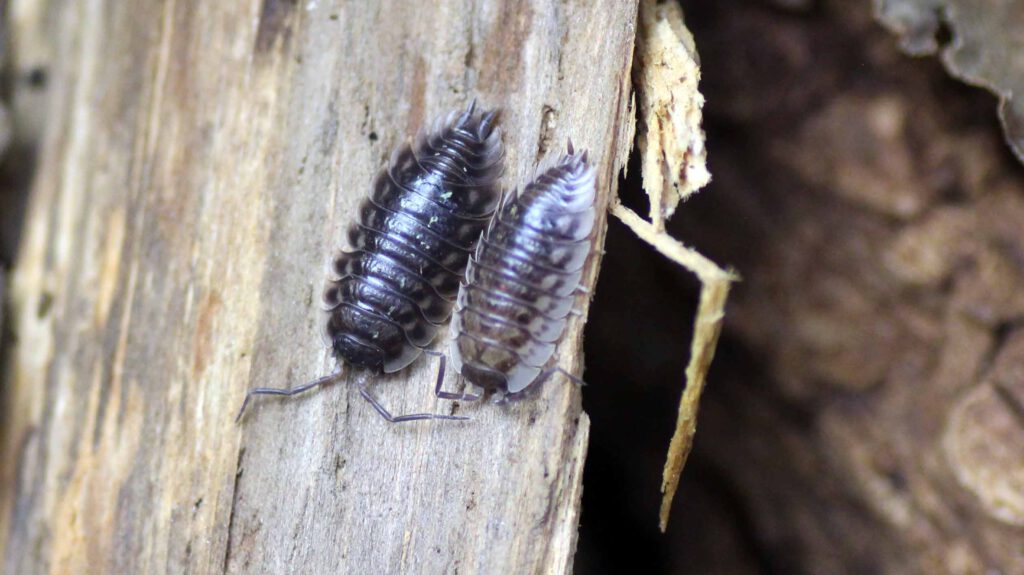
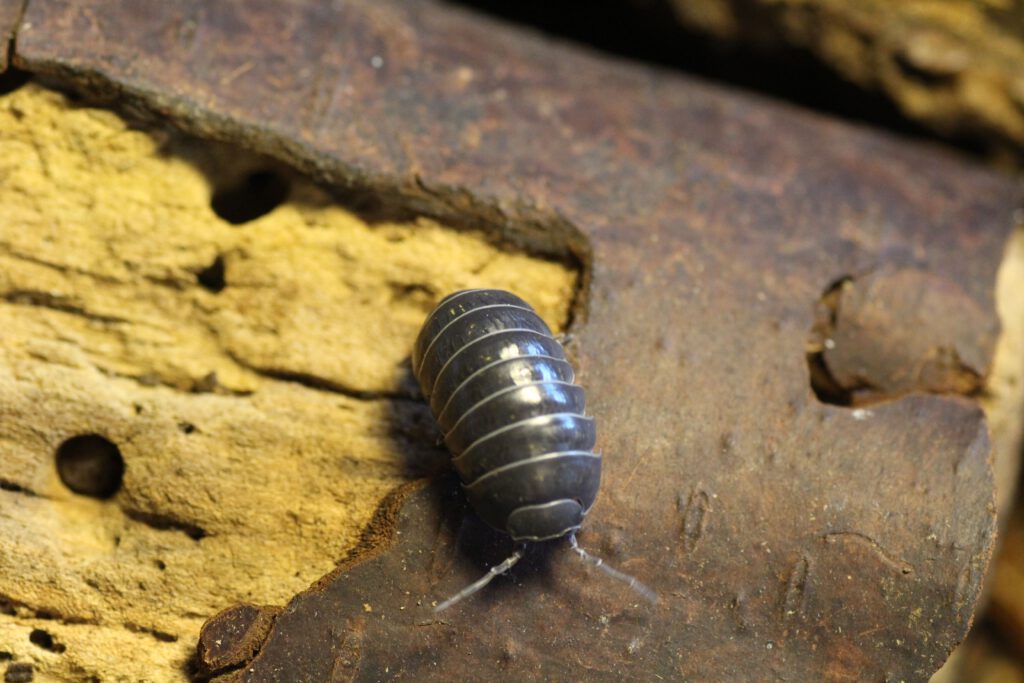
Isopods are therefore definitely suitable pets and companions for children. Whether you live in the city or in the village. It is very easy to recreate the animals’ environment in a terrarium. Keepers can then observe how the animals develop and reproduce. There is no need to worry about damage to the home, as Isopods cannot survive in normal indoor humidity, let alone reproduce.
Where can you find Isopods?
The best place to do this is in a deciduous forest. Of course you can also search in a coniferous forest, but the diversity of species in a deciduous forest is many times greater due to the presence of foliage. It is promising if you don’t look for Isopods there but for white rotten wood. White rotten wood are trunks or branches that have been lying in the forest for years and are rotting. The white rot fungus develops and slowly decomposes the wood. You can easily crumble this seasoned wood with your fingers and it smells slightly of mushroom, not unpleasant, but more like a delicious mushroom soup in the fall.

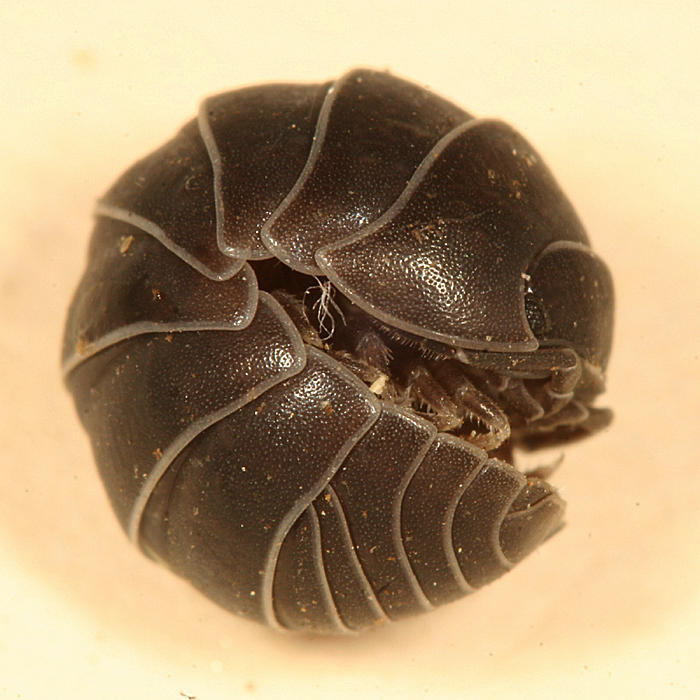
If you turn these trunks or branches over, you will automatically find very different species of isopods and sap-suckers. The Glomerida form an order within the group of millipedes and therefore do not belong to the Isopods (isopods). Due to their short, high-arched body and their ability to curl up in the event of danger, they are often confused with woodlice. However, they differ from woodlice in their largely uniform segments and the ability to hide their head with the first dorsal shield inside the ball when curling up.
I recommend starting with Isopods, as they are easier to keep, the reproduction rate is higher and, above all, the development time is much faster. My experience also shows that woodlice always go down very well with children!

How do we set up Isopods in the living room?
The size of the rearing container or terrarium depends on the number of animals. For me, a number of 12 animals has proven to be optimal and I have always been able to achieve very good results. Our complete Insektenliebe Isopod set is completely sufficient for this number.
Deciduous forest humus is an excellent substrate. If you are new to keeping isopods and are not yet experienced, you should start with a substrate height of 3 cm. This retains sufficient moisture and is forgiving of the odd watering mistake.
Mix a handful of white rotten wood into this substrate and place a large piece of cork bark on top so that the Isopods have somewhere to hide. Next to this piece of cork bark, place food leaves on the substrate. The white rotten wood and the leaves perfectly cover the Isopods’ basic food requirements.
A corner with forest moss has proven to be an optimal moisturizer and should not be missing.
What do our new Isopods eat?
Isopods are easy to feed: as there are already leaves and white rotten wood in the container, all you have to do is feed them. You can do this with carrots, zucchinis, sweet potatoes, Chinese cabbage or even a boiled egg. I would advise against vegetables and fruit that contain a lot of water, as they simply go moldy far too quickly. Although this is not necessarily harmful for the animals, it is permanent for you and not nice to look at.
Protein in the form of isopod food should be offered from time to time. You should only put very little of this in the container so that the animals eat it immediately and completely before mold develops.
Sepia is really important as a source of calcium. In everyday life, we are more familiar with cuttlefish from bird cages. But Isopods also need this fortification for their shells. The cuttlefish shells should therefore always be available in the container so that the high calcium requirement for the development of Isopods is available. Alternatively, you can also grind eggshells and offer them to the animals. However, my experience shows that these are not accepted as well as the softer cuttlefish shells.
How do we look after our Isopods properly?
Maintenance takes place twice a week. In the half where the moss corner is located, it is best to spray the surface of the tank with a hand sprayer. The Isopods like to use this for moulting. It is never possible to say how often you need to spray, as factors such as ambient temperature, container size, substrate height and ventilation size in relation to the box all play a role. You should make sure that the substrate is and remains moist overall. The substrate should not be wet but also not dry. If you are on vacation for 2 weeks, it makes sense to keep the box cool and dark. A cellar room is a suitable place for this. A Beetle Jelly is suitable as a food source for a longer period of time.
Leave a Reply
You must be logged in to post a comment.