

Description:
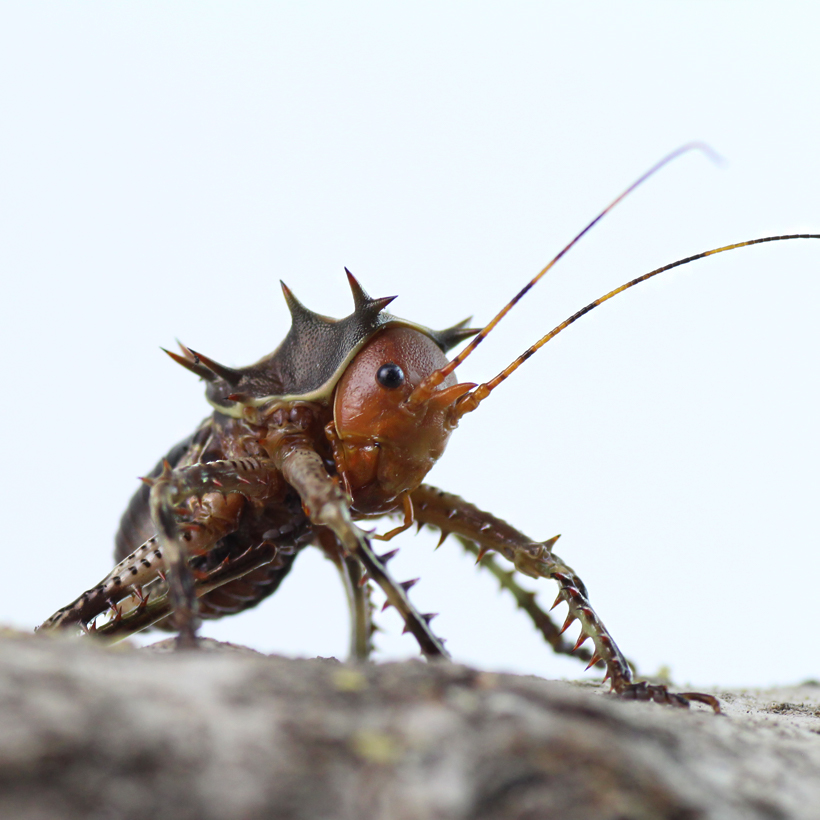
The Australian ghost shrimp has been established in terraristics for a good 5 decades. They are often researched in various school projects, but they have also become a popular beginner species in private households. This is due to their interesting behavior as well as their frugality when it comes to keeping them. This phasmid can be given to children without hesitation. Of course, parents should keep a watchful eye on them, but the fascination of the animals will quickly spread to the whole family.
General Information:
When I think of the Australian ghost insect, two words come to mind that are especially important for this species:
Mimesis and mimicry
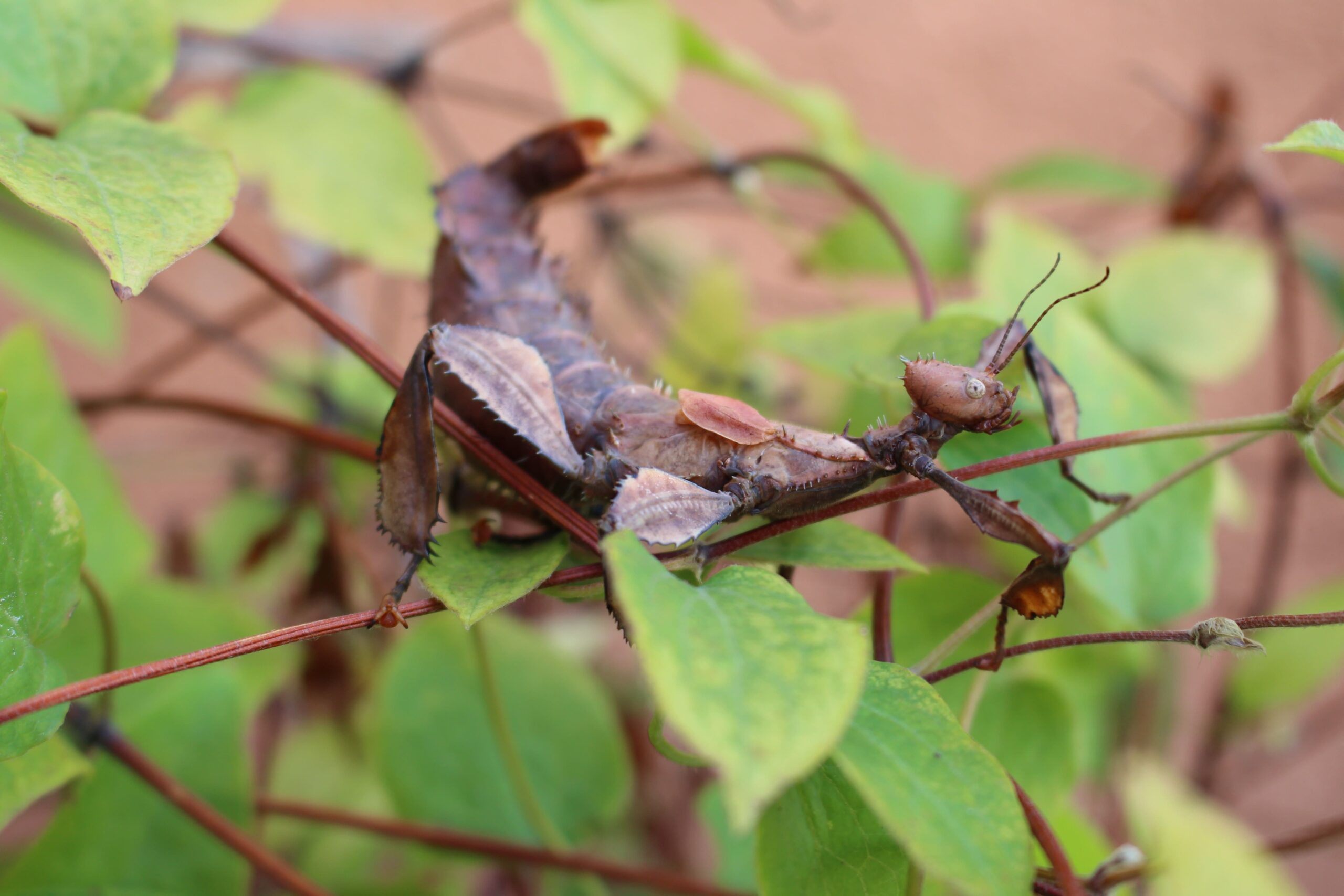
In biology, mimesis is a form of camouflage. With untrained eyes, the Australian ghost insect can easily be mistaken for dried leaves. When they move, they sway like leaves in the wind, causing the whole branch to sway and they merge with their surroundings.
Mimicry is the adaptation of defenseless animals to the color or shape of feared, defensible animals. There are countless examples of this in nature, but what do our spectral terrors have to do with it?
In Australia there is a species of ant called Leptomyrmex, this harvester ant does what all ants of its kind do. They collect seeds and store them in their granary. There they are processed into ant bread as required and fed to the larvae.
As the eggs of the Australian ghost insect are very similar to seed capsules, these are also transported into the granary.
The eggs of the Australian ghost insect are hard-shelled and cannot be cracked by ants. This allows them to be stored for months in the granary of the Leptomyrmex under perfect conditions. The ants clean the seed so that no mold can develop and the climatic conditions for incubating the eggs are perfect.
That alone would be remarkable, but what hatches from these eggs surpasses many an imagination. Darwin once said: “It is not the strongest species that survives, nor the most intelligent, but rather the one that is most willing to change.”
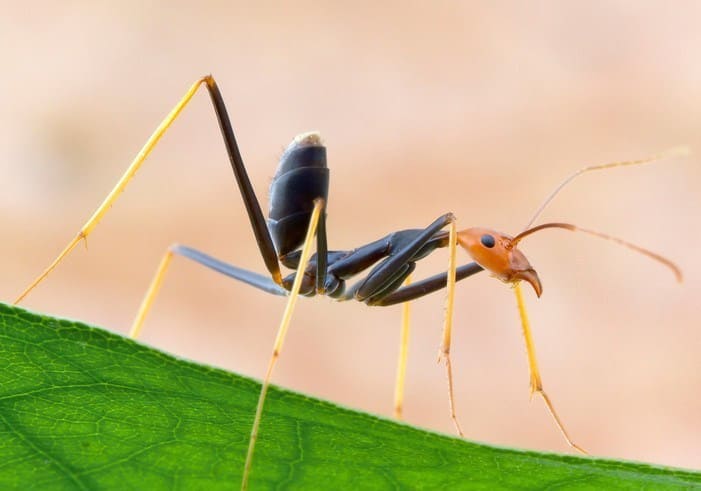
Here is a beautiful photo of Leptomyrmex ruficeps
Image © Alex Wild
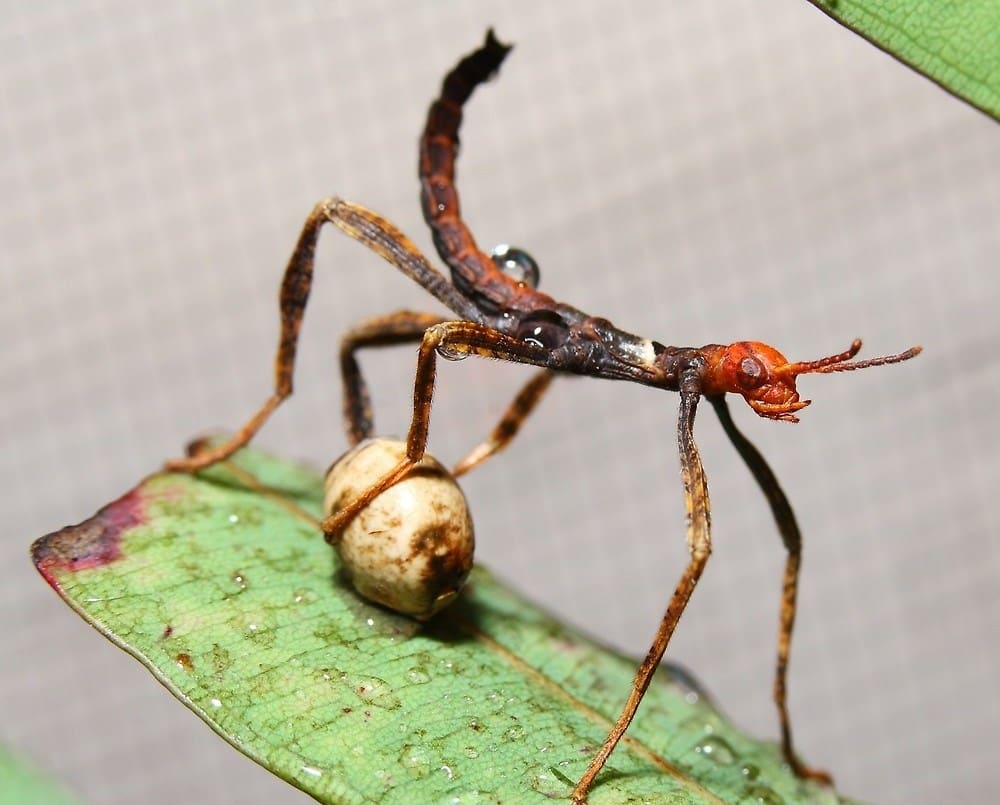
A freshly hatched Extatosoma tiaratum
In the first few days they look very similar to the ant worker. The color characteristics, red head and black body were also copied. The distribution area of the ants corresponds to that of the Australian ghost insect. They live in the eucalyptus forests of eastern Australia.
This appearance and the smell of the nest are enough for the ghost grasshopper to escape unharmed from the nest and go in search of food. This restless behavior of the freshly hatched grasshoppers can also be observed very well in captivity. The ants bend their gaster upwards to spray defense secretions forwards. All animals that have already had contact with this aggressive ant species allow the ghost ants to move on and tend to shy away.
After the first molt (L2), the Australian ghost mantis takes on its original appearance and instead of mimicking ants, it engages in mimesis.
Size:
Male: 10.0 cm
Female: 14.0 cm
Food:
Australian ghost insects feed almost exclusively on eucalyptus in the wild. No wild eucalyptus grows in our flora, so we have to switch to other food plants.
The voracious Extatosoma tiaratum easily switch to a variety of other plants, such as:
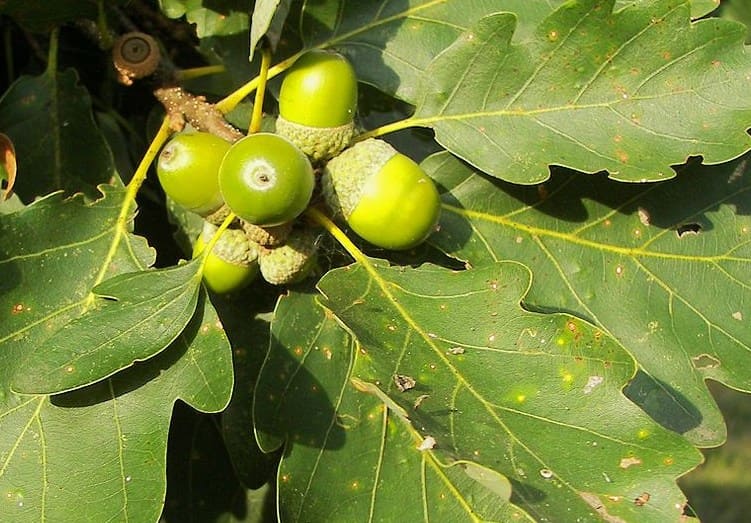
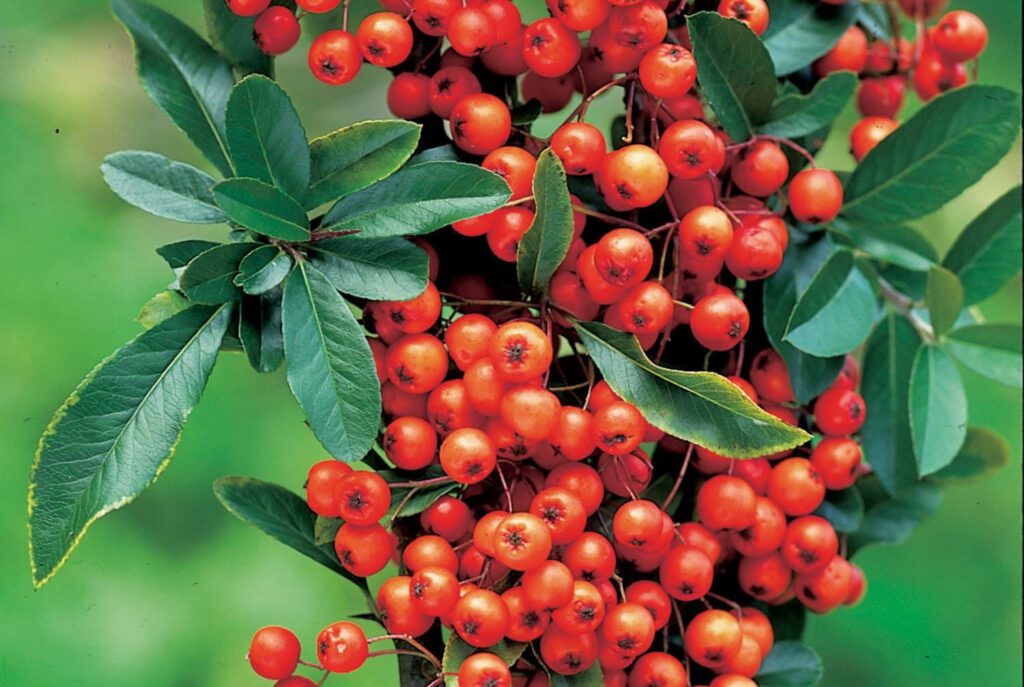
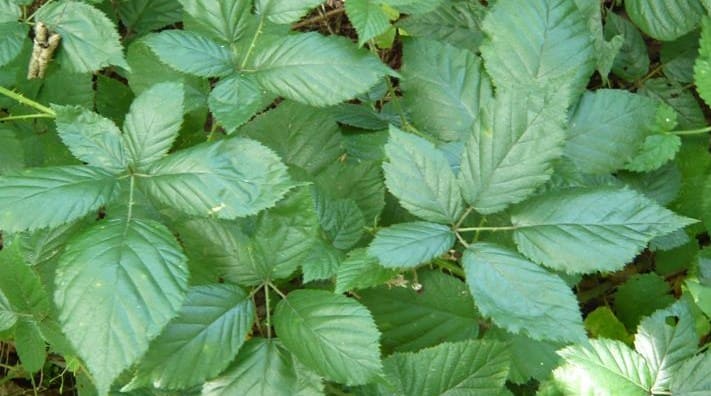
Blackberry (Rubus allegheniensis)
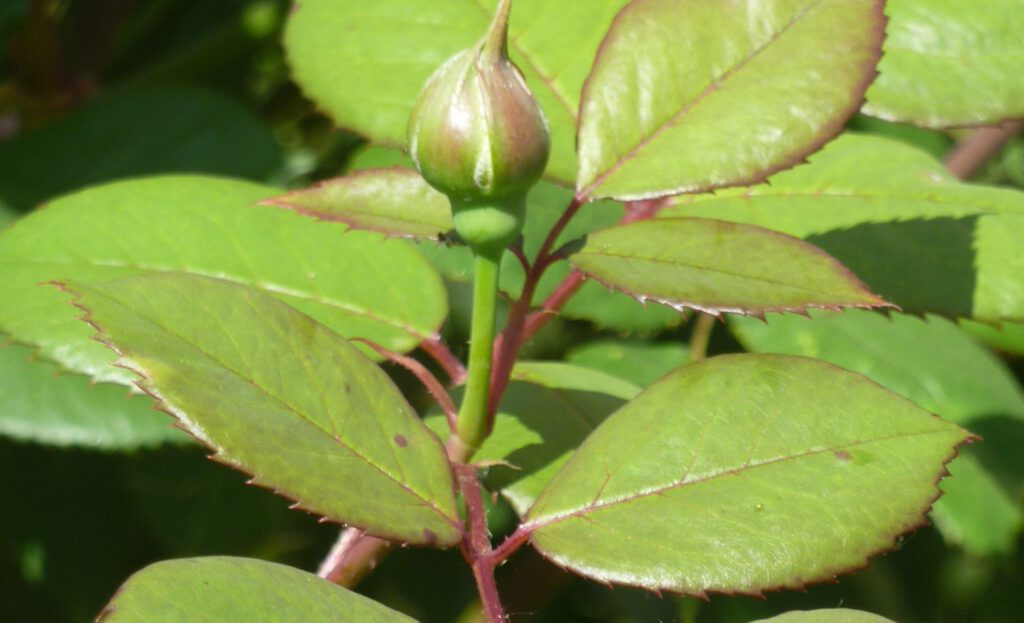
Rose (Rosa)
Wild rose (Rosa sp.)
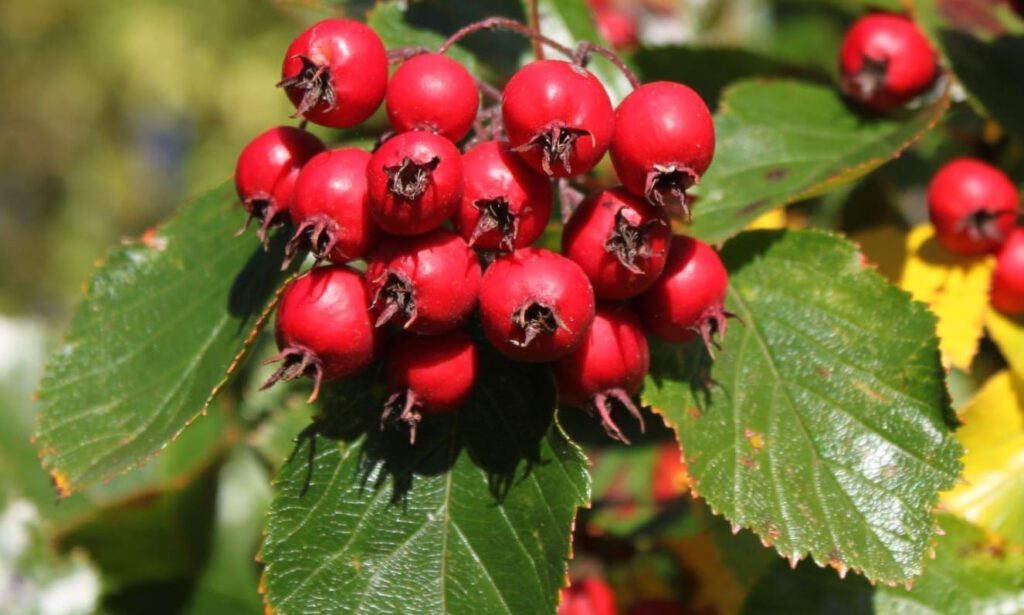
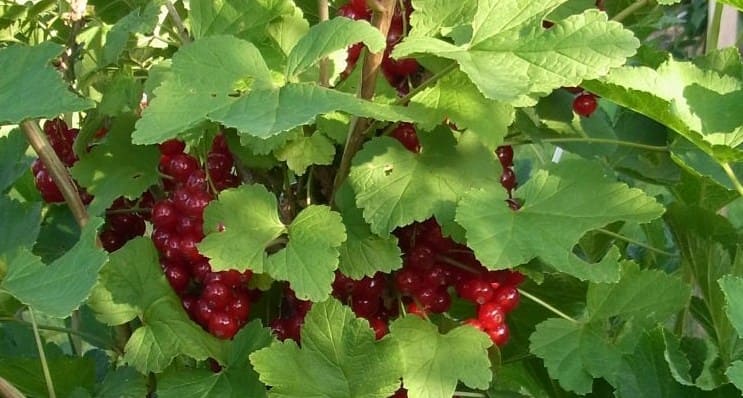
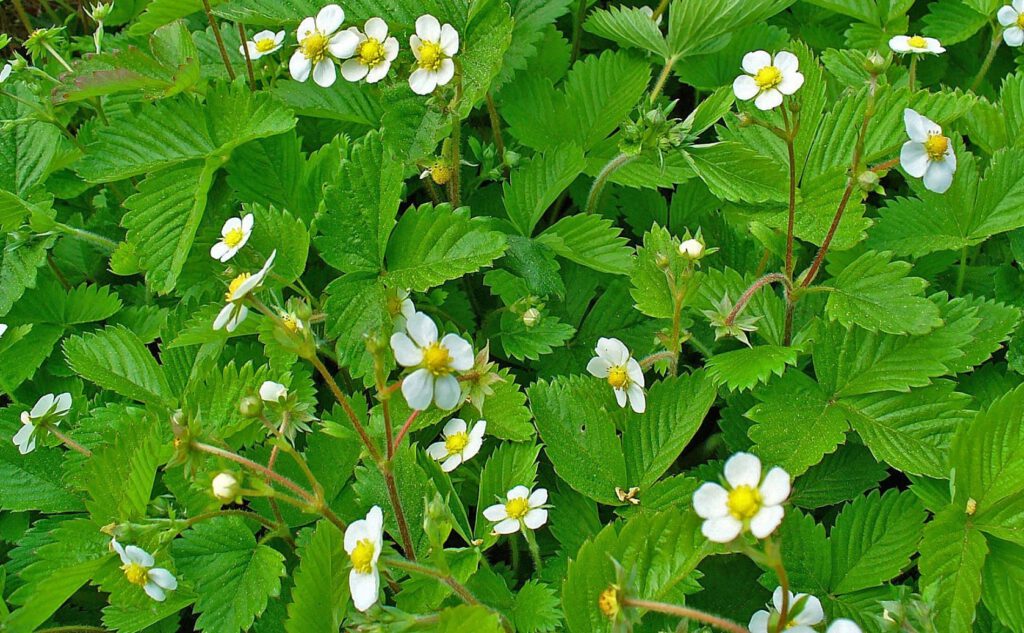
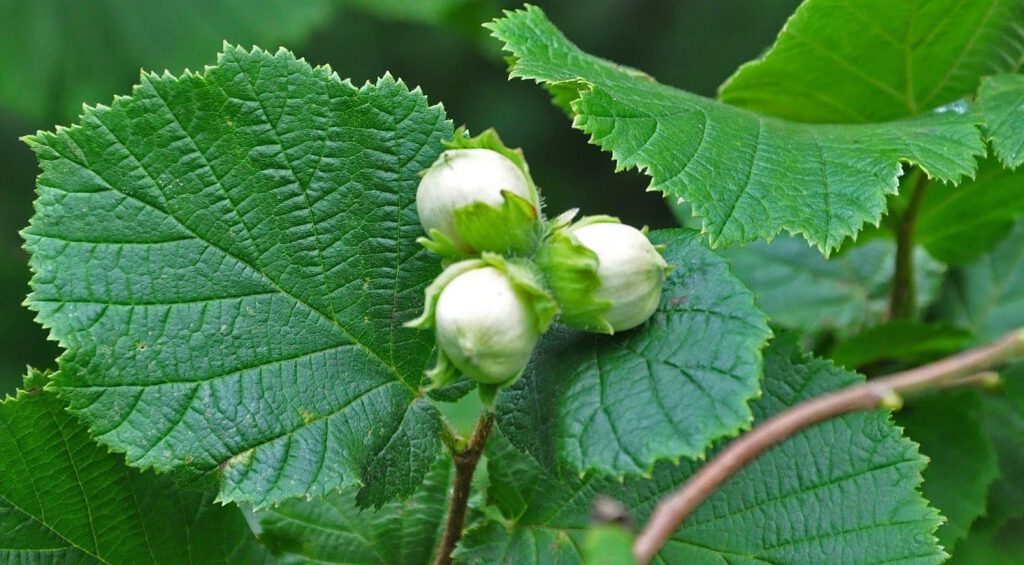
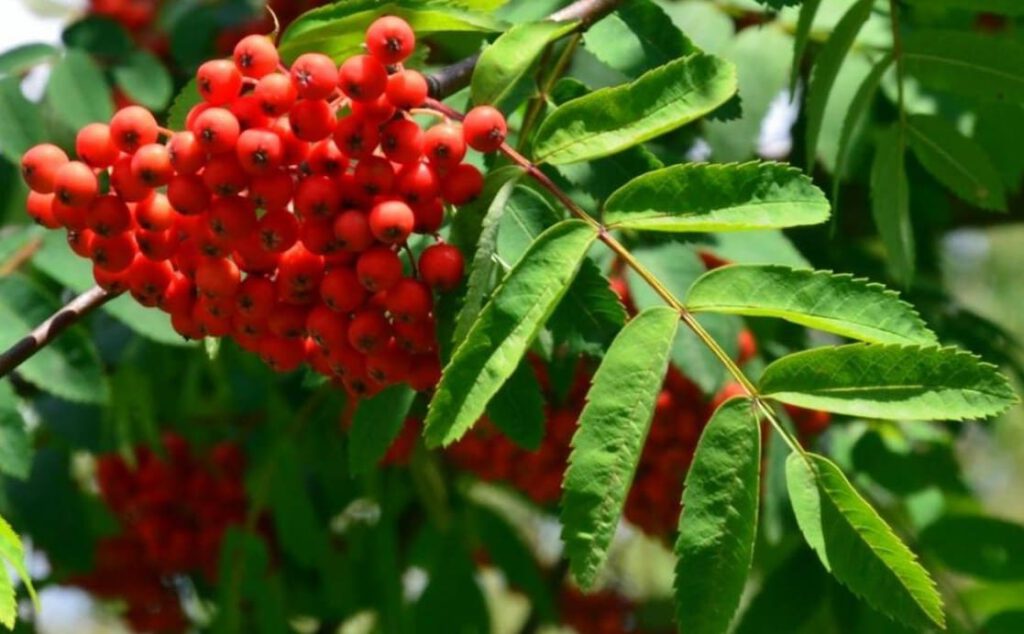
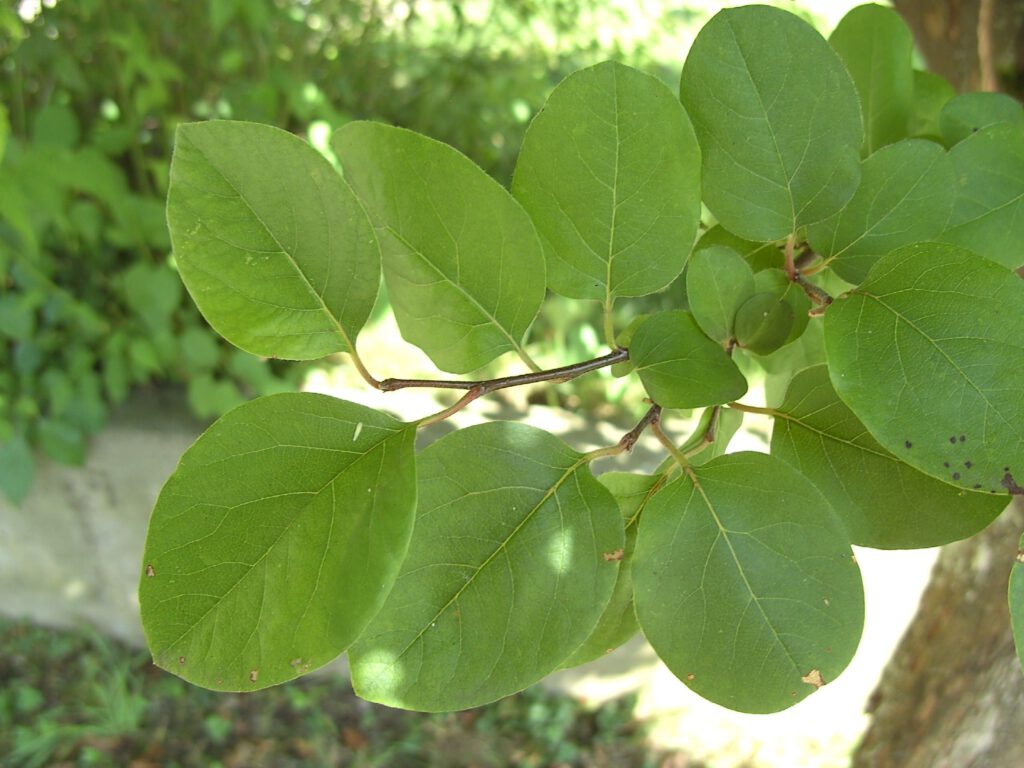
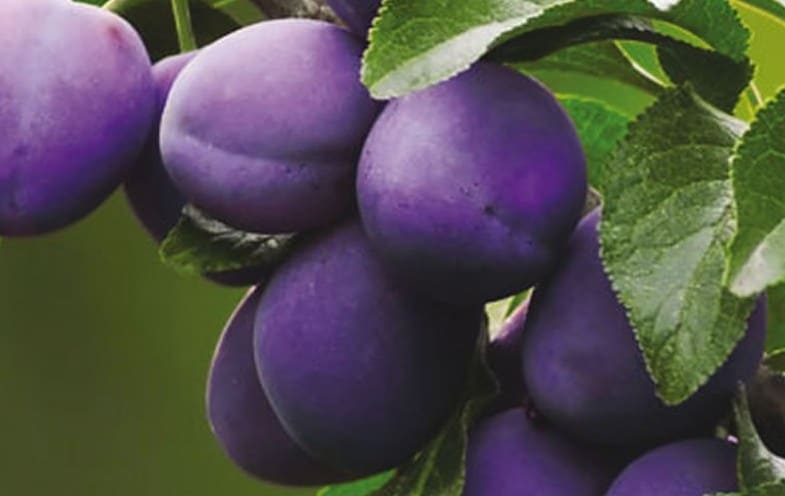
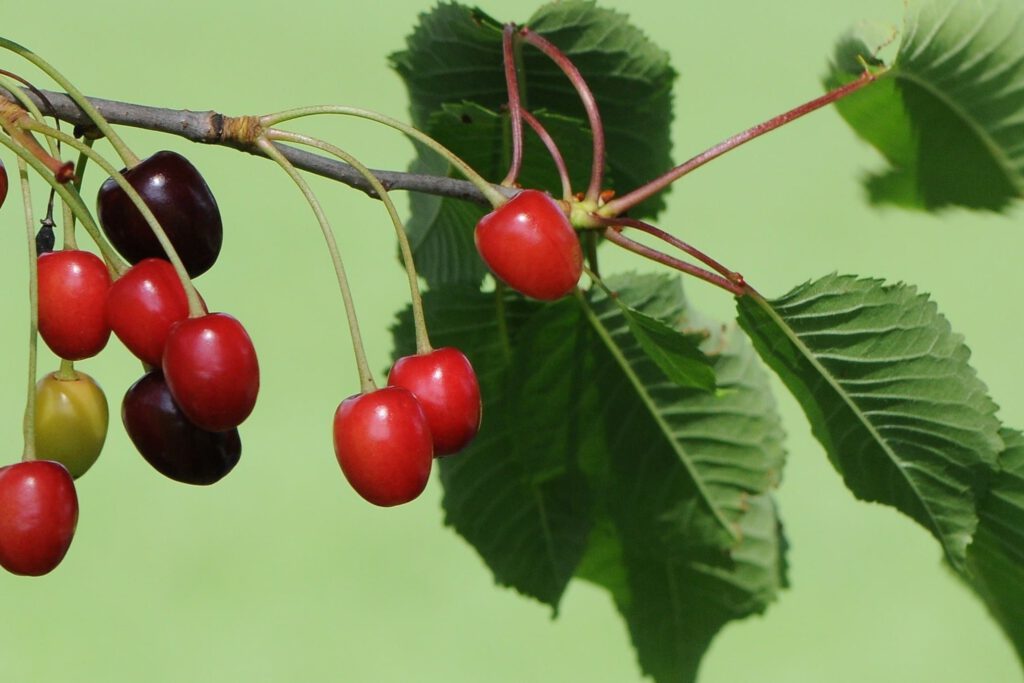
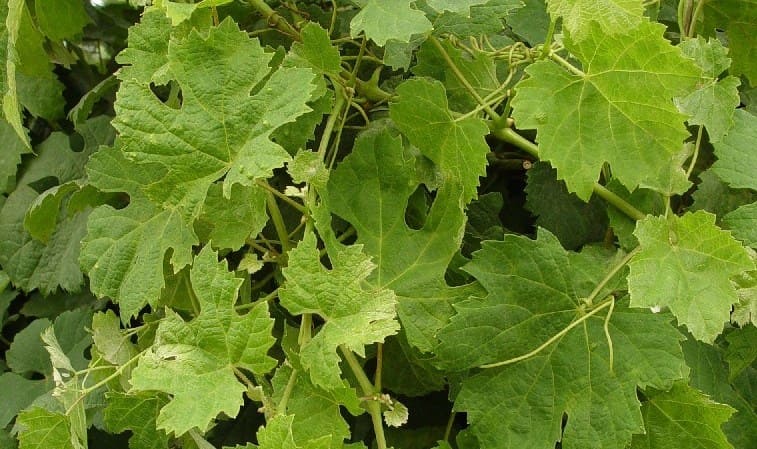
As the Australian ghost shrimp is not very picky, you can also experiment with different foods. You are very welcome to list other varieties in the comments below and I will be happy to add them to the list.
Habitat:
The distribution area of the Australian ghost insect is in eastern Australia, particularly in Queensland and New South Wales. It is also found in New Guinea. It inhabits forest areas with eucalyptus stands and can be found in tree and shrub vegetation. The ghost insects prefer to live in frost-free areas with high rainfall.
Care in the insectarium:
As the Australian ghost shrimp needs a lot of rest and space for moulting and the final size of the animals can be a considerable 14 cm, a 50 cm x 50 cm x 60 cm (length x width x height) insectarium is recommended. The animals thrive wonderfully at a room temperature of 20°Cto 23°C. I spray the entire insectarium once a week when I provide fresh food. As they are nocturnal animals, there is no need for any lighting at all. It is really important to provide fresh food. The animals are really voracious and consume a lot of food, which needs to be provided. Additional climbing branches can also be offered. Even if fresh food is placed in the insectarium, there should always be enough space for moulting.
I personally use kitchen paper as a substrate. It can be replaced very quickly and the eggs are easily recognizable. Of course, you can also use the usual substrates such as humus, sand, clay granules, vermiculite or pieces of bark. As soon as you use an organic substrate, you should always use a few oven fish to remove mold.
Reproduction:
Sex Determination:
Sexing is simple and can be carried out as early as L2. Female Extatosoma tiaratum have small spines all over their body. The male Australian ghost insects, on the other hand, have none at all. A further indication of the separation of the sexes is the female’s abdominal end, which she holds scorpion-like over her back while the male holds his abdomen stretched out straight.
Further clues are added later. Of course, one indication is the considerable difference in size and also the body fullness. Males are more pencil-shaped and have a slender basic shape. Females have stubby wings, whereas the wings of males extend beyond the end of the abdomen. The males can fly relatively well, the females not at all. The legs of females are broadened in the shape of a lobe, whereas this is less pronounced in males.
Sexual maturity:
The females become adults after approx. 6 moults, i.e. in L7. Male Extatosoma tiaratum after 5 moults, i.e. in L6. The females need another 2 weeks after the mature moult until they are ready to mate. Males only 1 week. The lifespan after sexual maturity is up to one year for females and 3-5 months for males.
Mating:
As soon as a pair has been found, the male climbs or flies onto the female’s back and copulation begins. The male transfers his sperm in the form of a spermatophore. The transfer of spermatophores is one way of mating that leads to internal fertilization. This form of mating requires fewer sperm than external fertilization. The male pushes this package into the opening of the abdomen. The sperm are then transferred into the female’s sperm sac. The eggs are then fertilized there. This process takes several hours. If the female is not yet ready to mate, the male can often remain on the female’s back for days without copulating.
Egg laying:
The female lays her first eggs after about 3 weeks. To do this, she simply flings them onto the ground.
Incubation:
When incubated at 20°Cto 23°C, the first hatchlings hatch after about 6 months. I incubate the eggs as shown in the photo above. I use vermiculite or clay granules and a few oven fish as substrate. I place the eggs themselves in a cap filled with sand. The sand is never sprayed, only the vermiculite. This prevents mold growth and drowning of the embryos.