Brachypelma emilia
Price range: 16,00 € through 99,00 € incl. VAT, plus shipping

Simple

Mexico

< 60 mm

22°C – 27°C
Brachypelma emilia – The gentle beauty with the striking triangular pattern
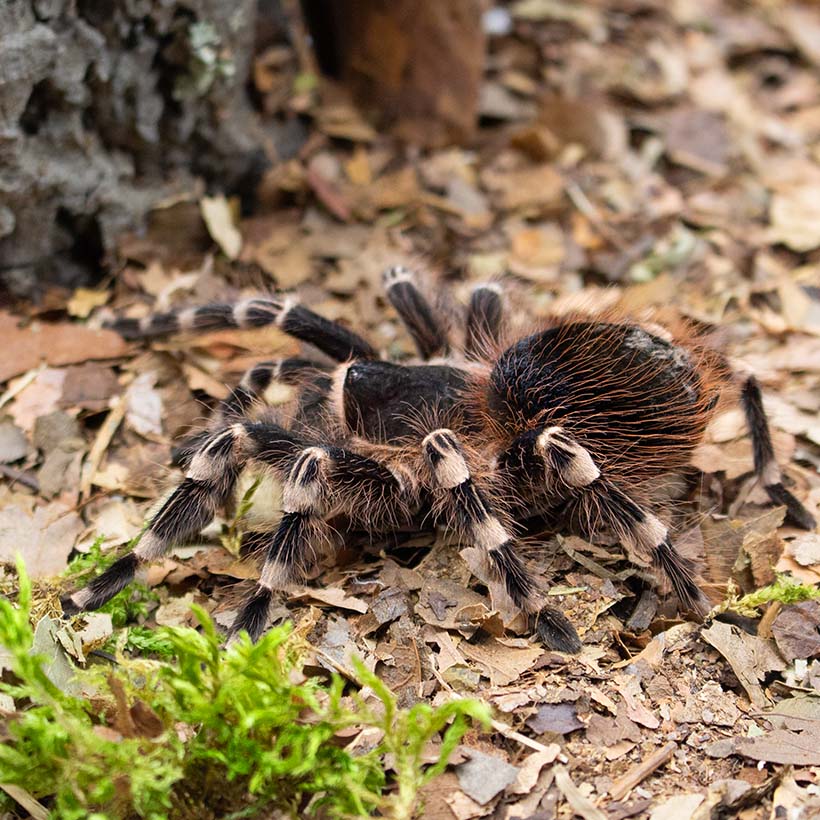
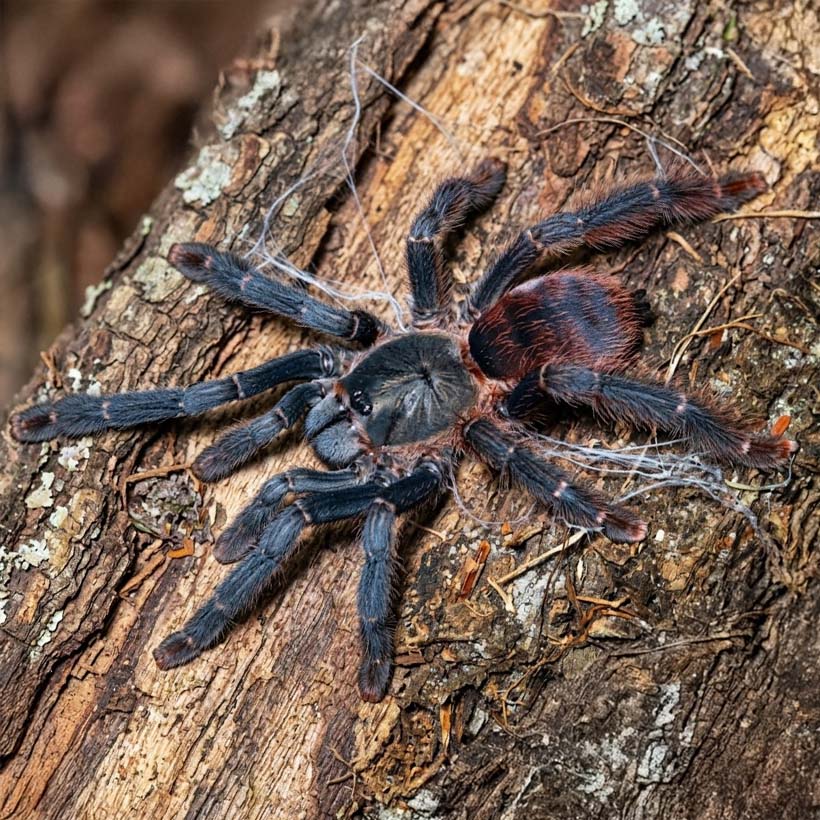
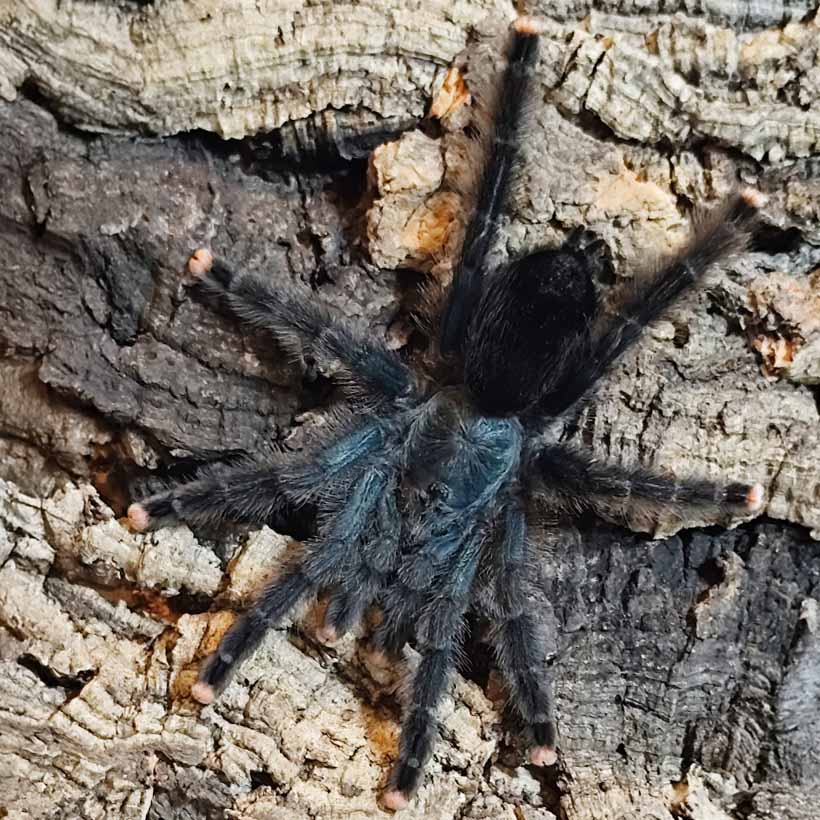
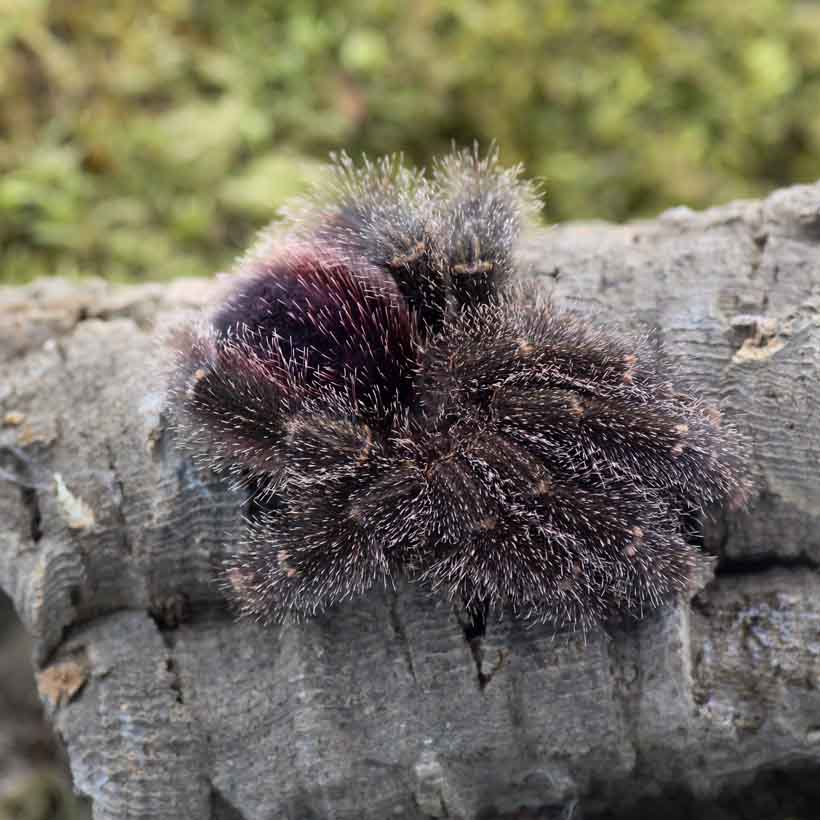
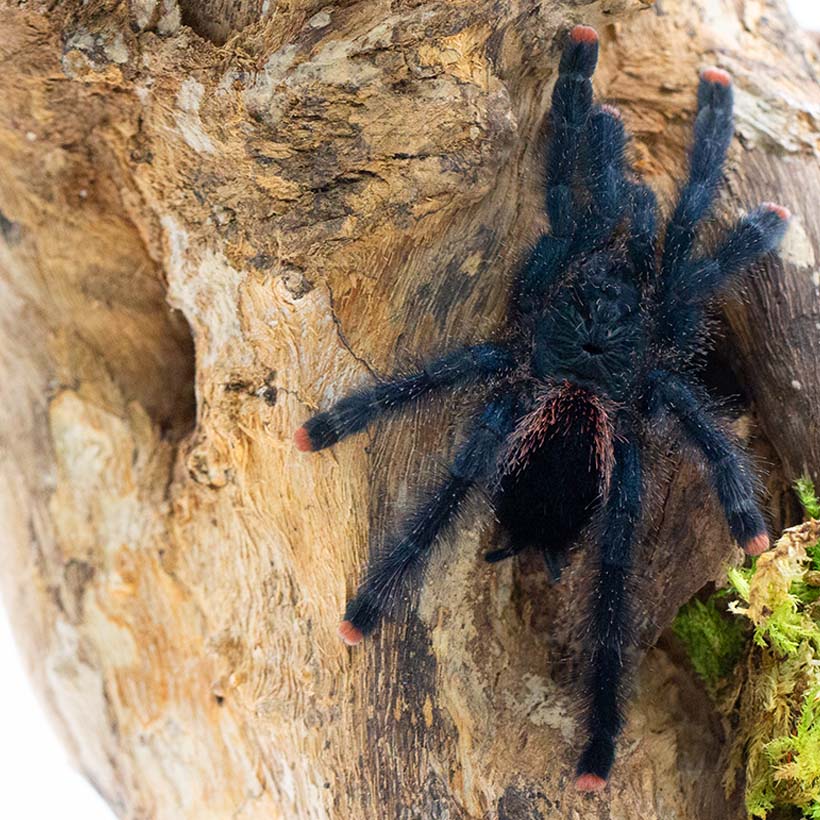
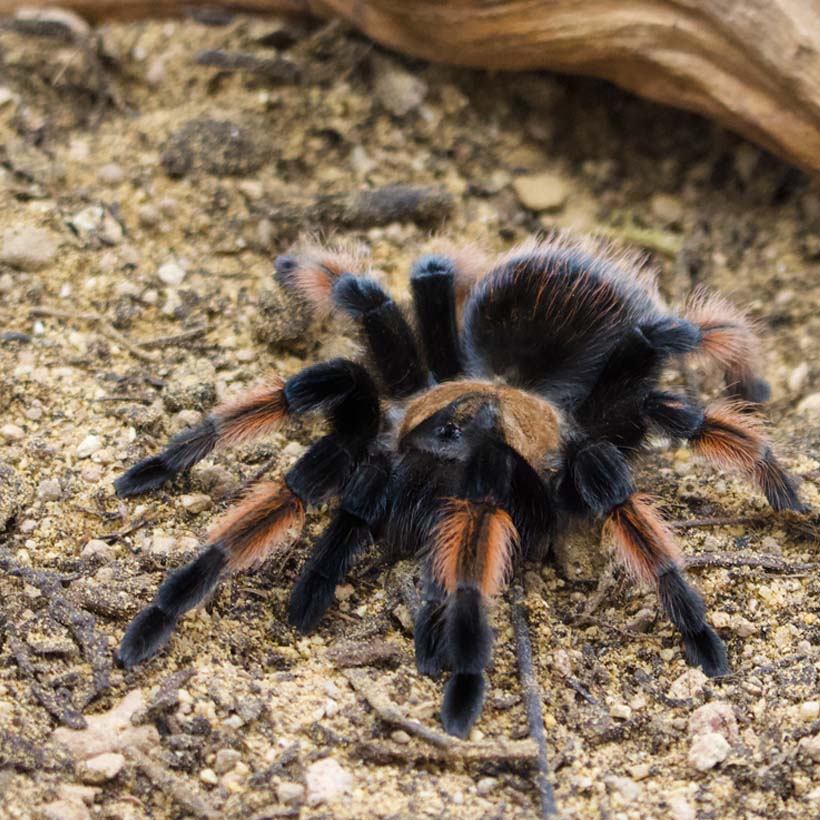
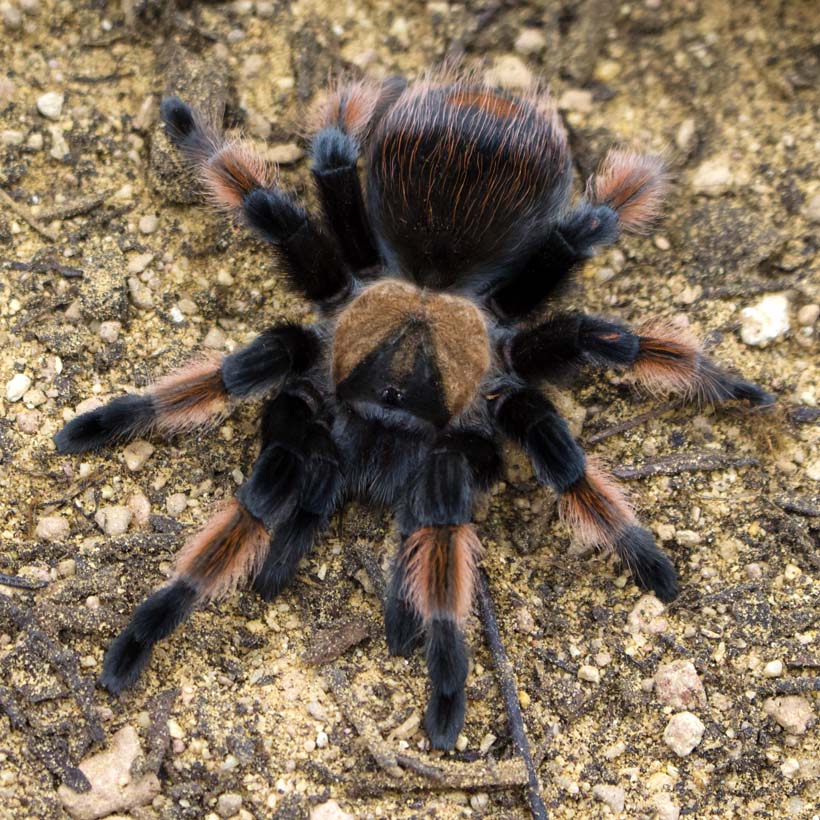
The Brachypelma emilia, also known as the orange-legged tarantula, fascinates with its breathtaking black-orange coloration, which makes it one of the most beautiful tarantula species in the world. With a body length of around 5-6 cm, this spider presents itself in all its splendor. Its front body and abdomen are colored in a unique combination of black and orange, giving it an unmistakable appearance. The intense colors and contrasts make the Brachypelma emilia a real eye-catcher in any terrarium.
Although the Brachypelma emilia is generally calm and peaceful, it is one of the bombardier spiders that can use its defense mechanisms, such as the ejection of stinging hairs, in the event of danger. It is therefore important to handle this species with care and avoid possible irritation. The Emilia tarantula originates from Mexico and mainly inhabits steppe-like landscapes and agricultural areas. Their burrows are often located several meters below the surface, which helps them to survive forest fires.
Due to its defense mechanism, it is advisable to have experience in dealing with a bombardier spider, as it can use its stinging hairs if only slightly irritated. These stinging hairs can cause itching and breathing difficulties.
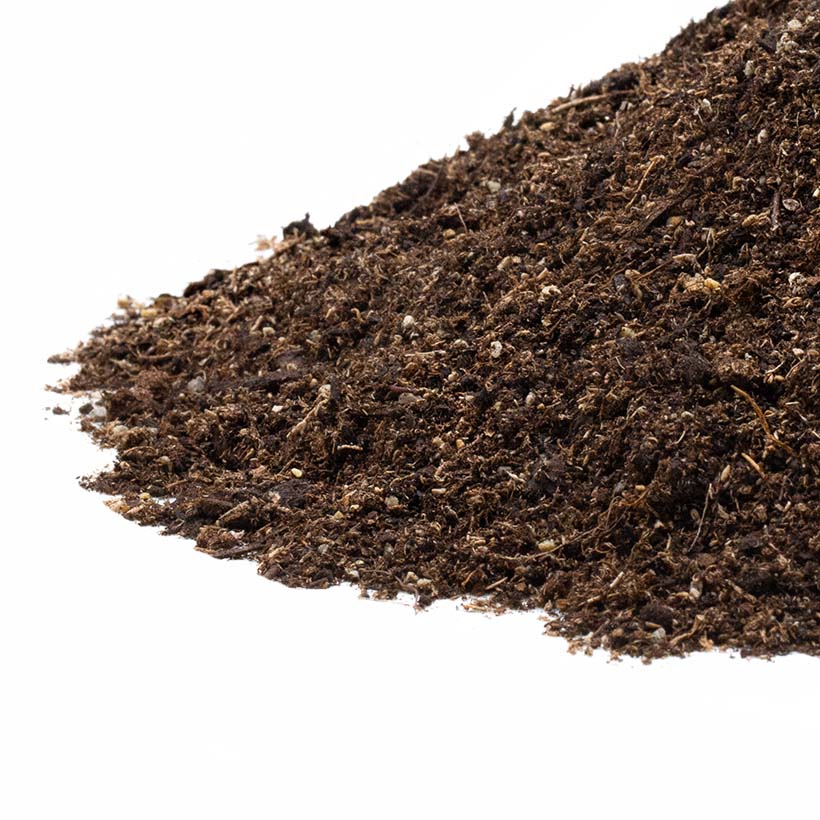
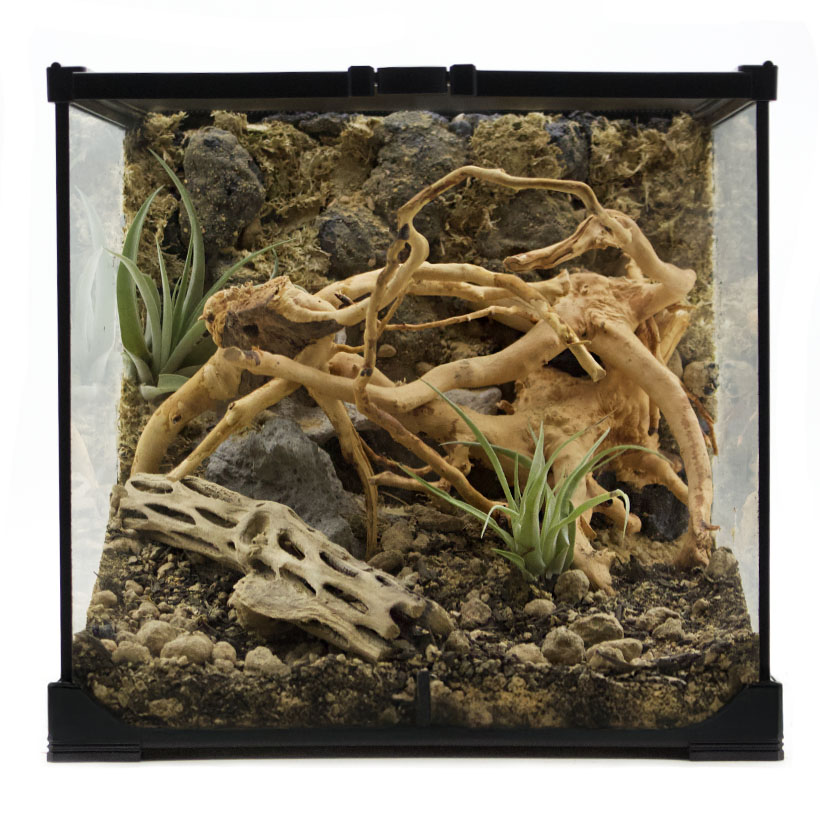
For a Brachypelma emilia , it is important to create a terrarium that is as close as possible to its natural habitat. The substrate plays a decisive role here. It should have a sufficient filling height of at least 15 cm to provide the spider with sufficient burrowing opportunities. It is particularly important that the substrate has a clay content to meet the needs of the animals. For the optimum composition, we use a mixture of forest humus and desert sand in a ratio of 1:1. The clay content in the substrate offers the spider the opportunity to form its burrows and tunnels, which corresponds to its natural behavior. By using this special substrate mixture, we create the ideal living conditions for the orange-legged tarantula and enable it to burrow and hide in the terrarium in a species-appropriate manner.
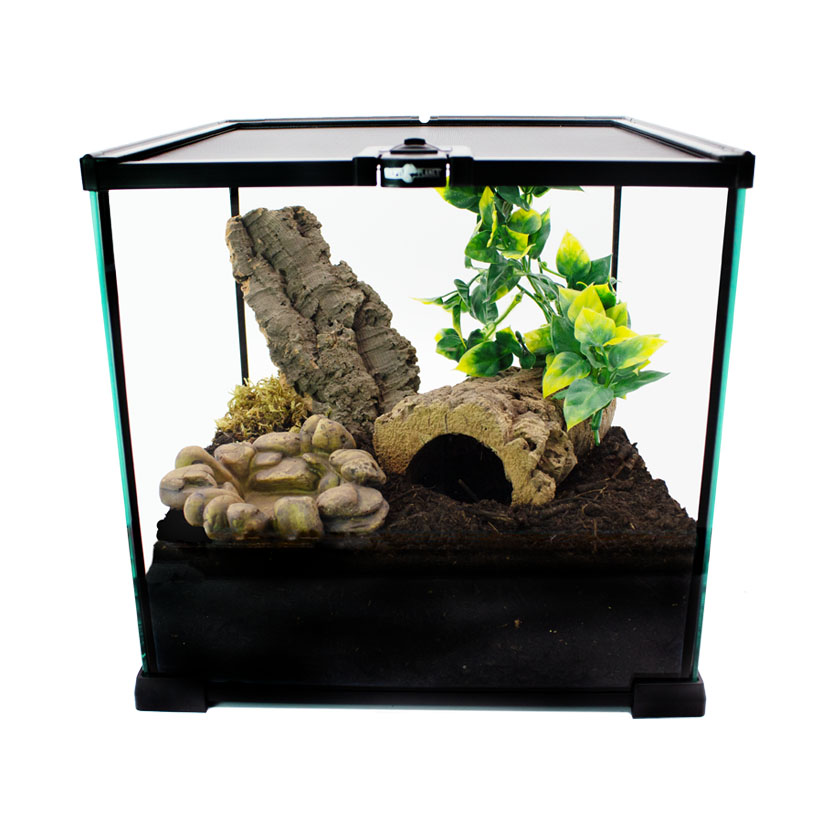
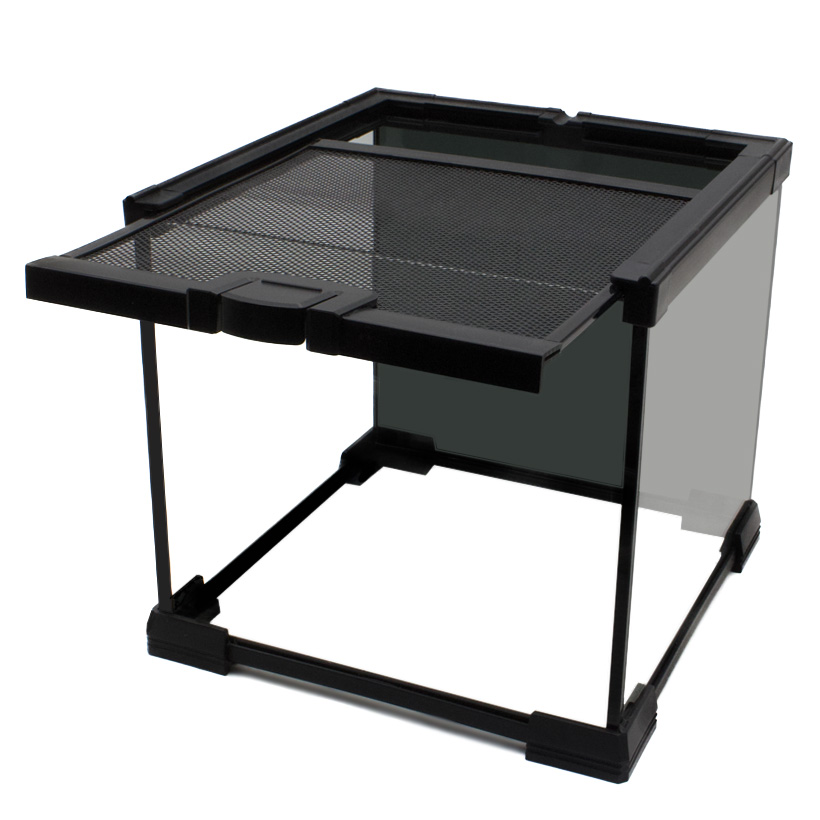
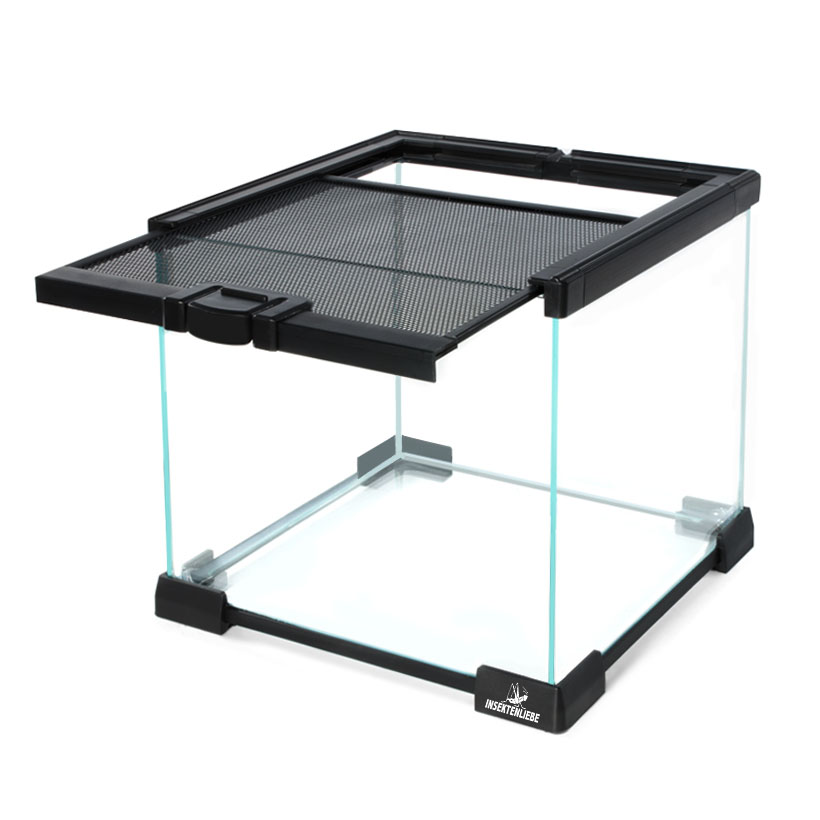
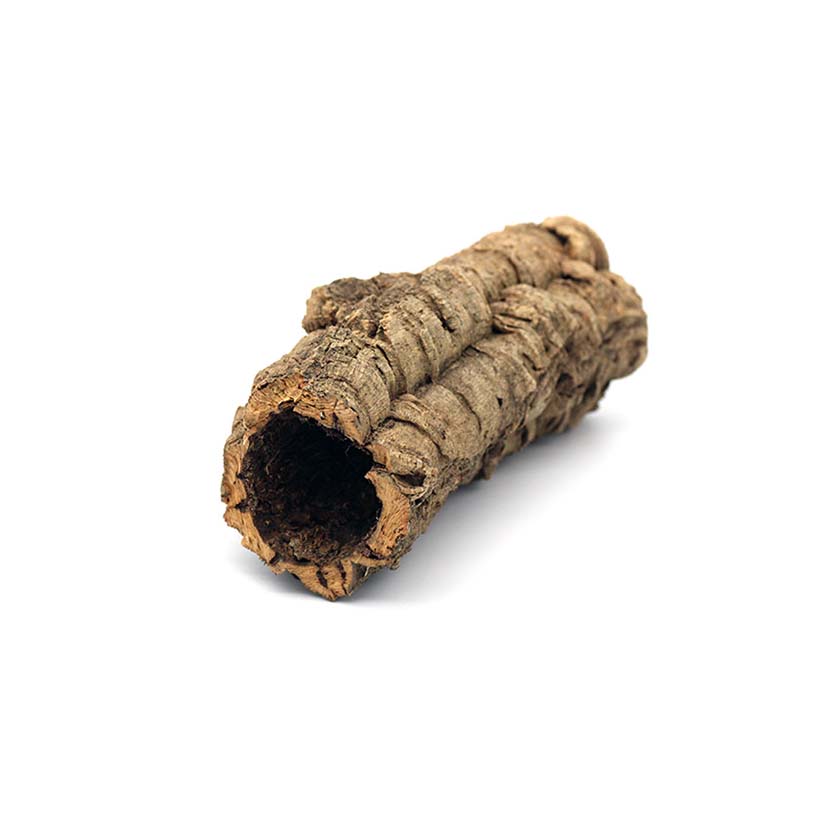
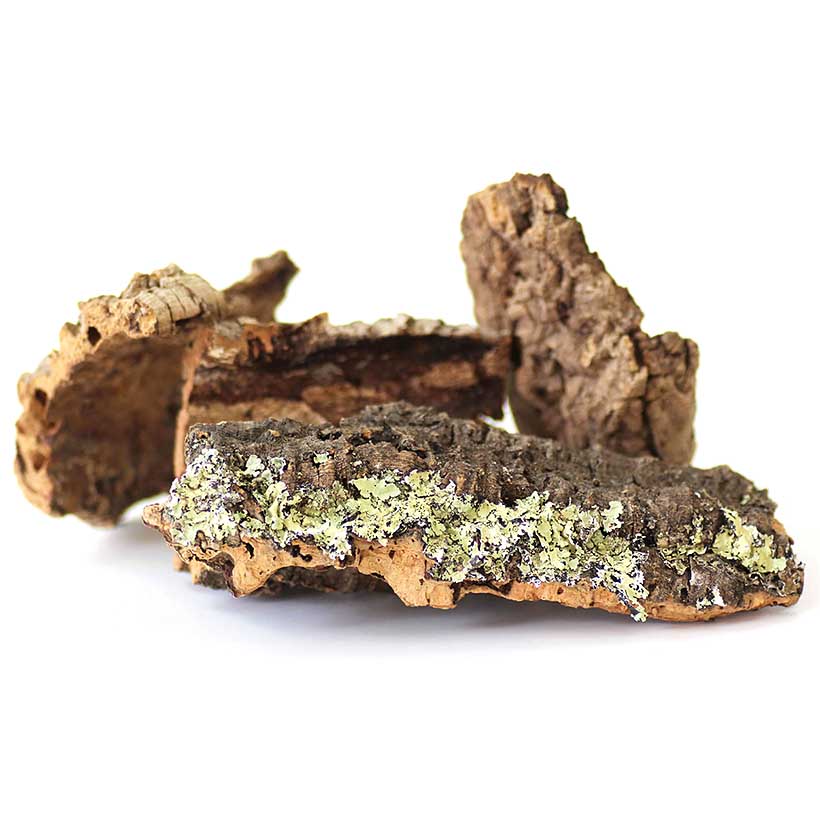
In addition to a suitable substrate, various hiding places and plants in the terrarium are also recommended. These create a near-natural environment and offer the Brachypelma emilia optimal conditions. Various hiding places such as caves or roots allow the spider to retreat and feel safe. The presence of plants in the terrarium contributes to the humidity and provides additional protection and shade. In terms of the size of the terrarium, a 30 x 30 x 30 cm cube terrarium is usually sufficient for an adult Brachypelma emilia. It offers enough space for the spider to move around and display its natural behaviors. With a suitable terrarium size and a near-natural design, you can create optimal living conditions for your tarantula.
The temperature in the terrarium should be between 22 °C and 27 °C during the day, while it can be lowered slightly at night. A lighting period of 8-10 hours per day ensures a constant temperature. The humidity in the terrarium should be between 60% and 70% to ensure the well-being of Brachypelma emilia.
The Brachypelma emilia prefers a varied diet consisting of crickets, crickets and cockroaches. These food animals provide a balanced supply of nutrients and cover the need for proteins and other important nutrients. A feeding interval of around every two weeks is usually sufficient to provide the spider with all it needs. However, it is important to ensure that uneaten food animals are quickly removed from the terrarium. Regularly checking the food intake and removing uneaten animals is not only important for a clean and hygienic environment in the terrarium, but also serves to protect the tarantula during the moulting process. If uneaten food animals remain in the terrarium, there is a risk that they will nibble at the spider during the moulting process and cause injury.
In general, Brachypelma emilia is a calm species of tarantula that can be handled in a similar way to Brachypelma hamorii. When handling it in the terrarium, it is important to remain calm so as not to irritate the spider and avoid attacks.
Note on the reporting obligation:
This species of tarantula is subject to compulsory registration. Proof of origin is required by law for this animal. If you order a species subject to registration from us, you will automatically receive a link to download the relevant certificate with your order confirmation. This means you have all the necessary documents to hand immediately and can store them digitally or in printed form.