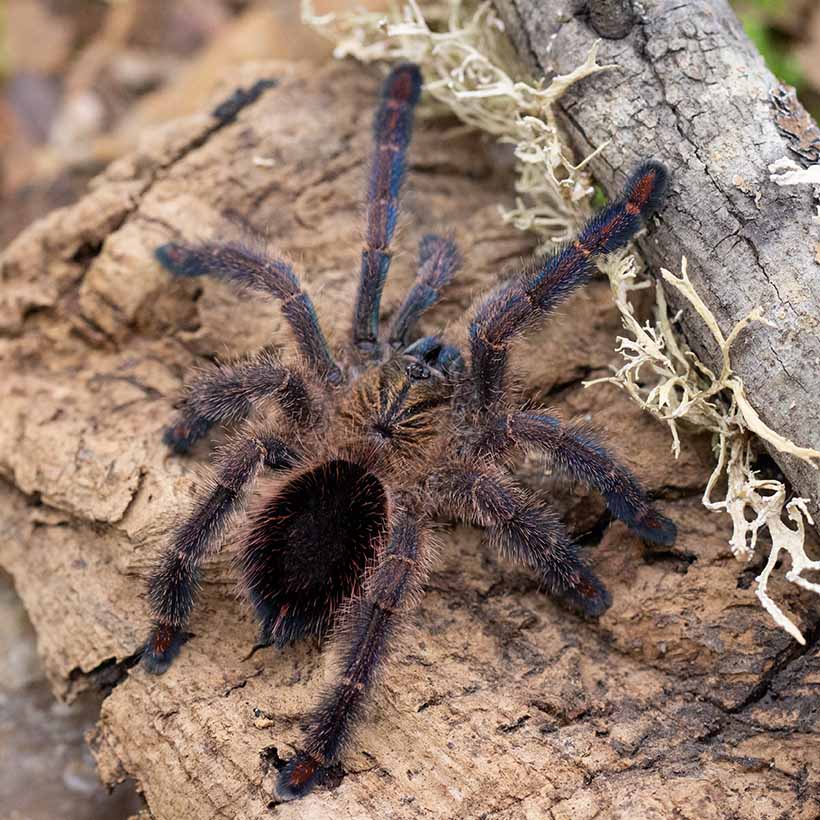
Ybyrapora diversipes
Price range: 21,50 € through 27,00 € incl. VAT, plus shipping

Simple

Brazil

< 50 mm

24°C – 27°C
Ybyrapora diversipes – Fascinating Colors and Impressive Development
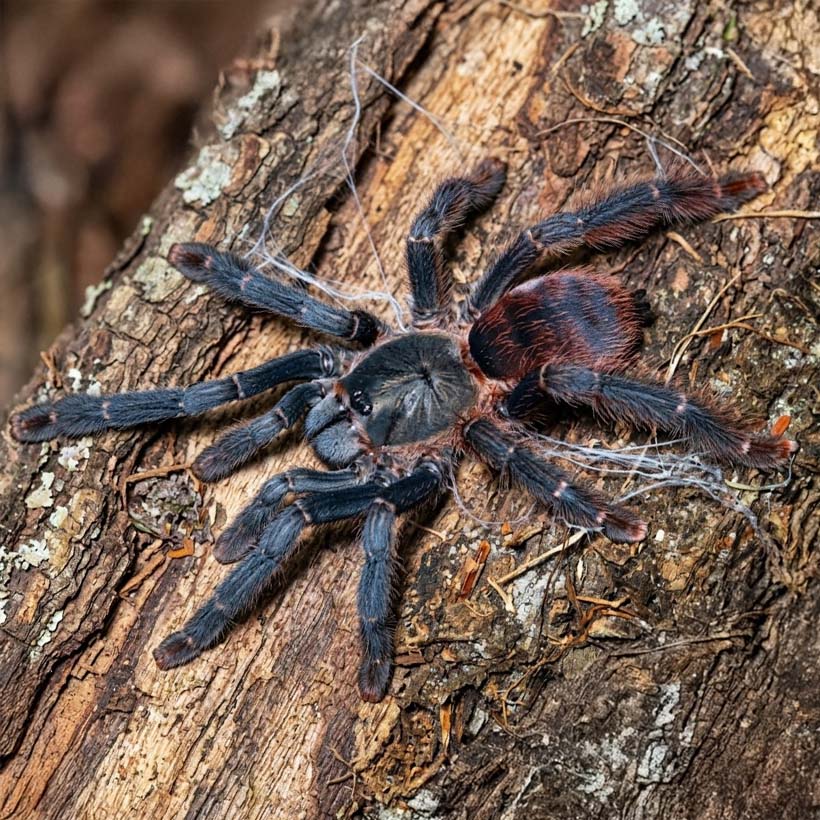
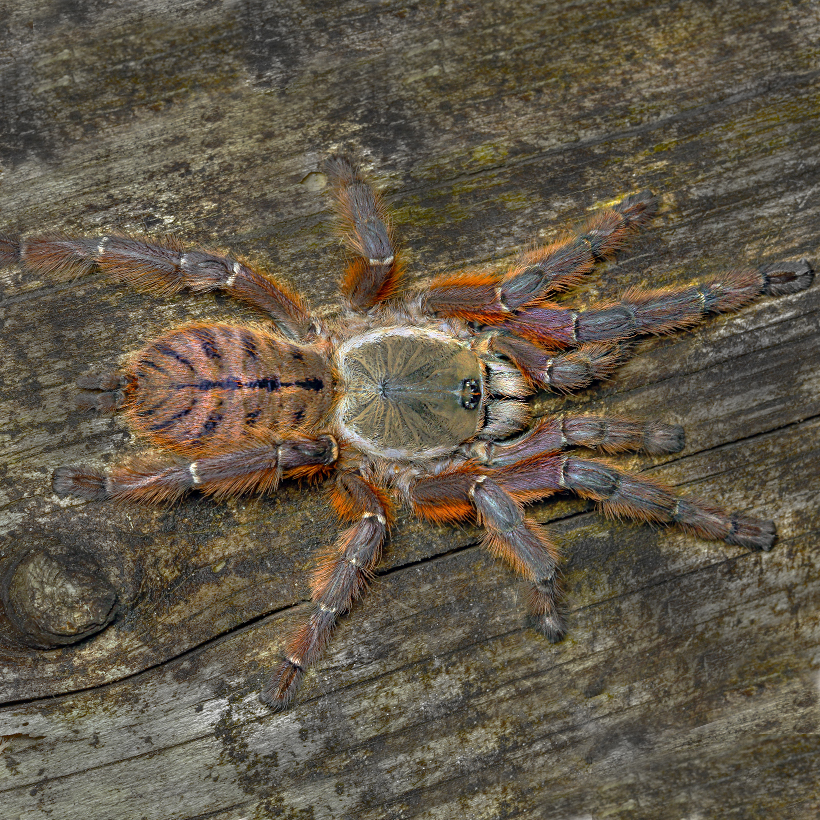
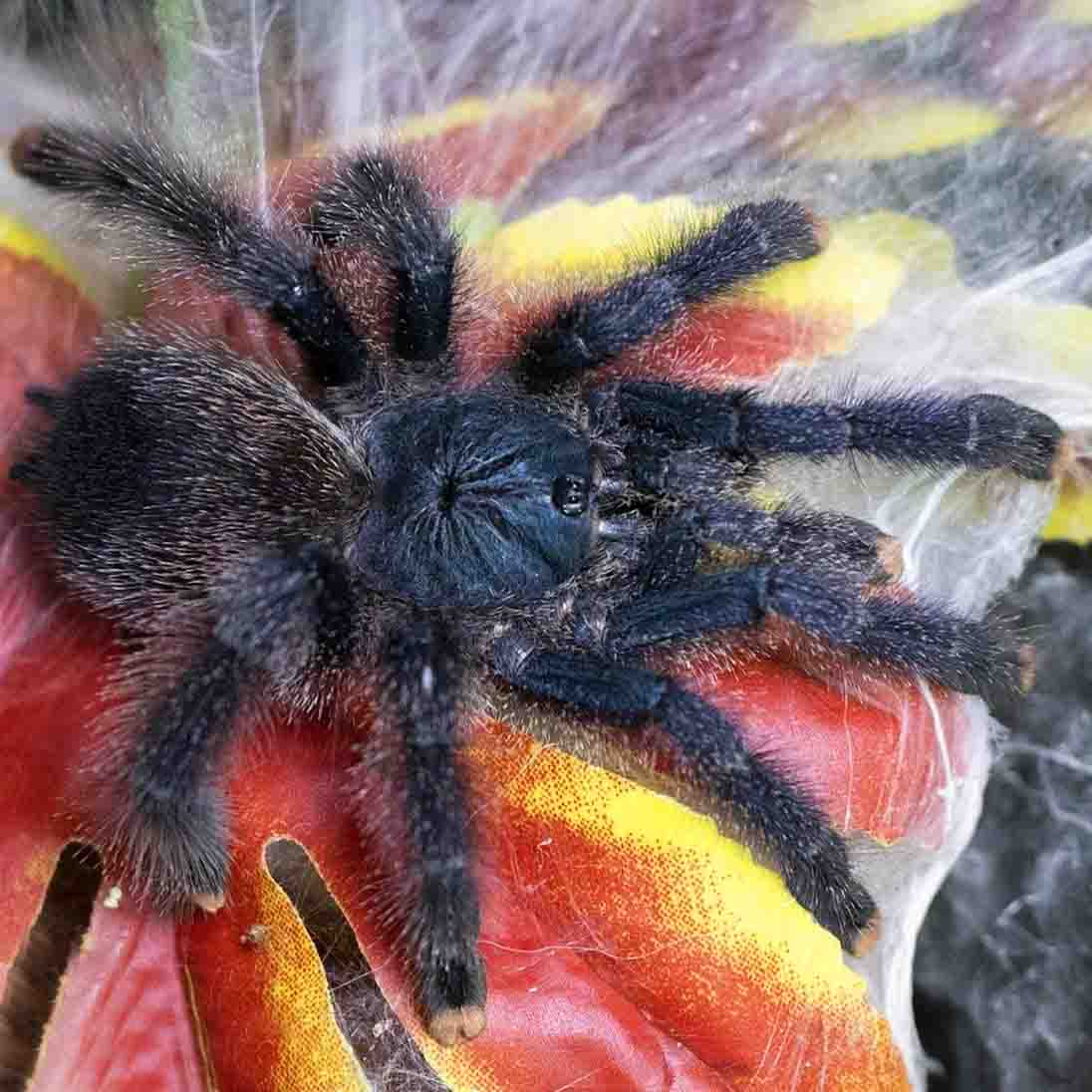
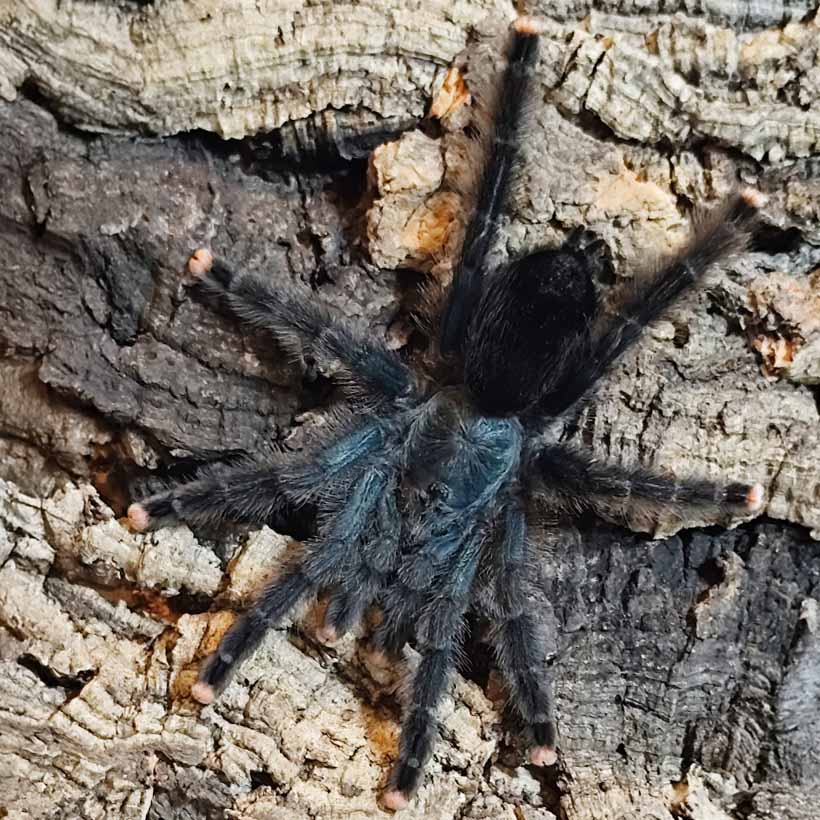
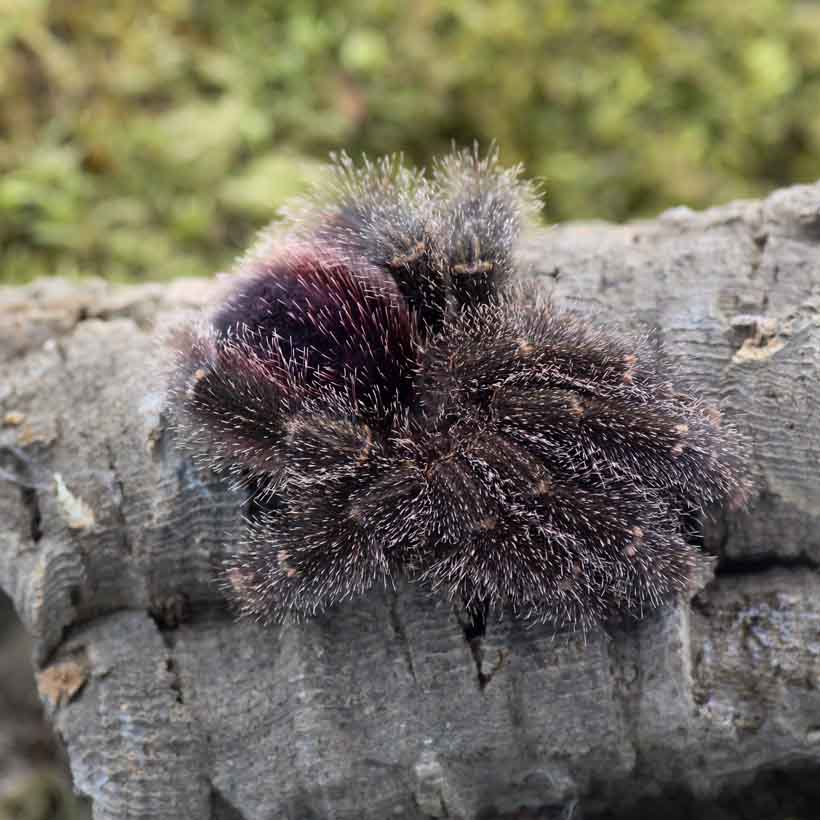
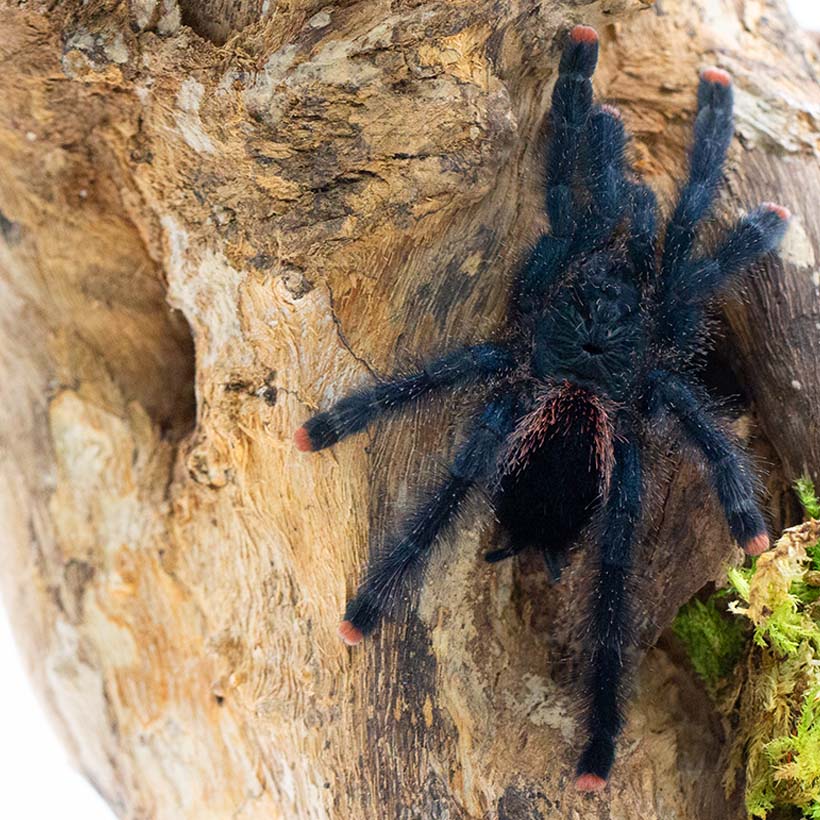
Ybyrapora diversipes It is one of the most impressive tarantulas in the world. Hardly any other species changes its appearance so dramatically as it grows. While juveniles captivate with their vivid blue legs and striking markings, adults develop new colors after each molt. Over time, this results in an extraordinary play of colors—blue, green, orange, red, and violet.
This species is native to the tropical coastal rainforests of Brazil. There, it lives primarily in trees, where it uses tree hollows, loose bark, or natural crevices as hiding places. At the same time, it weaves dense webs between branches and plants, creating sheltered living spaces.
It is precisely this combination of colors, web-building, and elegant behavior that makes Ybyrapora diversipes one of the most popular tree-dwelling tarantulas of all.
A true tree dweller
Unlike ground-dwelling species, Ybyrapora diversipes almost exclusively in height. That is why the terrarium should, above all, provide plenty of climbing surfaces. At the same time, the spider uses nearly every structure that offers it a sense of security.
Particularly suitable:
- Cork tubes
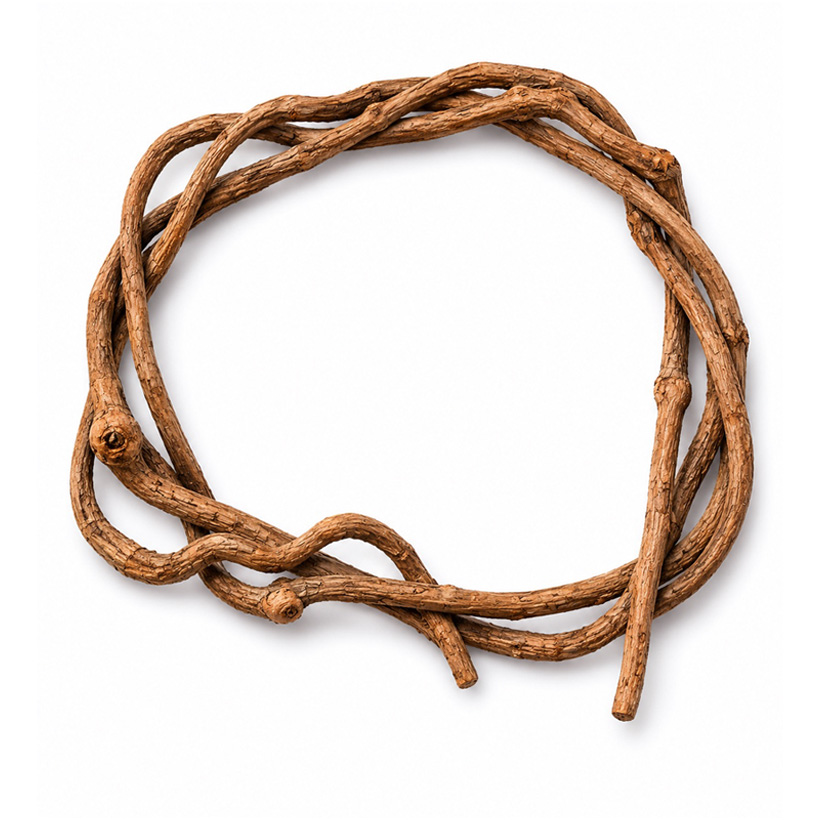
- Repto Tree Vines
- Spiderwood
- vertical branches
- Terrarium plants
- Mosses
This creates natural pathways, while at the same time allowing the spider to find sheltered areas in which to spin its web.
Fascinating Color Change
Its extraordinary color change is one of the most well-known characteristics of this species. While many tarantulas hardly change their appearance at all, Ybyrapora diversipes develops new color tones with every molt.
Young animals often have vivid blue legs and light-colored markings. Later, green, orange, and reddish areas appear, while adult animals display their full range of colors.
As a result, no two animals are alike. It is precisely this process that makes each molt particularly fascinating and ensures that the animals undergo visible changes over many years.
The Ideal Terrarium
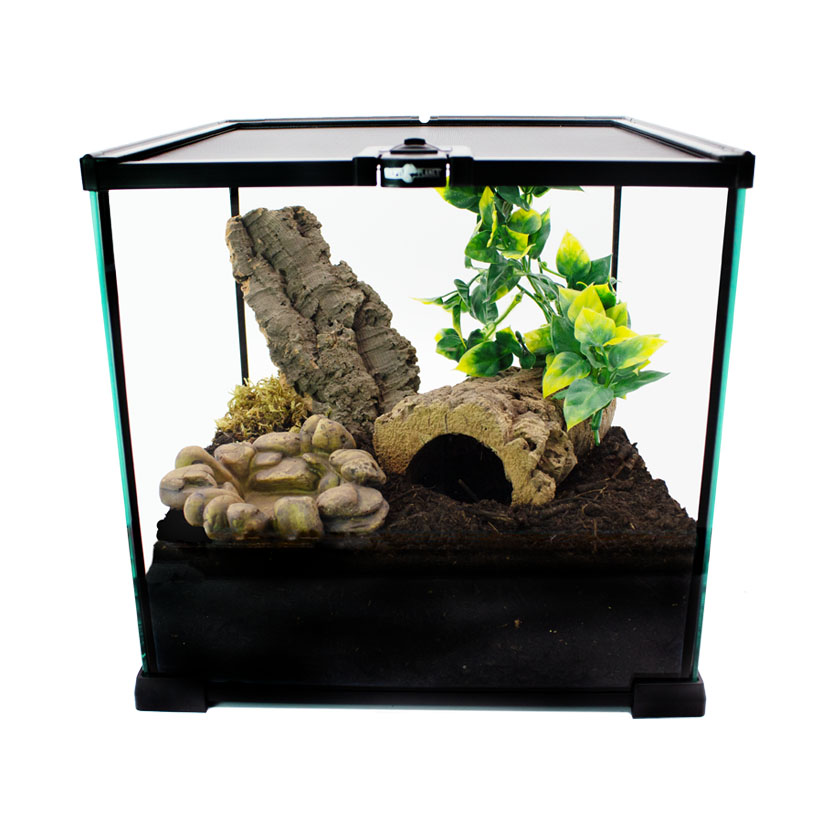
Since this species lives almost exclusively above the ground, the height of the terrarium is significantly more important than its floor area. For an adult animal, a terrarium measuring at least 30 × 30 × 45 cm.
The enclosure should be designed to be as natural as possible. At the same time, numerous climbing structures help encourage natural behavior.
Ideal are:
- a large cork tube as a living cave
- several tree vines
- upright branches
- Live terrarium plants
- Mosses
- sufficient open climbing areas
This allows the spider to make use of the entire upper part of the terrarium and display its typical behavior particularly well.
Temperature and Humidity
In its native habitat, temperatures are warm and humidity is high all year round. That is why Ybyrapora diversipes at 23 to 27 °C particularly comfortable. At the same time, the humidity should be between 70 and 80% .
Spray the terrarium with water regularly. This keeps the webs slightly moist and allows the animals to drink at any time. At the same time, the terrarium should be very well ventilated to prevent stagnant air.
Allow the soil to dry out slightly between waterings. This creates a natural environment that closely resembles this species’ natural habitat.
Nutrition
Ybyrapora diversipes She has a hearty appetite and reliably accepts a variety of prey. At the same time, she hunts primarily from her web and surprises her prey with quick movements.
Suitable feed animals include:
- Cricket
- Cockroaches
- Gold flies
- Blowflies
- Locusts
While young animals should be fed more frequently, adult animals usually only need to be fed once every one to two weeks.
Behavior
Overall, this species is considered to be rather calm. At the same time, when disturbed, it usually reacts by quickly retreating into its web rather than immediately adopting a defensive posture.
As they age, many animals become even more docile. This makes them excellent subjects for observation as their elaborate webs continue to grow. It is precisely this behavior that makes the species particularly interesting to many owners.
Important points on posture
- Tree-dwelling tarantula
- Terrarium, 30 × 30 × 45 cm or larger
- Temperatures ranging from 23 to 27 °C
- Humidity between 70 and 80%
- Good ventilation is important
- Many climbing structures are required
- Pronounced spun structure
- Fascinating Color Change
Suitable accessories for your setup
We recommend that you keep them successfully:
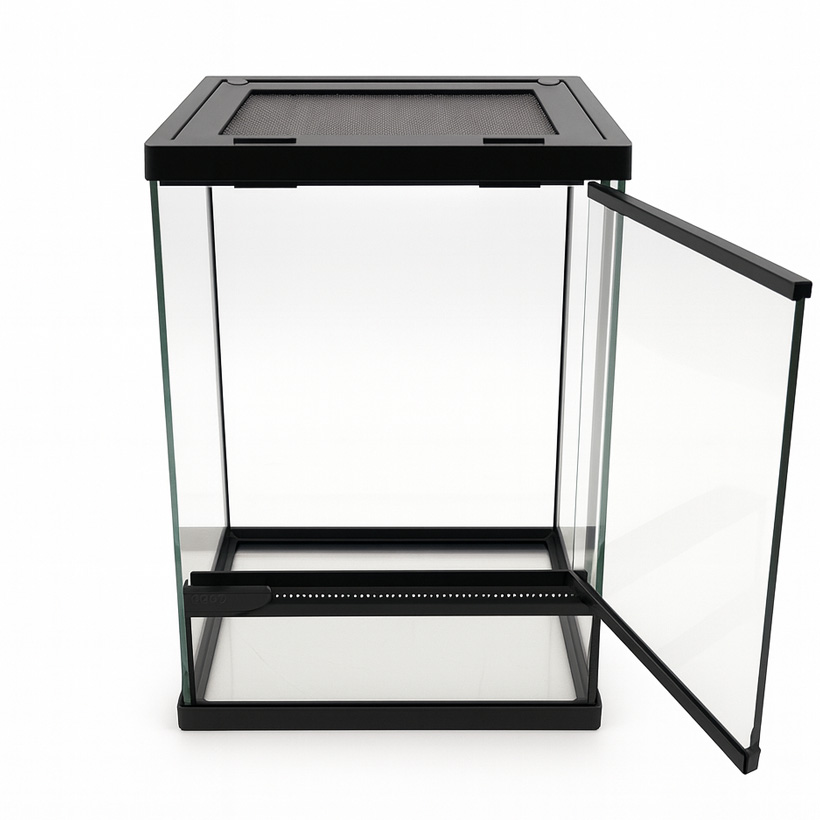
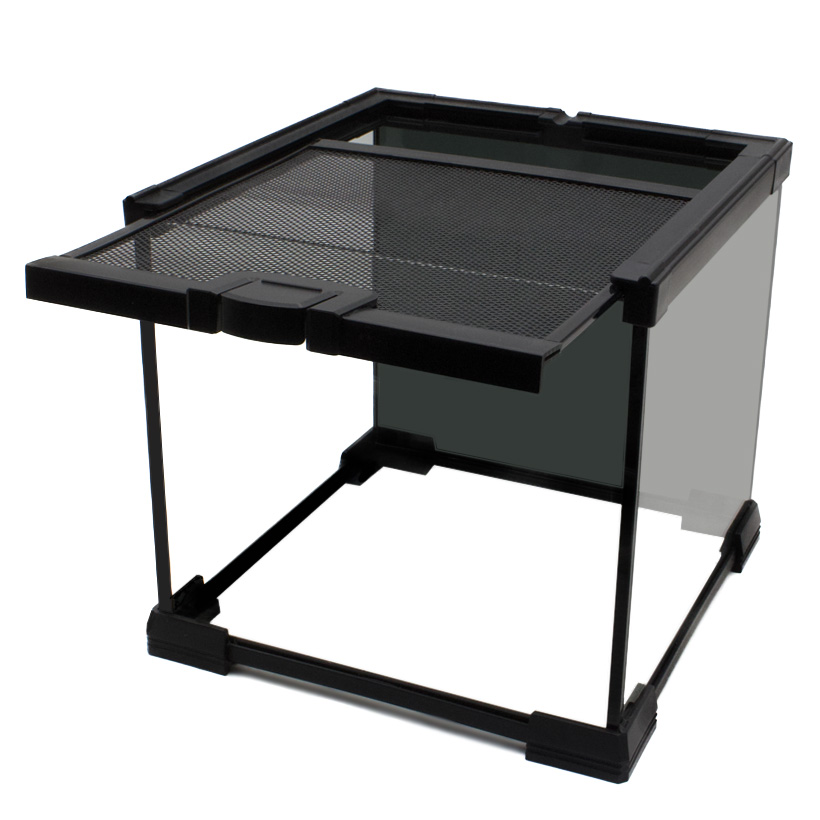
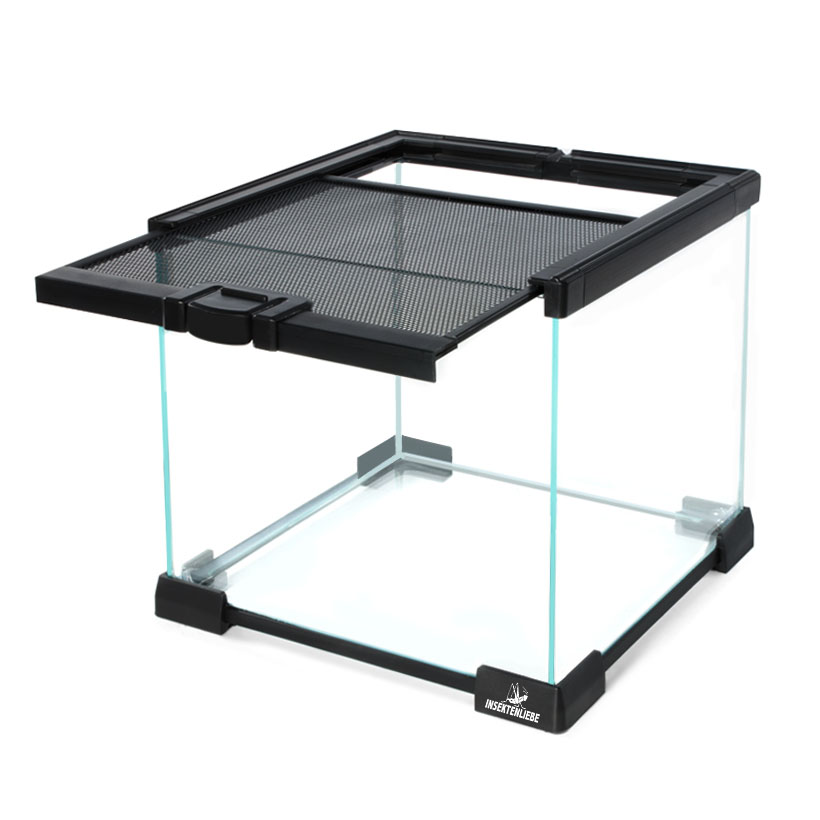
- Repto Terra Sky Terrarium – offers sufficient height for tree-dwelling tarantulas.
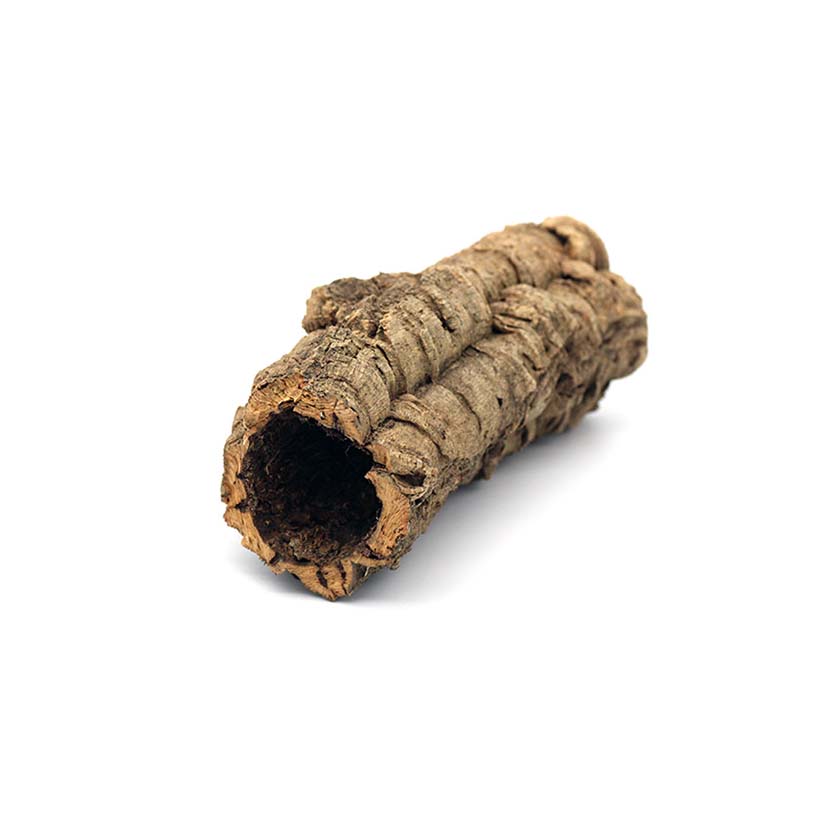
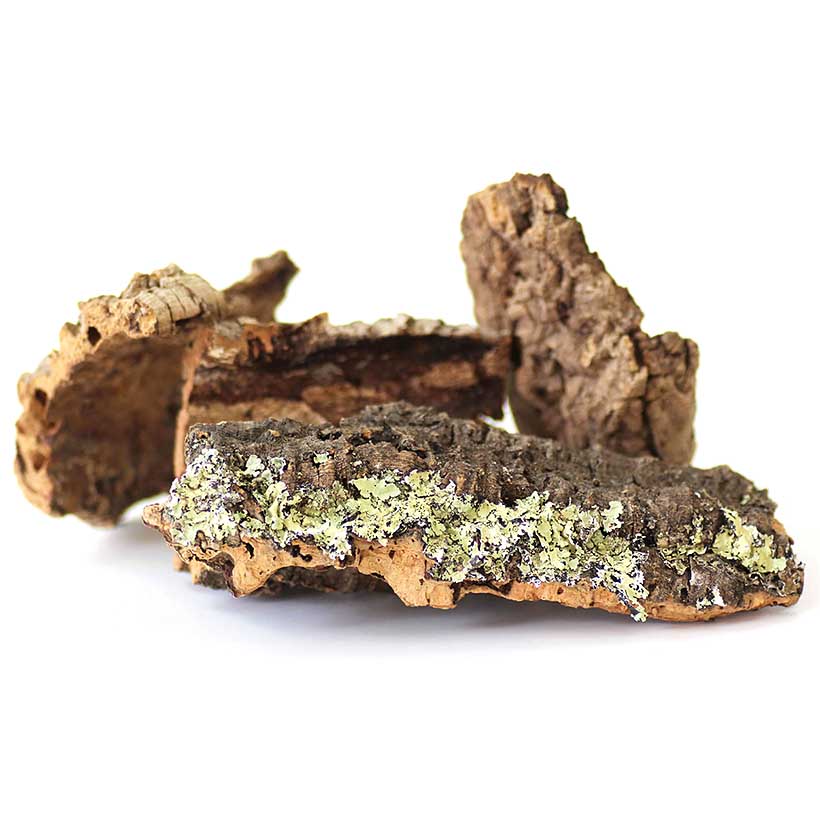
- Cork tubes – serve as safe living spaces and natural hiding places.
- Repto Tree Vine – creates additional climbing routes and expands the habitat.
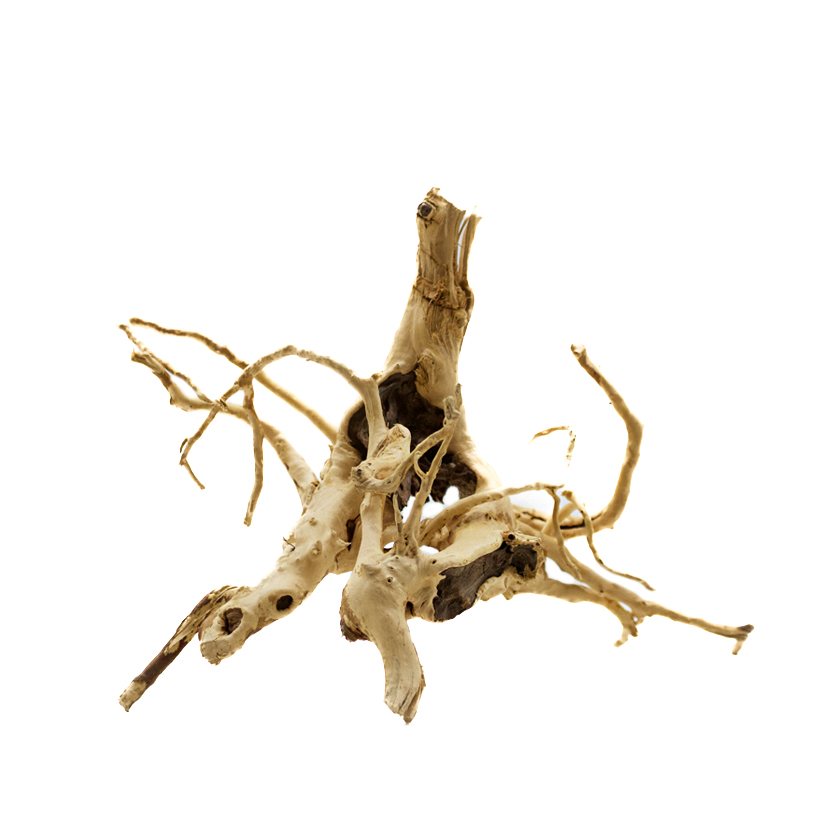
- Spiderwood – provides a natural-looking setting and plenty of seating.
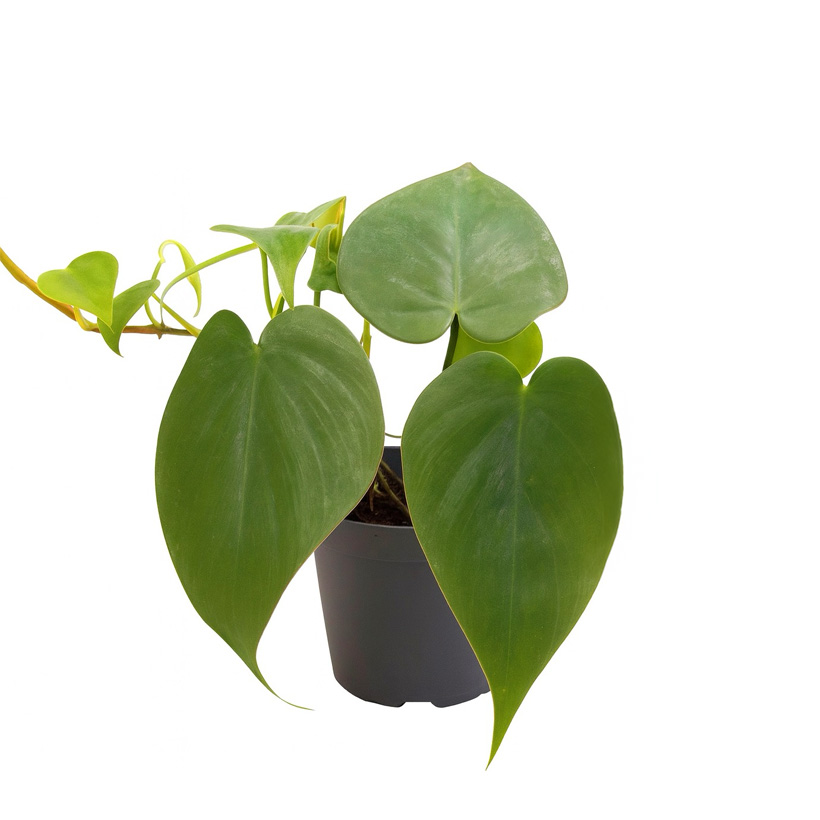
- Philodendron scandens – improve the microclimate and provide additional cover.
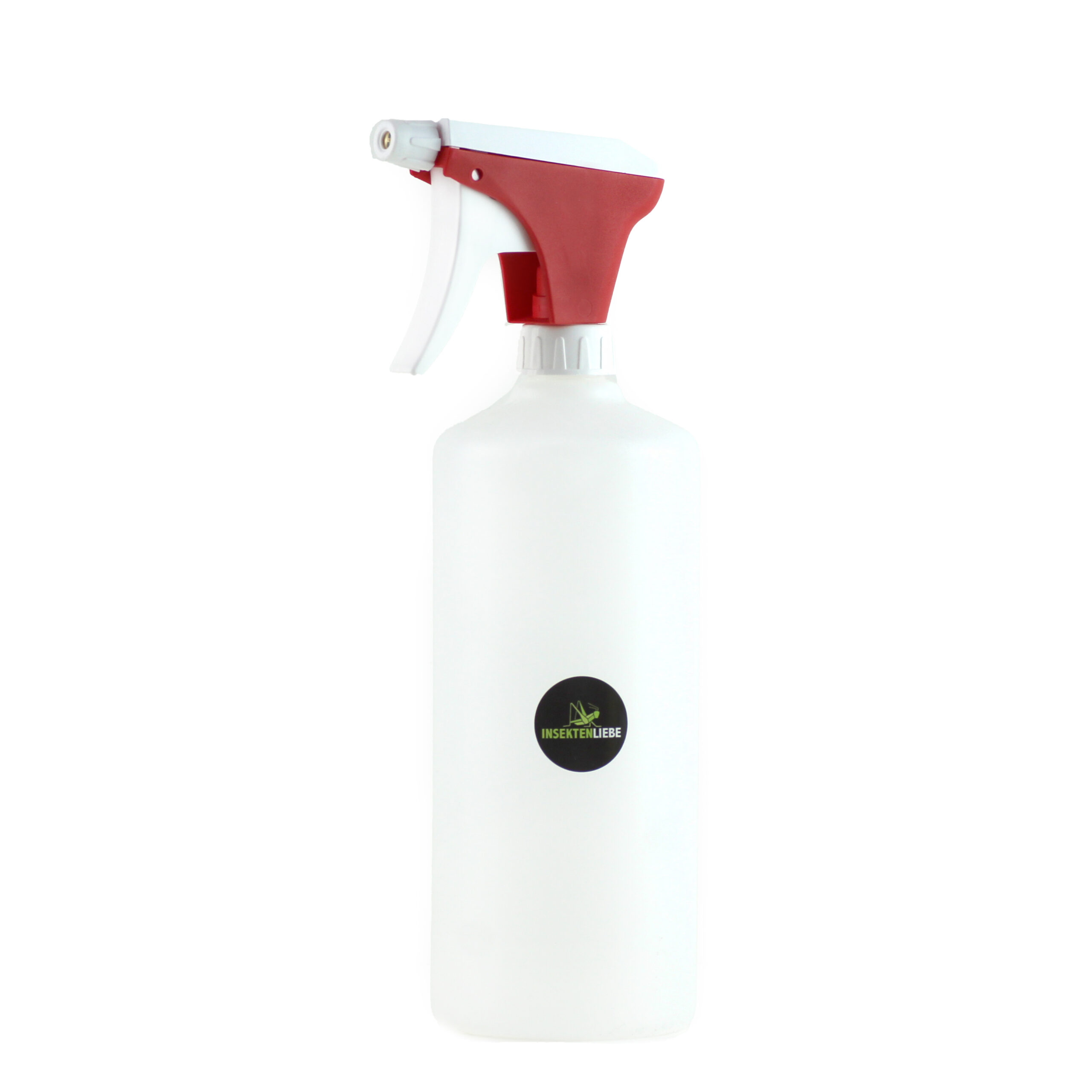
- Insektenliebe Tropical Rain – provides lime-free water for misting the terrarium.
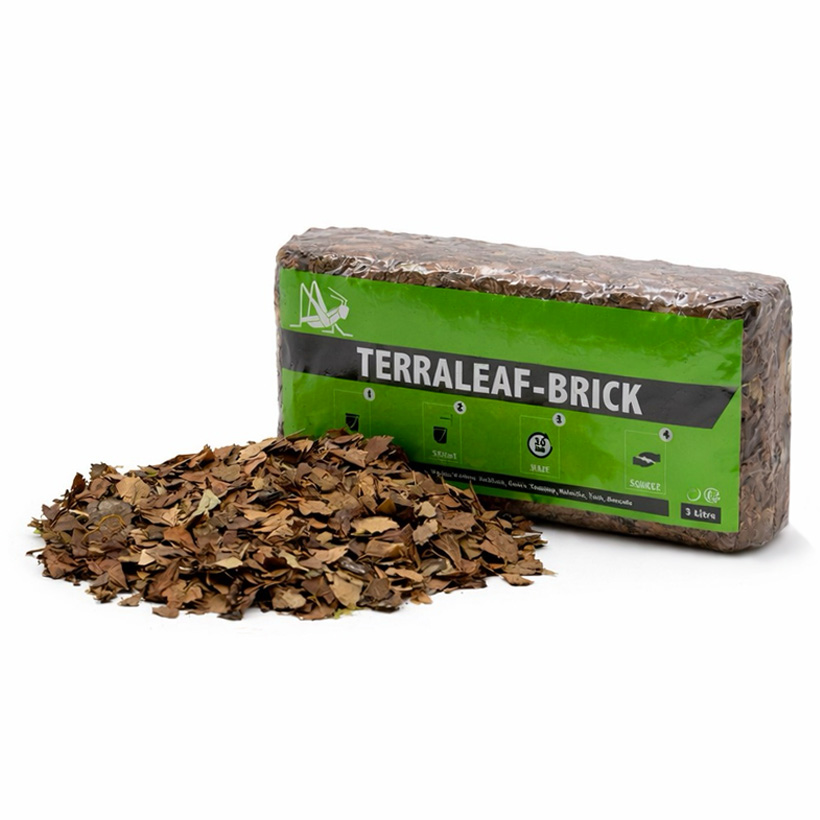
- Insektenliebe Terraleaf – provides lime-free water for misting the terrarium.
This creates a natural-looking tree terrarium, while providing the spider with optimal conditions for web-building, molting, and hunting.
Conclusion
Ybyrapora diversipes It is one of the most impressive tree-dwelling tarantulas in existence. Its extraordinary colors, fascinating color changes, and dense web make it truly unique.
At the same time, this species captivates with its calm demeanor and elegant lifestyle. Anyone who provides a well-structured tree terrarium with sufficient height, warmth, and humidity will enjoy this extraordinary tarantula for many years to come.
Perfect combined with
-
Philodendron scandens
Original price was: 9,99 €.9,19 €Current price is: 9,19 €. incl. VAT, plus shipping -
Insektenliebe Terraleaf Brick
Original price was: 8,99 €.6,99 €Current price is: 6,99 €. incl. VAT, plus shipping