Insektenliebe Incubation Kit for Stick Insect Eggs
4,99 € incl. VAT, plus shipping
Insektenliebe Incubation Kit for Stick Insect Eggs – Keep an Eye on Your Hatchlings
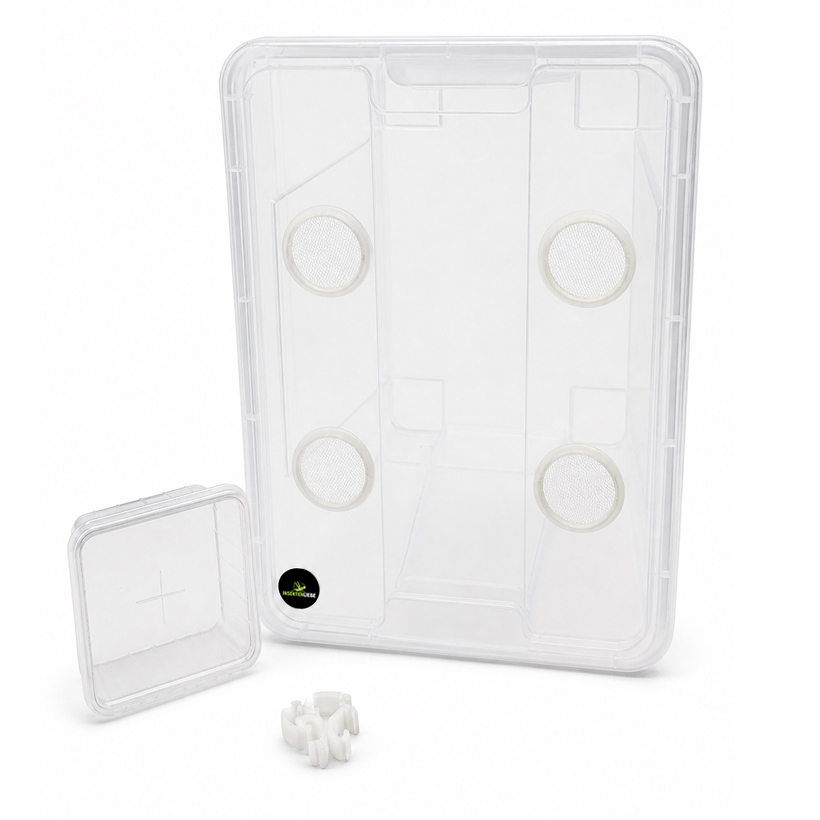
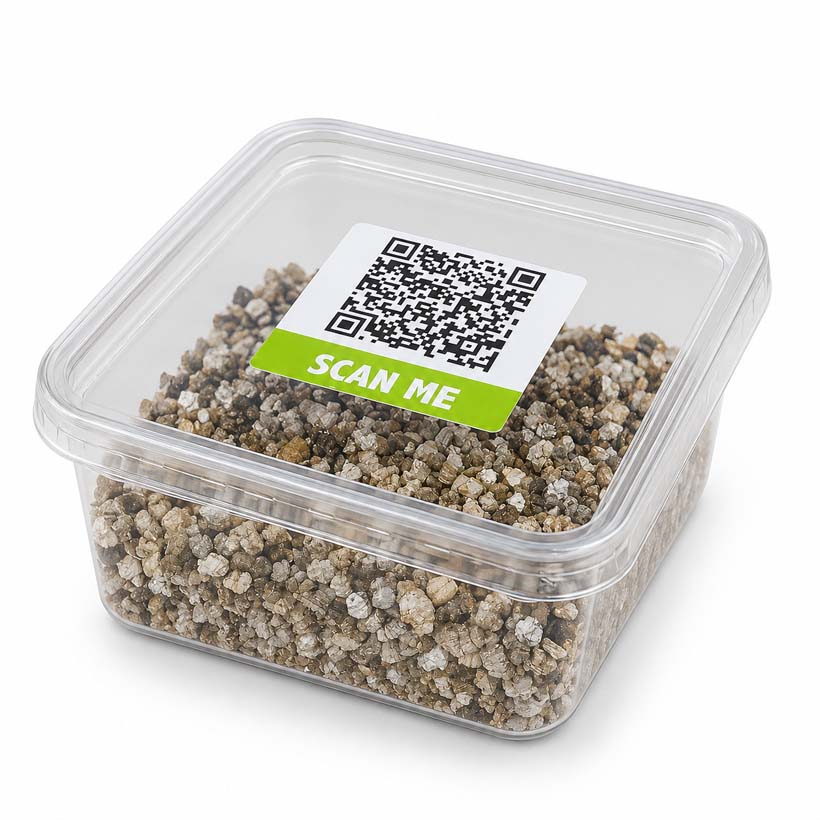
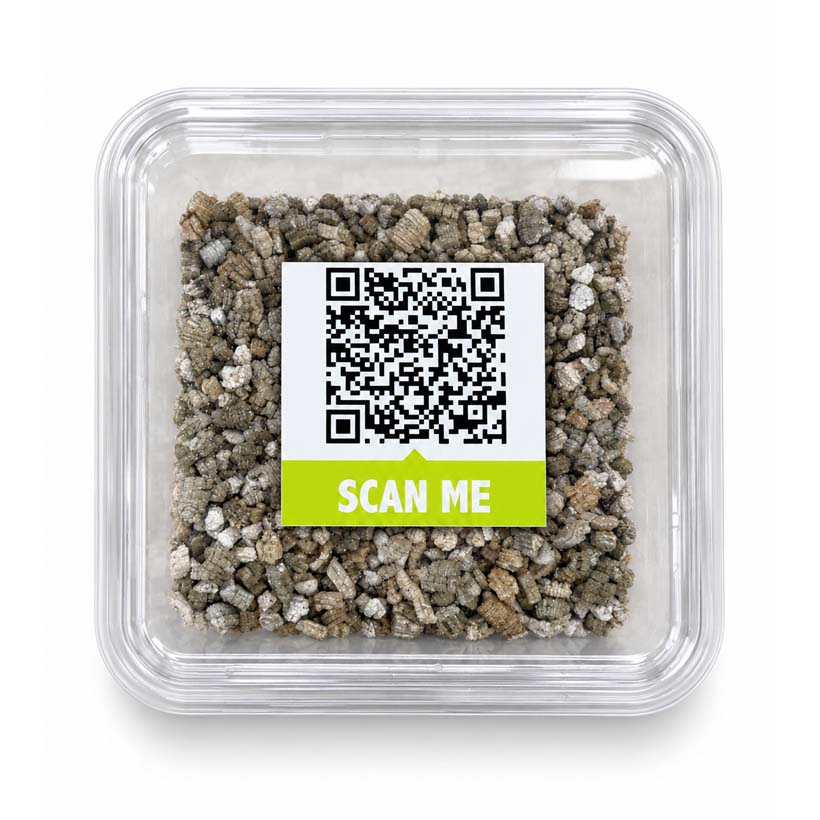
With the Insektenliebe Incubation Kit for Stick Insect Eggs, you can set up your own space for your eggs to develop. The kit combines a perforated 500-ml cricket container with vermiculite as the incubation substrate. You’ll also find a QR code on the lid that you can scan to read the incubation instructions.
This way, you’ll have the container, the growing medium, and the instructions all in one place. This makes it easier to get started and is also helpful if you ever need to look something up again while caring for your plants.
Vermiculite as a Substrate for Incubation
Vermiculite can absorb and retain water. This allows you to control the humidity in the rearing container. However, how moist you keep the substrate depends on the specific species of phasmid.
This is because the eggs of stick insects, ghost insects, and walking leaves do not all have the same requirements. Some need more moisture, while others should be kept drier. Therefore, follow the instructions for your specific species instead of treating all eggs the same way.
Perforated Container for Air Circulation
The cricket container has a volume of 500 ml and already has ventilation holes. These allow for air exchange with the surrounding environment. At the same time, the clear container lets you see the substrate and the eggs.
Since moisture also escapes through the holes, you should check the condition regularly. This will allow you to determine early on whether the vermiculite needs to be re-moistened.
Instructions printed directly on the lid
How do I prepare the substrate? What do I need to keep in mind during development? Scan the QR code on the lid to access the instructions and read through the individual steps.
This is especially handy if you’re incubating Phasmida eggs for the first time. Plus, the instructions are right there in the kit.
Benefits at a Glance
- Perforated cricket container with a 500-ml capacity
- Includes vermiculite as a breeding substrate
- QR code on the lid with incubation instructions
- Clear container for easy visual inspection
- Separate compartment for storing your eggs
- Compact design for organized breeding
How to Use Your Incubation Kit
- Read the instructions: First, scan the QR code and take note of the specific needs of your phasmid species.
- Prepare the substrate: Adjust the moisture level of the vermiculite to suit the specific species. Avoid standing water.
- Placing the eggs: Place the eggs according to the species-specific instructions. Not every species is suited for direct contact with moist substrate.
- Choose a location: Place the container in a suitable spot out of direct sunlight. Keep the ventilation holes clear.
- Check regularly: Monitor the moisture level and watch for changes as well as newly hatched insects.
It’s best to label the container with the species and the date the eggs were laid. This will help you keep track of everything, even if you have multiple batches.
After hatching, the journey continues
Prepare suitable housing for your hatchlings, preferably before they hatch. This is because the incubation box is no substitute for a rearing terrarium with enough space for climbing and shedding.
In addition, suitable food plants should be available. Which plants are appropriate and when you should move the young animals depends on the species you are keeping.
What’s Included
- 1 × perforated cricket container with lid, 500 ml
- Vermiculite as a breeding substrate
- QR code on the lid for accessing the incubation instructions
Frequently asked questions
What kind of eggs is this kit designed for?
This kit is designed for incubating phasmid eggs, such as those of stick insects, ghost insects, and walking leaves. The appropriate humidity and egg placement depend on the species.
How often do I need to moisten the vermiculite?
There’s no set schedule for this. That’s because the indoor climate, ventilation, and the plant’s specific needs all affect how quickly the substrate dries out. So check it regularly instead of watering according to a rigid schedule.
When do the young hatch?
That depends, among other things, on the species, the temperature, and the age of the eggs. Even eggs from the same clutch may hatch at different times. Therefore, it is not possible to give a general hatching time.
Can I simply remove eggs that are stuck to the substrate?
Do not forcefully remove eggs that are firmly attached. Such species may require a different housing setup. Therefore, first check which method is appropriate for your species.
The Right Accessories for Your Breeding Program
Exo Terra Digital Thermometer and Hygrometer —helps you monitor the temperature and humidity at the setup location.
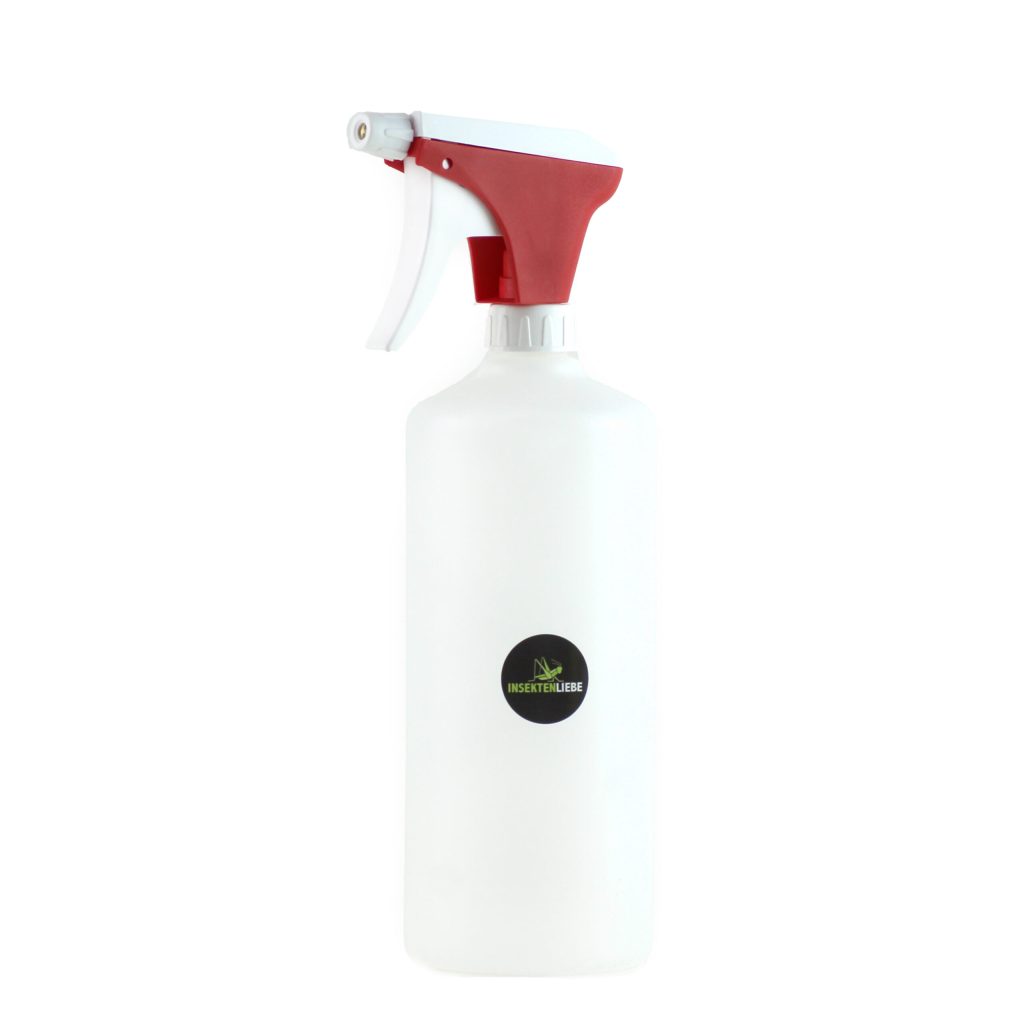
Insektenliebe 1-Liter Spray Bottle – helps you moisten the substrate before laying the eggs or when maintaining the rearing container later on.
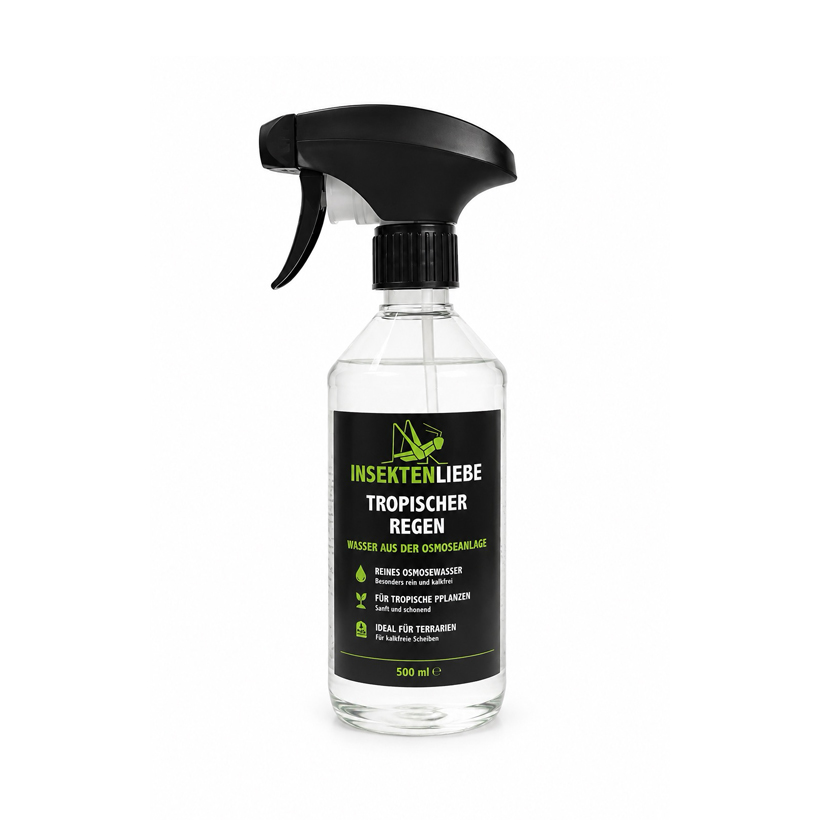
Insektenliebe Tropical Rain —comes in a spray bottle filled with osmosis water and is a good option for small amounts of water.
Hobby Vermiculite – suitable for storing for future batches or for replacing the breeding substrate.
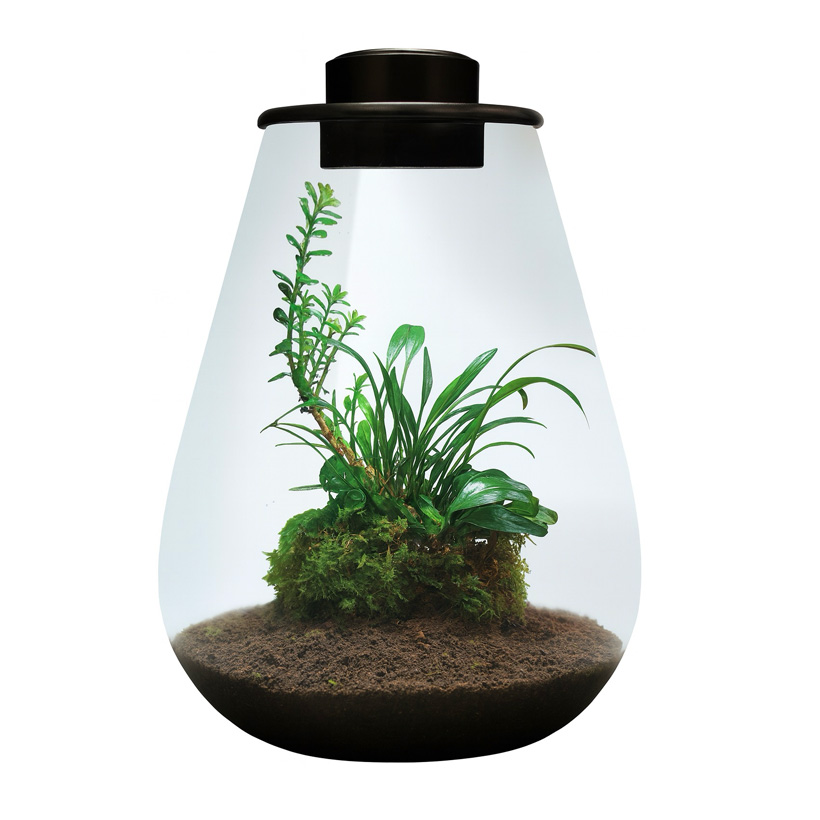
Insektenliebe Phasmid Complete Set – provides a habitat for future breeding, provided the size and features are suitable for your species.
Hobby Plant Pruning Shears – will help you later on when trimming suitable food branches for your young animals.
Bottom line: A set that includes a container, breeding substrate, and instructions
The Insektenliebe Incubation Kit for phasmid eggs makes it easy for you to prepare your breeding project. You’ll receive a perforated 500-ml can filled with vermiculite, and you can access the instructions directly via the QR code on the lid.
If you adjust the humidity and location to suit your species and check them regularly, you’ll be able to keep a close eye on the development of your eggs.
Perfect combined with
-
Exo Terra Digital Thermometer and Hygrometer
Original price was: 33,29 €.29,49 €Current price is: 29,49 €. incl. VAT, plus shipping -
Hobby Vermiculite
Original price was: 6,39 €.4,99 €Current price is: 4,99 €. incl. VAT, plus shipping -
Hobby plant care scissors
Original price was: 23,79 €.19,99 €Current price is: 19,99 €. incl. VAT, plus shipping