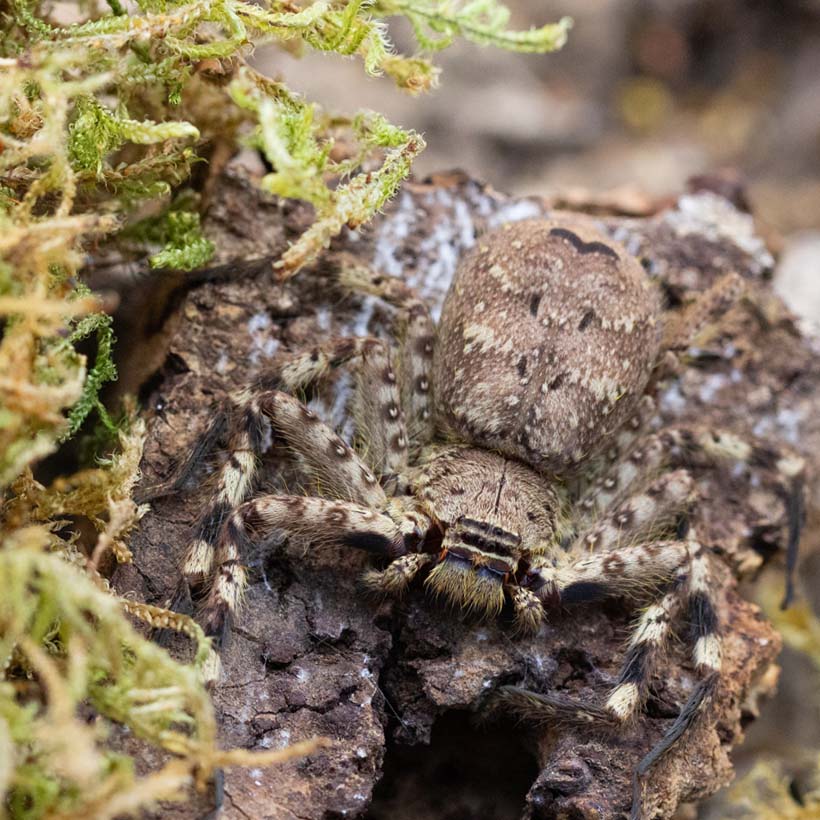
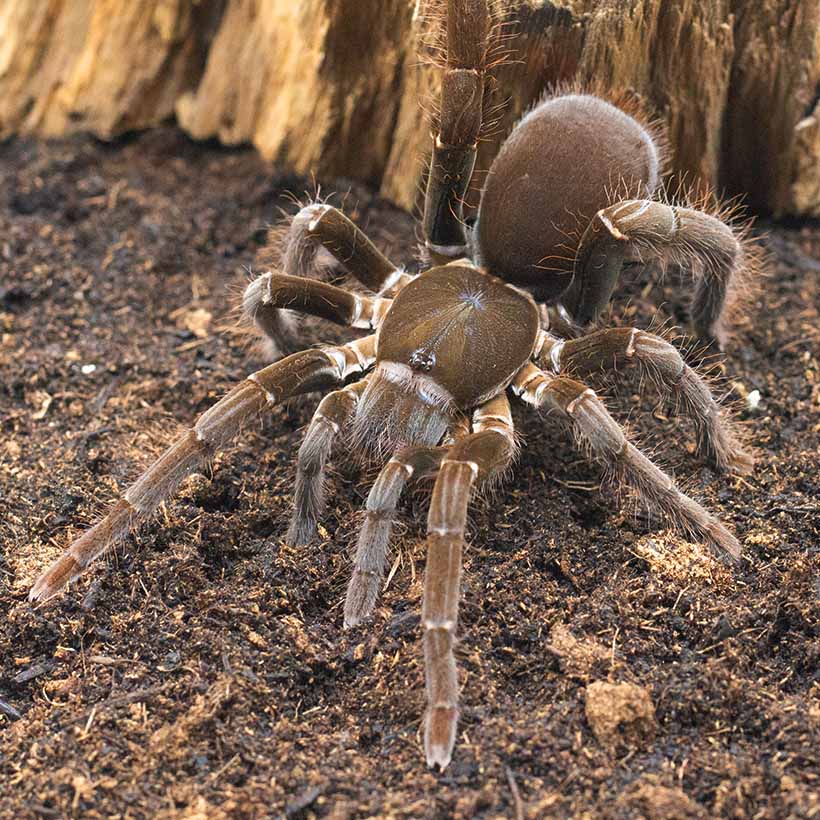
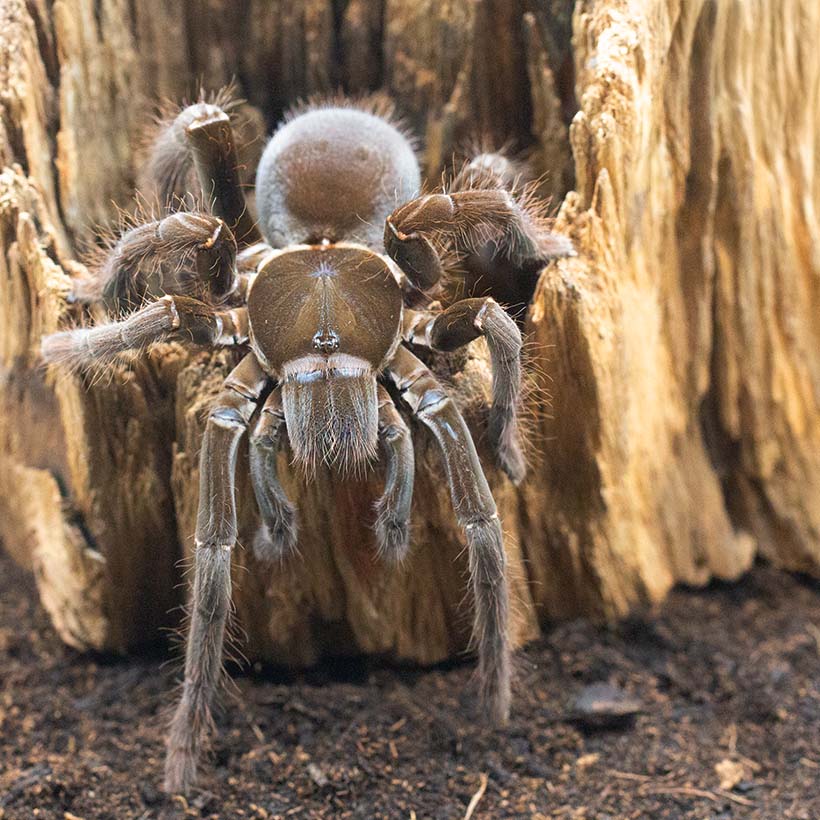
Hysterocrates gigas “African giant tarantula”
119,00 € incl. VAT, plus shipping

Simple

Cameroon

< 90 mm

25°C – 29°C
Hysterocrates gigas – the African giant tarantula builds its burrow underground
Hysterocrates gigas spends a large part of its life underground. This robust tarantula from Cameroon not only digs a tunnel but can also expand it to include chambers and side tunnels. It waits for prey at the entrance to its burrow. That’s why, when feeding it, you often see its front legs first before the tarantula pulls the food into its shelter.
Setting Up a Terrarium for Hysterocrates gigas
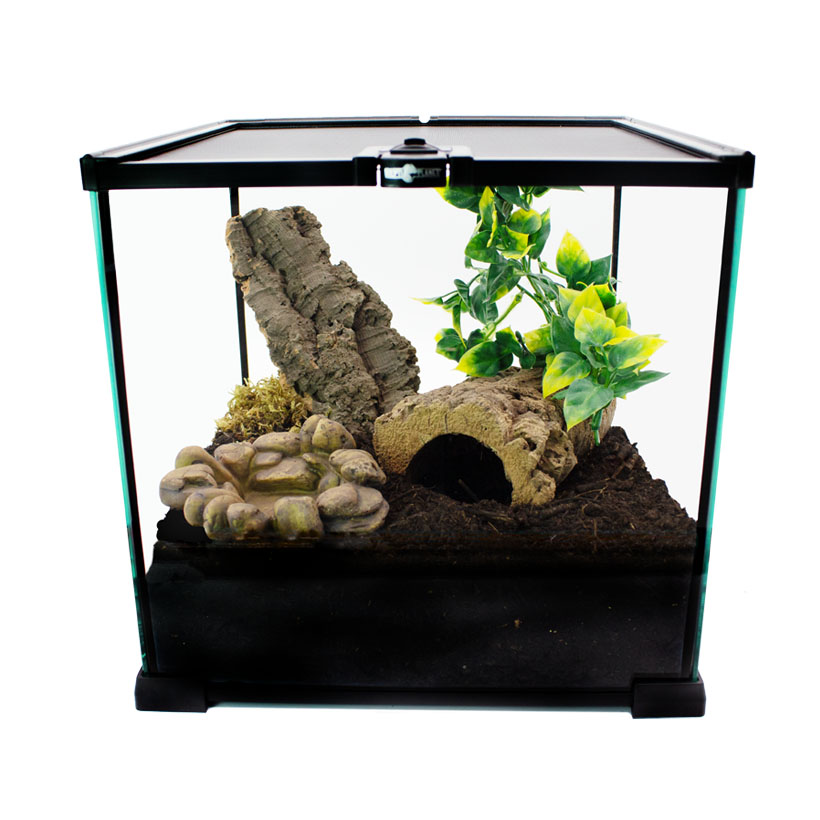
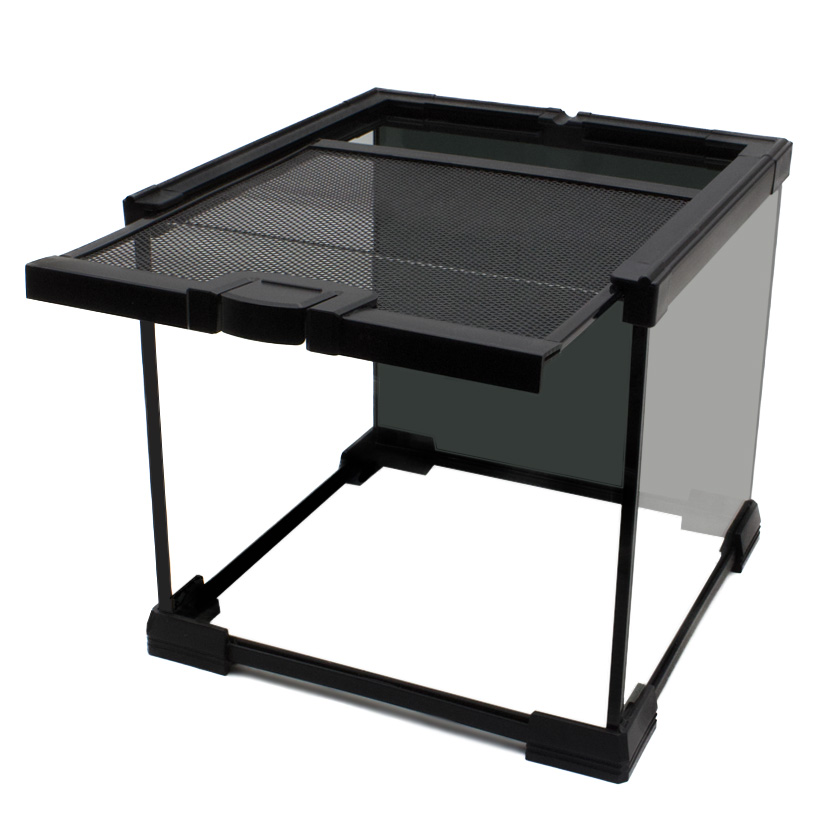
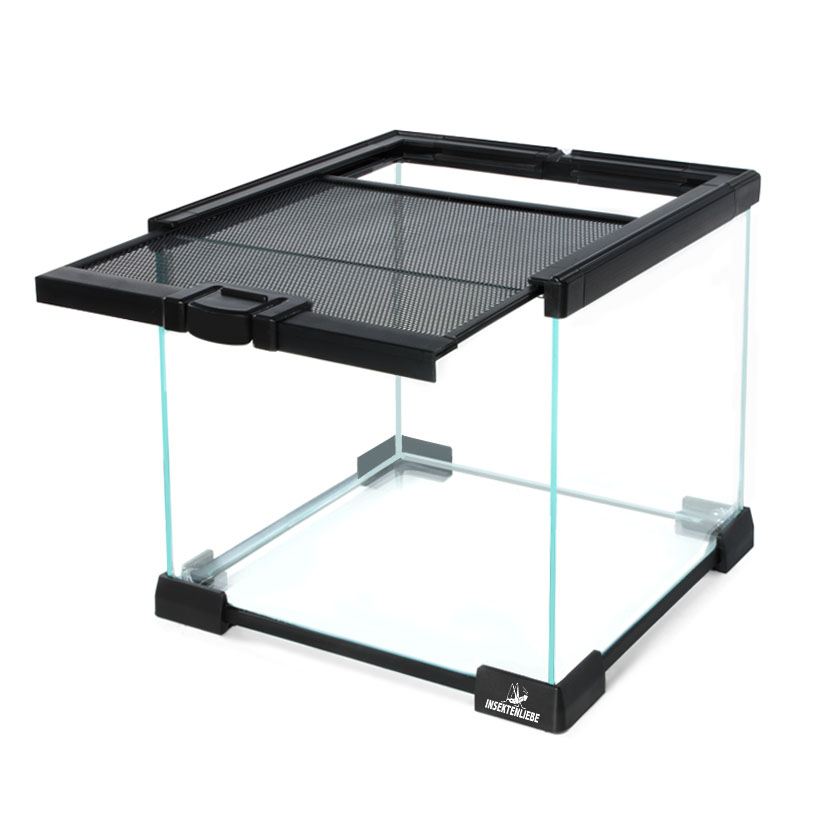
The key factor is how much diggable substrate actually fits into the tank. Plan for a spacious, securely closing terrarium for a fully grown animal, with enough room for a deep layer of soil. If the terrarium has a front door, pay special attention to the height of the threshold. If the terrarium opens from the top, the gap between the bottom and the lid should be small enough to limit the drop height.
- Add the substrate in layers: Gently press down on the soil. This allows the spider to dig without the tunnel collapsing right away.
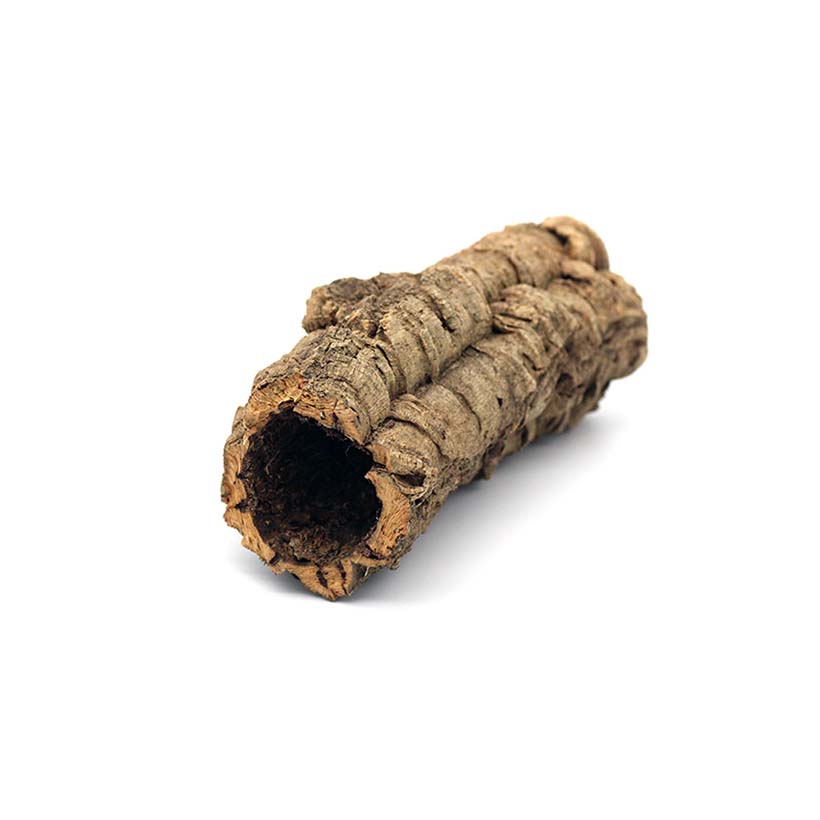
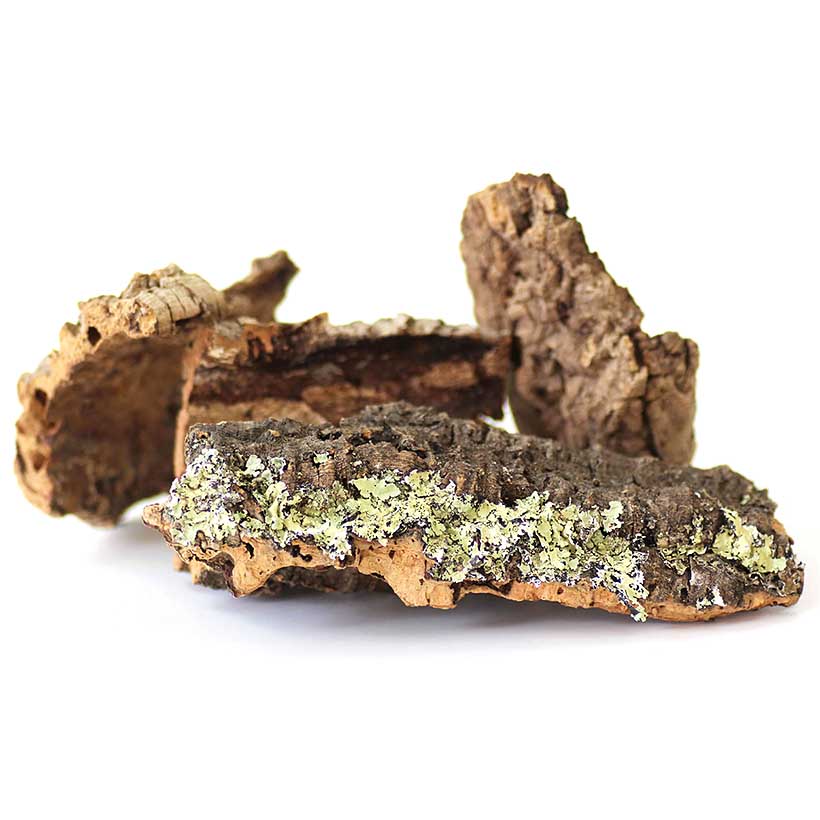
- Offer a starting point: Place a flat piece of cork on the floor and create a small hollow underneath it. From there, the spider can expand its tube on its own.
- Keep the deeper layers slightly moist: The soil should not dry out completely. Moisten it as needed, but avoid waterlogging.
- Place the water where it’s easy to reach: Put a shallow drinking bowl near the opening. That way, you can refill it without having to reach over the tube opening.
Keep the ventilation areas clear. If the glass stays fogged up for a long time, check both the humidity in the soil and the air circulation. This species needs a water dish, but not a deep water section.
How big should the terrarium be for Hysterocrates gigas?
For a fully grown animal, 35 × 35 × 35 cm (width × depth × height) is a good starting point. The key factor, however, is how much substrate you can actually add. If the tank has a low threshold at the front door, it’s better to choose a more spacious model with a higher floor threshold. This leaves enough room for a deep living tube without blocking the ventilation or the door.
How often do you feed Hysterocrates gigas?
As a general guideline, you can offer food at these intervals:
- Baby spiders: very small prey items, about once a week.
- Juvenile animals: appropriately sized crickets, field crickets, or cockroaches about every 7–10 days.
- Adult animals: a suitable food animal about every 2–3 weeks, such as an Argentine forest cockroach.
Adjust the spacing based on how well the spider is eating and how robust its abdomen is. Remove any uneaten prey. If the spider seals off its burrow, leave it alone. After a molt, don’t offer food again until the spider has fully recovered.
The Right Accessories for Your Tarantula
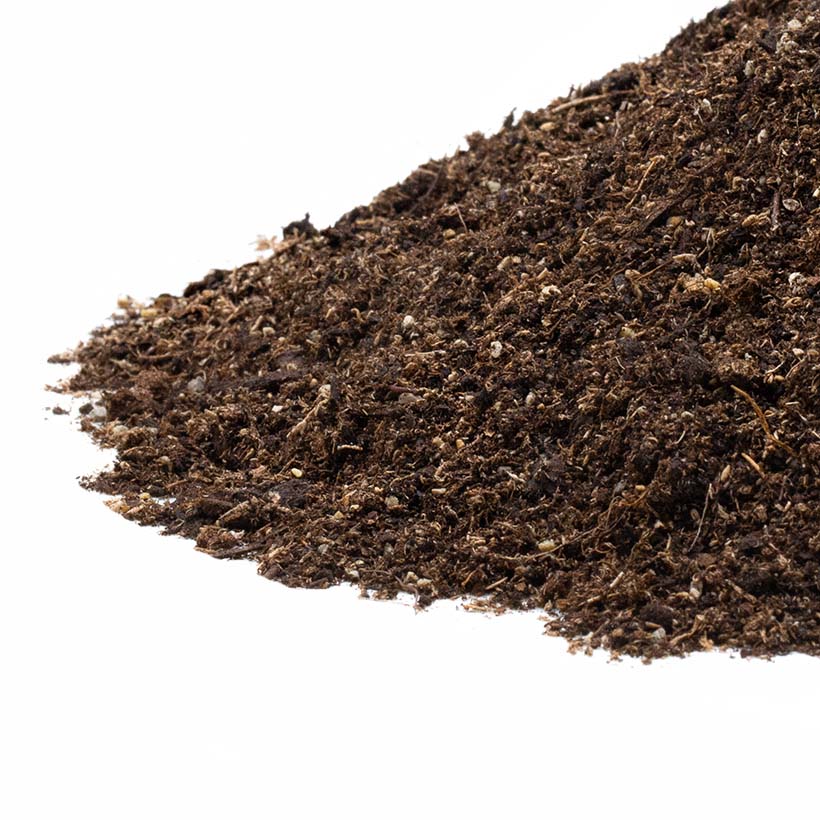
Tarantula substrate – provides a base in which the spider can burrow. Make sure to provide enough material so that the spider can expand its burrow downward.
Tree stump —provides cover over the entrance to the burrow.
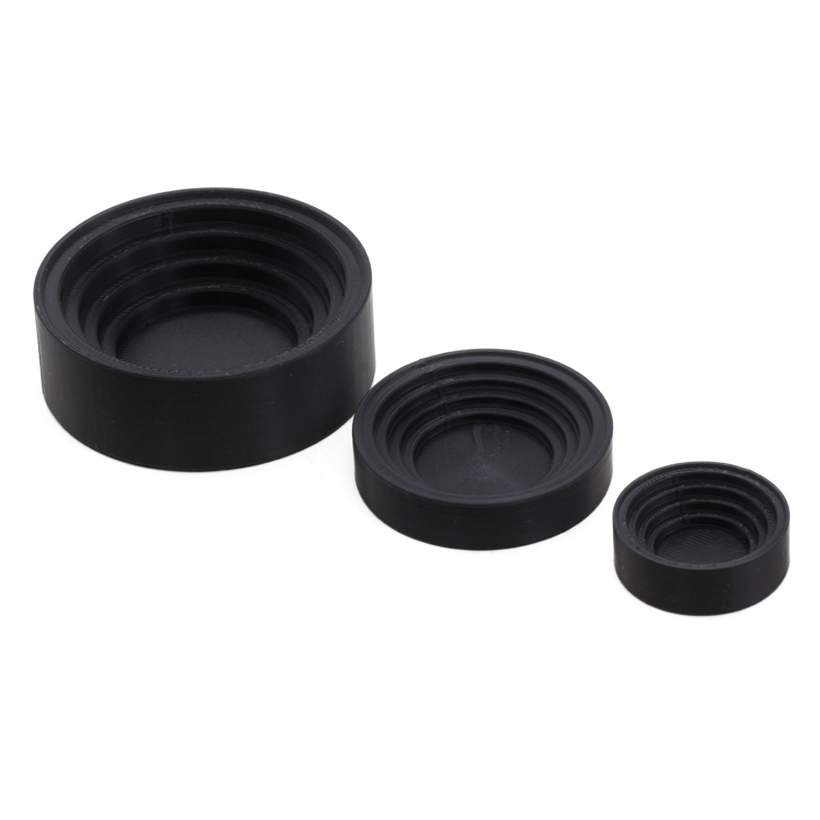
Insektenliebe Round Bowl – serves as a shallow drinking bowl and can be easily removed for cleaning.
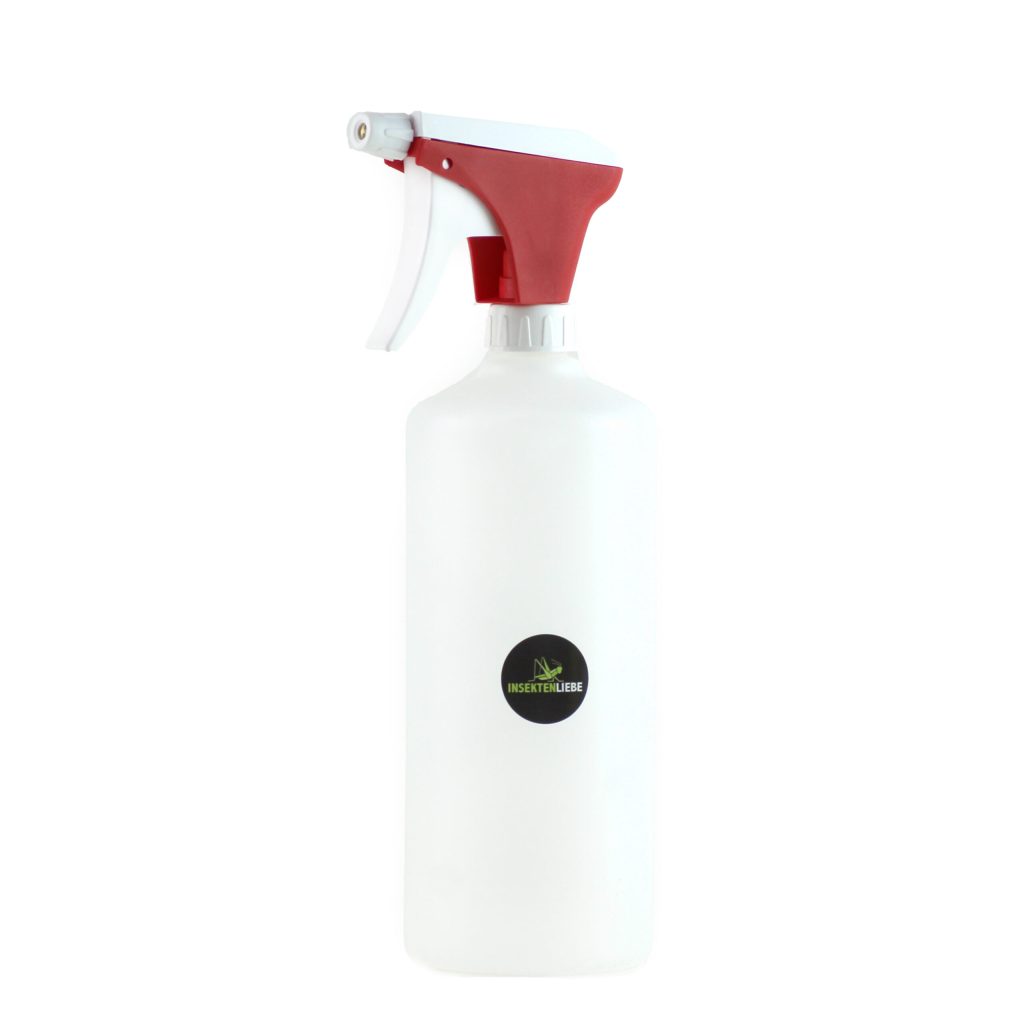
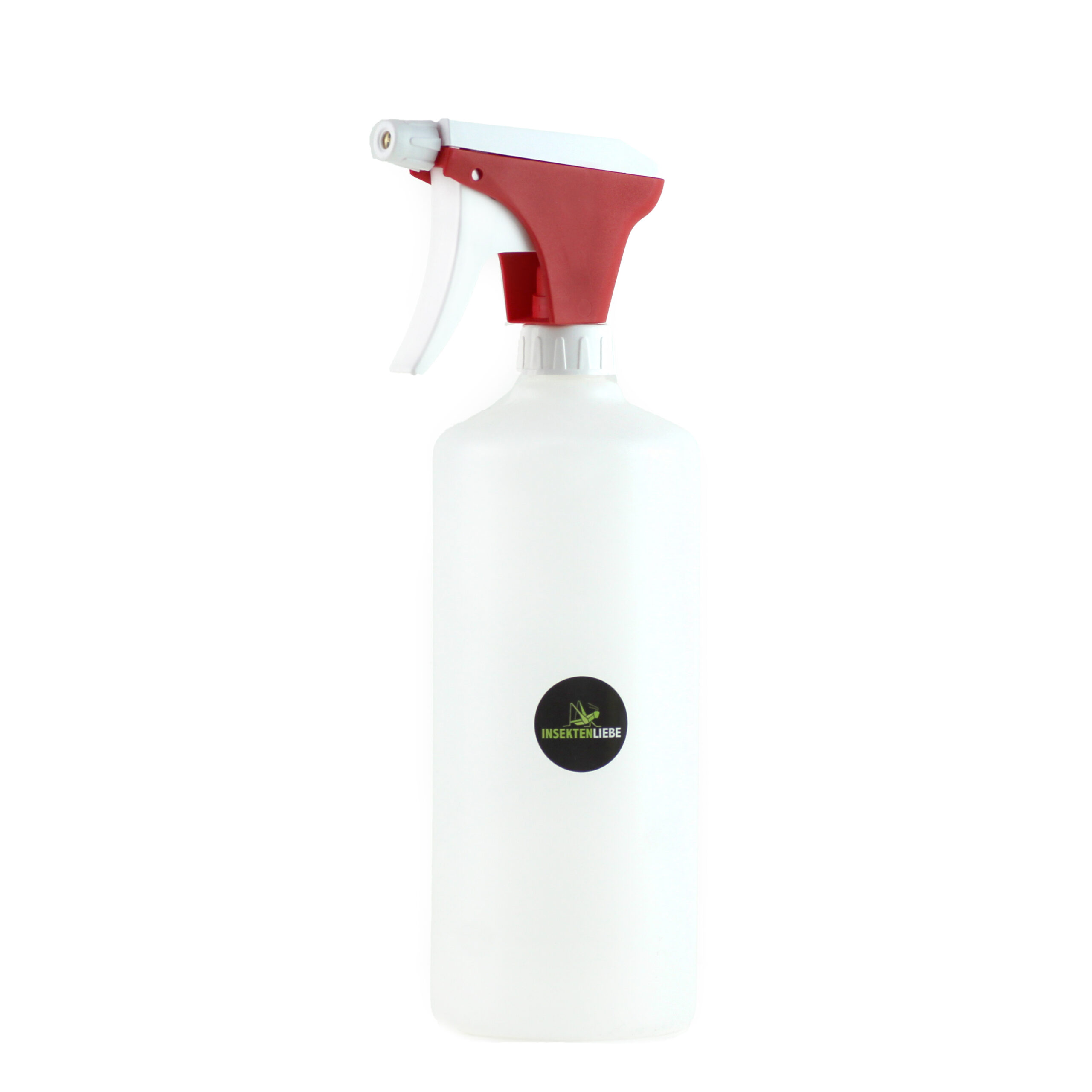
Insektenliebe 1-Liter Spray Bottle – helps you lightly mist the substrate as needed. Do not spray directly into the living tube.
Exo Terra Digital Thermometer and Hygrometer —helps you monitor the temperature and humidity in the tank. You can also check the moisture level in the substrate directly.
The Right Prey – We select prey that’s appropriate for your spider’s species and size.
Conclusion: Plenty of space for life underground
For Hysterocrates gigas, setting up the enclosure starts with the substrate. A deep, stable, and slightly moist layer of soil gives the African giant tarantula space for its burrow. If you place the water dish within easy reach and leave the burrow undisturbed during care, you can observe the spider at the entrance without disturbing its hiding place.
Pairs perfectly with
-

“Insektenliebe” Round Bowl
Price range: 1,49 € through 3,99 € incl. VAT, plus shipping
(from 10 SU = 15% Discount, from 20 SU = 25% Discount, from 50 SU = 50% Discount) -
Exo Terra Digital Thermometer and Hygrometer
Original price was: 33,29 €.29,49 €Current price is: 29,49 €. incl. VAT, plus shipping