Sale!
Hapalopus formosus
Price range: 4,00 € through 95,00 € incl. VAT, plus shipping

Simple

Colombia

< 45 mm

22°C – 28°C
Hapalopus formosus – The perfect dwarf tarantula for exciting observations
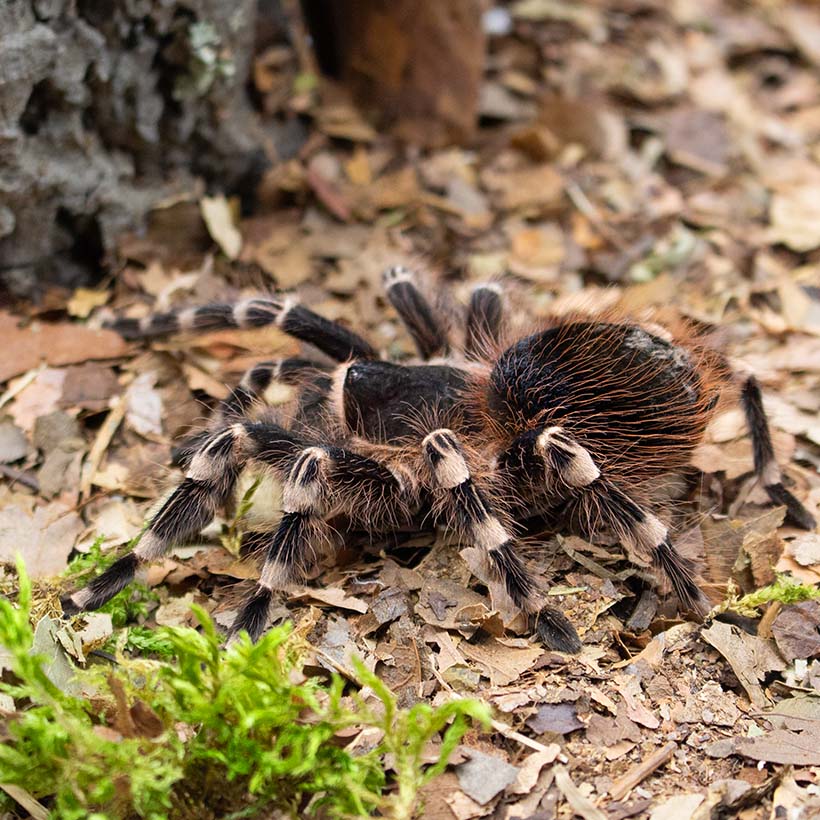
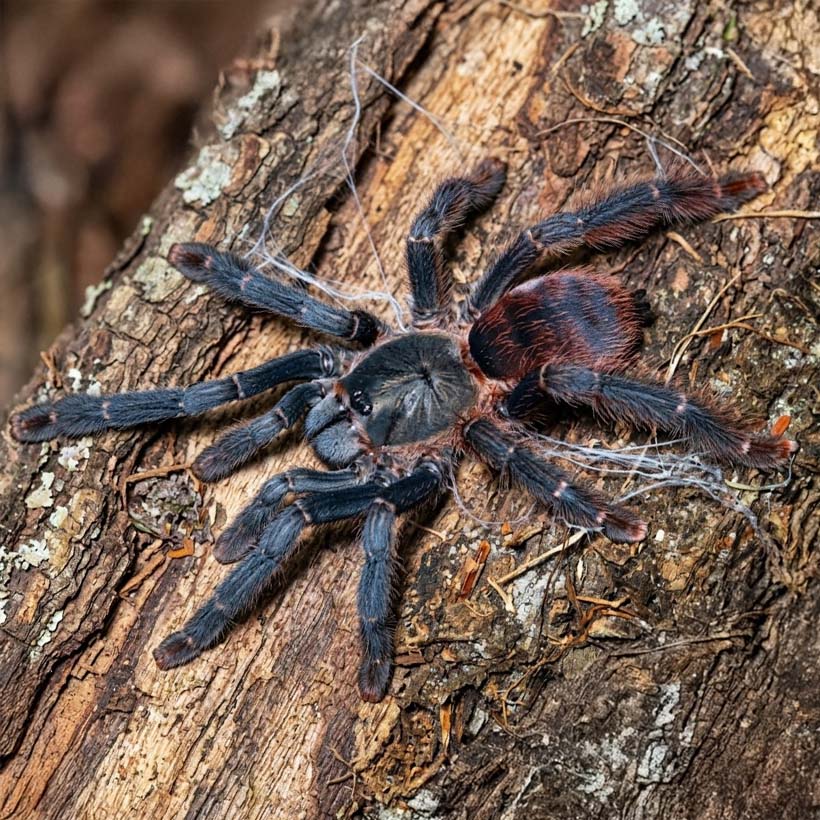
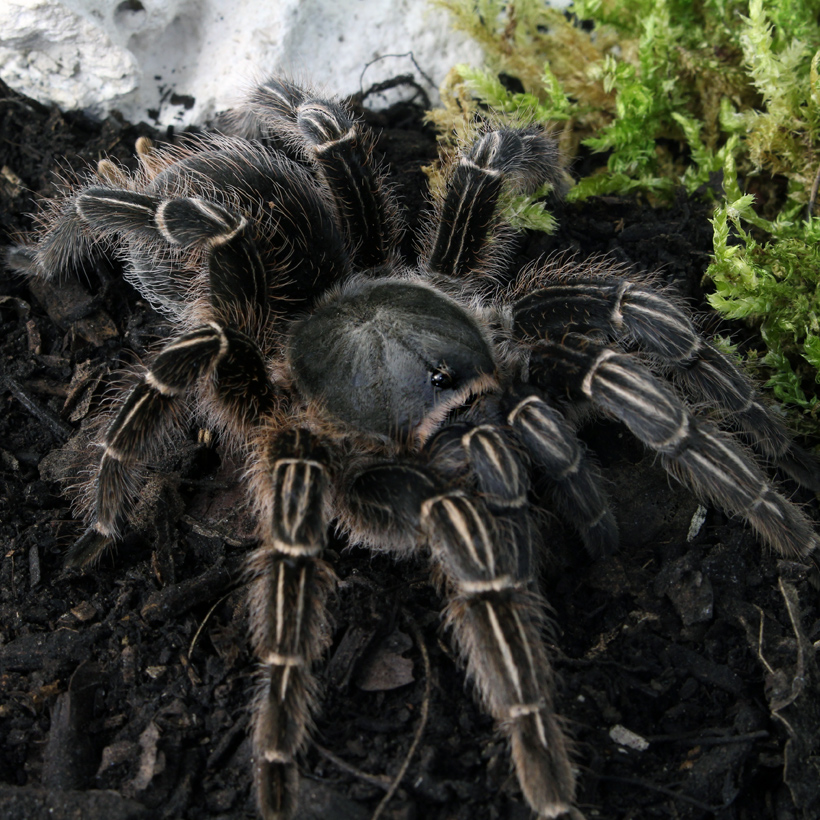
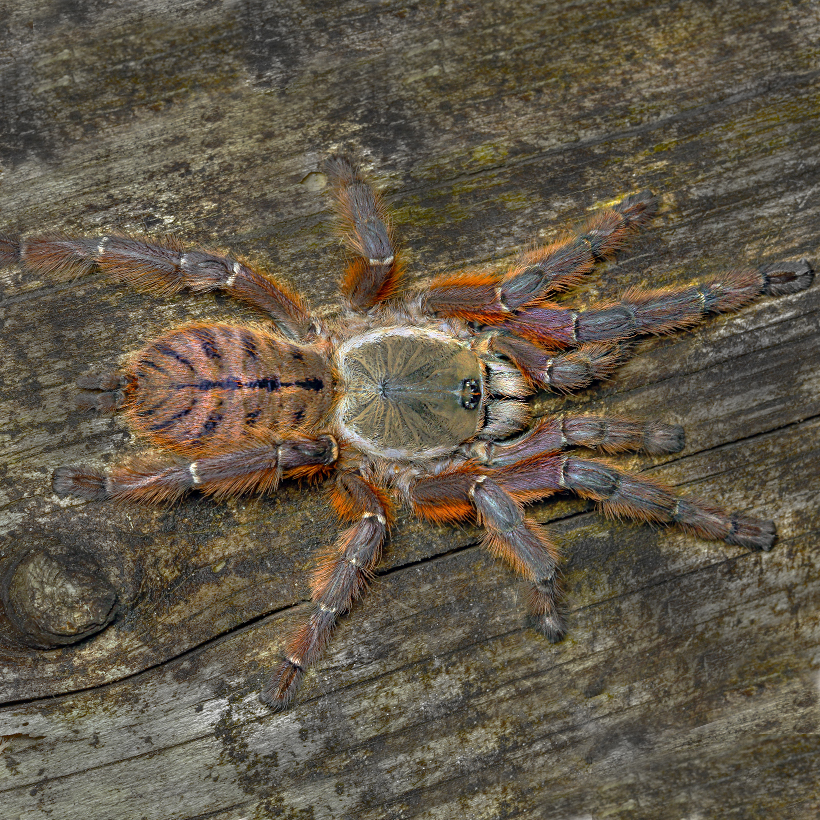
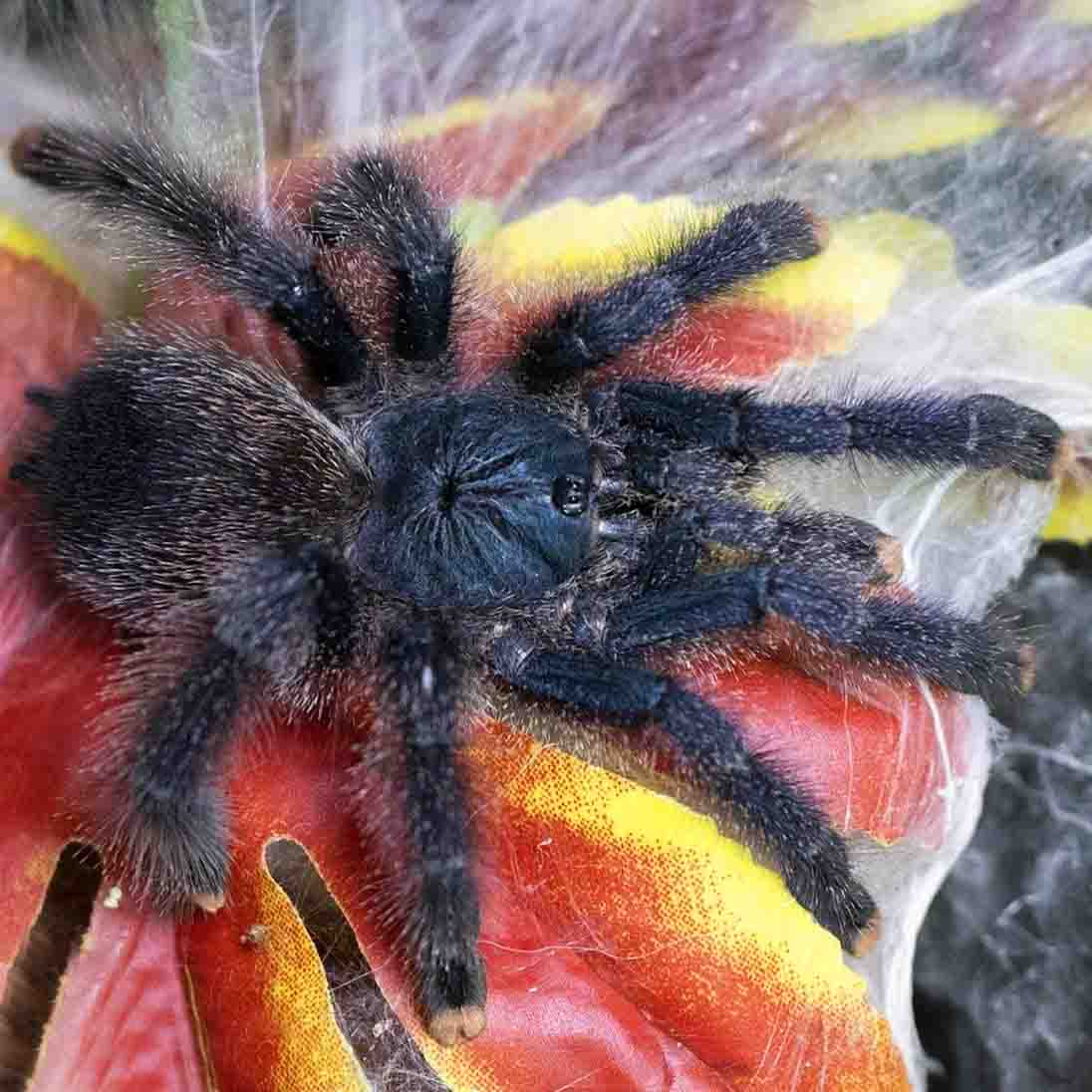
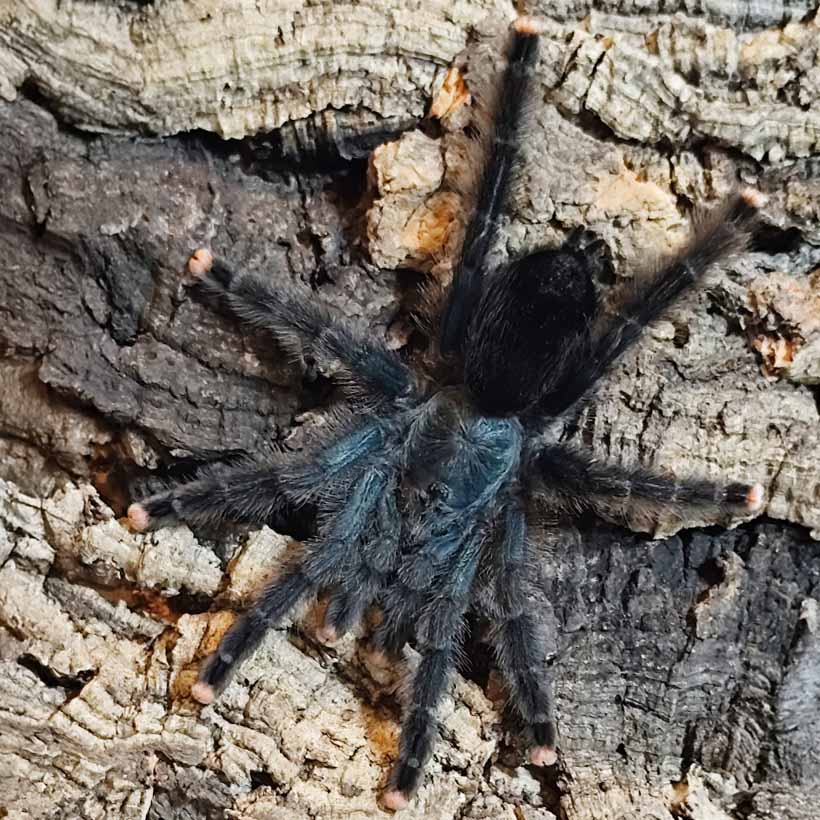
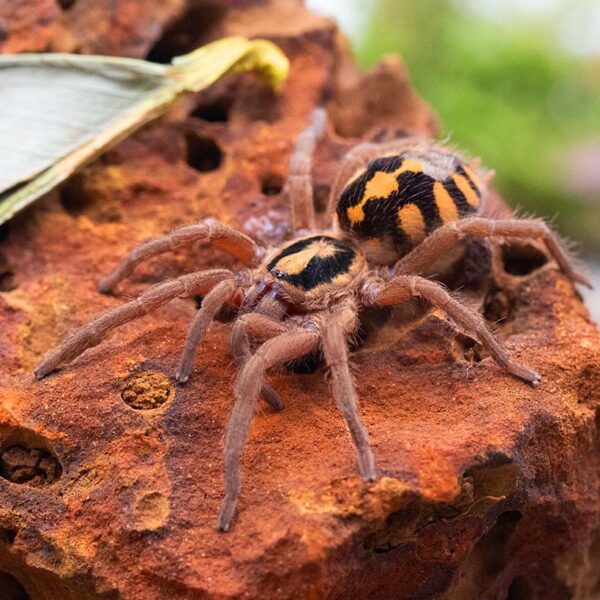
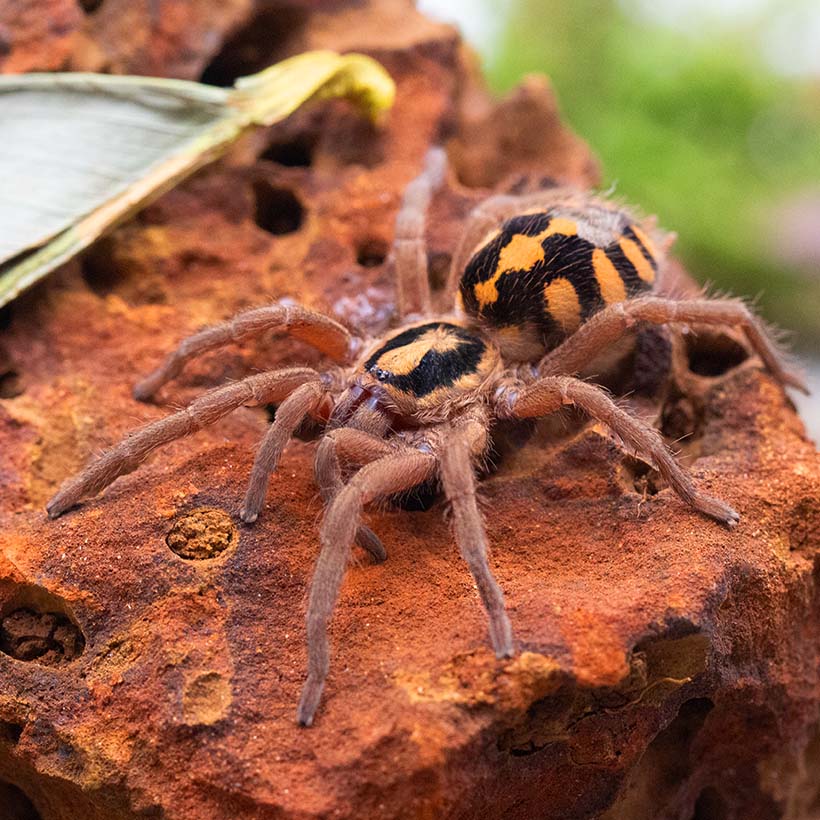
Hapalopus formosus It is one of the smaller tarantula species in South America and captivates observers with both its striking coloration and its interesting behavior. Although it remains significantly smaller than many other tarantulas, its warm shades of brown, gold, and orange quickly draw everyone’s attention.
This species is native to Venezuela, where it lives in tropical forest areas. It spends most of its time on the ground but also uses roots, leaves, and small burrows as safe hiding places. This is precisely why it feels particularly at home in terrariums designed to mimic its natural habitat.
Ground-dwelling animals with active behavior
Hapalopus formosus It is one of the ground-dwelling tarantulas. At the same time, it ventures out of its hiding place more often than many other species. This makes it particularly easy to observe its movements and natural behavior.
Using fine webs, she secures substrate, leaves, and small twigs. This creates a sheltered living space, which she regularly expands.
Especially in the evening hours, the spider becomes more active and sets out in search of food.
The Right Terrarium
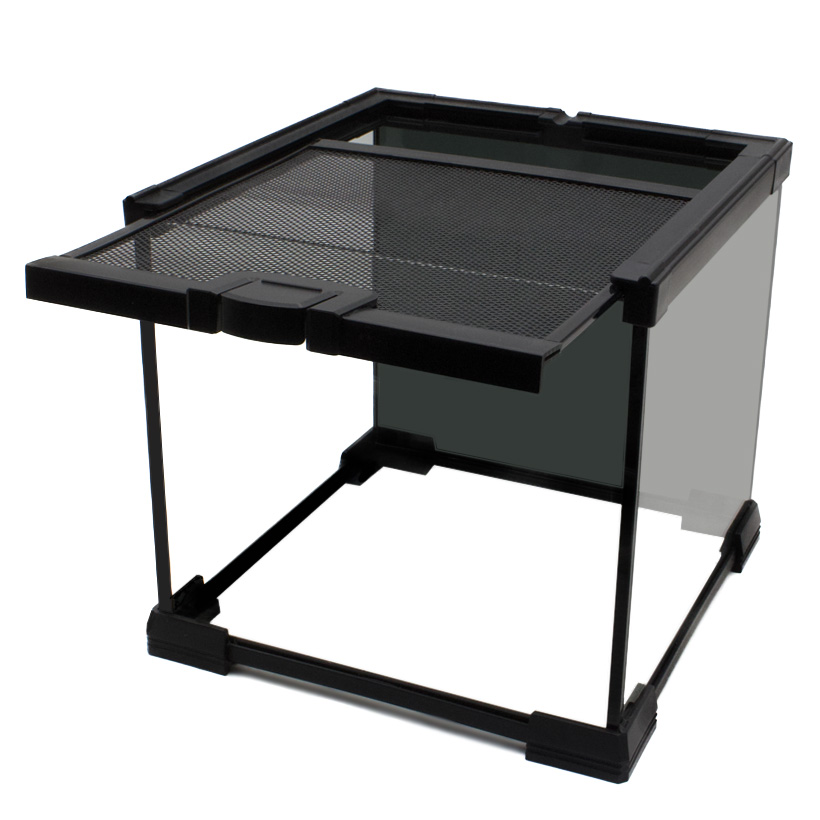
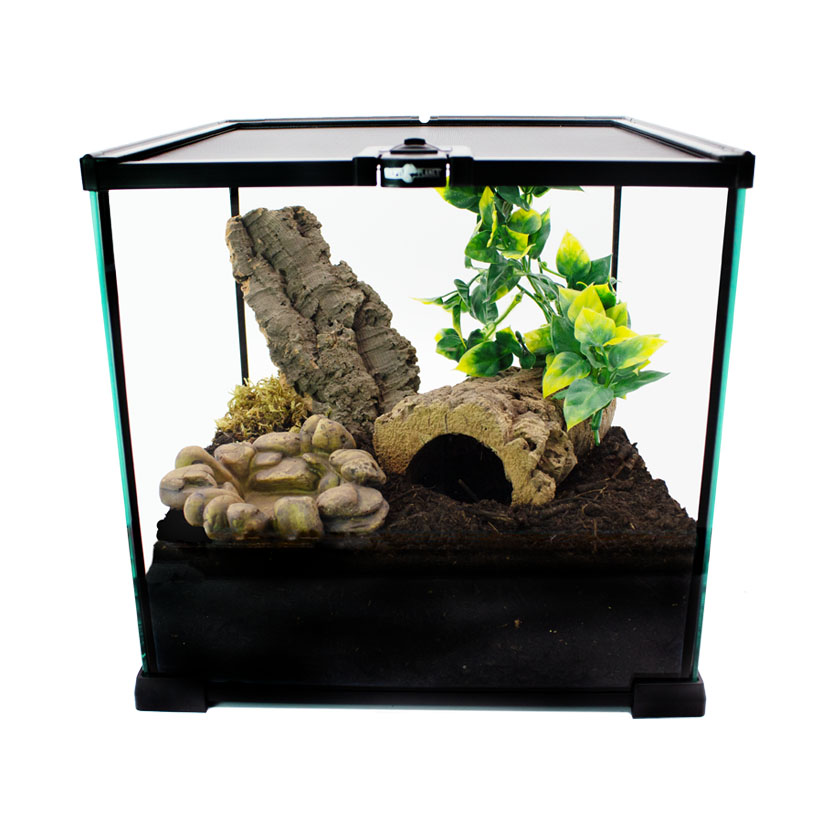
For an adult animal, a terrarium measuring at least 20 × 20 × 20 cm. Nevertheless, this species benefits from a varied enclosure with plenty of hiding places.
The following are particularly suitable for this purpose:
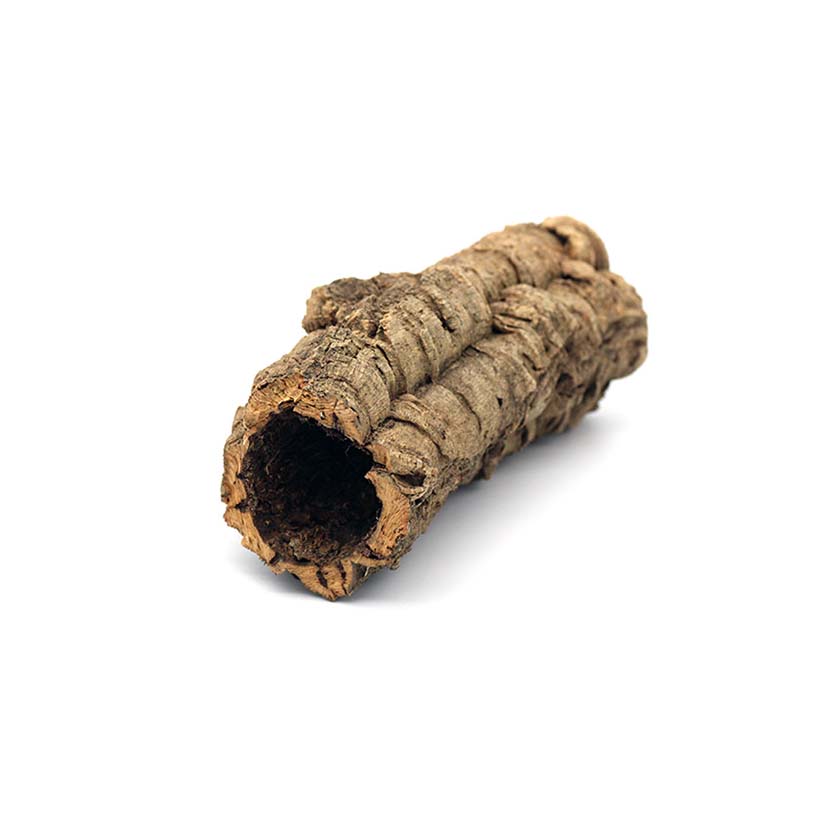
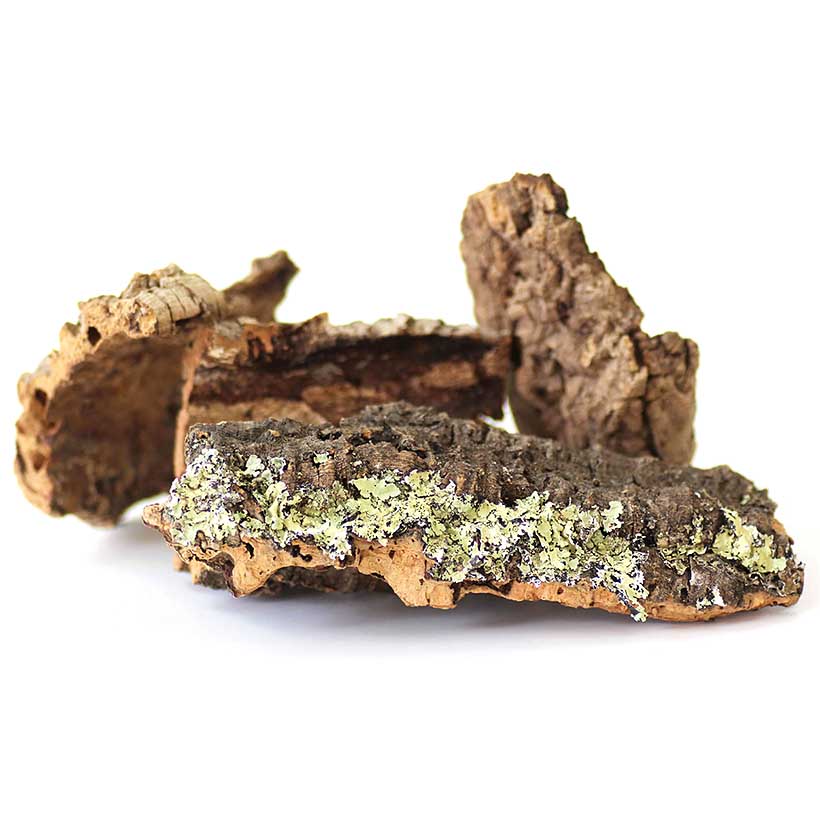
- Pieces of cork bark
- flat cork tubes
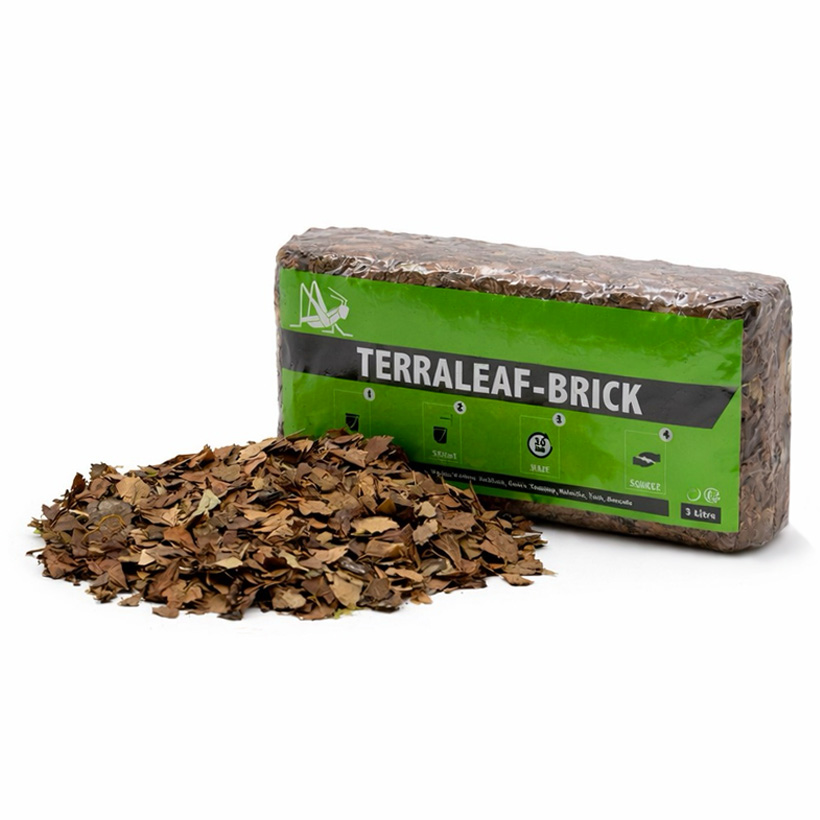
- Foliage layer
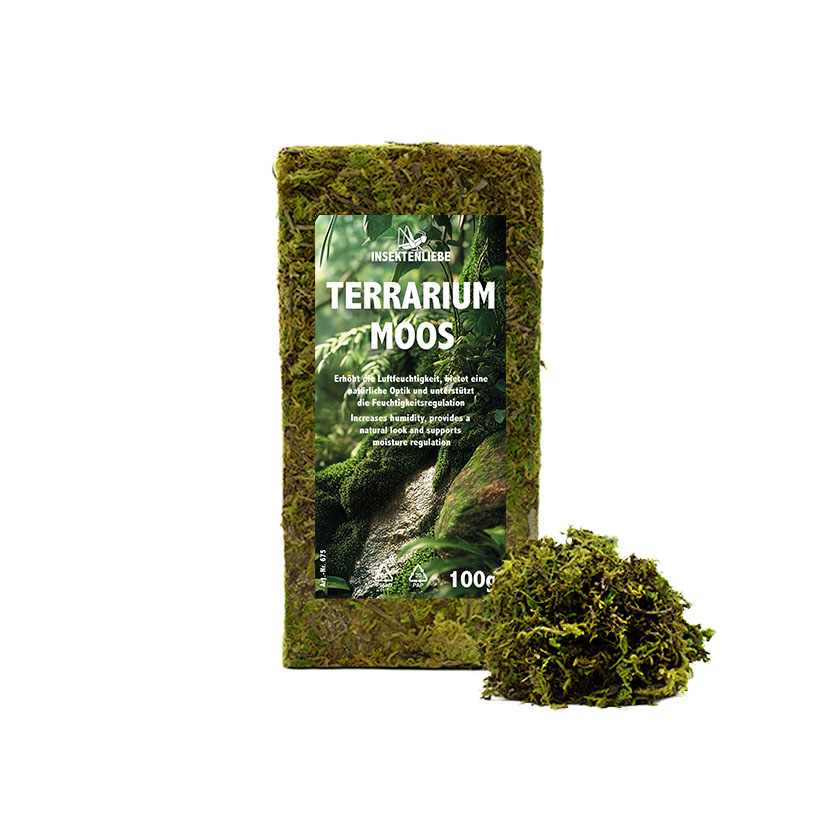
- Moss
- smaller branches
- natural roots
This creates protected areas while allowing the spider to behave naturally.
Temperature and Humidity
Since Hapalopus formosus originates from tropical regions, it prefers warm temperatures between 24 and 27 °C. At the same time, the humidity should be between 70 and 80% .
Regularly spray part of the terrarium with soft water to create both moist and slightly drier areas. At the same time, the terrarium should be well-ventilated, because fresh air helps maintain a much more stable climate.
The soil should remain slightly moist, but should never be constantly wet.
Nutrition
This species has a hearty appetite and reliably feeds on a wide variety of insect prey. At the same time, it quickly captures prey as soon as an insect moves near it.
Suitable options include, among others:
- Cricket
- Cockroaches
- Oven fish
- small grasshoppers
- Gold flies
While young animals should be fed more frequently, adult animals usually only need to be fed once every one to two weeks.
Behavior and Web-Building
Although Hapalopus formosus Although she is not a typical burrow dweller, she produces a surprising amount of silk. She uses it to secure the substrate and line her hiding places. This creates stable living spaces that she uses for a long time.
When disturbed, the spider usually retreats quickly. At the same time, it is generally considered a rather calm species, which is why it is excellent to observe.
Important points on posture
- Ground-dwelling dwarf tarantula
- Terrarium, 20 × 20 × 20 cm or larger
- Temperatures ranging from 24 to 27 °C
- Humidity between 70 and 80%
- Good ventilation is important
- Provide natural hiding places
- Pronounced spun structure
- Striking color pattern
Suitable accessories for your setup
We recommend that you keep them successfully:
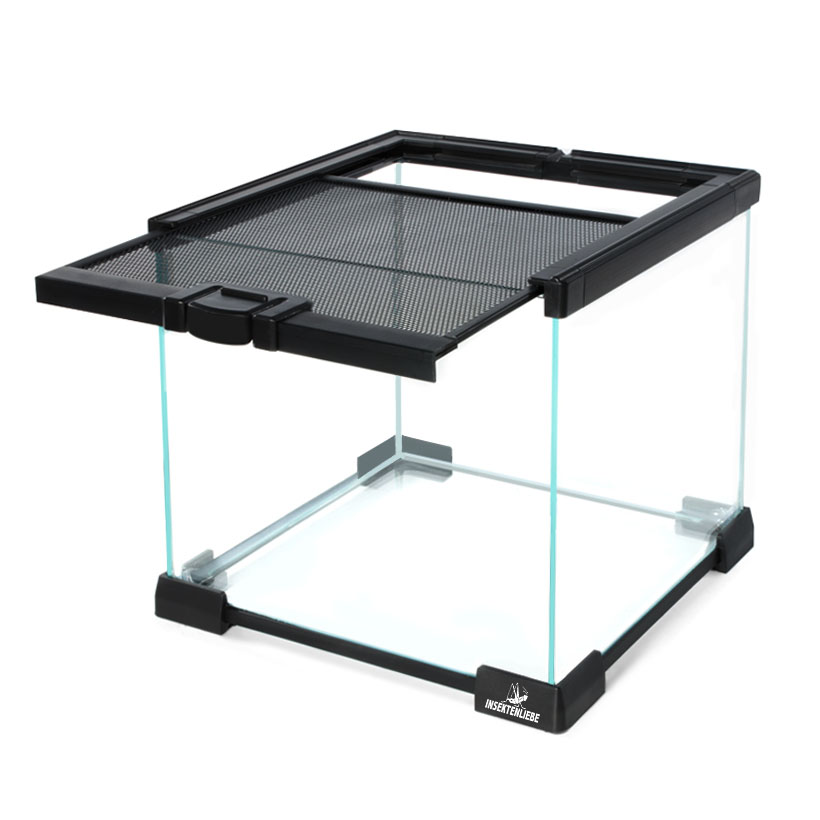
- Insektenliebe Terrarium – provides optimal conditions for ground-dwelling tarantulas.
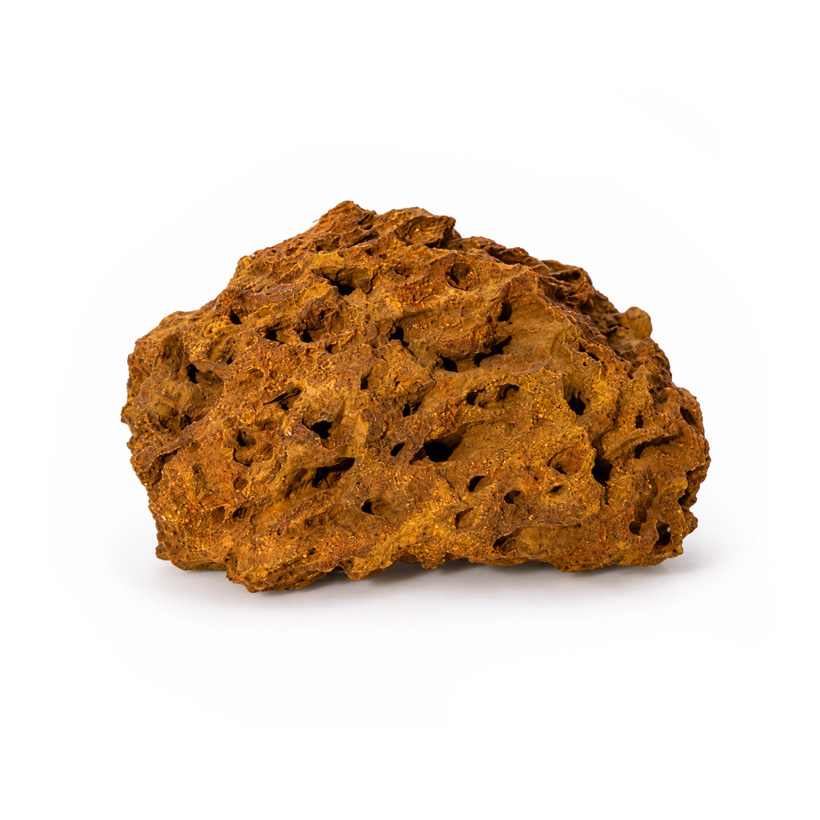
- Termite mounds – provide natural hiding places and refuges.
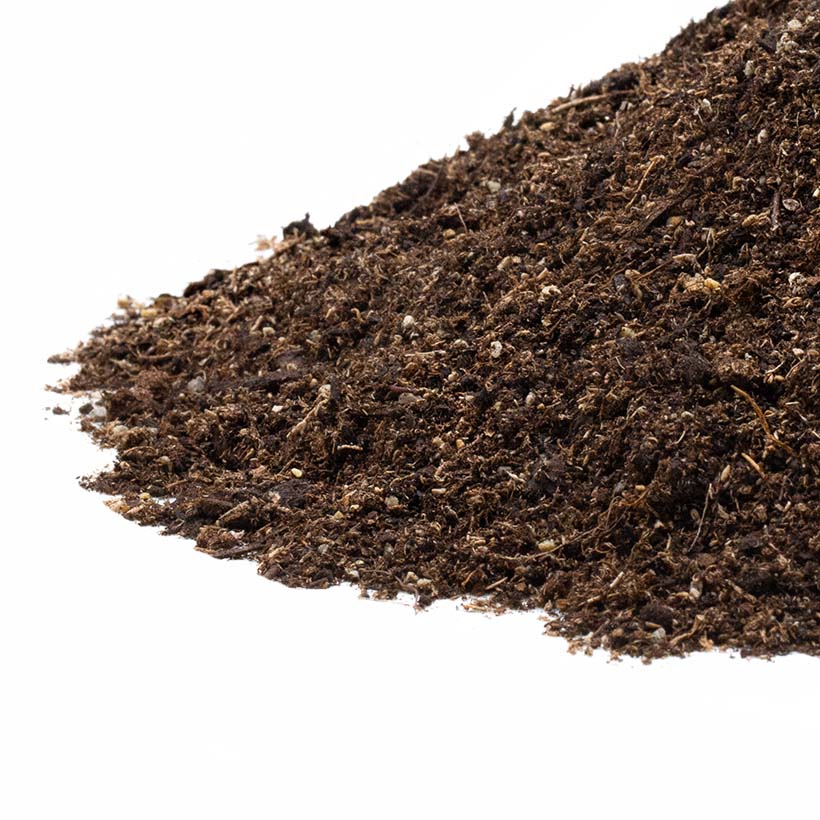
- Tarantula Substrate – provides a loose substrate that is easy for tarantulas to dig in.
- Insektenliebe Terraleaf Brick – provides a natural look and additional cover.
- Insektenliebe Tropischer Regen – provides lime-free water for moistening the terrarium.
- Insektenliebe Terrarium Moss – retains water evenly and helps maintain a stable climate.
- Argentine forest cockroaches – provide a varied and species-appropriate diet.
This creates a natural-looking terrarium while providing the spider with optimal conditions for hunting, molting, and spinning its web.
Conclusion
Hapalopus formosus proves that size isn’t everything. This compact tarantula captivates with its vivid coloring, distinctive web-building, and active behavior. At the same time, it requires relatively little space, making it an excellent choice even for smaller terrariums.
If you’re looking for an extraordinary dwarf tarantula with plenty of personality, you’ll love Hapalopus formosus You’ll enjoy it for a long time. It combines a simple approach with fascinating observations, making it a real asset to any tarantula collection.
Perfect combined with
-
Insektenliebe Terrarium
Price range: 34,99 € through 54,98 € incl. VAT, plus shipping -
Insektenliebe Terrarium Moss
Price range: 4,99 € through 16,99 € incl. VAT, plus shipping -
Insektenliebe Terraleaf Brick
Original price was: 8,99 €.6,99 €Current price is: 6,99 €. incl. VAT, plus shipping