Davus pentaloris
99,00 € incl. VAT, plus shipping

Simple

Guatemala

< 40 mm

22°C – 26°C
Davus pentaloris – The colorful dwarf tarantula
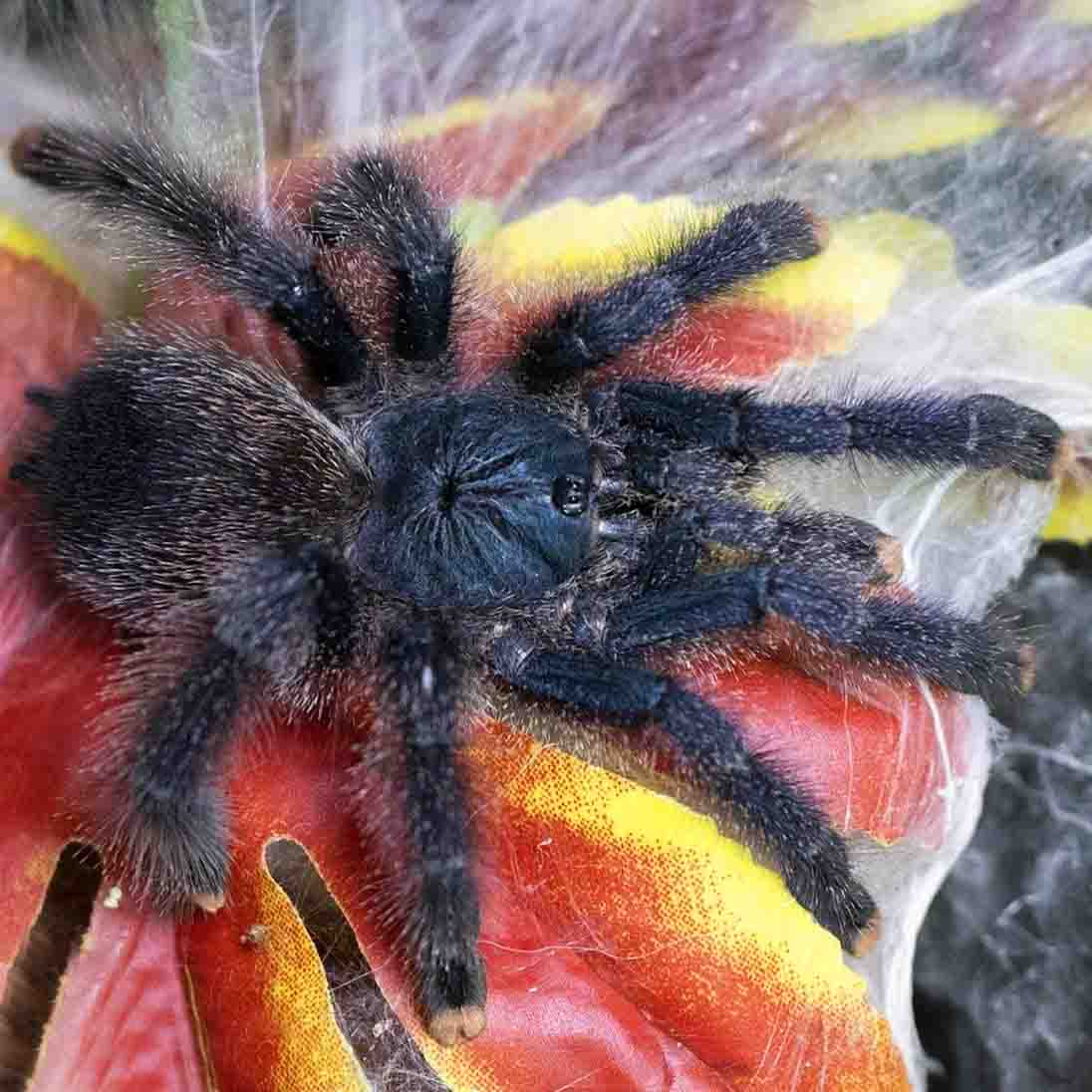
Davus pentaloris belongs to the particularly popular dwarf tarantulas in the terrarium hobby. Despite its rather small size, this species impresses with its striking color pattern and a very interesting behavior.
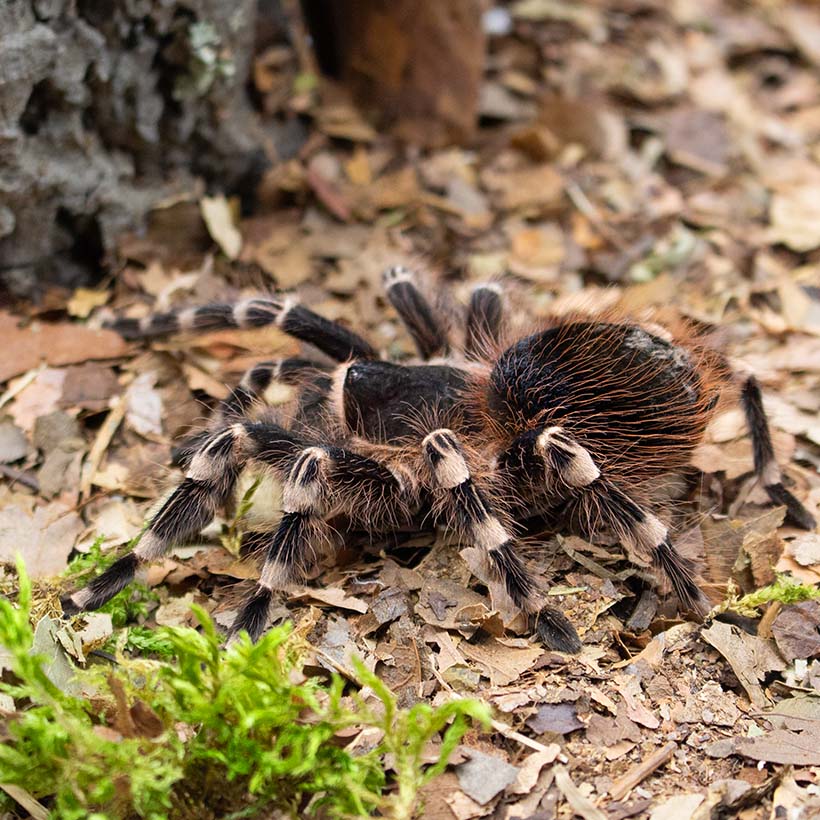
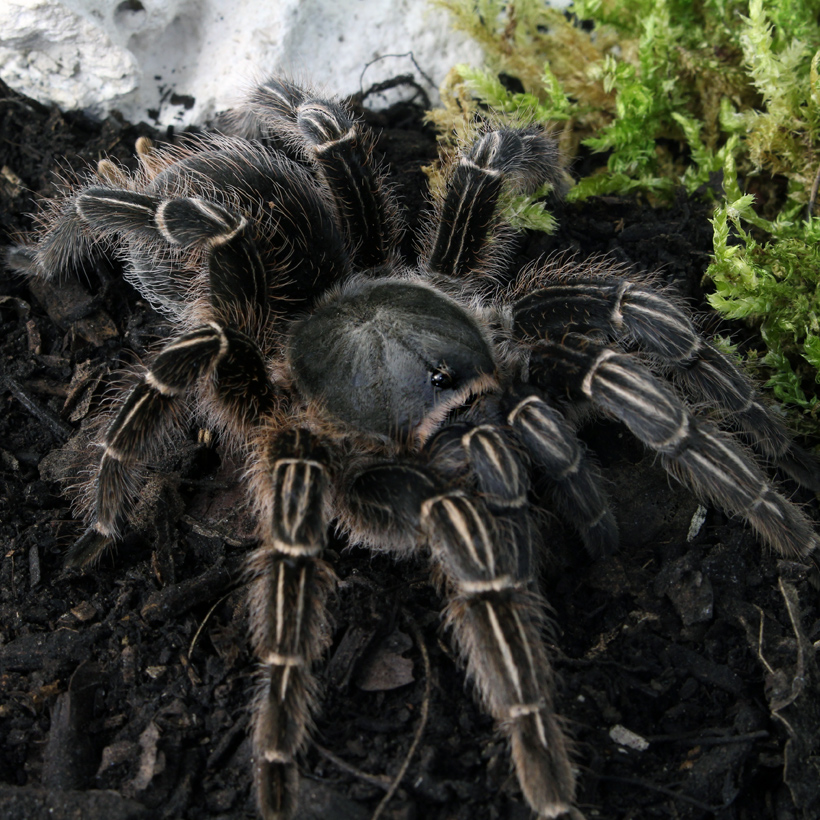
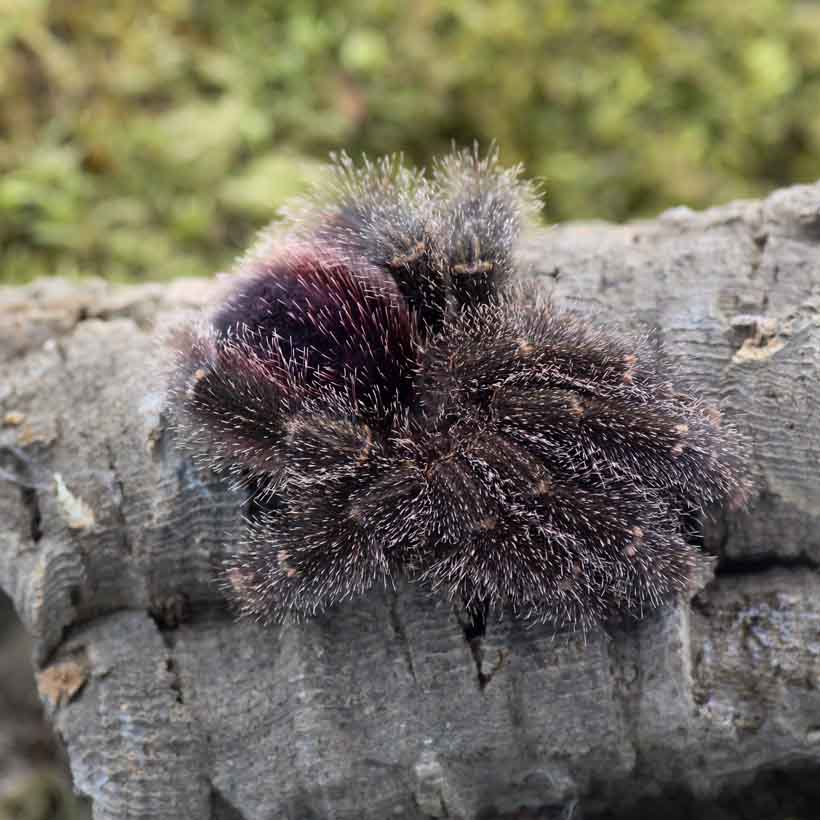
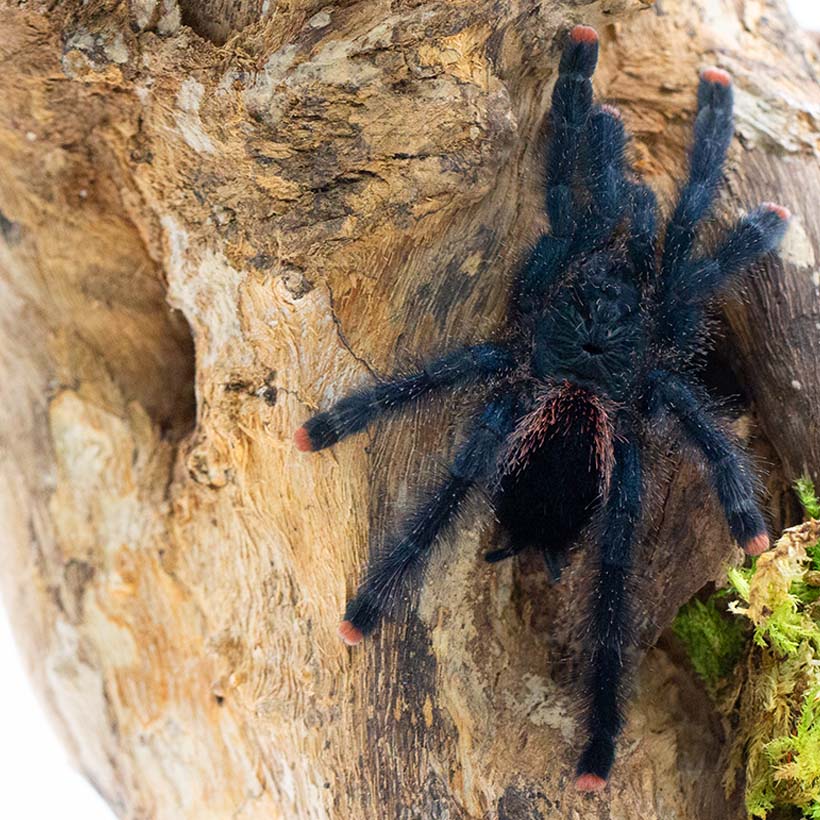
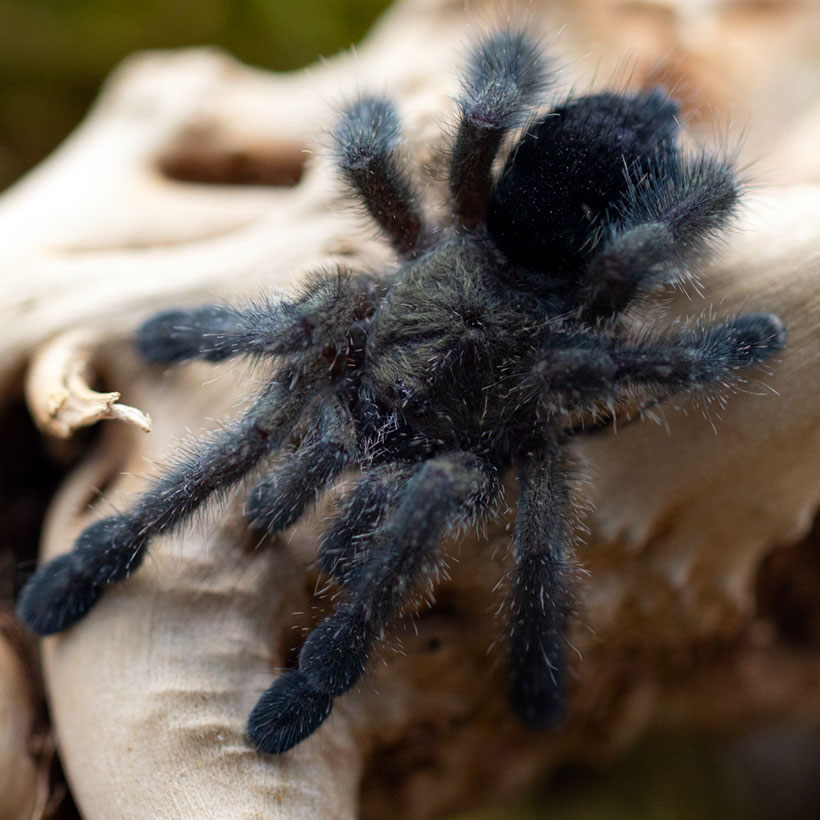
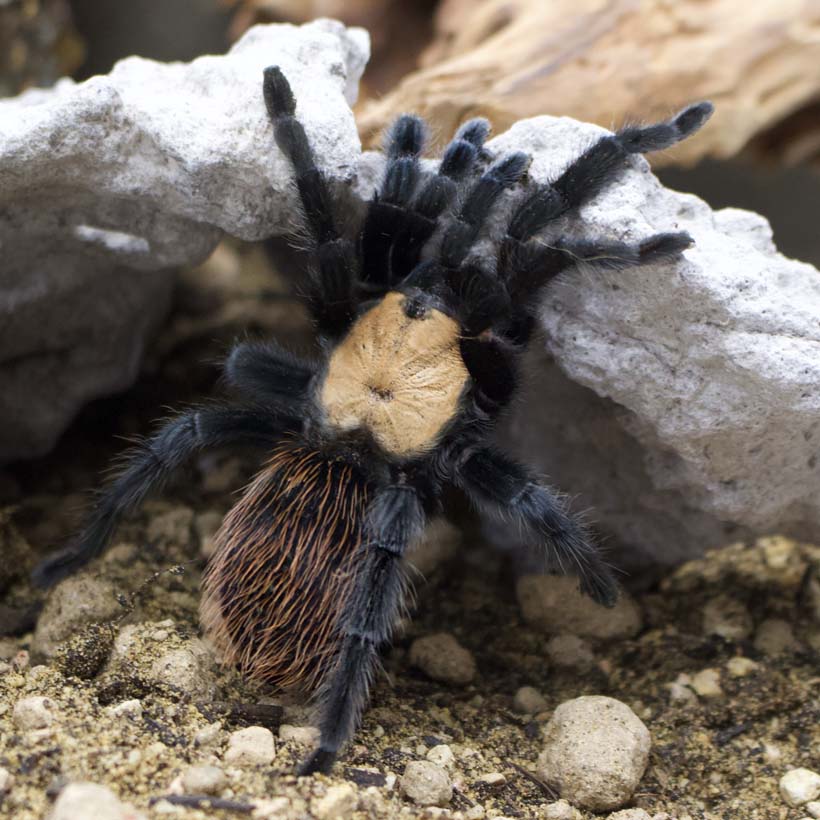
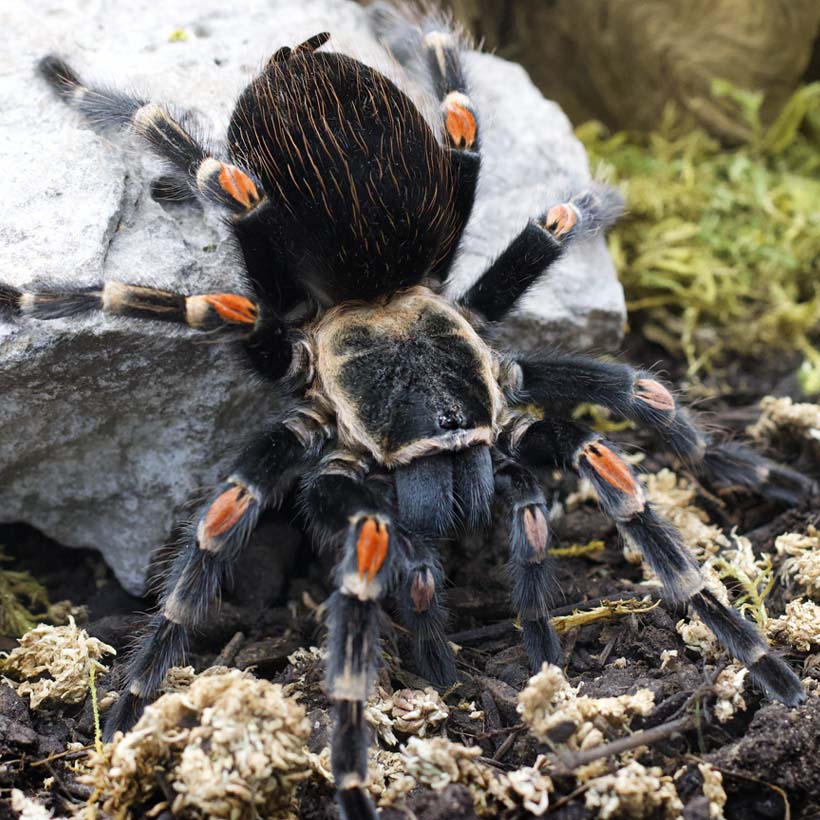
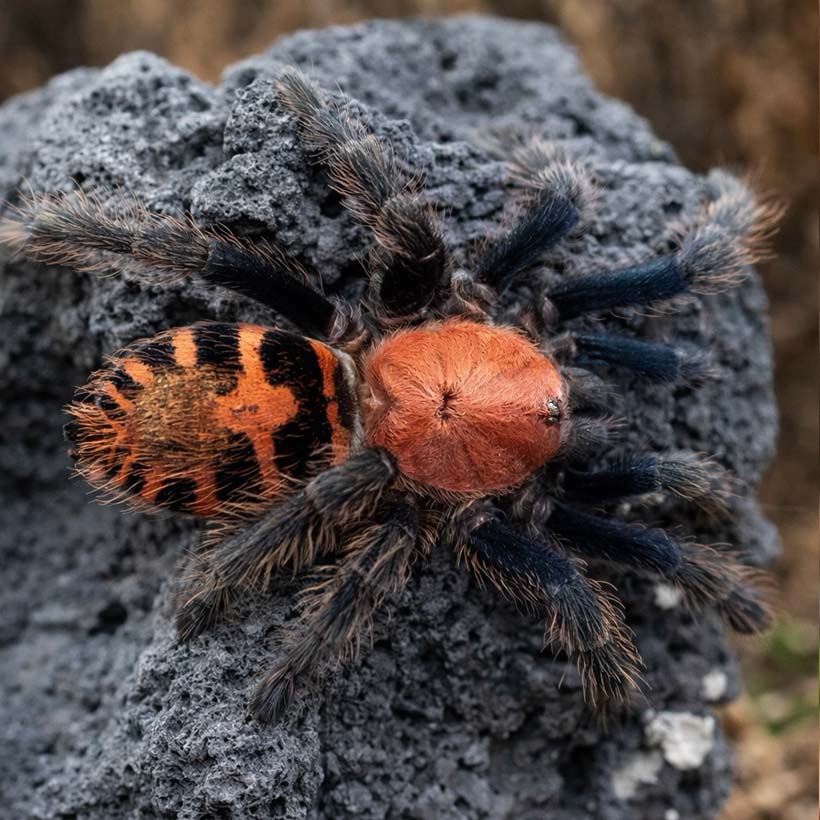
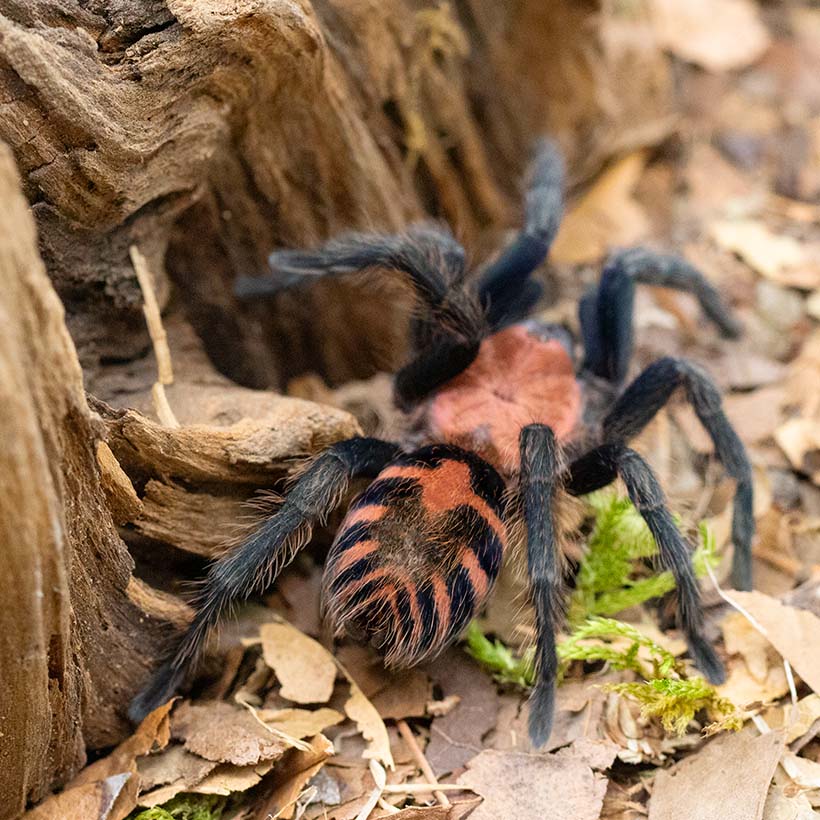
The animals have a dark basic coloration with orange to reddish leg segments and high-contrast drawings on the body. This gives the spider a particularly lively appearance in the terrarium and makes it stand out clearly from the substrate.
With a body length of about 3 to 4 cm and a leg span of about 7 to 9 cm counts Davus pentaloris is one of the smaller tarantula species. This is precisely why this species is ideal for compact terrariums.
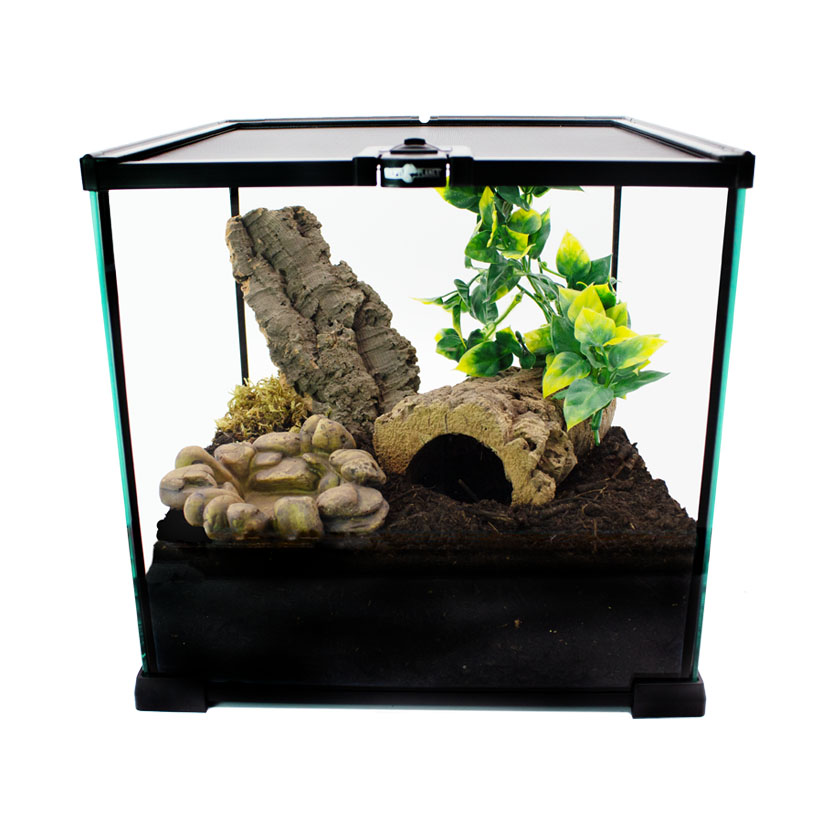
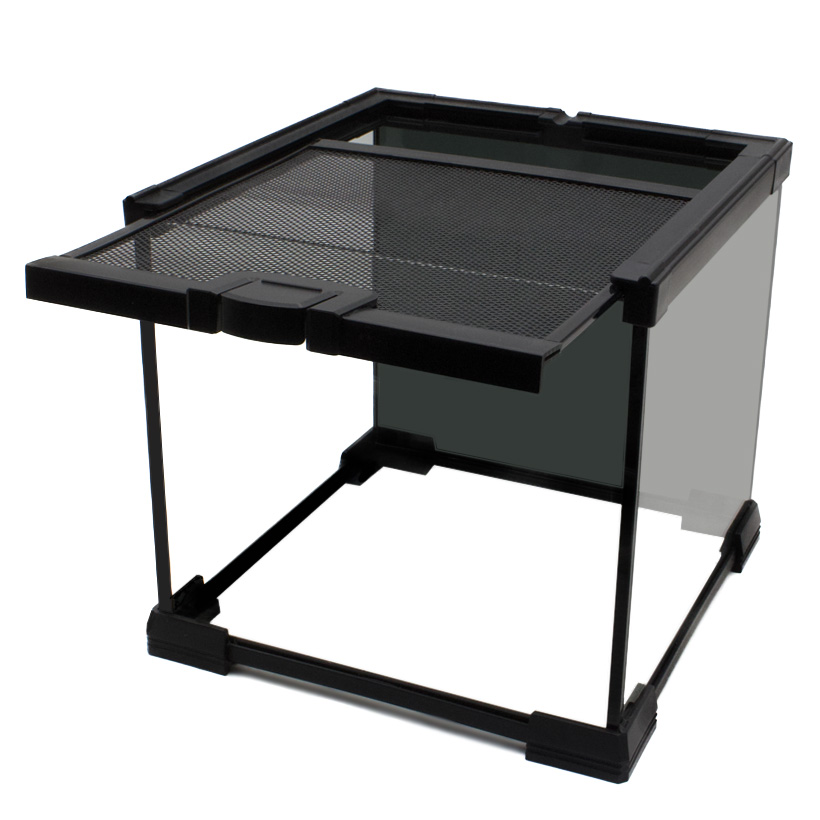
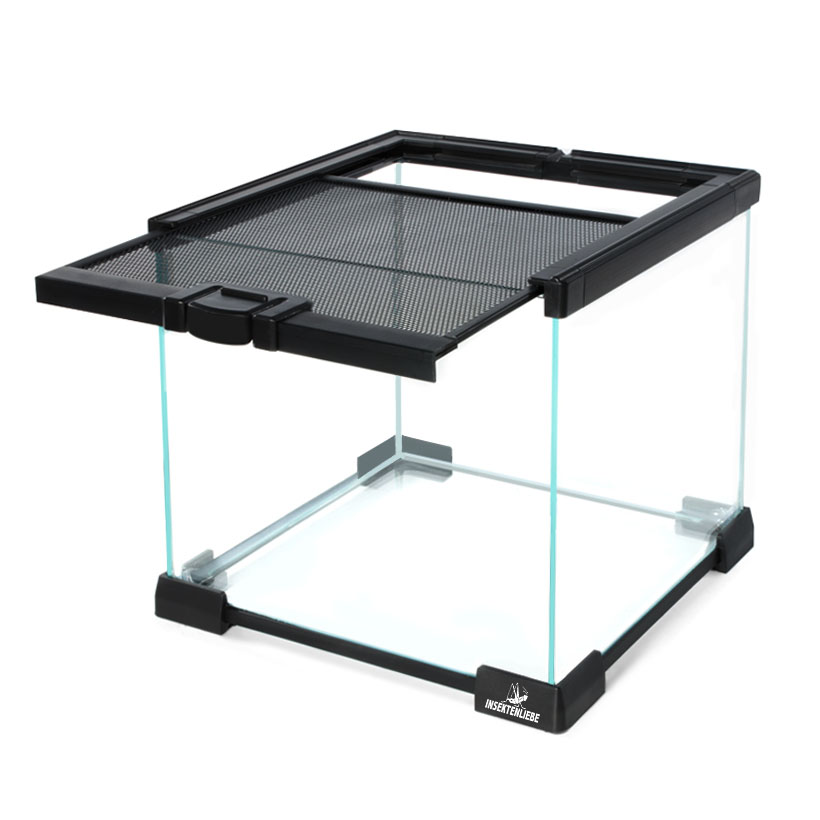
A terrarium is recommended for keeping Terrarium from about 20 × 20 × 20 cm. Larger terrariums are of course also possible, but the animals also feel very comfortable in smaller tanks. Important is a structured substrateso that the spider can create its typical retreats.
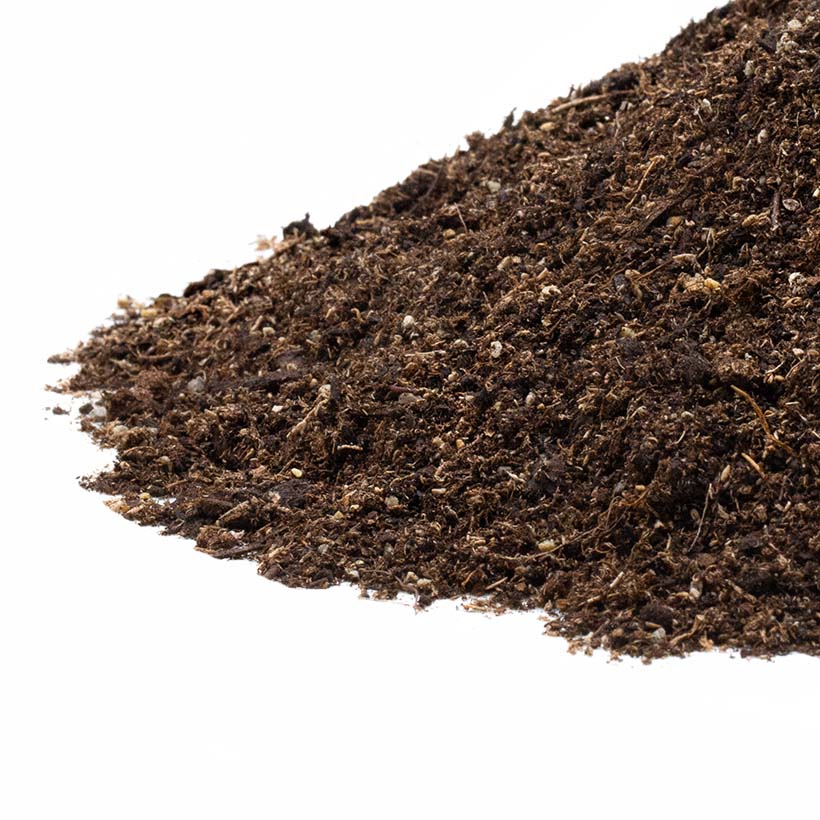
A suitable substrate is a soil suitable for diggingfor example, a mixture of forest humus or our tarantula substrate. One Substrate height of around 5 to 10 cm has proved successful, as the animals occasionally dig.
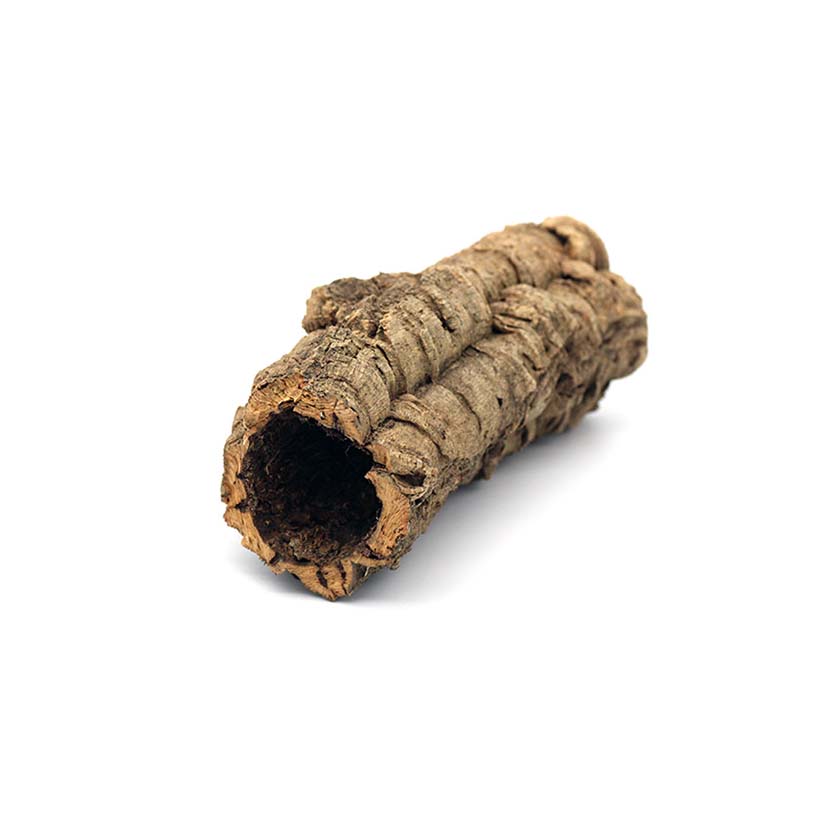
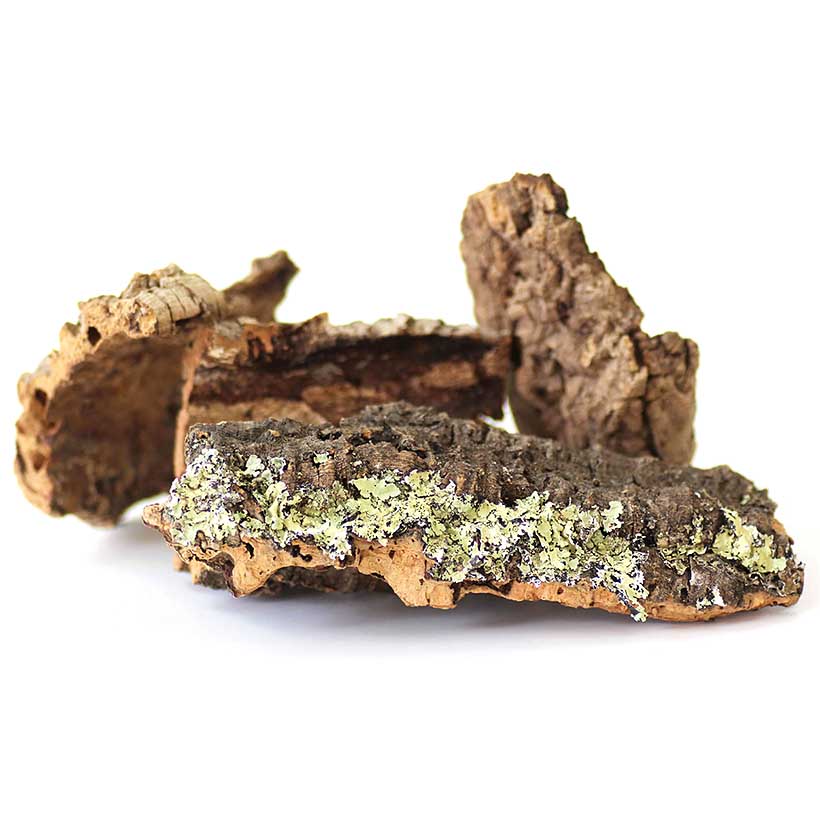
In addition, a bark cavity or a piece of cork bark are offered. These hiding places are readily accepted by the spider and are often additionally lined with webbing.
Temperatures can vary between 22 and 26 °C lie. At the same time, the animals feel comfortable moderate humidity of around 60-70 % particularly well. Slight humidification of a terrarium area is usually sufficient.
Suitable food is smaller feeder insects such as crickets, small cockroaches or other suitable food animals. The spider takes its prey very reliably and shows typical, fast hunting behavior.
Davus pentaloris is generally regarded as robust and relatively easy to care for tarantula. Due to its compact size, its beautiful coloration and its exciting behavior, it is one of the most interesting species for terrarium keepers who want a smaller, but nevertheless conspicuous tarantula would like to keep.