Cauliflower stone
9,99 € incl. VAT, plus shipping
Out of stock

Cosmopolitan
Limestone for Isopods, millipedes and soil dwellers
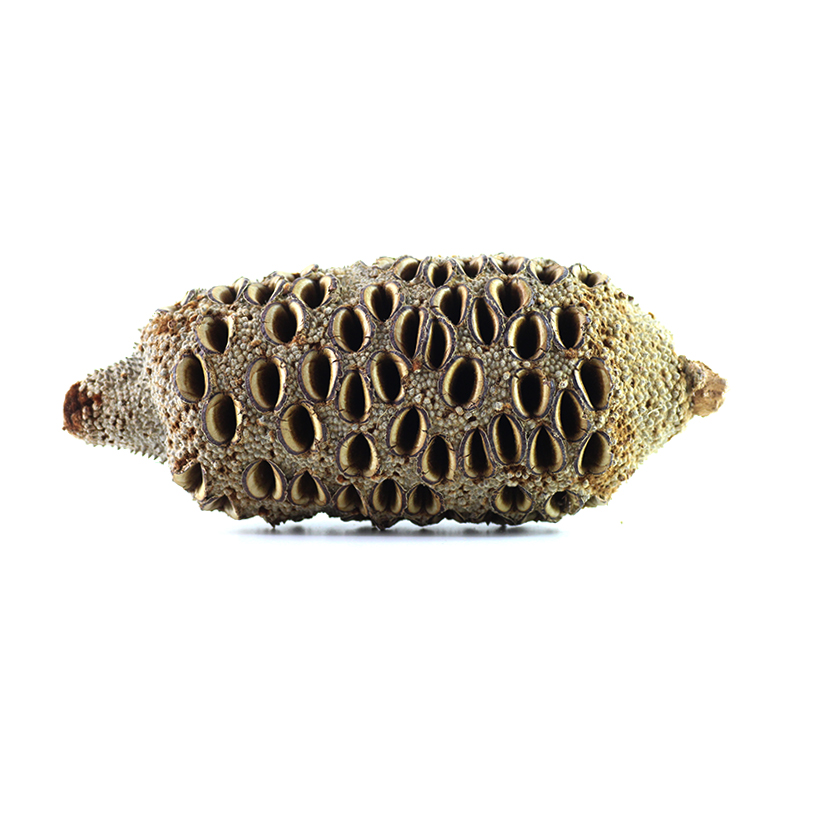
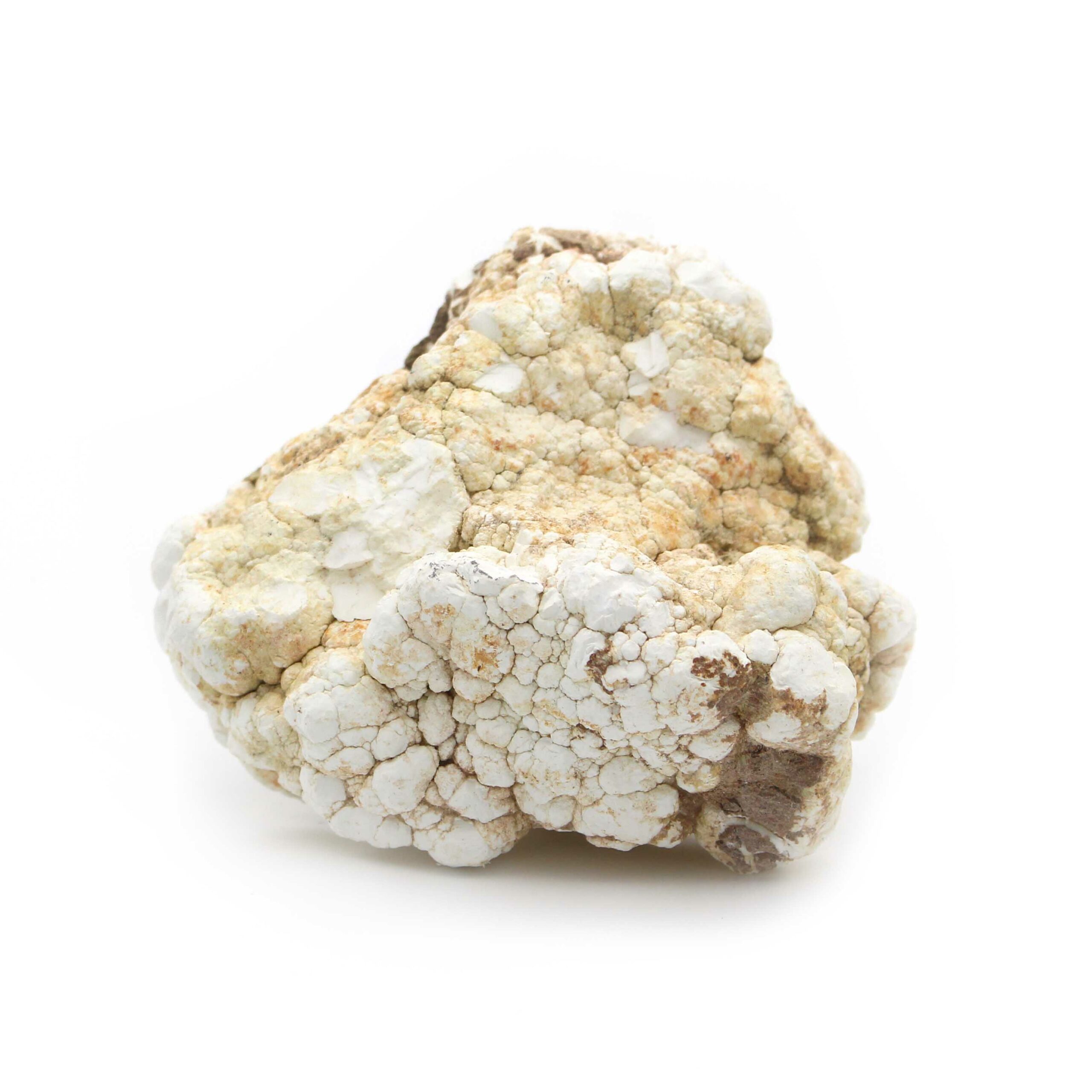
The cauliflower stone belongs to the group of limestones and is an interesting addition for many terrariums, especially for isopod terrariums and invertebrate tanks. Its unusual structure is reminiscent of the surface of a cauliflower and makes it a real eye-catcher in the terrarium.
In contrast to many other limestones, the cauliflower stone is relatively soft. It belongs to the so-called chalk stoneswhich allows lime-loving animals to ingest small amounts without any problems.
Straight Isopods benefit from this property. They like to nibble on calcareous materials, as they use the lime they contain for the Structure of your tank need. The cauliflower stone therefore not only serves as a decoration, but also as a natural source of calcium.
The stone was formed by Deposits of microorganismsmore precisely, by the remains of fossil microorganisms and algae. Over long periods of time, these formed the typical limestone structures that are visible today.
The brownish discoloration on the stone are not dirt, by the way. These are Iron oxideswhich occur naturally in the stone. These also give the cauliflower stone a special color structure.
Thanks to its porous surface, the stone also offers small cracks and structureswhich are popular with many bottom dwellers. This makes it a perfect addition to natural terrarium landscapes.
Especially in Isopod, millipede or invertebrate terrariums the cauliflower stone creates a natural environment and at the same time supports the ecological balance in the tank.
As it is a natural product the individual stones differ in shape, size and structure. It is precisely these differences that make each piece unique and give your terrarium a particularly natural look.
With the cauliflower stone you get a decorative and functional addition to your terrarium that enriches both your animals and the overall look of the tank.